Preschool Thanksgiving Fun with Felt Turkeys
Sparking Imagination: Delightful Preschool Projects & Creative Home Decor Ideas
Welcome to a world where creativity blossoms and little hands bring ideas to life! We believe that engaging children in hands-on activities is not just fun, but also fundamentally important for their development. From simple preschool projects that build essential skills to charming home crafts that add a personal touch to your living space, there’s a universe of DIY possibilities waiting to be explored. Let’s dive into some wonderful ways to foster imagination and create lasting memories, starting with a truly beloved felt craft.
The Enduring Charm of Felt Crafts: Our Favorite Felt Turkey Project
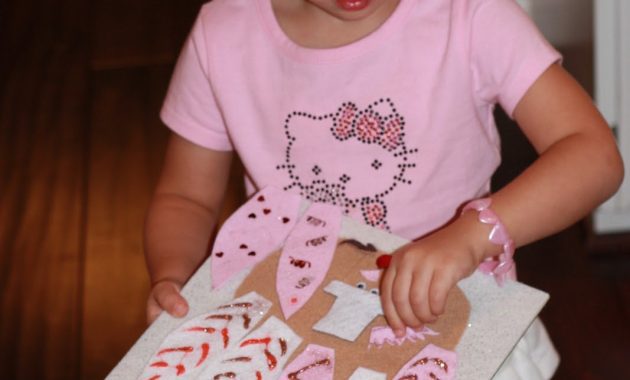
One morning, while my daughter Isabella was at school, I embarked on a creative endeavor that has since become a massive hit in our home: a whimsical felt turkey project. This idea, originally inspired by the wonderful blog Chasing Cheerios, transformed a simple craft into an engaging, interactive toy. It’s essentially a modern, tactile twist on classic paper dolls, but with a festive, feathered friend at its heart. Instead of flat paper, we’re working with soft, colorful felt, allowing for endless customization with sparkly feathers, an array of hats, and even tiny shoes!
Why Felt is the Perfect Medium for Kids’ Crafts
Felt is an absolutely fantastic material for preschool projects and children’s crafts for several reasons. Its soft texture is inviting for little hands, and it’s incredibly forgiving – no need for precise cuts, as felt doesn’t fray. It adheres easily to itself with just a bit of pressure or a touch of Velcro, making it perfect for creating movable pieces that children can arrange and rearrange independently. This interactivity is key to fostering imaginative play and developing fine motor skills without the frustration often associated with more intricate materials. Plus, felt comes in a dazzling array of colors, immediately sparking visual interest and creativity. It’s durable enough to withstand repeated play, making it an excellent investment for sustainable crafting.
Crafting Your Own Interactive Felt Turkey: A Step-by-Step Guide
Creating your own felt turkey is a surprisingly simple yet incredibly rewarding DIY project. Here’s how you can make one for the little ones in your life, turning a basic craft into a beloved activity that can be brought out year after year, especially around Thanksgiving.
- Gather Your Materials: You’ll need various colors of felt sheets (brown for the turkey body, and a vibrant assortment for feathers, hats, shoes, and other accessories), sharp scissors suitable for felt, fabric glue (or a hot glue gun for adult use for quicker adhesion), glitter glue, small googly eyes, and perhaps some Velcro dots or hook-and-loop tape for easily interchangeable pieces.
- Cut the Turkey Body: Start by cutting out a simple turkey body shape from brown felt. Think of a figure-eight or a rounded pear shape for the body, with a smaller head portion and a neck. This will be your base for all the festive adornments.
- Prepare the Feathers: Cut out numerous feather shapes from different colored felt sheets. Encourage variety in size, shape, and color to make the turkey truly unique. This is where the “sparkly feathers” come in – use glitter glue to add shimmer and shine once the felt is cut, making them truly pop!
- Design Accessories: This is the fun part! Let your imagination run wild. Cut out various hats (top hats, bonnets, pilgrim hats), shoes (boots, slippers), bow ties, scarves, or even tiny vests. Remember, these are like clothes for your turkey! Consider themes for different holidays or seasons to extend play.
- Assemble the Face: Glue on googly eyes for a playful touch and cut a small orange felt triangle for the beak and a red wattle (that fleshy bit hanging from a turkey’s chin). Position them appropriately on the head of your felt turkey body.
- Create Interactivity: For easy dress-up and endless play, attach small Velcro dots to the back of each accessory (feathers, hats, shoes) and corresponding spots on the turkey’s body. This allows children to mix and match outfits and feathers over and over again, fostering independence and creativity in their play.
- Embellish: Once everything is cut and glued, add extra sparkle with glitter glue, small sequins, buttons, or even small fabric scraps to give each piece a unique flair and texture. Ensure all small embellishments are securely attached, especially if used by very young children.
This interactive felt turkey is not just a seasonal decoration; it’s a dynamic tool for imaginative play and early childhood development. Children can spend hours dressing up their turkey, creating elaborate stories about its adventures, and developing their own unique characters. It’s a wonderful way to introduce themes like different seasons, holidays, or even historical costumes, all while developing critical fine motor skills and nurturing creativity. This craft also encourages narrative play, which is vital for language development and cognitive processing.
| Fancy lady turkey, adorned with sparkling feathers and stylish accessories. |
| Handsome gentleman turkey, ready for any occasion in his dapper hat. |
| Gobble Gobble! All the creative pieces ready for imaginative playtime. |
Beyond Turkeys: Exploring More Preschool Projects for Development
While our felt turkey is a highlight, the world of preschool projects offers an abundance of opportunities for learning and fun. Engaging children in various crafts and activities helps to develop a wide range of skills crucial for their growth, setting a strong foundation for future academic success and personal well-being.
- Sensory Bins: Fill a container with safe, engaging materials like rice, beans, pasta, water beads, or sand, along with small toys, scoops, and cups. Sensory bins stimulate touch, sight, and hearing, while promoting imaginative play, problem-solving, and fine motor development as children explore textures and manipulate objects.
- Painting & Drawing: Provide finger paints, watercolors, crayons, or markers and let children express themselves freely on paper, cardboard, or even larger surfaces. This encourages creativity, color recognition, hand-eye coordination, and pre-writing skills. Varying materials helps develop different grips and strengths.
- Playdough & Clay: Kneading, rolling, pinching, and shaping playdough or clay strengthens hand muscles, improves dexterity, and promotes creativity. Add cookie cutters, plastic tools, or natural elements like leaves and twigs for extra fun and sensory input.
- Nature Crafts: Take children on a nature walk to collect leaves, twigs, pinecones, flowers, and interesting stones. Use these treasures to create collages, sculptures, or decorate picture frames. This connects children with the natural world, encourages observation, and sparks eco-friendly creativity.
- Storytelling Puppets: Create simple stick puppets using craft sticks and paper cutouts, or paper bag puppets with markers and yarn. Encourage children to put on shows, tell stories, and develop characters, which boosts language development, narrative skills, and self-confidence.
- Building Blocks & Construction: Beyond traditional crafts, provide a variety of building materials like LEGOs, wooden blocks, or magnetic tiles. These encourage spatial reasoning, problem-solving, and engineering skills, as well as collaborative play.
The Developmental Benefits of Hands-On Crafting for Kids
Beyond the immediate joy and engaging aesthetics, preschool projects and hands-on crafts offer profound developmental advantages. They are not merely time-fillers; they are powerful educational tools that contribute significantly to a child’s holistic growth.
- Fine Motor Skill Development: Activities like cutting with scissors, gluing small pieces, painting with brushes, and manipulating intricate craft items enhance dexterity, hand strength, and hand-eye coordination. These skills are essential prerequisites for writing, dressing, and other daily tasks.
- Cognitive Growth & Problem-Solving: Following instructions, planning a project, choosing materials, and overcoming challenges (e.g., “how do I attach this feather so it stays?”) contribute significantly to cognitive development. Children learn cause and effect, sequencing, and logical thinking.
- Creativity & Imagination: Crafts provide an open-ended outlet for children to express their unique ideas, fostering originality, imaginative thinking, and divergent problem-solving. There’s no single “right” way to create, encouraging personal expression.
- Language & Communication: Discussing their creations, describing colors and shapes, explaining their process, and telling stories about their crafts boosts vocabulary, communication skills, and fosters a richer understanding of concepts.
- Emotional Expression & Self-Esteem: Art allows children to safely express feelings and emotions that they might not yet have the words for. Completing a project, even a simple one, provides a tangible sense of accomplishment, building self-esteem, confidence, and resilience.
- Patience & Focus: The process of creating requires sustained attention. Completing a project, from start to finish, teaches patience and helps improve concentration and the ability to see a task through.
- Sensory Exploration: Working with various textures, colors, and smells (like playdough) stimulates sensory processing, which is crucial for brain development.
Transforming Your Home: Inspiring Home Crafts and Decorating Ideas
The spirit of DIY creativity isn’t limited to children’s projects. Bringing handmade charm into your home through simple crafts can create a truly unique and inviting atmosphere. Home crafts allow you to personalize your space, reflect your individual style, and often do so on a budget. Beyond the monetary savings, there’s immense satisfaction in surrounding yourself with items crafted by your own hands, infusing your living spaces with personal history and warmth.
DIY Decorating Ideas for Every Season and Style
- Seasonal Garlands: Create beautiful garlands from felt leaves for autumn, intricate paper snowflakes for winter, vibrant fresh flowers for spring, or collected seashells for summer. These are easy to customize, can be stored and reused, and instantly update a room’s ambiance.
- Personalized Photo Frames: Give plain wooden or cardboard frames a unique twist by decorating them with paint, glitter, buttons, small mosaics, or even dried pressed flowers. These make thoughtful, heartfelt gifts and provide unique display pieces for your cherished memories.
- Painted Rocks & Stones: Collect smooth rocks from nature and paint them with intricate designs, inspirational messages, or fun characters. Use them as garden decor, quirky paperweights, or participate in the growing trend of hiding them in local parks for others to find and re-hide.
- Upcycled Jar Vases & Holders: Transform old glass jars into charming vases for flowers, practical holders for craft supplies or kitchen utensils, or unique candle lanterns by painting them, wrapping them with twine or fabric, or adding decorative elements like lace or beads.
- Fabric Wall Art: Utilize embroidery hoops and colorful fabric scraps to create simple yet striking textile art pieces. No advanced sewing skills required – just stretch and trim the fabric within the hoop for a modern, textured wall hanging.
- Hand-Stenciled Throw Pillows: Give old throw pillows a new lease on life or customize new plain ones by stenciling on patterns, meaningful quotes, or artistic images using fabric paint. This allows for bespoke decor that matches your specific aesthetic.
- Candle Holders with Natural Elements: Decorate simple glass votives with cinnamon sticks, dried cranberries, pinecones, or sprigs of evergreen for a rustic, aromatic, and seasonal touch.
Involving Kids in Home Decor
Don’t shy away from involving your children in home decorating! Their unique perspective, uninhibited creativity, and boundless enthusiasm can lead to surprisingly charming and truly personal results.
- Artwork Display: Frame their drawings and paintings to create a rotating art gallery in their room, a hallway, or even the living room. This celebrates their talent and makes them feel valued.
- Handmade Ornaments: During holidays, let them create ornaments from clay, salt dough, paper, or felt. These become cherished keepsakes that adorn your tree or mantel year after year, rich with family memories.
- DIY Banners: Help them create banners for birthdays, holidays, or just because. String cut-out letters, shapes, or themed drawings together to add a festive and personal touch to any celebration.
- Personalized Room Decor: From painted wooden letters spelling their name to decorated keepsake boxes, these projects give children a sense of ownership and pride in their space, reflecting their personality in their immediate environment.
- Customized Bookends: Paint and decorate plain wooden bookends or sturdy bricks to hold their favorite stories, adding a splash of color and personality to their bookshelves.
Conclusion: Embrace the Joy of DIY Creativity
Whether you’re crafting a silly felt turkey with your toddler, making a personalized gift for a loved one, or adding a handmade touch to your living room, the act of creating is an incredibly enriching experience. It fosters essential developmental skills in children, provides a therapeutic and mindful outlet for adults, and infuses your home with warmth, character, and stories that mass-produced items simply can’t replicate. We hope these preschool projects and home crafts and decorating ideas inspire you to pick up some materials and start crafting today. Embrace the process, cherish the memories made, and enjoy the beautiful, unique results of your own hands. Happy crafting, and may your home always be filled with joy and creativity!