Easy Homemade Vegan Cream Cheese
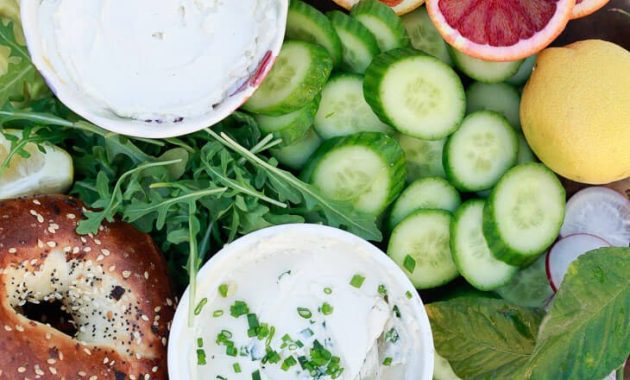
Welcome to the ultimate guide for crafting your own delectable, dairy-free vegan cream cheese at home! Imagine a spread so rich, creamy, and wonderfully tangy, perfect for slathering on your morning bagel, enhancing a gourmet sandwich, or even elevating your favorite dessert recipes. This isn’t just a substitute; it’s a revelation. Made effortlessly with simple, wholesome cashews, this homemade vegan cream cheese will quickly become a staple in your kitchen. If you’ve ever sought a plant-based alternative that truly satisfies, prepare to be amazed by this incredibly easy and unbelievably delicious recipe. It’s more than just a spread; it’s a culinary experience that proves vegan options can be just as, if not more, delightful than their traditional counterparts.
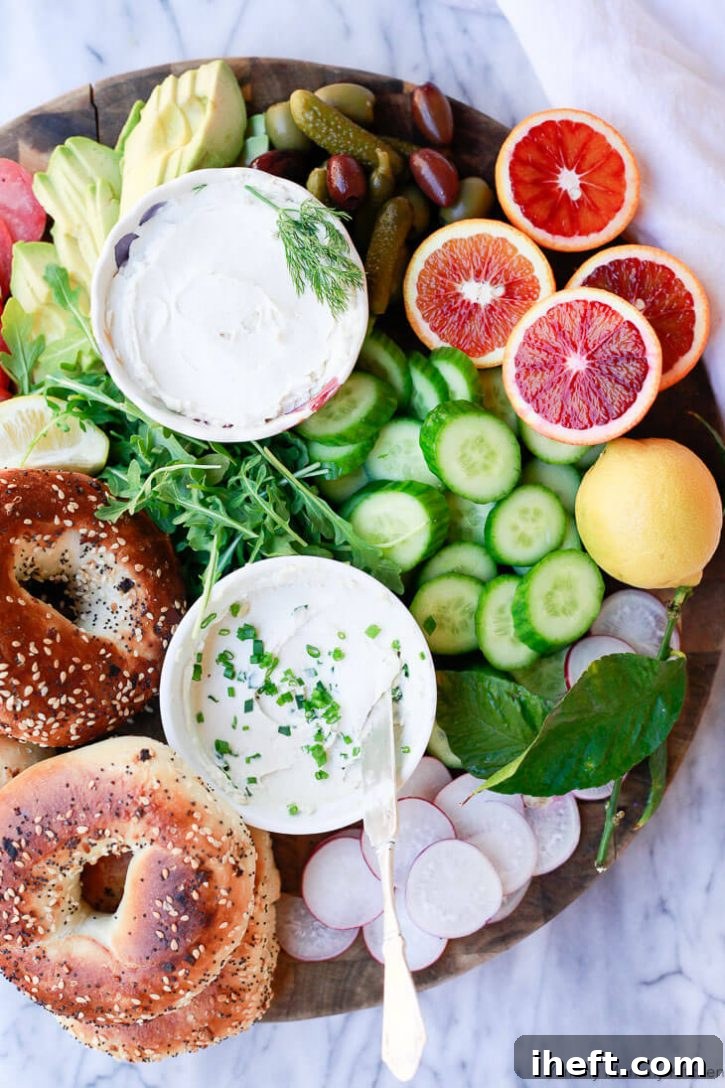
For years, the world of dairy-free “cheeses” crafted from nuts has captivated my culinary curiosity, evolving into an exciting journey of discovery. While commercial vegan cheese products have truly come into their own, offering impressive quality and flavor, there’s an unparalleled satisfaction that comes from creating these delightful alternatives in your own kitchen. This particular recipe for vegan cream cheese, much like my popular Vegan Ricotta, draws its inspiration from exceptional store-bought brands that genuinely blew me away. Brands like Kite Hill and Miyoko’s have set a high bar, demonstrating the incredible potential of plant-based ingredients. By examining their ingredient lists and understanding the fundamental processes, I’ve refined a method to replicate that incredible taste and texture right here at home.
Both leading brands utilize a cashew base coupled with real, recognizable food ingredients – a philosophy I wholeheartedly embrace. After experimenting with numerous batches, my family enthusiastically agrees that this homemade version rivals, and perhaps even surpasses, its dairy counterpart. It’s truly become a household favorite. Now, allow me to guide you through the straightforward, step-by-step process of preparing your very own batch of this wonderfully creamy and tangy dairy-free vegan cream cheese.
How to Make the Best Dairy-Free Cashew Cream Cheese
The Foundation: Starting with Raw Cashews
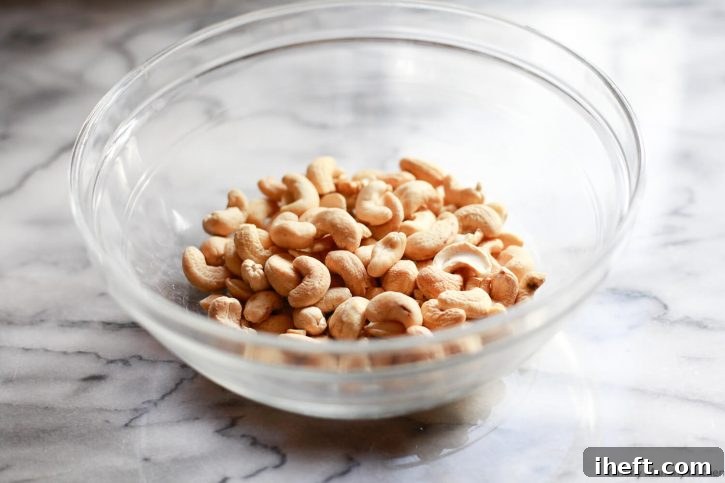
Raw cashews are the undisputed heroes in the realm of dairy-free creamy textures. I’ve had the pleasure of working with them extensively to develop a variety of incredibly smooth and decadent plant-based recipes. Their unique composition allows them to blend into an astonishingly silky cream, which forms the luxurious base for this vegan cream cheese. This “cashew cream” magic is also what lends incredible richness to dishes like my beloved Creamy Vegan Broccoli Soup and my indulgent Vegan Spinach Artichoke Dip. Furthermore, blended cashews are essential for creating the impossibly smooth filling in my no-bake Vegan Chocolate Cheesecake.
In all these applications, the key to achieving a truly neutral and versatile base is to use raw cashews, not roasted ones. Roasted cashews, while delicious on their own, impart a distinct nutty flavor that can overpower the delicate tang we aim for in cream cheese. Opting for raw ensures your cream cheese tastes purely like the delightful spread it’s meant to be, rather than a cashew butter.
Essential Step: Soaking the Cashews
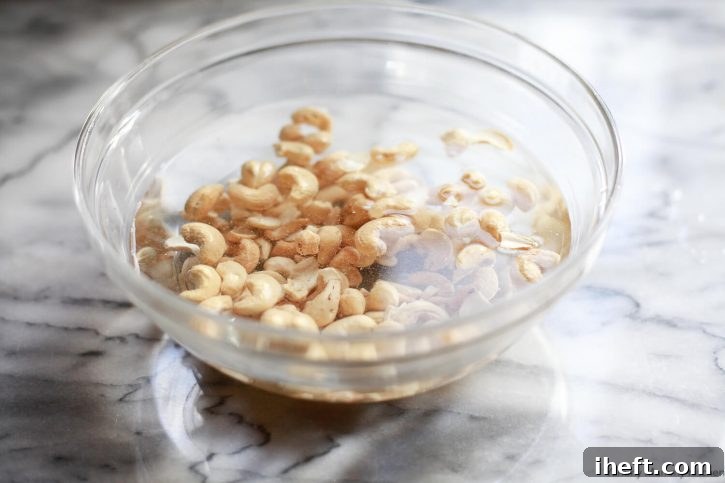
The transformation of humble raw cashews into a luscious cream cheese is largely dependent on one crucial step: proper soaking. This process softens the cashews significantly, making them incredibly pliable and ready to yield their creamiest potential when blended. For optimal results, place your raw cashews in a bowl and cover them completely with fresh water. Allow them to soak at room temperature for a minimum of 6 hours, or ideally, overnight. This extended soak ensures they become wonderfully soft and easy to pulverize into a smooth consistency.
For those times when you’re short on time but still craving homemade goodness, a quick-soak method can be employed. Simply pour very hot (but not boiling) water over the cashews and let them sit for about 3 hours. While effective, the overnight soak generally produces a superior, smoother texture. A good indicator that your cashews are adequately softened is when they can be easily broken in half with just your fingers. Remember that older cashews might require a slightly longer soaking time to reach this desired tenderness.
Achieving the Signature Tang: Culturing Your Vegan Cream Cheese
Once your cashews are beautifully blended into a smooth and creamy spread, you’ll have a delightful base. However, to truly elevate it to “cream cheese” status, we need to introduce that characteristic tangy flavor that’s so essential. This is where the magic of culturing comes in. Culturing essentially means introducing live active cultures, which ferment the sugars in the cashew base and produce lactic acid, giving your cream cheese its distinct sour notes and complexity.
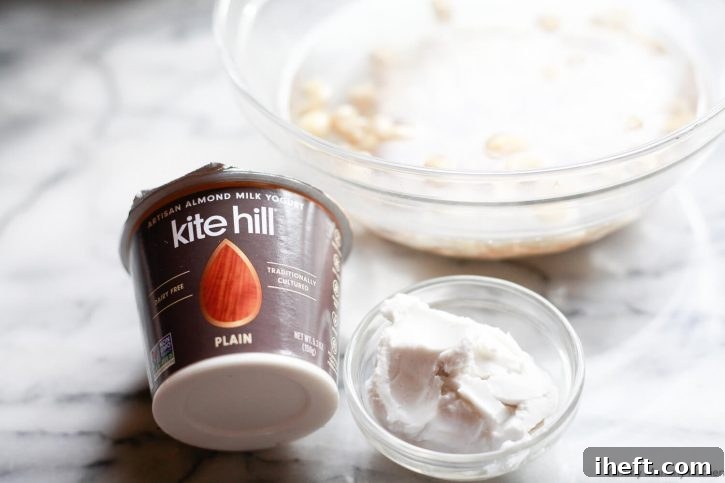
The simplest and most effective way to culture vegan cream cheese is by adding a high-quality plain, unsweetened dairy-free yogurt. Look for yogurts that explicitly state they contain “live active cultures.” I’ve personally found that Kite Hill plain almond-based yogurt yields fantastic results. Alternatively, you can use the contents of a probiotic capsule, though in my testing, the yogurt-cultured version offered a more pronounced and authentic tang. Some adventurous chefs also experiment with culturing agents like sauerkraut juice or rejuvelac, though I haven’t yet explored those methods.
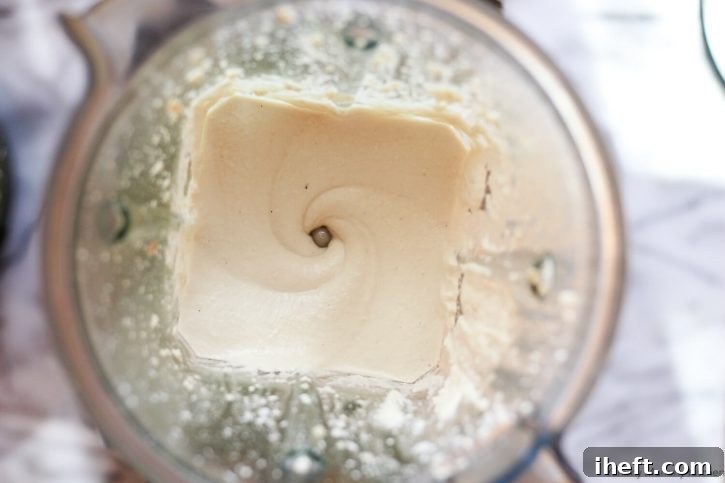
After blending the cashews, coconut cream, water, and sea salt until perfectly smooth, gently fold in your chosen culturing agent (dairy-free yogurt or probiotic). Then, transfer your creamy cashew mixture to a meticulously clean small glass storage container. For optimal sanitation, you can run the container through a hot dishwasher cycle beforehand. Cover it snugly with a lid or plastic wrap and allow it to sit at room temperature for 12 to 24 hours. During this incubation period, the live cultures from the yogurt will work their magic, deepening the flavor and developing that wonderful tang we’re after. Don’t be concerned if the cream cheese appears a bit loose initially; it will firm up considerably as it cultures and even more so after chilling in the refrigerator.
It’s worth noting that much of my knowledge and technique for culturing plant-based cheeses stems from the expertise of the incomparable vegan cheesemaker, Miyoko Schinner. Her groundbreaking work and innovative recipes have revolutionized homemade vegan cheese. If you’re keen to explore further into the art of dairy-free cheesemaking, her cookbooks, Artisan Vegan Cheese and The Homemade Vegan Pantry, are invaluable resources. (These are Amazon affiliate links, meaning I may earn a small commission if you purchase through them, at no extra cost to you).
Storage and Freshness Tips
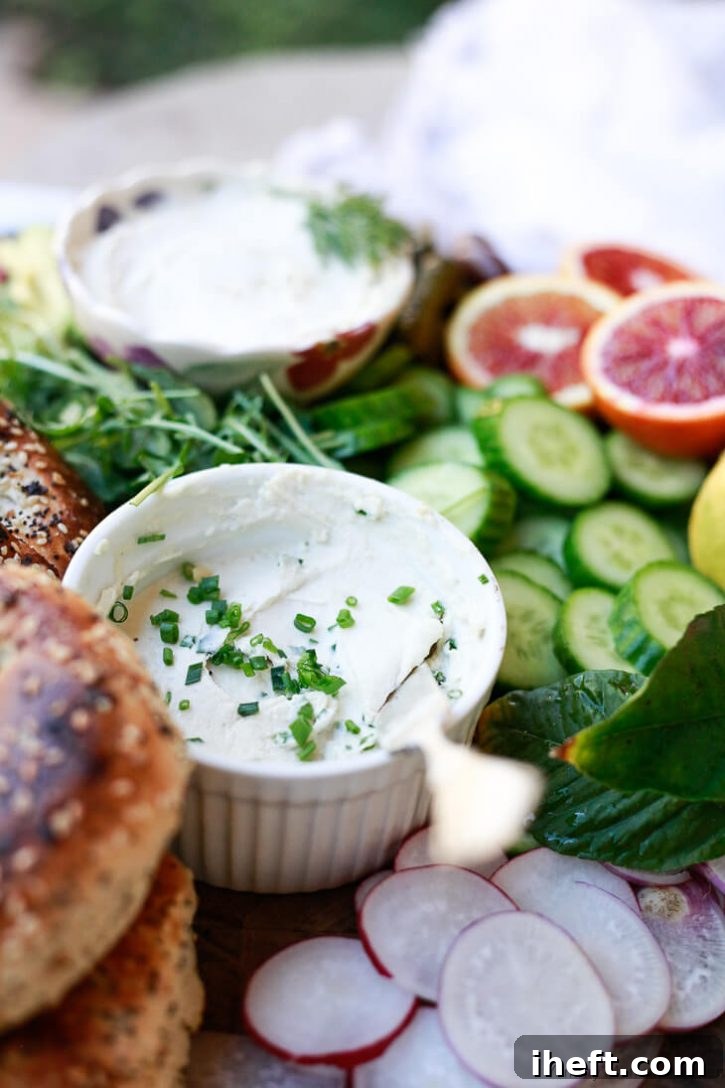
Once your vegan cream cheese has cultured and chilled to perfection, transfer it to an airtight container. Stored properly in the refrigerator, your homemade dairy-free cream cheese will maintain its delicious freshness for approximately one week. Always ensure it’s tightly sealed to prevent it from absorbing other odors in the fridge and to keep it at its best.
Exciting Homemade Dairy-Free Cream Cheese Variations
While this basic vegan cream cheese recipe is absolutely delightful on its own, it also serves as a fantastic canvas for a myriad of flavor enhancements. Don’t hesitate to get creative and customize your batch with these exciting mix-in ideas, or let them inspire your own culinary innovations:
- Sweet Cinnamon & Coconut Sugar: A sprinkle of ground cinnamon and a touch of coconut sugar creates a comforting, warm, and sweet cream cheese, perfect for fruit toast or dessert bagels.
- Fruity Apple or Pumpkin Butter: Swirl in a tablespoon or two of your favorite apple butter or pumpkin butter for a seasonal, spiced, and naturally sweet spread.
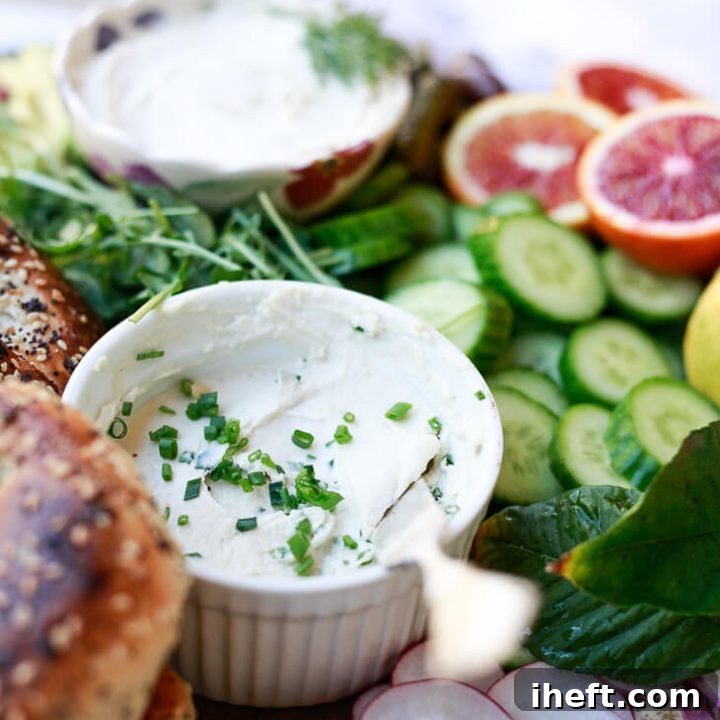
- Fresh Chives: Finely chopped fresh chives add a mild oniony zest and a beautiful green fleck, making it ideal for savory applications and a classic bagel topping.
- Bright Dill: Incorporate fresh dill for a herbaceous, slightly lemony flavor that pairs wonderfully with smoked “salmon” or cucumber sandwiches.
- Earthy Truffle Salt: A pinch of truffle salt can elevate your cream cheese with an earthy, gourmet aroma, transforming it into a luxurious spread for crackers or crostini.
- Garlic & Herb: Mix in granulated garlic powder, dried parsley, chives, and onion powder for a classic savory herb cream cheese.
- Spicy Jalapeño: For a kick, finely dice some fresh or pickled jalapeños and mix them in. Add a squeeze of lime for extra brightness.
- Sun-Dried Tomato & Basil: Blend in rehydrated sun-dried tomatoes and fresh basil for an Italian-inspired, flavorful spread.
Creative Ways to Enjoy Your Vegan Cream Cheese
The versatility of this homemade vegan cream cheese knows no bounds! Beyond the obvious, here are some inspiring ways to incorporate this creamy delight into your meals and snacks:
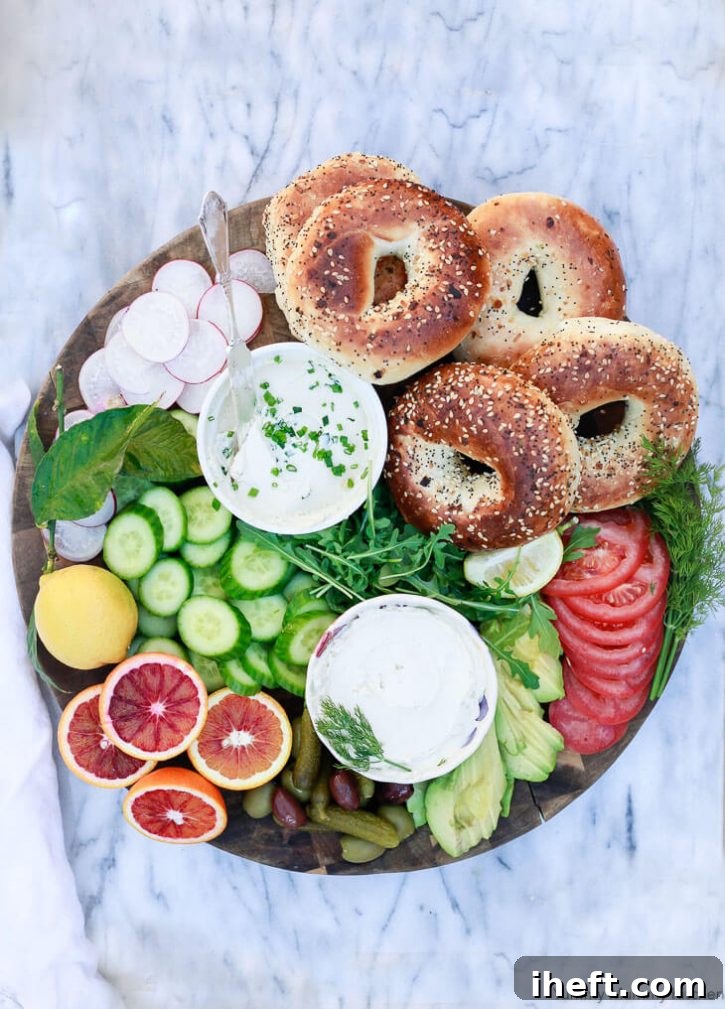
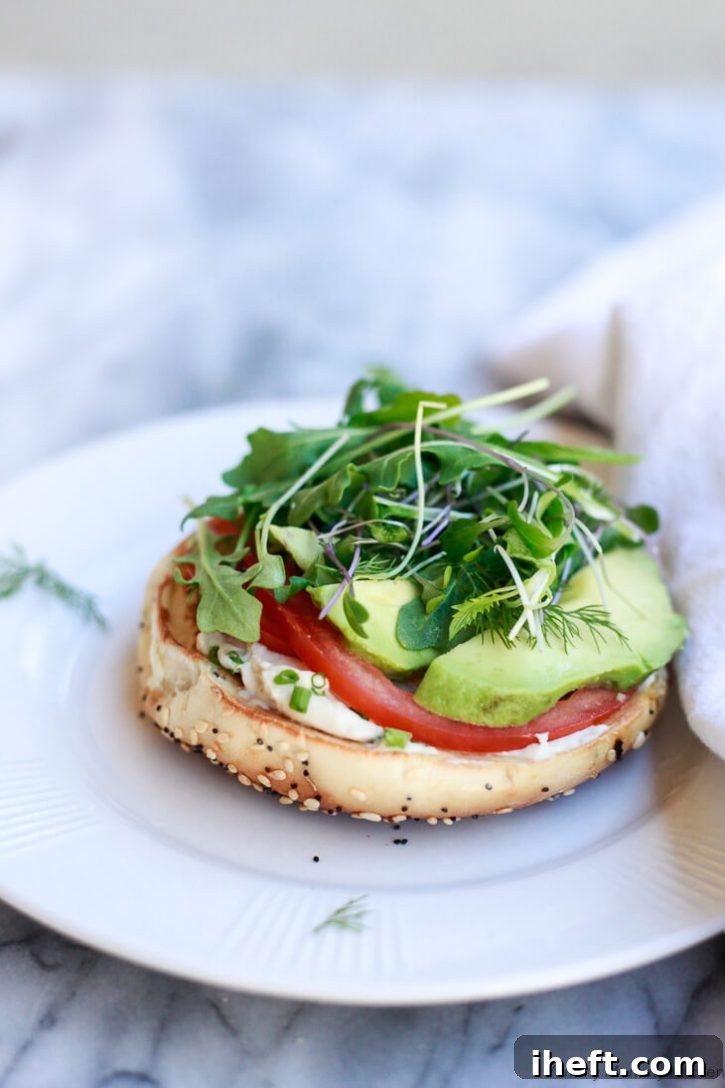
- The Ultimate Bagel Topping: This is a given! Spread generously on toasted bagels, whether plain, everything, or sesame. Top with sliced tomatoes, avocado, capers, red onion, or even a sprinkle of everything bagel seasoning for a gourmet breakfast or brunch.
- Gourmet Sandwich & Wrap Spreads: Transform your everyday sandwiches. Cucumber and cream cheese is a timeless tea-time classic, but consider using it in veggie wraps, alongside roasted red peppers, spinach, and grilled vegetables.
- Delightful Dessert Frostings: Replace traditional cream cheese in dessert recipes! Use it to make a luscious Vegan Cream Cheese Frosting for treats like these Gluten-Free Pumpkin Muffins or classic Carrot Cake Muffins. It’s also perfect for vegan red velvet cake.
- Spread on Quick Breads: Elevate a slice of warm Vegan Banana Bread or zucchini bread with a dollop of plain or cinnamon-sugar flavored vegan cream cheese.
- Savory Dips & Appetizers: Blend it with herbs and spices for a quick vegetable dip, or use it as a creamy layer in savory tarts and quiches.
- Stuffed Dates: For a quick and elegant appetizer or snack, stuff soft Medjool dates with plain or savory cream cheese and perhaps a toasted nut.
Homemade Vegan Cream Cheese
5 minutes
10 minutes
1 day
1 day 15 minutes
Discover how to make creamy, tangy, and utterly delicious dairy-free vegan cream cheese at home using cashews. Perfect for bagels, sandwiches, and even vegan cream cheese frosting!
Ingredients
- 1 cup raw cashews
- ¼ cup full-fat coconut cream (from a can, thick part only)
- 1/8 cup water (plus more if needed for blending)
- 1 tablespoon plain, unsweetened nondairy yogurt with live cultures (Kite Hill almond yogurt recommended)
- sea salt to taste
Instructions
- Place the raw cashews in a bowl and cover completely with fresh water. Cover the bowl and let the cashews soak at room temperature for at least 6 hours, or preferably overnight, until very soft. Drain and rinse the soaked cashews thoroughly before use.
- Transfer the drained and rinsed cashews, coconut cream, and 1/8 cup water into a high-powered blender. Blend on high speed until the mixture is incredibly smooth and creamy, scraping down the sides as needed. This process may take several minutes, depending on your blender’s power. If the mixture is too thick to blend smoothly, add water a teaspoon at a time until the desired consistency is achieved.
- Once perfectly smooth, add the plain nondairy yogurt to the blender. Blend briefly, just until combined. This helps preserve the live cultures in the yogurt from excessive heat generated by the blender. Season the cream cheese to taste with sea salt, blending again briefly to incorporate.
- Carefully transfer the blended cream cheese mixture into a clean, small glass storage container. Ensure the container is thoroughly clean, ideally sanitized, to promote proper culturing. Cover the container securely with a lid or plastic wrap.
- Allow the cream cheese to sit at room temperature for approximately 24 hours to culture. During this time, the live cultures will work to develop a delicious tangy flavor and the cream cheese will thicken slightly. After culturing, transfer the container to the refrigerator and chill for at least two hours (or longer) before serving. This chilling process will help it firm up further and enhance its texture.
- Store your finished vegan cream cheese, covered tightly, in the refrigerator. It will typically last for about one week.
Notes
This homemade vegan cream cheese will stay fresh and delicious in the refrigerator for approximately one week when stored in an airtight container.
When blending, I add the nondairy yogurt last to minimize its exposure to any heat generated by the blender, thus helping to protect the live cultures essential for that perfect tangy flavor.
For the best creamy texture, a high-speed blender is highly recommended. If using a less powerful blender, you might need to blend for a longer duration and potentially add a tiny bit more water to achieve ultimate smoothness.
The coconut cream provides richness and body. Ensure you’re scooping the thick, solid part from the top of a chilled can of full-fat coconut milk.
Nutrition Information:
Yield: 10
Serving Size: 1/10 recipe
Amount Per Serving:
Calories: 99Total Fat: 7gSaturated Fat: 2gTrans Fat: 0gUnsaturated Fat: 4gCholesterol: 0mgSodium: 63mgCarbohydrates: 8gFiber: 0gSugar: 5gProtein: 3g