Homemade Lavender Simple Syrup and Lavender Latte Recipe
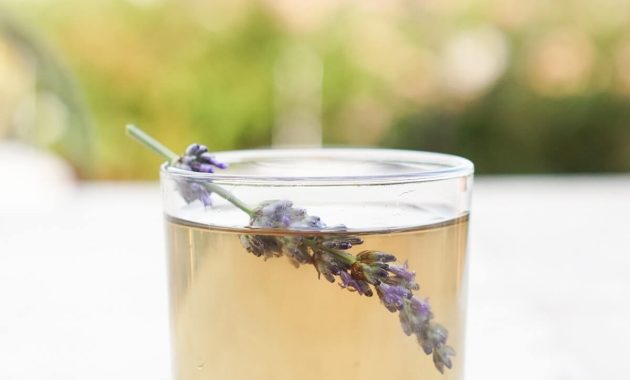
Homemade Lavender Simple Syrup: Elevate Your Drinks & Desserts with a Touch of Floral Elegance (Sugar-Free Option Included!)
Imagine infusing your favorite beverages and baked goods with the delicate, soothing essence of lavender. This isn’t just a dream; it’s an easy reality with homemade lavender simple syrup. Whether you’re stirring it into a creamy latte, crafting an exquisite cocktail, adding moisture to a cake, or enhancing any culinary creation, this aromatic elixir promises a unique floral sweetness. Best of all, we’ll guide you through making a perfect batch, complete with a fantastic sugar-free alternative, ensuring everyone can enjoy this delightful treat.
The Allure of Lavender in Your Kitchen
Lavender is much more than just a beautiful purple flower with a relaxing fragrance. For centuries, this versatile herb has captivated gardeners, aromatherapists, and chefs alike. Its distinct, subtly sweet, and slightly earthy flavor profile makes it a prized ingredient in a multitude of culinary applications. From the famed herbs de Provence, where it lends an unmistakable aroma to savory dishes, to delicate desserts like lemon lavender cupcakes, lavender brings a sophisticated touch to any recipe.
My own journey with lavender began in California, where large, vibrant lavender bushes flourished in our backyard. The sheer beauty and calming scent were always a delight. I have fond memories of attending lavender harvests at places like Carmel Valley Ranch, where we learned about its many uses, including crafting soothing lavender tea bags. If you’re curious about making lavender tea, you can find a recipe here. These experiences truly opened my eyes to the incredible potential of cooking with lavender, inspiring me to explore new ways to incorporate its enchanting flavor, leading to staples like my favorite lemon lavender cupcakes recipe, one of the earliest posts on the blog.
One of the easiest and most effective ways to introduce this beloved herb into your cooking is through an infused simple syrup. This versatile liquid sweetener allows you to add the delicate taste of lavender without any gritty sugar texture, making it perfect for both hot and cold preparations. And for those mindful of sugar intake, I’m thrilled to share a sugar-free version using granulated monk fruit, ensuring that this floral indulgence is accessible to all.
What is Simple Syrup and Why Do You Need It?
At its core, simple syrup is a fundamental liquid sweetener made by dissolving sugar in water. Its name perfectly describes its simplicity in both ingredients and preparation. Traditionally, it’s created by simmering equal parts sugar and water until the sugar completely dissolves, resulting in a clear, pourable liquid with a syrupy consistency. But why use simple syrup instead of granulated sugar?
The primary advantage of simple syrup lies in its ability to seamlessly integrate into liquids without crystallizing or sinking to the bottom. Unlike granular sugar, which can be difficult to dissolve in cold beverages like iced tea, lemonade, or cocktails, simple syrup blends in effortlessly, ensuring a consistent sweetness throughout. This makes it an indispensable ingredient for bartenders, baristas, and home cooks alike.
Furthermore, simple syrup offers a milder, more neutral sweetness compared to other liquid sweeteners like honey, maple syrup, or agave, which have their own distinct flavor profiles. This neutrality allows the infused flavors, such as lavender, to truly shine without competition. While honey might lend a beautiful sweetness, it would inevitably add its own flavor to your lavender latte, potentially overpowering the delicate floral notes. Simple syrup, however, acts as a pure carrier for the lavender essence.
The Sugar-Free Revolution: Monk Fruit for a Guilt-Free Indulgence
For those looking to reduce their sugar consumption, creating a sugar-free simple syrup is a game-changer. My preferred method involves using granulated monk fruit, a natural, zero-calorie sweetener derived from the monk fruit plant. Monk fruit offers a clean sweetness with no unpleasant aftertaste, making it an excellent alternative to traditional sugar. It behaves similarly to sugar in terms of dissolving, allowing you to create a simple syrup that’s both delicious and health-conscious.
When using monk fruit, it’s important to note that it can sometimes crystalize if simmered for too long. To counteract this, I recommend halving the simmering time compared to traditional sugar-based syrups. This minor adjustment ensures you achieve a perfectly smooth, sugar-free lavender syrup without any textural issues. Other sugar alternatives like erythritol can also be used, but monk fruit often provides the most natural sweetness without the cooling sensation some other sweeteners impart.
Choosing Your Lavender: A Guide to Culinary Varieties
Not all lavender is created equal, especially when it comes to culinary use. While all lavender varieties boast beautiful blooms and fragrant oils, some are better suited for cooking than others. The key distinction lies in the type of lavender and whether it has been sprayed with pesticides or chemicals.
Culinary Lavender vs. Ornamental Lavender
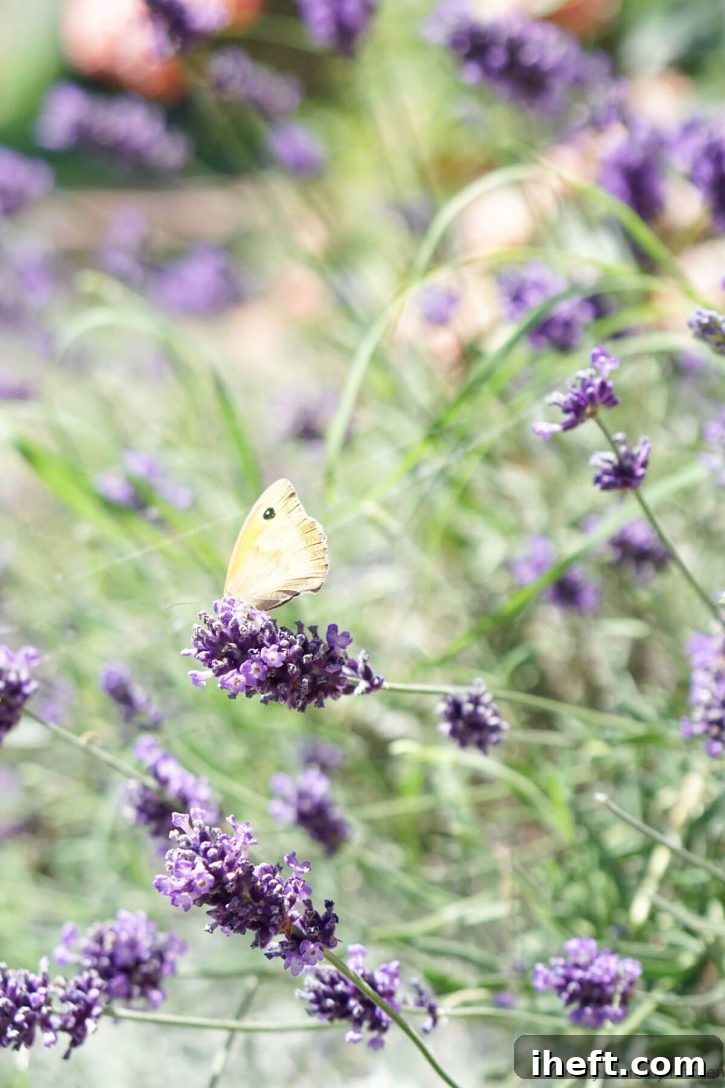
For culinary purposes, it’s crucial to select varieties of lavender known for their sweet, gentle floral notes and lower camphor content. English lavender (Lavandula angustifolia) is widely considered the gold standard for cooking and baking. Varieties like ‘Hidcote,’ ‘Munstead,’ and ‘Provence’ fall under this category. These offer a delicate flavor that enhances dishes without tasting overly medicinal or like soap. French lavender (Lavandula stoechas), while visually stunning, often has a higher camphor content, which can result in a more pungent, less palatable flavor when consumed.
Always ensure that any lavender you use for cooking, whether fresh or dried, is explicitly labeled as “culinary grade” and has not been treated with pesticides or herbicides. If you’re growing your own, avoid spraying your plants with anything you wouldn’t want to ingest.
Fresh vs. Dried Lavender Flowers
You have the option of using either fresh or dried culinary lavender for this recipe, each with its own advantages:
- Fresh Lavender: When fresh lavender is in season (typically spring and summer in California and many other regions), it offers the most vibrant, nuanced flavor. Look for unsprayed bundles at local farmers’ markets, or simply snip some from your own garden. For best results, harvest the flowers in the morning after the dew has dried but before the midday sun intensifies their oils. Only use the delicate flower buds, removing them from the stems.
- Dried Culinary Lavender: For year-round enjoyment, dried culinary lavender is an excellent choice. It’s convenient and retains much of its flavor when stored properly in an airtight container away from light and heat. You can find high-quality dried culinary lavender at specialty spice shops, well-stocked grocery stores, or online retailers. Many brands specifically market “French culinary lavender” which refers to the variety rather than its origin. You can often find it at stores like World Market or through online platforms like Amazon (look for reputable sellers of organic culinary lavender).
While commercially prepared lavender syrups from brands like Monin are available, making your own offers superior freshness, customization, and control over ingredients. Store-bought versions often contain vegetable juice for coloring to achieve that signature purple hue, whereas homemade syrup will have a more subtle, natural tint. The process of making your own is surprisingly simple and deeply rewarding.
Crafting Your Lavender Simple Syrup: Step-by-Step Perfection
Making homemade lavender simple syrup is an incredibly straightforward process that yields impressive results. In just a few easy steps, you’ll have a fragrant, versatile syrup ready to elevate your culinary creations.
Ingredients:
- 1 cup water
- 1 cup granulated sugar (or granulated monk fruit for sugar-free)
- 2 tablespoons fresh or dried culinary lavender flowers
Equipment Needed:
- Small saucepan
- Fine-mesh sieve
- Airtight storage bottle or mason jar
Instructions:
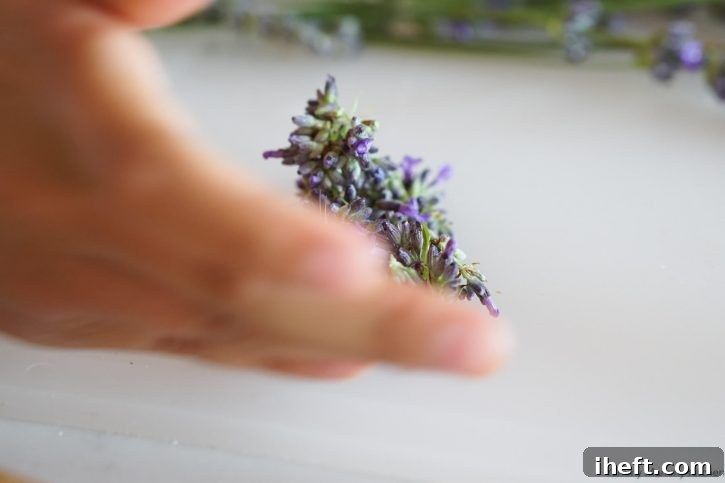
- Prepare the Lavender: If using fresh lavender, gently rinse the sprigs under cool water and pat them dry. Carefully pull the delicate flower buds off their stems, discarding any green leafy material, as it can impart a bitter flavor. If using dried culinary lavender, simply measure out the 2 tablespoons.
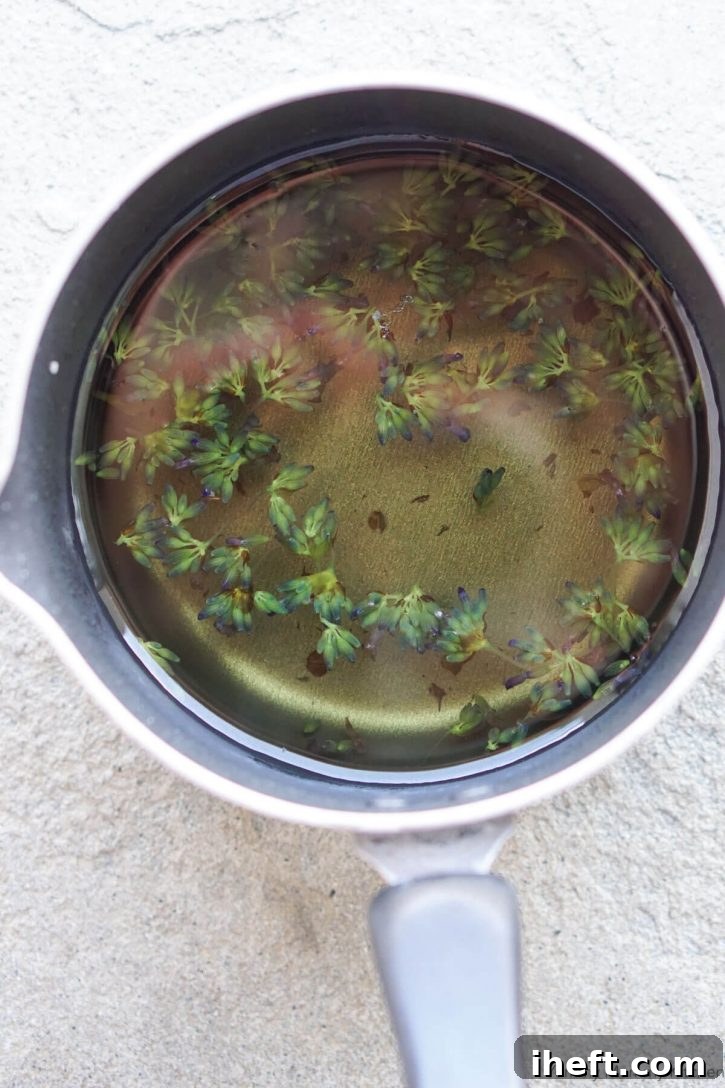
- Combine Ingredients: In a small saucepan, combine the water, your chosen sweetener (sugar or monk fruit), and the lavender flowers.
- Simmer to Dissolve: Place the saucepan over medium-low heat. Stir gently until the sugar (or monk fruit) is completely dissolved. Bring the mixture to a gentle simmer. Do not allow it to come to a rapid boil, especially if using monk fruit, as this can affect its texture.
- Steep for Flavor: Simmer the mixture for about 10 minutes. For sugar-free syrup with monk fruit, reduce this to 5 minutes to prevent crystallization. After simmering, turn off the heat, cover the saucepan, and let the lavender flowers steep in the hot syrup for an additional 10-15 minutes. This crucial steeping period allows the lavender to fully infuse its aromatic oils and flavor into the syrup. For a stronger flavor, you can let it steep longer, tasting occasionally to achieve your desired intensity.
- Strain and Cool: Once steeped, pour the lavender simple syrup through a fine-mesh sieve into a clean glass storage jar or bottle. Press gently on the lavender flowers in the sieve to extract any remaining liquid, then discard the spent flowers. Allow the syrup to cool completely to room temperature before storing.
- Store: Transfer the cooled lavender simple syrup into an airtight squirt bottle or a mason jar. Store it in the refrigerator for up to one month. The longer you simmer the syrup, the thicker and more syrupy its consistency will become.
Tips for Success:
- Taste as You Go: Lavender can be potent. If you’re unsure about the strength, start with 1.5 tablespoons of flowers and add more if needed during the steeping phase.
- Don’t Over-simmer Monk Fruit: As mentioned, monk fruit can crystallize. Stick to shorter simmering times for sugar-free versions.
- Cleanliness is Key: Ensure your storage container is clean and sterilized to maximize shelf life.
Beyond the Syrup: Incredible Ways to Use Your Homemade Lavender Elixir
Once you have a batch of this fragrant lavender simple syrup on hand, the possibilities are endless! Its subtle floral notes can transform everyday drinks and dishes into something extraordinary. Here are some of our favorite ways to incorporate this versatile syrup:
Beverages:
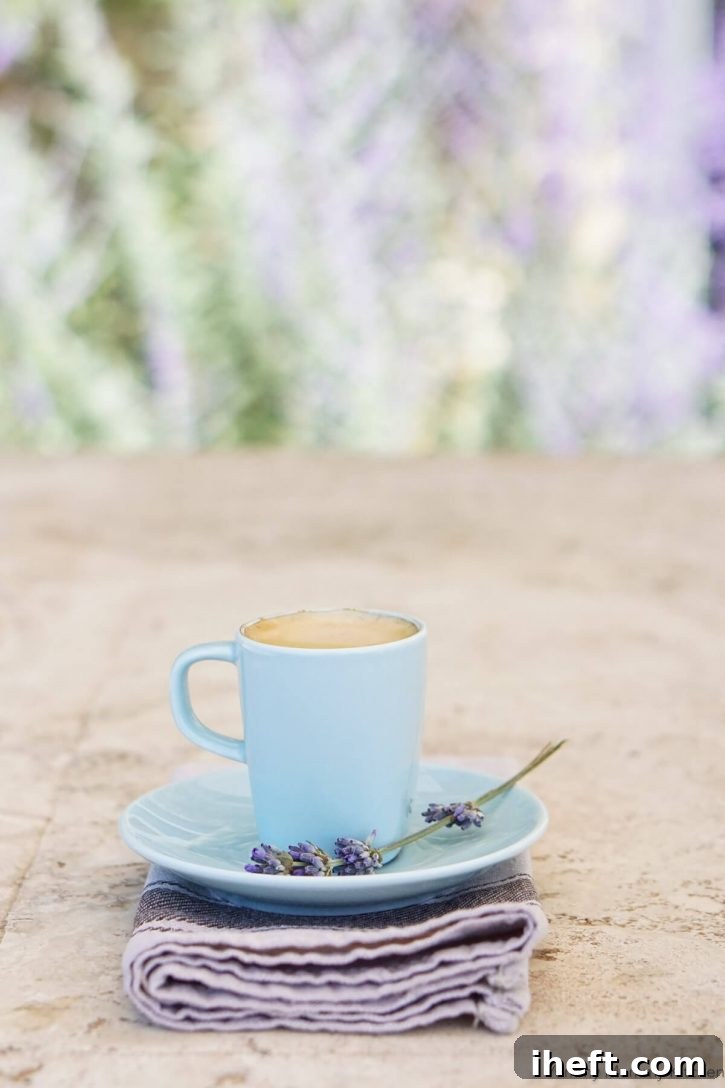
- The Ultimate Lavender Latte: This is my absolute favorite way to enjoy lavender syrup! Add 1-2 teaspoons to a freshly brewed shot of espresso and warm milk (I love unsweetened almond milk for its creaminess). Top with frothed milk for a luxurious cafe-style drink. It’s a perfect treat for yourself. For coffee lovers, you might also enjoy my classic Affogato recipe.
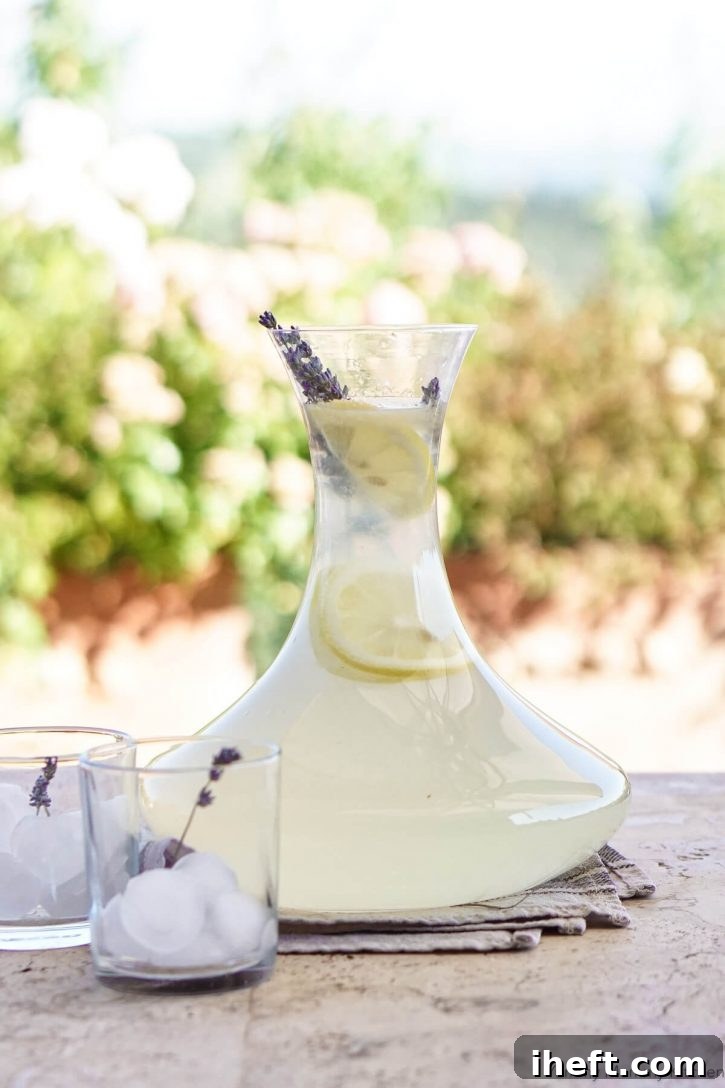
- Refreshing Lavender Lemonade: Elevate a classic lemonade with a splash of lavender syrup. The tartness of the lemon beautifully complements the sweetness of the lavender, creating a uniquely refreshing drink, perfect for spring and summer gatherings. Find a recipe for Lavender Lemonade here.
- Cocktails & Mocktails: Lavender syrup adds a sophisticated twist to many mixed drinks. Try it in a Gin Fizz, a Vodka Soda, or simply with sparkling water and a squeeze of lemon for an elegant mocktail.
- Iced or Hot Tea Sweetener: Stir into your favorite black, green, or herbal tea for a calming, aromatic experience.
- Kid-Friendly Hot Cocoa: For a delightful treat for kids, add a teaspoon to their hot cocoa for a gentle floral sweetness.
Culinary Delights:
- Desserts: Brush lavender simple syrup onto cakes or cupcakes after baking to add moisture and a delicate floral flavor. It’s also fantastic drizzled over fruit salads, stirred into yogurt, or used to sweeten homemade ice cream, sorbet, or panna cotta.
- Glazes and Frostings: Incorporate it into your glazes for pastries or add a subtle hint to whipped cream or buttercream frostings.
- Marinades: For adventurous cooks, a small amount of lavender syrup can add an intriguing floral note to marinades for poultry or fish, especially when paired with lemon and herbs.
- Salad Dressings: Whisk it into vinaigrettes for a unique and elegant salad dressing.
Frequently Asked Questions About Lavender Simple Syrup
Can I use dried lavender buds instead of fresh?
Absolutely! Dried culinary lavender buds are an excellent and convenient option for making simple syrup, especially if fresh lavender isn’t in season. The recipe calls for 2 tablespoons of either fresh or dried, providing flexibility.
How long does homemade lavender simple syrup last?
When stored in an airtight container in the refrigerator, your homemade lavender simple syrup will stay fresh for up to one month. Always check for any signs of mold or off-smell before use, though this is rare with proper storage.
Why is my lavender syrup not very purple?
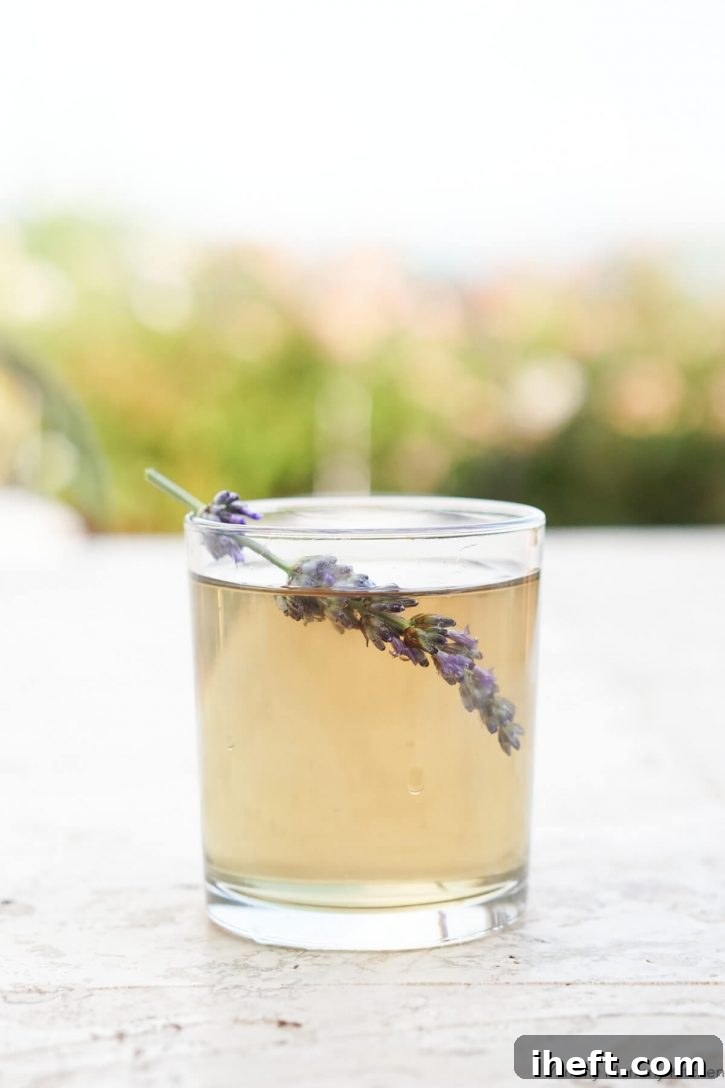
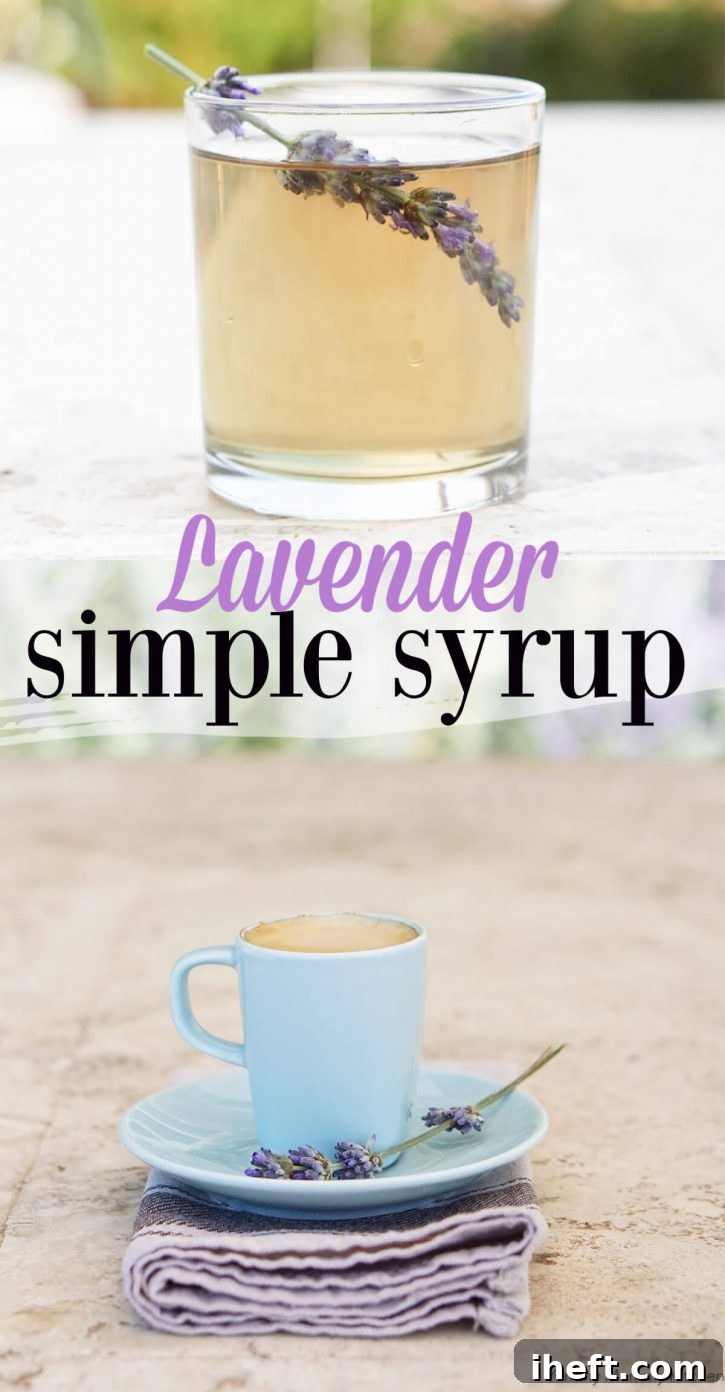
Natural lavender simple syrup typically has a subtle golden or light brownish hue, sometimes with a very faint purplish tint, depending on the specific lavender variety and steeping time. The vibrant purple color you might see in commercially produced lavender syrups is often achieved through added food coloring, such as vegetable juice. Rest assured, the lack of intense purple does not diminish its wonderful flavor or quality!
Can I use other sweeteners besides sugar or monk fruit?
While sugar and monk fruit are recommended for their neutral sweetness that allows the lavender to shine, you could experiment with other liquid sweeteners like maple syrup or agave. However, be aware that these will impart their own distinct flavors, altering the overall taste profile of your lavender simple syrup.
Is all lavender edible?
No, not all lavender varieties are ideal for culinary use. It’s crucial to use culinary-grade lavender, primarily English lavender (Lavandula angustifolia) varieties. These have a lower camphor content, resulting in a sweeter, more palatable flavor. Avoid French lavender (Lavandula stoechas) and any lavender that has been treated with pesticides or chemicals.
Conclusion: Embrace the Enchantment of Lavender
Making your own lavender simple syrup is a delightful culinary adventure that opens up a world of aromatic possibilities. Whether you choose the traditional sugar-based version or opt for the health-conscious sugar-free alternative, this versatile elixir promises to add an elegant floral touch to your favorite lattes, cocktails, desserts, and beyond. So, gather your lavender, follow these simple steps, and prepare to infuse your kitchen with the enchanting essence of this beloved herb. Enjoy the magic!