Hearty Greek Baked Gigantes
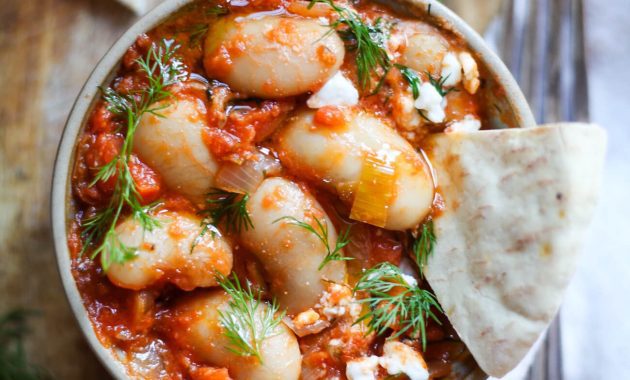
Gigantes Plaki: The Ultimate Greek Giant Baked Beans Recipe (Vegetarian & Flavorful)
Discover the rich, comforting flavors of Gigantes Plaki, a quintessential Greek dish featuring tender giant white beans baked to perfection in a luscious, aromatic tomato sauce. This classic vegetarian recipe is not only incredibly delicious and satisfying but also embodies the heart and soul of Mediterranean cuisine. Whether you’re a seasoned chef or a home cook, learning how to prepare these magnificent Greek giant beans will elevate your culinary repertoire and bring a taste of Greece straight to your table.
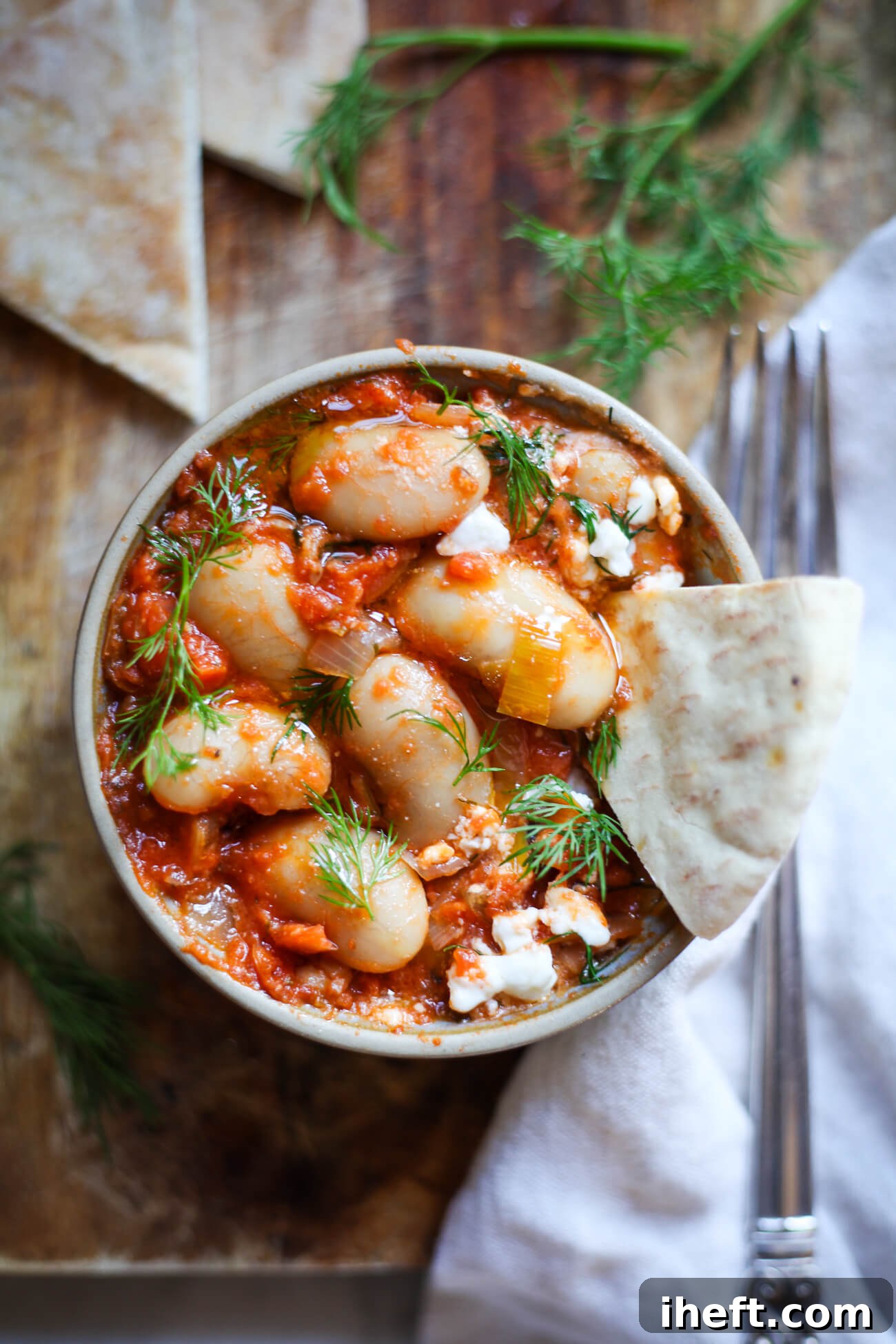
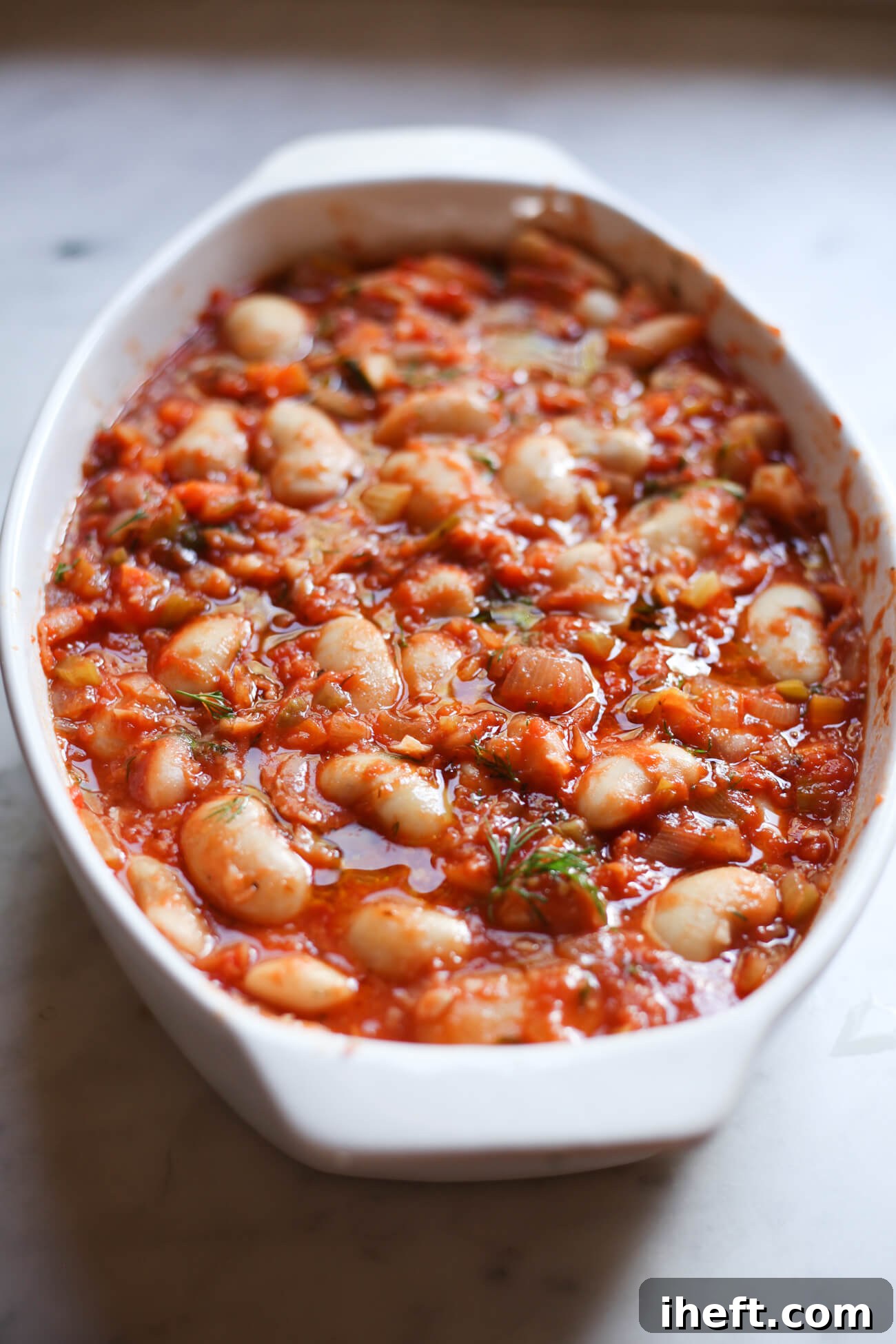
Gigantes Plaki, often lovingly referred to as Greek giant baked beans, is a testament to the power of simple ingredients transformed into an extraordinary meal. This hearty and wholesome dish stars large white beans, traditionally known as fasolia gigantes (or Gigandes, depending on regional transliteration), which are slow-cooked until wonderfully creamy, then enveloped in a vibrant tomato sauce infused with fragrant herbs and baked until bubbling and irresistibly tender. A true staple in Greek households, Gigantes Plaki offers an delightful blend of earthy flavors, aromatic spices, and the wholesome goodness characteristic of Mediterranean cooking.
The prominence of legumes like beans and lentils in Mediterranean cuisine is no accident. These nutritional powerhouses are not only budget-friendly but also incredibly nourishing and filling. Rich in dietary fiber, plant-based protein, and essential micronutrients, they form the cornerstone of many vegetarian and vegan diets. Incorporating dishes like Gigantes Plaki into your weekly meal plan is an excellent way to embrace a healthier lifestyle, promoting satiety and supporting digestive health.
One of the many charms of Gigantes Plaki is its remarkable ability to reheat beautifully, often tasting even better the day after it’s prepared. This makes it an ideal candidate for vegetarian meal prep, allowing you to whip up a large batch on a Sunday and enjoy flavorful, wholesome meals throughout the week. While we adore cooking all kinds of giant beans, this particular recipe holds a special place in our hearts for its profound flavors and satisfying nature.
 What is Gigantes Plaki?
 What is Gigantes Plaki?
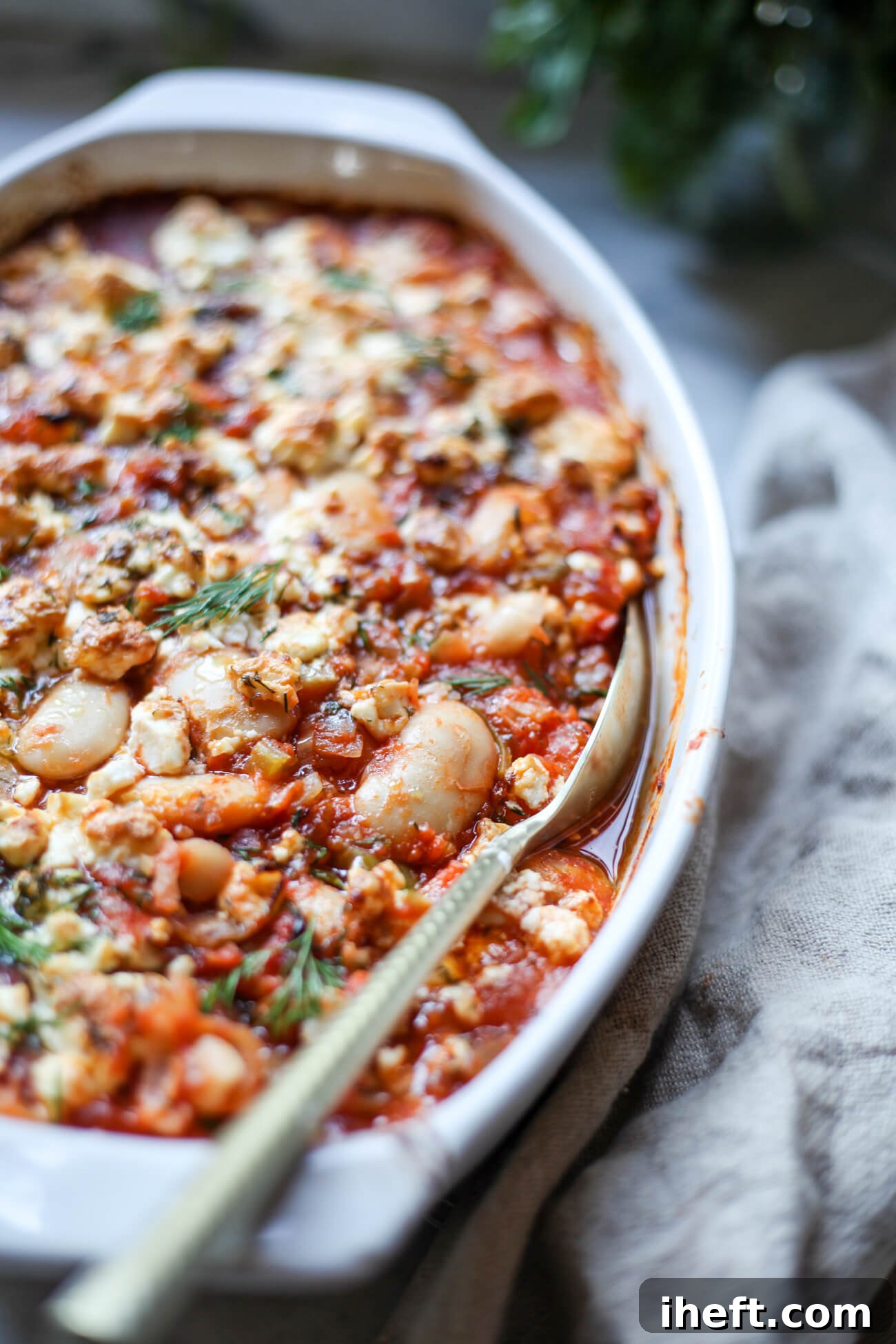
Gigantes Plaki, affectionately known as Greek giant baked beans, is a revered traditional Greek dish that hails from the country’s diverse culinary landscape. At its core, it features exceptionally large white beans, typically fasolia gigantes, which are slow-baked in a hearty, herb-infused tomato sauce. This delectable creation can be savored as a robust and satisfying main course, often accompanied by crusty bread and a simple salad, or served as a delightful meze (appetizer) alongside other small plates and dips. The substantial size and creamy texture of the traditional fasolia gigantes are crucial, contributing significantly to the dish’s unique, comforting, and hearty character.
The name “Gigantes Plaki” itself holds a dual meaning. “Gigantes” directly translates to “giants,” referring to the impressive size of the beans. “Plaki” (pronounced plah-KEE), on the other hand, describes the traditional Greek culinary technique of oven-baking. This method typically involves cooking ingredients, often in a generously oiled baking dish, alongside vegetables, aromatic herbs, and usually a tomato-based sauce. The “plaki” technique ensures that the ingredients meld together, deepening their flavors through slow, consistent heat, resulting in dishes that are rich, savory, and deeply comforting. This slow baking allows the beans to fully absorb the complex flavors of the sauce, transforming them into tender, flavorful morsels.
Understanding Gigantes Beans: The Heart of the Dish
Gigantes beans, also recognized as giant white beans, are a prized ingredient in Mediterranean cuisine, particularly celebrated in Greek culinary traditions for their versatility and unique qualities. These impressive legumes stand out due to their considerable size, creamy, almost buttery texture when cooked, and remarkable capacity to absorb and showcase flavors from their accompanying sauces and herbs. Beyond Gigantes Plaki, these beans are frequently featured in a variety of dishes, including hearty casseroles, vibrant salads, and comforting stews, making them a nutritious and adaptable addition to countless recipes.
Nutritionally, Gigantes beans are a powerhouse. They are an excellent source of plant-based protein, making them indispensable for vegetarian and vegan diets. Their high fiber content aids digestion, promotes satiety, and contributes to overall gut health. Additionally, they provide a wealth of essential minerals such as iron, magnesium, and potassium, along with B vitamins. Their natural creaminess means they require less added fat to achieve a luxurious mouthfeel, aligning perfectly with the principles of healthy Mediterranean eating.
What Can I Substitute for Gigantes Beans?
 What Can I Substitute for Gigantes Beans?
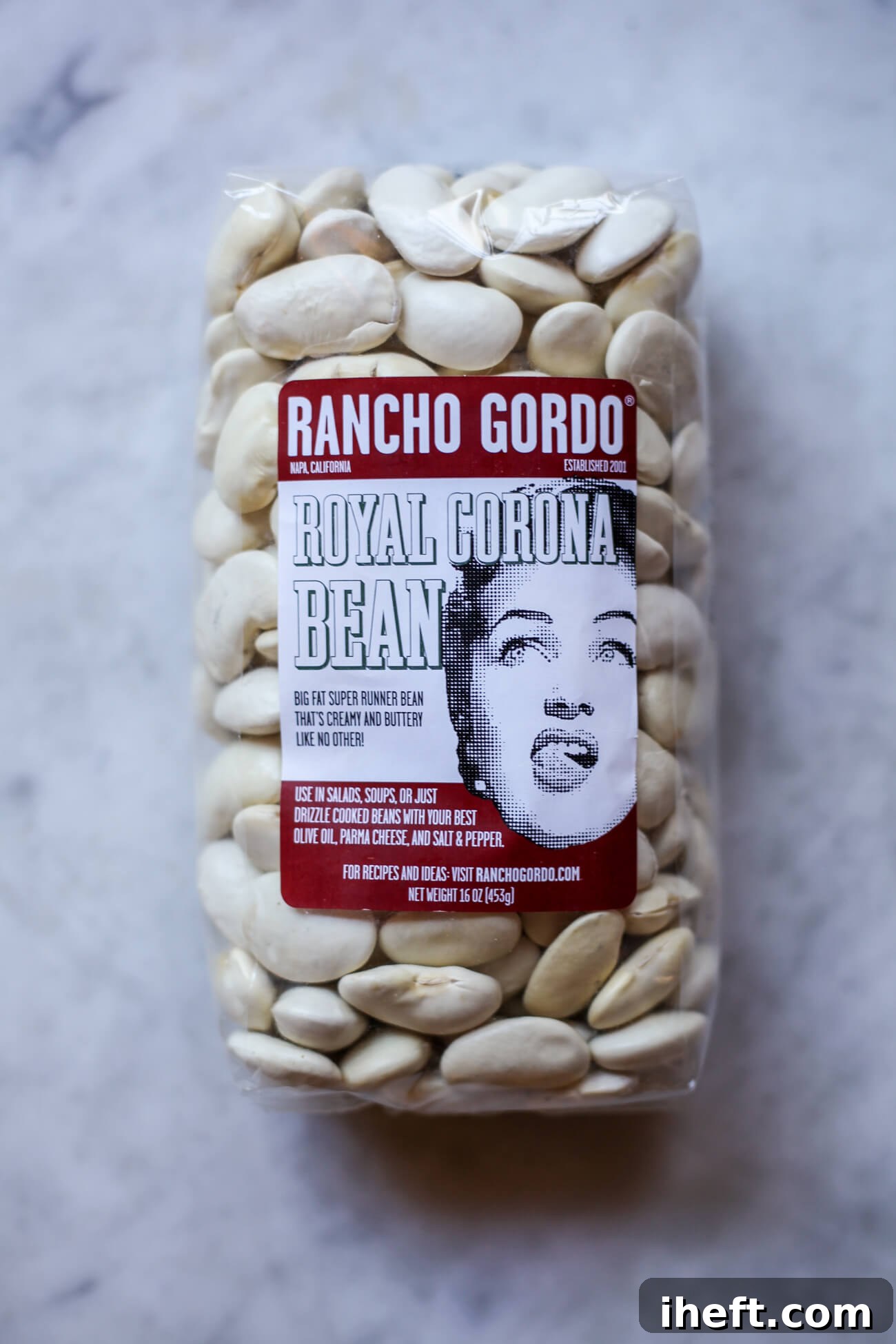
While authentic Gigantes beans offer a distinct experience, they can sometimes be challenging to source depending on your location. High-quality dried Gigantes beans can often be found online, for instance, through retailers like Amazon or specialty Mediterranean food stores. If you encounter difficulties locating them, or simply wish to explore alternative options, several substitutes can provide a comparable creamy texture and absorb flavors effectively, ensuring your Gigantes Plaki remains just as delicious. Our personal preference and a highly recommended option is using 1 pound of Rancho Gordo Royal Corona beans. Here are some excellent substitutions for traditional Gigantes beans:
- Butter Beans (Large Lima Beans): Butter beans, especially the larger varieties commonly known as lima beans, are an outstanding substitute for Gigantes. They share a remarkably similar creamy, tender texture once cooked and possess a mild flavor profile that readily absorbs the rich notes of the tomato sauce and herbs. Be sure to select the largest butter beans available to best replicate the impressive size of Gigantes.
- Corona Beans: These magnificent beans are large, plump, and possess a wonderfully creamy, almost melt-in-your-mouth texture, making them an incredibly close and often superior substitute for Gigantes. Corona beans are frequently used in Italian cuisine for their substantial bite and excellent flavor absorption. This variety is our top recommendation for replicating the authentic Gigantes Plaki experience.
- Cannelini Beans: While slightly smaller than Gigantes or Corona beans, cannellini beans still offer a creamy texture and mild flavor. If using cannellini, you might want to use a slightly larger quantity to ensure the dish remains hearty. They are widely available and a good last-resort option.
How to Make Authentic Gigantes Plaki: A Step-by-Step Guide
Crafting a truly flavorful and hearty batch of Gigantes Plaki is a straightforward process, though it does require patience, particularly if starting with dried beans. The magic lies in three distinct steps, each contributing crucial layers of flavor and texture to the final dish. Because cooking dried beans from scratch is a time-intensive process, we recommend planning to make this delicious Greek staple when you have a leisurely afternoon available. The reward, however, is immensely worth the effort.
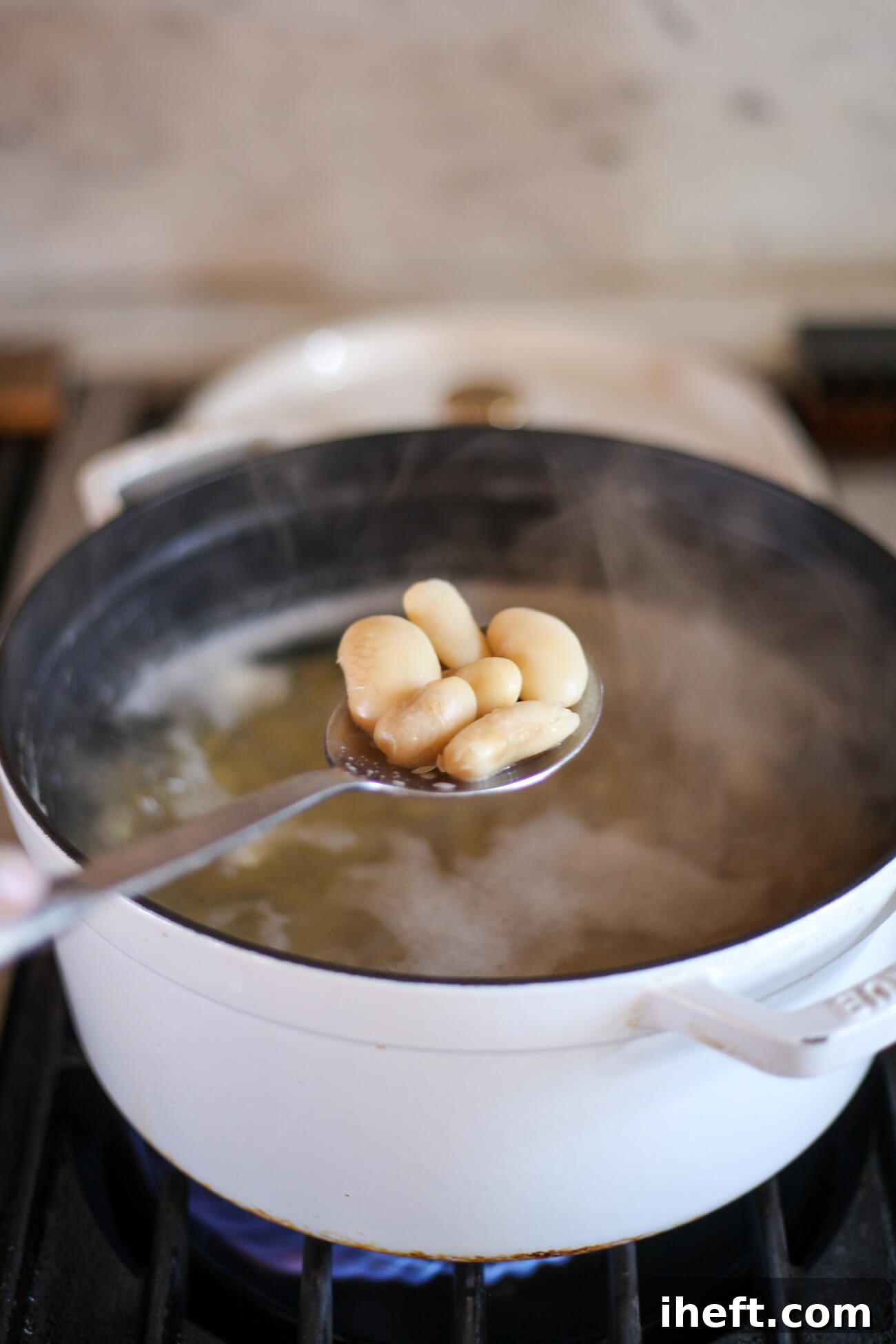
- Prepare and Cook the Beans: The foundation of exceptional Gigantes Plaki begins with properly prepared beans. Start by soaking your dried giant white beans overnight in a generous amount of water. This crucial step rehydrates the beans, reduces cooking time, and helps them cook more evenly. After soaking, drain and rinse them thoroughly. Next, simmer the soaked beans in fresh water until they are incredibly tender and have developed a creamy interior. Depending on the bean variety and freshness, this simmering process can take anywhere from 1 to 3 hours. It’s important not to rush this step, as perfectly tender beans are key to the dish’s success.
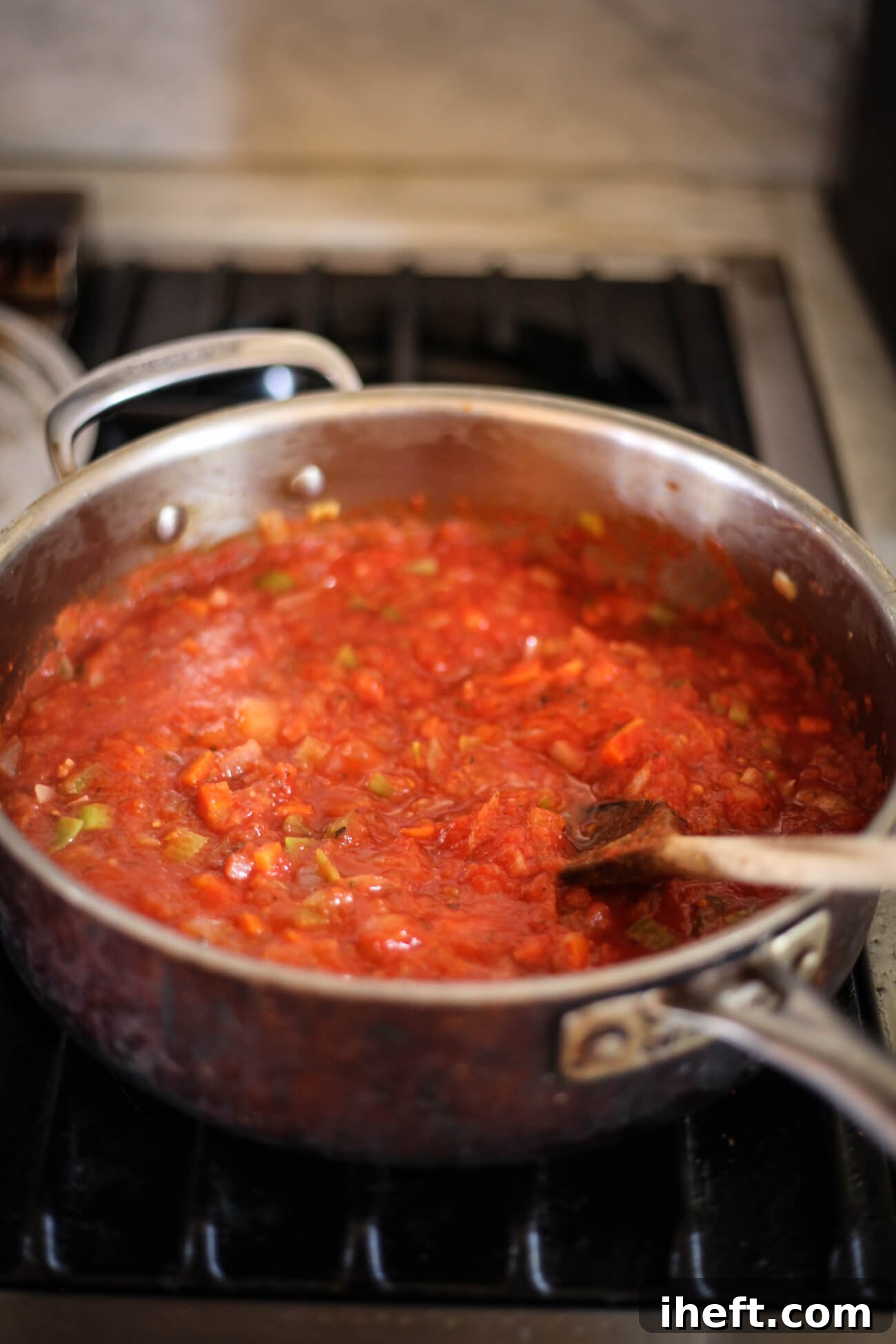
- Craft the Flavorful Tomato Sauce: While your giant beans are gently simmering, it’s time to build the heart of the dish: the rich tomato sauce. Begin by puréeing high-quality San Marzano tomatoes (known for their sweet, balanced flavor) with their juice for a smooth base. In a separate pan, sauté a medley of aromatic vegetables such as diced onion, carrots, celery, and optionally, leeks, in extra-virgin olive oil until softened and translucent. This creates a sweet and savory base. Then, introduce minced garlic and fragrant Greek oregano, cooking briefly until fragrant. Finally, stir in the puréed tomatoes and allow the sauce to simmer gently for about 15 minutes, partially covered, allowing the flavors to meld and deepen.
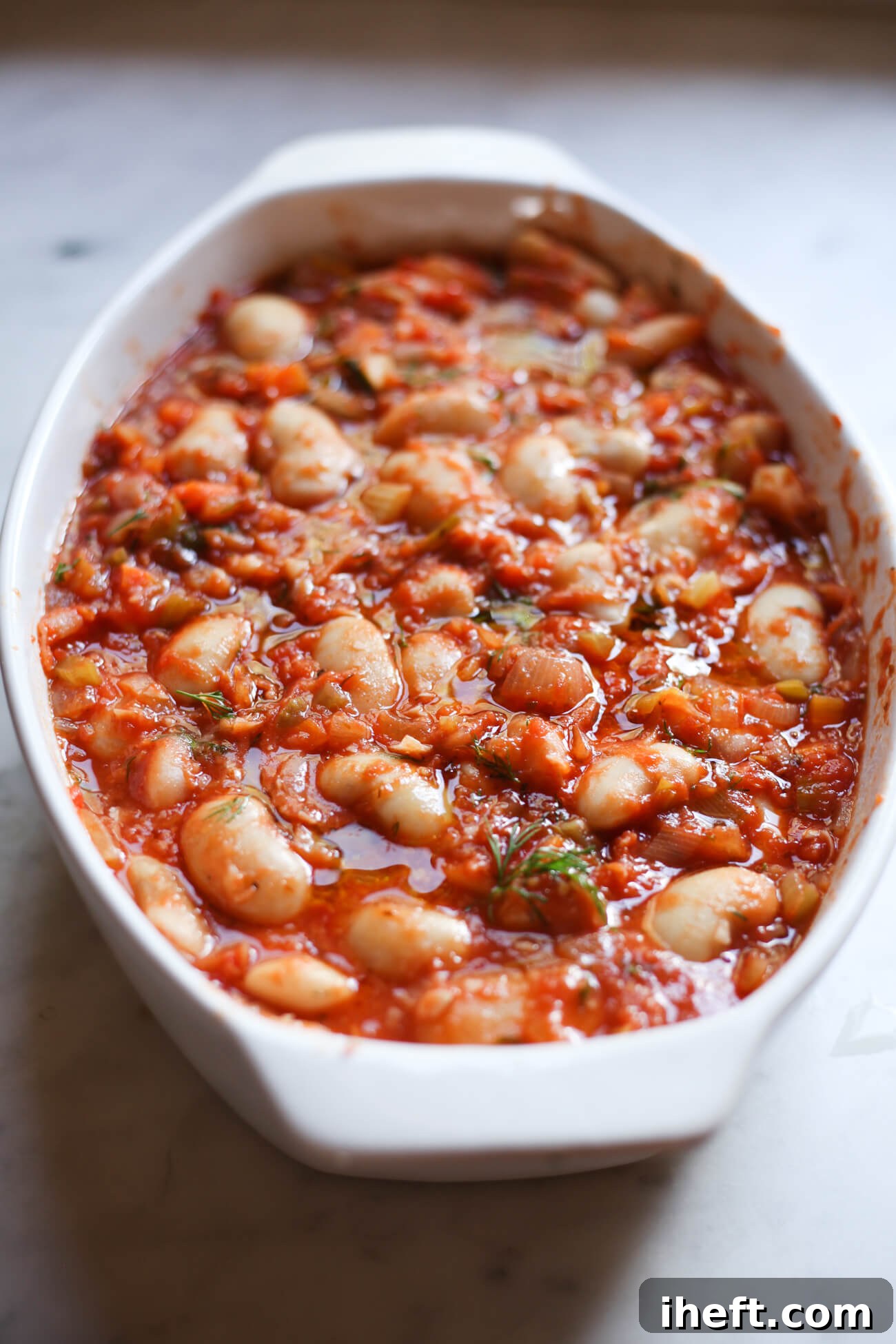
- Assemble and Bake to Perfection with Feta: Once your beans are tender and creamy, and your rich tomato sauce is ready, it’s time to bring everything together. Drain the cooked beans, reserving some of the cooking liquid, and transfer them to a large baking dish. Pour the luscious tomato sauce over the beans. Stir in a generous “glug” of high-quality extra-virgin olive oil and most of the fresh dill. Taste and adjust seasonings with sea salt and freshly ground black pepper as needed. If the mixture appears too thick or dry, add a splash of the reserved bean cooking water to achieve the desired consistency. The crowning glory is a generous layer of crumbled Greek feta cheese scattered over the top, along with the remaining fresh dill. Bake the dish in a preheated oven or under a broiler until the beans are heated through, the sauce is bubbling, and the feta has softened and turned a delightful golden brown, creating a crispy, salty crust.
Serving Suggestions for Gigantes Plaki
Gigantes Plaki is an incredibly versatile dish that shines whether served as the centerpiece of a meal or as a complementary side. Its robust flavors and satisfying texture make it adaptable to various dining occasions. Here are some inspired serving suggestions to help you make the most of this Greek culinary gem:
As a Satisfying Main Course
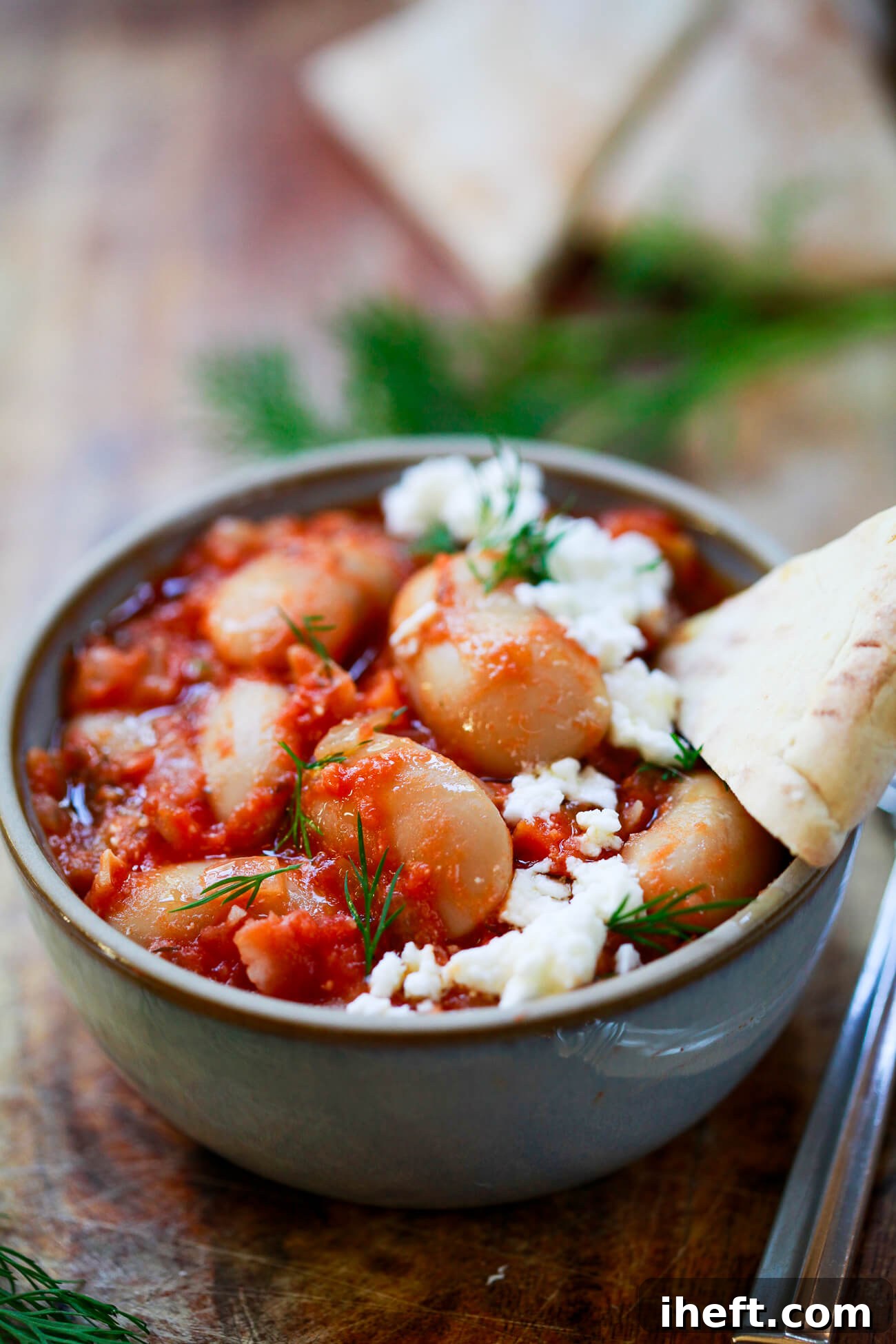
For a truly fulfilling and wholesome meal, allow Gigantes Plaki to take center stage. Its inherent richness and depth of flavor mean it needs little accompaniment. Pair it with a crisp, simple green salad dressed with a light vinaigrette, or go for a classic traditional Greek salad (Horiatiki) with ripe tomatoes, cucumbers, olives, and a touch of olive oil. Don’t forget plenty of crusty artisan bread or warm pita to perfectly soak up every drop of the luscious tomato sauce. Another excellent option is serving it alongside traditional Greek rice dishes like Spanakorizo (spinach rice) for an even heartier vegetarian feast.
A Delightful Meze (Appetizer)
Transform Gigantes Plaki into an exquisite meze, perfect for sharing and communal dining. Serve it in smaller portions alongside an assortment of fresh crudités (cucumber sticks, bell pepper strips), a variety of Greek dips such as creamy tzatziki or spicy tyrokafteri, marinated olives, and plenty of warm, pillowy pita bread. This approach is ideal for entertaining, allowing guests to sample multiple flavors and textures, fostering a vibrant and social dining experience reminiscent of a Greek taverna.
Part of a Grand Mediterranean Feast
Elevate your dining experience by incorporating Gigantes Plaki into a comprehensive Mediterranean-inspired feast. Its savory profile complements a wide array of other Greek classics. Serve it alongside rich moussaka, flaky spanakopita (spinach pie), delicate dolmades (stuffed grape leaves), and refreshing tzatziki. This creates a multi-course culinary journey that showcases the breadth and depth of Greek cuisine, offering a harmonious balance of flavors and textures that will impress any guest.
Expert Tips and Frequently Asked Questions (FAQs)
Mastering Gigantes Plaki is simple, and with these tips and answers to common questions, you’ll be cooking like a pro in no time.
Can Gigantes Plaki Be Made in Advance?
Absolutely! Gigantes Plaki is a fantastic make-ahead dish. You can fully prepare and assemble the dish a day or two in advance, right up to the point before baking. Simply cover the assembled baking dish tightly with foil or plastic wrap and refrigerate. When you’re ready to enjoy it, allow the dish to come to room temperature for about 30 minutes before baking, and plan for additional baking time (usually 15-20 minutes longer than specified) to ensure it is thoroughly heated through and bubbling hot. Many connoisseurs even argue that the flavors of Gigantes Plaki deepen and improve overnight, making it even more delicious the second day.
How to Store Leftovers:
Store any leftover Gigantes Plaki in an airtight container in the refrigerator for up to 3-5 days. Ensure it cools completely before refrigerating to maintain freshness and prevent bacterial growth.
Can I Freeze Gigantes Plaki?
Yes, Gigantes Plaki freezes well, making it excellent for future meal solutions, though it is best enjoyed fresh. To freeze, allow the cooked dish to cool completely. Transfer it to a freezer-safe container, ensuring it is tightly sealed to prevent freezer burn and maintain flavor. It can be stored in the freezer for up to 2-3 months. When you’re ready to savor it again, thaw the dish overnight in the refrigerator.
Reheating Instructions:
To reheat thawed or refrigerated Gigantes Plaki, preheat your oven to 350°F (175°C). For larger portions, place the dish in the oven, covering it with foil initially to prevent the top from browning too quickly and to ensure even heating. Bake for 20-30 minutes, or until thoroughly heated and bubbling. Remove the foil for the last 5-10 minutes if you prefer a slightly browned or crispy top. For a single serving, the microwave offers a quick and efficient option; heat on high in short intervals, stirring occasionally, until hot. Before serving, consider adding a fresh sprinkle of feta, a drizzle of extra-virgin olive oil, or a scattering of fresh dill to revive its vibrant flavors.
Can I Use Canned Beans Instead of Dried?
While dried beans offer superior flavor and texture, you can certainly use drained and rinsed canned large butter beans (or cannellini beans) in a pinch for a quicker preparation. For this recipe, you’ll typically need about 3 to 4 cans (15-ounce each) of beans to substitute for 1 pound of dried beans. If using canned beans, you can skip the overnight soaking and long simmering steps; simply rinse them thoroughly and add them directly to the simmering tomato sauce, allowing them to cook for about 15-20 minutes to absorb the flavors before baking.
Experiment with Flavors:
Gigantes Plaki is a wonderfully versatile recipe that welcomes culinary experimentation. Feel free to customize it to your taste preferences. Consider adding a pinch of red pepper flakes for a subtle hint of spice, or incorporate other fresh herbs like parsley or mint alongside the dill for a different aromatic profile. You can also increase the amount of garlic for a bolder flavor, or explore different varieties of firm, flavorful tomatoes for the sauce. Don’t hesitate to make it your own!
@marinadelio Gigantes Plaki (Greek Giant Baked Beans) – This might be the most popular way to cook giant beans. So good for meal prep as it is delicious for a few days. I used Rancho Gordo beans. Gigantes Plaki is a hearty and rich vegetarian meal made with tomato sauce, beans and feta. The recipe is on my website. Follow for more simple vegetarian recipes.
#healthyrecipes
#giantbeans
#gigantesplaki
#greekrecipes
#vegetarianrecipes
#feta
#mealprepideas
#foodtiktok
#viral
#driedbeans
♬ original sound – Marina
Gigantes Plaki (Greek Giant Baked Beans)
20 minutes
2 hours
8 hours
10 hours 20 minutes
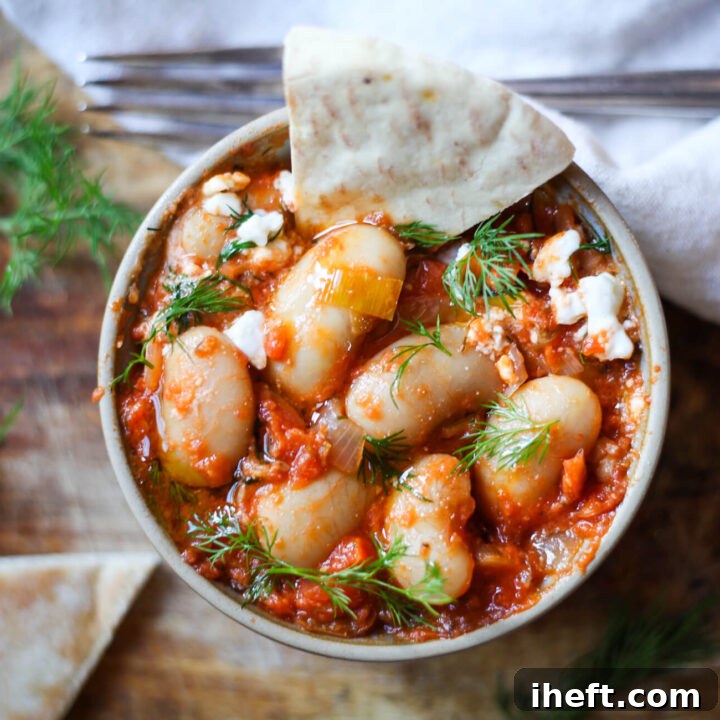
Gigantes Plaki is a cherished Greek classic, featuring large, creamy Gigantes beans (giant white beans) slow-baked to perfection in a rich, flavorful tomato sauce. This hearty and satisfying vegetarian Greek recipe encapsulates the essence of authentic Mediterranean cuisine, making it an excellent choice for a delightful main course or a tempting meze option.
Ingredients
For the Beans
- 1 pound dried gigantes (or other giant white beans like Royal Corona or large butter beans)
- sea salt
For the Sauce
- 1 can (28-ounce) San Marzano tomatoes, with juice
- 2 tablespoons olive oil
- 1 large onion, diced
- 1 carrot, peeled and diced
- 2 ribs celery, diced
- 1/2 leek, including pale green parts, chopped and rinsed (optional, but adds depth)
- 3 cloves garlic, minced
- 1 tablespoon dried Greek oregano
For Assembling and Baking
- 1/2 cup extra-virgin olive oil
- 4 tablespoons minced fresh dill
- 1/2 cup Greek feta cheese, crumbled
Instructions
- Cover the dried beans with at least 3-4 inches of water in a large bowl and allow them to soak overnight (for at least 8 hours). This rehydrates them and speeds up cooking. Drain and rinse the soaked beans thoroughly.
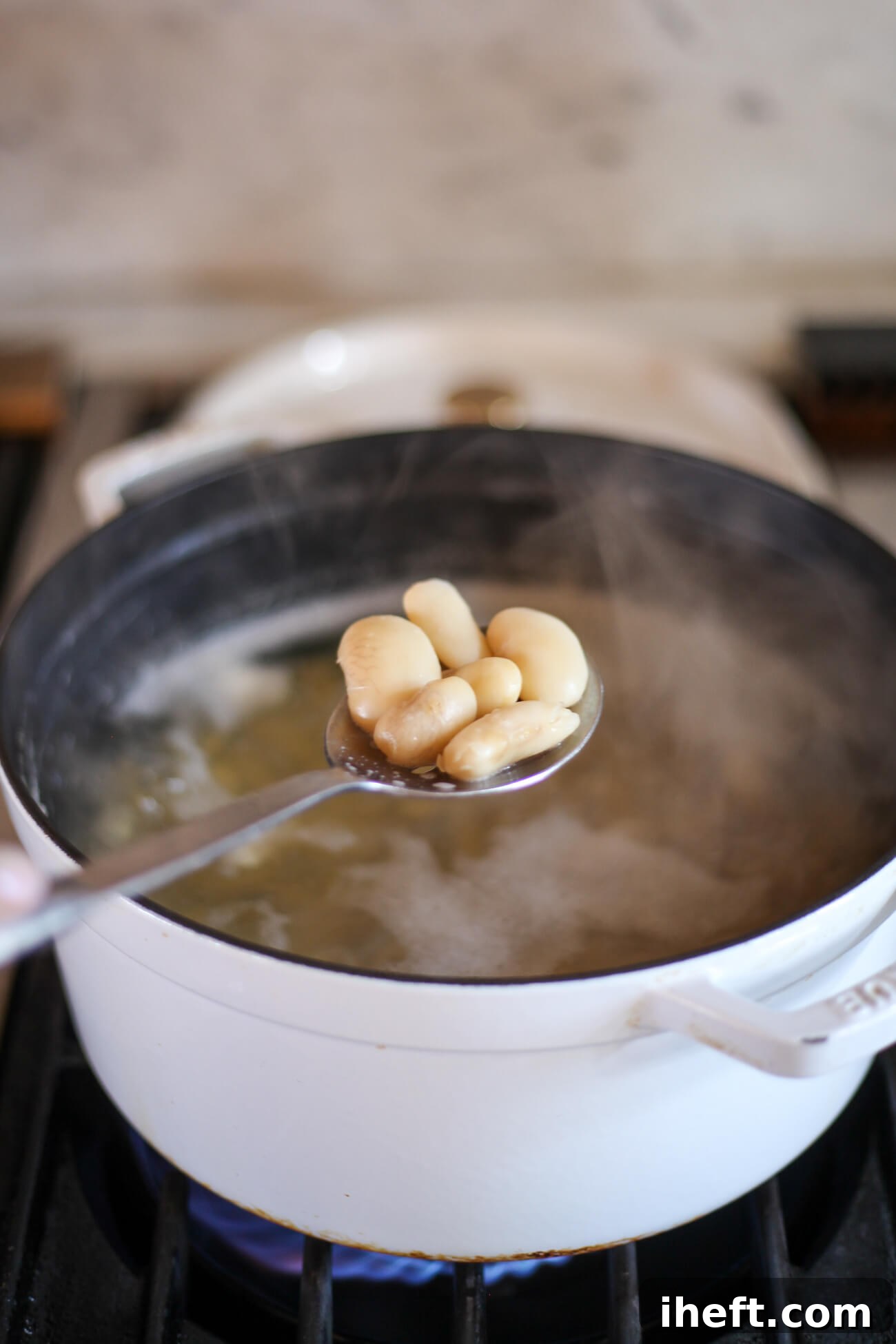
- Transfer the rinsed beans to a large pot or Dutch oven and cover them with fresh water, ensuring there are about 2 inches of water above the beans. Bring to a rolling boil over high heat. As foam rises to the surface, use a ladle or spoon to skim it off.
- Reduce the heat to a simmer. After approximately 45 minutes of simmering, add 1 teaspoon of sea salt. Continue to simmer the beans, partially covered, until they are wonderfully tender and creamy. This can take anywhere from 1 to 3 hours, depending on the age and type of beans. Periodically check for tenderness.
- Meanwhile, as the beans cook, prepare the vibrant tomato sauce. Pour the canned San Marzano tomatoes with their juice into a blender and purée until smooth. Set aside.
- Heat 2 tablespoons of olive oil in a large skillet or frying pan over medium heat. Add the diced onion, carrot, celery, and the optional leek, and sauté gently until the vegetables have softened and become translucent, which typically takes about 10 minutes. Stir in the minced garlic and dried Greek oregano, and cook for another 2 minutes until fragrant. Finally, pour in the puréed tomatoes. Bring the sauce to a gentle simmer, partially cover, and cook over low heat for 15 minutes, allowing the flavors to meld beautifully.
- Once the beans are tender and creamy, carefully drain them, making sure to reserve about 1 cup of the bean cooking water. Transfer the cooked beans into a large casserole dish (ideally around 11×7 inches or similar). Pour the prepared tomato sauce over the beans. Stir in a generous “glug” (about 1/4 cup) of extra-virgin olive oil and 3 tablespoons of the fresh minced dill. Taste the mixture and adjust seasonings with more salt and pepper if needed. If the bean mixture appears too dry, gradually add a bit of the reserved bean cooking water until it reaches your desired saucy consistency.
- Finish by generously topping the saucy Gigantes beans with the crumbled Greek feta cheese and the remaining tablespoon of fresh dill.
- Preheat your broiler or oven to 375°F (190°C). Place the dish under a broiler for a few minutes until the feta has browned lightly and the beans are thoroughly warm and bubbling. Alternatively, if baking, cover the dish with foil and bake at 375°F for 30-45 minutes until bubbling and hot throughout (adjust time if refrigerated). For a golden crust, remove the foil for the last 10-15 minutes.
- Serve warm, with an additional drizzle of fine extra-virgin olive oil and a final sprinkle of fresh dill if desired, for an extra burst of flavor and aroma. Enjoy!
Notes
Gigantes Plaki often tastes even more exquisite the next day, as the beans have more time to fully absorb and integrate the rich flavors of the tomato sauce. It reheats beautifully, making it an excellent option for meal prep throughout the week. Reheat portions in the microwave or oven until piping hot.
Recommended Products
As an Amazon Associate and member of other affiliate programs, I earn from qualifying purchases.
- Arosis Dry Giant Beans, 14 oz
Nutrition Information:
Yield: 8
Serving Size: 1
Amount Per Serving:
Calories: 211Total Fat: 19gSaturated Fat: 4gTrans Fat: 0gUnsaturated Fat: 15gCholesterol: 8mgSodium: 192mgCarbohydrates: 9gFiber: 1gSugar: 6gProtein: 2g
Nutrition information is automatically calculated by Nutritionix. I am not a nutritionist and cannot guarantee accuracy. If your health depends on nutrition information, please calculate again with your favorite calculator.