Gourmet Baked Egg Cups
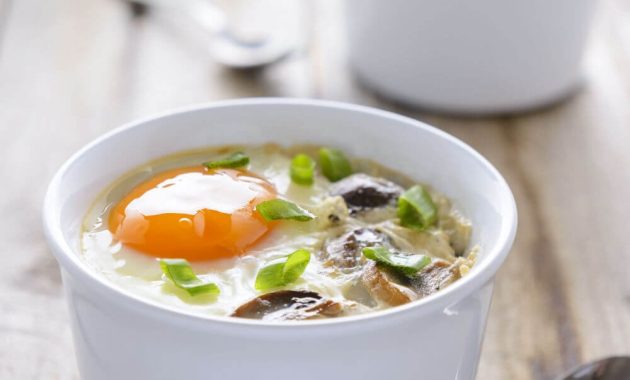
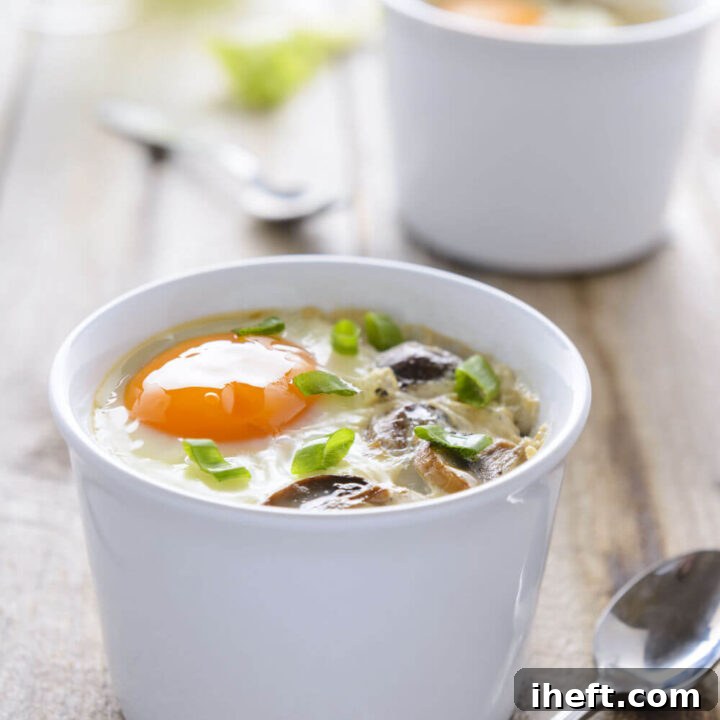
In the culinary world, few dishes capture the essence of elegant simplicity quite like Eggs en Cocotte. Also known by its enchanting French name, Oeufs en Cocotte, this beloved creation offers a delightful and versatile experience perfect for any brunch spread or a sophisticated start to your day. If you’re new to this exquisite French dish, prepare to be captivated: it’s essentially eggs baked to perfection in individual ramekins, enriched with a touch of cream and adorned with your choice of savory toppings. Imagine a rich, creamy egg white cradling a perfectly runny yolk, all enclosed in a charming ceramic dish—a true breakfast masterpiece.
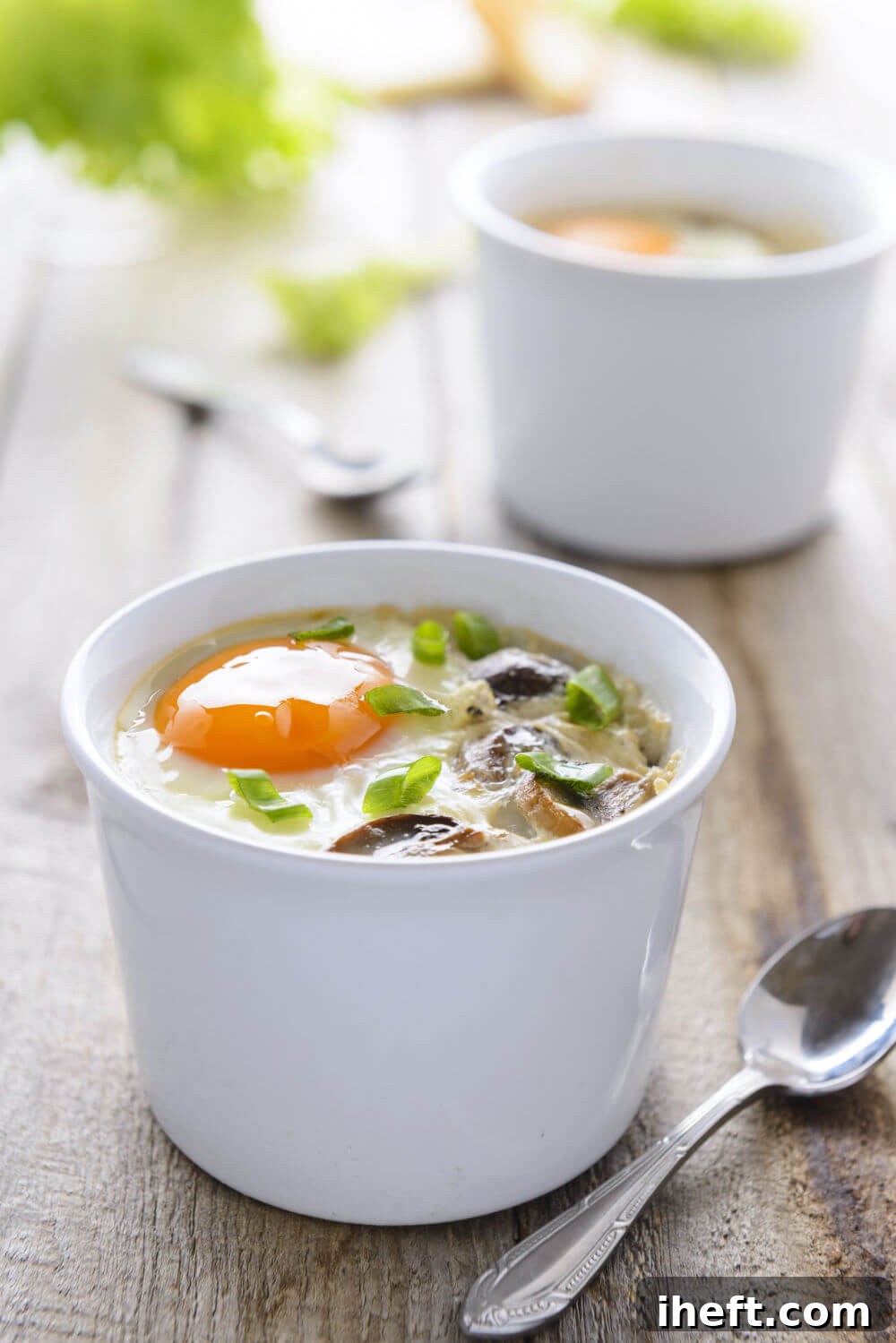
Eggs en Cocotte is more than just a recipe; it’s an experience. Its inherent elegance makes it a show-stopping dish for entertaining guests, yet its straightforward preparation means it’s surprisingly easy to whip up even on a busy morning. The true beauty of this French classic lies in its adaptability. The possibilities for customization are virtually limitless, allowing you to get incredibly creative with whatever fresh ingredients you happen to have on hand. From earthy mushrooms and crisp bacon to vibrant herbs and decadent cheeses, your fridge holds the key to countless delicious variations.
This comprehensive guide will walk you through everything you need to know about making the perfect Eggs en Cocotte. We’ll delve into its fascinating history, explore its defining characteristics, provide a detailed step-by-step recipe, and offer a myriad of tips and creative variations to ensure your dish is a success every single time. Get ready to impress your taste buds and your guests with this timeless brunch favorite.
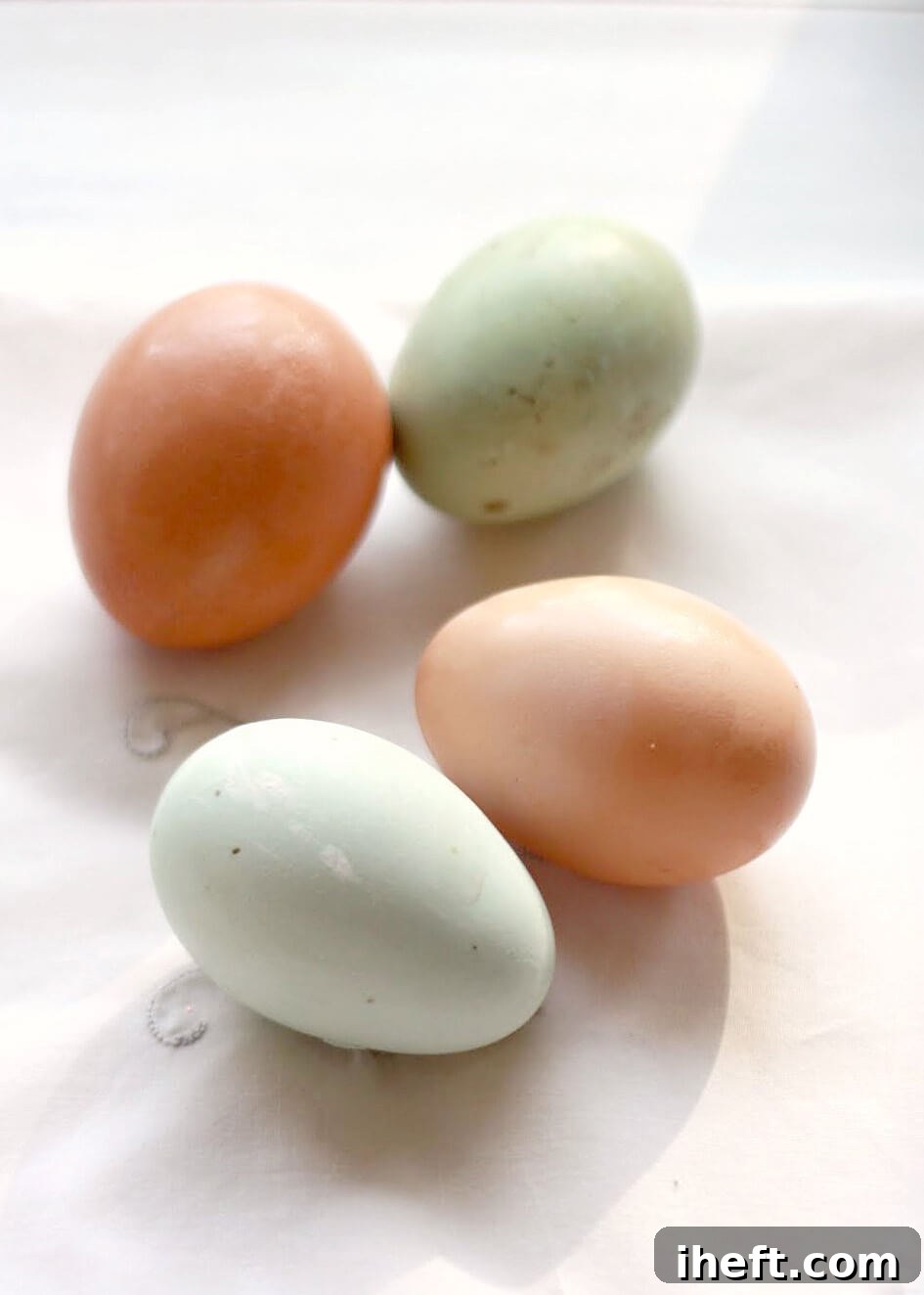
What Exactly is Eggs en Cocotte?
At its heart, Eggs en Cocotte, or Oeufs en Cocotte as it is traditionally known in France, is a culinary technique that involves gently baking eggs in individual ceramic dishes called ramekins. The process begins with lightly greasing the ramekins, adding a splash of cream or milk, and then cracking an egg into each. Often, a selection of delicious toppings is added before the ramekins are placed in a water bath (bain-marie) and baked in the oven. This gentle cooking method ensures that the egg whites set into a tender, delicate texture while the yolks remain wonderfully runny and rich. The result is a perfectly cooked egg, infused with the flavors of its creamy base and chosen accompaniments, served hot and inviting directly from its individual pot.
This French breakfast staple stands out because it combines simplicity with sophistication. It’s a versatile and easy-to-make brunch dish that can be effortlessly customized to suit any taste or dietary preference. The use of individual ramekins not only makes for an elegant presentation but also allows each diner to enjoy a perfectly portioned and personalized egg dish. Whether you’re a seasoned chef or a novice in the kitchen, mastering Eggs en Cocotte is an achievable and rewarding culinary endeavor that promises a delightful payoff.
The Rich Origins of Oeufs Cocotte
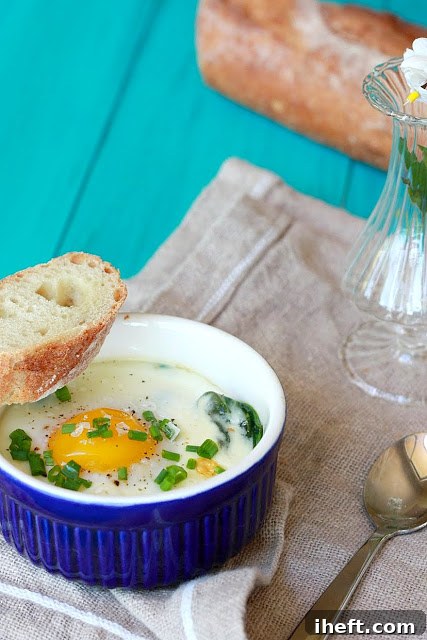
The history of Eggs en Cocotte, which translates literally to “eggs in pots,” is deeply rooted in French culinary tradition. This elegant dish is believed to have originated in the early 20th century, quickly gaining popularity in the bustling bistros and charming cafés of Paris. Its appeal lay in its ability to offer a sophisticated yet comforting meal, perfectly suited for a leisurely breakfast or a light lunch.
While distinctly French, some culinary historians suggest that Eggs en Cocotte may have drawn inspiration from older egg preparations found in other cultures. One theory points to a possible connection with the Turkish dish called “çilbir,” which features poached eggs served with a flavorful yogurt and chili butter sauce. This cross-cultural influence highlights the dynamic evolution of culinary practices, where ideas and techniques travel and transform to create new and exciting dishes.
Over time, Eggs en Cocotte has evolved significantly. Early versions might have been simpler, perhaps just eggs and cream. However, chefs and home cooks alike began to experiment, adding a diverse array of toppings such as various cheeses, crispy bacon, succulent vegetables, and fresh herbs. This experimentation has cemented its status as a versatile classic, allowing for endless creativity while staying true to its comforting, individual-serving format. Today, it remains a beloved dish, cherished for its timeless elegance and delicious simplicity, a testament to its enduring charm in the culinary landscape.
Exploring Similar Baked Egg Delights
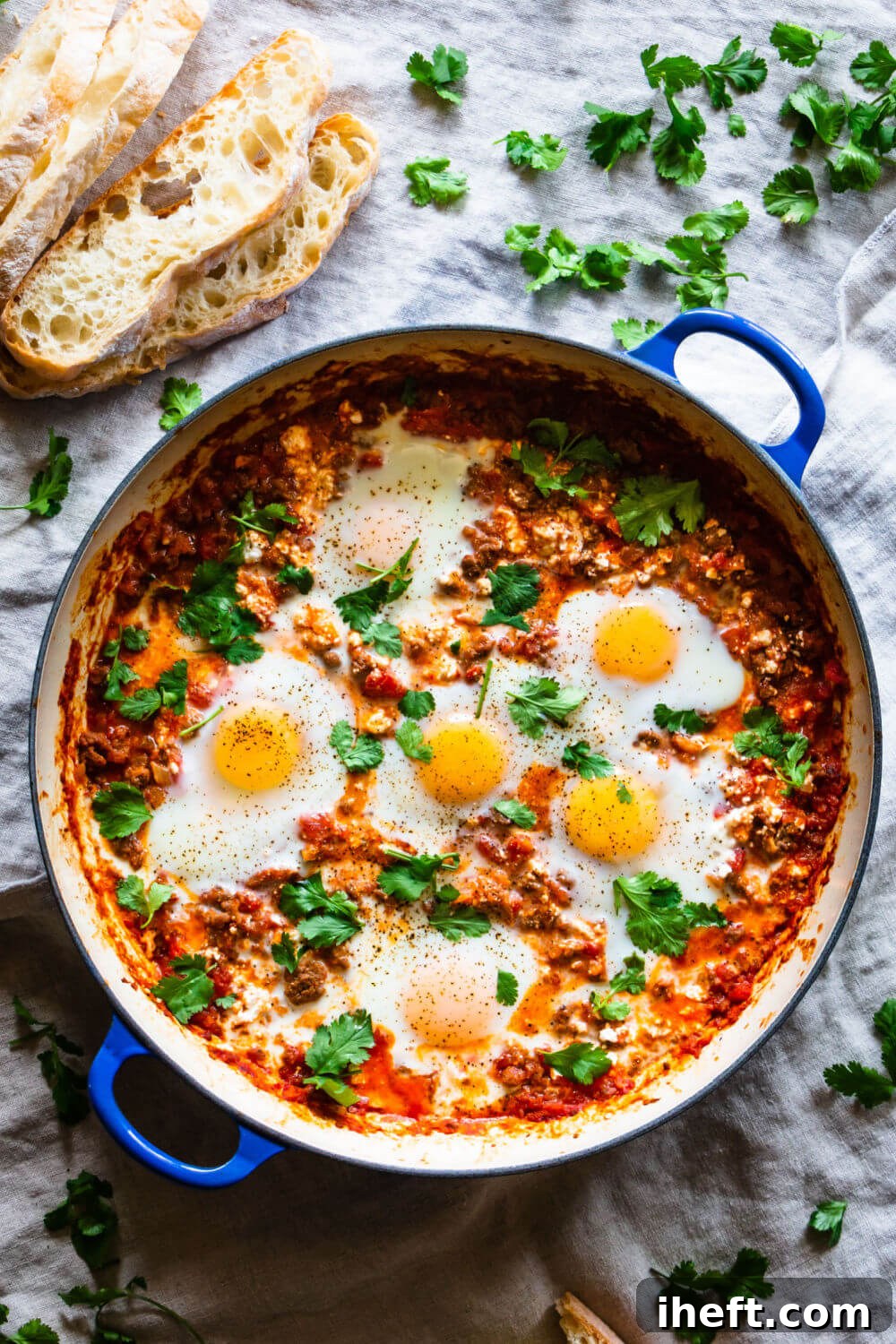
While Eggs en Cocotte is undeniably a unique and delicious dish, the world of egg recipes is vast and varied, offering many similar and equally delightful baked or poached egg creations worth exploring. These dishes share the comfort and versatility of Eggs en Cocotte but bring their own distinct cultural flavors and cooking methods. Here are some popular egg dishes that resonate with the spirit of Eggs en Cocotte:
- Baked Eggs: Beyond the specific French preparation, general baked eggs, such as hearty egg casseroles, represent a broader category of oven-cooked egg dishes. These can also be prepared in individual ramekins or larger baking dishes. They often combine eggs with a wider array of ingredients like various vegetables, different cheeses, and a mix of herbs, making them incredibly adaptable for breakfast, lunch, or even a light dinner. Their simplicity and ability to feed a crowd make them a household favorite.
- Shakshuka: Originating from the Middle East and North Africa, Shakshuka features eggs poached directly in a vibrant, spiced tomato and bell pepper sauce. Typically served hot from a skillet, often with crusty bread to scoop up the rich sauce, it’s a popular choice for breakfast or brunch. Shakshuka offers a bold, often spicy, flavor profile and can be customized with additional ingredients like feta cheese, olives, and fresh cilantro, contrasting with the creamier, milder profile of Eggs en Cocotte.
- Huevos Rancheros: A quintessential Mexican breakfast dish, Huevos Rancheros (“Rancher’s Eggs”) consists of fried eggs served atop lightly fried or warmed corn tortillas, generously topped with a fresh salsa and often accompanied by refried beans. This robust dish is typically garnished with cheese, slices of creamy avocado, and a dollop of sour cream. The salsa can range from mildly flavorful to intensely spicy, offering a lively and hearty start to the day that’s distinctly different from the gentle bake of Eggs en Cocotte.
- Eggs in Purgatory: Known in Italy as Uova in Purgatorio, this classic dish is a rustic and comforting Italian creation that typically involves eggs baked or gently poached in a spicy, rich tomato sauce. The dramatic name is said to evoke the fiery heat of the sauce, representing the “flames of purgatory.” It’s a hearty and flavorful dish, often seasoned with garlic, chili flakes, and fresh basil, and served with crusty bread for dipping, sharing a similar “one-pot” simplicity with Eggs en Cocotte but with a much more assertive flavor profile.
Elevating Your Brunch: Serving Suggestions for Eggs en Cocotte
Eggs en Cocotte is a remarkably versatile dish, making it an excellent centerpiece for any brunch table. Its elegant presentation and customizable flavors mean it pairs beautifully with a variety of sides and beverages. Here are some thoughtful serving suggestions to help you make the most of this delicious and sophisticated breakfast option:
- Perfect Pairings: Savory Sides:
- Crusty Baguette or Toast: A quintessential accompaniment, perfect for soaking up every last drop of the creamy egg and flavorful sauce. Consider toasting slices until golden and serving with butter or a drizzle of olive oil.
- Light Green Salad: A simple, fresh green salad with a bright vinaigrette provides a refreshing contrast to the richness of the eggs. Opt for delicate greens like mixed greens or arugula.
- Roasted Vegetables: Seasonal roasted vegetables, such as tender asparagus spears, sweet cherry tomatoes, or earthy mushrooms, add color, texture, and nutritional value.
- Crispy Meats: For a heartier brunch, crispy strips of bacon, savory sausage patties, or even thin slices of prosciutto offer a delightful salty counterpoint to the creamy eggs.
- Fresh Fruit Salad: A bowl of fresh, seasonal fruit can offer a light and sweet balance to the savory main dish.
- Complementary Beverages:
- Classic Brunch Cocktails: A sparkling mimosa (orange juice and champagne) or a spicy Bloody Mary are iconic brunch drinks that perfectly complement the rich flavors of Eggs en Cocotte.
- Coffee or Tea: A freshly brewed cup of coffee, whether it’s a strong espresso or a creamy latte, or a soothing cup of herbal or black tea, is always a welcome addition.
- Fresh Juices: Refreshing fruit juices like orange, grapefruit, or cranberry juice offer a vibrant, non-alcoholic option.
- Sparkling Water: For a light and palate-cleansing option, sparkling water with a slice of lemon or lime can be surprisingly effective.
- Presentation Matters: Making it visually appealing:
- Serve in Ramekins: The most common and charming way to serve Eggs en Cocotte is directly in the ramekins they were baked in. Ensure the ramekins are placed on small saucers or plates for ease of handling and to catch any drips.
- Garnish with Fresh Herbs: A sprinkle of freshly chopped chives, parsley, dill, or tarragon adds a burst of color and a fresh aromatic note.
- A Dash of Spice: For those who enjoy a little heat, a tiny sprinkle of red pepper flakes can add both visual appeal and a pleasant kick.
- Textural Contrast: A few croutons, a sprinkle of toasted breadcrumbs, or some crumbled crispy bacon can provide a lovely textural contrast on top.
- Warm Serving: Ensure the dish is served immediately after baking to enjoy the eggs while they are perfectly warm and the yolks are beautifully runny.
Crafting the Perfect Eggs en Cocotte: A Step-by-Step Guide
Making Eggs en Cocotte is a simple yet rewarding process that yields an incredibly delicious and elegant dish. The key to success lies in gentle baking, typically in a water bath, to ensure even cooking and that coveted runny yolk. Follow these steps to create your own perfect French baked eggs:
Eggs en Cocotte Recipe
Yield: 4 Servings
Description:
A classic French dish consisting of eggs baked in a creamy sauce, served in individual ramekins. The dish is versatile and can be customized with a variety of toppings and flavorings.
Ingredients
- 4 large eggs
- 1/4 cup heavy cream
- Salt and pepper to taste
- Optional toppings: grated cheese, sautéed mushrooms, chopped herbs (such as chives or parsley)
Instructions
- Preheat the oven to 375°F (190°C).
- Grease four 4-ounce ramekins with butter or cooking spray. If desired, add any pre-sautéed vegetables such as mushrooms, spinach, or zucchini to the bottom of each ramekin.
- Carefully crack one egg into each prepared ramekin.
- Pour 1 tablespoon of heavy cream over each egg.
- Sprinkle with salt and freshly ground black pepper to taste.
- Add any optional toppings to the ramekins at this stage, distributing them evenly around the egg.
- Place the ramekins in a larger baking dish. Carefully pour enough hot water into the baking dish to come halfway up the sides of the ramekins. This water bath (bain-marie) ensures gentle, even cooking.
- Bake for 12-15 minutes, or until the egg whites are just set but the yolks are still beautifully runny. Cooking time may vary slightly depending on your oven and desired yolk consistency.
- Carefully remove the ramekins from the baking dish (using tongs or oven mitts) and serve immediately, garnished with fresh herbs if desired.
Notes for Success
- Always use a hot water bath (bain-marie) when baking Eggs en Cocotte. This crucial step creates a gentle, moist cooking environment, preventing the eggs from drying out or cooking too quickly, ensuring a perfectly creamy texture.
- Use a timer and check for doneness carefully. Remember that eggs will continue to cook slightly from residual heat after being removed from the oven, so it’s better to undercook them slightly if you prefer a very runny yolk.
- Don’t be afraid to get creative with your toppings! The beauty of this dish is its adaptability. Experiment with different combinations of cheese, vegetables, meats, or seafood to customize the dish to your liking.
- To prevent the eggs from sticking to the ramekins, ensure they are thoroughly greased with butter or cooking spray before adding the eggs and cream.
- If you don’t have traditional ramekins, you can use other small, oven-safe bowls or even muffin tins as an alternative. Just be sure to adjust the cooking time as needed, as their size and material may affect baking.
- Serve the dish immediately after baking to ensure that the eggs are at their optimal warmth and the yolks retain their desired runny consistency.
Nutrition Information:
Nutrition Information (per serving):
Amount Per Serving:
- Calories: 171
- Total Fat: 14g
- Saturated Fat: 7g
- Trans Fat: 0g
- Unsaturated Fat: 6g
- Cholesterol: 211mg
- Sodium: 225mg
- Carbohydrates: 2g
- Fiber: 0g
- Sugar: 1g
- Protein: 9g
Nutrition information is automatically calculated and is an estimate. It is not guaranteed for accuracy. If your health depends on nutrition information, please calculate again with your favorite calculator or consult a nutritionist.
Endless Variations and Customization for Eggs en Cocotte
The true charm of Eggs en Cocotte lies in its incredible versatility. While the basic recipe for French baked eggs is wonderfully simple, it serves as a blank canvas for a myriad of flavor explorations. Don’t limit yourself to the classic; unleash your culinary creativity with these inspiring variations.
Different Toppings for Creative Flavor Profiles
Beyond the simple elegance of just eggs and cream, a world of toppings awaits to transform your Eggs en Cocotte into a truly personalized dish. For an undeniably decadent experience, consider garnishing your finished eggs with delicate shaved truffles or a luxurious dollop of caviar for a truly gourmet touch. For everyday deliciousness, the options are plentiful:
- Earthy & Savory: Sautéed mushrooms (cremini, shiitake, or wild mushrooms), caramelized onions, sun-dried tomatoes, or finely diced roasted red peppers.
- Meaty & Hearty: Crumbled crispy bacon or sausage, diced ham, smoked salmon, or even shredded cooked chicken.
- Fresh & Vibrant: Chopped fresh herbs like chives, parsley, dill, or tarragon; finely diced tomatoes, spinach (sautéed to remove excess water), or asparagus tips.
- Spicy Kick: A pinch of chili flakes, a dash of hot sauce, or finely diced jalapeños for those who love a bit of heat.
Exploring Cheese Varieties for Enhanced Richness
Cheese is a fantastic ingredient for adding depth, flavor, and an irresistible creamy texture to your baked eggs. Experimenting with different varieties can drastically change the character of your Eggs en Cocotte:
- Classic & Nutty: Gruyere, Emmental, or Comté offer a wonderful nutty and melt-in-your-mouth quality, making them popular choices in French cuisine.
- Sharp & Tangy: Aged cheddar, feta, or goat cheese can provide a lovely tangy counterpoint to the richness of the cream and egg. Feta crumbles beautifully, while goat cheese adds a distinctive creaminess.
- Mild & Creamy: Brie or soft mozzarella can melt into gooey perfection, adding a mild, buttery flavor.
- Pungent & Bold: For the adventurous, a small amount of blue cheese can add a powerful, salty, and pungent flavor that pairs surprisingly well with eggs.
- Italian Favorites: Parmesan or pecorino romano, grated finely, can add a salty, umami depth.
- Mix and Match: Don’t be afraid to combine different cheeses, like a blend of gouda and a sharper cheddar, for a more complex and layered flavor profile.
The Art of Spices and Herbs
Seasoning is paramount in bringing out the best in your Eggs en Cocotte. Beyond salt and pepper, a thoughtful selection of spices and herbs can elevate the dish from simple to sublime:
- Smoky & Warm: Smoked paprika, a pinch of cumin, or a touch of chili powder can infuse the eggs with a delightful smoky, spicy, or earthy flavor.
- Aromatic & Herbaceous: Fresh herbs are essential. Thyme, rosemary, basil, or a classic Herbes de Provence blend can provide a fragrant, garden-fresh taste. Add fresh herbs at the end for maximum aroma, or incorporate dried herbs before baking for deeper infusion.
- Subtle Depth: A tiny pinch of nutmeg can bring a subtle, warm undertone that complements cream and eggs beautifully.
- Unique Salts: Experiment with different types of salts beyond standard table salt. Smoked sea salt can add a delicate smokiness, while Himalayan pink salt offers a slightly different mineral profile. Garlic salt or onion powder can also be used for an extra layer of savory flavor.
The key is to embrace experimentation. Don’t hesitate to play with different combinations of spices, herbs, and toppings to discover your perfect flavor profile. Each variation allows you to experience Eggs en Cocotte in a new and exciting way, making it a dish you’ll want to revisit again and again.