Sun-Kissed Lavender Lemon Bliss
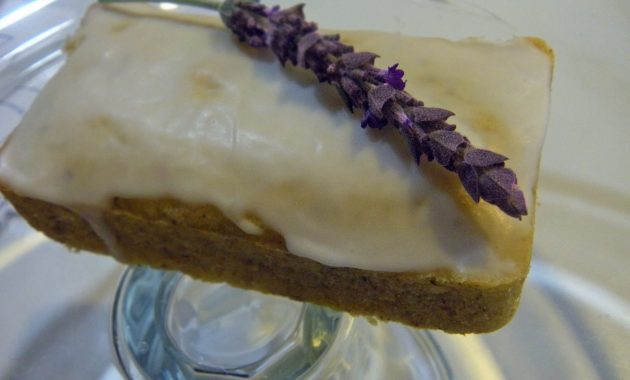
Our garden is suddenly exploding with the vibrant purple hues and intoxicating aroma of fresh lavender, inspiring a delightful culinary adventure. For the past week, my thoughts have been consumed with creating a dessert that captures this beautiful essence, leading to this exquisite Lavender Lemon Loaf Cake recipe. This cake is not just a treat for the palate; it’s a sensory experience, blending the calming floral notes of lavender with the bright, zesty tang of fresh lemon. While the recipe is perfectly portioned for one generously sized loaf, I often find myself baking a batch of six mini loaves, perfect for sharing with friends, spreading a little bit of homemade joy and fragrant delight. It’s an ideal bake for spring or summer gatherings, afternoon tea, or simply a moment of self-indulgence with a cup of coffee.
The Enchanting Charm of Baking with Lavender
Baking with lavender offers a unique and sophisticated twist to traditional desserts. The delicate floral aroma of culinary lavender infuses baked goods with a distinctive flavor profile that is both calming and uplifting. When paired with citrus, as in this loaf cake, lavender’s herbaceous notes truly shine, creating a harmonious balance that’s utterly captivating. It’s important to use pesticide-free culinary lavender, whether fresh or dried, to ensure the best flavor and safety. This recipe celebrates the simplicity and elegance of lavender, transforming a basic loaf cake into an extraordinary aromatic masterpiece that will undoubtedly impress.
Essential Ingredients for Your Aromatic Loaf Cake
Crafting the perfect lavender lemon loaf cake begins with selecting high-quality ingredients. Each component plays a crucial role in achieving the desired texture, flavor, and aroma that makes this cake so irresistible. Pay attention to the details, and your efforts will be rewarded with a truly delightful homemade treat.
For the Fragrant Lavender Loaf Cake:
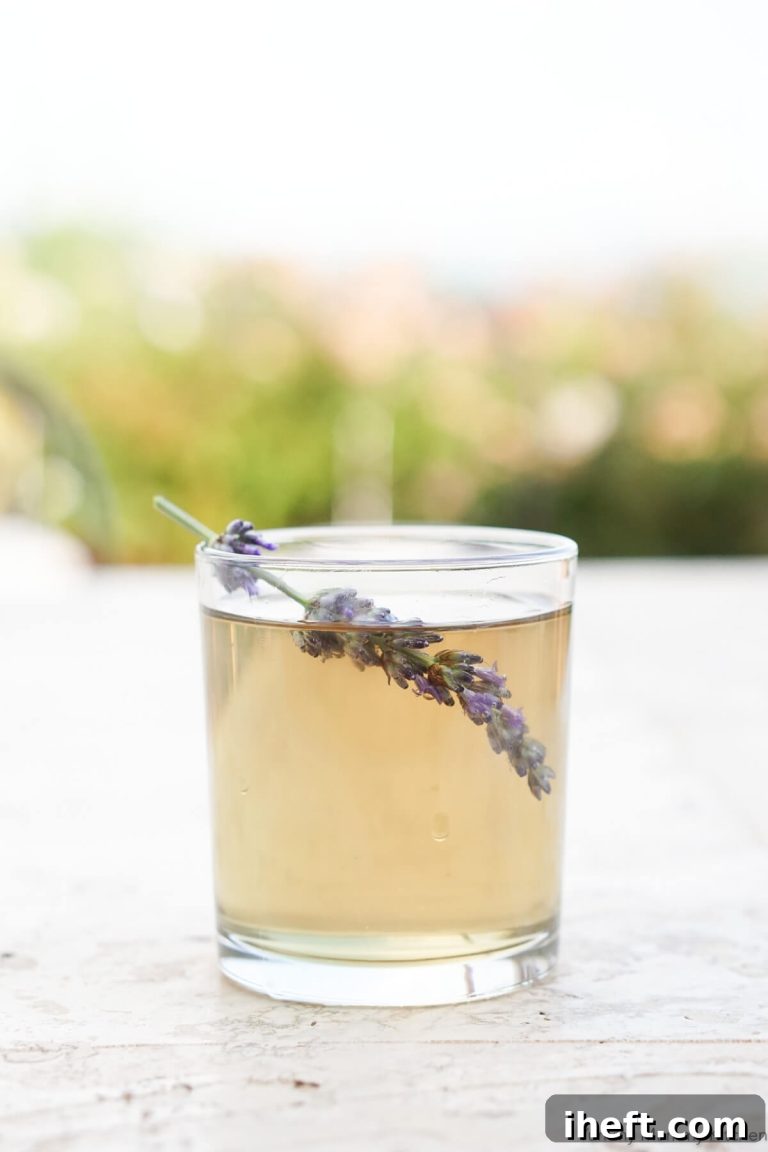
8 sprigs pesticide-free fresh lavender flowers, or 1 tsp. finely chopped, pesticide-free fresh lavender leaves, plus extra flowers for decorating (optional)
The star of our show! Fresh lavender imparts a more vibrant and nuanced floral note. If using dried culinary lavender, ensure it’s specifically for cooking, as ornamental varieties can be too potent or bitter.
1 1/4 cups superfine sugar
Also known as caster sugar, its fine granules dissolve more easily, leading to a smoother batter and a more tender crumb in the finished cake.
16 Tbs. (2 sticks) unsalted butter, at room temperature
Using unsalted butter gives you control over the salt content of your cake. Room temperature butter creams beautifully with sugar, incorporating air for a light and fluffy texture.
Finely grated zest of 2 lemons
This provides the essential bright, citrusy counterpoint to the lavender. Ensure you only grate the yellow part of the peel, avoiding the bitter white pith.
Pinch of fine sea salt
Salt is a flavor enhancer, balancing the sweetness and bringing out the complex notes of the lavender and lemon.
4 large eggs
Eggs act as a binder, provide structure, and add richness. Ensure they are at room temperature to emulsify properly with the butter and sugar mixture.
1/2 cup sifted all-purpose flour
Sifting the flour aerates it and removes any lumps, contributing to a lighter, more uniform cake texture.
1 1/2 cups ground blanched almonds
These add incredible moisture, a delicate nutty flavor, and a fine, tender crumb to the cake, complementing the other flavors beautifully.
1/4 cup fresh lemon juice
Adds acidity and moisture, brightening the cake’s flavor profile and ensuring a tender result. Freshly squeezed is always best.
For the Zesty Lemon Glaze:
1 1/2 cups confectioners’ sugar
Also known as powdered sugar or icing sugar, it creates a smooth, melt-in-your-mouth glaze. Sifting it is crucial to avoid lumps.
Juice of 1/2 large lemon, or as needed
This provides the tangy kick for the glaze, cutting through the sweetness and echoing the lemon notes in the cake. Adjust the amount to achieve your desired consistency.
Step-by-Step Guide to Baking Perfection
Creating this aromatic loaf cake is a rewarding experience, and following these detailed steps will ensure a perfect bake every time. From preparing your pan to decorating the finished cake, each stage contributes to the final masterpiece.
Preparation is Key
To begin your baking journey, preheat your oven to 350°F (175°C). This ensures the oven is at the correct temperature for the cake to rise properly from the start. Generously butter a 9-by-5-inch (23-by-13-cm) loaf pan, ensuring every crevice is coated to prevent sticking. For added insurance, you can lightly flour the buttered pan or line it with parchment paper, leaving an overhang on the long sides to easily lift the cake out later.
Crafting the Aromatic Cake Batter
The heart of this loaf cake lies in its wonderfully fragrant batter. Start by gently stripping the delicate flowers from your lavender sprigs. Place these vibrant blossoms into the bowl of a food processor. Add the superfine sugar, the softened room-temperature unsalted butter, the finely grated lemon zest, and a small pinch of fine sea salt. Process these ingredients together for 2 to 3 minutes, or until the mixture becomes notably pale and wonderfully fluffy. This step infuses the sugar and butter with the lavender and lemon aromas, creating a truly fragrant base.
Carefully transfer this aromatic mixture to a large mixing bowl. Now, it’s time to incorporate the eggs and flour. Add the eggs one at a time, beating well with a sturdy wooden spoon after each addition until fully incorporated. Between each egg, add about one-fourth of the sifted all-purpose flour. This alternating method helps to create a stable emulsion, preventing the batter from curdling and ensuring a smooth, cohesive texture. Once all the eggs and flour are incorporated, gently fold in the ground blanched almonds and the fresh lemon juice. Stir just until combined; overmixing at this stage can lead to a tough cake.
Baking to Golden Perfection
Spoon the fragrant batter evenly into your meticulously prepared loaf pan and smooth the top with a spatula. Place the pan in the preheated oven and bake for an initial 10 minutes at 350°F (175°C). This higher initial temperature helps the cake to rise quickly. After 10 minutes, reduce the oven temperature to 325°F (160°C) and continue baking for another 50 to 55 minutes. The cake is done when a wooden skewer or toothpick inserted into the center comes out completely clean. If the top starts to brown too quickly, you can loosely tent it with aluminum foil.
Once baked, transfer the pan to a wire rack and let the cake cool in the pan for about 5 minutes. This brief resting period allows the cake to firm up slightly, making it easier to handle. Run a knife carefully around the edges of the pan to loosen the cake, then invert it onto the wire rack to remove. Place the cake right side up on the rack and allow it to cool completely before glazing. Patience here is key; glazing a warm cake will result in a messy, runny glaze.
Whipping Up the Tangy Glaze
While the cake cools, prepare the simple yet essential lemon glaze. Sift the confectioners’ sugar into a medium-sized bowl. Sifting is crucial to eliminate any lumps, ensuring a perfectly smooth glaze. Using a wooden spoon or whisk, gradually stir in the fresh lemon juice, adding just a few drops at a time. The goal is a glaze that is thick enough to coat the back of a spoon but still spreadable and capable of gracefully dripping down the sides of the cake. If the icing becomes too stiff, add a tiny bit more lemon juice; if it’s too thin, a spoonful more sifted confectioners’ sugar can fix it.
The Finishing Touch: Glazing and Decorating
Once the loaf cake has completely cooled, it’s time for the final, beautiful touch. Using a knife or offset spatula, carefully spread the lemon glaze over the top of the cooled cake, allowing it to artfully drip down the sides. For a smoother application, if your knife becomes sticky, dip it in hot water and wipe clean between strokes. Let the cake stand at room temperature for about 1 hour, or until the glaze has fully set. For an extra touch of elegance and an affirmation of its delicious flavor, decorate the cake with a few fresh lavender flowers just before serving. These not only enhance its visual appeal but also add another burst of delightful aroma.
Tips for a Flawless Lavender Loaf Cake
- Room Temperature Ingredients: Ensure butter and eggs are at room temperature for a smooth, well-emulsified batter.
- Don’t Overmix: After adding flour and almonds, mix just until combined to avoid developing too much gluten, which can lead to a tough cake.
- Fresh Lavender Quality: Use culinary-grade, pesticide-free lavender. If using dried, use about 1/3 the amount of fresh, as dried is more potent.
- Sift Dry Ingredients: Sifting flour and confectioners’ sugar prevents lumps and ensures a finer texture.
- Cool Completely: Always wait until the cake is fully cooled before glazing to prevent the glaze from melting and becoming runny.
- Oven Calibration: Ovens can vary. An oven thermometer can help ensure your oven is at the correct temperature for optimal baking.
Creative Variations and Serving Suggestions
This Lavender Lemon Loaf Cake is wonderfully versatile. Feel free to experiment with different citrus zests, such as orange or lime, for a slightly different flavor profile. A sprinkle of poppy seeds could add a lovely textural contrast. Serve slices with a dollop of crème fraîche or a scoop of vanilla bean ice cream for an extra touch of indulgence. It pairs beautifully with a cup of herbal tea or a glass of sparkling lemonade, making it perfect for an afternoon tea spread or a light dessert after dinner.
Storage and Shelf Life
To keep your delicious loaf cake fresh, store it in an airtight container at room temperature. Without the fresh flower garnish, the cake will remain wonderfully moist and flavorful for up to 3 days. If you’ve decorated with fresh lavender, it’s best to enjoy it on the day of decoration, as the flowers can wilt or become unsightly over time.
Yield and Enjoyment
This recipe generously serves 8 to 10 people, making it perfect for sharing or enjoying over a few days. Each slice promises a fragrant, tender, and incredibly satisfying experience, truly a taste of homemade bliss.
Adapted from Williams-Sonoma A Taste of the World (Gold Street Press, 2008).