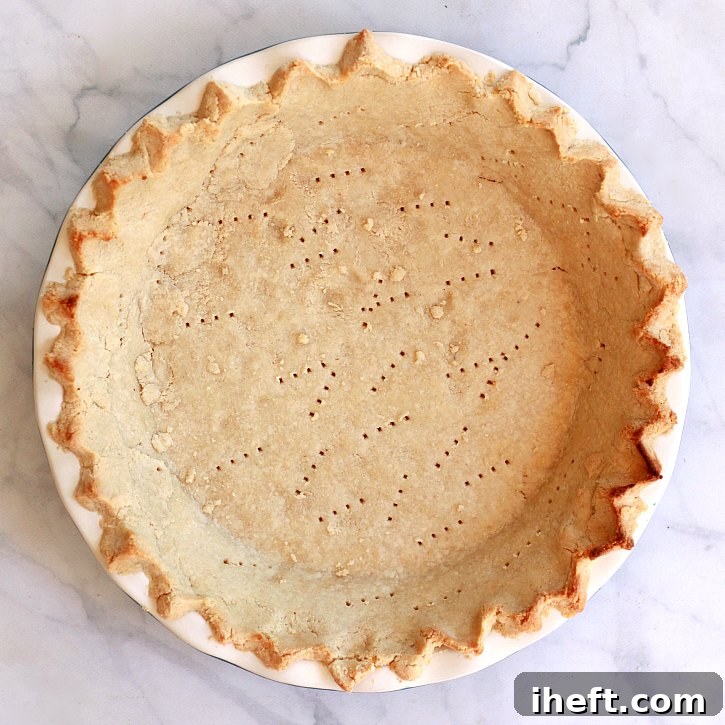
Perfectly Flaky Gluten-Free Pie Crust
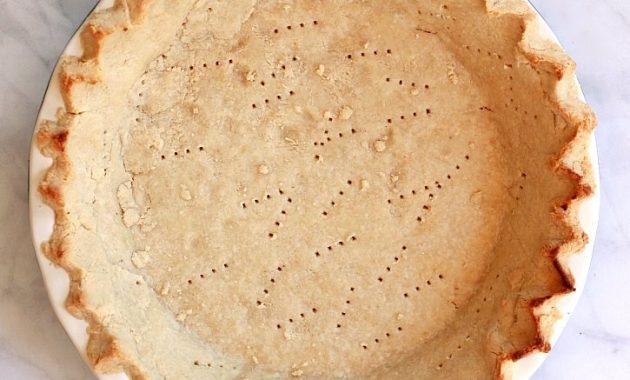
Welcome to the ultimate guide for crafting the perfect pie crust that caters to all! This exceptional recipe delivers a gluten-free, vegan, and paleo-friendly pie crust, making it an ideal choice for a diverse range of dietary needs. Expertly formulated with wholesome, natural ingredients like nutrient-rich almond flour, this versatile crust is your go-to foundation for an array of delightful baked goods. From comforting pumpkin pies to elegant apple tarts, and even savory quiches, prepare to elevate your baking with a crust that’s both easy to make and incredibly delicious.
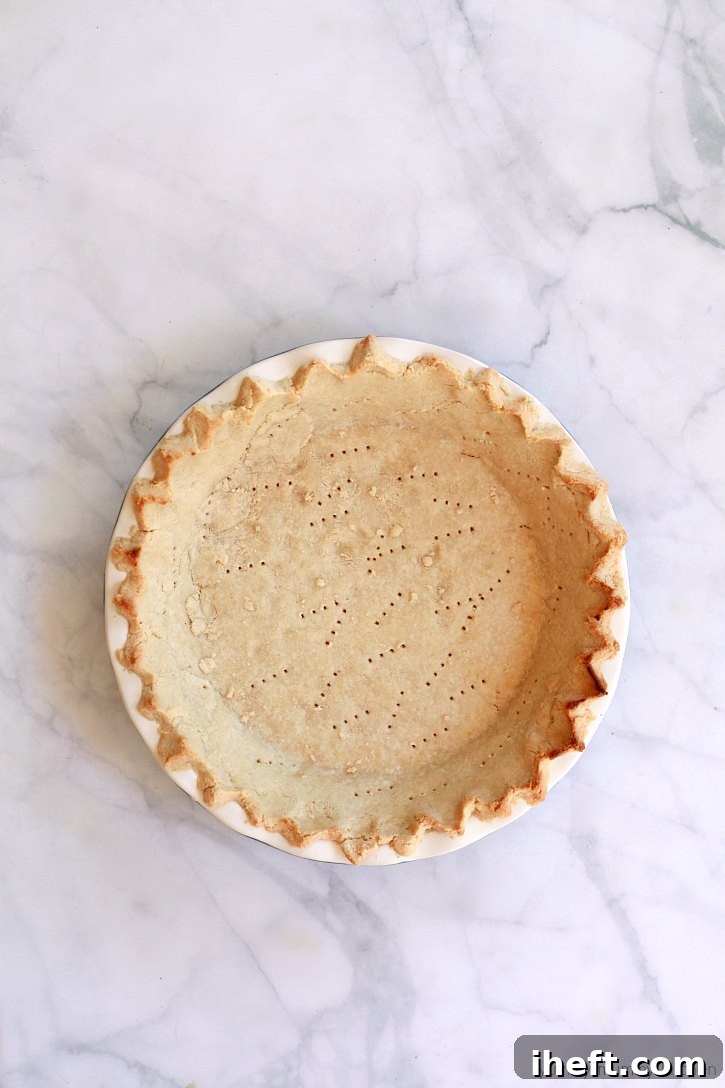
Mastering the Art of Healthy Pie Baking: Your Ultimate Gluten-Free Pie Crust
As the leaves begin to turn and a crispness fills the air, pie season officially commences! For many, the mere mention of “pie” conjures up nostalgic memories of family gatherings, holiday feasts, and comforting aromas wafting from the kitchen. I, too, cherished those moments, reminiscing about my teenage years spent devouring entire pies with friends. However, as I grew older, I discovered a common dilemma: traditional pies, while undeniably delicious, often left me feeling heavy, sluggish, and with an uncomfortable stomach ache. The culprit? Usually an overload of butter, excessive sweetness, and heavily processed white flour – ingredients that simply don’t align with a desire for wholesome, nourishing food.
But what if you could savor the joy of pie without the discomfort? What if you could create a crust that’s light, flaky, incredibly flavorful, and perfectly suited for a healthier lifestyle? The good news is, you absolutely can! We’re embarking on a mission to transform your pie-making experience with a revolutionary recipe. This recipe introduces a naturally vegan, gluten-free, and naturally sweetened pie crust designed to change everything you thought you knew about healthy baking. I’ve been experimenting vigorously, filling my kitchen with the sweet scents of baking, and now I’m thrilled to share the foundation of all my recent pie creations: this sensational gluten-free pie crust. It’s the essential starting point for an array of upcoming healthy pie recipes that I can’t wait to share with you.
Why Choose This Gluten-Free, Vegan, Paleo Pie Crust?
This isn’t just another pie crust recipe; it’s a culinary revelation for anyone seeking a healthier alternative without compromising on taste or texture. Here’s why this particular almond flour pie crust stands out:
- Dietary Inclusivity: It’s naturally gluten-free, making it safe for those with celiac disease or gluten sensitivities. It’s also 100% vegan, free from any animal products, and paleo-friendly, aligning with a grain-free, dairy-free, and refined-sugar-free eating plan.
- Wholesome Ingredients: Say goodbye to processed white flour and unhealthy fats. This recipe relies on nutritious almond flour, heart-healthy coconut oil, and the natural sweetness of maple syrup.
- Effortless Preparation: Despite its impressive dietary credentials, this crust is surprisingly simple to prepare. With minimal ingredients and straightforward steps, even novice bakers can achieve perfect results.
- Versatility Unleashed: Whether your heart desires a sweet fruit pie, a rich custard pie, or a savory quiche, this crust is robust enough to handle any filling you can imagine. Its mild, slightly nutty flavor complements a wide range of dishes.
- Superior Texture: Achieve that coveted tender, flaky texture that makes a pie truly exceptional. The almond flour provides a delightful crispness that holds up beautifully to various fillings.
The adaptability of this healthy pie crust is truly remarkable. It pairs exquisitely with my Vegan Pumpkin Pie, creating a holiday staple that’s both decadent and guilt-free. I’ve also received wonderful feedback from readers who have successfully used it for savory dishes like quiche, attesting to its structural integrity and delightful flavor. I’m eager to try it with my Vegan Mini Pecan Pies, and I encourage you to explore its potential in all your favorite recipes.
Essential Ingredients for Your Healthy Pie Crust
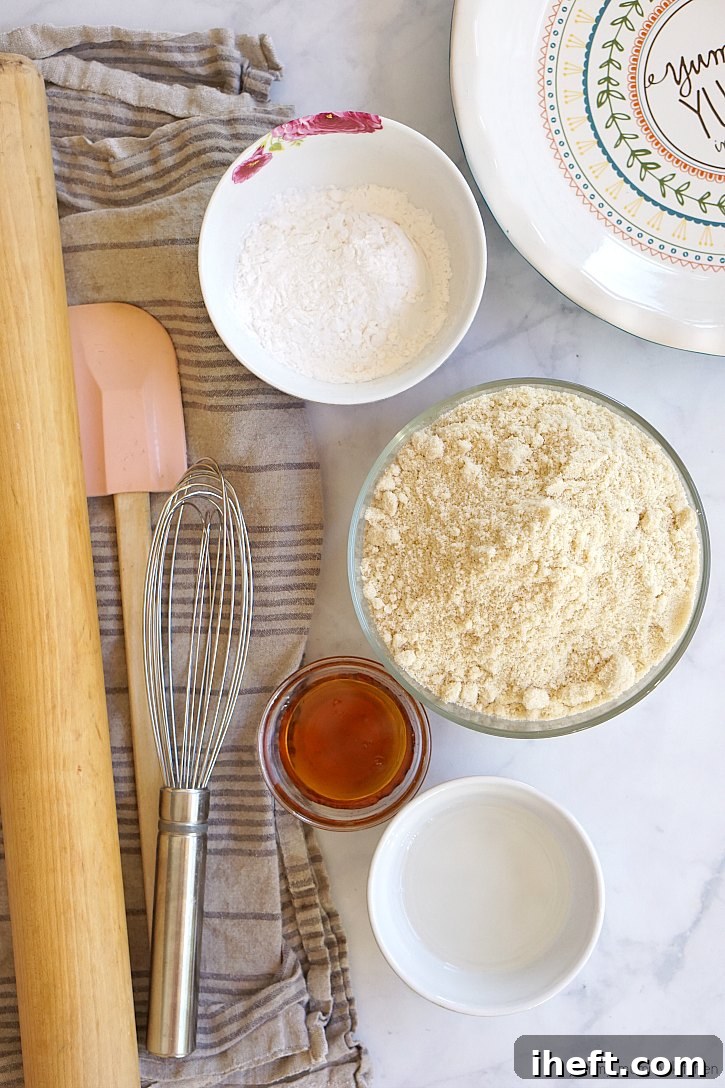
Unlike traditional pie crusts, which often feature just white flour and butter with a touch of salt and sugar, this recipe uses a carefully selected combination of less processed, more nutritious ingredients. The result is a simple yet profoundly flavorful crust that enhances, rather than overwhelms, your pie fillings. Let’s delve into the star components of this almond flour pie crust recipe:
The Power of Almond Flour
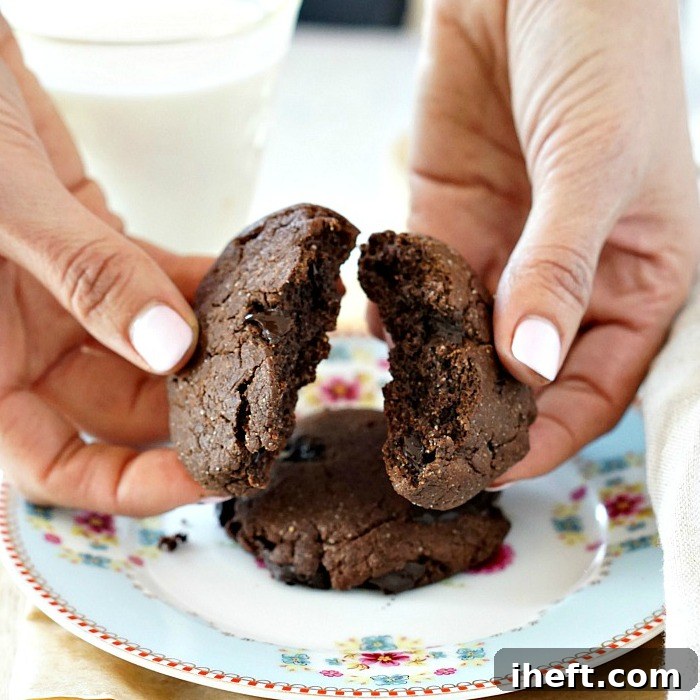
Almond flour is the cornerstone of this gluten-free crust, offering a host of benefits that go beyond just being grain-free. It’s simply blanched almonds that have been finely ground, resulting in a delicate, slightly sweet flour. Did you know it’s the very flour famously used in delicate French macarons? Oui, oui! This natural ingredient imparts a rich, nutty flavor and a tender texture that’s superior to many gluten-free flour blends. Rich in protein, fiber, and healthy fats, almond flour makes this crust more satisfying and nutrient-dense. Its subtle sweetness also means less added sugar is needed, contributing to the overall health profile of the pie. My inspiration for this paleo pie crust journey began after successfully baking these vegan, gluten-free chocolate chunk cookies and these adorable lemon tarts, realizing the incredible potential of almond flour in baking.
Coconut Oil: The Dairy-Free Fat
Replacing traditional butter, coconut oil serves as the primary fat in this vegan pie crust. When melted and incorporated, it creates a wonderfully pliable dough that becomes flaky and crisp upon baking. Beyond its functional properties, coconut oil also offers a delicate, almost imperceptible tropical hint that beautifully complements both sweet and savory fillings. It’s a healthy fat that contributes to the crust’s structure and mouthfeel without the dairy often found in conventional recipes. Make sure to use virgin coconut oil for the best flavor and nutritional benefits.
Maple Syrup: Natural Sweetness
To provide a touch of sweetness without resorting to refined sugars, pure maple syrup is our chosen sweetener. Its rich, caramel-like notes harmonize perfectly with the almond flour, adding depth of flavor without being overtly sweet. Maple syrup is also a natural source of antioxidants and minerals, making it a much healthier option than granulated white sugar. It helps bind the ingredients together and contributes to the beautiful golden-brown color of the baked crust.
Arrowroot Starch: For Perfect Texture
A small amount of arrowroot starch is added to the mixture to provide a light, crisp texture. Arrowroot acts as a thickening agent and helps to create that desired flakiness in the crust. It’s a fantastic gluten-free alternative to cornstarch, ensuring that the crust remains tender yet stable, preventing any crumbling or sogginess, especially when used with wetter fillings.
Stunning Creations with Our Almond Flour Pie Crust
Don’t just take my word for it; let these delectable creations showcase the incredible potential of this homemade pie crust. The beauty of this recipe lies not only in its healthy components but also in its ability to produce truly stunning and delicious results for any occasion.
The Irresistible Caramel Apple Tart
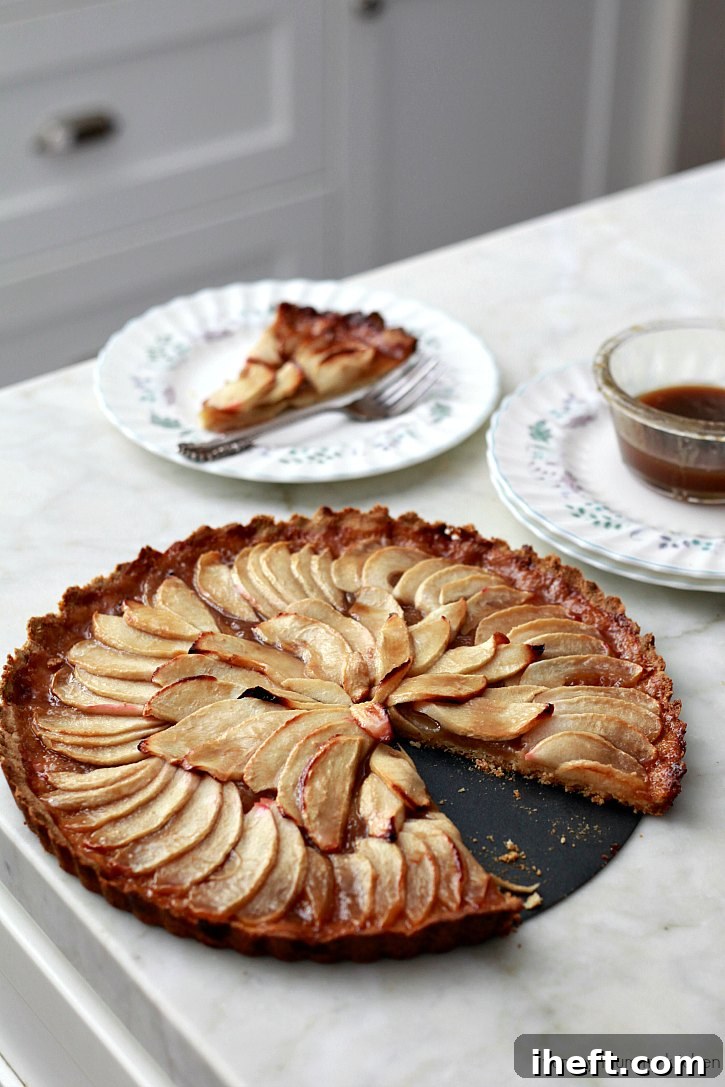
This Caramel Apple Tart is the embodiment of autumn dreams, a symphony of flavors and textures that will undoubtedly become a holiday favorite. The hearty, slightly flaky almond flour crust forms the perfect base, providing a delightful contrast to the sweet-tart apples and a luscious, salty coconut caramel sauce. Every bite is an experience, combining crispness with tender fruit and gooey caramel. I’m incredibly excited to share this recipe with you in the coming weeks; you are truly going to adore it! Its elegance and exquisite taste make it a strong contender for our Thanksgiving table this year, promising to impress even the most discerning palates.
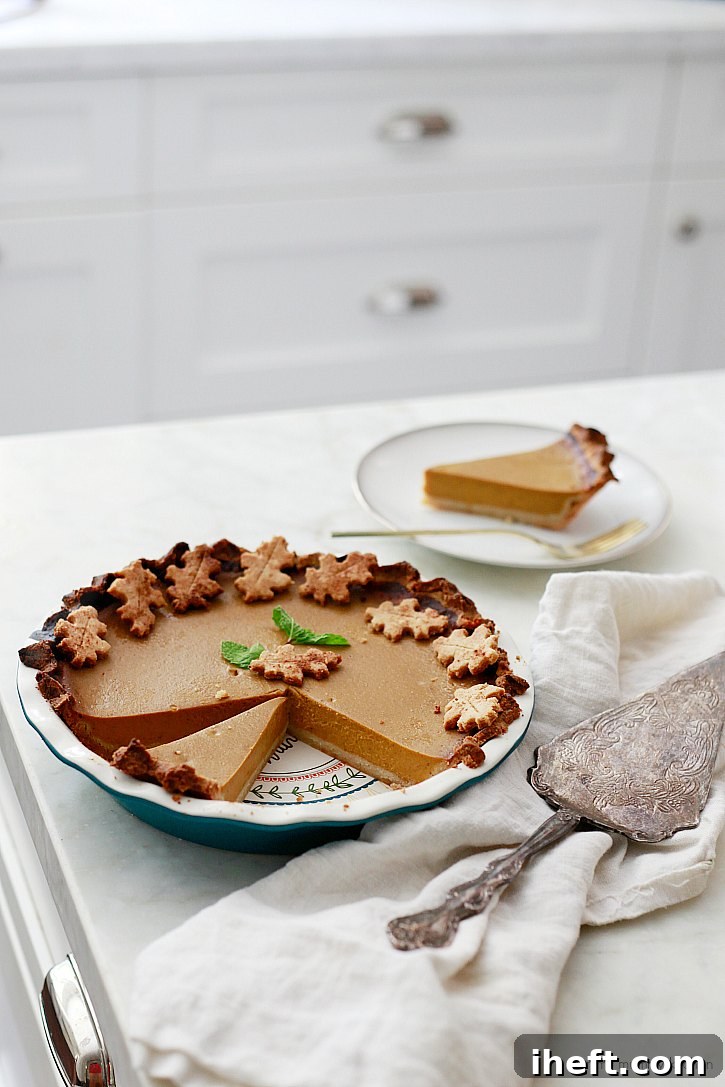
A Holiday Favorite: Vegan Pumpkin Pie
The journey to perfecting this gluten-free pie crust recipe began with a specific goal in mind: creating the ultimate Vegan Pumpkin Pie. I needed a crust that not only tasted fantastic but also offered the pliability and strength required for beautiful presentation. I was absolutely delighted to discover that this almond flour crust rolls out like a dream, allowing me to effortlessly cut out intricate leaf shapes to adorn the top of my pumpkin pie. The aesthetic appeal matched its incredible taste, making it a true showstopper. If only I could magically hand you a slice through the screen, you would understand just how utterly delicious and satisfying this pumpkin pie was. It’s a testament to how healthy ingredients can come together to create something truly extraordinary.
Master the Art of Pie Making: Your Step-by-Step Guide
Gluten Free Pie Crust
Yield: 1 pie crust | Prep Time: 5 minutes | Cook Time: 12 minutes | Total Time: 17 minutes
This gluten-free, vegan, paleo pie crust is perfect for pumpkin pie and many others, offering a delicious and healthy base for all your favorite fillings!
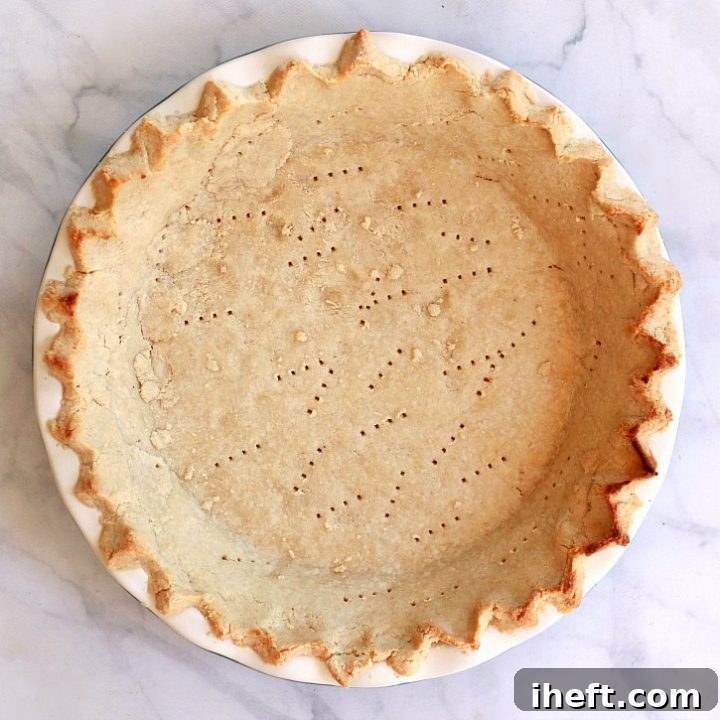
Ingredients
- 2 cups almond flour (such as Trader Joe’s blanched almond flour)
- 1/4 cup arrowroot starch (Bob’s Red Mill is a great choice)
- 1/4 teaspoon salt
- 3 tablespoons melted coconut oil (virgin coconut oil preferred)
- 1 tablespoon maple syrup (pure, Grade A maple syrup)
Instructions
- Prepare Your Workspace and Ingredients: Preheat your oven to 350 degrees F (175 degrees C). In a medium-sized bowl, combine the almond flour, arrowroot starch, and salt. Whisk these dry ingredients thoroughly to ensure they are evenly distributed, which is crucial for a consistent crust texture.
- Incorporate Wet Ingredients: With a rubber spatula or sturdy spoon, gradually stir in the melted coconut oil and maple syrup. Continue mixing until the ingredients are well combined and the mixture forms a crumbly texture. Test the mixture by pressing a small amount between your fingers; it should stick together without being too wet. If the mixture still feels too dry and crumbly to hold its shape, add water very sparingly, about 1 tablespoon at a time, until the dough just comes together. Be careful not to add too much water, as this can make the crust tough.
- Form and Chill the Dough: Gather the dough and form it into a cohesive ball. You have two options for shaping: either press the dough directly into your tart or pie dish, distributing it evenly across the bottom and up the sides. Alternatively, place the dough between two pieces of parchment paper and roll it out until it’s approximately 1/8 inch thick. Carefully transfer the rolled-out dough into your pie dish. Once in the dish, prick the bottom and sides of the pie crust several times with a fork. This step, known as “docking,” helps prevent air bubbles from forming during baking, although this particular recipe is quite stable. Place the prepared crust in the freezer for 5 minutes; this quick chill helps firm up the coconut oil, preventing the crust from shrinking while baking.
- Baking Instructions Based on Filling:
- For Tarts (like Caramel Apple Tart): This specific pie crust recipe typically does not require pre-baking. You can add your filling directly into the unbaked crust and bake according to your tart recipe’s instructions.
- For Pies with Wet Fillings (like Pumpkin Pie): To prevent a soggy bottom crust, pre-bake the chilled crust for about 10 minutes. This partial bake helps to set the crust and creates a barrier against moisture from the filling. Allow it to cool slightly before adding your wet filling.
- For Custard-Filled or No-Bake Pies (like Chocolate Cream Pie): For pies that require a fully baked crust before filling, or those with no-bake fillings, bake the crust completely for approximately 12-15 minutes, or until golden brown. Make sure the crust is fully cooled before adding any filling to maintain its crispness and structure.
Nutrition Information:
Amount Per Serving (1 slice):
- Calories: 125
Expert Tips for a Flawless Gluten-Free Pie Crust
Achieving a perfect gluten-free pie crust is easier than you think, especially with these helpful tips to guide you. From mixing to baking, these insights will ensure your crust turns out beautifully every time:
- Measure Accurately: Especially with gluten-free baking, precision is key. Use a kitchen scale for flour if possible, or ensure you’re scooping almond flour lightly into your measuring cup and leveling it off.
- Don’t Overmix: Unlike wheat flour doughs where gluten can develop, overmixing almond flour dough can still lead to a tough crust. Mix just until the ingredients are combined and form a workable dough.
- Chill is Critical: The 5-minute freezer chill before baking is a small but mighty step. It solidifies the coconut oil, which helps the crust maintain its shape and prevents it from shrinking excessively in the oven.
- Preventing a Soggy Bottom: If you’re making a pie with a wet filling, pre-baking (or blind baking) the crust is essential. Prick the bottom with a fork, and consider lining it with parchment paper and filling it with pie weights or dried beans during the first part of baking to prevent puffing.
- Rolling Technique: If rolling between parchment paper, start from the center and roll outwards, rotating the paper occasionally to achieve an even thickness. This also makes transferring the dough much easier.
- Storage: Baked crusts can be stored at room temperature for a day or two, or wrapped tightly and frozen for up to a month. Unbaked dough can be wrapped and refrigerated for a few days or frozen for longer.
- Adjusting Sweetness: The amount of maple syrup can be slightly adjusted to suit your taste or the sweetness of your pie filling. If your filling is very sweet, you might reduce the maple syrup in the crust slightly.
Frequently Asked Questions About Gluten-Free Pie Crusts
Can I use a different type of gluten-free flour?
While this recipe is specifically formulated for almond flour due to its unique fat content and texture, substituting with other gluten-free flours (like oat flour or a general GF blend) might alter the texture and require adjustments to the liquid content. Almond flour creates a distinctively tender and slightly crisp crust. If experimenting, start with small adjustments and note that results may vary significantly.
How do I prevent the crust from getting soggy, especially with very wet fillings?
The key to preventing a soggy crust is proper pre-baking (also known as blind baking). For very wet fillings, fully blind bake the crust until golden brown and allow it to cool completely before adding the filling. You can also lightly brush the inside of the pre-baked crust with a beaten egg white (if not strictly vegan) or a thin layer of melted vegan butter before filling; this creates an additional barrier against moisture.
Can I make this pie crust ahead of time?
Absolutely! This is one of the conveniences of this easy pie crust recipe. You can prepare the dough, form it into a ball, wrap it tightly in plastic wrap, and refrigerate it for up to 3-4 days. For longer storage, freeze the dough for up to 1 month. Thaw in the refrigerator overnight before rolling out. You can also pre-bake the crust and store it at room temperature for a day or two, or freeze it for longer, before filling.
Is this crust suitable for both sweet and savory pies?
Yes, its naturally mild and slightly nutty flavor makes it incredibly versatile. It’s fantastic for sweet applications like fruit pies and tarts, and equally delicious for savory dishes like quiches or pot pies. The subtle sweetness from the maple syrup is balanced enough not to overpower savory flavors.
Conclusion: Embrace Healthier Baking with Confidence
This gluten-free, vegan, and paleo pie crust recipe is more than just a substitute; it’s an upgrade. It’s an invitation to rediscover the joy of pie making and eating, free from the worries of dietary restrictions or digestive discomfort. With natural ingredients, simple steps, and incredible versatility, this almond flour crust opens up a world of healthier baking possibilities.
So, whether you’re preparing for a holiday feast, a cozy family dinner, or simply craving a delicious treat, have the confidence to create pies that are both wholesome and utterly delightful. Share your creations, experiment with new fillings, and most importantly, savor every single bite of your healthy, homemade pies. Happy baking!