Dry Farm Wines: An Honest Look at Natural Organic Low Carb Keto Wine

Have you ever paused to consider what truly goes into the wine you drink? In an era where conscious consumption is on the rise, many are seeking out healthier, purer alternatives to conventional beverages. Terms like organic, keto, low carb, paleo, natural wine, and sugar-free wine are becoming increasingly popular, but navigating this complex landscape to find genuinely clean options can be challenging. From exploring local grocery store selections like Trader Joe’s to trying various online delivery subscriptions, the quest for the perfect healthy wine can be a journey of trial and error. This article shares an honest perspective, including an in-depth Dry Farm Wines review, to guide you toward making informed choices. Please note, while this post is not sponsored, it does contain affiliate links, which help support our content creation.

Recently, a conversation with friends about lower-calorie, lower-carb wines available at grocery chains sparked a familiar thought. While some options exist, they often fall short of expectations for taste and purity. This discussion reminded me of my preferred method for sourcing natural, organic, low-carb, keto-friendly, and sugar-free wines, prompting me to share a comprehensive Dry Farm Wines Review. If you’re ready to explore this unique world of wine and looking for an exclusive offer, you’re in the right place.
Use this exclusive link to receive an additional bottle of natural wine for just one penny with your first order! It’s an incredible opportunity to discover the difference.

Unveiling the World of Natural Wine: Why It Matters
The term “natural wine” has gained significant traction, but what exactly sets it apart from conventional wine? The distinction is crucial, especially for health-conscious consumers. The FDA approves over 70 different additives for use in US winemaking, ranging from benign, centuries-old practices to modern, industrially created substances. While some traditional additives, like sulfites (in moderation), have historical precedent, many contemporary additions are designed to manipulate flavor, color, texture, and stability in ways that compromise the wine’s natural integrity and can potentially impact your health.
The Hidden Dangers: Glyphosate and Other Toxins in Wine
One of the most alarming revelations in conventional farming, including viticulture, is the widespread use of toxic herbicides like Roundup, which contains glyphosate. Glyphosate is a pervasive chemical, and its presence extends even to products marketed as “organic.” A pivotal study conducted by USPIRG found glyphosate in 19 out of 20 popular wine and beer brands tested, including those labeled organic. This highlights a significant challenge for consumers seeking truly clean products. The goal of natural winemaking is to produce wine free from such toxic additives and chemicals, yet achieving this without rigorous testing remains incredibly difficult.
Beyond glyphosate, other problematic additives can include artificial colors, synthetic yeasts, high doses of added sulfites, sugar, and various processing agents. These can strip the wine of its natural character and may contribute to adverse reactions in sensitive individuals, such as headaches, brain fog, or digestive issues. This is precisely why seeking out lab-tested wine is your best defense and assurance of purity.
Where to Buy Natural Wine: A Challenging Quest
While the demand for natural wine is growing, finding truly pure options in traditional retail environments can be a frustrating experience. Many grocery stores, including popular ones like Trader Joe’s and Whole Foods, have started offering small “natural wine” sections. I’ve explored these selections myself, sampling various bottles. While the effort to provide healthier options is commendable, my personal experience has been mixed. The wines often lack the vibrant taste and distinct character I seek, and more importantly, they rarely come with the guarantee of being lab-tested for purity, genuinely organic or biodynamically grown, and verifiably low in sugar.
The “organic” label, as discussed, doesn’t always tell the whole story. Without third-party verification and lab testing that specifically screens for glyphosate and other industrial additives, consumers are left to trust labels that may not fully reflect the wine’s true composition. This makes the search for genuinely clean, low-sugar, and keto-friendly wines a complex task, often leading to disappointment for those committed to a healthier lifestyle.
Dry Farm Wines Reviews: The Ultimate Solution for Pure Wine
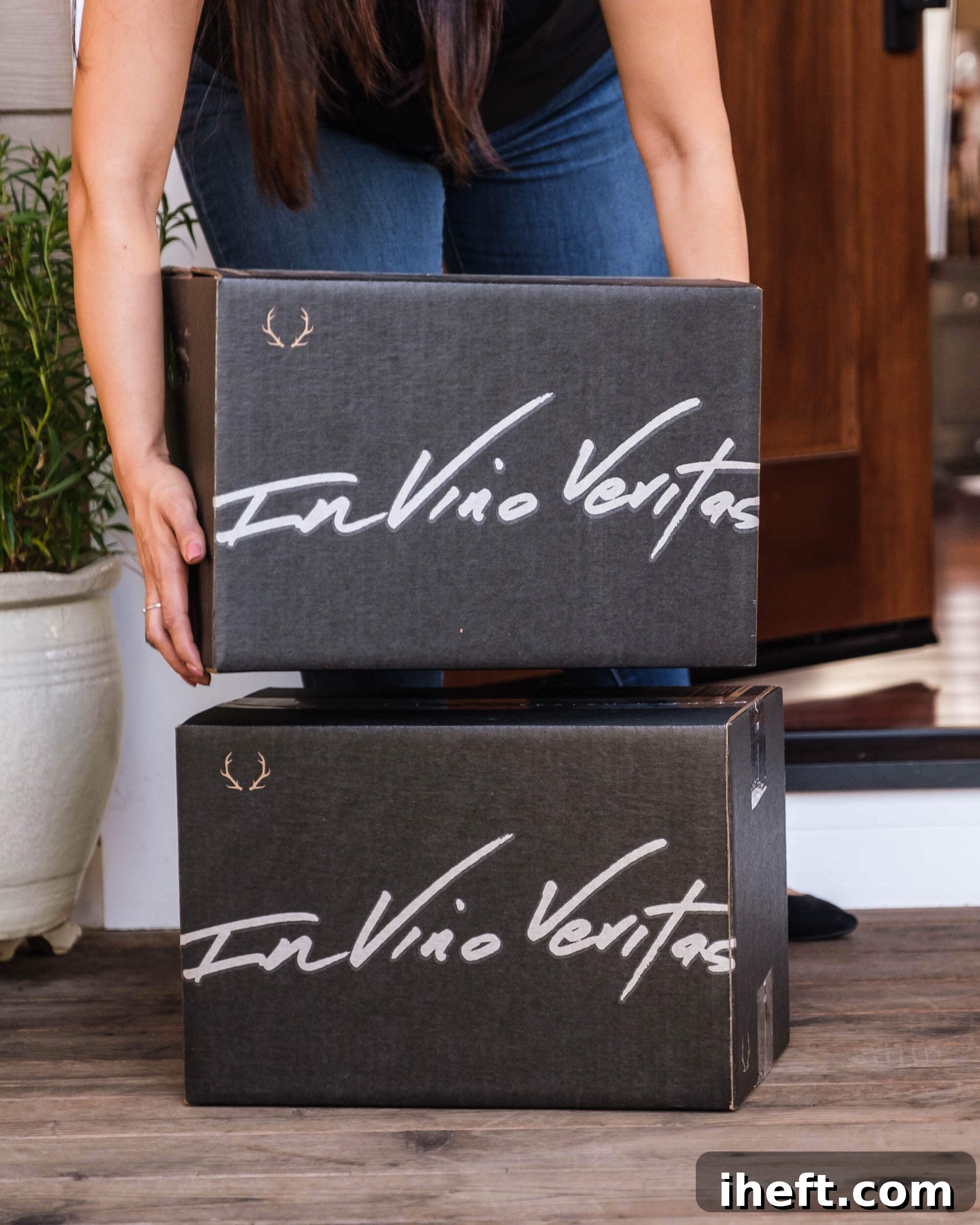
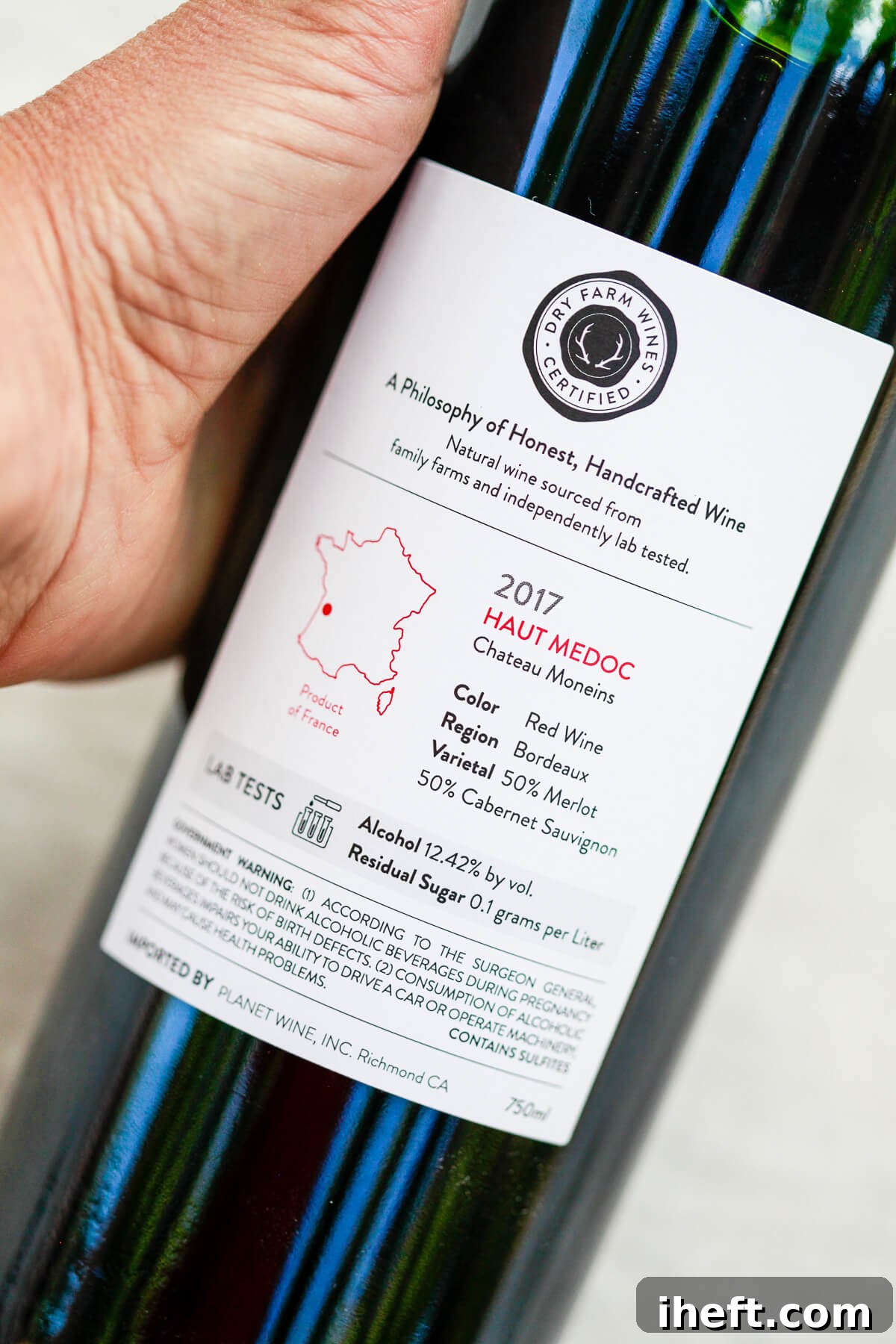
Having been a dedicated customer for years, I can confidently say that Dry Farm Wines has revolutionized my approach to enjoying wine. This isn’t a sponsored post; my recommendation comes from genuine satisfaction and a commitment to a clean lifestyle. For those unfamiliar, Dry Farm Wines is more than just a wine club; it’s a meticulously curated collection of natural, biodynamic, and organic wines sourced from small, family-owned farms around the globe. Their wines are crafted using old-world growing practices, ensuring each bottle is unprocessed, free of industrial additives, and rigorously tested to be sugar-free.
Over the years, every wine I’ve received from Dry Farm Wines has been nothing short of delicious and remarkably unique. As someone who prefers dry wines, I particularly appreciate the consistent clean, fresh, and crisp taste profiles across their entire selection. This consistent quality and commitment to purity are what truly set them apart. The flexibility of their subscription model is also a major plus; it’s incredibly easy to start, pause, or cancel deliveries based on your needs, making it convenient to always have a supply of exceptional wine without commitment pressure. Furthermore, a subscription makes an extraordinary and thoughtful gift for any health-conscious wine lover in your life.
The Unmatched Benefits of Dry Farm Wines: A Deep Dive
The advantages of choosing Dry Farm Wines are extensive and directly address the concerns of discerning consumers:
- Doorstep Convenience: Enjoy premium, natural wines delivered directly to your home, saving you time and effort in searching for quality bottles.
- Deliciously Unique, Bright, and Vibrant Taste: Experience wines with genuine character and complexity, reflecting their natural origins and traditional craftsmanship. These are not mass-produced, chemically enhanced wines.
- Organically/Biodynamically Grown Grapes: Grapes are cultivated without synthetic pesticides, herbicides, or fertilizers, promoting healthier soil and ecosystems. Biodynamic farming takes this a step further, integrating ecological and spiritual approaches.
- Sugar-Free: All Dry Farm Wines contain less than 1 gram per liter of residual sugar, making them an ideal choice for those on sugar-restricted diets, including keto, paleo, and low-carb lifestyles. This is a game-changer for many who want to enjoy wine without the added sugar burden.
- Low Carb Friendly: With minimal residual sugar, these wines naturally contain very few carbohydrates, aligning perfectly with ketogenic and low-carb dietary protocols.
- Lower Sulfites: Produced with minimal or no added sulfites, often resulting in less than 75 parts per million (ppm) total sulfites, which is significantly lower than conventional wines (which can have up to 350 ppm). This can reduce adverse reactions for sulfite-sensitive individuals.
- Lower Alcohol Content: With alcohol levels typically below 12.5%, these wines offer a more moderate and enjoyable drinking experience without the heavy impact often associated with high-alcohol wines.
- Handcrafted/Small Batch from Small Family Farms: Each bottle represents the dedication and passion of small, independent growers who prioritize quality over quantity and uphold traditional winemaking methods.
- International Growers: Discover unique varietals and terroirs from diverse wine regions across the globe, expanding your palate and appreciation for international natural winemaking.
- Paleo & Keto Friendly: Due to their sugar-free, low-carb, and additive-free nature, these wines are perfectly suited for paleo and ketogenic diets, allowing you to indulge without compromising your health goals.
- No Industrial Additives: Absolutely free from the 70+ common industrial additives found in conventional wines, ensuring a pure and unadulterated product.
- Dry Farmed/Irrigation Free: Grapes are grown without irrigation, forcing vines to dig deep for water. This practice promotes stronger, more resilient vines and grapes with concentrated flavors, while also conserving precious water resources.
- 100% Wild, Native Yeast Fermentation: Fermentation occurs spontaneously using ambient yeast present on the grapes, contributing to unique flavor profiles and a more complex, authentic wine.
- Full of Polyphenols: Natural wines, especially red varietals, are rich in beneficial polyphenols, potent antioxidants that can support overall health and well-being.
- Better for the Planet: Sustainable and organic farming practices contribute to healthier soils, biodiversity, and a reduced carbon footprint, making Dry Farm Wines an environmentally conscious choice.
- Lab-Tested for Purity: Each batch is independently lab-tested for alcohol content, residual sugar, sulfites, and freedom from agricultural chemicals like glyphosate, providing unparalleled transparency and peace of mind.
Potential Considerations:
- Higher Price Point: Depending on your usual wine purchases, Dry Farm Wines may represent a higher investment. However, this reflects the superior quality, ethical farming practices, rigorous lab testing, and artisanal production methods that distinguish them from mass-produced wines. Many consider the health benefits and exceptional taste well worth the cost.
- Curated Selection: You don’t get to choose individual bottles, but rather a curated selection based on your preference (red, white, mixed, etc.). I personally find this “surprise” element to be part of the fun and an exciting way to discover new and diverse natural wines I might not have picked otherwise.
Ordering from Dry Farm Wines: Simplicity and Satisfaction Guaranteed
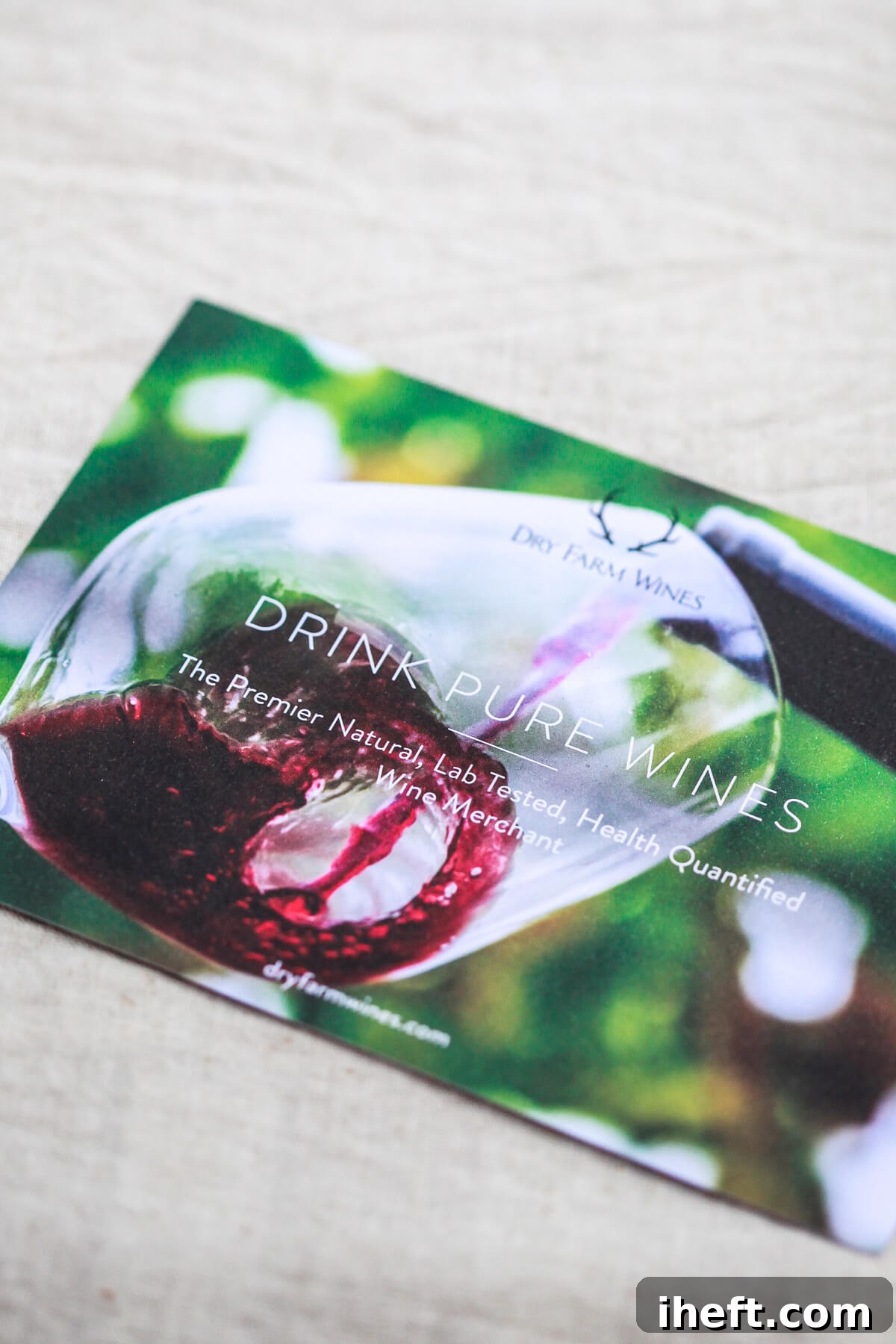
Dry Farm Wines offers several flexible subscription options designed to fit your lifestyle. Shipping is complimentary and remarkably efficient, with orders often arriving within just a few days. I personally enjoy the mixed box subscription, but I’m eager to try their sparkling and rosé options, especially for refreshing summer sips (perfect for making a delightful Watermelon Frosé).
Their customer satisfaction policy is outstanding: if you’re ever unhappy with a bottle you receive, Dry Farm Wines will promptly replace or refund it, ensuring your complete satisfaction.
Subscription Options:
- Choose between 6 or 12 bottles per shipment.
- Select your preferred delivery frequency: every 1, 2, or 3 months.
- Tailor your selection: opt for red, white, mixed, rosé, or sparkling wines to match your taste.
Ready to elevate your wine experience? Use my exclusive link to get an extra bottle of natural wine for just one penny with your first order! It’s an unbeatable way to discover the difference of truly pure wine.
How to Enjoy Natural, Keto, Sugar-Free Wine
Understanding how to properly serve and appreciate natural wines can enhance your experience. These are living wines, often with more delicate structures and vibrant aromas than their conventional counterparts. Here’s a simple guide to get the most out of your Dry Farm Wines:

Ingredients
- 1 bottle of Dry Farm Wines (red, rosé, or white)
Instructions
- Serve Red Wine at Optimal Temperature: Red wine is best enjoyed at cellar temperature, typically 55-60 degrees Fahrenheit (13-16 degrees Celsius). You can achieve this by refrigerating the bottle for about 20 minutes before serving or by placing it in an ice bucket for 15 minutes. Avoid serving red wine too warm, as it can mute its nuanced flavors.
- Chill White or Rosé Wine Properly: White and rosé wines truly shine when served chilled, ideally between 40-50 degrees Fahrenheit (4-10 degrees Celsius). Refrigerate the bottle for at least two hours. For optimal aroma release, remove it from the refrigerator about 15 minutes before serving.
- Pour and Swirl: Pour approximately 5 ounces (150 ml) of wine into a clean glass. Gently swirl the wine to allow it to breathe and release its complex aromas. This aeration process helps to open up the wine and reveal its full character.
- Sip and Savor: Take a small sip, letting the wine coat your palate. Notice the distinct flavors, the texture, and the clean finish that are characteristic of natural wines. Pay attention to the absence of heaviness or any artificial notes.
- Pairing Suggestions: Natural wines, with their clean profiles, pair beautifully with fresh, wholesome foods. I highly recommend enjoying them alongside a healthy charcuterie board featuring artisanal cheeses, cured meats, and fresh fruits, or with homemade hummus and a vibrant array of crisp vegetables.
Video: Dry Farm Wines Visits Austrian Growers Christoph & Julie Hoch
Nutrition Information:
Nutrition Information:
Yield: 6
Serving Size: 1 glass
Amount Per Serving:
Calories: 100
I sincerely hope this comprehensive Dry Farm Wines review has provided valuable insights into the world of natural, organic, keto, and low-carb friendly wines. If you’re seeking a genuinely clean, delicious, and guilt-free wine experience, I cannot recommend Dry Farm Wines highly enough. Their unwavering commitment to purity, health, and sustainable practices truly sets them apart in a crowded market.
Don’t miss out on this incredible opportunity to experience the difference. Click here to get your extra bottle for just a penny and embark on your journey to healthier wine enjoyment!