Crafting Delicious Passion Fruit Juice
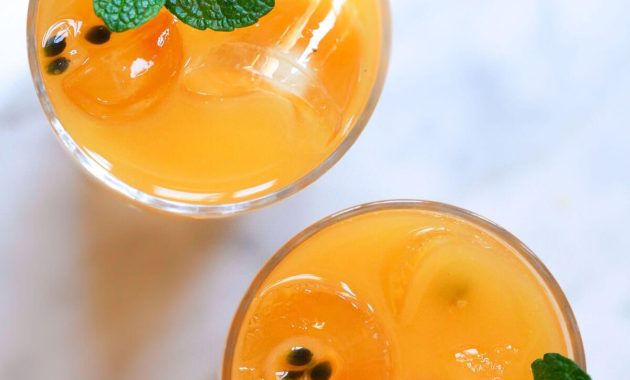
Homemade Passion Fruit Juice (Lilikoi): Your Easy Blender Recipe Guide
Experience the bright, tangy zest of the tropics right in your kitchen with homemade passion fruit juice, also lovingly known as lilikoi. This easy blender recipe eliminates the need for a dedicated juicer, making a refreshing glass of pure tropical bliss more accessible than ever before.
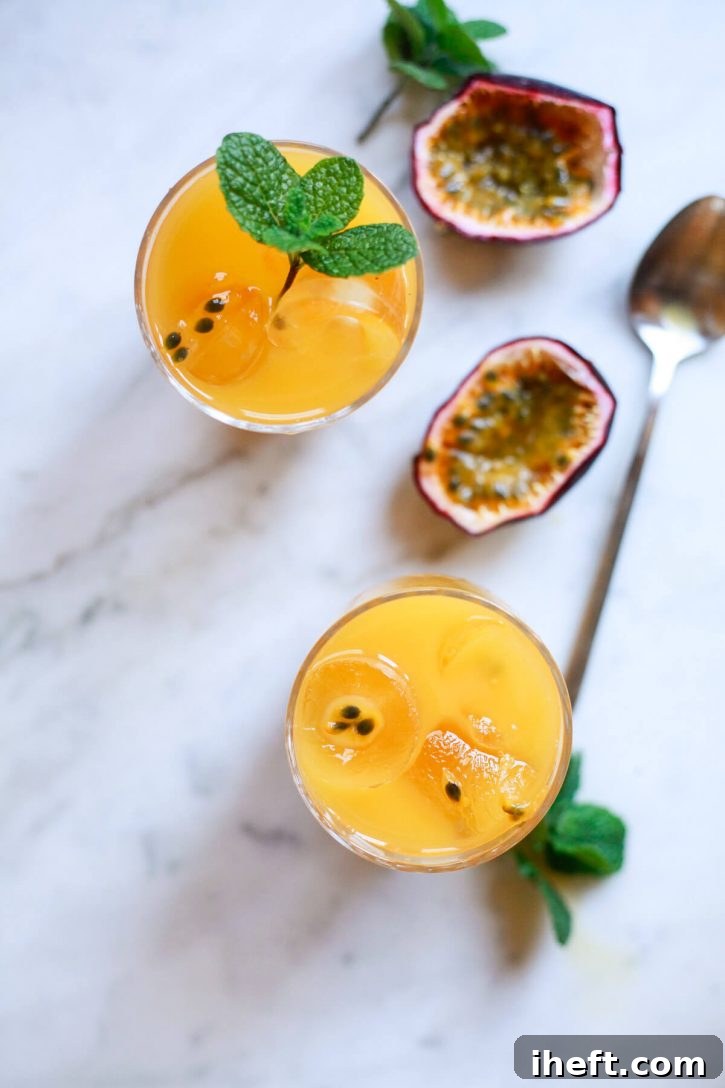
My journey into making fresh passion fruit juice began unexpectedly during a kids’ field trip. Chatting with a dear friend from Brazil, I learned that this exotic fruit’s juice holds a place of honor in Brazilian households, much like apple or orange juice does in the U.S. Living in Santa Barbara, where passion fruit thrives, I was inspired to try making my own. My friend graciously shared the simple process, and since then, crafting our weekly batch of homemade passion fruit juice has become a cherished tradition for my children and me.
This exquisite tropical beverage is celebrated for its bright, tangy, and invigorating flavor profile. While I do own a specialized juicer for concocting invigorating Beet Detox Juice, potent Turmeric Shots, or revitalizing Ginger Shots, the beauty of this particular recipe lies in its simplicity. It’s made effortlessly in a blender, much like our comforting Homemade Apple Cider or our favorite smoothies. If you’re keen to explore more vibrant flavors, don’t miss our curated list of Exotic Fruits to Try ASAP.
What is Passion Fruit (Lilikoi)?
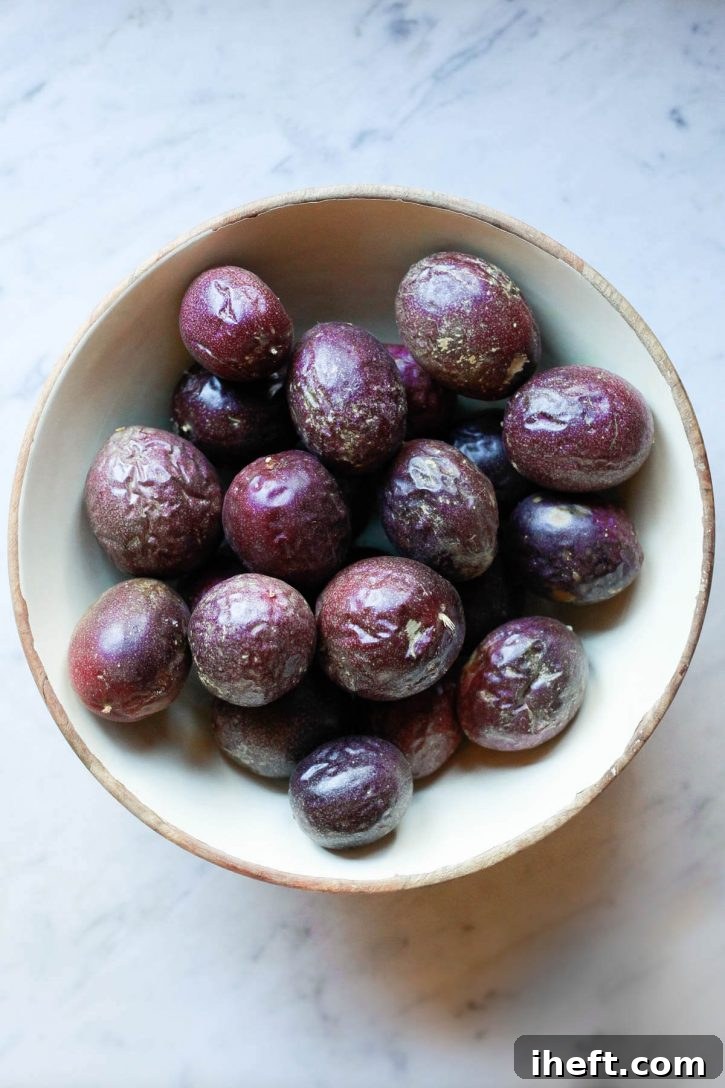
Known by its Hawaiian name, lilikoi, passion fruit is a remarkable golf-ball-sized fruit with a distinctive purplish, often deeply wrinkled shell when perfectly ripe. Beneath this unassuming exterior lies a treasure trove of tart, intensely tropical, and citrusy flavors, embodied by crunchy black seeds encased in a vibrant, jelly-like pulp. This fascinating fruit grows on vigorous climbing vines, often adorned with strikingly beautiful large white or purple flowers that are almost as captivating as the fruit itself.
Origins and Varieties of Passion Fruit
Native to South America, passion fruit has found homes in various tropical and subtropical regions worldwide, including Hawaii, California, Florida, Australia, and parts of Asia. While the purple variety (Passiflora edulis) is the most common and often has a richer aroma and flavor, a yellow variety (Passiflora edulis flavicarpa) also exists, typically larger and slightly more acidic. Both can be used to make delicious juice, though the purple variety is often preferred for its sweetness and fragrant notes.
Growing Your Own Passion Fruit Vines
Given its often high price tag in grocery stores, cultivating your own passion fruit vine can be a rewarding endeavor if you reside in a subtropical or temperate climate, such as California, Hawaii, or Florida. These resilient vines can produce an abundance of fruit, providing a continuous supply for your culinary adventures. For those interested in nurturing their own, resources like Better Homes & Gardens offer excellent guidance on growing passion fruit. In regions like Santa Barbara, local farmers’ markets or specialized produce stores like Mesa Produce often offer the freshest and best-priced options. Incorporating this unique fruit can elevate any Tropical Fruit Platter to an extraordinary experience.
Nutritional Benefits of Passion Fruit
Beyond its incredible flavor, passion fruit is a powerhouse of nutrition, offering a host of health benefits. This tropical gem is an excellent source of antioxidants, including Vitamin C, which is vital for immune system support and skin health. It also provides a good amount of Vitamin A, beneficial for vision, and dietary fiber, crucial for digestive wellness. Additionally, passion fruit contains essential minerals like potassium, iron, and magnesium, contributing to overall well-being. Enjoying fresh passion fruit juice is a delicious way to incorporate these beneficial nutrients into your daily diet.
How to Select and Prepare Passion Fruit
Choosing the Best Passion Fruit
Selecting perfectly ripe passion fruit is key to achieving the most flavorful juice. Look for fruits that feel heavy for their size and have a deeply wrinkled skin. While smooth-skinned passion fruit might look appealing, the wrinkling indicates that the fruit has ripened and developed its full, sweet-tart flavor. A ripe passion fruit will also emit a strong, fragrant aroma when held to the nose. Avoid fruits that feel too light or have soft spots indicating spoilage.
Cutting and Eating Passion Fruit
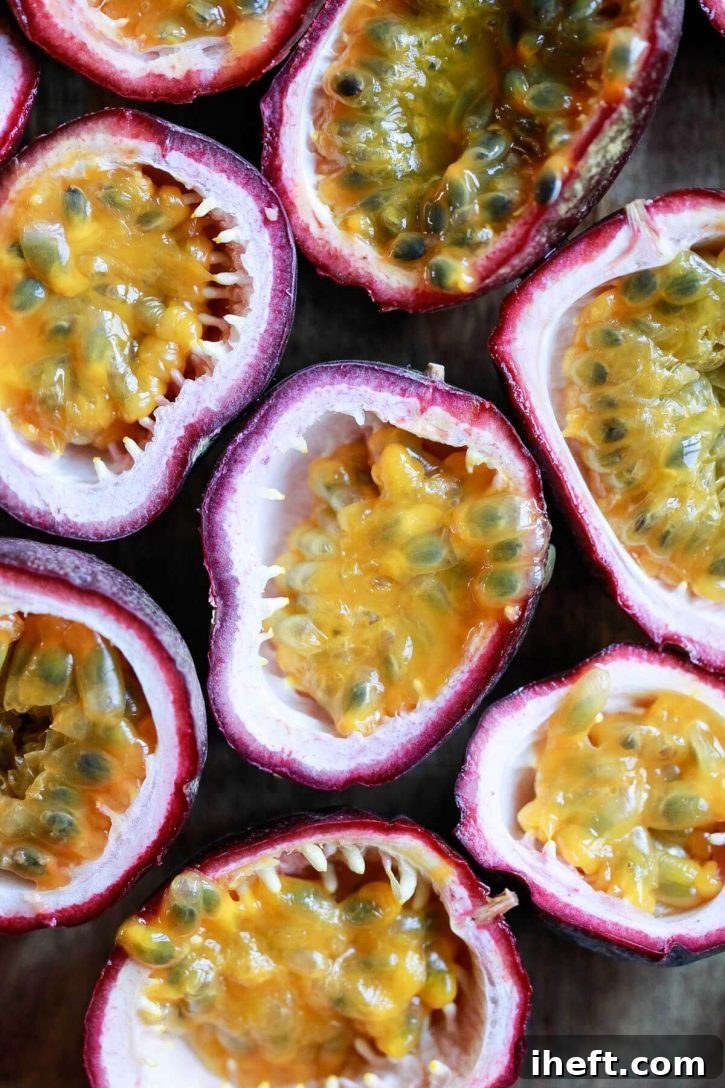
Preparing passion fruit is straightforward. Simply cut the fruit in half, either crosswise or lengthwise, using a sharp knife. The vibrant, aromatic pulp and crunchy seeds are then exposed. While many, especially children, enjoy scooping the pulp and seeds directly from the “boats” of the fruit with a spoon, the entire contents are edible. The pulp, complete with seeds, can be enjoyed raw, added to desserts, mixed into yogurt, or blended into smoothies. We’ve even used it as a zesty topping for our Lemon Crepes. Personally, I find the texture of the seeds less enjoyable when eating the fruit directly, which makes juicing my preferred method for savoring its exquisite flavor.
How to Make Passion Fruit Juice in a Blender
Making fresh passion fruit juice in a blender is surprisingly simple and efficient. The key is to extract all the flavorful pulp without pulverizing the seeds. This method ensures you get a smooth, vibrant juice with minimal effort.
For a generous batch of juice, you’ll need a significant amount of passion fruit, as each fruit yields only a small quantity of pulp. This recipe calls for about 20 passion fruits, but you can easily scale it down to 5-10 fruits for a smaller, personal serving.
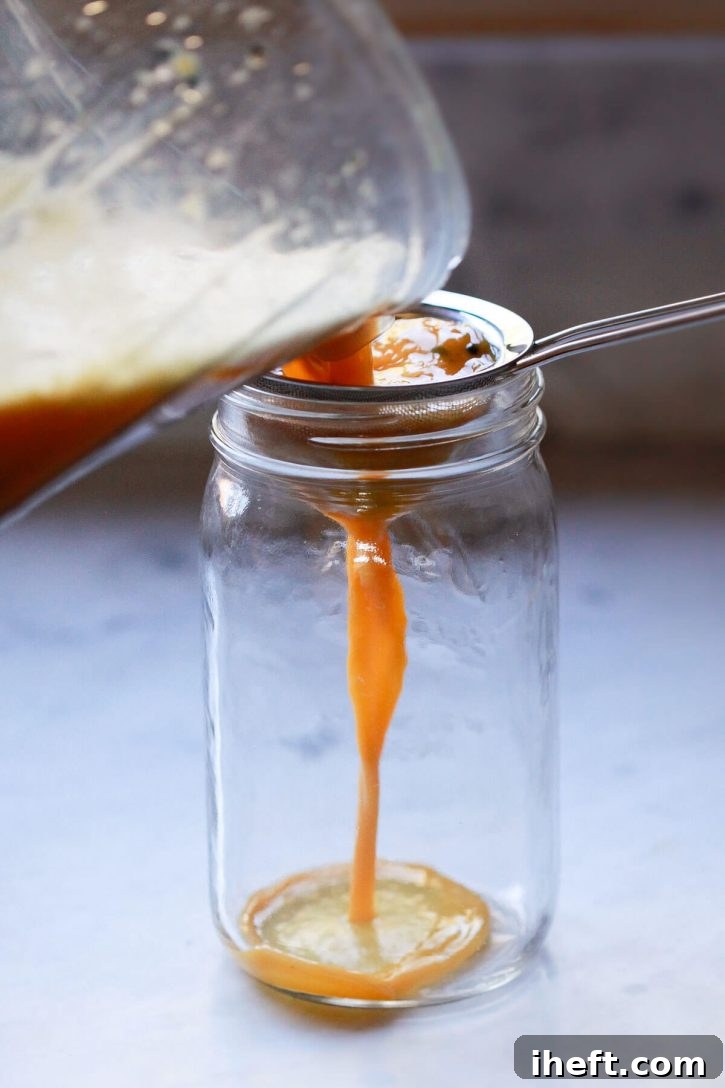
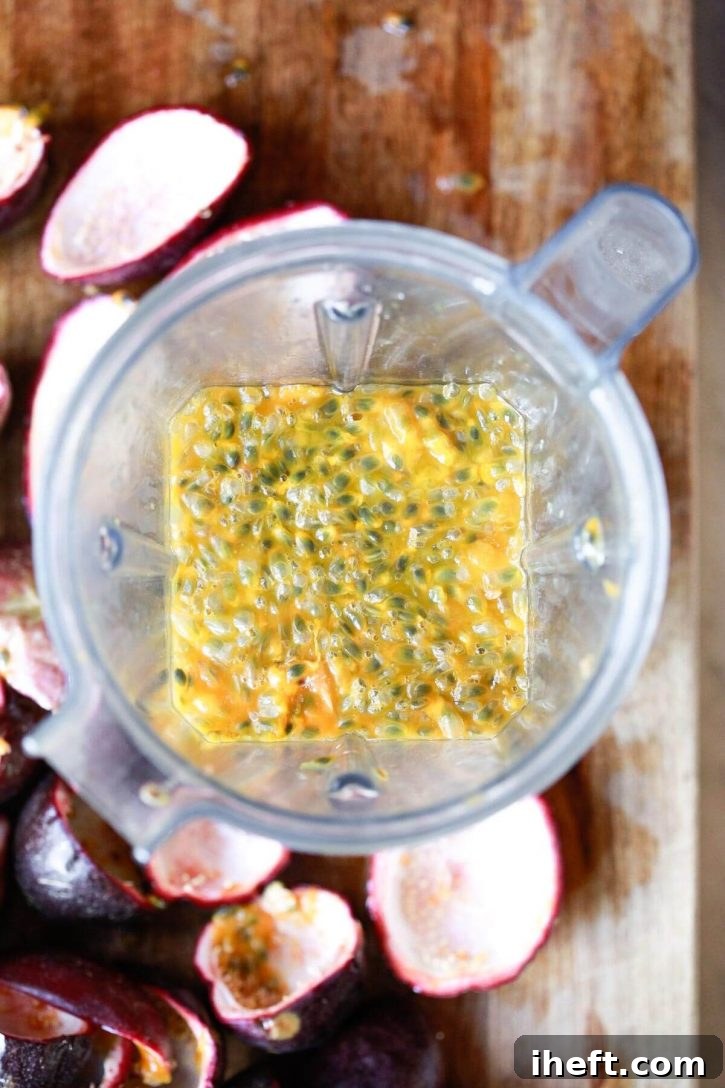
Once you’ve scooped the luscious flesh and seeds into your blender, add water to aid in the blending process. It’s crucial to blend on the lowest possible setting. This gentle approach ensures that the pulp is finely pureed, allowing for maximum flavor extraction, while preventing the black seeds from disintegrating into a gritty powder that could affect the juice’s texture. Blend in short bursts until the pulp is mostly separated from the seeds and a cloudy, flavorful liquid forms.
After blending, the mixture is ready for straining. Position a fine mesh sieve over a large bowl or glass jar. Carefully pour the blended passion fruit mixture into the sieve. Use a spoon or spatula to gently press the puree against the mesh, encouraging all the juice to pass through. The seeds will be left behind in the sieve and can be discarded. Finally, taste your concentrated passion fruit juice. It will be very tart! Now is the time to add your preferred sweetener and additional water to dilute it to your desired strength and sweetness, creating a perfectly balanced and incredibly refreshing beverage.
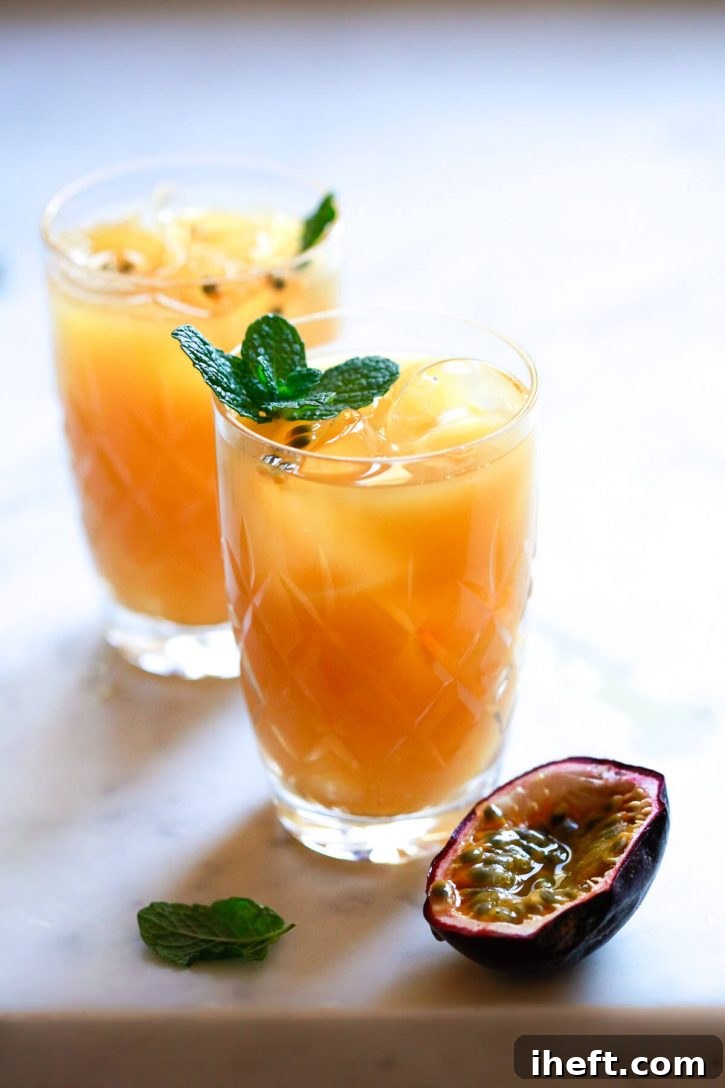
Creative Ways to Enjoy Your Passion Fruit Juice
Your freshly made passion fruit juice is incredibly versatile. Store it in quart-sized canning jars or a large pitcher in the refrigerator for easy access. While simply enjoying it over ice is wonderfully refreshing, here are some other fantastic ways to incorporate this tropical elixir:
- Sparkling Passion Fruit Drink: Mix it with sparkling water or club soda for a fizzy, non-alcoholic refreshment.
- Cocktails & Mocktails: Passion fruit juice is a star ingredient in tropical cocktails like margaritas, mojitos, or daiquiris. For a delicious mocktail, combine it with ginger ale or coconut water.
- Passion Fruit Sorbet: Freeze the juice, perhaps with a little extra sweetener, into a delightful and cooling sorbet.
- Salad Dressing: Whisk the juice with olive oil, a touch of vinegar, honey, and salt for a vibrant and tangy salad dressing, perfect for fruit salads or greens with grilled chicken.
- Homemade Passion Fruit Syrup: Reduce the juice with sugar to create a luscious syrup, perfect for drizzling over pancakes, waffles, yogurt, or ice cream.
- Marinades and Glazes: Its tartness makes it an excellent component for marinades for poultry or fish, adding a bright, tropical note. It can also be reduced to a glaze.
- Dessert Enhancer: Use it to flavor mousses, custards, cheesecakes, or as a vibrant sauce for fresh fruit.
Tips for the Best Passion Fruit Juice
- Use Ripe Fruit: Always choose passion fruits that are wrinkled and heavy, as they contain the most juice and flavor.
- Don’t Overblend: Blending at a low speed and in short intervals is crucial to avoid pulverizing the seeds, which can make your juice gritty.
- Adjust Sweetness Gradually: Passion fruit is very tart. Add sweetener little by little and taste frequently until you reach your preferred balance. The amount needed will vary based on the ripeness of the fruit and personal preference.
- Chill Thoroughly: Passion fruit juice is best served very cold. Make sure to chill it in the refrigerator for at least an hour before serving, or serve over plenty of ice.
- Experiment with Dilution: The initial concentrate is quite strong. Adjust the amount of added water to achieve your desired intensity.
Easy Blender Passion Fruit Juice Recipe
This simple blender recipe makes vibrant, tangy passion fruit juice without the need for a separate juicer. Enjoy it as is, or use it as a base for many other delicious treats.
Yield:
About 2 quarts (approx. 8 servings)
Prep Time:
10 minutes
Total Time:
10 minutes
Ingredients
- 20 ripe passion fruits (lilikoi)
- 7 cups filtered water (divided)
- Organic liquid stevia or agave nectar, to taste
Equipment
- Blender (e.g., Vitamix Professional Series 300)
- Fine mesh sieve
- Large bowl or pitcher for straining
- Spoon
- Airtight storage containers/jars
Instructions
- Prepare the Passion Fruit: Carefully cut each passion fruit in half crosswise. Take care not to spill any of the precious juice and pulp that might escape upon cutting.
- Scoop into Blender: Using a spoon, scoop all the fragrant passion fruit flesh and black seeds directly into your blender.
- First Blend for Pulp Separation: Add 3 cups of filtered water to the blender. Secure the lid tightly. Set your blender to the lowest possible setting and blend in short bursts, typically 15-20 second intervals. The goal is to separate the pulp from the seeds and create a coarse puree, without completely pulverizing the seeds into a fine powder. Over-blending the seeds can lead to a gritty texture.
- Strain the Juice: Place a fine mesh sieve over a large bowl, pitcher, or your chosen glass storage container. Carefully pour the blended passion fruit mixture through the sieve. Use the back of a spoon or a sturdy spatula to press the pulp against the sieve, extracting as much juice as possible. Discard the remaining seeds, as they have now served their purpose.
- Dilute and Taste: Add the remaining 4 cups of filtered water to the strained passion fruit concentrate. Stir the mixture thoroughly. Taste the juice to assess its tartness and strength.
- Adjust Sweetness: Passion fruit is naturally quite tart. Gradually whisk in organic liquid stevia or agave nectar, a small amount at a time, stirring and tasting after each addition. Continue until you achieve your desired level of sweetness. Some people prefer a very tart juice, while others enjoy it sweeter.
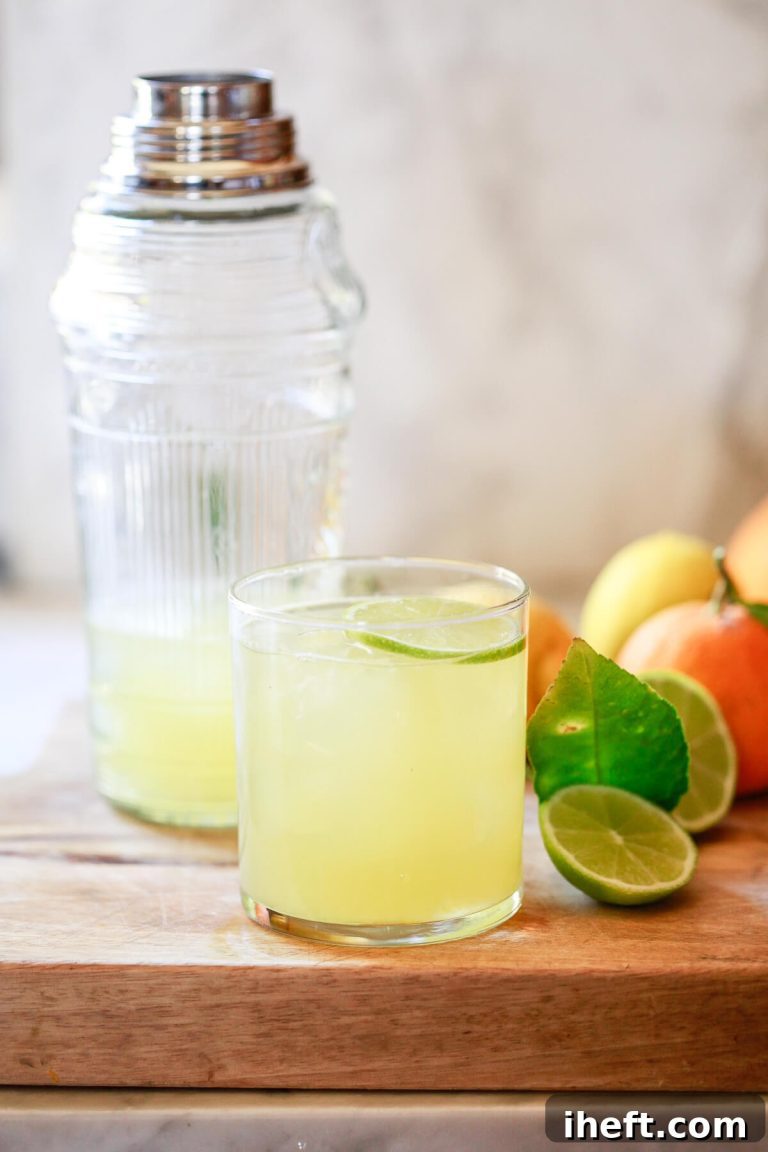
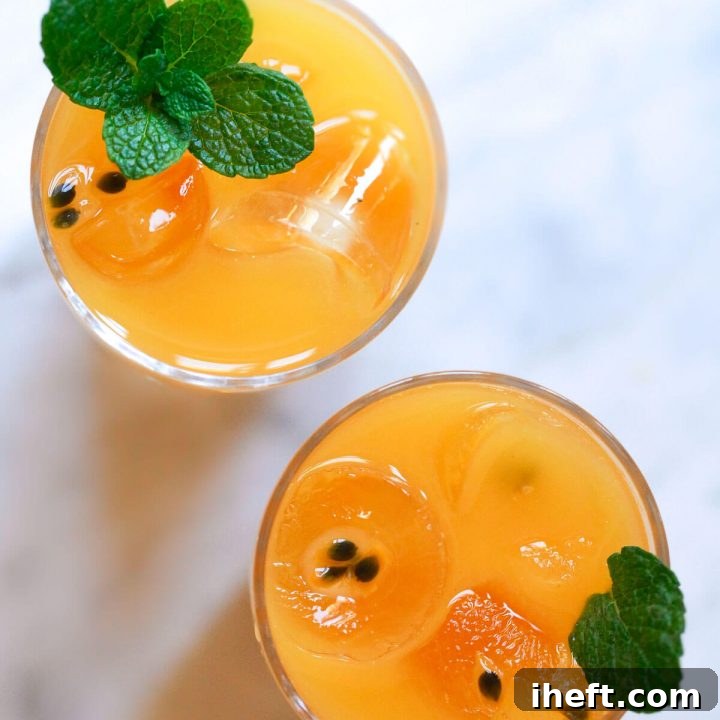
- Serve or Store: Serve your homemade passion fruit juice immediately over ice, perhaps garnished with a fresh mint leaf or a few passion fruit seeds for flair. For later enjoyment, transfer the juice to airtight containers or jars and refrigerate.
Recipe Notes
- Yield Adjustment: This recipe yields approximately 2 quarts of juice. You can easily halve the ingredients if you wish to make a smaller batch.
- Sweetness Customization: The exact amount of sweetener needed will vary depending on the natural sweetness of your passion fruit and your personal taste preferences. Always add sweetener incrementally.
- Seed Texture: While a fine mesh sieve is used, it’s normal for a few tiny fragments of seeds to pass through, adding a natural, subtle texture to the juice.
Recommended Product
- Vitamix Professional Series 300 Blender, Professional Grade, 64oz. Low Profile Container, Onyx
As an Amazon Associate and member of other affiliate programs, I earn from qualifying purchases.
Nutrition Information:
Yield: 8 servings
Serving Size: 1 cup (approx.)
Amount Per Serving (Approximate):
- Calories: 200
- Saturated Fat: 0g
- Trans Fat: 0g
- Cholesterol: 0mg
- Sodium: 93mg
Nutrition information is an approximation, automatically calculated. I am not a nutritionist and cannot guarantee absolute accuracy. If your health depends on precise nutrition information, please calculate again with a trusted nutrition calculator and consider your specific ingredients.
Conclusion: Embrace the Tropical Flavor
Making your own passion fruit juice at home is a delightful way to bring a burst of tropical sunshine into your life. With this simple blender method, you can easily create a refreshing, nutritious, and incredibly flavorful beverage that will transport you to an island paradise with every sip. Whether you enjoy it plain, sparkling, or as a base for creative culinary endeavors, homemade passion fruit (lilikoi) juice is a taste sensation you won’t want to miss. So grab those wrinkly, fragrant fruits and start blending – your taste buds will thank you!