
Salt Water Flush: Your Guide to Natural Gut Cleansing
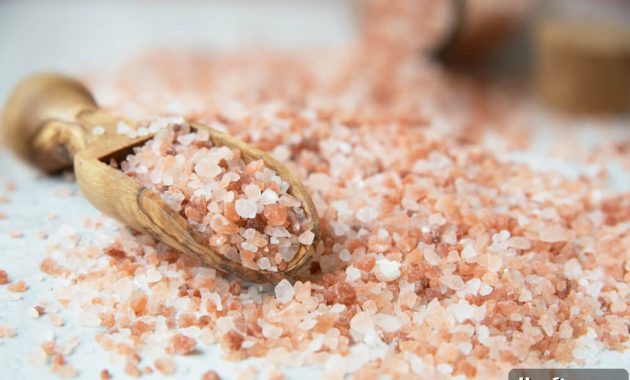
The Ultimate Guide to Salt Water Flush: Benefits, Recipe, and Safe Practices for a Natural Colon Cleanse
Are you seeking a natural and effective way to alleviate constipation, reduce bloating, and support your body’s detoxification process? The salt water flush, a centuries-old remedy, has gained popularity as a simple yet potent method for colon cleansing. This comprehensive guide will walk you through everything you need to know about preparing and safely performing a salt water flush, detailing its potential benefits, possible side effects, and essential tips for a successful experience.

Understanding Constipation and the Need for a Natural Solution
Constipation is a widespread digestive issue affecting a significant portion of the population. In the United States alone, studies indicate that 16 out of every 100 adults grapple with its uncomfortable symptoms. This figure escalates dramatically for individuals aged 60 and older, with nearly 33 out of 100 experiencing chronic constipation that can persist for weeks or even months. Often ranked as the most common digestive complaint, persistent constipation can lead to discomfort, sluggishness, and a feeling of being weighed down.
For those experiencing irregular bowel movements or persistent abdominal unease, exploring natural alternatives for relief becomes a priority. This is where the salt water flush emerges as a compelling option. Purported to naturally detoxify the colon and effectively flush out accumulated waste from the digestive tract, it offers a gentle yet powerful approach to digestive wellness. While individual experiences may vary, many proponents suggest the salt water flush can be highly beneficial for managing chronic constipation and serves as an excellent component of a holistic detox diet.
Before embarking on this natural cleanse, delve deeper into how it works and what you can expect.
What Exactly Is a Salt Water Colon Cleanse?
A salt water flush is a home remedy designed to thoroughly cleanse the colon, addressing issues like constipation, bloating, and the elimination of unwanted toxins from the body. The concept leverages the natural properties of salt, which has been revered in natural remedies and sanitation for millennia—from wound care to oral rinses and even as a nasal flush for colds and allergies. Contrary to common misconceptions, salt, particularly in its natural forms, plays a crucial role in hydration and maintaining optimal vascular health.
When consumed correctly, the saline solution passes through the digestive system largely uninterrupted. Its unique osmotic properties prevent it from being immediately absorbed into the bloodstream. Instead, it draws waste and toxins along its path through the intestines, acting as a natural internal scrub. This process results in a powerful laxative effect, typically stimulating bowel movements within 30 minutes to an hour, though timing can differ for each individual. Many consider it a safe, natural, and cost-effective alternative to more invasive methods like enemas or colonics.
Advocates of the salt water flush believe that this practice can aid in expelling harmful toxins, stagnant waste, and even parasites that may reside within the colon. While generally considered safe for occasional use, it’s typically recommended to perform a salt water cleanse no more than once or twice a week to give your body ample time to recover and maintain its natural balance.
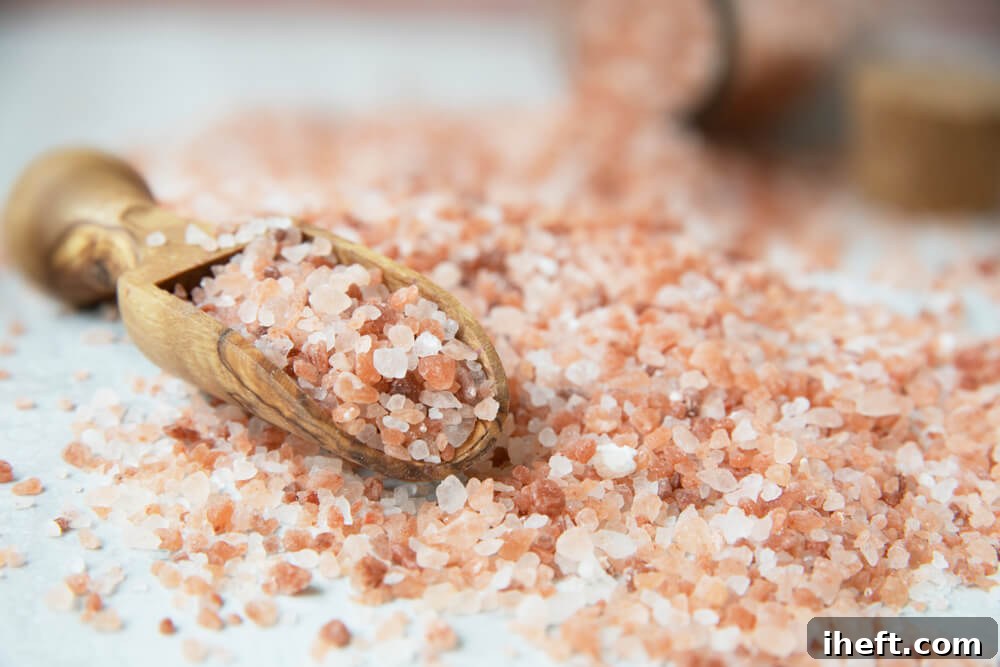
The Power of Himalayan Salt in Your Cleanse
The efficacy of a salt water cleanse largely hinges on the type of salt used. Himalayan pink salt is highly favored for its exceptional ability to support electrolyte balance and healthy sodium levels within the body. Another excellent alternative is Celtic sea salt, which boasts a similar rich mineral profile.
Sodium, a vital electrolyte, is indispensable for numerous bodily functions. Our bodies naturally lose sodium through urination and perspiration, making electrolyte replenishment crucial, especially for active individuals. Insufficient sodium levels, a condition known as hyponatremia, can manifest as lethargy, nausea, vomiting, confusion, and muscle weakness. This condition is particularly prevalent among older adults, especially those in long-term care or hospitalized for extended periods, and in severe cases, hyponatremia can lead to serious complications like seizures, coma, or even be fatal.
Pink Himalayan salt is celebrated for its unique composition, primarily consisting of sodium chloride alongside an impressive array of up to 84 other essential minerals and trace elements. This rich mineral content is believed to be key to its detoxification properties, helping the body expel impurities and combat harmful bacteria. Beyond colon cleansing, incorporating Himalayan salt into your diet may contribute to a spectrum of health benefits, including:
- Enhanced digestion and nutrient absorption
- Improved hydration at a cellular level
- Better sleep quality
- Support for healthy blood pressure regulation
- Aid in weight management efforts
- Optimized kidney and gallbladder function
- Balanced thyroid hormone production
- Relief from muscle cramping
- Support for overall mental well-being
Interestingly, communities residing in “Blue Zones”—regions globally recognized for their inhabitants’ exceptional longevity and vitality—often integrate mineral-rich salts like Himalayan salt into their traditional Mediterranean diets, further underscoring its potential role in promoting a long and healthy life.
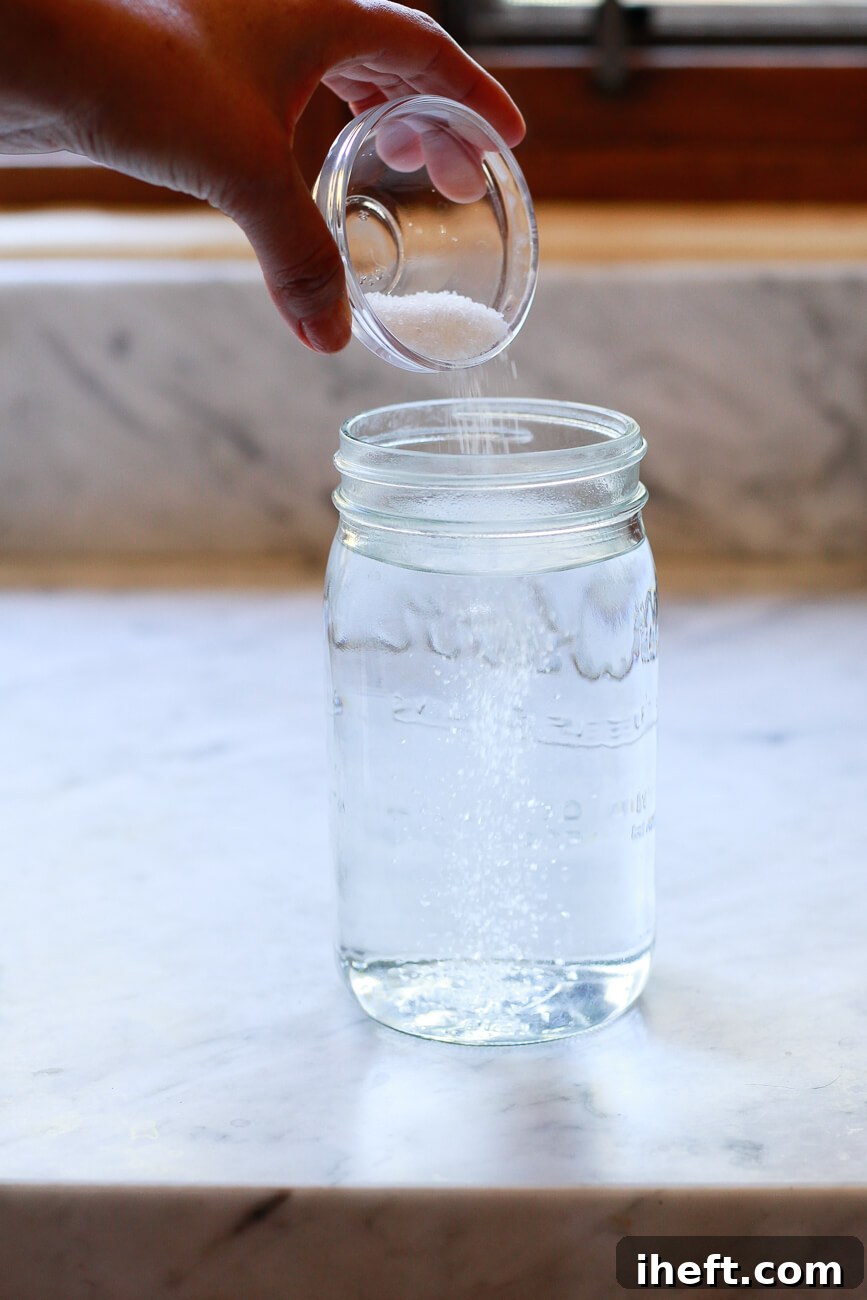
How to Safely Perform a Salt Water Flush: Your Step-by-Step Guide
Preparing a salt water flush is remarkably straightforward, requiring just a few simple ingredients and adherence to a clear process. For optimal results, ensure you have an empty stomach before beginning your cleanse.
Ingredients:
- 1 liter (approximately 34 oz) of filtered water
- 2 teaspoons of high-quality pink Himalayan salt or Celtic sea salt
- ½ fresh lemon (optional, for flavor)
Instructions:
- Prepare the Water: Gently heat the filtered water until it is warm, but not boiling. The warmth helps the salt dissolve more effectively and is often better tolerated than cold water.
- Choose Your Container: Pour the warm water into a large glass or mug, ideally one that is double-walled or made of durable material to safely handle the heat without cracking.
- Add the Salt: Stir in two teaspoons of pink Himalayan salt (or Celtic salt) until it is completely dissolved. Ensure no granules remain at the bottom.
- Enhance Flavor (Optional): If desired, add the juice of half a fresh lemon to your mixture. This can help to mask the intense saltiness, making the drink more palatable. Without it, the taste will be very salty, so prepare yourself.
- Drink Promptly: Consume the entire salt water mixture within a quick timeframe, ideally within five minutes of preparing it.
- Allow for Absorption: After drinking, try to avoid using the bathroom for the first 20 minutes. This gives your body adequate time to absorb the salt and initiate its cleansing action.
- Anticipate Bowel Movements: Expect to feel the urge to go to the bathroom within 30 minutes to an hour. It is entirely normal to experience multiple bowel movements, which may initially be runny as your colon is thoroughly cleansed. The consistency should improve with subsequent movements.
- Stay Hydrated: Following the cleanse, it is crucial to rehydrate by drinking plenty of plain water throughout the day.
- Troubleshooting: If you find the salt water flush isn’t working as quickly as expected, try gently massaging your stomach, lying on your side for 30 minutes, or engaging in light physical activity like walking or gentle yoga to help stimulate bowel movements.
Remember, the quality of your Himalayan salt plays a significant role in the effectiveness of your cleanse. Opt for reputable brands to ensure a rich mineral content and superior results.

Optimal Timing for Your Salt Water Cleanse
Timing can influence your experience with a salt water flush. Most individuals prefer to perform their cleanse first thing in the morning. This ensures an empty stomach, which is crucial for the solution to pass through the digestive system unimpeded, and can also provide an energizing kickstart to your day.
However, if your mornings are hectic, an evening cleanse is also a viable option. Treat it much like a large cup of herbal tea before bed, but with one critical caveat: ensure several hours have passed since your last meal. Performing a salt water flush on a full stomach is not recommended as it can lead to discomfort and reduce the effectiveness of the cleanse.
The Purported Benefits of a Salt Water Flush
While official medical guidelines regarding salt water flushes are limited, a growing number of health advocates enthusiastically recommend this procedure. It is particularly suggested for those suffering from chronic constipation, individuals experiencing irregular bowel movements, or as an integral component of a broader detox diet or juice fast regimen.
Despite the limited formal scientific research, the anecdotal evidence and purported benefits are extensive and encouraging. Proponents of the salt water flush as a powerful detox method claim it offers a wide array of advantages:
- Thorough Colon Cleansing: Helps to clear out accumulated fecal matter and old waste material from the colon walls.
- Toxin Elimination: Aids the body in expelling various toxins and metabolic byproducts that can build up in the digestive tract.
- Stimulates Digestive Muscles: The osmotic action can help contract the muscles of the digestive tract, promoting natural peristalsis.
- Reduces Inflammation: Some users report a reduction in systemic inflammation, potentially due to the removal of irritating substances from the gut.
- Clears Fluid Retention: Can help reduce excess water retention, leading to a feeling of lightness and decreased bloating.
- Balances Electrolyte and Mineral Levels: High-quality salts replenish essential electrolytes, vital for countless bodily functions.
- Facilitates Metabolic Processes: By clearing the digestive tract, it may help optimize nutrient absorption and metabolic efficiency.
- Eases Sore Throat: Beyond gut health, the properties of salt water can also offer relief for a sore throat when used as a gargle.
Additionally, some individuals credit regular salt water flushes with alleviating migraines, reducing body odor, and significantly improving skin clarity and overall health. When compared to conventional laxatives, salt water flushes are often described as a gentler, yet highly effective, occasional remedy for digestive sluggishness, allowing the body to cleanse without harsh chemical interventions.
Potential Side Effects and Important Precautions
As with any home remedy or health intervention, it is crucial to be fully aware of potential side effects and contraindications associated with a salt water flush. While generally considered safe for healthy individuals, reactions can vary.
Common side effects you might experience include:
- Nausea and occasional vomiting (especially if consumed too quickly or on a full stomach)
- Abdominal cramping and bloating
- Dehydration if not followed by adequate water intake
- Temporary fatigue
More serious, but less common, side effects, often linked to pre-existing conditions or improper use, can include:
- Muscle spasms, weakness, or twitching
- Numbness
- Confusion or lethargy
- Changes in blood pressure
- Seizures or convulsions (rare, typically related to severe electrolyte imbalance)
If you experience any of these more severe side effects, discontinue the flush immediately and seek urgent medical attention. It is paramount to consult your doctor before attempting a salt water flush if you have any pre-existing medical conditions, particularly:
- High blood pressure (hypertension)
- Kidney disease
- Heart disease (including congestive heart failure)
- Diabetes
- Gastrointestinal conditions such as Crohn’s disease, ulcerative colitis, or irritable bowel syndrome (IBS)
Furthermore, pregnant and breastfeeding women are strongly advised against undertaking salt water cleanses due to potential risks to both mother and baby.
Expert Tips for a Successful Salt Water Detox
To maximize the benefits and ensure a safe experience, especially if you’re new to salt water detoxes, follow these crucial guidelines:
- Use High-Quality Filtered Water: Start with the purest water possible to avoid introducing additional impurities into your system.
- Combat Saltiness with Lemon: Adding half a fresh lemon can significantly improve the taste and make the drink easier to consume.
- Timely Consumption: Drink the entire mixture within five minutes of preparation to prevent the solution from becoming too cold or less effective.
- Stay Close to a Restroom: Plan your cleanse for a day when you can remain at home and have easy, immediate access to a toilet. The effects can be rapid and intense.
- Ensure Complete Dissolution: Stir the salt thoroughly until it is completely dissolved in the warm water. Undissolved salt can be harsh on the digestive tract.
- Moderate Frequency: Limit your salt water flushes to one to two times per week at most. While beneficial, frequent cleansing can deplete the body of beneficial gut flora and essential minerals.
- Pre-Cleanse Preparation: The night before your flush, consider drinking a cup or two of herbal tea with a mild laxative effect, such as peppermint, ginger, or green tea. This can help soften stools and prepare your bowels.
- Consider Your Menstrual Cycle: For women, it’s generally advised to avoid salt water flushes immediately before or during your menstrual period, as your body may require extra strength and stability during this time. The middle of your cycle might be a more suitable time.
While our bodies possess remarkable natural detoxification systems (primarily the liver and kidneys), supporting these systems occasionally with a salt water flush, alongside a healthy plant-based diet, regular exercise, and ample hydration, can significantly enhance digestion and boost energy levels.
Is a Salt Water Flush Right for You?
Ultimately, your body is an incredible, self-detoxifying machine. A foundational approach to gut health should always include a balanced, whole-food diet, consistent physical activity, and plenty of water to support its natural processes. However, in today’s world, we are often exposed to environmental toxins and may occasionally overindulge, leading to digestive stagnation.
For many, a salt water flush can be a valuable tool to help cleanse the colon, create a more hospitable environment for beneficial gut bacteria, and promote overall digestive wellness. Unless you have a severe medical condition or your healthcare provider advises against it, performing an occasional salt water flush is unlikely to cause serious harm and could offer significant relief and a feeling of renewed vitality.
If you’ve been feeling sluggish, bloated, or experiencing persistent constipation, a salt water flush might be worth exploring. However, remember that what works wonders for one individual may not be suitable for another. As always, the most important step before starting any new dietary regimen, cleanse, or supplement program is to consult with your doctor or a qualified healthcare professional. They can provide personalized advice tailored to your unique health profile and ensure your safety.
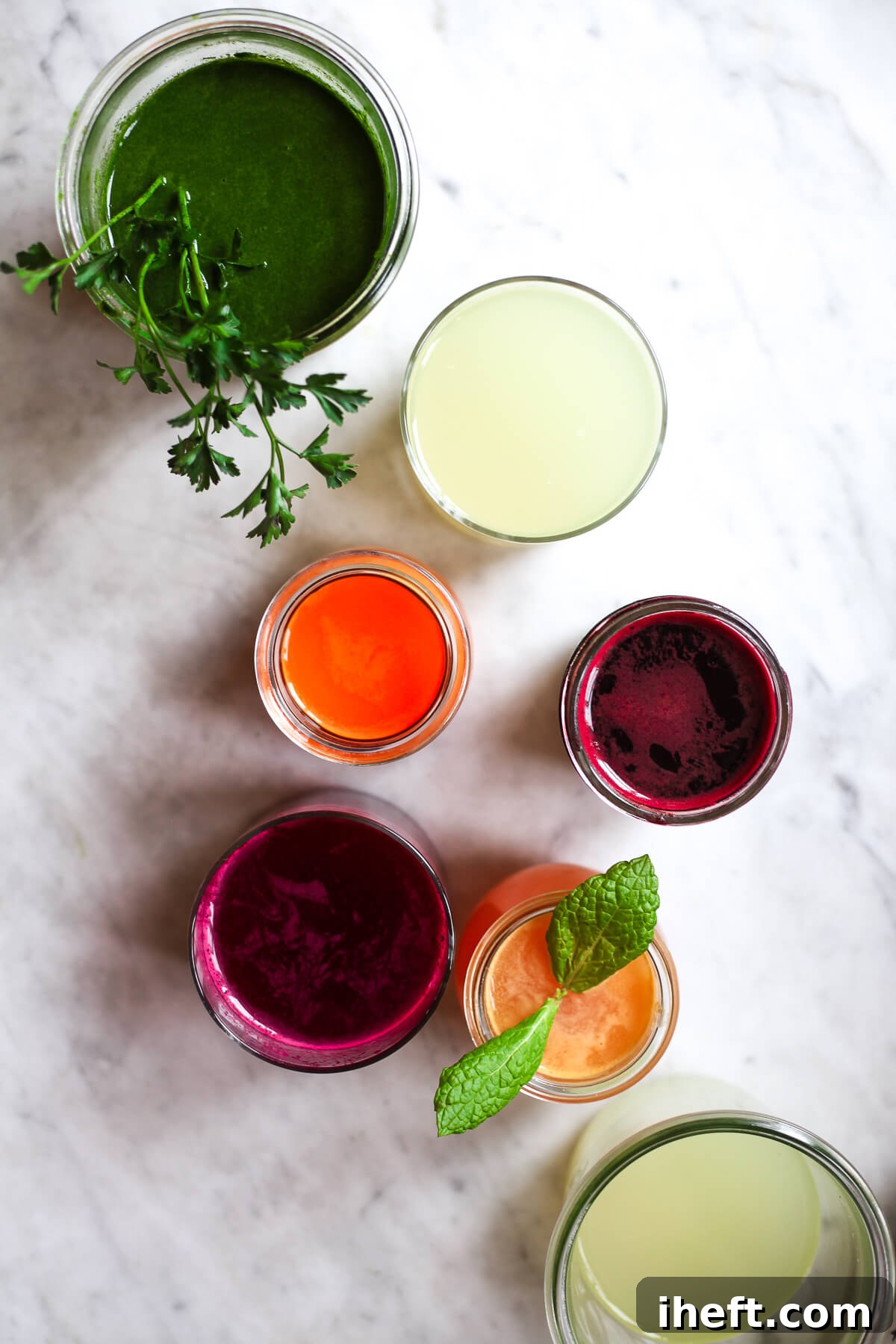
What to Eat After a Detox or Cleanse: Replenishing Your System
After completing any type of fast, detox, or cleanse, it is crucial to reintroduce foods gently into your diet. Your digestive system will have been thoroughly cleared and may be more sensitive. The goal is to nourish and replenish your gut, not to shock it.
Consider starting with light, easily digestible foods. A good quality probiotic or a low-sugar yogurt can be particularly beneficial for helping to replenish the good bacteria in your gut. Options like kitchari (an Ayurvedic staple, with a recipe often found in specialized cookbooks like “Vegan in an Instant”) or a simple, nourishing vegetable soup are excellent choices. Focus on nutrient-dense, whole foods that are gentle on your stomach and support ongoing digestive health.
Explore More Detox Recipes
If you’re interested in further supporting your body’s natural cleansing abilities, explore these additional detox-friendly recipes:
- Green Detox Juice
- Beet Detox Juice
- Apple Cider Vinegar Drink
- Apple Cider Vinegar Shots
- Lemon Ginger Cayenne Detox Drink
- Detox Smoothie
- Weight Loss Smoothie
- Detox Tea
- Warm Lemon Water
- Cucumber Water
- Sea Moss Gel
- Sugar Detox Tips
- Cabbage Soup