Summer Tomatoes Forever
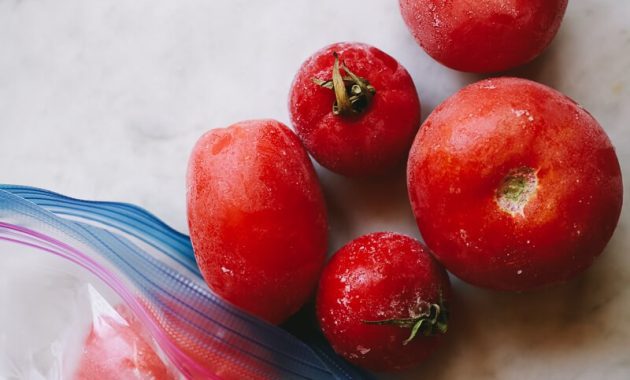
Preserve the vibrant taste of summer all year long! Discover the effortless method of freezing tomatoes – from juicy whole varieties to tiny cherry tomatoes and even unripe green ones. Perfect for enhancing your spaghetti sauce, soups, and stews, this guide requires no complicated blanching.
The bounty of late summer tomatoes is one of nature’s greatest gifts. For home gardeners and enthusiastic cooks alike, there’s nothing quite like the flavor of a perfectly ripe, sun-kissed tomato. But what happens when your harvest is so plentiful that you simply can’t use them all at once? Don’t let those delicious, vine-ripened beauties go to waste! Freezing is a remarkably simple and effective way to capture that peak flavor, allowing you to enjoy your garden’s goodness long after the season ends.
Over the years, our kitchen has seen countless tomatoes transformed into beloved reader favorites like our Fresh Garden Tomato Marinara, a bright and zesty Fresh Tomato Salsa, comforting Roasted Tomato Soup, classic Authentic Bruschetta, and the delightful Panzanella. While fresh tomatoes shine in these recipes, having a stash of frozen tomatoes means you can recreate that summer magic anytime. Just like our comprehensive guide on How to Freeze Avocados, this post will arm you with practical tips, tricks, and recipe inspiration for utilizing your frozen tomato bounty. It stands as one of the simplest methods for preserving fresh tomatoes, and the best part? It works seamlessly with nearly every type of tomato imaginable, from tiny cherry tomatoes to robust Romas and even heirloom varieties.
Why Freezing is the Best Way to Preserve Tomatoes
Among the various methods of food preservation, freezing fresh tomatoes offers unparalleled ease and convenience, making it a favorite for busy home cooks and gardeners. Unlike the labor-intensive process of blanching and canning, freezing requires minimal effort upfront. You don’t need special equipment like pressure canners, and the simple steps ensure you capture the peak flavor of your harvest.
The primary advantage of freezing tomatoes whole (or in halves, depending on size) is that it completely bypasses the need for blanching and peeling before storage. The freezing process itself causes the cell walls of the tomato to expand and rupture. Upon thawing, the skins simply slide off, making preparation incredibly easy. This saves a significant amount of time and effort, allowing you to maximize your tomato preservation with minimal fuss.
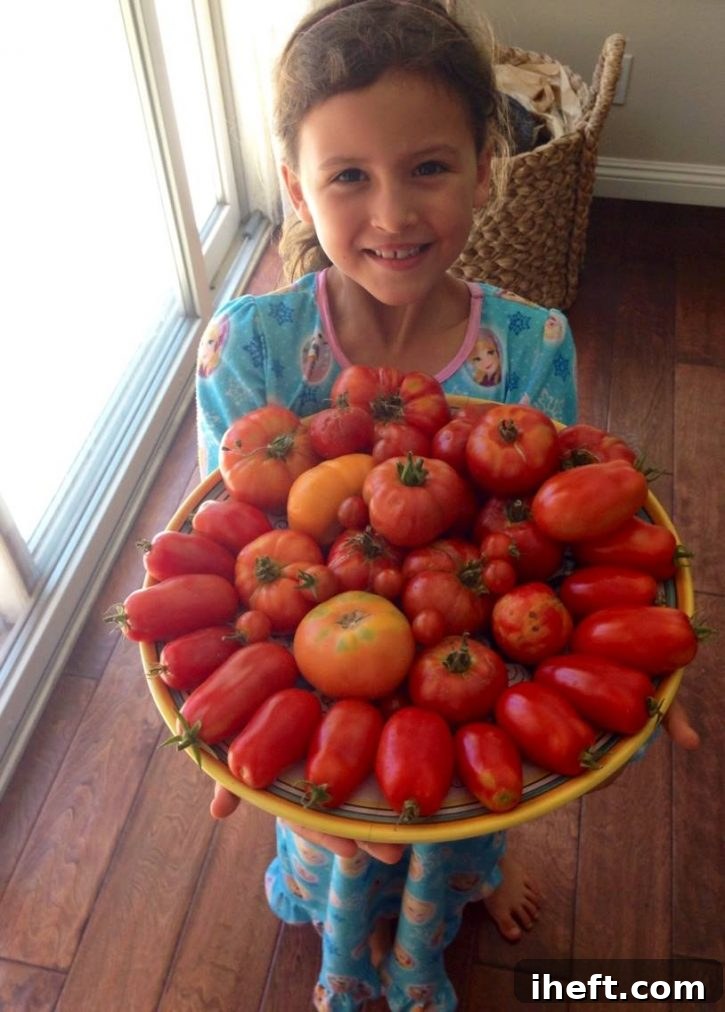
My daughter proudly displaying our homegrown San Marzano, Costoluto Genovese, and Sweet 100 tomatoes – a testament to a successful harvest!
Choosing the Right Tomatoes for Freezing
Almost any type of tomato can be frozen successfully, making this method incredibly versatile. However, some varieties are particularly well-suited for specific culinary uses once frozen:
- Roma Tomatoes (Paste Tomatoes): These are ideal for sauces, pastes, and purees due to their meaty texture, low water content, and fewer seeds. Varieties like San Marzano also fall into this category.
- Cherry and Grape Tomatoes: Small and convenient, these are perfect for adding whole to pasta dishes, roasted vegetable medleys, or quick sauces. They retain their shape relatively well compared to larger varieties.
- Beefsteak Tomatoes: Larger and juicier, these can be frozen whole or in chunks. They are excellent for chunky soups, stews, and casseroles.
- Heirloom Tomatoes: While their beautiful fresh texture might be compromised, their unique flavors are perfectly preserved for cooked applications like sauces and soups.
- Green Tomatoes: Don’t toss those unripe tomatoes at the end of the season! Green tomatoes can also be frozen, primarily for making fried green tomatoes or green tomato relish.
Regardless of the type, always choose ripe, firm, blemish-free tomatoes for the best results. Overly soft or bruised tomatoes will yield a less desirable texture and flavor after freezing.
How to Freeze Whole Tomatoes: A Step-by-Step Guide
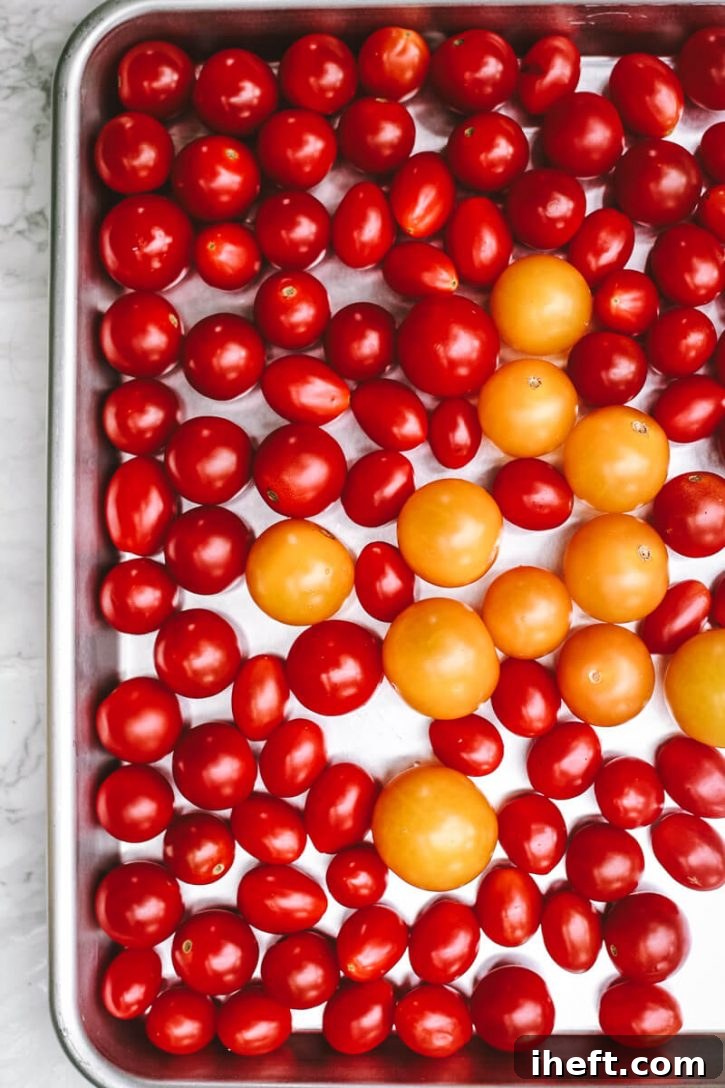
Freezing whole tomatoes is incredibly straightforward. This method prevents them from clumping together and makes it easy to grab just the amount you need later.
Step 1: Preparation
Whether you’re freezing small cherry or grape tomatoes, or larger ones like Romas, the initial preparation is key. Begin by thoroughly washing your tomatoes under cool running water. This removes any dirt, pesticides, or garden debris. Following this, it’s crucial to dry them completely. Excess moisture can lead to ice crystals and freezer burn, diminishing the quality of your frozen tomatoes. You can air dry them on a clean towel or gently pat them dry with paper towels.
Step 2: Flash Freezing for Optimal Results
Flash freezing is a simple yet vital step that prevents your tomatoes from sticking together in one solid block once frozen. This makes them much easier to portion and use later. Lay the washed and dried tomatoes in a single layer on a rimmed baking sheet. Ensure there’s enough space between each tomato to allow for even freezing. Place the baking sheet in the freezer until the tomatoes are completely hard, which typically takes about an hour for small cherry tomatoes, and 2 to 4 hours (or even overnight) for larger varieties, depending on their size.
Step 3: Packaging and Storage
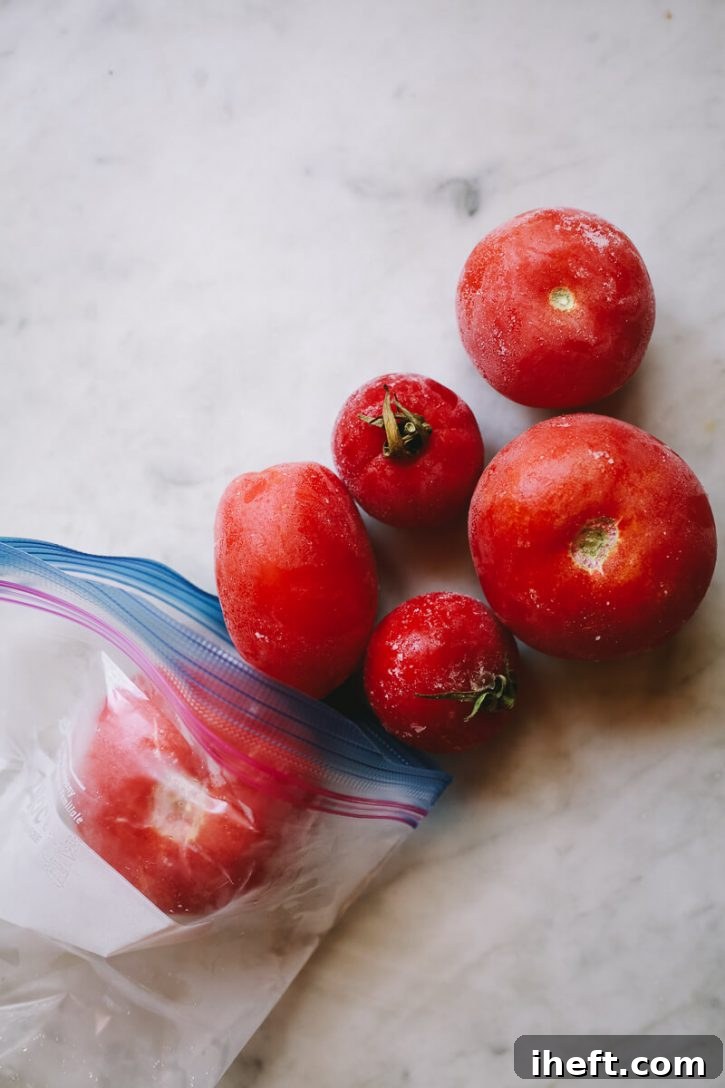
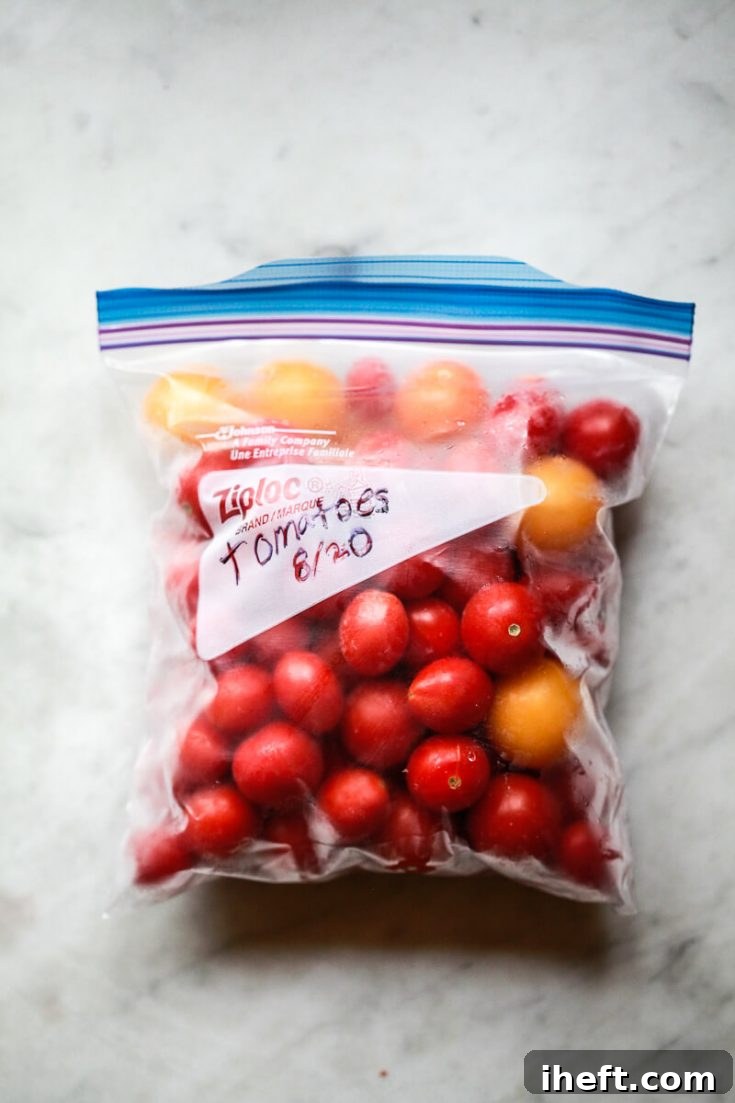
Once your tomatoes are flash-frozen, remove them from the freezer. They should be hard and individual, not sticky. Quickly transfer them to freezer-safe bags. While you can also use sturdy food storage containers or jars, freezer bags are often preferred because they allow you to remove a significant amount of air, which is crucial for preventing freezer burn. Squeeze as much air out of the bag as possible before sealing it. For even better preservation, consider using a vacuum sealer if you have one; this will extend their freezer life considerably.
Don’t forget to label your bags with the date and type of tomato. This simple step will help you keep track of your inventory and ensure you use the oldest tomatoes first. Place the sealed and labeled bags back into the freezer, where they can be stored for up to 6 months for optimal quality.
Freezing Cut Tomatoes (Optional)
While freezing whole tomatoes is the most common method, you can also freeze cut tomatoes if you prefer. This is particularly useful if you know you’ll need diced tomatoes for specific recipes like chili, salsa (cooked), or large batches of soup. To freeze cut tomatoes:
- Wash and dry your tomatoes as usual.
- Core and cut them into your desired size (diced, wedges, halves).
- Spread the cut pieces in a single layer on a rimmed baking sheet lined with parchment paper.
- Flash freeze until solid (1-2 hours).
- Transfer the frozen pieces to freezer-safe bags, removing as much air as possible before sealing and labeling.
Be aware that cut tomatoes might be slightly more prone to freezer burn if not sealed extremely well, as more surface area is exposed.
Defrosting, Peeling, and Cutting Frozen Tomatoes
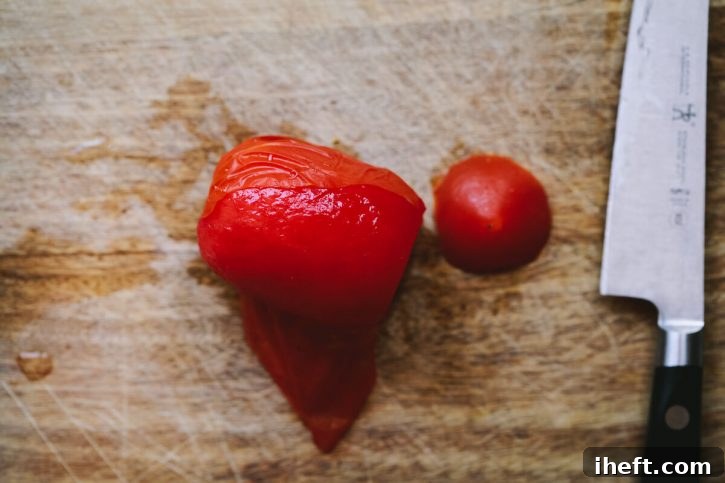
When you’re ready to infuse your dishes with that summer tomato flavor, retrieving and preparing your frozen tomatoes is incredibly easy. The unique aspect of freezing is how it simplifies a traditionally tedious task: peeling.
Defrosting
To defrost your frozen tomatoes, simply remove as many as needed from the freezer bag. You can let them thaw at room temperature for about half an hour. Alternatively, to speed up the process, place them in a bowl of warm water for about 5 to 10 minutes. Avoid microwaving unless you plan to cook them immediately, as it can sometimes lead to uneven thawing and a mushier texture.
Effortless Peeling (No Blanching Required!)
Here’s the brilliant part: as the tomatoes begin to thaw, you’ll notice that their skins become incredibly easy to peel. The freezing process naturally ruptures the cells just beneath the skin, causing the skin to separate effortlessly. This means there’s absolutely no need for the traditional, time-consuming blanching step! You can simply pinch the skin at one end and peel it away with your fingers. While I often peel larger tomatoes for smooth sauces, I rarely bother peeling cherry tomatoes, as their skins are so thin and often add a nice texture to pasta dishes.
Cutting
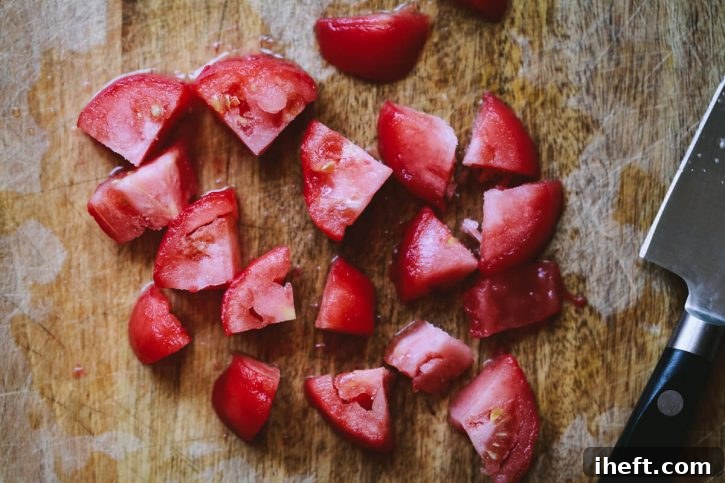
For best results when dicing or chopping, it’s easiest to cut the tomatoes when they are still slightly frozen in the center. Their semi-firm texture makes them much easier to handle and allows for cleaner, more precise cuts, similar to chopping a fresh, firm tomato. If they become too soft, they can be a bit more challenging to chop neatly.
Culinary Applications: How to Use Frozen Tomatoes
Once defrosted, previously frozen tomatoes will have a softer, slightly mushier texture, very similar to canned tomatoes. For this reason, they are best used in cooked dishes rather than fresh preparations like salads, Caprese, or fresh salsa, where their firm texture is paramount. However, their flavor remains incredibly vibrant, making them perfect for a wide array of comforting and robust cooked recipes.
Delicious Sauces
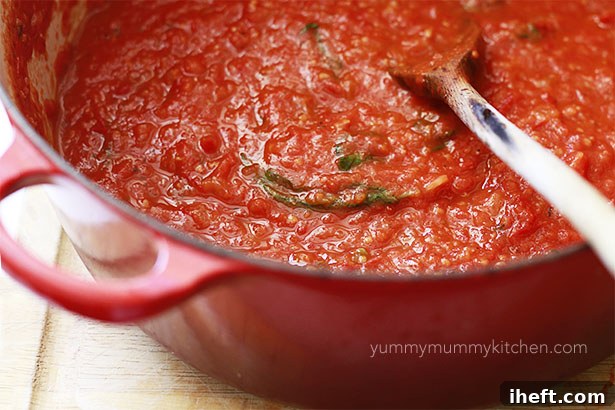
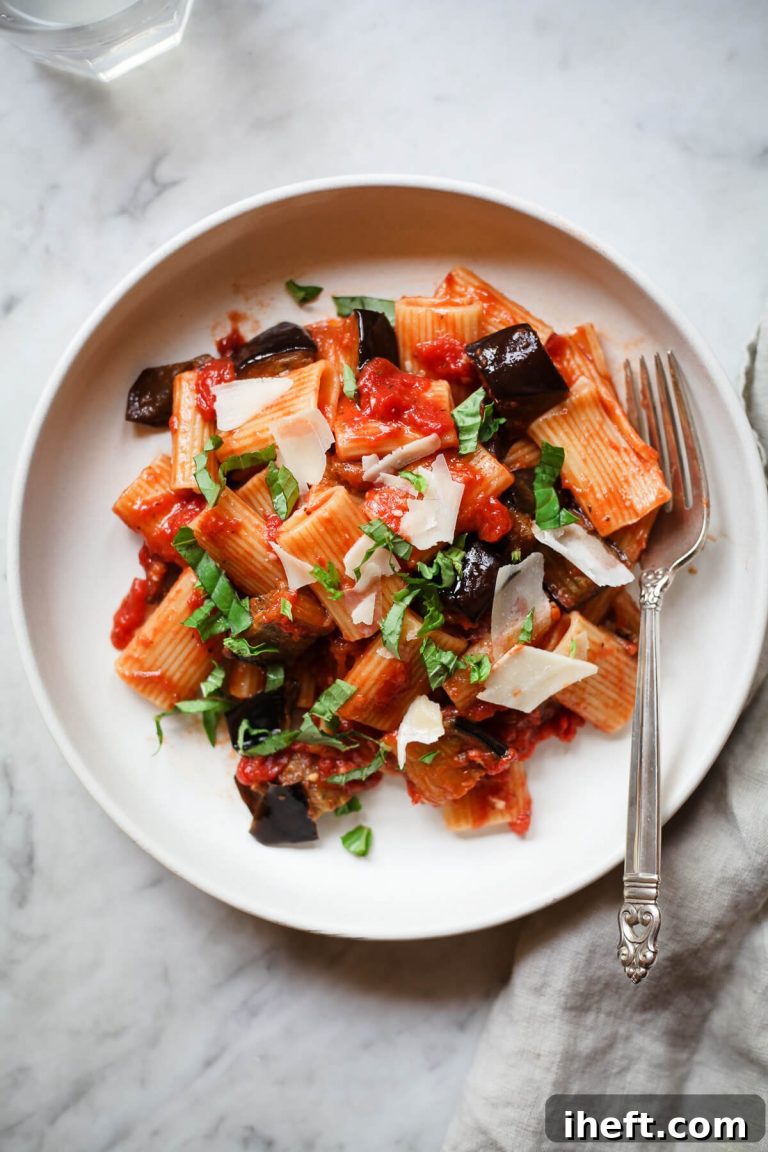
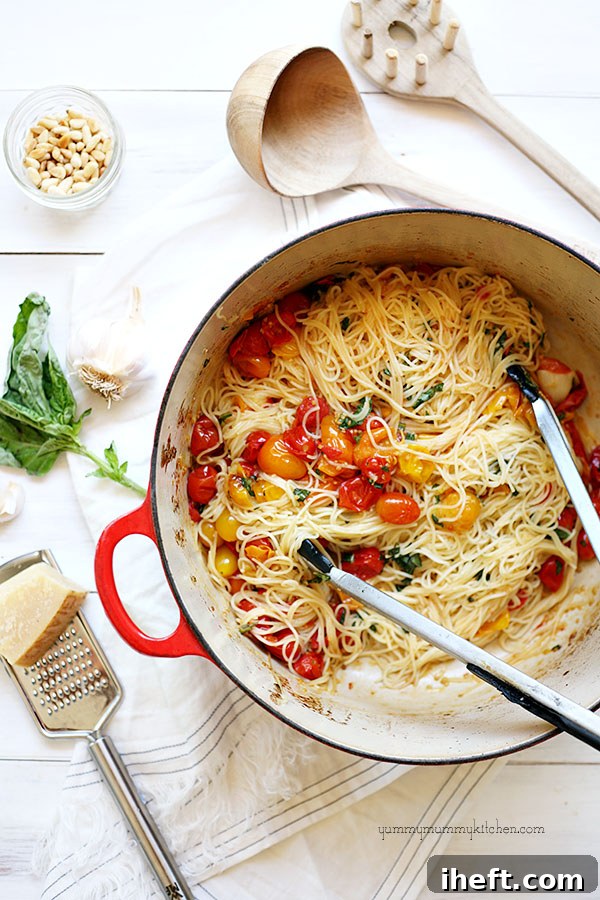
Frozen tomatoes truly shine in any recipe that calls for a cooked sauce. Whole tomatoes are ideal for creating authentic Italian sauces like our Fresh Tomato Marinara, a classic Pomodoro Sauce, or a savory Classic Pizza Sauce. Cherry tomatoes work wonderfully in simpler sauces, cooked down with garlic and olive oil and then tossed with pasta, like in this Roasted Cherry Tomato Cappellini recipe. When substituting thawed frozen tomatoes for canned tomatoes in recipes, you might find it beneficial to add a little tomato puree, such as tomato sauce or passata, to achieve the desired richness and consistency, as canned tomatoes are often packed in a thick tomato juice or sauce.
Hearty Soups and Stews
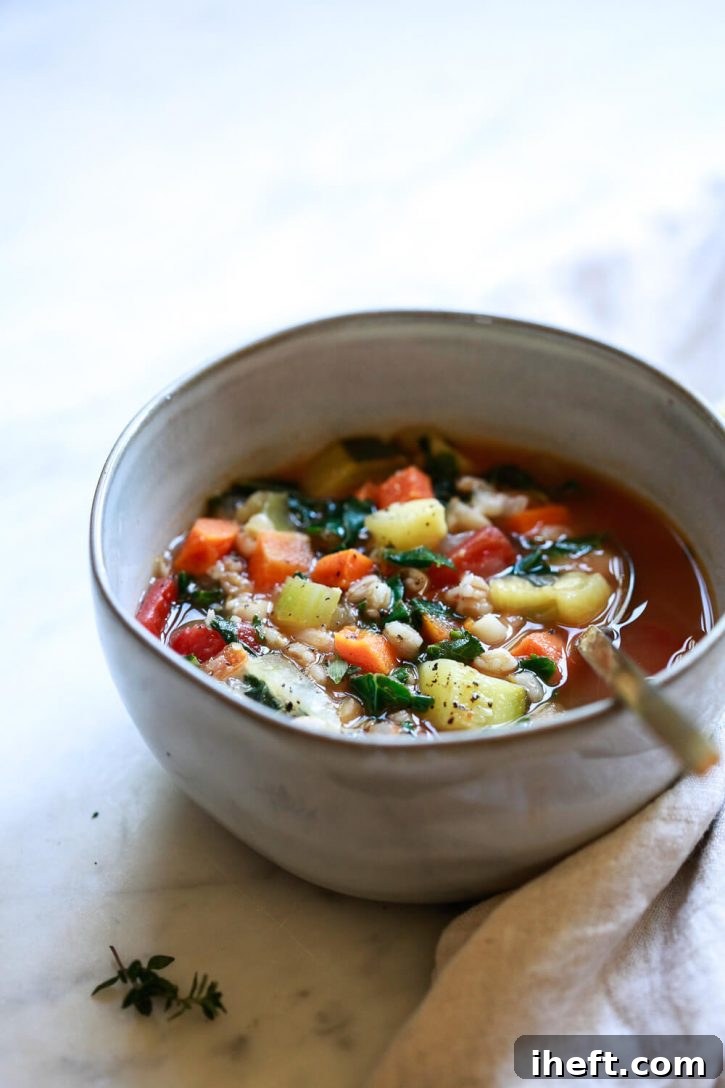
Diced frozen tomatoes are a fantastic addition to almost any soup or stew. Their robust flavor holds up well during long cooking times, deepening the overall taste of the dish. Toss them into our favorite Italian Vegetable Soup with Farro, a hearty Instant Pot Minestrone, or a warming Vegetarian Chili. They also work beautifully in goulash, beef stew, or a simple chicken and vegetable soup.
Casseroles and Baked Dishes
Frozen tomatoes can be incorporated into various casseroles, baked pasta dishes, and gratins. Think lasagna, baked ziti, or even a flavorful tomato and bread pudding. Their moisture content adds richness to these oven-baked meals.
Roasted Delights
Thawed cherry or grape tomatoes can be roasted with herbs, garlic, and olive oil for a quick side dish or a topping for bruschetta or crostini. The roasting process concentrates their sweetness, making them incredibly delicious.
Frequently Asked Questions (FAQs) About Freezing Tomatoes
How long can you freeze tomatoes?
When properly stored in an airtight container or freezer bag with as much air removed as possible, frozen tomatoes should maintain their best quality for up to 6 months. They will remain safe to eat beyond this period, but their texture and flavor might start to degrade over time.
Do you need to blanch tomatoes for freezing?
No, blanching is not necessary before freezing fresh tomatoes. This is one of the biggest advantages of freezing! The freezing and thawing process naturally makes the tomato skins very easy to peel. If you prefer to blanch your tomatoes beforehand for a specific reason (e.g., you prefer to process them before freezing), you certainly can. To blanch, bring a large saucepan of water to a rolling boil. Carefully add the tomatoes and boil for about 30-60 seconds, or until the skins just begin to crack and peel back. Use a slotted spoon to remove them and immediately plunge them into an ice bath to stop the cooking process. Once cooled, peel the tomatoes and then proceed with freezing them in freezer bags, removing air, and sealing.
Can you freeze green tomatoes?
Absolutely! Green (unripe) tomatoes can be frozen, though their primary uses will differ from ripe red tomatoes. They are excellent for making fried green tomatoes. To freeze green tomatoes, wash and dry them, then slice them to your desired thickness. Flash freeze the slices on a baking sheet, then transfer them to freezer bags. You can also freeze whole green tomatoes to be used later for relishes or chutneys.
Can you freeze tomatoes without peeling them?
Yes, and this is the most common and recommended method! As mentioned, the skins will easily slip off after the tomatoes have been frozen and partially thawed, saving you a significant amount of prep time upfront.
What’s the best way to prevent freezer burn on frozen tomatoes?
To prevent freezer burn, which can affect the taste and texture of your tomatoes, follow these key steps:
- Ensure they are completely dry: Any moisture on the surface will turn into ice crystals.
- Flash freeze: This ensures individual tomatoes are solid before packaging, minimizing ice crystal formation between them.
- Remove air: Squeeze as much air out of freezer bags as possible. Using a straw to suck out air before sealing can help.
- Use vacuum sealer: If you have one, a vacuum sealer is the most effective way to remove air and prevent freezer burn.
- Use appropriate containers: Always use freezer-safe bags or containers designed for freezing.
Do frozen tomatoes taste as good as fresh?
For raw applications like salads, fresh tomatoes will always be superior due to their firm texture. However, for cooked dishes, frozen tomatoes retain their vibrant flavor exceptionally well. Once cooked, the slight textural difference from fresh is negligible, and they provide that wonderful garden-fresh taste to sauces, soups, and stews all year long.
How to Freeze Tomatoes: Quick Guide
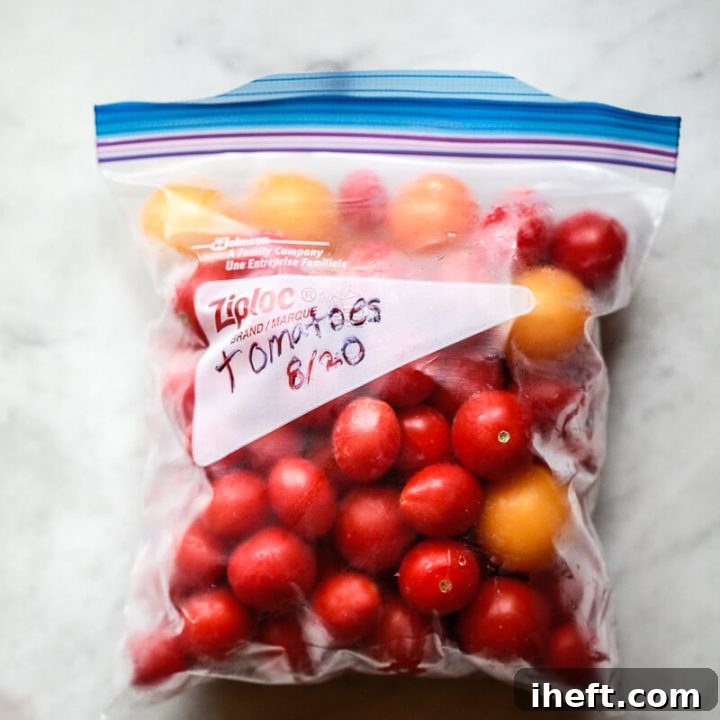
This quick guide summarizes the easiest way to freeze tomatoes, preserving their flavor for future culinary delights.
Ingredients
- 1 pound fresh tomatoes (any kind)
Instructions
- Wash and dry the tomatoes well to prevent freezer burn.
- Place the tomatoes, in a single layer, on a rimmed baking sheet. Place in the freezer and freeze just until frozen through. The time this takes will depend on the size of the tomatoes, but about 2 hours.
- Remove from the freezer and transfer to freezer bags before they begin to thaw. If you have a vacuum sealer for food, use that, otherwise zip-top bags are fine. Remove as much air as possible from the bags. Some people zip most of the way, insert a straw and suck the air out.
- Place freezer bags into the freezer and store there until ready to use. They should be good for up to 6 months when stored properly in an airtight container.
- When ready to use, remove as many frozen tomatoes as you’d like and thaw at room temperature for 30 minutes, or in a bowl of warm water for 10. The skins will be easy to peel off. I like to peel larger tomatoes and chop for soups and pasta dishes. I leave the skins of cherry tomatoes on and use in pastas.
Notes
When substituting thawed frozen tomatoes for canned, you may want to add a little tomato puree such as tomato sauce or passata, as canned tomatoes are usually stored in tomato sauce or juice, which adds to their body and flavor.
Video: How to Freeze Tomatoes
Recommended Products
As an Amazon Associate and member of other affiliate programs, I earn from qualifying purchases.
- Reusable Gallon Freezer Bags
- NutriChef Vacuum Sealer
Nutrition Information:
Yield: 1
Serving Size: 1
Amount Per Serving:
Calories: 82
Total Fat: 1g
Saturated Fat: 0g
Trans Fat: 0g
Unsaturated Fat: 1g
Cholesterol: 0mg
Sodium: 23mg
Carbohydrates: 18g
Fiber: 5g
Sugar: 12g
Protein: 4g
Nutrition information is automatically calculated by Nutritionix. I am not a nutritionist and cannot guarantee accuracy. If your health depends on nutrition information, please calculate again with your favorite calculator.
Embrace Year-Round Tomato Flavor
Freezing tomatoes is a simple yet incredibly rewarding way to extend the enjoyment of your summer harvest. By following these easy steps, you can stock your freezer with garden-fresh flavor, ready to transform into hearty sauces, warming soups, and countless other cooked dishes throughout the colder months. Say goodbye to bland store-bought tomatoes and hello to the vibrant taste of sunshine, all year long. Give this method a try this season, and discover the joy of homemade goodness from your freezer!
© Marina Delio
Cuisine: World / Category: fruit