Perfect Falafel
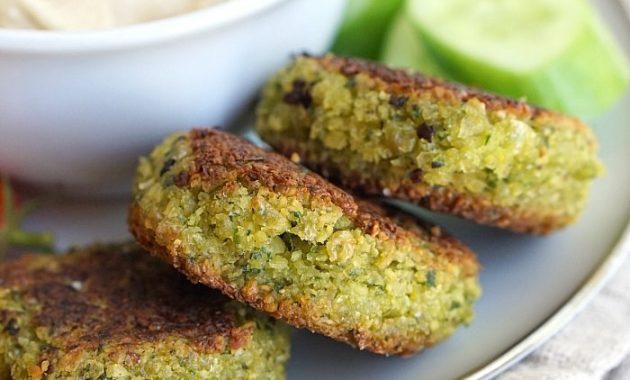
Welcome to the ultimate guide for crafting the perfect baked falafel! These healthier falafel are not only incredibly flavorful and authentic but also completely vegan and gluten-free, making them a fantastic choice for any diet. Say goodbye to dry, store-bought versions and get ready to create crispy, tender falafel right in your own kitchen.
Have you ever experienced the sheer delight of freshly made falafel? Perhaps you’ve savored them from a bustling street food vendor or enjoyed them in a vibrant Middle Eastern restaurant. For years, falafel remained a dish I primarily indulged in when dining out. I recall a few years back, inspired by a friend’s Middle Eastern cookbook, I ventured into making homemade falafel. Served alongside creamy hummus and fresh tabbouleh in crisp lettuce wraps, it was an unforgettable, incredibly satisfying dinner experience. However, a touch of culinary laziness often led me back to the convenience of frozen falafel from the grocery store. Predictably, these shortcuts never quite captured the authentic flavor or satisfying texture of their homemade counterparts, often resulting in falafel that were disappointingly dry and tough.
The quest for truly exceptional homemade falafel was rekindled after browsing a recent issue of Cooking Light magazine, which featured enticing falafel sliders. I knew it was time to revisit making falafel from scratch, but with a healthier twist. This particular baked falafel recipe quickly became a favorite. Even without the traditional deep-frying, these falafel achieved that coveted crispy exterior and tender, aromatic interior, bursting with fresh herbs and spices. A key to their success lies in using dried chickpeas, which require an overnight soak. If you’re looking for a quicker option using canned chickpeas, you might enjoy my Easy Falafel Wraps, but for that truly authentic texture, the soaked dried chickpeas are non-negotiable.
The Secret to Perfect Homemade Falafel: Uncooked Chickpeas
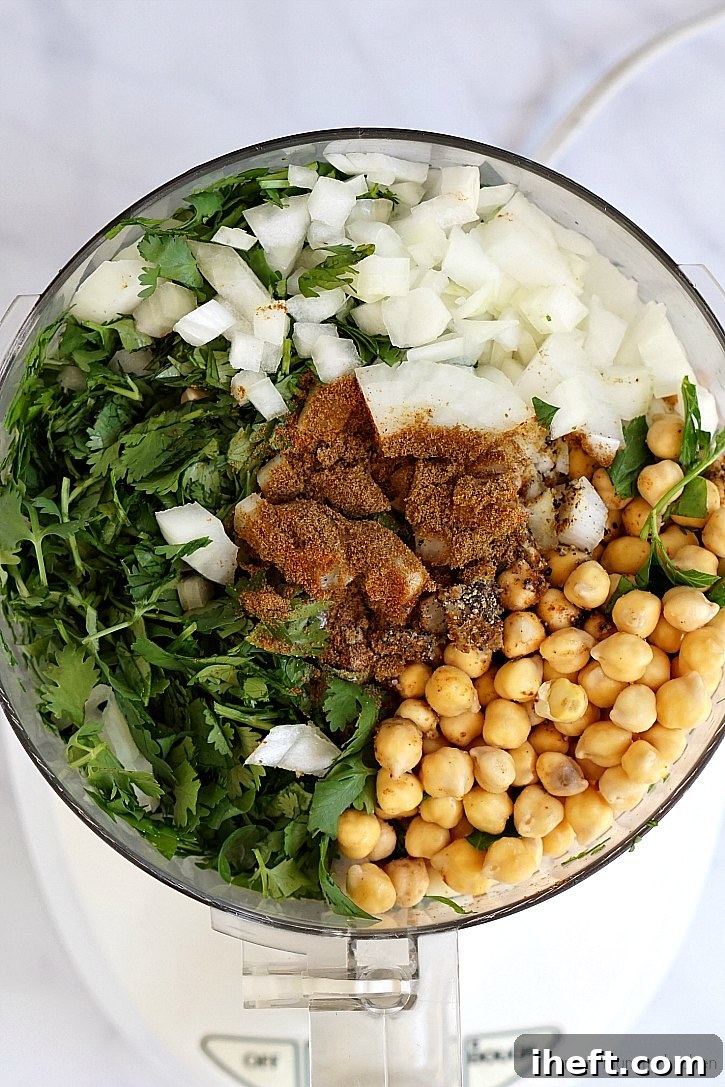
Creating the falafel dough is remarkably simple, primarily thanks to the efficiency of a food processor. All the ingredients are whirled together, and the mixture is ready in mere minutes. To streamline the process even further, I often let the food processor handle the initial chopping of onions, fresh herbs, and garlic before adding the soaked chickpeas. This ensures everything is finely minced and evenly distributed.
However, there’s one pivotal secret to making truly authentic falafel: **the chickpeas must not be cooked**. This means setting aside any thoughts of using canned chickpeas for this particular recipe. We begin with dried chickpeas, which are thoroughly soaked in water, ideally overnight or for at least 8 hours. After draining, these raw, soaked chickpeas go directly into the food processor. The magic lies in the starch content of these uncooked chickpeas; it acts as a natural binder, holding the falafel together beautifully without the need for additional flours (though a little can be added if the mixture is too wet, as discussed later). I must admit, in the past, I sometimes found the soaking process an ‘inconvenience,’ but it literally takes a mere five seconds to pour water over the beans. This simple step is absolutely crucial for achieving the perfect texture and integrity of your homemade falafel.
Healthier & Crispier: The Baked Falafel Advantage
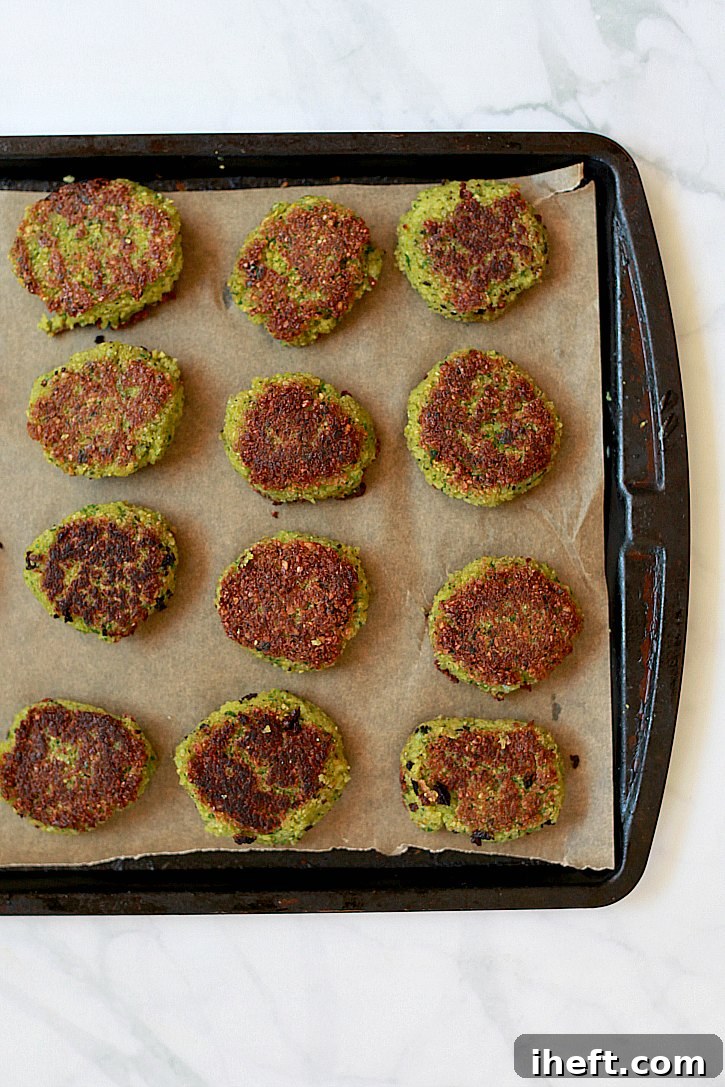
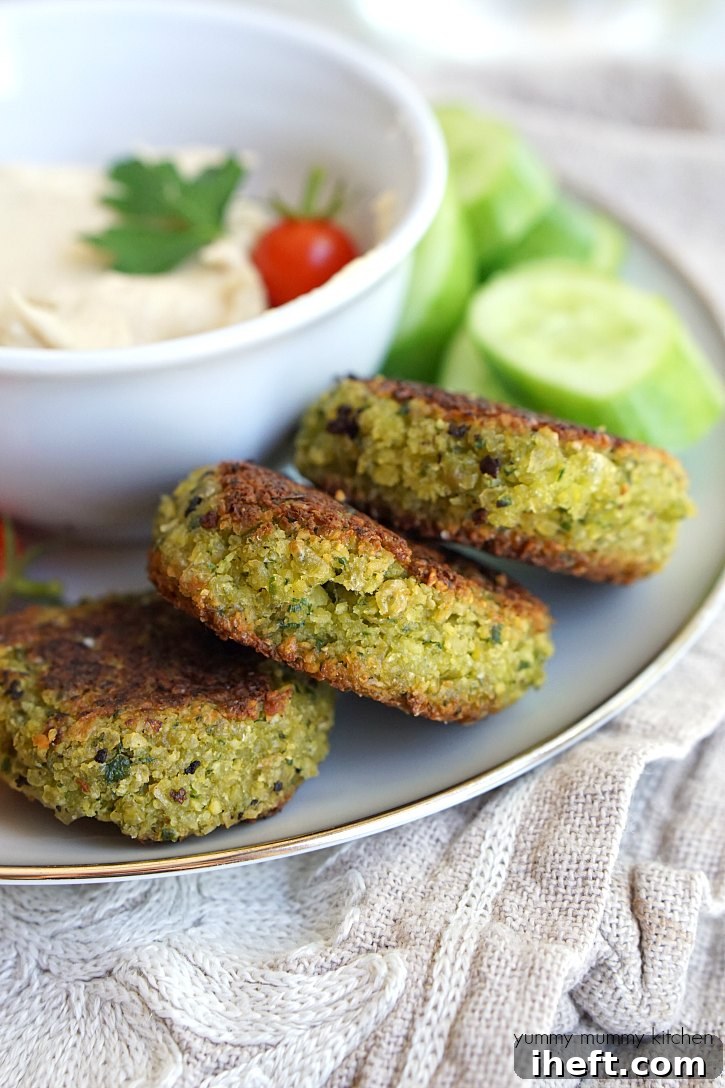
While traditional falafel recipes often call for deep-frying in several inches of oil, our lightened-up version offers a healthier alternative without compromising on taste or texture. These falafel are first browned in a large pan with a light coating of cooking spray or just a tablespoon of olive oil. This initial browning step is essential for developing a beautiful golden crust and locking in flavor. Following this, they finish cooking in the oven, ensuring they are cooked through, deliciously crispy on the outside, and wonderfully tender on the inside. This two-step method yields results that are remarkably similar to their deep-fried counterparts, but with significantly less oil.
The process of forming and cooking falafel often reminds me of making meatballs. There’s a moment of doubt when shaping them, a concern that they might crumble apart, but rest assured, they hold together beautifully. The combination of the soaked, uncooked chickpeas and the gentle binding agents creates patties that are surprisingly resilient. The end result is a batch of baked falafel that consistently delivers that delightful crispy exterior and moist, tender interior – precisely how they should be.
What Exactly is Falafel? A Culinary Journey
Falafel is a beloved and iconic traditional Middle Eastern food, enjoyed globally. At its core, falafel consists of balls or patties made from ground chickpeas, fava beans, or a combination of both, mixed with aromatic herbs and spices. Traditionally deep-fried, they are often served nestled in pita bread with fresh vegetables and a generous drizzle of tahini sauce.
The origins of falafel are shrouded in a bit of mystery, but one prominent theory suggests it originated in Egypt. It’s believed that Coptic Christians in Egypt developed falafel as a hearty, meatless alternative during Lent, making good use of readily available chickpeas and fava beans (source). Over centuries, falafel has transcended its regional roots to become a popular street food in countless cities across the Middle East and beyond. Its deliciousness and affordability have contributed to its widespread appeal. Furthermore, falafel has gained significant popularity among vegetarians and vegans worldwide, primarily because chickpeas are an excellent source of plant-based protein, making falafel a nutritious and satisfying meal option for those following a meat-free diet.
Creative Ways to Enjoy Your Homemade Falafel
Now that you’ve mastered the art of making homemade falafel (and perhaps have some extra stashed away in the freezer!), the possibilities for enjoying them are endless. When they’re fresh and warm, I find them absolutely irresistible on their own, perhaps with just a simple dip. However, their versatility shines when incorporated into various dishes:
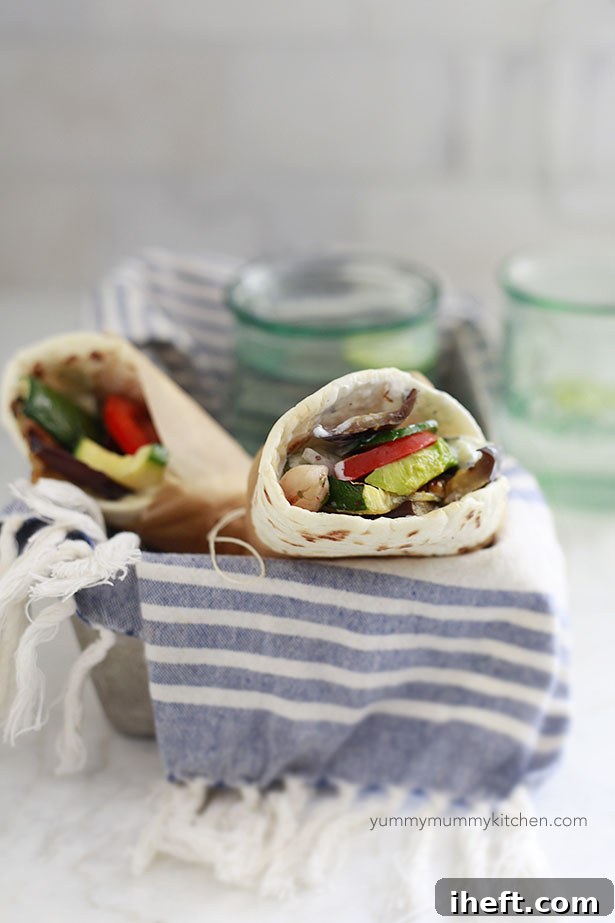
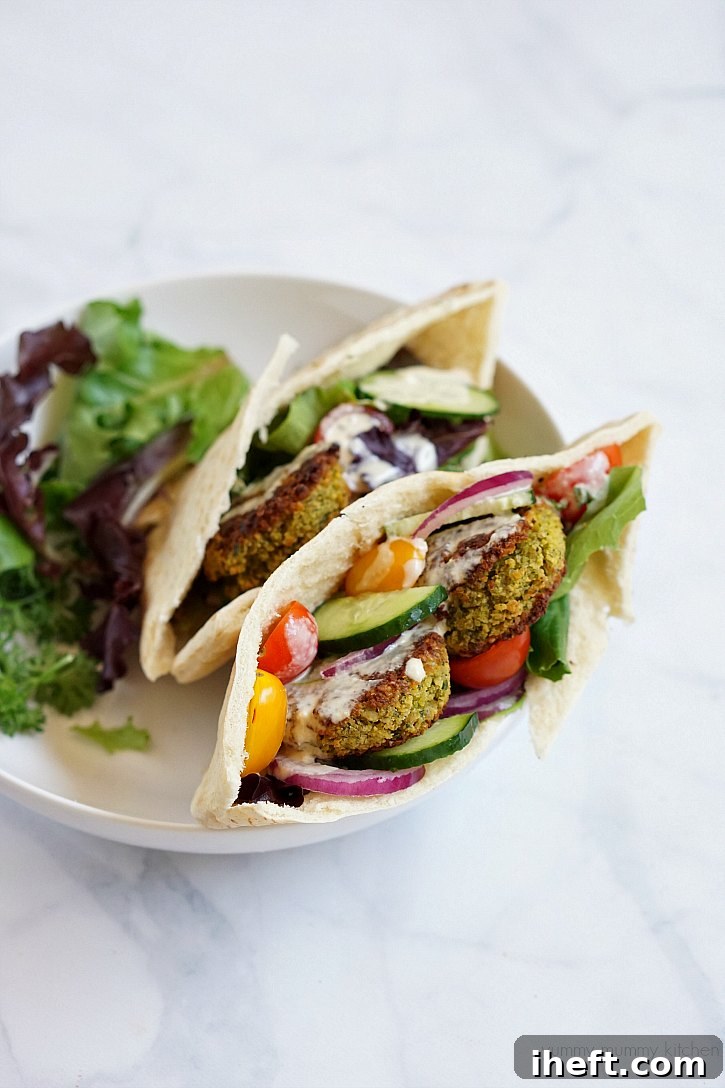
- The Classic Pita Sandwich: Arguably the most popular way to enjoy falafel, stuff warm falafel into soft pita bread. Layer with crisp lettuce, sliced tomatoes, cucumbers, red onion, pickled turnips, and a generous drizzle of creamy tahini sauce. A dash of hot sauce can add a delightful kick.
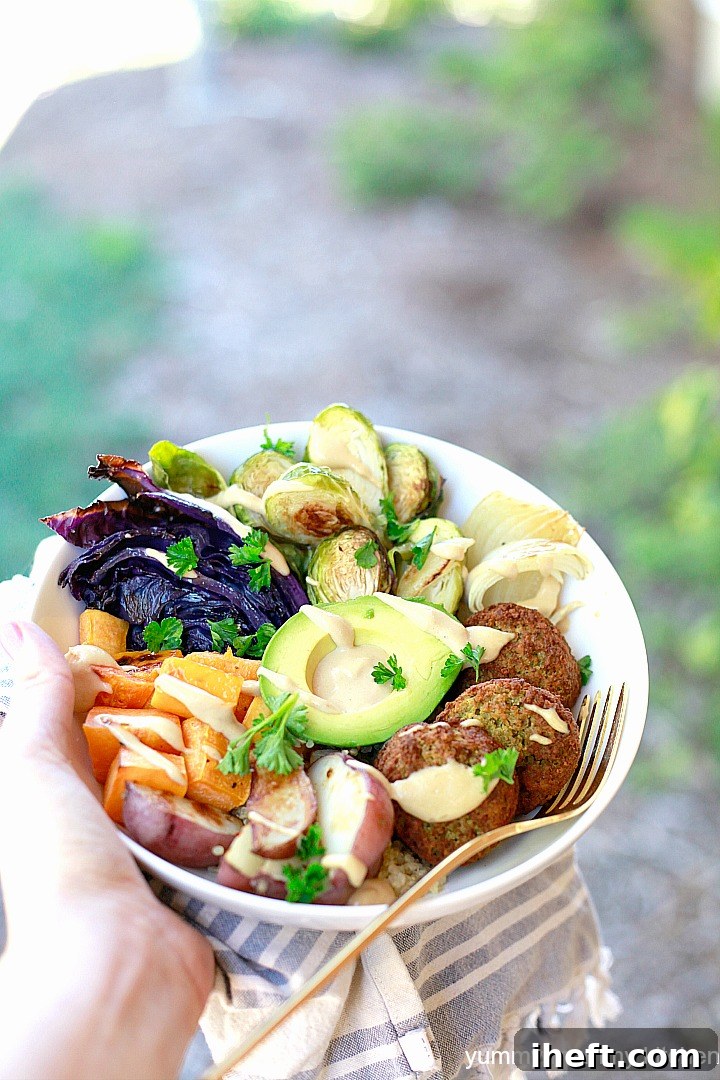
- Buddha Bowls & Salad Toppers: For a nutrient-packed meal, add warm falafel to a vibrant Buddha bowl or fresh salad. Combine with quinoa, roasted or fresh vegetables (like bell peppers, carrots, spinach), avocado slices, and a tangy lemon-tahini dressing. They add a wonderful texture and protein boost to any salad.
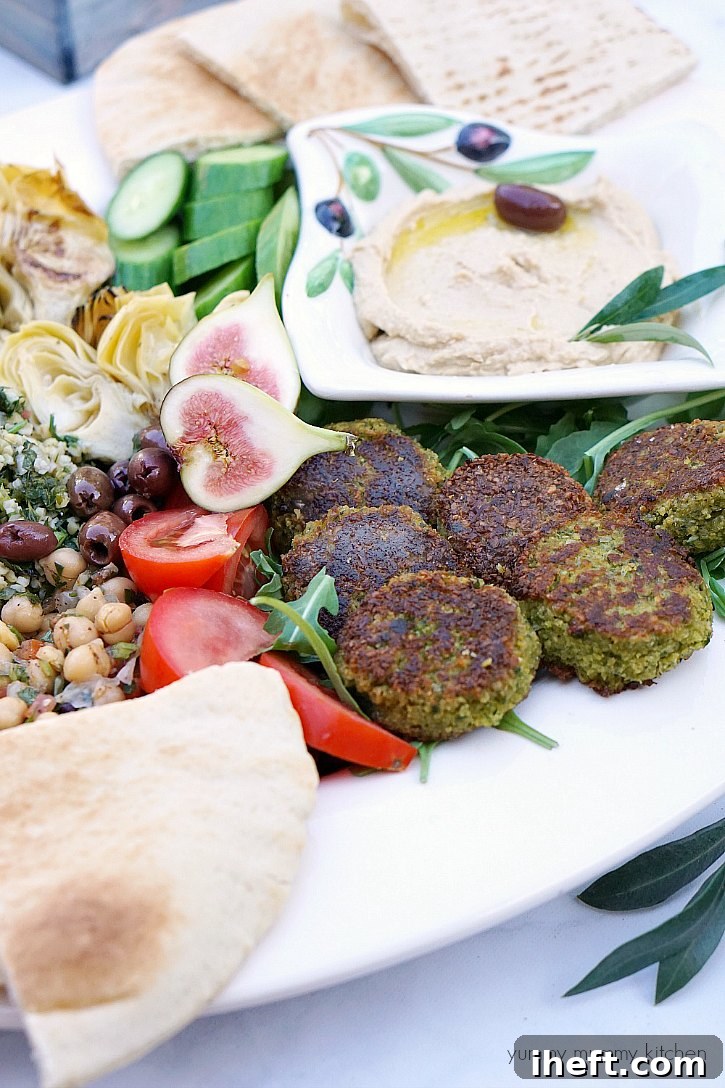
- Mezze Platter Staple: Falafel makes an excellent addition to a Middle Eastern mezze platter. Arrange them alongside creamy hummus, smoky baba ghanoush, marinated olives, fresh pita bread, and an assortment of fresh crudités. It’s a fantastic way to share and sample a variety of flavors.
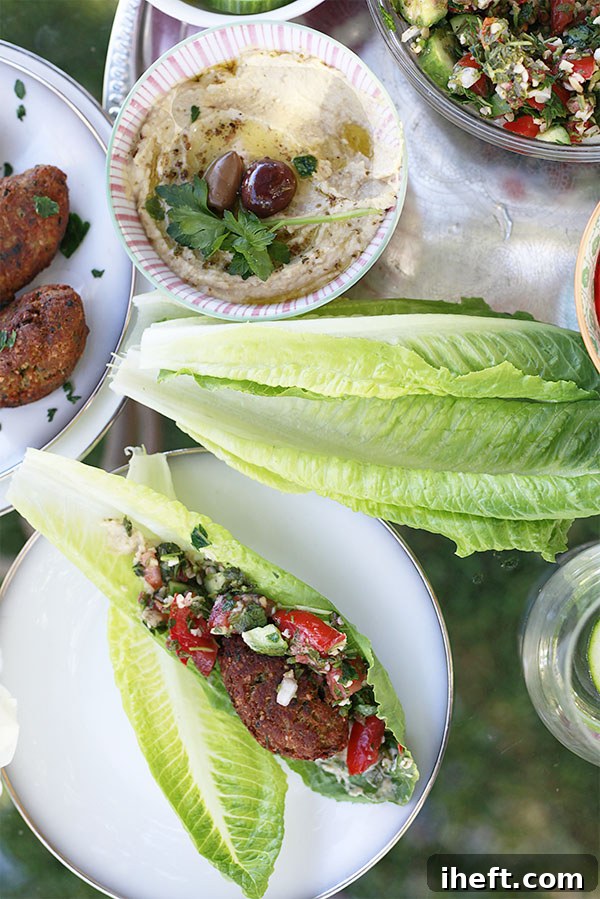
- Savory Wraps & Lettuce Boats: Beyond pita, falafel can be tucked into whole wheat tortillas or large, sturdy lettuce leaves (like romaine or butter lettuce) for a lighter wrap. Fill with tabbouleh, hummus, and your favorite vegetables for a satisfying, portable meal. One of my all-time favorite ways to eat falafel is in a crisp lettuce wrap, especially when stuffed with extra flavorful tabbouleh!
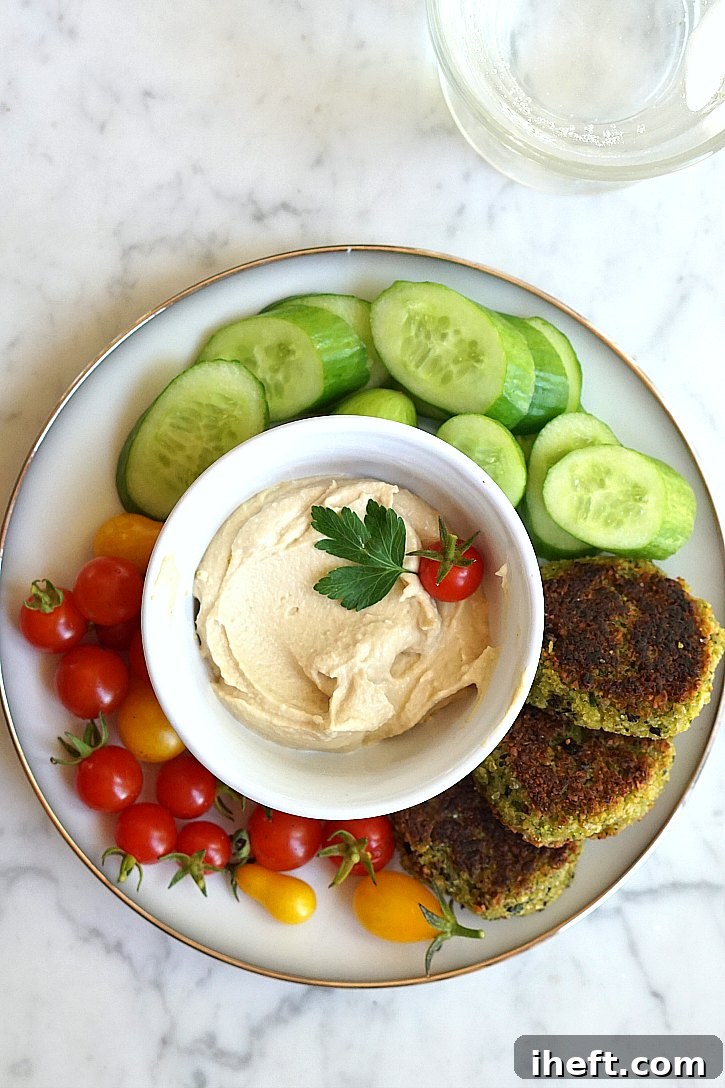
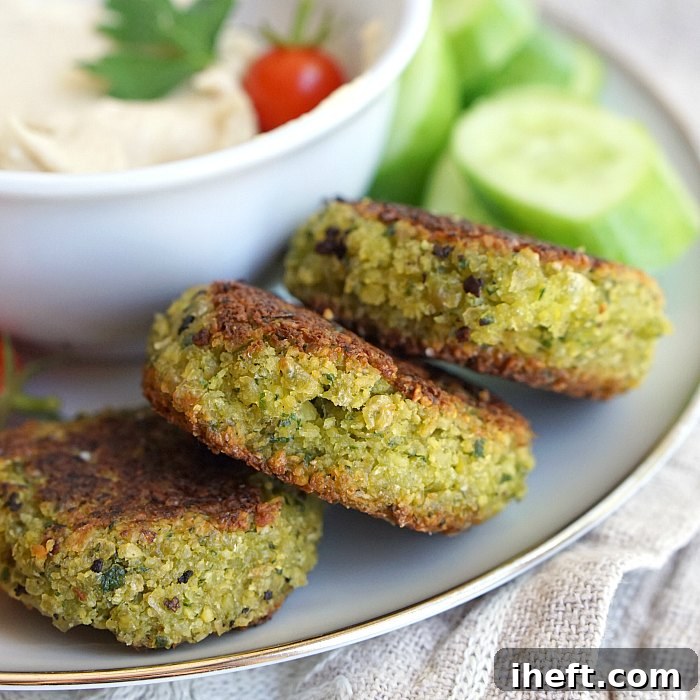
- Simple Snack or Appetizer: Sometimes, the simplest way is the best. Enjoy fresh falafel dipped in a rich, garlicky hummus or a smooth tahini sauce, alongside some crisp cucumber and juicy cherry tomatoes. This makes for a delightful and healthy lunch or appetizer. I loved this little lunch of falafel, cucumber, tomatoes, and hummus.
Wait, scratch that… my absolute favorite way to eat falafel is in a warm pita pocket, generously loaded with fresh greens, thinly sliced red onion, crisp cucumber, ripe tomato, and a hearty drizzle of homemade tahini sauce. If you’re looking for an incredible sauce to complement these falafel, my easy Tahini Sauce recipe takes less than five minutes to prepare and truly elevates the entire experience.
Tips for Success & Troubleshooting Your Falafel
Over time, some readers have shared feedback regarding the falafel mixture being too wet, leading to difficulties in forming patties that stick together. This is a common issue that can be easily rectified. Here are a few important tips to ensure your falafel mixture is perfect:
- Thoroughly Drain Chickpeas: After soaking overnight, ensure your chickpeas are incredibly well-drained. Any excess water will contribute to a wet mixture. You can even pat them dry with a clean kitchen towel before adding them to the food processor.
- Dry Your Herbs: Similarly, ensure your fresh cilantro and parsley are thoroughly dry after washing. Excess moisture from herbs can also affect the consistency.
- The Power of the Food Processor: Process the mixture until it’s coarsely chopped, not pureed into a paste. A slightly textured mixture helps with binding.
- The Flour Solution: If, after these steps, your dough still feels too wet to form into disks or balls, don’t despair! Adding a tablespoon of flour at a time until the mixture binds well is an effective solution. For those aiming for a truly gluten-free falafel, chickpea flour (also known as gram flour or besan) is an excellent choice as a binder and complements the flavor profile. If using regular all-purpose flour, please note the recipe will no longer be gluten-free. This recipe makes a generous batch, ensuring you have enough to freeze for future meals. If you’re simply serving a family of four, feel free to halve the recipe.
Baked Falafel Recipe
8 hours
20 minutes
8 hours 20 minutes
This baked falafel recipe offers a healthier alternative to deep-frying. The flavorful dough comes together quickly in the food processor, and the falafel are browned in a pan for crispiness before being baked to perfection. These falafel are naturally vegan and can be gluten-free with the right binder. This recipe yields a large batch, perfect for freezing and enjoying later. If you’re cooking for a smaller group of 4, simply halve the ingredients!
Ingredients
- 2 cups dried chickpeas (garbanzo beans, NOT canned)
- 6 cups water
- 2 cups roughly chopped white onion
- 1 cup fresh cilantro
- 1 cup Italian parsley
- 8 cloves garlic
- 1/4 cup fresh lemon juice
- 1 tablespoon ground cumin
- 1 teaspoon sea salt, plus more to taste
- 1 teaspoon black pepper
- 1/4 teaspoon cayenne pepper
- 1/2 teaspoon baking soda
- 5 tablespoons flour (if needed to bind; use chickpea flour for GF, otherwise recipe will not be GF)
- cooking spray or olive oil
- tzatziki or tahini sauce for serving
Instructions
- Place dried chickpeas in a large bowl. Cover with the water and let soak for 8 hours or overnight. (I often let mine soak for almost 24 hours for optimal texture.) Drain the chickpeas thoroughly before proceeding.
- Place the onion, fresh cilantro, Italian parsley, and garlic in the bowl of a large food processor. Ensure your herbs and drained chickpeas are not still wet from rinsing. Pulse until well chopped. Add the drained chickpeas, lemon juice, ground cumin, sea salt, black pepper, cayenne pepper, and baking soda. Continue to pulse until all ingredients are coarsely chopped and well combined. You should be able to form the dough into disks at this point. If your dough is too wet and crumbles, add a tablespoon of flour (chickpea flour for gluten-free) at a time until it binds together into a manageable consistency.
- Preheat your oven to 450 degrees F (230 degrees C). Shape the falafel dough into 2 to 3-inch disks or small balls. You can adjust the size to your preference; larger patties work well for “falafel burgers” or sandwiches, while smaller ones are ideal for salads and wraps.
- Coat a large pan (preferably cast iron or non-stick) over medium-high heat with cooking spray or a tablespoon of olive oil. Carefully place the falafel into the hot pan, ensuring not to overcrowd it. Cook until beautifully browned and crispy, approximately 2 to 3 minutes per side. Add more cooking spray or olive oil as needed to prevent sticking. Transfer the browned falafel to a baking sheet and bake in the preheated oven for an additional 7-10 minutes, or until cooked through and golden. Sprinkle with a pinch of sea salt immediately after baking.
- Serve your freshly baked falafel hot in pita pockets with your favorite sauce, such as tahini or tzatziki, or as a protein-rich addition to vibrant salads and grain bowls.
Notes
Chickpea flour (also known as gram flour or besan) works exceptionally well as a gluten-free binder and complements the flavor of falafel beautifully. If using it, ensure you’re adjusting quantities based on your mixture’s moisture content.
Nutrition Information:
Yield: 20
Serving Size: 1
Amount Per Serving:
Calories: 73Total Fat: 2gSaturated Fat: 0gTrans Fat: 0gUnsaturated Fat: 1gCholesterol: 0mgSodium: 191mgCarbohydrates: 12gFiber: 2gSugar: 3gProtein: 3g
Making homemade falafel is a rewarding experience that brings the authentic flavors of the Middle East right to your table. This baked version proves that you don’t need excessive oil to achieve that perfect crispy exterior and tender interior. With a little planning for soaking the chickpeas, you’ll be enjoying these healthy, vegan, and gluten-free delights in no time. Whether you serve them in a pita, on a salad, or as part of a vibrant mezze spread, these falafel are sure to become a beloved staple in your culinary repertoire. Enjoy the process and savor every delicious bite!
Here’s a Pinterest image to save this easy vegan falafel recipe for later.