Handmade Salt Dough Decorations: A Creative Guide
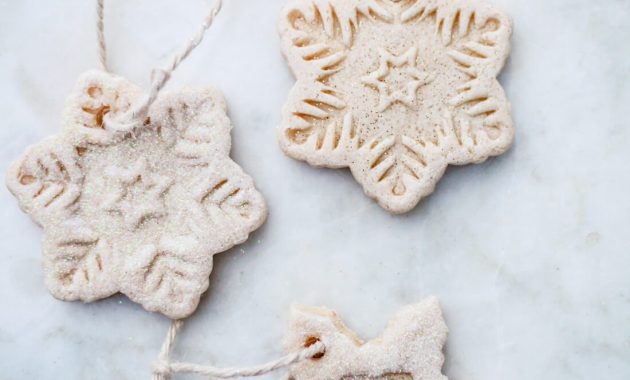
The holiday season is a magical time for creating cherished memories and beautiful keepsakes. What better way to celebrate than by crafting your very own salt dough ornaments? This timeless activity offers a wonderful opportunity for families to gather, unleash their creativity, and produce stunning homemade decorations that will adorn your Christmas tree for years to come or make heartfelt, personalized gifts. Dive into our comprehensive guide to discover the best salt dough recipe and learn how to make these delightful ornaments with ease, transforming simple ingredients into cherished holiday treasures.
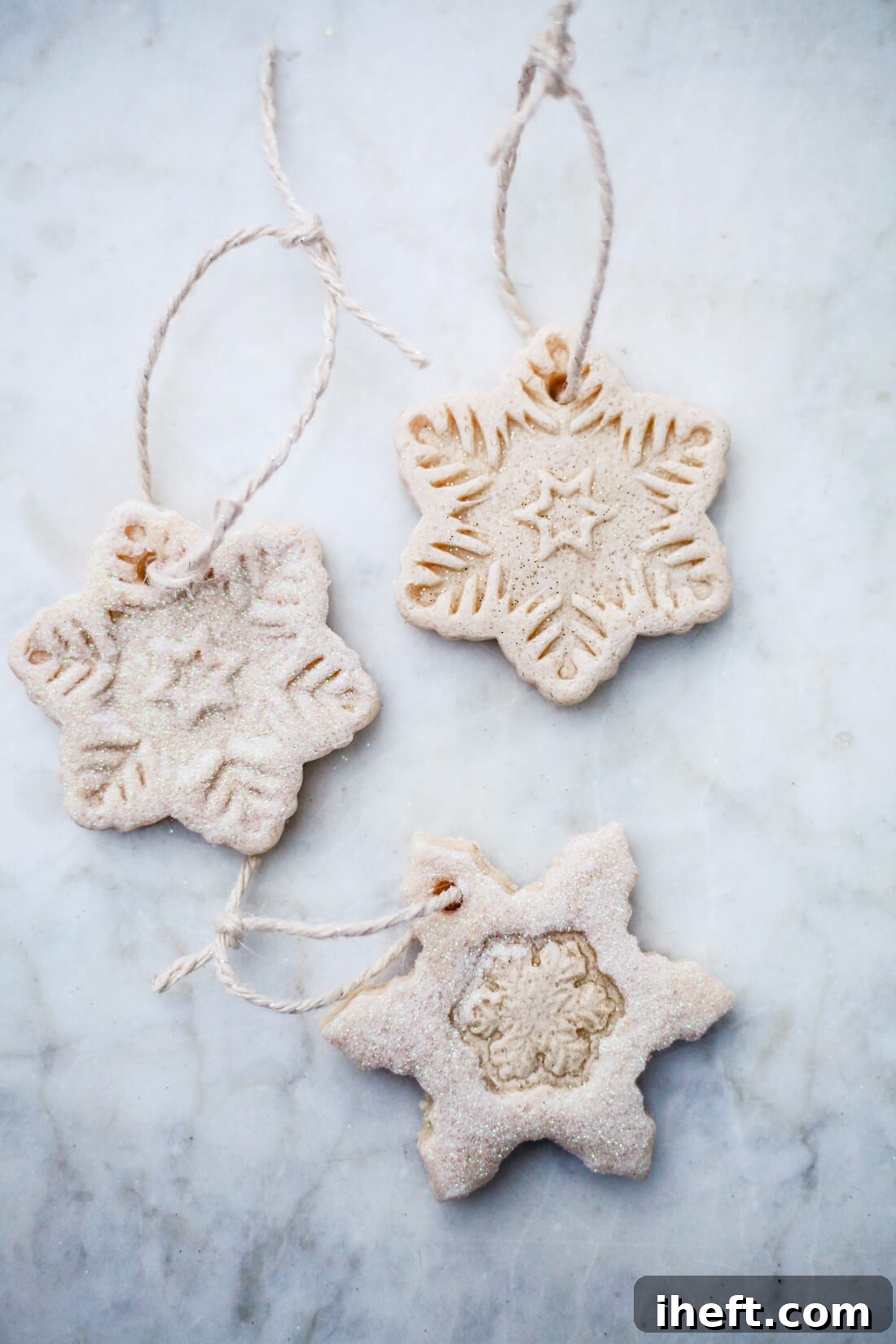
Making salt dough ornaments is a beloved Christmas tradition, similar in spirit to crafting our popular Dried Orange Slices. This year, embrace the simplicity and charm of this incredibly easy salt dough recipe. Unlike edible sugar cookies, salt dough is designed purely for crafting, offering a durable and non-perishable medium that can be beautifully adorned with paint, glitter, beads, and other embellishments. It’s a fantastic sensory activity for young children, reminiscent of playing with playdough, yet yields lasting treasures that capture a moment in time. During the holidays, when delicious sweets abound, salt dough provides a creative outlet for baking enthusiasts without adding to the sugar rush, fostering creativity, connection, and a sense of handmade accomplishment instead.
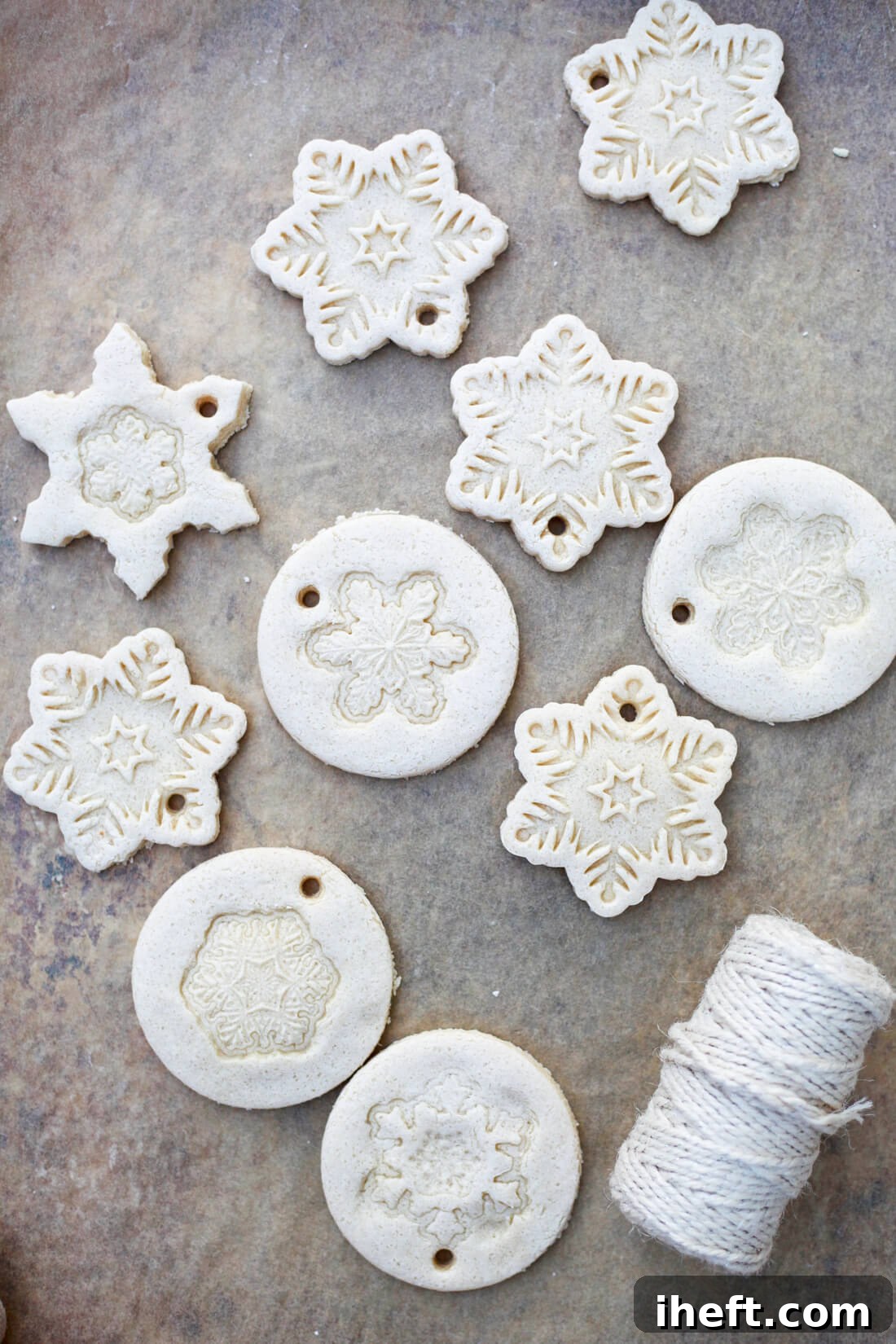
What is Salt Dough and Why is it Perfect for Holiday Crafting?
Salt dough is a wonderfully simple, versatile modeling material composed of just three common household ingredients: table salt, all-purpose flour, and water. When combined and mixed, these humble components create a pliable “clay” that can be easily molded into virtually any shape imaginable. Once shaped, the dough is then dried, either by baking at a low temperature in an oven or by air-drying over several days. Upon drying, it hardens into a surprisingly durable, non-toxic craft piece, forming a perfect canvas ready for decoration and transformation into festive ornaments or cherished keepsakes.
The universal appeal of salt dough lies in its incredible accessibility and cost-effectiveness. It requires no specialized equipment or expensive art supplies, making it an ideal craft for families on a budget, school classrooms, and anyone looking for a rewarding yet affordable creative project. Its tactile texture provides a soothing sensory experience that can captivate both children and adults, making the crafting process enjoyable for all ages. Furthermore, the robust nature of dried salt dough means that your handmade creations can last for decades, becoming treasured family heirlooms passed down through generations. This makes it an unparalleled medium for crafting personalized gifts, adding a touch of handmade charm to your holiday decorations, or capturing a precious moment in time, such as a child’s tiny handprint or a pet’s paw print.
A Glimpse into History: The Enduring Charm of Salt Dough Crafts
While making salt dough ornaments might feel like a quaint modern pastime, this humble material boasts a surprisingly rich and extensive history, dating back centuries. Its origins can be traced to ancient civilizations, where the simple combination of salt, flour, and water was ingeniously utilized for more than just culinary purposes. The earliest known uses of salt dough for decorative items are often attributed to the ancient Egyptians, who skillfully fashioned small figurines, amulets, and other ornamental pieces from this readily available mixture. Its inherent durability, once thoroughly dried, made it a practical and lasting choice for creating mementos, ritualistic objects, and early forms of art.
Beyond the Nile, the Romans also adopted salt dough for various decorative and symbolic applications, crafting small statuettes, intricate jewelry, and even rudimentary coins. The practice wasn’t confined to grand empires; many European cultures have a long-standing tradition of using salt dough, particularly during festive seasons. In regions like Germany and Scandinavia, for instance, salt dough ornaments evolved into a popular folk craft, featuring intricate designs that often depicted seasonal themes, animals, or religious symbols. These handmade creations were not only a source of festive decoration but also a means of artistic expression and storytelling, often passed down through families as cherished traditions. The widespread and enduring appeal of salt dough throughout history stems from its fundamental simplicity, the universal availability and affordability of its ingredients, and its remarkable ability to transform into robust, personalized works of art. It stands as a truly timeless craft medium that continues to bring immense joy and creative satisfaction to makers across generations.
Crafting the Perfect Salt Dough: Your Go-To Recipe for Festive Fun
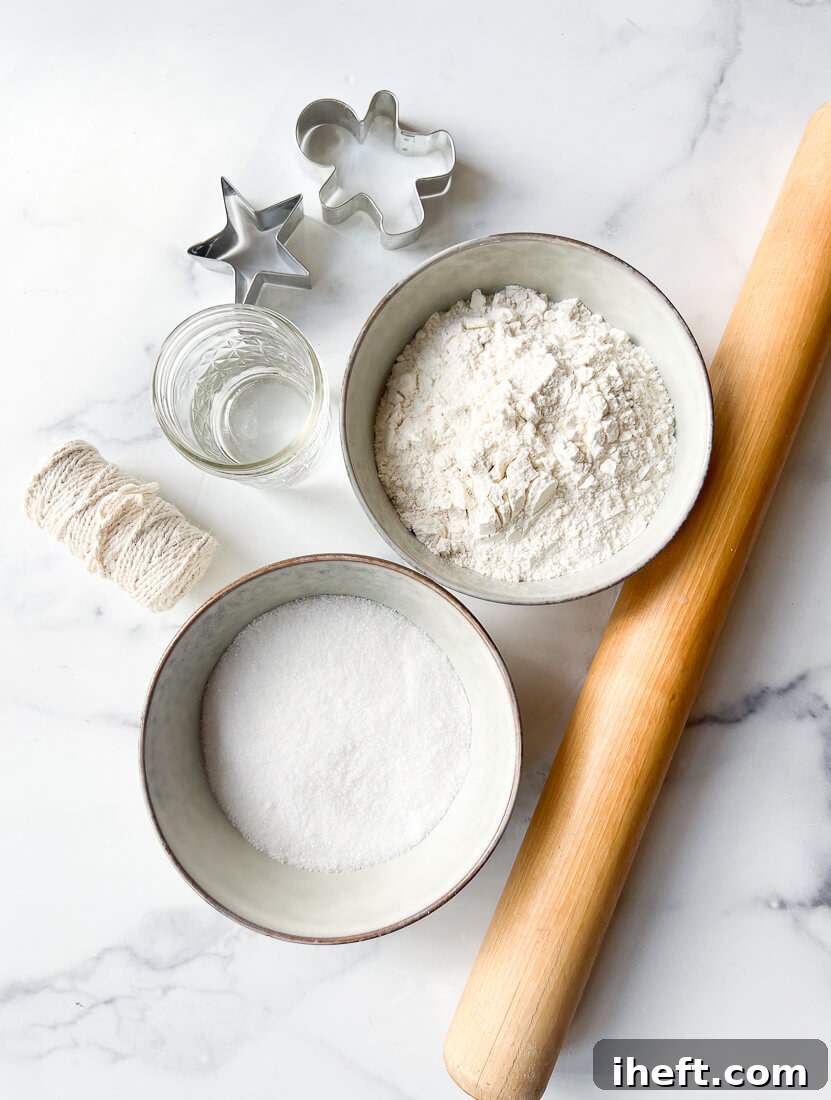
One of the most appealing aspects of making salt dough is its incredible simplicity. This classic, tried-and-true recipe has been cherished by families for generations, proving that you don’t need fancy ingredients or complex techniques to create something truly special. Even young children can actively participate in mixing the dough, fostering a sense of accomplishment and engagement from the very beginning. With just a few basic household staples, you’ll be on your way to crafting beautiful ornaments in no time!
What You’ll Need: Simple Ingredients for Lasting Memories
- All-Purpose Flour: For the best results, opt for an inexpensive, basic all-purpose flour. It’s crucial to avoid self-raising flour (which contains leavening agents) as these will cause your ornaments to puff up during drying, preventing them from remaining flat and crisp.
- Fine Salt: Fine sea salt or regular table salt works best. The finer texture ensures a smoother dough that is easier to work with and helps the salt dissolve more evenly, leading to a more consistent final product. Coarse salt might leave a grainy texture.
- Water: Cold water is generally preferred. You will add it gradually until the dough reaches the perfect pliable, cookie-dough-like consistency.
Essential Tools for Your Salt Dough Adventure
- Rolling Pin: An indispensable tool for evenly flattening your dough to the desired uniform thickness.
- Cookie Sheet: To hold your shaped ornaments during the crucial drying process. Lining it with parchment paper is highly recommended to prevent any sticking.
- Cookie Cutters: This is where the fun truly begins! Choose festive shapes like snowflakes, stars, Christmas trees, gingerbread figures, or any other design that sparks your imagination. For unique, custom shapes, you can also use a sharp knife (with careful adult supervision, if necessary) or the rim of a small glass or canning jar for perfect circles.
- Straw or Wooden Dowel/Skewer: Absolutely essential for poking holes at the top of your ornaments *before* they dry. This allows you to easily thread twine or ribbon through them for hanging.
- Paint, Glitter, Markers, Sealant (Optional): The sky’s the limit when it comes to decorating! Acrylic paints, permanent markers, various glitters, small beads, and clear craft sealants (like Mod Podge or varnish) can transform your plain dough into vibrant works of art.
- Twine or Ribbon: For creating elegant and sturdy hangers once your ornaments are fully dry and decorated.
Mixing Your Salt Dough: The Simple Steps to a Perfect Batch
Making the dough itself is wonderfully straightforward, making it an excellent starting point for any crafting session. In a large mixing bowl, simply combine your measured flour and salt, giving them a quick stir to ensure they are well blended. Gradually begin to add water, stirring continuously as you go. Continue adding small amounts of water, a tablespoon at a time, until the mixture starts to come together and forms a cohesive, firm dough that resembles a dense cookie dough. You’ll want it to be pliable and easy to handle, but not overly sticky. Once it forms a ball, transfer it to a lightly floured surface and knead it gently for a few minutes until it is smooth and uniform in texture. This hands-on process is where the magic begins, preparing your canvas for endless creative possibilities!
Step-by-Step Guide: How to Make Beautiful Salt Dough Ornaments
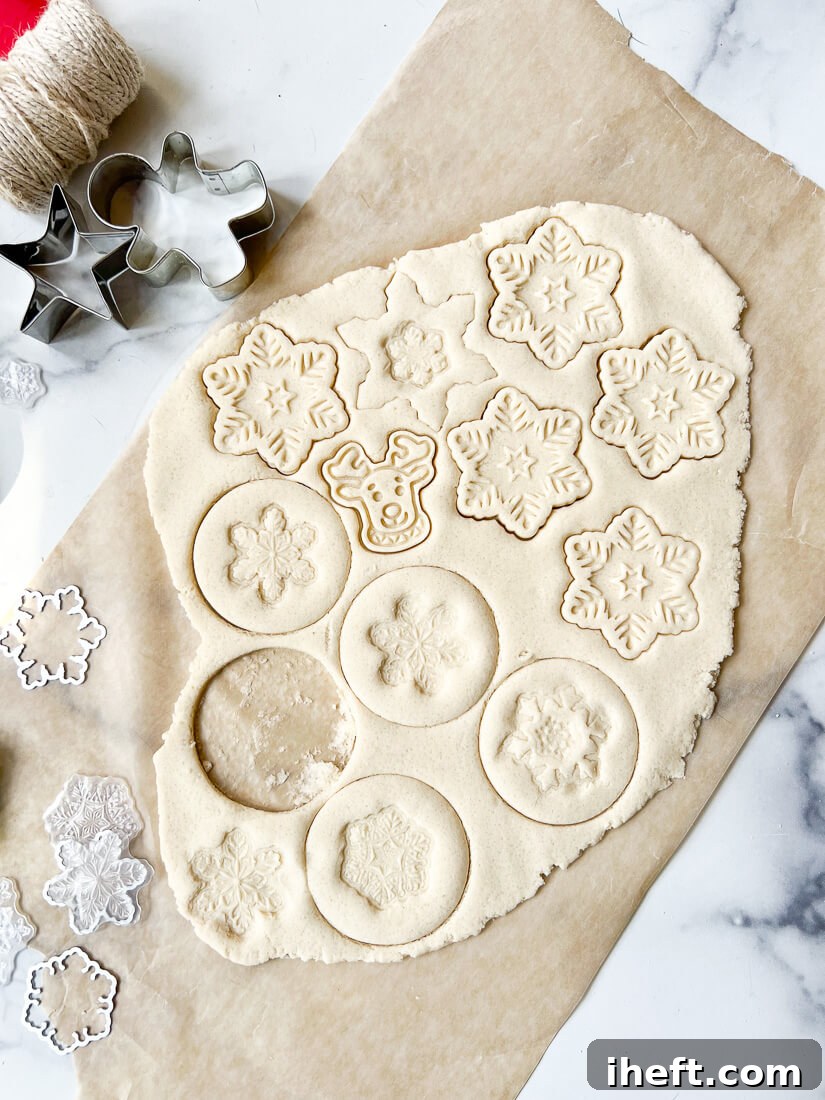
Creating your salt dough ornaments is an enjoyable and straightforward process that yields beautiful results. Follow these detailed steps for perfect, long-lasting festive creations:
- Prepare Your Workspace and Roll the Dough: Begin by lightly dusting a clean, flat surface (like a countertop or a large cutting board) with flour to prevent the dough from sticking. Place your prepared salt dough onto the floured surface. Using a rolling pin, roll out the dough to an even thickness, ideally between ¼ to ⅛ inch (approximately 6-3 mm). Maintaining a consistent thickness is crucial for ensuring that all your ornaments dry uniformly.
- Cut Out Your Shapes: Now comes the truly creative part! Press your favorite cookie cutters firmly into the rolled-out dough to cut out festive shapes like snowflakes, stars, hearts, or traditional Christmas figures. For unique, custom designs, you can also use a sharp knife (with careful adult supervision, if needed) to cut freehand shapes, or simply use the rim of a small glass or canning jar to create perfect circles. Our beautiful snowflake cutters and stamps, for example, were sourced from Michaels, but any craft store will offer a wide array of options to inspire your designs.
- Create Hanging Holes: This is an absolutely crucial step that must be done *before* your ornaments dry! Carefully transfer your cut-out shapes to a baking sheet lined with parchment paper. Then, use a straw, a wooden skewer, or the tip of a pencil to gently poke a clean hole at the top of each ornament. Ensure the hole is large enough to easily thread twine or ribbon through later, but position it strategically so it’s not too close to the edge, which could weaken the ornament.
- Dry Your Ornaments: You have two primary options for effectively drying your salt dough ornaments:
- Baking: For a quicker drying time, bake your ornaments. Preheat your oven to a low temperature, typically around 250°F (120°C). Carefully place your cut-out shapes onto a baking sheet lined with parchment paper. Bake until they are completely hard and dry. The baking time can vary significantly, usually ranging from 1 to 3 hours, depending on the thickness of your ornaments. For more even drying, consider flipping the ornaments once or twice during the baking process.
- Air Drying: If you prefer not to use an oven, or if you’re crafting in a classroom setting without access to one, air drying is a perfectly viable alternative. Arrange the ornaments on a wire rack or a parchment-lined surface in a well-ventilated area. This method requires significantly more patience, as the drying process typically takes anywhere from 2 to 7 days, and sometimes even longer for very thick pieces or in humid environments. Despite the longer wait, air-dried ornaments will be just as sturdy and ready for decoration as their baked counterparts.
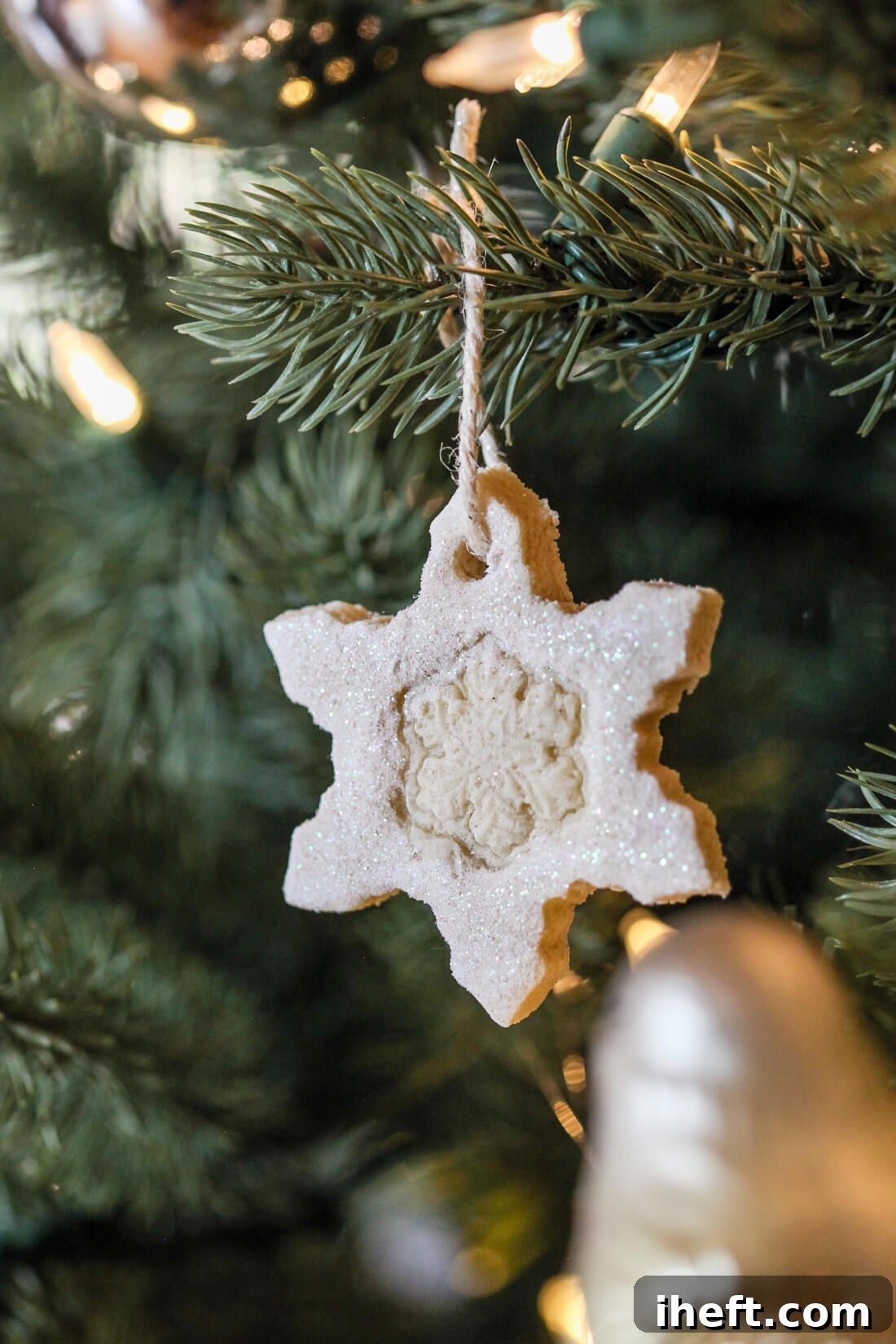
- Decorate Your Masterpieces: Once your salt dough ornaments are fully dry and completely cooled, it’s time for the most enjoyable part – decorating! Unleash your artistic flair using acrylic paints, fine glitter, permanent markers, or even decoupage techniques to bring your creations to vibrant life. For added protection and a beautiful, lasting finish, we highly recommend sealing your decorated ornaments with a clear craft varnish, spray sealant, or Mod Podge. This step not only protects the artwork from moisture and wear but also enhances the vibrancy of the colors, ensuring your handmade treasures withstand the test of time.
Beyond the Basics: Creative Variations and Expert Tips for Your Salt Dough Crafts
Personalized Keepsakes: Handprint & Paw Print Ornaments
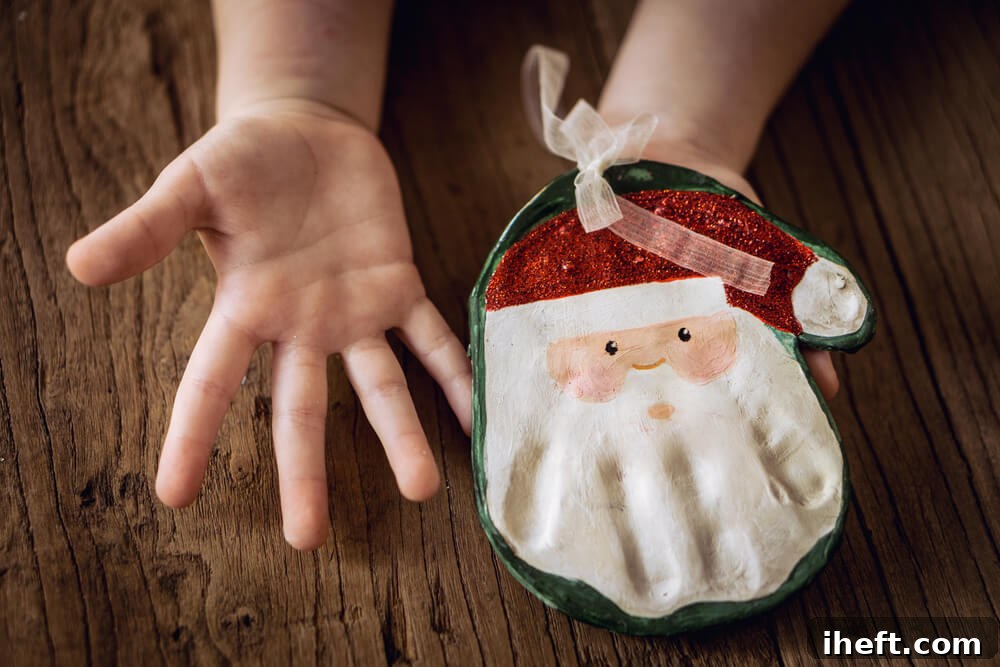
Salt dough is an incredible medium for capturing precious moments and creating sentimental keepsakes, making handprint or paw print ornaments an exceptionally popular choice for parents, grandparents, and pet owners. To craft a simple handprint or paw print ornament, roll a piece of dough into a round or oval shape of suitable size. Then, gently but firmly press your child’s hand (or your beloved dog’s paw) into the dough, ensuring you achieve a clear, even impression. Once the print is made, you can meticulously trim around it with a paring knife for a neat, defined edge, and then don’t forget to poke a hole for hanging.
For a whimsical and truly festive touch, consider transforming a child’s handprint into an adorable Santa ornament. After pressing the hand into the dough and trimming, proceed with baking or air-drying as usual. Once completely dry, use craft paint to meticulously bring Santa to life. The palm can cleverly become Santa’s jolly face, the thumb can be painted to form his iconic red hat, and the fingers can be artfully transformed into his fluffy white beard, as beautifully illustrated in the image above. Add a dab of glitter for extra sparkle on his hat and a rosy cheek for an added touch of charm. These personalized treasures make incredibly touching and memorable gifts for family members, preserving the innocence and size of tiny hands for many years to come.
Aromatic Additions: Cinnamon Scented Salt Dough
Infuse your salt dough ornaments with the warm, inviting, and utterly delightful scent of the holidays by simply adding cinnamon to your dough. To achieve this, mix approximately 2 tablespoons of ground cinnamon into the dry ingredients (flour and salt) before you begin adding water. This not only imparts a lovely, natural gingerbread-like color to your ornaments but also fills your home with a wonderfully festive aroma as the ornaments dry, whether baked or air-dried. Cinnamon salt dough ornaments are perfect for rustic, natural, or farmhouse-themed Christmas decor and make particularly charming, fragrant gift tags or garland elements.
Vibrant Hues: Coloring Your Salt Dough
If you desire a vibrant, pre-colored dough, you can easily incorporate food coloring into your mixture. Gel food coloring typically works best, yielding rich, concentrated colors without significantly altering the dough’s consistency. Liquid food coloring can also be used, though you might need a bit more to achieve intense shades. For fascinating natural coloring alternatives, experiment with various spices! Turmeric, for instance, can create a beautiful golden yellow, while paprika or beetroot powder can add subtle reddish or pinkish hues. For the most even distribution of color, it’s best to add the food coloring to the water before mixing it with the dry ingredients. Alternatively, you can knead the coloring directly into the finished dough for interesting marbled or streaked effects.
The Patience of Air-Drying: When and How to Air Dry Salt Dough Ornaments
While baking offers a significantly quicker drying time, air-drying is a perfectly valid and often necessary method, especially if you’re working in a classroom without oven access or simply prefer a no-bake approach. Salt dough ornaments can successfully air dry at room temperature, though patience is definitely key. The drying process typically takes anywhere from 2 to 7 days, and sometimes even longer for very thick pieces or in highly humid environments. To ensure thorough and even drying, it’s advisable to turn the ornaments periodically, allowing all sides to be exposed to the circulating air. While it does require more time, the results are just as sturdy, durable, and ready for decoration as baked ornaments.
Safety First: Salt Dough and Pets (Crucial Information)
It’s absolutely crucial to remember that while salt dough is a wonderful and non-toxic craft material for human handling, it is **not edible** for either humans or pets. Dogs, in particular, are often highly attracted to the salty scent and the cookie-like appearance of these ornaments, and unfortunately, instances of pets stealing them right off Christmas trees are quite common. Ingesting too much salt can be extremely dangerous and toxic for animals, leading to serious health issues such as salt poisoning, vomiting, diarrhea, tremors, and in severe cases, even death. Always keep salt dough (both raw and finished ornaments) well out of reach of pets. Store them securely in sealed containers when not actively being used or displayed, and never leave them unattended in areas where curious paws (or mouths) might find them. Your pet’s safety is paramount.
Achieving Flawless Flat Ornaments: Preventing Puffing and Bubbling
Occasionally, crafters may find that their salt dough ornaments puff up or develop unwanted bubbles during the drying process, losing their desired flat and smooth shape. This common issue can typically be prevented with a few simple yet effective precautions:
- Strictly Avoid Self-Raising Flour: As previously emphasized, self-raising flour contains leavening agents (like baking powder) that are designed to make dough rise. Always ensure you are using plain, all-purpose flour for your salt dough to prevent any unwanted expansion.
- Maintain Low Baking Temperatures: If you opt for baking, it is vital to ensure your oven temperature is consistently low (around 250°F / 120°C). High heat can cause the exterior of the dough to cook too rapidly, trapping moisture inside and potentially creating internal steam that leads to bubbles and puffing.
- Consider Air Drying: Air drying is another excellent way to entirely prevent puffing, as the slow, natural evaporation of water minimizes any rapid expansion within the dough.
By carefully following our recommended recipe and adhering to these tips, which are specifically designed to yield flat, crisp ornaments, you should experience no issues with puffing.
Preserving Your Treasures: How to Store Finished Salt Dough Ornaments for Decades
With proper care and diligent storage, your beautiful handmade salt dough ornaments can last for decades, becoming truly cherished family heirlooms that are brought out year after year. The key to their remarkable longevity lies in correct storage techniques:
- Keep Them Dry: Moisture is the absolute enemy of salt dough. Always store your finished ornaments in a cool, dry place. Avoid environments like damp basements, humid attics, or garages where temperature and humidity fluctuations can cause the ornaments to soften, develop mold, or crack over time.
- Protect from Physical Damage: To prevent chipping, scratching, or sticking together, wrap each ornament individually. Good options include acid-free tissue paper, plain paper towels, or even small pieces of bubble wrap.
- Use Airtight Containers: Store the individually wrapped ornaments in sturdy, sealed plastic bins or airtight cardboard boxes. These containers provide an essential barrier against moisture, dust, and potential pests. Label your bins clearly (e.g., “Christmas Ornaments – Salt Dough”) for easy retrieval and identification next holiday season!
Planning Ahead: Can You Make the Dough in Advance?
If you’re organizing a larger crafting session, hosting a holiday party, or simply prefer to split the activity into multiple stages, you can indeed prepare the salt dough a day or two in advance. The most important factor when doing so is to meticulously prevent it from drying out prematurely. To store the dough, tightly wrap it in plastic cling film, ensuring there are no air gaps, and then place it inside an airtight plastic zipper bag or a sealed container. Store it in the refrigerator until you’re ready to use it. While making the dough fresh only takes a few minutes, having it ready beforehand can certainly streamline the initial crafting process, especially with eager little hands. For an ideal two-part activity, consider mixing and cutting out the shapes on one day, and then dedicate a separate, relaxed session to the creative fun of painting and decorating!
Creative Embellishments & Finishing Touches for Stunning Ornaments
Once your salt dough ornaments are completely dry and beautifully decorated, a few final touches can truly elevate them from simple crafts to stunning works of art. Consider applying a coat of clear acrylic spray sealant or Mod Podge. This step is not merely for aesthetics; it provides a crucial protective layer against moisture, dust, and general wear, significantly extending the life of your ornaments. Additionally, a sealant enhances the vibrancy of colors and often adds a lovely, subtle sheen. For an extra festive sparkle, you can sprinkle fine glitter onto wet paint or Mod Podge before applying the final sealant coat. Finally, thread your chosen twine or ribbon through the pre-made holes and tie them securely at the top to create sturdy hangers. Experiment with different colors and textures of ribbon to perfectly match your holiday decor, or add small beads, bells, or tiny bows to the hangers for an even more personalized and charming touch. These small, thoughtful details can make a remarkable difference in the overall appeal and cherished longevity of your handmade treasures.
Making salt dough ornaments is more than just a craft; it’s an immersive experience that fosters creativity, strengthens family bonds, and creates lasting, tangible memories that you’ll cherish for a lifetime. From the simple, satisfying joy of mixing the dough and shaping it with cookie cutters, to the artistic freedom of painting and decorating each unique piece, every step of this process is an opportunity for personal expression and an infusion of genuine holiday cheer. Whether you’re adorning your own family tree with these charming, handcrafted creations or thoughtfully gifting them to loved ones, homemade salt dough ornaments embody the true, heartwarming spirit of the festive season. Gather your simple supplies, invite your loved ones to join in the fun, and embark on this delightful, age-old holiday tradition – you’ll be wonderfully glad you did!