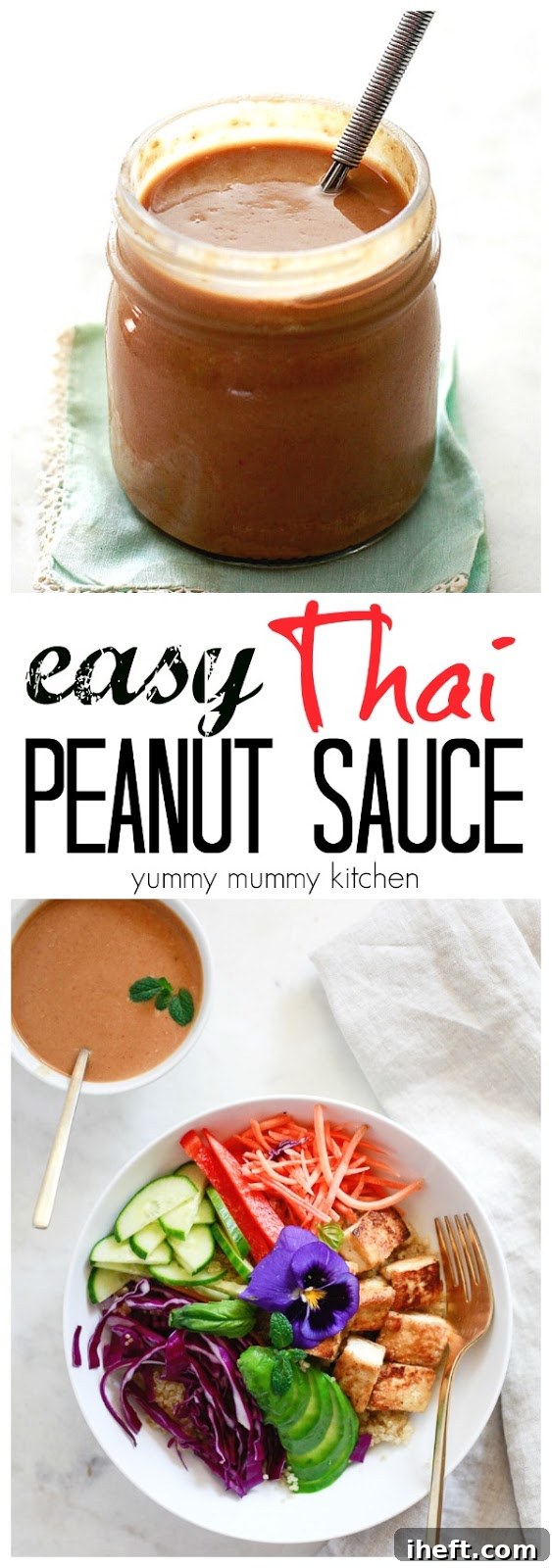
Effortless Thai Peanut Sauce
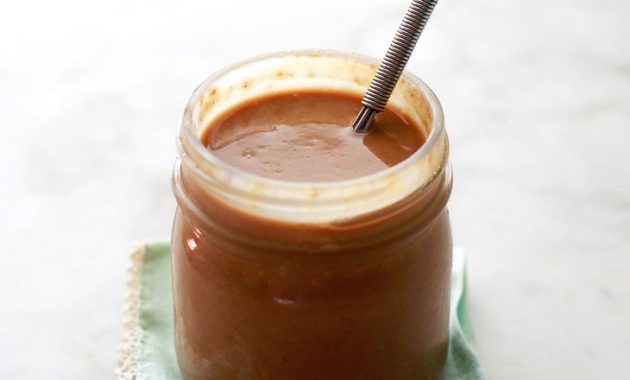
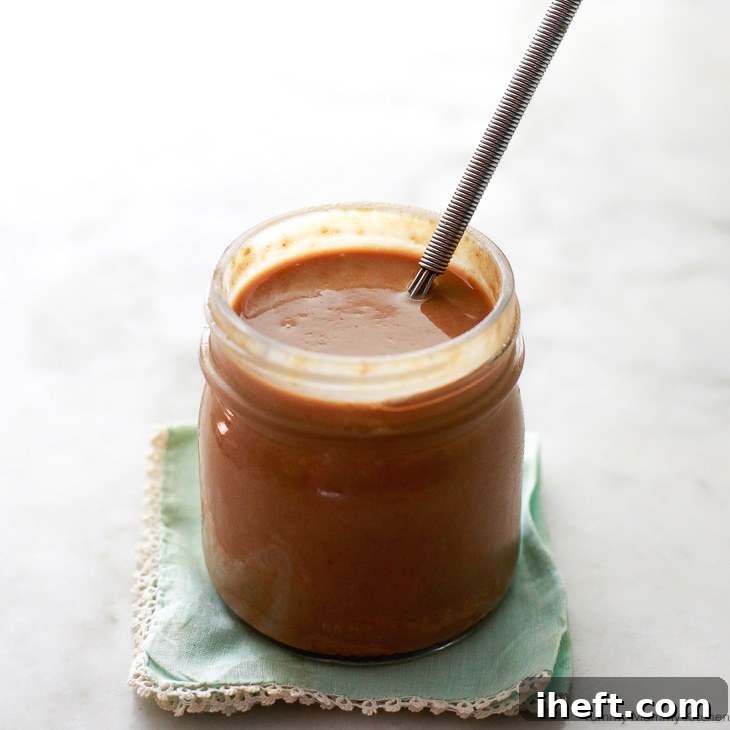
An easy Thai-inspired peanut sauce perfect for dipping, drizzling, or marinating! This truly delicious sauce comes together effortlessly in one bowl in under 5 minutes, offering a fresh and vibrant flavor that far surpasses any store-bought alternatives. Prepare to elevate your favorite Asian-inspired dishes with this simple yet sensational condiment.
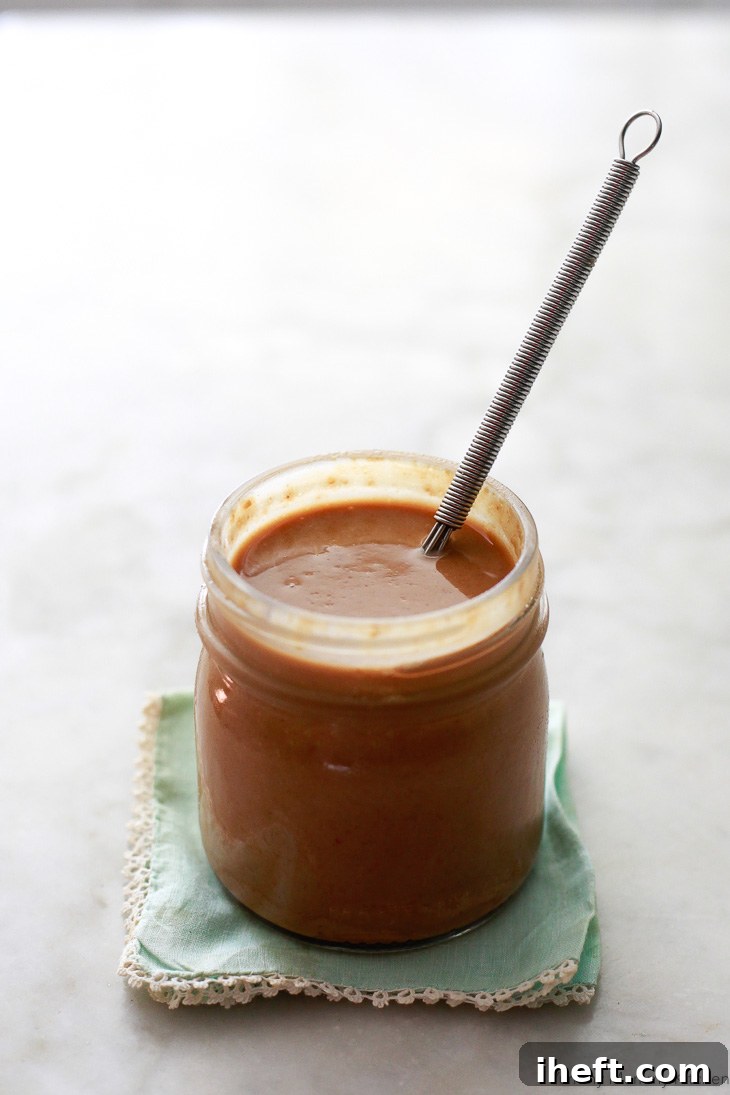
Easy Homemade Thai Peanut Sauce: Your Ultimate Guide to Authentic Flavor
For many, the allure of fresh spring rolls or a savory satay dish is inextricably linked to that creamy, irresistible peanut dipping sauce. Lately, I’ve found myself completely captivated by these vibrant flavors, often grabbing a quick fix from local markets like Trader Joe’s or Whole Foods when time is short. And without fail, any Thai takeout order must include fresh spring rolls paired with their signature peanut sauce. However, the true revelation came when I started making both the spring rolls and, crucially, this amazing Thai peanut sauce right in my own kitchen.
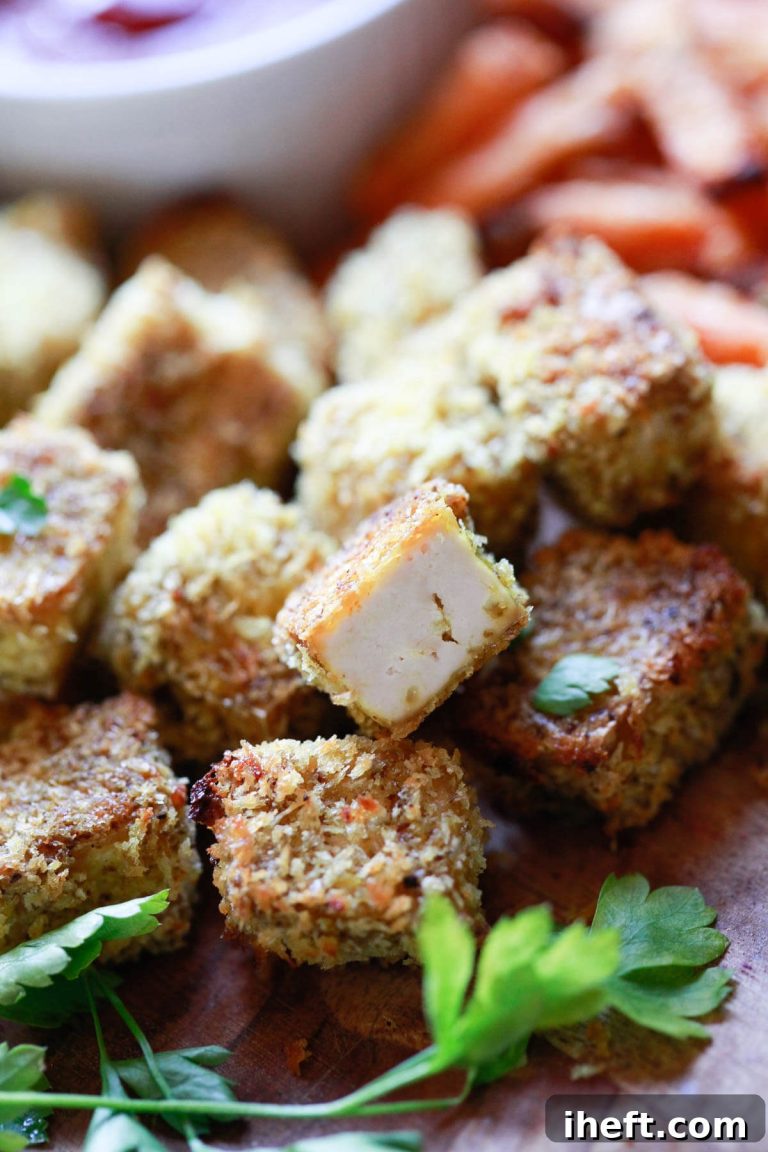
While you can find an excellent Vegan Rice Paper Spring Roll Recipe here to complement this sauce, I wanted to dedicate this space entirely to the peanut sauce itself. Its versatility extends far beyond just spring rolls; it’s a game-changer for so many other culinary creations. Imagine dipping perfectly crispy baked tofu into its rich depths, or transforming a simple salad. If you’re accustomed to only purchasing peanut sauce from the grocery store, prepare for a delightful culinary awakening. It’s time to experience the unmatched flavor and freshness of homemade.
Why Homemade Thai Peanut Sauce Reigns Supreme
There’s a significant difference between a mass-produced, bottled peanut sauce and one freshly prepared in your kitchen, and it’s a difference you’ll taste immediately. Our simple Thai peanut sauce recipe outshines any store-bought version, delivering a vibrant, balanced flavor profile that’s simply impossible to replicate with preservatives and stabilizers. Best of all, it’s ready in under 5 minutes!
After numerous tests and careful tweaks, this creamy peanut sauce achieves the perfect harmony of sweet, salty, savory, and a hint of tang. The secret lies in fresh ingredients and precise proportions, allowing you complete control over the taste and texture. You can adjust the spice level, sweet notes, or the richness to perfectly suit your palate, a customization rarely found in pre-made options. Plus, making it yourself means avoiding unnecessary additives and ensuring the freshest possible experience. Let’s dive into the essential components that make this homemade Thai peanut sauce truly exceptional.
Peanut Sauce Ingredients: The Building Blocks of Flavor
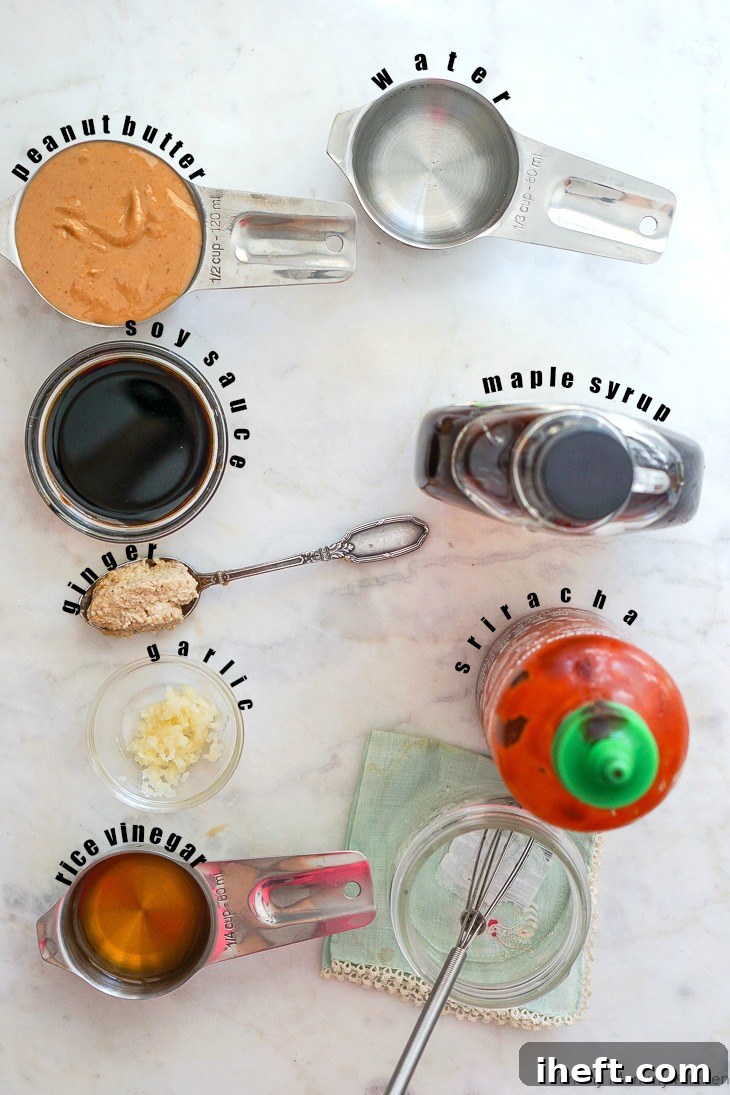
One of the beauties of this recipe is that its core ingredients are often staples in a well-stocked pantry, especially for those who enjoy Asian-inspired cooking. We rely on a handful of simple, yet potent, components to create a sauce bursting with authentic Thai flavors. Here’s a closer look at what goes into our perfect peanut sauce:
Core Ingredients Explained:
- Peanut Butter: The creamy foundation of our sauce. For the best results, use unsalted, unsweetened creamy peanut butter. Natural peanut butter (the kind that separates) works wonderfully, just be sure to stir it well before measuring. Its rich, nutty base provides the body and signature flavor.
- Soy Sauce: This ingredient introduces the crucial savory and umami notes. It thins the peanut butter while infusing a deep, salty complexity. For those who are gluten-sensitive or avoid soy, coconut aminos are an excellent, equally flavorful alternative.
- Minced Fresh Ginger: A powerhouse of flavor, fresh ginger adds a warm, zesty, and slightly pungent kick that brightens the entire sauce. Don’t skip it – dried ginger simply won’t yield the same vibrant taste.
- Minced Fresh Garlic: A staple in countless cuisines, garlic brings a sharp, aromatic depth. Like ginger, fresh is always best here to achieve that authentic, bold flavor.
- Rice Vinegar: This mild, slightly sweet vinegar provides the essential tanginess that balances the richness of the peanut butter and the saltiness of the soy sauce. It brightens the sauce and prevents it from being too heavy.
- Sriracha Chili Sauce: For that signature touch of heat! A tiny splash is all that’s needed to add warmth without overpowering the other flavors. If you’re a lover of spicy foods, feel free to increase the amount to your liking. Conversely, you can omit it entirely for a milder sauce.
- Maple Syrup: A small amount of maple syrup introduces a subtle sweetness that rounds out the flavor profile, creating that irresistible balance between savory and sweet. Agave nectar or a touch of brown sugar can also be used as substitutes.
- Water: This is the key to achieving the perfect pourable or dippable consistency. It helps thin out the thick peanut butter, allowing the sauce to be easily drizzled or mixed into dishes.
Some traditional Thai peanut sauce recipes incorporate coconut milk for added creaminess. While delicious, I’ve found that this particular recipe achieves a wonderfully creamy texture without it, allowing the pure peanut and aromatic flavors to shine through more distinctly. I adapted this recipe from a fantastic one I discovered on the back of a package of rice paper wraps from Star Anise Foods, tweaking it to perfect the balance of flavors.
Crafting the Perfect Consistency: Tips for a Smooth Sauce
Achieving the ideal consistency for your homemade Thai peanut sauce is crucial for its versatility. You want it smooth enough to drizzle, yet thick enough to cling to whatever you’re dipping. Here’s how to master it:
- Start with the thick ingredients: Combine the peanut butter, soy sauce, ginger, garlic, rice vinegar, sriracha, and maple syrup first. This allows the flavors to meld before thinning.
- Whisk thoroughly: Use a whisk to combine everything until it’s a thick, uniform paste. This initial blending is important for a smooth final product.
- Gradual thinning with water: The key is to add water slowly, a tablespoon at a time, while continuously whisking. Different brands of peanut butter can vary in thickness, so you might need slightly more or less water. Continue adding until you reach your desired consistency – whether that’s a thick dipping sauce or a thinner dressing.
- Beware of thickening over time: Homemade peanut sauce tends to thicken slightly as it sits, especially when refrigerated. Don’t worry if it becomes too thick; simply whisk in a little more water (or even a splash of lime juice for extra zing) until it returns to your preferred consistency.
- Taste and adjust: Always taste your sauce before serving. Need more heat? Add a touch more sriracha. Prefer it sweeter? A dash more maple syrup. A pinch of salt or a squeeze of fresh lime juice can also elevate the flavors.
Beyond the Dip: Creative Ways to Enjoy Your Thai Peanut Sauce
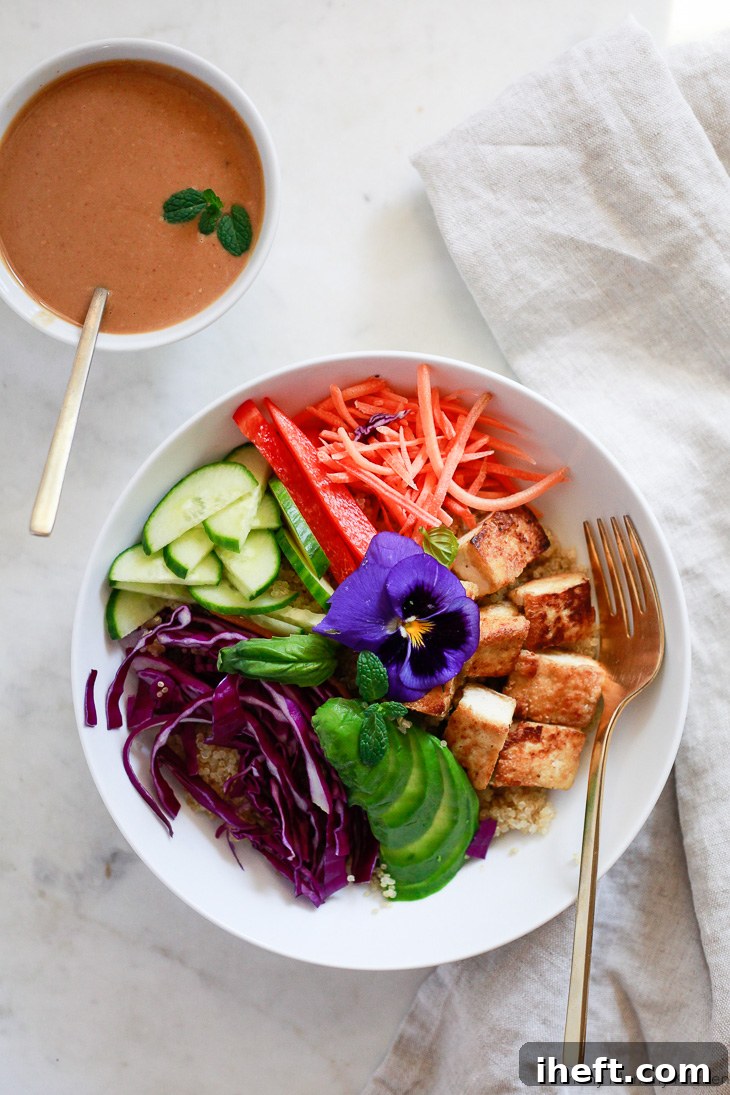
While the first thing that springs to mind for using up this delightful peanut sauce is often fresh spring rolls, its culinary applications are incredibly diverse. This versatile condiment can transform a wide array of dishes from simple to spectacular. Here are some of our favorite ways to incorporate this homemade Thai peanut sauce into your meals:
Classic Dipping Companion: Spring Rolls
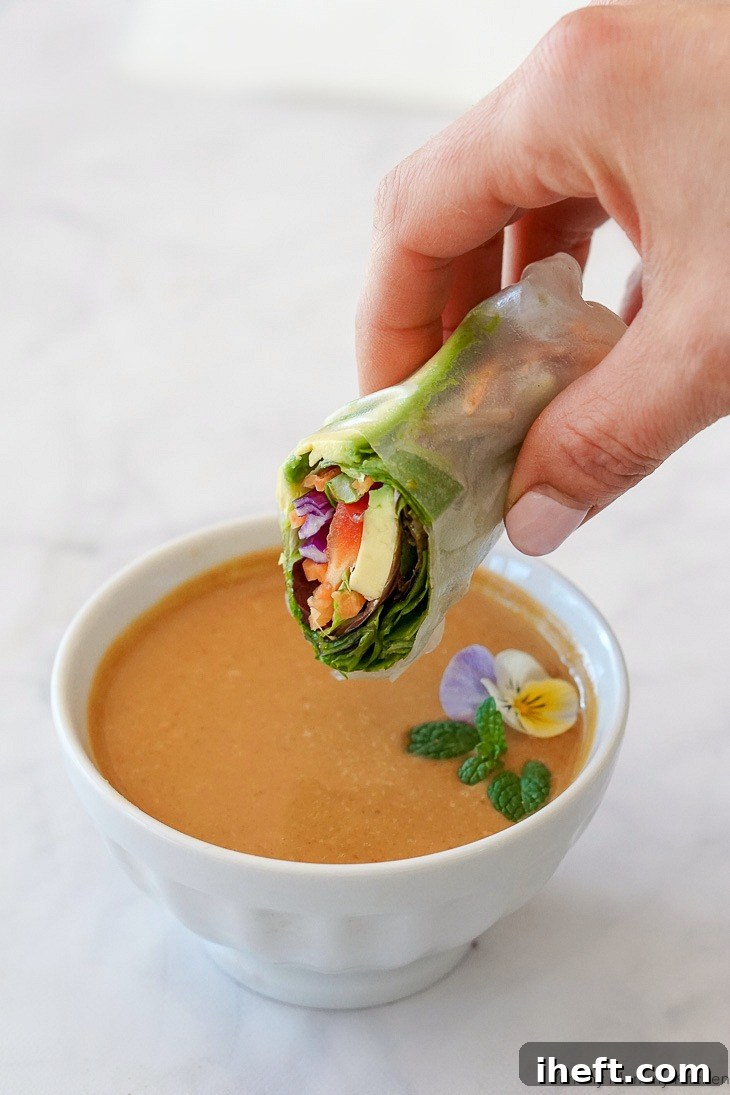
Naturally, it’s the perfect partner for fresh or fried spring rolls. The creamy, savory-sweet profile beautifully complements the crisp vegetables and delicate wrappers. Whether you’re making your own vegan rice paper spring rolls filled with vibrant veggies and herbs, or serving up crispy fried egg rolls, this sauce is the ultimate dipping experience.
Wholesome & Flavorful: Buddha Bowls
Elevate your grain bowls and Buddha bowls to new heights. Drizzle your homemade peanut sauce generously over Thai-inspired creations featuring ingredients like quinoa or brown rice, roasted or crispy tofu, avocado, purple cabbage, cucumber, bell pepper, and edamame. It ties all the components together with a rich, harmonious flavor.
Quick & Delicious: Noodle Dishes
Toss warm or cold noodles with this peanut sauce for a quick and satisfying meal. Think peanut noodles with shredded carrots, sliced cucumbers, and your choice of protein like chicken or shrimp. It’s also fantastic in a cold noodle salad, perfect for meal prep or a light summer lunch.
Elevating Your Stir-Fries
Add a generous dollop of this sauce to your stir-fries towards the end of cooking for an instant flavor boost. It adds a creamy, nutty richness that coats vegetables and proteins beautifully. It’s especially good with chicken, beef, or tofu stir-fries, providing a depth of flavor that’s both comforting and exotic.
Irresistible Satay Skewers
Recreate the beloved restaurant classic at home. Marinate chicken, beef, shrimp, or tofu pieces, thread them onto skewers, grill or bake until tender, and then serve them with this rich peanut sauce for dipping. The sauce is the quintessential accompaniment to any satay-style dish.
Unexpected Uses: Dressings & Marinades
Don’t limit yourself! Thin it down further with a bit more water or lime juice, and it becomes a fantastic salad dressing for mixed greens with Asian-inspired toppings. It also works wonderfully as a marinade for chicken, pork, or tofu before grilling or baking, tenderizing and infusing them with incredible flavor.
This simple Thai peanut sauce will undoubtedly make all your Asian-inspired recipes so much more delicious and authentic. Its ease of preparation combined with its incredible versatility makes it a staple you’ll want to keep on hand.
Simple Thai Peanut Sauce
5 minutes
5 minutes
A delicious Thai-style peanut dipping sauce perfect for spring rolls, satay, or Buddha bowls. This easy recipe comes together in five minutes.
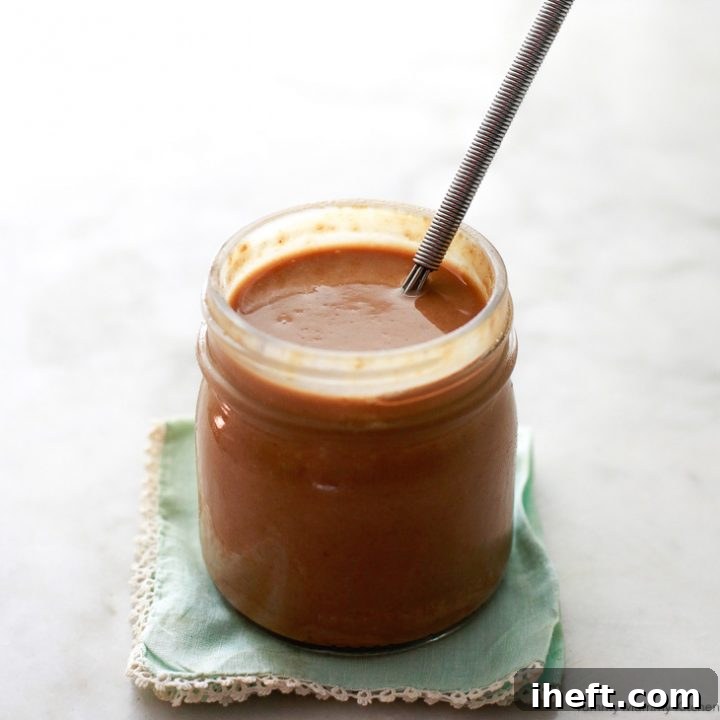
Ingredients
- ½ cup peanut butter (unsalted, unsweetened)
- 2 tablespoons soy sauce (use coconut aminos for gluten-free)
- ½ tablespoon minced fresh ginger
- 1 clove garlic, minced
- 2 tablespoons rice vinegar
- ½ teaspoon sriracha sauce (adjust to taste for more heat)
- ½ teaspoon maple syrup (or other liquid sweetener)
- ⅓ cup water (plus more for thinning, if needed)
Instructions
- Add the peanut butter, soy sauce, minced ginger, minced garlic, rice vinegar, sriracha, and maple syrup to a small bowl or jar.
- Whisk all ingredients together thoroughly until well combined and smooth.
- Slowly whisk in the water, a little at a time, until the desired consistency has been reached. For a thicker dipping sauce, use less water; for a thinner dressing, add more.
- This peanut sauce tends to thicken up over time, especially when refrigerated. If it becomes too thick, simply add a splash more water and whisk until it reaches your preferred consistency again.
- Taste and adjust flavors as you’d like: add more sriracha for spice, maple syrup for sweetness, or a squeeze of lime juice for extra brightness.
- Serve immediately or store in an airtight container in the refrigerator.
Nutrition Information:
Yield: 1
Serving Size: 1/10 recipe
Amount Per Serving:
Calories: 82
Saturated Fat: 0g
Cholesterol: 0mg
Sodium: 0mg
Carbohydrates: 3g
Fiber: 0g
Sugar: 1g
Protein: 3.5g
Storage and Shelf Life
One of the many benefits of homemade peanut sauce is its freshness. Once prepared, transfer your sauce to an airtight container, such as a jar with a tight-fitting lid. It will keep well in the refrigerator for up to 5-7 days. As mentioned, it will likely thicken during refrigeration, so simply whisk in a tablespoon or two of water, or even a splash of fresh lime juice, to bring it back to your desired consistency before serving. For best flavor, allow it to come to room temperature for about 15-20 minutes before using.
Dietary Adaptations and Substitutions
This recipe is incredibly flexible and can be easily adapted to suit various dietary needs without sacrificing flavor:
- Gluten-Free: The primary ingredient to watch out for is soy sauce, which typically contains wheat. Simply swap it out for an equal amount of coconut aminos or a certified gluten-free tamari. Both options provide a similar savory depth.
- Vegan: This recipe is naturally vegan as written! All ingredients are plant-based, making it a fantastic option for vegan diets.
- Nut-Free (with caution): If you have a peanut allergy, creating a truly nut-free version requires substituting the peanut butter. SunButter (sunflower seed butter) is a popular alternative that offers a similar creamy texture and nutty flavor profile, though the taste will be distinct. Always ensure all other ingredients are free from nut cross-contamination if allergies are severe.
- Sugar-Free: If you’re avoiding added sugars, you can simply omit the maple syrup. Taste the sauce without it and if you find it needs a touch of sweetness, a tiny amount of a sugar-free liquid sweetener could be added, but often the natural sweetness from the peanut butter and other ingredients is sufficient for a savory sauce.
Embracing homemade Thai peanut sauce is a simple step that yields immense rewards in flavor and versatility. Its quick preparation time, customizable taste, and ability to transform ordinary dishes into extraordinary meals make it an essential recipe for any kitchen. Whether you’re dipping fresh spring rolls, dressing a vibrant Buddha bowl, or creating a savory noodle dish, this easy recipe is sure to become a cherished favorite. Give it a try, and taste the difference that fresh, homemade ingredients can make!