Plant-Powered French Toast
This post has been sponsored by Oroweat®. All thoughts and opinions are my own.
Indulge in Guilt-Free Deliciousness: The Ultimate Guide to Plant-Based French Toast
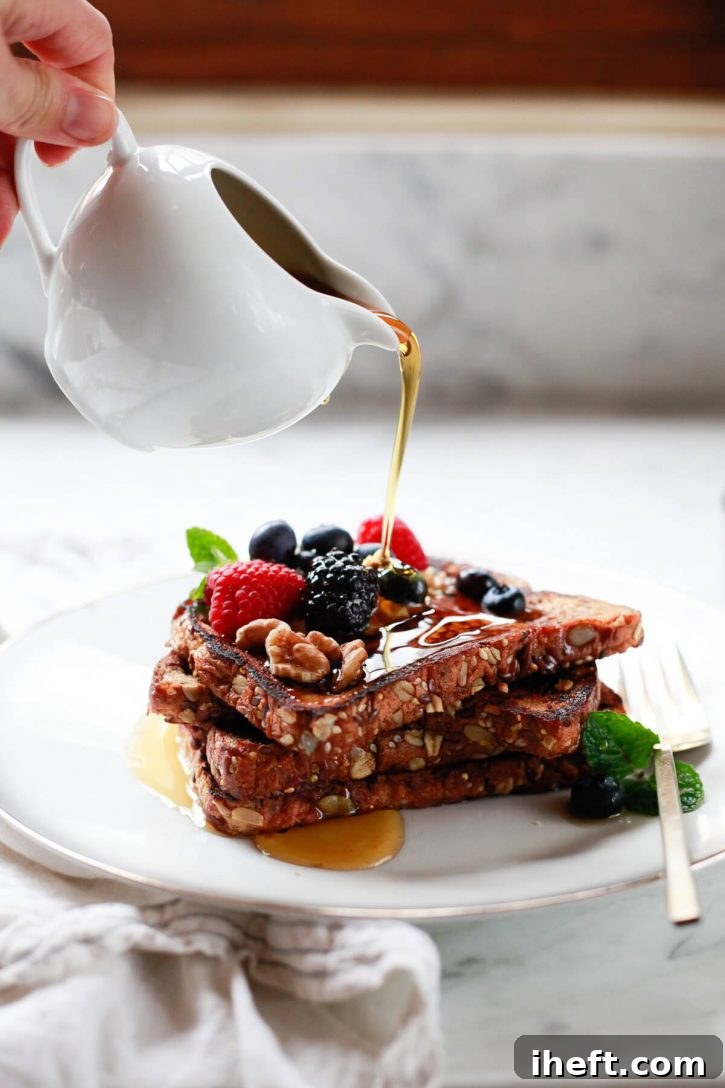
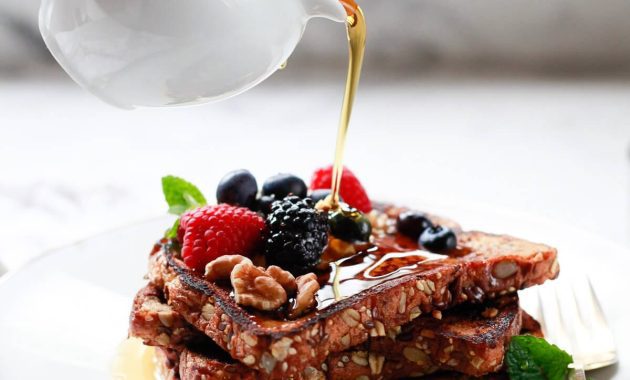
Are you searching for a breakfast classic that’s both comforting and conscious? Imagine golden-brown slices of French toast, perfectly crisp on the outside, tender on the inside, and drenched in maple syrup, all without a single drop of dairy or a single egg. It might sound like a culinary paradox, but plant-based French toast is not only possible but incredibly delicious and surprisingly simple to master. This comprehensive guide will walk you through every step, ensuring you achieve breakfast perfection every time.
The journey to mastering vegan French toast often begins with a simple question, much like the one my mom recently posed: “How do you make vegan French toast?” It’s a completely valid inquiry, as the traditional recipe relies heavily on eggs and dairy to create that signature custardy texture and rich flavor. Many assume that removing these key ingredients would compromise the dish, rendering it bland or structurally unsound. However, with the right plant-based alternatives and techniques, you can create a French toast that rivals, if not surpasses, its conventional counterpart in taste, texture, and nutritional value. This recipe is a testament to how creative and satisfying plant-based cooking can be, proving that you don’t have to sacrifice your favorite comfort foods when embracing a vegan lifestyle.
This culinary adventure was made even more exciting through a collaboration with Oroweat®, presenting the perfect opportunity to showcase the incredible potential of their new Organic 22 Grains & Seeds bread. While any bread can technically be used for French toast, the foundation of this dish significantly impacts the final result. Oroweat’s commitment to real ingredients and sustainable baking practices makes their bread an exceptional choice, elevating the flavor and texture of every bite. Beyond being a naturally plant-based option, their bread offers a sturdy yet tender crumb that absorbs the batter beautifully, preventing sogginess and ensuring that delightful contrast between a crispy exterior and a soft interior. Opting for a quality bread like Oroweat Organic 22 Grains & Seeds not only enhances the taste but also aligns with a mindful approach to eating, supporting brands that prioritize both product excellence and environmental responsibility.
Essential Plant-Based French Toast Ingredients for a Flawless Breakfast
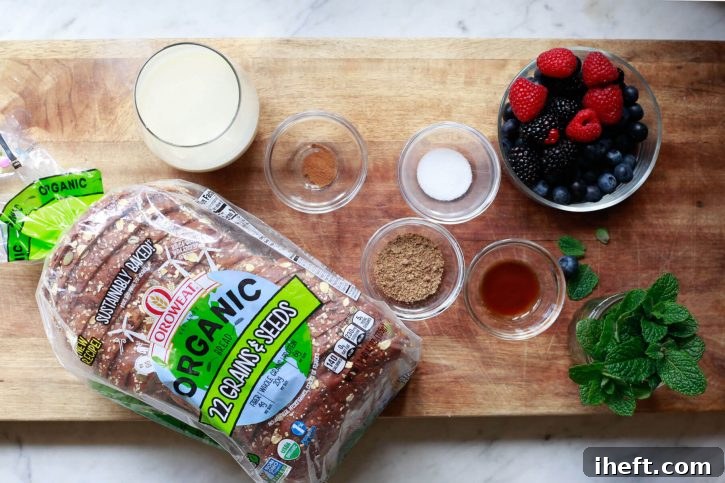
Crafting the perfect plant-based French toast starts with selecting the right ingredients. For this recipe, I sourced everything conveniently from my local Vons, which consistently offers a fantastic selection of organic and specialty items. Here’s a breakdown of the key components and why each plays a vital role in achieving that coveted French toast magic:
- Bread: The Foundation of French Toast Excellence
The choice of bread is paramount to the success of your French toast. While you can technically use any type, from thinly sliced sandwich bread to a robust rustic loaf, a thicker, day-old bread generally yields the best results. Sturdier breads like sourdough, challah (ensure it’s vegan), or brioche-style loaves hold up well to soaking without becoming overly soggy, allowing for that ideal custardy interior. For this particular recipe, my go-to choice was Oroweat® Organic 22 Grains & Seeds. This bread is not only naturally plant-based, making it an ideal candidate, but it also boasts a rich blend of grains and seeds that add exceptional flavor, texture, and nutritional value. Oroweat takes its commitment to sustainability seriously, baking their products using renewable wind energy and generously donating 1% of their revenues to various environmental causes. This makes choosing their bread a delicious decision you can feel good about, knowing you’re supporting a company dedicated to ecological responsibility. The slight chewiness and hearty texture of this specific bread create a beautiful contrast with the soft, soaked interior, making for an unforgettable French toast experience. - Flax Meal: The Plant-Based Egg Wonder
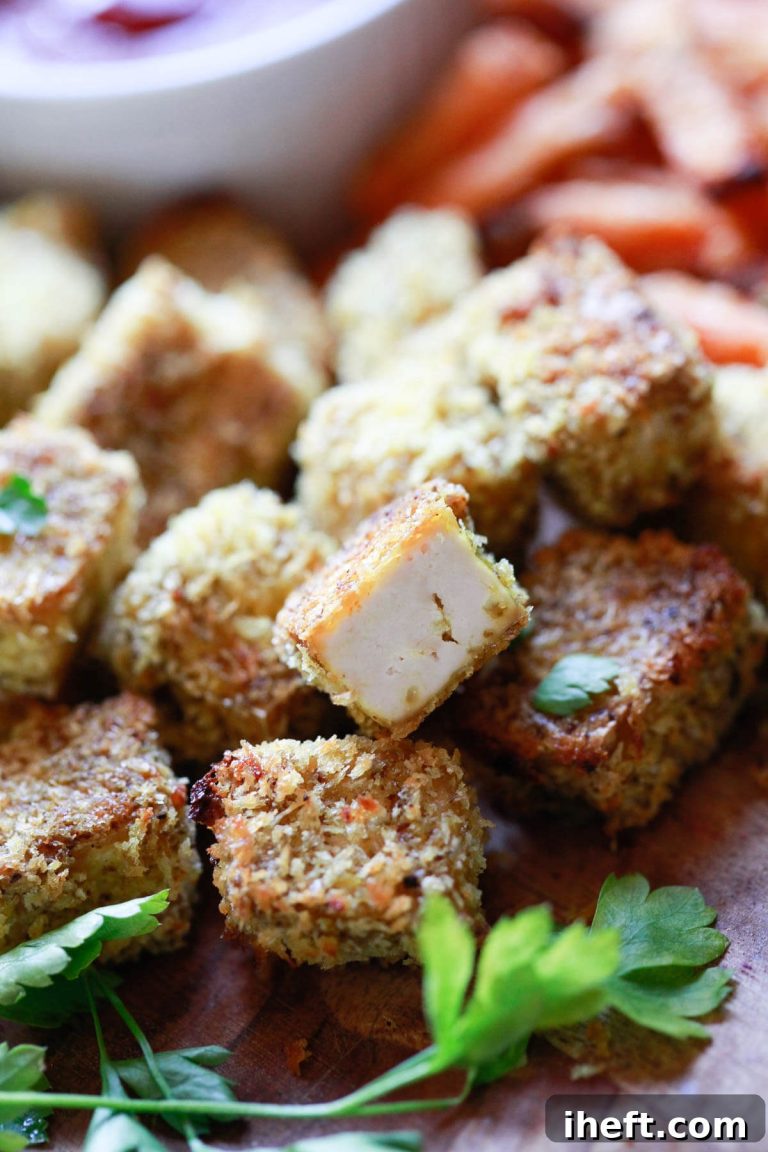
The secret to making French toast without eggs lies in a simple yet powerful ingredient: flax meal. Ground flaxseeds, when mixed with liquid, create a gelatinous consistency remarkably similar to that of an egg, acting as a superb binder and thickener. This “flax egg” technique is a staple in vegan baking and cooking, providing the necessary structure that eggs typically offer. Beyond its functional properties, flax meal is a nutritional powerhouse, rich in omega-3 fatty acids, fiber, and lignans, adding a healthy boost to your breakfast. You can also use ground chia seeds, which perform similarly. For a deeper dive into making flax eggs for various applications, many online resources provide detailed guidance. I frequently rely on flax eggs for a variety of recipes, from creating our family’s favorite oatmeal raisin cookies to crafting crispy breading for tofu nuggets, proving its versatility. - Almond Milk (or other Plant-Based Milk): The Dairy-Free Liquid Base
Replacing dairy milk is straightforward with the abundance of plant-based milk alternatives available today. Almond milk is a popular choice due to its neutral flavor and creamy texture, but you can confidently use any dairy-free milk you prefer. Soy milk offers a slightly richer, more traditional “milk-like” consistency, oat milk provides a naturally sweet and creamy profile, and coconut milk (from a carton, not canned) can impart a subtle tropical hint. Always opt for unsweetened varieties to maintain control over the sweetness level of your batter. - Organic Sugar: A Touch of Sweetness and Caramelization
A small amount of organic sugar is crucial not just for adding a hint of sweetness to your French toast batter, but also for aiding in the caramelization process. As the toast cooks, the sugar on the surface will brown beautifully, contributing to that irresistible golden-crisp exterior. You can adjust the amount to your preference or even substitute it with maple syrup or agave nectar directly in the batter for a different flavor profile. - Cinnamon & Vanilla Extract: The Quintessential Flavor Enhancers
No French toast is complete without the warming spice of ground cinnamon and the aromatic richness of vanilla extract. These two ingredients are classic companions for a reason, infusing the batter with a comforting, familiar fragrance and taste that instantly evokes a classic breakfast experience. Feel free to experiment with other spices like a pinch of nutmeg, cardamom, or even a dash of allspice for a more complex flavor profile, but cinnamon and vanilla are truly non-negotiable for that authentic French toast essence.
Mastering the Art of Plant-Based French Toast: A Step-by-Step Guide
Making delicious dairy-free and eggless French toast is remarkably similar to preparing its traditional counterpart, making it an approachable recipe for anyone. The key lies in understanding a few plant-based specific nuances. Follow these steps for perfect results every time:
Preparing Your Batter: The Flax Egg Magic
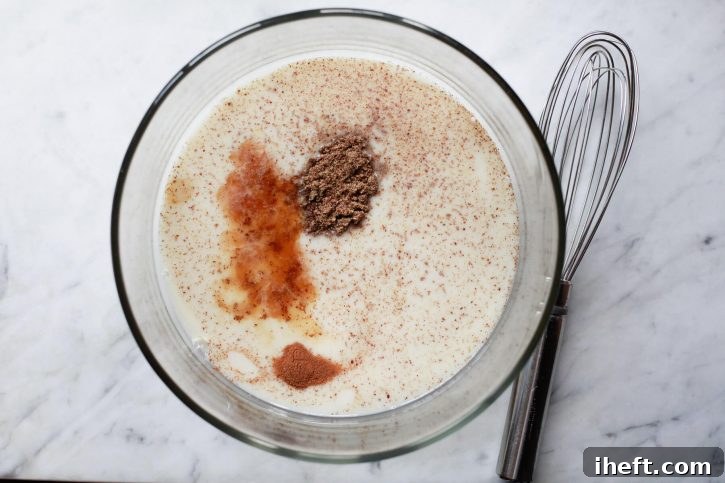
- Combine Wet and Dry Ingredients: In a shallow bowl or a wide, shallow dish (which will make dipping easier), whisk together your almond milk, flax meal, corn starch, organic sugar, vanilla extract, and ground cinnamon. Ensure everything is thoroughly combined, with no lumps of flax meal.
- Allow to Thicken: This is a crucial step for your plant-based batter. Let the mixture sit undisturbed for at least 10-15 minutes. During this resting period, the flax meal will absorb the liquid and swell, creating a thick, gelatinous consistency that mimics the binding properties of an egg. This thickening is what gives your French toast its signature custardy texture. If you’re using chia seeds instead of flax, the process is the same.
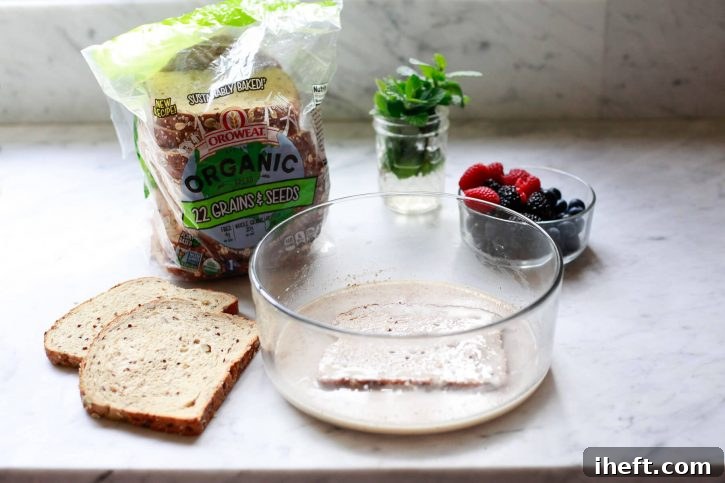
Prepping Your Bread and Griddle: Setting the Stage for Success
- Prepare Your Bread (Optional but Recommended for Soft Breads): If you’re using softer sandwich bread, consider preheating your oven or a toaster oven to 300° F (150° C) and baking the bread for about 10 minutes until it feels slightly dry. This simple trick helps prevent the French toast from becoming soggy by giving the bread a bit more structure to absorb the batter without over-saturating. If you’re using rustic, day-old, or sturdier bread, you can skip this step.
- Preheat Your Cooking Surface: While your batter is thickening, preheat your griddle to around 375° F (190° C), or a large frying pan or cast-iron skillet over medium-high heat. Achieving the correct temperature is vital for even browning and a crispy exterior.
Dipping and Cooking: The Art of Golden Perfection
- Dip the Bread: This is where bread choice truly matters.
- For Soft Sandwich Bread: Give each side of the bread a very quick dip in the batter – no longer than a second or two per side. Soft breads absorb liquid rapidly, and over-soaking will inevitably lead to a soggy, falling-apart French toast.
- For Sturdier Rustic Bread: If you’re using a robust bread like a baguette, ciabatta, or other artisan loaves, you can allow the bread to soak for about 10 seconds per side. These breads have a denser crumb and can handle more liquid, resulting in a more custardy interior.
- Cook to Golden Brown: Lightly coat your preheated griddle or skillet with vegan butter or coconut oil. This prevents sticking and contributes to that beautiful golden-brown crust. Place the dipped bread slices onto the hot surface, ensuring they aren’t overcrowded. Cook for approximately 3 minutes per side, or until each side is beautifully browned and slightly crispy.
- Check for Doneness and Finish: Flip the slices with a spatula and continue cooking until the other side has browned to perfection. If, after browning, you find the center of your French toast is still a bit too wet (which can sometimes happen with very thick slices), you can transfer the browned pieces to a warm oven (around 200° F / 95° C) for an additional 5-10 minutes to finish cooking through without burning the exterior. This also helps keep them warm if you’re cooking in batches.
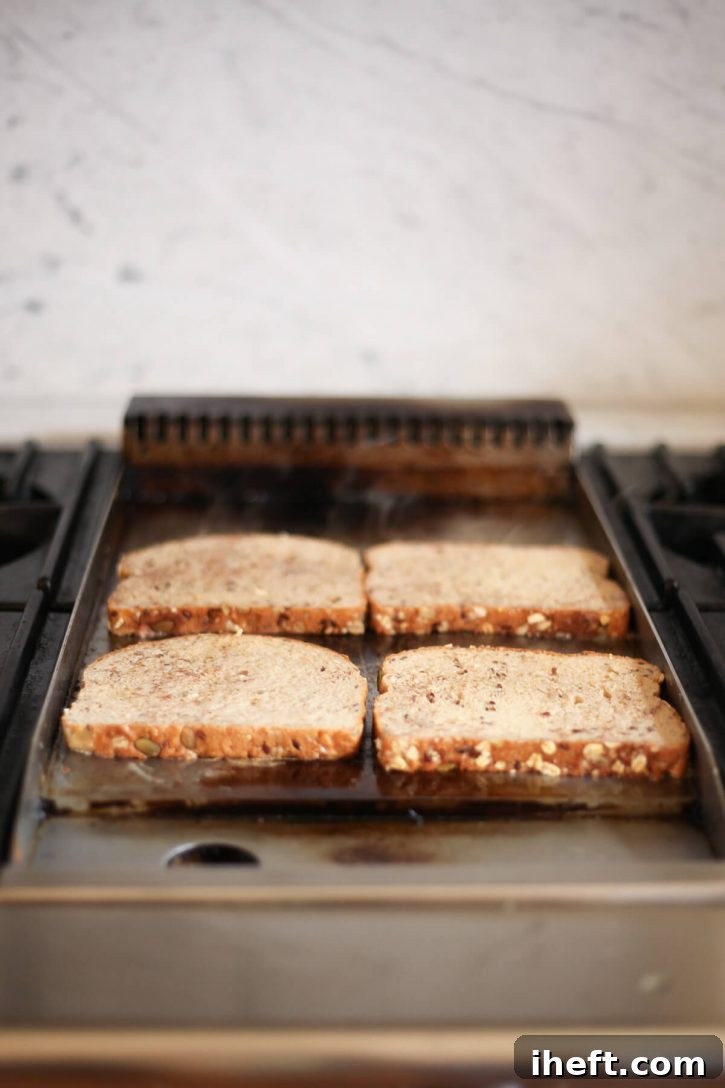
Creating plant-based French toast is a delightful and rewarding experience. By following these detailed steps, paying attention to your bread choice, and allowing the flax meal to work its magic, you’ll be able to serve up a breakfast that’s not only healthy and compassionate but also utterly irresistible. Enjoy the process of bringing this beloved classic into your plant-based kitchen!
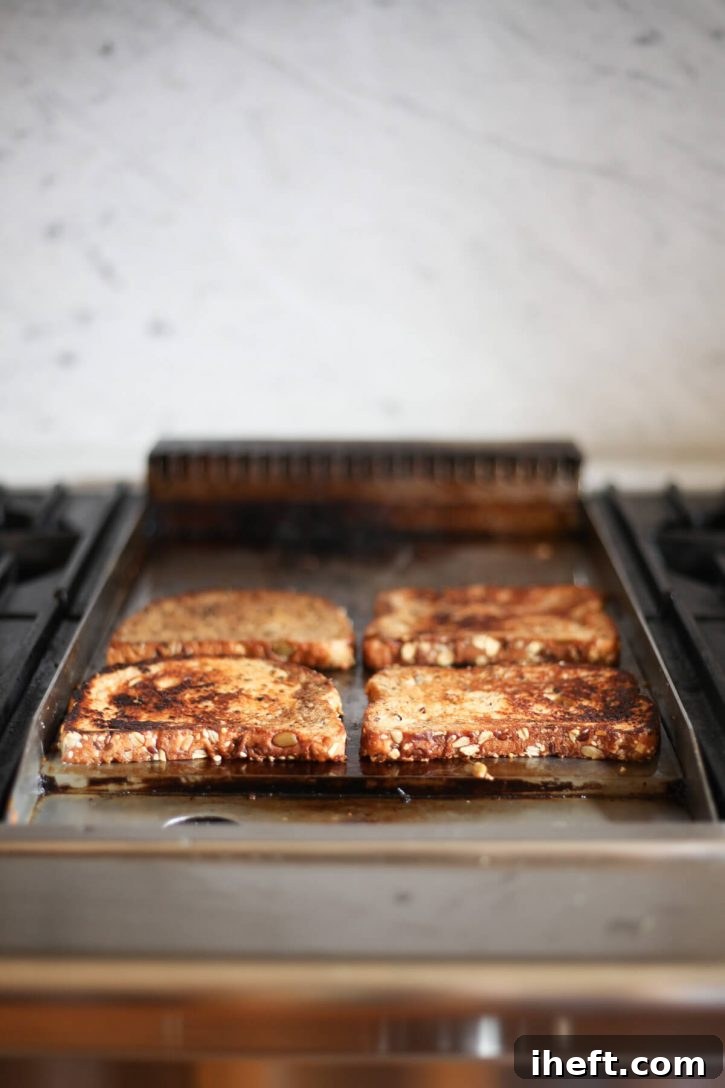
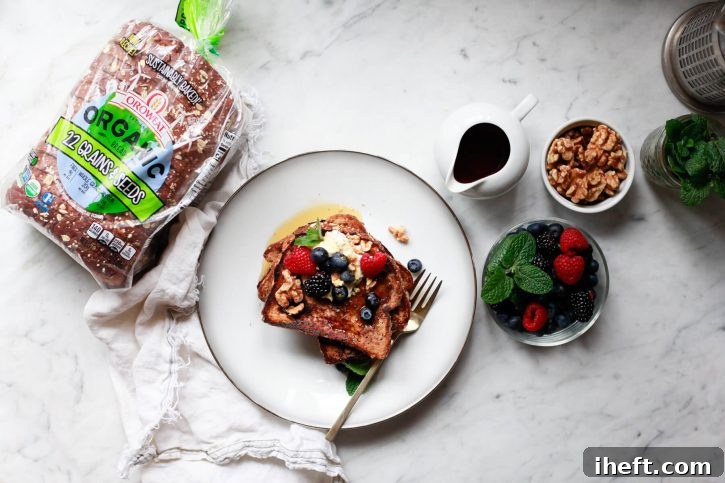
Creative Ways to Serve Your Delectable Plant-Based French Toast
Once your golden, fluffy plant-based French toast is ready, the real fun begins: serving it! The versatility of French toast allows for endless topping combinations, catering to every palate and preference. Here are some delightful ideas to elevate your breakfast experience:
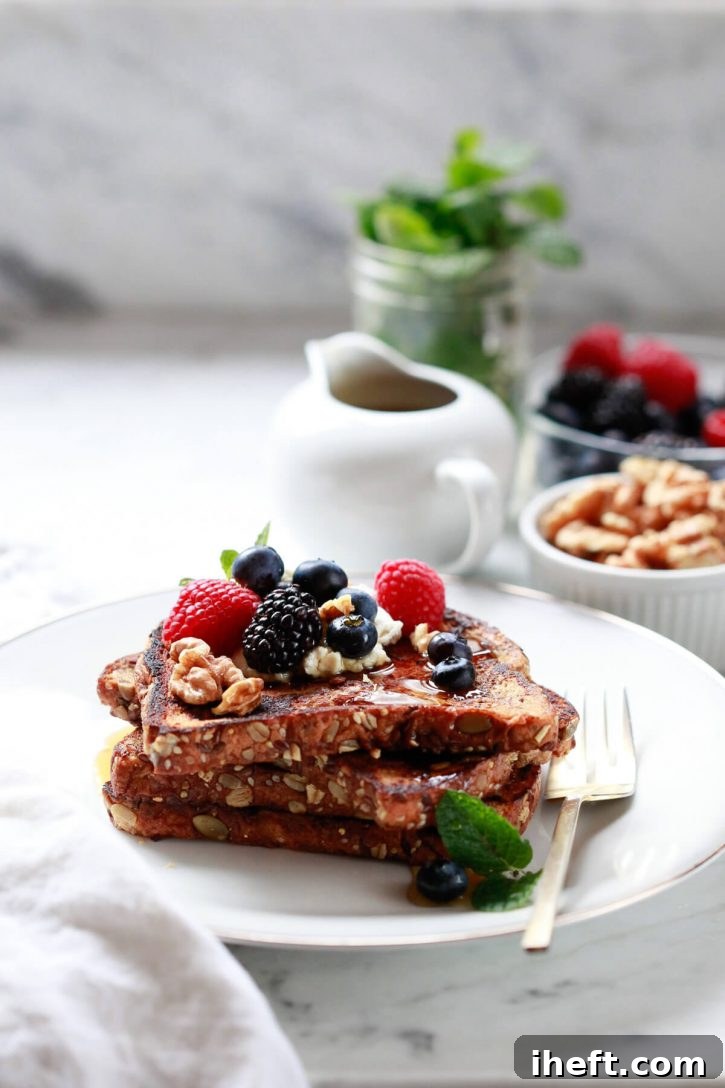
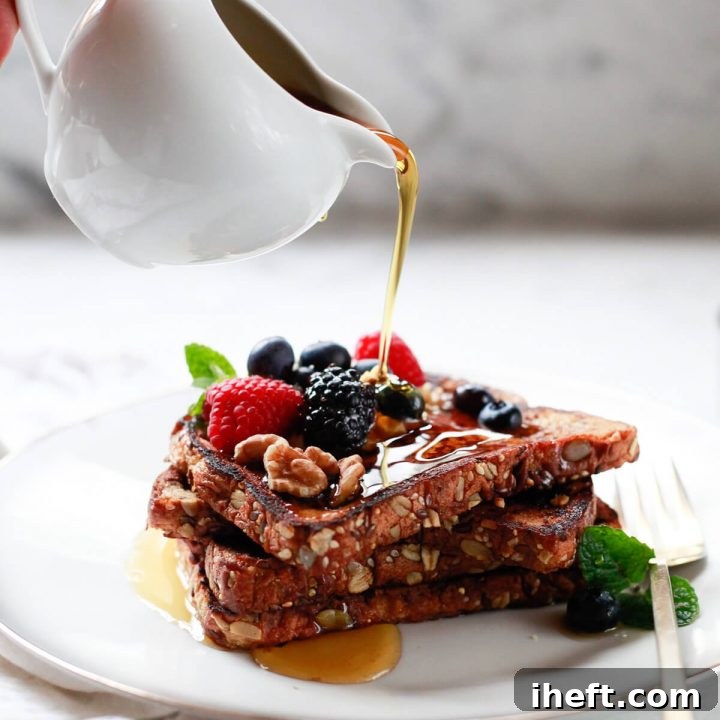
- Classic Sweetness: Drizzle generously with pure maple syrup. For an extra touch of richness, a dollop of vegan whipped cream or a dusting of powdered sugar makes it feel truly indulgent.
- Fruity Freshness: Top with an abundance of fresh berries such as strawberries, blueberries, or raspberries for a burst of color and antioxidants. Sliced bananas or peaches also make wonderful additions, adding natural sweetness and a soft texture. Consider a vibrant fruit compote made with mixed berries and a hint of lemon for a gourmet touch.
- Nut Butter Nirvana: Spread a thin layer of your favorite almond butter, peanut butter, or cashew butter for added protein and a nutty depth of flavor. A sprinkle of chopped nuts like walnuts, pecans, or slivered almonds adds a delightful crunch.
- Homemade Jams & Spreads: Instead of store-bought, try topping with homemade Chia Jam for a healthier, fruit-forward option. Its natural sweetness and vibrant color make it an excellent choice.
- Creamy Vegan Ricotta: For a unique and sophisticated twist, add a dollop of Almond Ricotta (simply omit the truffle oil for a sweet application). Its creamy, slightly tangy profile pairs wonderfully with the sweet French toast and fresh fruit.
- Chocolate Lover’s Dream: A sprinkle of vegan chocolate chips, a drizzle of chocolate syrup, or even a spoonful of rich chocolate hazelnut spread can transform your French toast into a decadent dessert-for-breakfast.
- Tropical Paradise: Top with shredded coconut, sliced mango, and a squeeze of lime for a taste of the tropics.
- Savory-Sweet Fusion: While less traditional, a sprinkle of vegan bacon bits or a side of plant-based sausages can offer an interesting contrast to the sweet toast, creating a well-rounded breakfast platter.
No matter how you choose to serve it, remember that presentation adds to the enjoyment. Arrange your French toast neatly, garnish with fresh mint leaves or a dusting of cinnamon, and prepare to delight in a truly satisfying plant-based breakfast experience. This healthy and delicious take on a classic is sure to become a staple in your culinary repertoire.
More Irresistible Plant-Based Breakfast Ideas to Brighten Your Morning
If you’ve fallen in love with the simplicity and flavor of plant-based French toast, you’ll be thrilled to discover a world of other delicious vegan breakfast options. Expanding your repertoire of morning meals can keep things exciting and ensure you’re always starting your day with nourishing, plant-powered goodness. Here are some more favorite plant-based breakfast ideas that are sure to become staples in your kitchen:
- The BEST Avocado Toast: A vibrant and satisfying classic, avocado toast offers healthy fats, fiber, and endless topping possibilities, from everything bagel seasoning to cherry tomatoes and microgreens.
- Decadent Chocolate Banana Muffins: Perfect for meal prepping or a quick grab-and-go option, these gluten-free and vegan muffins are moist, flavorful, and packed with natural sweetness from ripe bananas and rich chocolate.
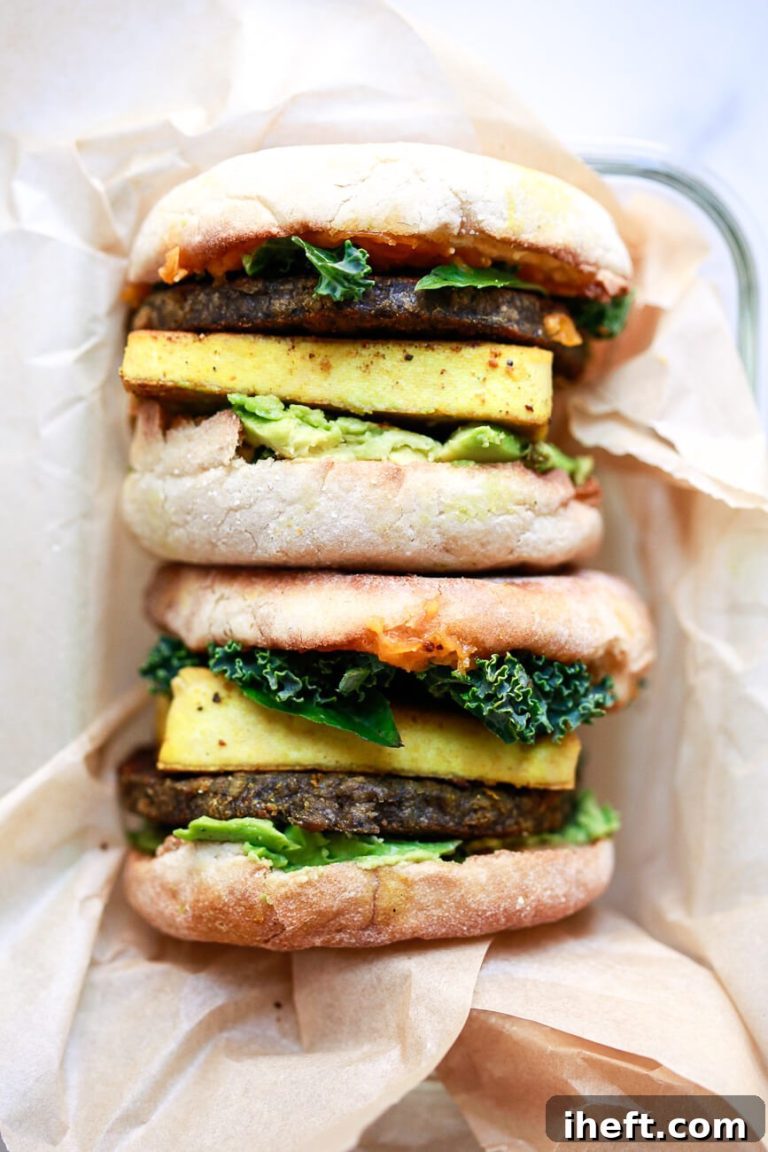
- Hearty Tofu Scramble: A savory and protein-rich alternative to scrambled eggs, tofu scramble is incredibly versatile. Season it with turmeric for color, black salt for an eggy flavor, and load it with your favorite vegetables like spinach, bell peppers, and onions.
- Refreshing Berry Chia Pudding and Indulgent Chocolate Chia Pudding: These make-ahead puddings are excellent for busy mornings. Chia seeds create a thick, satisfying texture, while berries or chocolate provide delicious flavor. They are packed with omega-3s and fiber, making them a nutritious and convenient choice.
- Overnight Oats: Another fantastic make-ahead option, overnight oats can be customized with various fruits, nuts, seeds, and spices. They’re hearty, convenient, and incredibly nutritious.
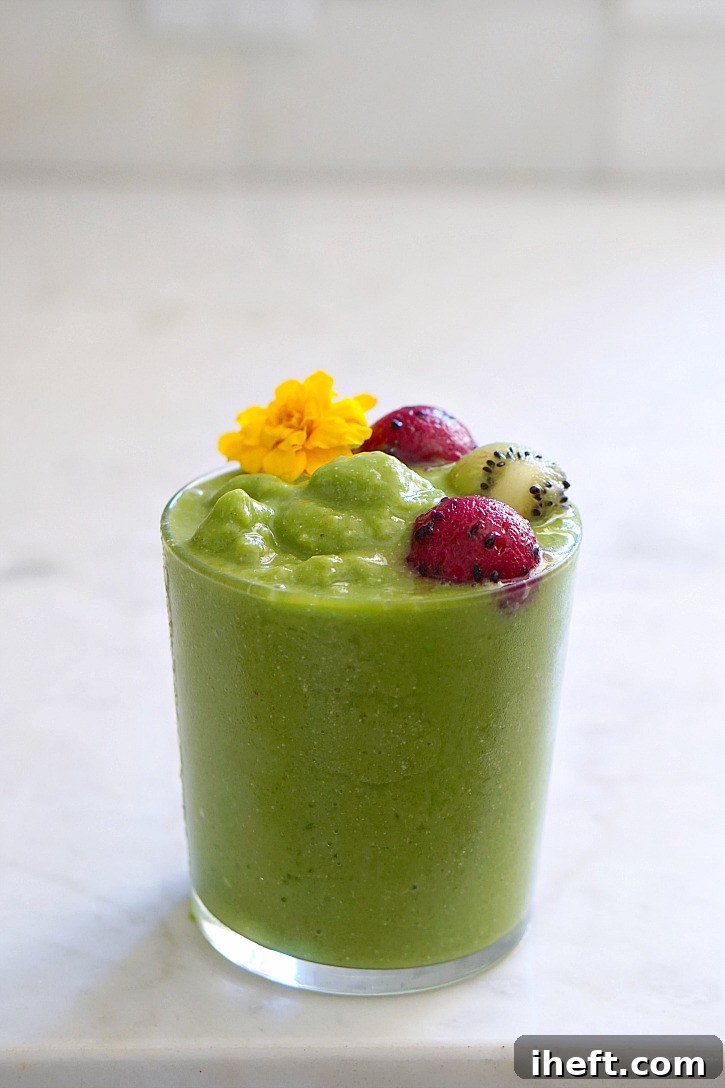
- Smoothie Bowls: Blend frozen fruits, plant milk, and a scoop of protein powder for a thick base, then top with granola, fresh fruit, coconut flakes, and chia seeds for a visually appealing and nutrient-dense breakfast.
- Vegan Breakfast Burritos: Fill tortillas with seasoned tofu scramble, black beans, salsa, avocado, and vegan cheese for a hearty and portable breakfast that’s packed with flavor.
Embracing a plant-based diet doesn’t mean sacrificing variety or flavor, especially at breakfast. These ideas, alongside your new favorite vegan French toast, offer a diverse range of delicious ways to kickstart your day with energy and joy.
Plant-Based French Toast
5 minutes
10 minutes
15 minutes
30 minutes
It’s easy to make eggless, dairy-free French toast with this vegan French toast recipe made with almond milk and flax meal. This healthy breakfast option is simple to prepare and incredibly delicious.
Ingredients
- 1 cup almond milk (or other plant milk)
- 1 heaping tablespoon flax meal
- 1 tablespoon corn starch
- 1 teaspoon organic sugar
- 1/2 teaspoon vanilla extract
- 1/4 teaspoon ground cinnamon
- 4 slices bread (I used Oroweat® Organic 22 Grains & Seeds)
- 1 tablespoon vegan butter or coconut oil
- maple syrup, for serving
- fresh berries, for serving
Instructions
- If using soft sandwich bread, preheat the oven or a toaster oven to 300° F (150° C). Bake the bread until slightly dry, about 10 minutes. This essential step will help prevent the French toast from becoming soggy during cooking. If using rustic day-old bread, you can typically skip this step.
- In a shallow medium-sized dish, whisk together the almond milk, flax meal, corn starch, organic sugar, vanilla extract, and ground cinnamon until well combined. Let the mixture stand for 10-15 minutes to allow the flax meal to thicken with the liquid ingredients, creating your plant-based “egg” batter.
- Meanwhile, preheat a frying pan over medium-high heat or a griddle to 375° F (190° C).
- Dip each slice of bread into the batter. If using soft sandwich bread, dip each side quickly for only a second or two. Allowing it to soak longer will likely result in soggy French toast. If using a sturdier rustic bread like baguette or ciabatta, you can allow the bread to soak for about 10 seconds per side to ensure a custardy interior.
- Generously coat the griddle or frying pan with vegan butter or coconut oil. Place the dipped bread slices onto the hot surface and cook until nicely browned on the bottom, which typically takes about 3 minutes.
- Flip with a spatula and continue cooking until the other side has browned and the French toast is cooked through.
- Serve immediately with a generous drizzle of maple syrup and a colorful array of fresh berries.
Nutrition Information:
Yield: 4
Serving Size: 1
Amount Per Serving:
Calories: 167Total Fat: 9gTrans Fat: 0gSodium: 178mgCarbohydrates: 19gFiber: 2gSugar: 5gProtein: 3g
Nutrition information is automatically calculated by Nutritionix. I am not a nutritionist and cannot guarantee accuracy. If your health depends on nutrition information, please calculate again with your favorite calculator.