Grow Your Own Kitchen Herbs
This post is proudly sponsored by Ecoscraps. All opinions expressed are genuinely my own. Your support for my work is deeply appreciated! Today, we’ll discover how to cultivate a stunning, sustainable, and utterly rewarding kitchen herb garden – perfect for your own home or as a thoughtful, eco-conscious gift. Stay tuned for a chance to win a $50 Walmart gift card later in this article!
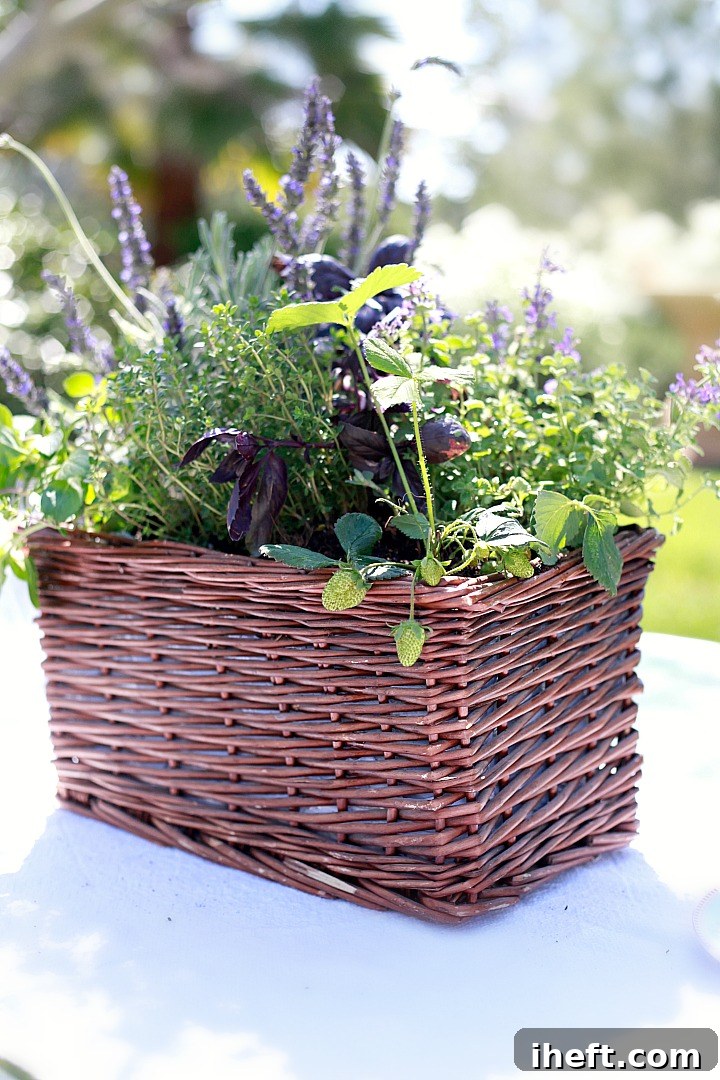
Cultivate Freshness: Your Ultimate Guide to a DIY Kitchen Herb Garden
There’s a unique joy that comes with gardening, a connection to nature that grounds us, even amidst a bustling kitchen. Last year, when I embarked on establishing my outdoor raised-bed garden, I had the pleasure of partnering with Ecoscraps. Their exceptional soil and plant food played a pivotal role in the vibrant success of our summer harvest. Witnessing our garden flourish so beautifully made the decision to collaborate with them again an absolute delight, especially for this exciting DIY indoor gardening project.
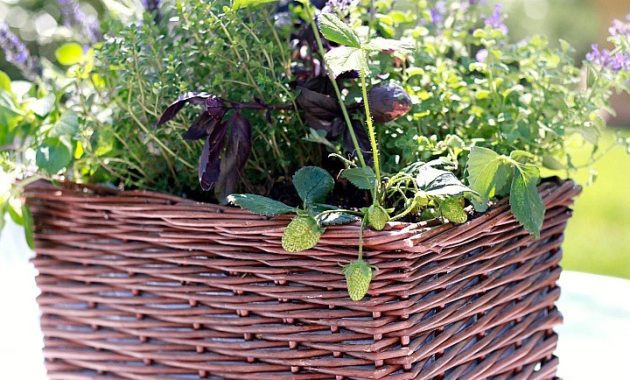
With the fresh energy of spring enveloping us, it felt like the perfect time to invite some of that greenery indoors. Beyond snipping fresh roses, I envisioned a vibrant, aromatic tabletop herb garden – a miniature ecosystem bringing life and flavor directly to my kitchen counter. This charming mini herb and edible flower garden came together in approximately 15 minutes, proving that even a complete novice gardener can achieve stunning results. Imagine the convenience of having an array of fresh herbs at your fingertips, ready to elevate any recipe! But this project is more than just personal enjoyment; it’s also conceived as an ideal, heartfelt gift for occasions like Mother’s Day, teacher appreciation, or as a warm hostess gesture. Wouldn’t it be an absolutely perfect homemade present, especially for kids to help create?
Why Every Kitchen Needs a DIY Herb Garden
An indoor herb garden isn’t merely a decorative addition; it’s a dynamic, living asset that offers a myriad of benefits. For starters, the sheer convenience of having fresh basil, mint, parsley, or rosemary just a snip away is unparalleled. No more last-minute dashes to the grocery store for a wilting bunch of herbs! This ensures you always have the freshest, most potent flavors to infuse into your cooking, transforming everyday meals into culinary masterpieces.
Beyond culinary advantages, a DIY kitchen herb garden promotes a healthier, more sustainable lifestyle. By growing your own herbs, you gain complete control over their cultivation, ensuring they are free from harmful pesticides and chemicals often found in commercially grown varieties. This commitment to organic gardening aligns perfectly with Ecoscraps’ mission, making it a truly eco-conscious choice. Moreover, cultivating plants indoors can significantly improve air quality and add a touch of natural beauty and tranquility to your home environment. It’s a small step towards reducing your carbon footprint and embracing self-sufficiency, all while adding aesthetic appeal to your living space.
Essential Materials for Your Eco-Friendly Herb Garden
Creating your own beautiful and sustainable kitchen herb garden is surprisingly simple, requiring just a few key components. Here’s what you’ll need to gather for this rewarding project:
- A Basket or Planter: Repurpose an old gift basket, a sturdy woven container, or even an attractive ceramic pot. Choose something you love and don’t mind getting a little dirty. Ensure it’s robust enough to hold soil and moisture.
- Plastic Liner: A durable plastic trash bag works perfectly. This will protect your basket from moisture and prevent soil leakage.
- High-Quality Potting Soil: The foundation of any thriving garden. We highly recommend Ecoscraps Organic Potting Mix, known for its rich nutrients and sustainable origins.
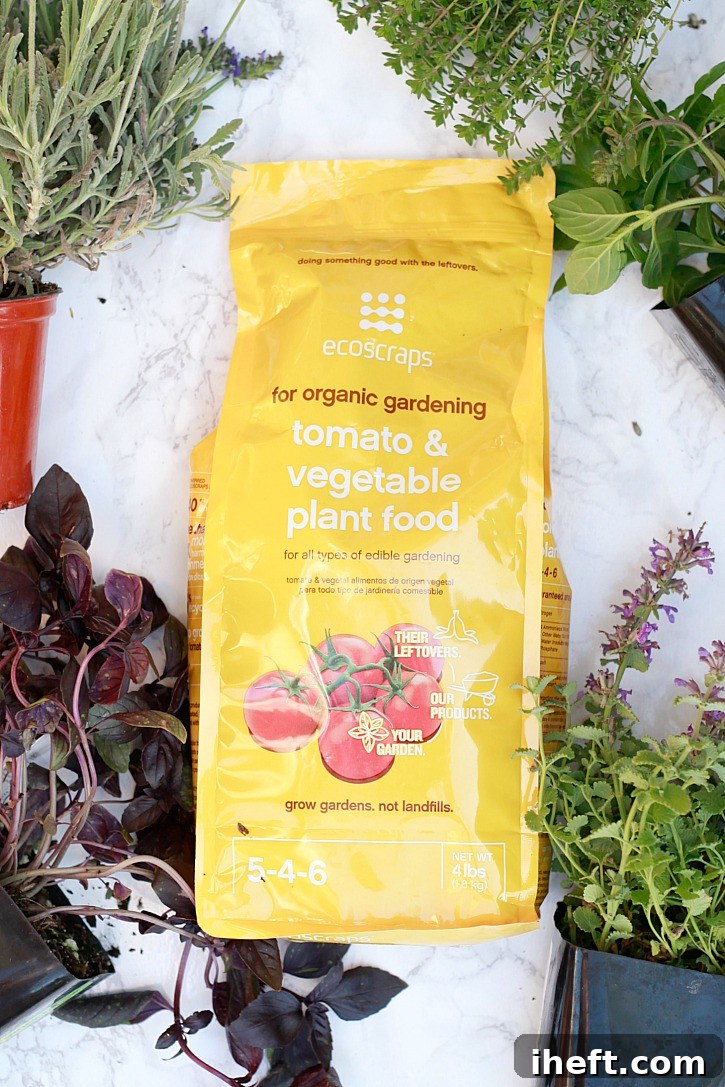
- Organic Plant Food: Crucial for nourishing your growing herbs. Ecoscraps Tomato & Vegetable Plant Food is an excellent choice as it’s specifically formulated to provide essential nutrients for all types of edible plants, ensuring vigorous growth and bountiful yields.
- A Variety of Potted Herbs and Edible Flowers: Visit your local nursery to select your favorites. Popular choices include basil, mint, rosemary, thyme, parsley, chives, and cilantro. For edible flowers, consider nasturtiums, violas, or pansies. Strawberries are also a delightful and productive option for an edible garden.
- Paring Knife or Scissors: For creating drainage holes in your plastic liner.
Why Choose Ecoscraps for Your Edible Garden?
My preference for Ecoscraps products stems from their innovative approach to sustainability and their commitment to creating superior gardening solutions. Their ethos, “Bad Food Gone Good,” perfectly encapsulates their mission. They ingeniously transform discarded food scraps – often destined for landfills – into rich, organic soils and potent plant foods. This not only minimizes waste but also provides gardeners with nutrient-dense products that foster the growth of healthy, delicious, and nutritious foods. It’s a win-win for our gardens and for the planet. You can easily find Ecoscraps soils and plant foods at Walmart, both online and in stores. And to help kickstart your gardening journey, we are thrilled to offer a chance to win a $50 Walmart gift card! Details for entry will be provided towards the end of this post.
Step-by-Step Guide: Assembling Your Mini Herb Garden
Building this beautiful edible centerpiece is a straightforward and enjoyable process. Follow these simple steps to bring your kitchen herb garden to life:
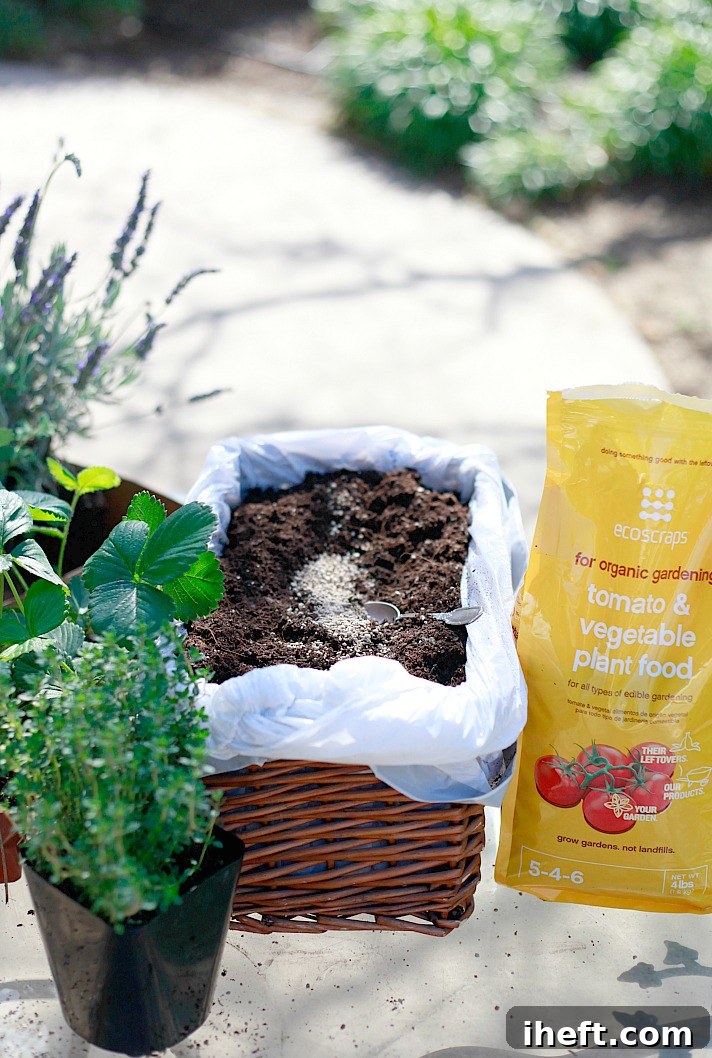
- Prepare Your Container: Start with your chosen basket or planter. If using a basket, it’s crucial to line it to protect the material from moisture and prevent soil from escaping. Fit the plastic trash bag snugly into the bottom and up the sides of your basket, allowing a slight overlap over the rim.
- Ensure Proper Drainage: Using a paring knife or sharp scissors, carefully poke several small drainage holes in the bottom of the plastic liner. Adequate drainage is vital to prevent root rot and ensure the health of your herbs. These holes will allow excess water to escape while the plastic liner still contains the soil within the basket.
- Add Potting Soil: Begin to fill your lined basket with the Ecoscraps Organic Potting Mix. Fill it to about two-thirds full, leaving enough space for your plants and additional soil.
- Incorporate Plant Food: Now it’s time to nourish your soil. Refer to the back of your Ecoscraps Tomato & Vegetable Plant Food bag for precise measurements based on the volume of your container. For my project, I typically used about 4 tablespoons, evenly distributed over the soil. Gently mix the plant food into the potting soil using a small trowel or your hands. This ensures that the nutrients are well integrated and readily available to your plant roots.
- Arrange Your Plants: Carefully remove your chosen herbs and edible flowers from their nursery pots. Gently loosen any compacted roots. Before planting, arrange them within your basket to visualize your desired layout. Consider their mature size and sunlight needs for optimal growth and aesthetic appeal. Place taller plants towards the back or center, and trailing plants towards the edges.
- Plant Your Herbs: Once you’re satisfied with the arrangement, create small indentations in the soil and carefully place each plant. Fill in around the root balls with more potting soil, gently firming the soil around each plant to remove air pockets. Ensure the soil level is consistent with how the plants were growing in their original pots.
- Initial Watering: After all your plants are in place, give your newly planted herb garden a thorough watering. Water until you see a little moisture beginning to seep out of the drainage holes you created. This helps settle the soil and provides immediate hydration to your plants.
Caring for Your Thriving Kitchen Herb Garden
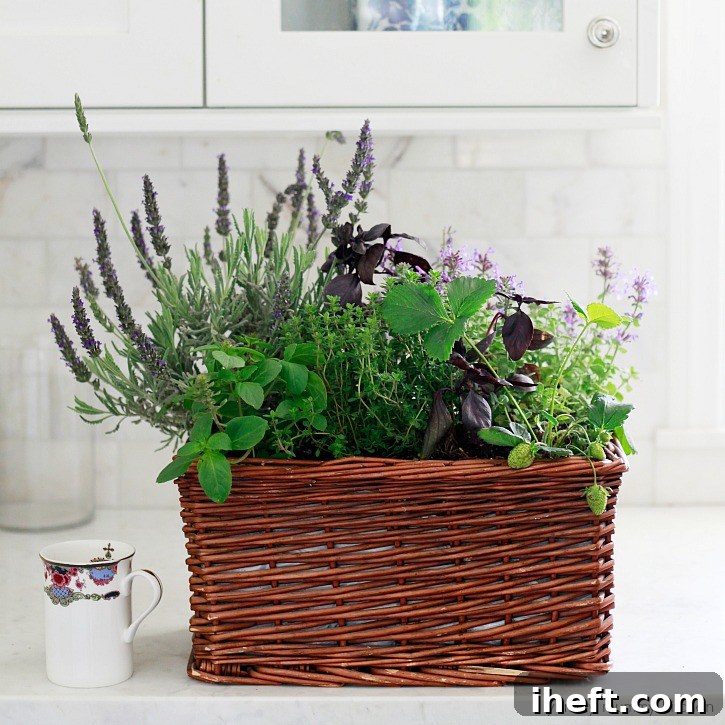
Having completed your beautiful mini herb garden, the next crucial step is ensuring its continued health and vibrancy. With just a little attention, your indoor garden will flourish, providing you with fresh herbs for months to come.
Sunlight Requirements
Most culinary herbs thrive on ample sunlight. Position your garden in a spot that receives at least 4-6 hours of direct sunlight daily. A sunny kitchen window, ideally south-facing, is often the perfect location. If natural light is scarce, consider investing in a small grow light to supplement. Rotate your garden occasionally to ensure all sides of the plants receive adequate light and encourage even growth.
Watering Wisely
Consistent moisture is key, but overwatering can be detrimental. Check the soil moisture every day or two by sticking your finger about an inch into the soil. If it feels dry, it’s time to water. Water thoroughly until you see water draining from the bottom holes. Ensure any excess water is collected in a tray or saucer beneath your basket to protect your surfaces.
Harvesting for Growth
Don’t be shy about harvesting your herbs! Regular snipping actually encourages bushier growth and prevents plants from becoming leggy. When harvesting, pinch off leaves from the top of the plant or snip sprigs just above a set of leaves. For basil, parsley, and mint, you can harvest up to a third of the plant at a time.
Pest Management (Naturally)
Indoor plants are generally less prone to pests, but occasional visitors like aphids or spider mites can appear. Inspect your plants regularly. If you spot any pests, a gentle spray of soapy water (a few drops of dish soap in a spray bottle of water) can often resolve the issue. For more persistent problems, consider neem oil, an organic pesticide.
Feeding Your Herbs
While Ecoscraps plant food provides an excellent initial boost, your herbs will benefit from occasional feeding, especially if they are actively growing or being harvested frequently. Follow the instructions on your Ecoscraps plant food for regular feeding schedules, usually every 2-4 weeks during the growing season.
Beyond the Countertop: Creative Uses for Your Herb Garden
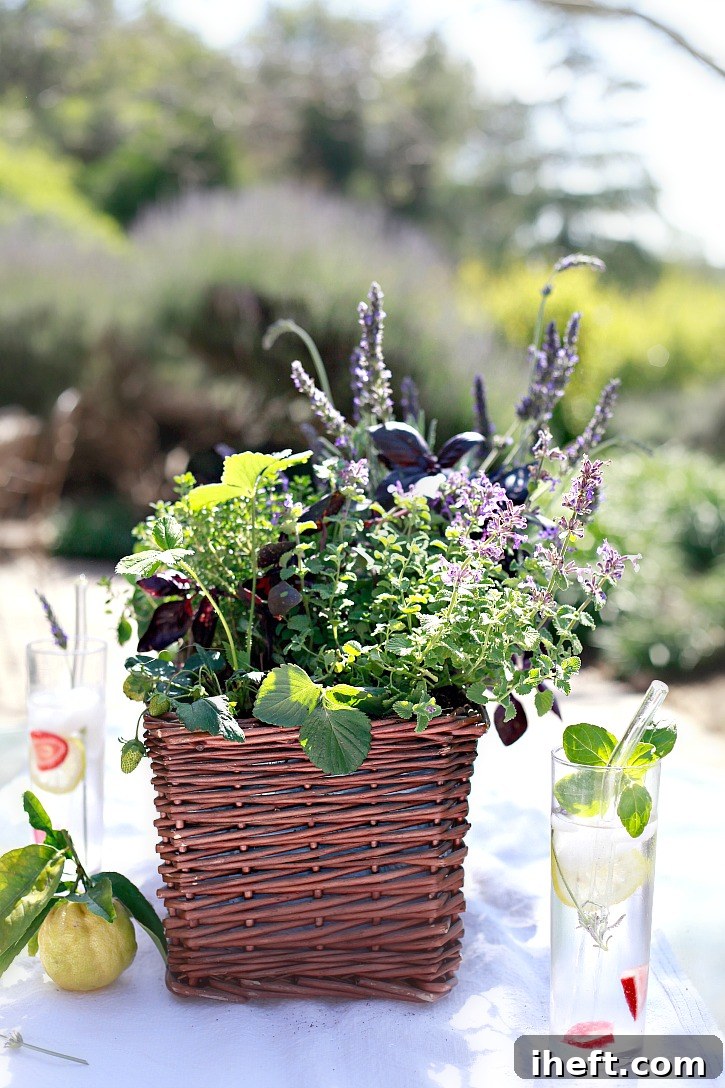
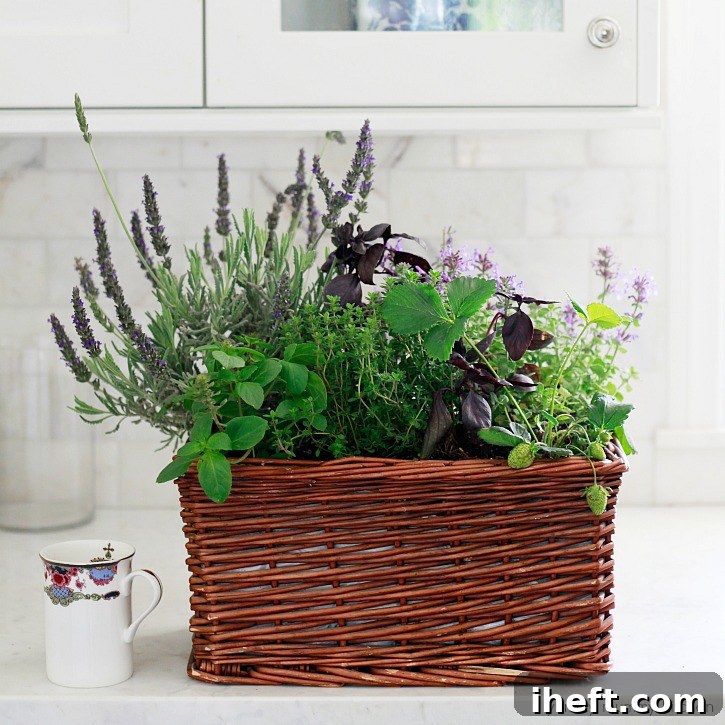
I confess, I’m absolutely enchanted by my mini kitchen herb garden; it brings me just as much joy as a bouquet of fresh cut flowers, if not more, because it’s both beautiful and functional! My “Yummy Hubby” even came home and exclaimed, “Wow, that’s the most beautiful thing you’ve made!” High praise indeed! This little garden is not just for cooking; it’s a versatile centerpiece and a source of endless inspiration.
A Stunning Edible Centerpiece
Forget traditional floral arrangements! This herb garden makes a vibrant, organic, and truly interactive table centerpiece. Imagine guests delighting in the fresh aromas, and even being able to snip a sprig of mint for their drink or a basil leaf for their plate directly from the table. It sparks conversation and adds a unique, farm-to-table charm to any meal.
Elevate Your Culinary Creations
This is where your herb garden truly shines. Fresh herbs instantly elevate any dish.
- Basil: Perfect for pestos, Caprese salads, pizzas, and Italian sauces.
- Mint: Ideal for teas, mojitos, lamb dishes, or garnishing desserts.
- Parsley: A versatile garnish, wonderful in tabbouleh, soups, and fish dishes.
- Rosemary: Fantastic with roasted potatoes, chicken, or in focaccia bread.
- Thyme: A classic pairing with poultry, vegetables, and savory stews.
- Chives: Sprinkle over eggs, baked potatoes, or creamy soups for a mild onion flavor.
Infused Drinks and Water
Transform ordinary beverages into refreshing, gourmet delights.
- Herb-Infused Water: Add sliced cucumber, a few mint leaves, and a sprig of rosemary to a pitcher of water for a spa-like drink.
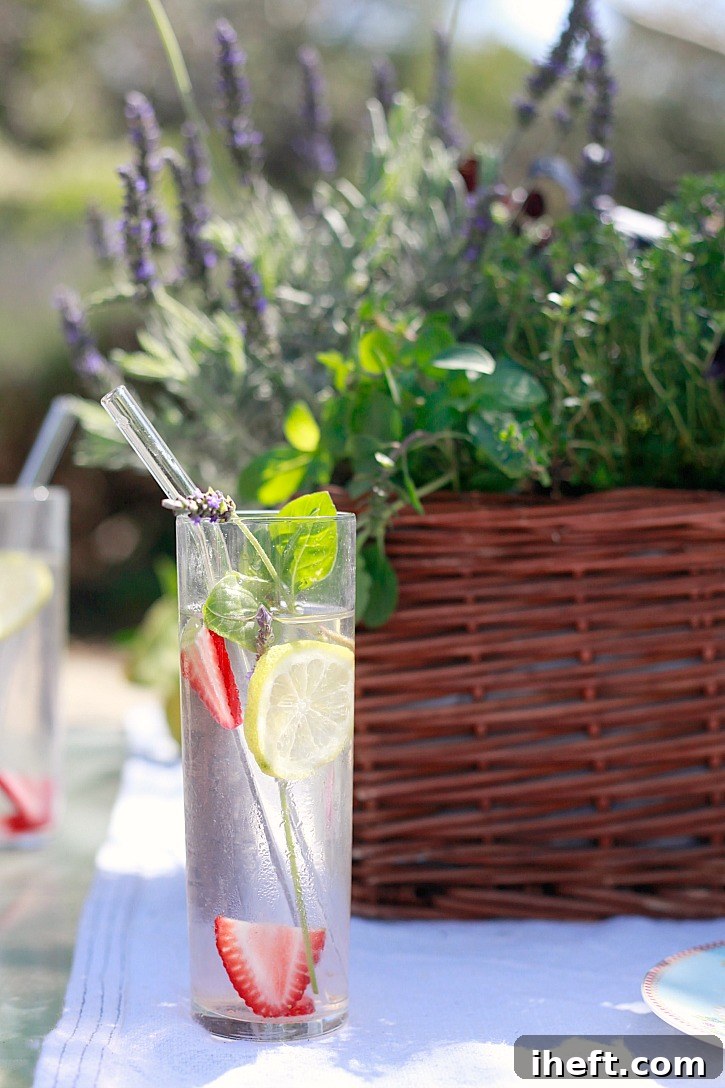
- Lemonades and Iced Teas: Muddle basil or lavender into your homemade lemonade for an unexpected twist. Mint is always a winner in iced tea.
- Cocktails and Mocktails: Elevate your bar game with fresh garnishes and muddled herbs like mint for mojitos, basil for gin smashes, or rosemary for a sophisticated G&T.
Thoughtful Homemade Gifts
A DIY herb garden makes an incredibly personal and appreciated gift.
- Mother’s Day: A living gift that keeps on giving.
- Teacher Appreciation: A unique way to thank educators.
- Hostess Gift: A charming alternative to a bottle of wine.
- Housewarming Present: Helps new homeowners bring life and flavor into their kitchen.
To make it extra special, add a beautifully handwritten tag with care instructions or a few recipe suggestions.
DIY Kitchen Herb Garden: The Recipe
By Yummy Mummy Kitchen
Published: April 21, 2017 (originally)
Ingredients:
- 1 sturdy basket or decorative planter
- 1 large plastic liner (a durable garbage bag works perfectly)
- 1 bag (approx. 1.5 cubic feet) Ecoscraps Organic Potting Soil
- 1 bag Ecoscraps Tomato & Vegetable Plant Food
- A selection of 3-5 potted herbs and/or edible flowers from your local nursery (e.g., basil, mint, parsley, rosemary, thyme, strawberries, nasturtiums)
Instructions:
- Carefully fit the plastic bag into the bottom and up the sides of your chosen basket, ensuring it reaches the rim.
- Using a small paring knife or sharp scissors, poke approximately 5-7 small drainage holes in the very bottom of the plastic liner. These are essential for preventing waterlogged roots.
- Begin filling the lined basket with Ecoscraps Organic Potting Soil, leaving about 2-3 inches from the top rim.
- Consult the packaging of your Ecoscraps Tomato & Vegetable Plant Food for the recommended amount based on your container size. For a typical basket, approximately 4 tablespoons should suffice. Sprinkle the plant food evenly over the soil surface and gently mix it in with your hands or a small trowel.
- Carefully remove your chosen herbs and edible flowers from their nursery pots. Gently loosen any tightly bound roots at the bottom of the root ball.
- Arrange the plants in the basket, considering their height and growth habits for an attractive display. Plant them by creating small depressions in the soil, placing the plant, and then backfilling with soil, gently firming around the base.
- Once all plants are nestled in their new home, give the entire garden a thorough watering until water begins to drain from the holes at the bottom of the liner.
Yield: Makes 1 exquisite indoor herb garden
Prep Time: Approximately 15 minutes
Total Time: Just 15 minutes to cultivate freshness!
Don’t forget to enter for your chance to win a $50 Walmart gift card and kickstart your own sustainable gardening adventure! Check back for details on how to participate.
Whether you’re looking to enhance your culinary skills, add a touch of natural beauty to your home, or create a truly meaningful gift, a DIY kitchen herb garden is a project filled with immense satisfaction and rewarding results. Happy gardening!