Kile ve Pek: Bu Eski Ölçü Birimleri Gerçekten Ne Kadar
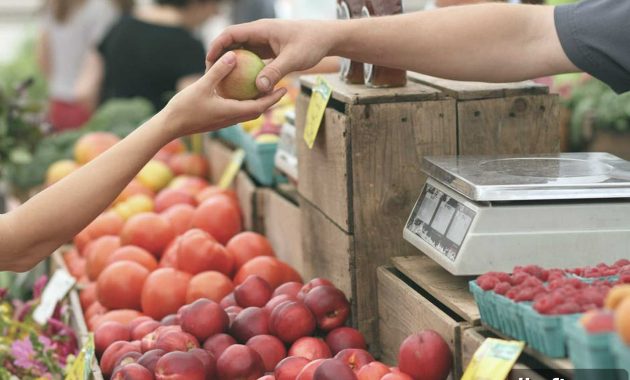
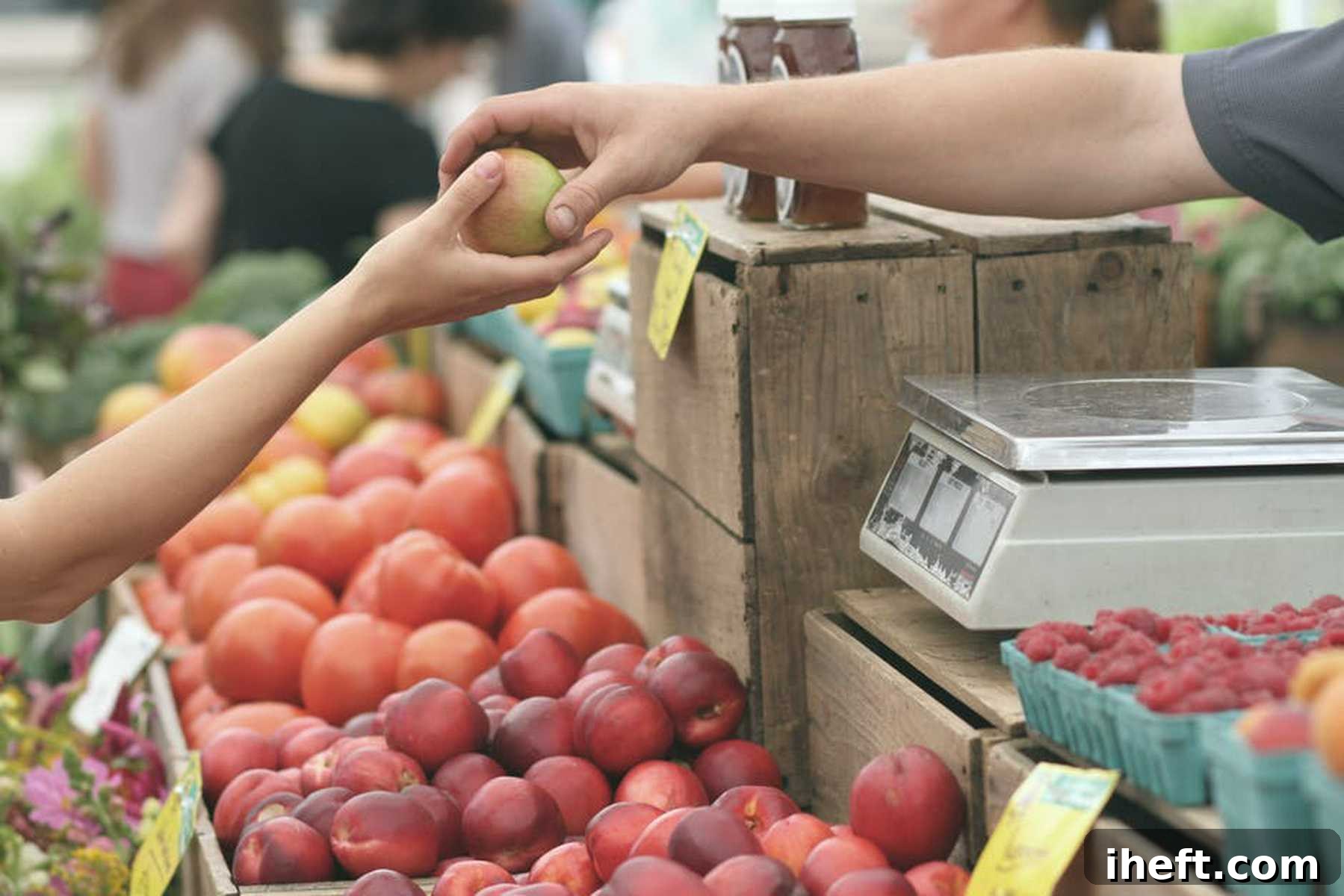
There’s an undeniable charm that comes with purchasing produce in traditional quantities like a bushel or a peck. It evokes a beautiful sense of nostalgia, perhaps reminiscent of simpler times spent in the kitchen, canning seasonal fruits with loved ones. Imagine the satisfaction of transforming a generous harvest into delicious preserves, salsas, or sauces that nourish your family throughout the year.
Whether you’ve spotted a bushel of crisp apples, sweet corn, or plump tomatoes for sale at your local farmer’s market, or perhaps even a rustic bushel basket at a craft store, the question naturally arises: “What exactly is a bushel?” And how does it relate to a peck? These aren’t just quaint old terms; they represent practical, efficient ways to buy and manage significant quantities of farm-fresh goods. Let’s dive in and uncover the answers to these very questions, ensuring you’re well-equipped for your next market adventure!
Understanding Traditional Produce Measurements: Bushels and Pecks
What Exactly is a Bushel?
The bushel is a venerable unit of dry capacity measurement with a rich and extensive history, dating back centuries. Originating in medieval England, it served as a crucial standard for agricultural trade. While in the United Kingdom, a bushel could historically refer to both liquid and dry measurements, here in the United States, its definition is strictly confined to dry goods. This distinction is vital for anyone purchasing produce, grains, or other dry commodities.
The US bushel traces its lineage directly back to the Winchester bushel, a standardized measure established in the 15th century. This specific standard became deeply embedded in American colonial trade. Interestingly, while the UK later evolved its measurement system and redefined its bushel, the United States maintained the tried-and-true Winchester standard. This “if it ain’t broke, don’t fix it” philosophy ensured consistency and familiarity for generations of American farmers and consumers. Consequently, the historical Winchester bushel continues to live on in the modern US bushel we use today. This legacy underscores the deep roots of our agricultural practices and the enduring nature of practical, traditional measurements.
Bushel vs. Peck: What’s the Difference?
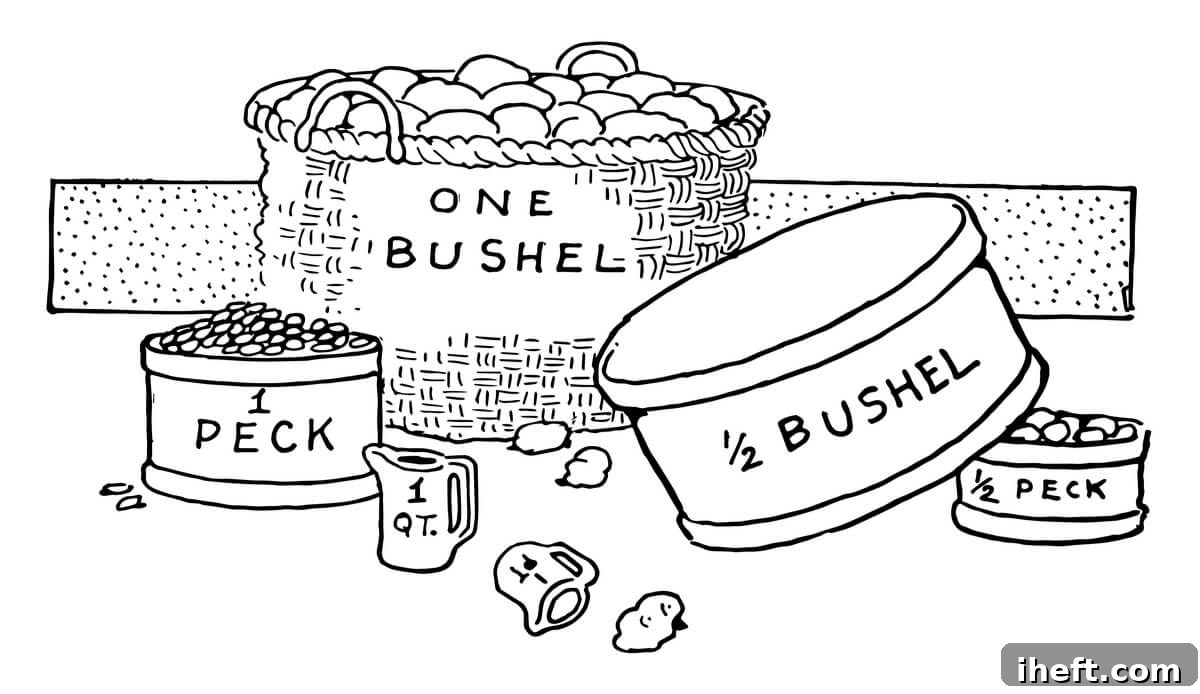
You can’t discuss bushels without also understanding pecks, as they are intrinsically linked. Simply put, a peck is precisely one-quarter of a bushel. This relationship is crucial for understanding how these traditional units scale. For instance, if a farmer is selling apples by the bushel, they might also offer them by the peck, providing a more manageable quantity for individual families or smaller households.
In many parts of the country, especially in regions with strong agricultural traditions, it remains common practice to purchase fruits and vegetables for bulk processing, such as canning or freezing, in pecks and bushels. Knowing the difference can save you from either under-buying and running out of produce mid-recipe or, conversely, ending up with an overwhelming amount far beyond your immediate needs. This understanding also fosters smoother transactions at the farmer’s market, allowing you to confidently communicate your requirements with stallholders. It’s about making an informed choice that suits your family’s consumption and preservation goals.
How Much is a Bushel? A Deep Dive into Volume and Weight
A bushel is fundamentally a volumetric measurement. This means, much like cups, tablespoons, or gallons, it defines a specific amount of space an item occupies. However, unlike liquid measures where volume directly correlates to a consistent weight (e.g., a gallon of water always weighs roughly 8.34 pounds), the weight of a bushel varies significantly depending on the product being measured.
In terms of dry volume, a standard US bushel is equivalent to eight gallons. To further break this down into more common kitchen measurements, eight gallons translates to 32 quarts, and 32 quarts is the same as 64 pints. Visualizing these quantities can give you a much clearer mental image of how substantial a bushel truly is. For example, imagining 64 pint jars filled with fruit might help illustrate the scale of such a purchase.
It’s essential to reiterate that in the United States, a bushel is exclusively a dry measure. You can confidently buy a bushel of apples, corn, sweet potatoes, peaches, or beans. However, attempting to purchase liquids like milk, juice, or oil by the bushel would be incorrect and impractical. This distinction is crucial for both consumers and vendors when dealing with agricultural commodities.
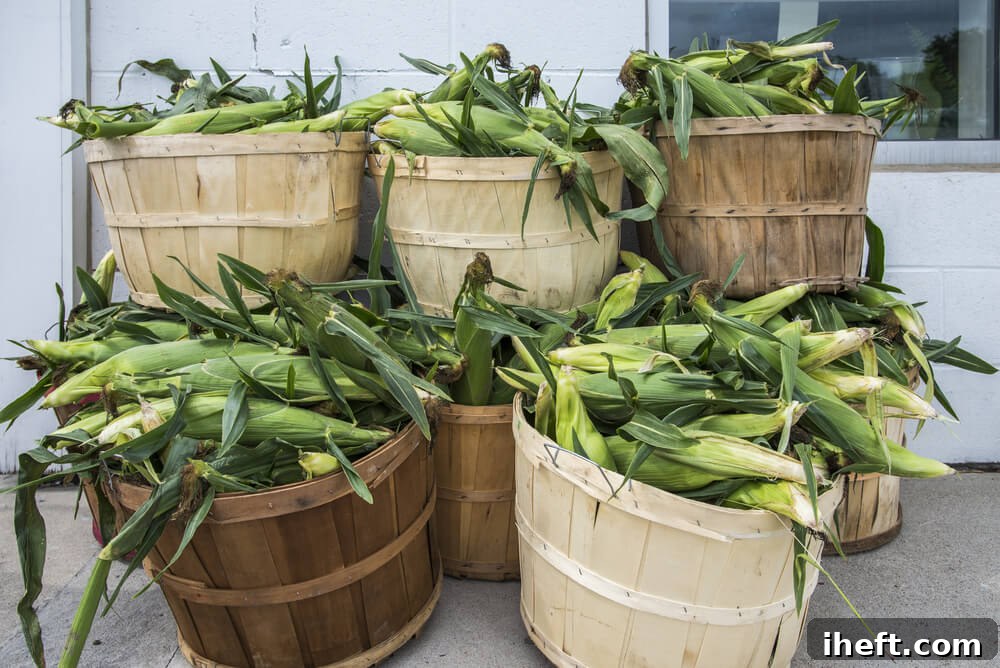
Bushel baskets filled with plump, fresh corn. Photo credit: shutterstock.
The Variable Weight of a Bushel of Produce
The concept of volumetric measurements can indeed be tricky when it comes to agricultural products. While knowing a bushel contains 8 gallons is helpful for conceptualizing its size, it doesn’t tell you how heavy it will be. Different fruits, vegetables, and grains have varying densities, shapes, and air spaces between them, all of which impact their total weight within the same volume. For instance, a bushel of fluffy greens will naturally weigh far less than a bushel of dense potatoes or small, tightly packed grains.
To bring clarity and predictability to agricultural trade, the U.S. government, specifically the USDA, has established standardized weights for a bushel of various commodities. These standards are invaluable for both farmers and consumers, ensuring fair pricing and consistent quantities regardless of minor variations in how produce is packed. This prevents confusion and creates a level playing field in the marketplace.
Let’s explore some of these essential standard weights for common produce, giving you a better idea of what to expect when you purchase by the bushel:
- A bushel of crisp apples typically weighs 40 pounds (approx. 18 kg)
- A bushel of nutritious wheat weighs 60 pounds (approx. 27 kg)
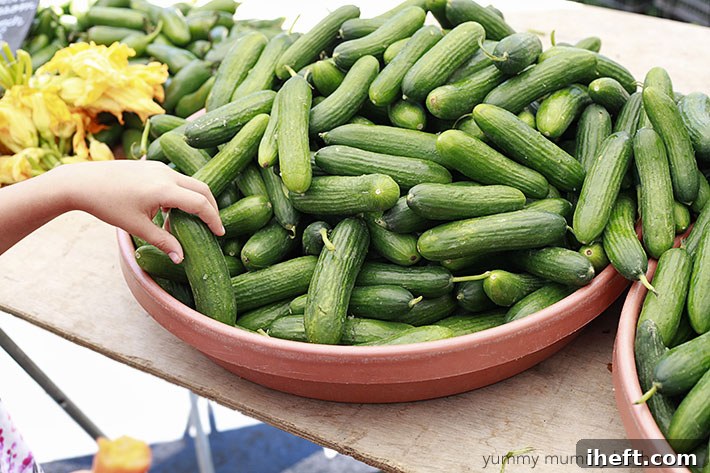
- A bushel of garden-fresh cucumbers weighs 55 pounds (approx. 25 kg)
- A bushel of plump peaches weighs 48 pounds (approx. 21.8 kg)
- A bushel of earthy potatoes weighs 60 pounds (approx. 27 kg)
- A bushel of sweet corn (in the husk) typically weighs 35 pounds (approx. 15.9 kg)
- A bushel of leafy spinach, due to its light and airy nature, weighs only about 25 pounds (approx. 11.3 kg)
- A bushel of oats typically weighs 32 pounds (approx. 14.5 kg)
- A bushel of barley weighs 48 pounds (approx. 21.8 kg)
As you can see from these examples, the weight can fluctuate significantly. Wheat kernels, being small and dense, pack tightly into a bushel, resulting in a heavier load compared to larger, less dense items like apples or spinach. Therefore, the answer to “how much is a bushel in pounds?” is always, “it depends on what you’re measuring!” Thankfully, these government-established standards provide a reliable and consistent guide, allowing you to confidently plan your purchases and preservation projects. These figures underscore that buying a bushel is a substantial commitment, perfect for serious culinary endeavors or sharing with friends and family.
Making the Most of a Bushel of Produce: Preservation and Culinary Adventures
Now that you understand the true scale of a bushel, the exciting part begins: planning how to utilize such a generous bounty of fresh produce. Buying in bulk is not just economical; it’s an opportunity to embrace the seasons, practice sustainable eating, and stock your pantry with homemade goodness. Let’s consider a popular and rewarding project: pickling!
Transforming Cucumbers into Delicious Dill Pickles
There’s nothing quite like the tangy, crisp bite of homemade dill pickles. They are incredibly versatile, perfect alongside sandwiches, burgers, or as a refreshing snack. If you were to pick up a bushel of cucumbers, you’d be looking at approximately 55 pounds of fresh produce. For pickling, we highly recommend using Kirby cucumbers due to their firm texture and excellent ability to retain their crispness. Avoid varieties like English cucumbers, which tend to become soft during the pickling process.
A common guideline for canning pickles suggests roughly 3/4 pound of cucumbers per pint-sized Mason jar. With a quick calculation, a bushel (55 lbs) would yield an impressive 73 pint jars of pickles! That’s certainly enough to keep your household well-stocked for a long time, and perhaps even share with appreciative friends and family.
Given the substantial yield, a bushel can be an excellent purchase for a group project. Team up with a few buddies or family members, split the bushel, and enjoy a fun day of preserving together! Once you have your Mason jars sterilized and ready, thoroughly wash and trim your cucumbers. You can cut them into spears, slices, or leave them whole, depending on your preference and jar size.
Next, prepare your flavorful brine. This typically consists of apple cider vinegar, water, pickling salt (never table salt!), and essential spices like dill seeds, mustard seeds, and perhaps a touch of red pepper flakes for a kick. Garlic cloves are an optional but highly recommended addition for extra depth of flavor. Bring your pickling liquor to a boil, then carefully pour it over the cucumbers packed into your jars.
For long-term storage, follow standard canning procedures, which usually involve a water bath canner to create a vacuum seal. Properly canned pickles can maintain their quality for over a year when stored in a cool, dark place. If you prefer a quicker method, you can make refrigerator pickles; simply cool them and store them in the fridge, consuming them within a few weeks. Beyond pickles, a bushel of ripe tomatoes during peak season is perfect for making homemade tomato salsa for canning, marinara sauce, or even sun-dried tomatoes.
A Bushel of Culinary Possibilities
Making pickles is just one of countless ways to enjoy a bushel of fresh produce. The possibilities for home preservation and culinary creativity are truly endless:
- Jams and Jellies: Transform berries, peaches, or plums into delectable spreads.
- Chutneys and Preserves: Create savory or sweet condiments that add a unique flair to any meal.
- Sauces: Cook down tomatoes into rich marinara, or blend apples into smooth, easy applesauce.
- Salsa: Use fresh tomatoes, peppers, and onions for vibrant, homemade salsa.
- Freezing: Blanch and freeze vegetables like corn, green beans, or peas for year-round convenience.
- Drying: Dehydrate fruits for healthy snacks or herbs for seasoning.
Does a full bushel still sound like a bit too much for your family’s needs or your available processing time? Don’t forget about the peck! As one-quarter of a bushel, a peck offers a more manageable quantity for smaller households or if you’re just starting your preserving journey. It provides all the joy and benefits of farm-fresh bulk buying, but on a more approachable scale, helping you make the most of that delicious farmstand produce without feeling overwhelmed.
Embrace the Bounty: Making the Most of Local Produce
Buying produce by the bushel might initially sound like an antiquated practice, but it’s a wonderfully sustainable and economical way to connect with your food sources and support local agriculture. Armed with this knowledge about bushels and pecks, you are now perfectly prepared for your next farmer’s market visit.
Don’t be caught off guard by buying too much or too little! Remember the useful conversions and the variable weights. If a bushel feels like an overwhelming commitment, confidently ask for a peck instead, and walk away with a perfectly manageable amount of fresh, seasonal produce. By understanding these traditional measurements, you’re not just buying food; you’re participating in a rich agricultural heritage and empowering yourself to make smarter, more sustainable choices.
Head on over to our Recipes section for tons of inspiring ideas and delicious meals that the whole family will love, perfectly suited for using up your fresh market finds!