Homemade Fresh Basil Pesto: A Simple & Flavorful Recipe
Unlock the vibrant flavors of summer and elevate your culinary creations with this effortless homemade pesto recipe! Dive into the authentic Pesto alla Genovese, a timeless Italian classic, and discover innovative variations to suit every palate, including delightful vegan and oil-free alternatives. This comprehensive guide will equip you with all you need to master this herbaceous sauce.
Mastering Authentic Basil Pesto: Your Essential Guide to Pesto alla Genovese
There’s a special kind of magic that unfolds with the arrival of summer. For many, it’s the season of sun-drenched days, longer evenings, and the promise of fresh produce flourishing in gardens and farmers’ markets. My own garden, for instance, seems to transform overnight from a collection of delicate seedlings into a lush, aromatic haven, particularly overflowing with bright, bushy basil plants. Every year, I marvel at how quickly tiny shoots evolve into a verdant jungle – much like children growing up in the blink of an eye. It’s a gentle reminder of the fleeting beauty of each season and the simple joys it brings.
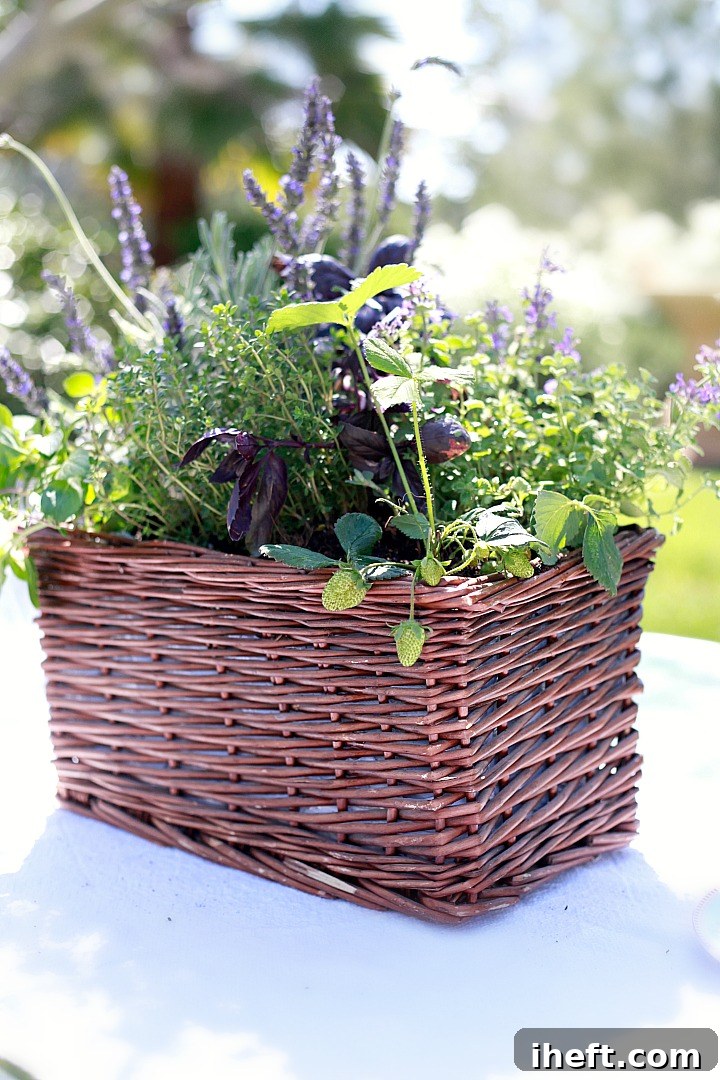
Even if you don’t have the luxury of extensive raised beds or a sprawling vegetable patch, cultivating a small pot of herbs can bring immense satisfaction. Basil, with its intoxicating aroma and vibrant green leaves, thrives magnificently during the warm summer months. And there’s arguably no better way to celebrate its peak freshness than by transforming it into a batch of classic, homemade pesto.
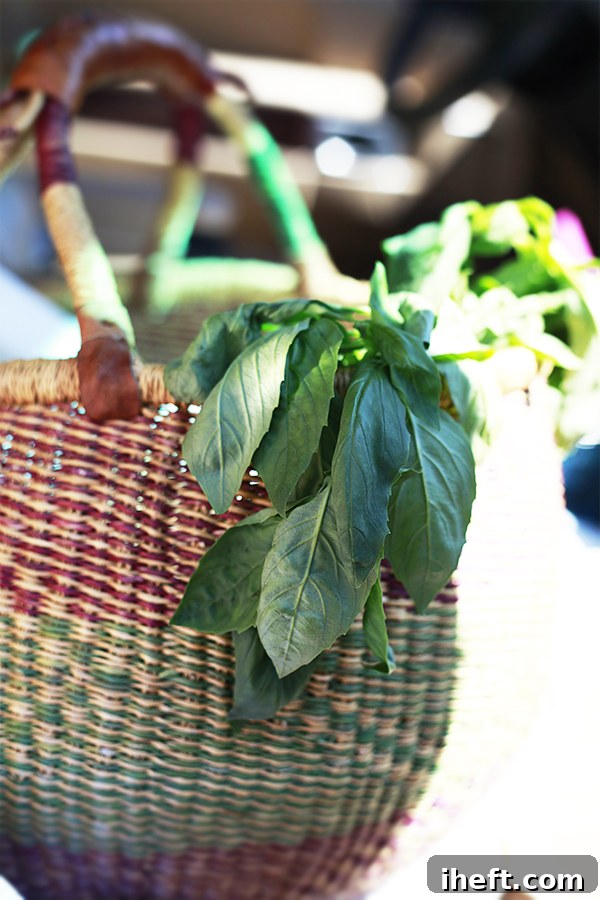
What Exactly is Pesto? A Journey Through Italian Culinary History
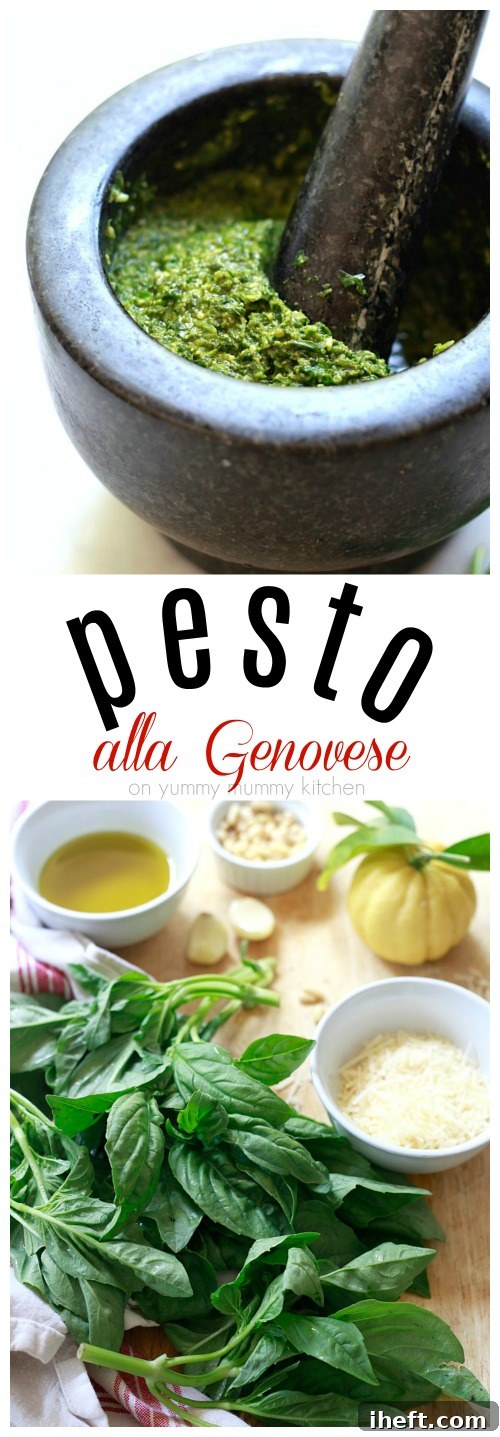
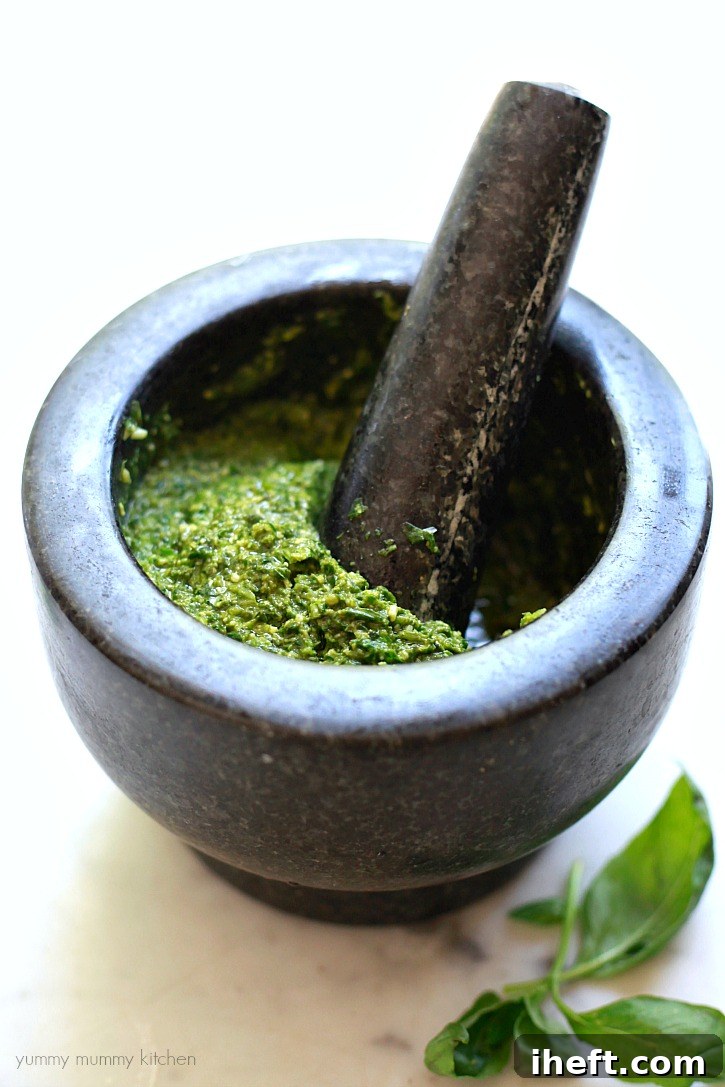
Pesto is far more than just a sauce; it’s a testament to Italy’s rich culinary heritage, a sauce with deep roots tracing back to the sun-kissed region of Liguria. Originating in Genoa, the capital of Liguria, in the 16th century, the word “pesto” itself comes from the Italian verb pestare, which means “to pound” or “to crush.” This etymology speaks volumes about its traditional preparation method: ingredients ground together using a mortar and pestle, a time-honored technique that extracts and blends flavors in a uniquely harmonious way.
While in Italy, “pesto” can broadly refer to any sauce made by this crushing method – think of a vibrant sun-dried tomato pesto or a robust rocket pesto – the most celebrated and globally recognized version is unequivocally Pesto alla Genovese. This iconic green sauce is meticulously crafted from a precise blend of fresh basil leaves, crunchy pine nuts, pungent garlic, salty Parmesan cheese (sometimes complemented by Pecorino Sardo or Romano), and a generous amount of high-quality extra virgin olive oil. Each ingredient plays a crucial role, contributing to a complex flavor profile that is both fresh and deeply satisfying.
Having had the privilege of traveling through various regions of Italy, I can attest that Liguria, with Genoa at its heart, holds a special charm. Its rugged coastline, picturesque villages like those of Cinque Terre, and a cuisine deeply rooted in fresh, local ingredients make it truly stunning. As I often find myself dreaming of returning, revisiting and mastering this quintessential Italian staple at home feels like a perfect way to bring a piece of Liguria into my kitchen, celebrating its simple elegance and profound flavors.
Why Homemade Pesto Reigns Supreme
While store-bought pesto offers convenience, nothing compares to the vibrant taste and aroma of a freshly made batch. Homemade pesto allows you to control the quality of each ingredient, ensuring the basil is at its peak freshness, the olive oil is robust, and the cheese is perfectly aged. The process itself is a meditative culinary experience, transforming simple components into a glorious sauce that bursts with authentic flavor. Plus, it’s surprisingly simple to make, proving that the best flavors often come from the simplest preparations.
Crafting the Classic: How to Make Basil Pesto (Pesto alla Genovese)
The beauty of making pesto lies in its simplicity and adaptability; it’s more an art form than an exact science. While traditional recipes often omit lemon, I find that a small squeeze of fresh lemon juice brightens the overall flavor profile and, crucially, helps slow down the natural browning process of the basil, preserving its vibrant green hue. Given that lemons grow abundantly across Liguria, this addition feels perfectly at home in a Genovese-style pesto.
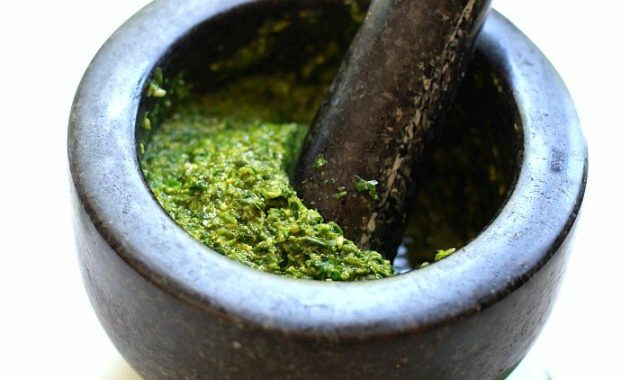
Tradition often suggests a ratio of one garlic clove per 30 basil leaves, but ultimately, the key is to adjust as you go, tasting and tweaking until it achieves that perfect balance of flavors for your palate. Whether you embrace the romantic, rhythmic effort of using a traditional mortar and pestle or opt for the modern convenience of a food processor, the goal remains the same: to create a harmonious blend that celebrates each ingredient. While I adore the ritualistic aspect of a mortar and pestle for its superior texture and deeper flavor development, I’ll candidly admit that on most busy days, my trusty food processor is my go-to for its sheer speed and ease.
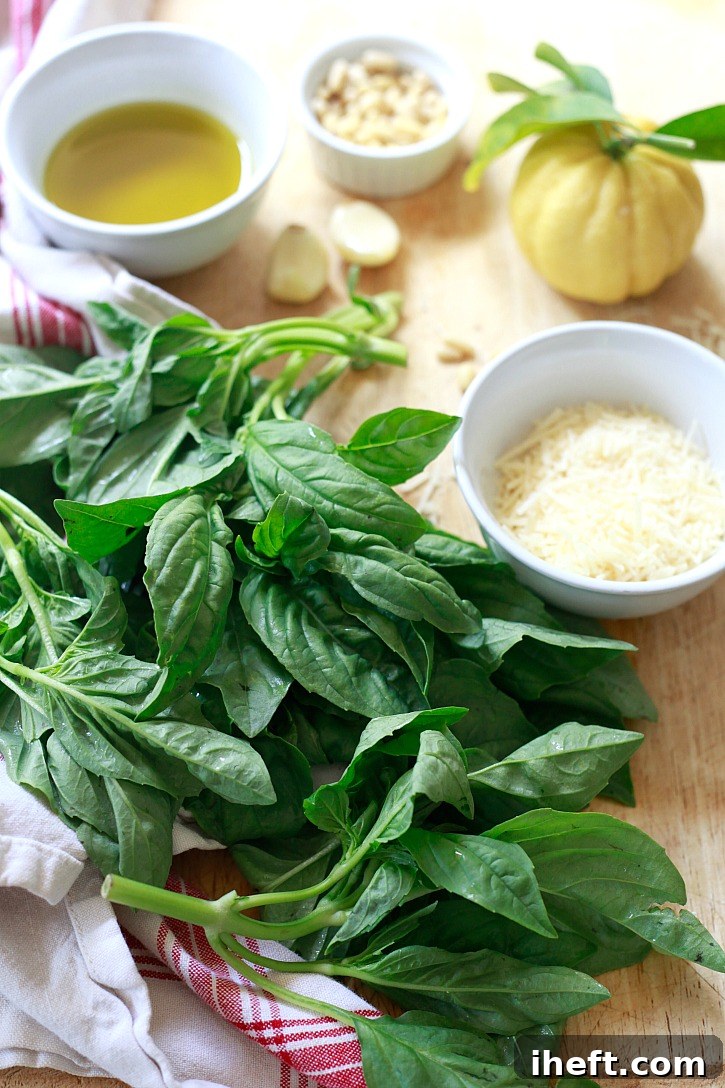
The Essential Ingredients of Pesto alla Genovese
- Fresh Basil Leaves: The undisputed star. Choose bright green, unblemished leaves for the best flavor. Genovese basil is preferred for its sweet, less peppery notes.
- Garlic: Adds a pungent kick. Adjust the amount to your preference; some like it bold, others subtle.
- Pine Nuts: Provide a delicate, buttery texture and a slightly sweet, nutty flavor. Toasting them gently before adding can enhance their depth.
- Parmesan Cheese: Finely grated Parmigiano Reggiano offers a salty, umami-rich depth. For an extra zing, a blend with Pecorino Romano is often used.
- Extra Virgin Olive Oil: The binding agent and a significant flavor contributor. Use a high-quality, fruity olive oil.
- Sea Salt: Essential for enhancing all the other flavors.
- Fresh Lemon Juice (Optional but Recommended): A bright counterpoint to the richness and a natural anti-browning agent.
Creative Pesto Variations for Every Taste
While the classic Pesto alla Genovese is undeniably perfect, its fundamental structure lends itself beautifully to creative adaptations. Don’t be afraid to experiment with different nuts, greens, or even cheeses to craft a pesto that truly resonates with your dietary needs or flavor preferences:
- Vegan Pesto: Easily transform this traditional recipe by swapping out the Parmesan cheese for nutritional yeast. Nutritional yeast provides a remarkably similar nutty, umami, and “cheesy” flavor. Add an extra pinch of salt to balance the flavors, and you’ll hardly miss the dairy.
- Light Pesto: For those seeking a lighter alternative or a sauce with a slightly thinner consistency, replace a portion of the olive oil with water. Start by substituting about a quarter of the oil with water and adjust gradually until you reach your desired texture and caloric preference.
- Kale or Spinach Pesto: Boost the nutrient content and add a mild, earthy undertone by incorporating leafy greens. Use half basil and half finely chopped kale or spinach. This is an excellent way to use up greens and introduce more vitamins into your diet without sacrificing the pesto’s core appeal.
- Walnut Pesto: Pine nuts, while traditional, can be quite expensive. Walnuts offer an excellent, more affordable, and equally delicious substitute. Their slightly bitter, earthy flavor pairs wonderfully with basil. You can also experiment with other nuts like almonds or cashews for different flavor profiles.
- Sun-Dried Tomato Pesto (Pesto Rosso): While distinct from Genovese, it’s another popular Italian pesto. Blend sun-dried tomatoes with garlic, Parmesan, and olive oil for a rich, tangy red pesto perfect for sandwiches or pasta.
- Arugula Pesto: For a peppery, slightly bitter kick, try using arugula instead of or in combination with basil. It offers a sophisticated edge, particularly good with grilled meats or roasted vegetables.
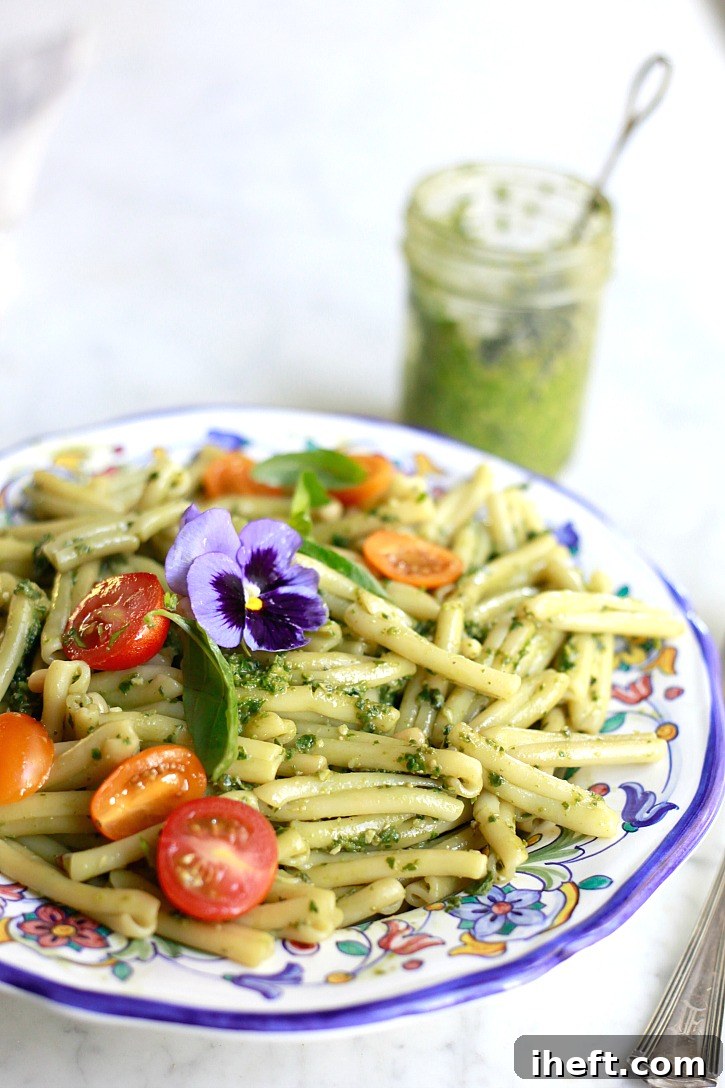
Beyond the Bowl: Versatile Ways to Enjoy Homemade Pesto
The beauty of homemade pesto lies not only in its exquisite flavor but also in its incredible versatility. Crafted from simple, fresh ingredients, the best basil, garlic, and olive oil you can find will yield the most spectacular results. Once your vibrant green masterpiece is ready, the culinary possibilities are truly endless:
- Classic Pasta Companion: The most iconic use! Toss warm pasta with generous dollops of pesto. For a silkier sauce, loosen it with a splash of the starchy pasta water before serving. It clings beautifully to fettuccine, linguine, or penne.
- Bruschetta and Crostini: Spread pesto generously on crusty bread, perhaps toasted or grilled, for an authentic taste of Liguria, much like they do in the charming villages of Cinque Terre. Top with fresh tomatoes or mozzarella.
- Sandwich & Wrap Enhancer: Ditch boring condiments! Use pesto as a flavorful spread for sandwiches, paninis, or wraps. It adds a gourmet touch to even the simplest turkey or veggie sandwich.
- Pizza Perfection: Replace traditional tomato sauce with pesto for a unique and flavorful pizza base. Pair with fresh mozzarella, cherry tomatoes, and perhaps some grilled chicken or vegetables.
- Soup Swirl: Stir a spoonful or two into hot vegetable or minestrone soups just before serving for an instant burst of fresh, herbaceous flavor.
- Drizzle over Proteins: Elevate grilled fish (especially salmon or cod), roasted chicken, or pan-seared steak with a drizzle of pesto. Its bright notes complement savory meats beautifully.
- Roasted Vegetable Revitalizer: Toss roasted potatoes, asparagus, zucchini, or bell peppers with pesto after they come out of the oven for a final flavor flourish.
- Egg Dishes: Swirl into scrambled eggs, omelets, or frittatas for an easy and delicious breakfast or brunch.
- Salad Dressing Base: Whisk pesto with a little extra olive oil, vinegar, or lemon juice to create a vibrant dressing for green salads or potato salads.
Remember, pesto is best enjoyed fresh or served cold to preserve its brightest, most vivid flavors. Homemade pesto truly captures the essence of summer in a jar, and once you embark on the journey of making it yourself, you’ll undoubtedly discover countless delicious ways to incorporate this culinary gem into your everyday meals.
Storage Tips for Fresh Pesto
To extend the life of your homemade pesto, store it in an airtight container in the refrigerator for up to a week. For longer storage, pour a thin layer of olive oil over the surface to prevent oxidation and browning. For months of enjoyment, freeze pesto in ice cube trays. Once frozen, transfer the cubes to a freezer-safe bag or container, and simply pop one out whenever you need a quick flavor boost for pasta, soups, or marinades. This ensures you can enjoy the taste of summer long after the season ends.
The Authentic Pesto alla Genovese Recipe
How to Make Pesto with Fresh Basil (Pesto alla Genovese)
Bright, herbaceous, and bursting with flavor, this classic basil pesto comes together in mere minutes with fresh basil, pungent garlic, delicate pine nuts, savory Parmesan cheese, and rich olive oil. Whether you choose the traditional method with a mortar and pestle or opt for the speed of a food processor, this homemade pesto is the ultimate sauce for pasta, a delightful spread for sandwiches, or a sublime drizzle over roasted vegetables. A crucial squeeze of fresh lemon juice ensures it remains vibrant and fresh.
Ingredients
- 3-4 cups fresh basil leaves (firmly packed)
- 2 cloves garlic, peeled
- 2 Tablespoons pine nuts
- 1/3 cup finely grated Parmesan cheese (or 3 tablespoons nutritional yeast for vegan)
- 1/4 cup extra virgin olive oil (plus more as needed)
- Sea salt to taste
- Squeeze of fresh lemon juice (optional, but highly recommended)
Instructions
- Prep the Basil: Thoroughly wash and gently pat the basil leaves completely dry. Any residual water can dilute the pesto and affect its consistency.
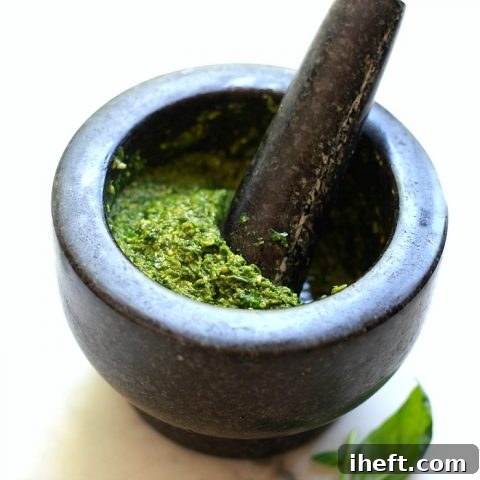
- Mortar & Pestle Method (Traditional): Begin by placing the garlic cloves and a small pinch of sea salt into your mortar. Grind them into a smooth paste. Next, add the pine nuts and crush them until they are well broken down. Add the basil leaves a handful at a time, grinding them in a circular motion against the sides of the mortar until a coarse paste forms. Stir in the grated cheese, then slowly drizzle in the extra virgin olive oil, continuing to grind until the pesto reaches your desired creamy yet textured consistency.
- Food Processor Method (Quick): For a faster approach, combine the basil leaves, garlic, pine nuts, and grated cheese in the bowl of a food processor. Pulse a few times until the ingredients are finely chopped. With the motor still running, slowly drizzle in the extra virgin olive oil through the feed tube until the mixture becomes smooth and creamy.
- Season & Finish: Taste your freshly made pesto and season with additional sea salt as needed. If desired, add a squeeze of fresh lemon juice to brighten the flavors and help maintain the pesto’s vibrant green color.
- Serve: Your homemade pesto is now ready to be enjoyed! Use it immediately tossed with warm pasta, spread on crusty bread, or as a flavorful topping for various proteins and roasted vegetables.
Recipe Notes & Pro Tips
- Nuts: While pine nuts are classic, feel free to substitute with more affordable and equally delicious options like walnuts, almonds, or even cashews. Toasting them lightly before adding can deepen their flavor.
- Cheese: Parmesan provides a sharp, salty flavor. For an even more piquant bite, consider using Pecorino Romano. For a truly vegan pesto, nutritional yeast is an excellent alternative, offering a savory, cheesy essence.
- Consistency: The amount of olive oil can be adjusted to achieve your preferred consistency. Use less for a thicker, more concentrated pesto, or thin it out with a little extra olive oil or even a splash of pasta water for a drizzle-friendly sauce.
- Best Basil: Always opt for the freshest, most vibrant green basil leaves you can find. Avoid any leaves that appear dark, bruised, or wilted, as they can impart a bitter taste to your pesto.
- Freezing for Future Use: To enjoy homemade pesto for months, pour it into ice cube trays and freeze until solid. Once frozen, transfer the pesto cubes to an airtight freezer bag or container. This makes it incredibly convenient to grab a portion whenever you need a burst of flavor for your meals.
Nutrition Information (Approximate):
Amount Per Serving (based on 6 servings):
- Calories: 143
- Total Fat: 13g
- Saturated Fat: 2g
- Trans Fat: 0g
- Unsaturated Fat: 10g
- Cholesterol: 5mg
- Sodium: 199mg
- Carbohydrates: 6g
- Fiber: 1g
- Sugar: 1g
- Protein: 4g
(Note: Nutritional values are estimates and may vary based on specific ingredients and preparation methods.)
© Marina Delio
Cuisine: Italian /
Category: Sauce
Recipes That Use Pesto
Once you’ve mastered the art of homemade pesto, you’ll find countless ways to incorporate its fresh, vibrant flavor into your cooking. Here are some inspiring recipes that beautifully showcase the versatility of pesto:
- Spring Veggie Minestrone Soup from Yummy Mummy Kitchen
- Smashed Chickpea, Avocado, and Pesto Salad Sandwich from Two Peas and Their Pod
- The Ultimate Veggie Sandwich from Edible Perspective
- 30 Minute Penne Pasta Salad from Minimalist Baker
- Easy Mediterranean Pesto Chickpea Salad from Ambitious Kitchen
- Roasted Potato Pesto Salad from Ceara’s Kitchen
- Crispy Smashed Potatoes with Garlic Pesto from Minimalist Baker
- Kale Detox Salad with Pesto from Well and Full
- Pesto Butter Bean Salad from Deliciously Ella
- Sheet Pan Roasted Vegetable Soup from Soup Addict
- Grilled Flatbread with Peaches and Arugula Pesto from Foodie Crush
- Spinach and Tomato Quesadilla with Pesto from The Garden Grazer
- Spring Pesto Roasted Tomatoes from Garlic & Zest
- Parmesan Pesto Risotto with Cherry Tomatoes from Whole and Heavenly Oven
- Summer Pesto Grilled Vegetables with Penne from Whole and Heavenly Oven
- Asparagus and Pea Spinach Pesto Quinoa Salad from Closet Cooking
If you liked this recipe, you might also enjoy discovering How to Make Marinara with Fresh Tomatoes!