Craft Your Own Fizzy Delights
Crafting your own luxurious bath bombs at home is simpler than you think, and incredibly rewarding. This easy DIY recipe allows you to create beautiful, fizzy, and skin-softening bath treats without the need for cornstarch, offering a pure and delightful bathing experience. Post contains affiliate links, meaning if you make a purchase through these links, I may earn a small commission at no extra cost to you.
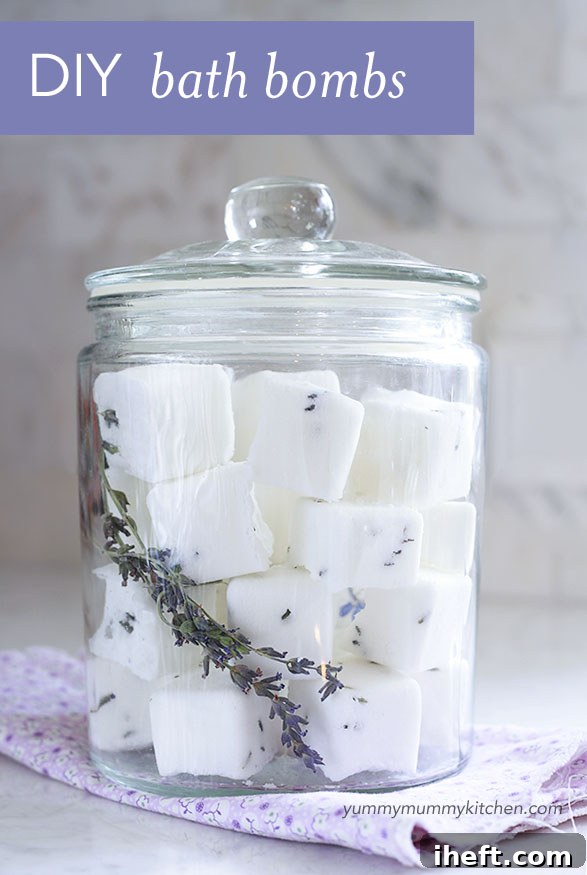
There’s nothing quite like a warm, bubbly bath to unwind after a long day, and bath bombs elevate this simple ritual into a spa-like escape. My children adore the magic of bath bombs, transforming their nightly routine into a fun, fragrant adventure. For a while, I indulged their love for these fizzy delights by purchasing lavender-scented bath bombs, hoping the calming aroma would help them relax before bedtime. However, I quickly noticed how rapidly the costs accumulated. High-quality bath bombs from specialty stores or natural grocery aisles often range from $4.00 to $8.00 each, making it an expensive habit.
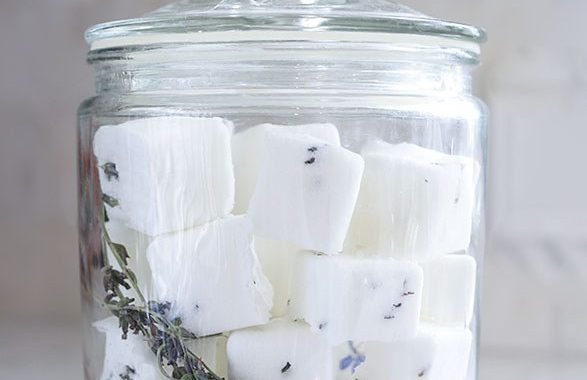
This realization sparked a mission: to create my own line of natural, therapeutic, and wonderfully calming bath bombs that wouldn’t break the bank. What I discovered was an incredibly straightforward process that takes mere minutes to prepare. Now, instead of spending a fortune, we have a generously sized jar holding approximately 30 gorgeous homemade bath bombs right by the tub. Imagine the savings – that quantity would easily cost over $100 to purchase! Beyond personal use, these DIY bath fizzies also make exceptional, thoughtful gifts for friends and loved ones. If you’re keen on enhancing your wellness and self-care routines, you might even consider adding some lunar-charged Moon Water to your next luxurious bath for an extra touch of intention.
The Secret to Simply Amazing Bath Bombs: No Cornstarch Needed!
In my quest for the perfect bath bomb recipe, I extensively researched various formulas. A common ingredient I consistently encountered was cornstarch. However, when I was ready to start crafting, I realized I didn’t have any on hand. Rather than postpone my project, I decided to proceed without it. To my delightful surprise, my bath bombs turned out incredibly fizzy and held together perfectly without a trace of cornstarch! This discovery proved that it’s not an essential component for a successful bath bomb, simplifying the recipe even further.
Understanding the Core Ingredients for Your DIY Bath Bombs
The true power players in any bath bomb are citric acid and baking soda. These two ingredients are responsible for the delightful effervescence that makes bath bombs so much fun. When they come into contact with water, they react to produce carbon dioxide gas, creating those wonderful bubbles and fizz. To bind the mixture together and simultaneously impart fantastic moisturizing benefits to your skin, a quality body oil is indispensable. Finally, essential oils are what truly elevate your bath bombs, infusing them with incredible fragrances and offering a myriad of therapeutic health benefits that can soothe your mind and body.
- Citric Acid: This natural acid is found in citrus fruits and is the key to the fizz. You might find it in the canning aisle of some larger grocery stores, but I personally found it much easier and often more cost-effective to purchase high-quality citric acid online.
- Baking Soda (Sodium Bicarbonate): The alkaline counterpart to citric acid, baking soda provides the other half of the fizzing reaction and also helps to soften bath water.
- Carrier Oil: I opted for almond oil for its light texture and excellent moisturizing properties; it’s also a fantastic natural moisturizer for skin directly after a shower. You can also use coconut oil, jojoba oil, or grapeseed oil. These oils act as a binding agent, holding your bath bomb together, and simultaneously nourish your skin, leaving it feeling soft and supple.
- Essential Oils: This is where you can truly personalize your bath bombs. I chose a harmonious blend of lavender and frankincense. Lavender is renowned for its calming and relaxing properties, perfect for a bedtime ritual, while frankincense offers cleansing and protective qualities, adding a touch of grounding serenity. High-quality lavender essential oil is readily available on Amazon, or you can explore other trusted essential oil suppliers. If you’d like to know more about the specific oils I use and recommend, feel free to reach out to me!
Beyond the essential ingredients, you can get creative with optional additions. Since lavender grows abundantly in our backyard, I often incorporate dried lavender flowers into my bath bombs for added visual appeal and an extra boost of natural fragrance. You could also experiment with natural food coloring for vibrant hues, or add finely grated dried orange zest for a citrusy aroma and charming flecks of color. Mica powders are another excellent option for safe, dazzling colors without synthetic dyes.
Step-by-Step Guide to Crafting Your Fizzing Masterpieces
Making bath bombs is all about achieving the right consistency. Once you’ve gathered your ingredients, the process is quick and simple. The goal is to create a mixture that holds together when squeezed, much like damp sand on a beach, but isn’t so wet that it begins to fizz prematurely.
Mixing Your Ingredients:
- Begin by thoroughly whisking together the dry ingredients – the citric acid and baking soda – in a medium-sized bowl. It’s important to combine these well to ensure an even fizz later.
- Next, slowly add your chosen carrier oil (almond or coconut oil) and your essential oils. You can use a spoon, a rubber spatula, or even your hands (wearing gloves is recommended, especially if you have sensitive skin). The key is to mix gently but thoroughly.
- Continuously check the consistency. The mixture should just hold together when you press a handful between your fingers. If it’s too dry and crumbles easily, add a tiny bit more oil, a few drops at a time, until the desired consistency is reached. Be careful not to add too much liquid, as this can trigger the fizzing reaction prematurely.
Molding and Drying:
Once your mixture is perfect, it’s time to shape your bath bombs. The firmer you pack the mixture into your molds, the less likely they are to crumble once dry. I’ve found that silicone molds work exceptionally well for this purpose, providing a flexible surface that makes for easy removal without damaging the delicate bombs. I personally used silicone ice cube trays, and they produced perfectly sized bath bombs that were easy to handle and store.
- Take a generous amount of your mixture and firmly press it into your chosen silicone mold. Pack it down as tightly as possible, ensuring there are no air pockets. This compaction is crucial for the bath bomb’s structural integrity.
- Once molded, carefully place the molds in a dry, undisturbed area and allow them to dry for at least 24 hours. This drying time allows the bath bombs to harden completely, preventing them from crumbling when handled or used.
- Speeding up the Drying Process: If you’re eager to use your bath bombs sooner, you can carefully place the silicone molds into a cool oven. Preheat your oven to 200 degrees F (approximately 93 degrees C), then immediately turn it off. Let the bath bombs sit in the cooling oven, with the door slightly ajar, for about an hour. After this, remove them and let them cool completely to room temperature before attempting to remove them from the molds. If they still feel soft or crumbly, allow them to dry for a longer period in a dry spot.
Tips for Perfect Homemade Bath Bombs Every Time
- Humidity is Your Enemy: Excessive moisture in the air can cause your bath bombs to start fizzing prematurely or prevent them from hardening properly. Choose a low-humidity day to make them, or use a dehumidifier if needed.
- Proper Storage: Once fully dry, store your bath bombs in an airtight container in a cool, dry place away from direct sunlight and humidity. This will preserve their fizziness and fragrance for longer. Glass jars, sealed plastic containers, or even shrink-wrap are great options.
- Experiment with Scents: The beauty of DIY is customization! Try different essential oil blends: peppermint and eucalyptus for a refreshing cold remedy bath, orange and bergamot for an uplifting mood booster, or ylang-ylang and cedarwood for an exotic, grounding experience. Always research essential oil safety, especially when using them on children or if you have sensitive skin.
- Natural Colorants: For natural hues, consider spirulina powder for green, beet root powder for pink, turmeric for yellow, or activated charcoal for a deep black. Add these powders to your dry ingredients before mixing in the oils.
- Gift-Giving Perfection: Homemade bath bombs make delightful gifts. Package them in cello bags with pretty ribbons, place them in decorative boxes, or arrange a few in a Mason jar. Don’t forget to include a handmade tag with the ingredients listed!
Creating your own bath bombs at home is more than just a cost-saving measure; it’s an act of self-care and creativity. You gain complete control over the ingredients, ensuring that what goes into your bath, and onto your skin, is pure, natural, and free from unwanted chemicals. Enjoy the process of crafting these delightful fizzies and transform your ordinary bath into an extraordinary escape!
Explore More DIY Bath & Body Recipes
If you’ve enjoyed crafting these homemade bath bombs, you’ll love these other simple and natural recipes for pampering your body from head to toe:
- Luxurious Coconut Sugar Scrub
- Nourishing Lavender Body Oil
Homemade Bath Bombs (No Cornstarch) Recipe
Total Time: 24 hours (drying time)
Prep Time: 5-10 minutes
Cook Time: 24 hours (drying time, or 1 hour active drying in oven)
Discover how to effortlessly make your own luxurious and fizzy bath bombs using simple, natural ingredients – no cornstarch required!
Ingredients:
- 1 cup citric acid
- 1 ½ cups baking soda
- ½ cup almond oil or coconut oil (melted if solid)
- 8-10 drops pure essential oils (e.g., lavender, frankincense, peppermint)
- Silicone molds (ice cube trays or specific bath bomb molds work great)
- Optional: Dried lavender flowers, mica powder for color, Epsom salts (1/4 cup)
Directions:
- In a spacious medium bowl, thoroughly whisk together the citric acid and baking soda. If you are adding any optional dry ingredients like mica powder or Epsom salts, incorporate them now and mix well.
- Using a spoon or spatula (or gloved hands), gradually add the almond oil (or melted coconut oil) and your chosen essential oils to the dry mixture. Mix continuously until the ingredients are fully combined. The mixture should have the consistency of damp sand – when you squeeze a handful, it should hold its shape without crumbling, but also not be overly wet.
- Once the mixture reaches the desired consistency, firmly press it into your silicone molds. Pack the mixture down as tightly as possible to ensure the bath bombs are sturdy and hold their shape well.
- Carefully place the filled molds in a dry, undisturbed area and allow the bath bombs to dry and harden for a minimum of 24 hours.
- To speed up drying: You can place the silicone molds into an oven preheated to 200 degrees F (93 degrees C). Once the oven reaches temperature, turn it off immediately. Leave the bath bombs in the cooling oven, with the door slightly ajar, for about one hour. Remove them and let them cool completely to room temperature before attempting to demold.
- Once completely dry and firm, carefully remove the bath bombs from their molds. Store them in an airtight container in a cool, dry place to maintain their freshness and fizziness. Enjoy your natural, homemade spa experience!