Cultivating Your Plate: Seasonal Planting for a Delicious Garden
Cultivating Your Edible Oasis: A Comprehensive Guide to Spring Garden Planning and Planting
After years of envisioning, meticulous planning, and patient anticipation, the dream has finally blossomed into reality! Our backyard now proudly features a beautifully constructed raised vegetable garden, a vibrant canvas ready to burst with life and flavor. This journey, shared wholeheartedly with my daughters, has already proven to be an incredibly rewarding experience. There’s an unparalleled joy in selecting tiny, promising plants at the nursery, imagining the abundant harvests they will soon yield. More than just a gardening endeavor, it’s an immersive adventure into the natural world, a hands-on lesson in growth and seasonality, and a direct pipeline to fresh, wholesome food right at our fingertips.
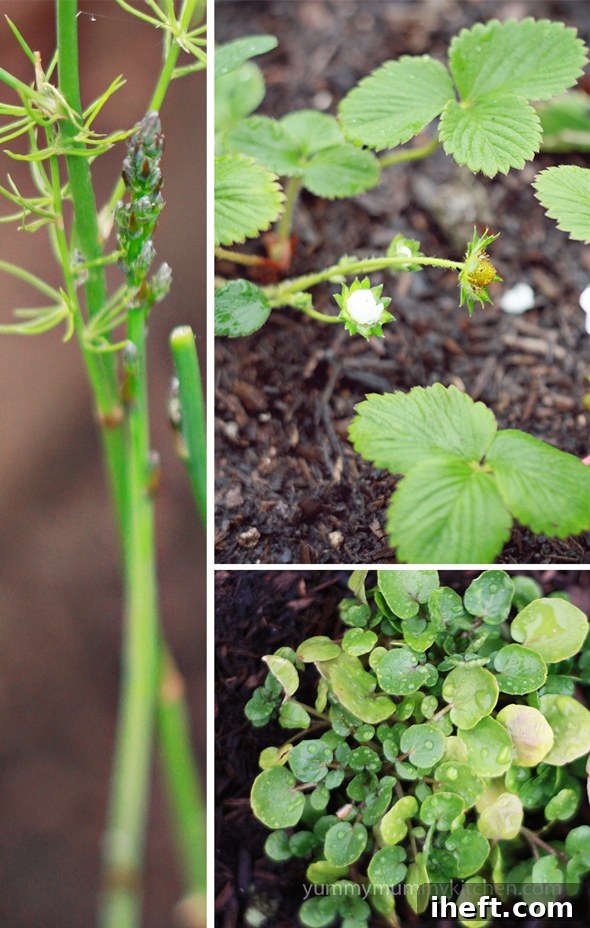
A vibrant glimpse into our new raised garden bed, featuring promising sprouts of asparagus, luscious strawberries, and fresh watercress.
The Profound Joy of Growing Your Own Food
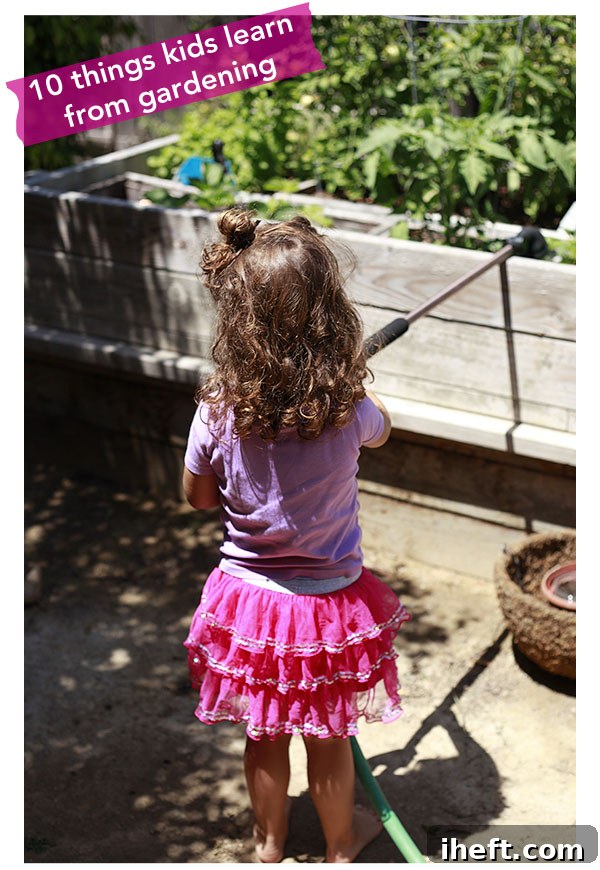
There’s an undeniable magic in observing food transition from a tiny seed or sprout into a bountiful harvest. In an era increasingly dominated by digital screens and constant stimulation, stepping outside and digging our hands into the rich, living earth offers a profound reconnection to nature. While my youngest, L (almost 2), enjoys her peaceful afternoon nap, my older daughter B and I cherish the moments spent outdoors. We find immense satisfaction in the simple acts of planting, watering, and nurturing our growing garden. This hands-on engagement provides a refreshing antidote to modern distractions, grounding us in the present moment and reminding us of the simple yet powerful pleasures of the natural world.
For children, in particular, witnessing the entire lifecycle of food is an invaluable educational journey. It teaches them patience as they wait for seeds to sprout, responsibility as they care for the young plants, and a deep understanding of where their meals truly come from. Imagine their excitement and pride when they pick a sun-ripened strawberry they personally helped plant, or marvel at a broccoli head emerging from a tiny seedling. This direct interaction transforms everyday groceries, often seen only in sterile supermarket aisles, into vibrant, living entities cultivated with their own hands. This engagement not only fosters a deeper appreciation for healthy eating but also instills vital lessons in sustainability and environmental stewardship.
Innovative Raised Garden Beds: Our Beekeeping Box Transformation
Our choice of raised garden beds adds a uniquely rustic and sustainable touch to our backyard sanctuary. To ensure our diverse collection of plants thrives optimally without intermingling, and to provide ideal growing conditions, we’ve creatively repurposed old beekeeping boxes. These charming, sturdy boxes were thoughtfully acquired by our landscaper from a local beekeeper who had finished using them. This act of creative reuse not only imbues our garden with distinct character and a story but also perfectly aligns with our commitment to sustainability and giving new life to forgotten materials.
Building a raised garden, whether from salvaged items or new timber, can be a surprisingly achievable and rewarding project. If you’re fortunate enough to have a handy partner, assembling old wood planks into robust boxes can be a fulfilling weekend endeavor. Raised garden beds offer a multitude of advantages for home gardeners: they provide superior drainage, allow for precise control over soil composition and nutrients, reduce the need for excessive bending and kneeling (making gardening more accessible for all ages), and can even deter certain common garden pests by creating a physical barrier. For those who may not have access to unique beekeeping boxes, there are many alternative materials that can be utilized, such as durable cedar planks, recycled plastic lumber, or even stacked stone, all capable of creating beautiful and highly functional raised garden beds.
We firmly believe that gardening should be an enjoyable, enriching, and accessible hobby for everyone, regardless of experience level. If you have any questions about initiating your own raised garden, selecting the most suitable materials, preparing your soil for planting, or any other gardening query, please don’t hesitate to share them in the comments section below. We are always eager to exchange experiences, offer insights, and learn from the collective wisdom of our vibrant gardening community!
Spring’s Gentle Awakening: Nature’s Tender Reminders
Overnight, our plum tree has burst forth with countless delicate white buds and blossoms—a beautiful and unmistakable sign that spring has truly arrived!
The garden serves as far more than just a place for cultivation; it is a living, breathing canvas that gracefully reflects the ever-changing tapestry of the seasons. Just as we marvel at our nascent vegetable sprouts pushing through the soil, the broader landscape offers its own spectacular wonders. Seemingly overnight, our mature plum tree has burst forth with countless delicate white buds and enchanting blossoms. This breathtaking transformation is a poignant and vibrant reminder that spring is not merely on its way, but is unequivocally here, alive and thriving. The crisp, invigorating air, the noticeably longer days, and the pervasive promise of warmth fill us with a deep sense of anticipation for the season’s abundant bounty and all the growth it entails.
Navigating Garden Challenges: Our Feathery Friends and Their Appetites
Every gardening journey comes with its unique set of challenges, and for us, our beloved backyard chickens have presented a rather charming, albeit hungry, obstacle. They appear to view our flourishing garden beds as their very own, expansive, and utterly irresistible salad bar! We’ve caught them on several occasions, confidently flying into the raised beds and happily munching on tender broccoli leaves and other tempting greens. While their enthusiasm for fresh produce is undeniably endearing, it emphatically highlights the immediate need for effective protective measures to safeguard our precious plants.
To ensure the uninterrupted growth of our valuable crops, our next crucial mission involves a trip to the local garden store to scout for suitable fencing solutions. We are currently weighing various options, ranging from simple chicken wire barriers that can be strategically installed around the perimeter of the raised beds, to more comprehensive netting solutions that can be draped entirely over the structures. The primary objective is to create a robustly chicken-proof environment that allows our vegetables to mature undisturbed, while simultaneously ensuring our feathered friends have ample space to roam and forage safely elsewhere in the yard. Striking a harmonious balance between effective pest control and maintaining the welfare of our animals is a fundamental and essential aspect of sustainable backyard gardening.
From Garden to Table: The Culinary Anticipation
The excitement of watching our vegetables flourish is matched only by the deep anticipation of harvesting them and integrating their fresh, vibrant flavors into our daily meals. There is a profound and incomparable satisfaction in preparing a dish with ingredients you have personally grown, knowing precisely where they originated and the care that went into their cultivation. We eagerly await the first harvest of crisp, tender lettuce, juicy, sun-sweetened strawberries, and earthy asparagus, already envisioning an array of delicious salads, vibrant stir-fries, and wholesome, nutritious family dinners crafted from our very own backyard bounty.
Do you cultivate an edible garden at your home? We are always eager to hear about your experiences, your favorite crops that bring you joy, and any unique gardening practices or innovative tips you employ. Sharing knowledge and fostering connections within the gardening community truly enriches us all, inspiring new ideas and fostering a collective passion for growing.
Embracing Sustainability: Tackling the Art of Composting
Beyond the immediate joys of cultivation, our journey into sustainable living continues with a new, exciting challenge: composting. This is a practice I have, admittedly, been a little intimidated to try, often envisioning complex setups, potential odors, or attracting unwanted pests. However, the multifaceted benefits of composting are simply undeniable – it significantly reduces household waste, naturally enriches our garden soil, and beautifully completes the organic cycle by returning nutrients to the earth. Composting transforms kitchen scraps, yard waste, and other organic materials into nutrient-rich soil amendment, diverting them from crowded landfills and providing an invaluable, natural boost for our thriving garden.
For beginners, starting a compost pile can be much simpler and less daunting than it initially appears. You can begin with a basic, open pile in a discreet corner of your yard, invest in a purpose-built compost bin (many varieties are available), or for smaller spaces, even explore vermicomposting (worm composting) which is incredibly efficient. The fundamental key to successful composting lies in balancing “greens” (nitrogen-rich materials such as fresh food scraps, grass clippings, and green plant matter) with “browns” (carbon-rich materials like dry leaves, shredded newspaper or cardboard, and wood chips). Regularly keeping the pile moist and turning it frequently ensures proper aeration, which is crucial for efficient decomposition and preventing odors. If you have successfully embraced composting, please generously share your tried-and-true tips and clever tricks! What’s your preferred composting method, and what advice would you offer to a newcomer looking to embrace this essential and rewarding aspect of organic gardening?
Your Essential March Planting Guide: A Springboard for Abundant Growth
Spring unfurls as the quintessential time to roll up your sleeves, get your hands wonderfully dirty, and sow the seeds for a season brimming with horticultural abundance. While this comprehensive guide is generally tailored for the mild and forgiving climate of California, it serves as an excellent and inspiring starting point for enthusiastic gardeners everywhere. Always remember the golden rule of gardening: consult with your trusted local nursery or agricultural extension office for specific, localized recommendations perfectly suited to your region’s unique microclimate and crucial last frost dates.
Vegetables to Plant in March: Cultivating Your Harvest
- Perennial Powerhouses: March presents the ideal window for planting perennial favorites that will continue to yield delicious harvests for many seasons to come. Consider establishing robust Artichokes and sweet, prolific Strawberries. These long-term investments will enrich your edible garden for years, providing continuous delight.
- Last Call for Cool-Season Staples: There is still a precious window to plant a final, thriving crop of cool-season vegetables before the warmer weather fully takes hold. Excellent choices include hearty Broccoli, versatile Cabbage, and sweet, crisp Peas. These varieties flourish in cooler temperatures and will provide an early, refreshing spring harvest.
- Leafy Greens Galore: Maintain a continuous supply of essential leaf crops to keep your kitchen well-stocked. Varieties such as crisp Lettuce, nutritious Spinach, peppery Arugula, vibrant Chard, and an array of other Greens are fast-growing and promise a consistent harvest for fresh salads, stir-fries, and healthy cooking. Implementing succession planting (sowing small batches every few weeks) will ensure an uninterrupted supply throughout the spring.
- Root Vegetables from Seed: For successful root crops, direct sowing seeds directly into your garden beds is often the most effective method. March is an excellent time to plant crunchy Carrots, earthy Beets, and zesty Radishes. Ensure your garden soil is loose, well-draining, and free of obstacles for optimal root development and shape.
- Early Warm-Season Starters: If your eagerness for summer flavors is irresistible, now is a good moment to begin your first crops of pole or bush Beans, sweet Corn, and versatile Summer Squash. These crops appreciate gradually increasing warmth and will greatly benefit from an early start, setting the stage for future abundance.
- Tomato Temptation: We perfectly understand the almost irresistible urge to plant tomatoes as early as possible! While April and May are traditionally safer for these quintessential heat-loving plants, you can cautiously set out early Tomato varieties now. Be prepared to provide adequate protection, such as row covers or cloches, if an unexpected cold snap or late frost threatens, and remember to save ample room for more vigorous planting next month.
- Patience for True Heat-Lovers: For vegetables that genuinely demand consistent warmth and sunshine, such as vibrant Peppers, glossy Eggplant, refreshing Cucumber, luscious Melons, and hearty Pumpkin, it is generally prudent to wait until April or even May. This ensures that all danger of frost has definitively passed and soil temperatures have consistently warmed up, guaranteeing a robust start.
Herbs to Plant in March: A Symphony of Aromas
March stands out as a prime month for establishing both annual and perennial herbs, setting the stage for a fragrant, flavorful, and incredibly versatile garden:
- Annual & Perennial Herb Bonanza: Plant a wide and wonderful array of herbs now, including fragrant Basil, feathery Dill, pungent Oregano, delicate Marjoram, invigorating Mint, peppery Savory, fresh Parsley, earthy Sage, aromatic Rosemary, and classic Thyme. These invaluable aromatic additions will not only elevate your culinary creations but also infuse your entire garden with delightful, natural scents.
- Basil’s Warmth Preference: While you can certainly plant Basil in March, it is crucial to remember that this beloved herb absolutely thrives in consistent warm weather. If early spring temperatures are still cool or fluctuating, consider starting your basil seeds or plants indoors, or providing some form of protective cover until stable, consistent warmth firmly arrives.
This comprehensive March planting guide is designed to inspire and invigorate your spring gardening efforts, whether you are a seasoned green thumb or a budding enthusiast. Remember, gardening is a continuous, joyful learning process filled with experimentation and discovery. Embrace the journey of growing your own food, delight in experimenting with new plant varieties, and cherish the profound connection you forge with the vibrant life in your thriving edible garden!
Information adapted from La Sumida Nursery.