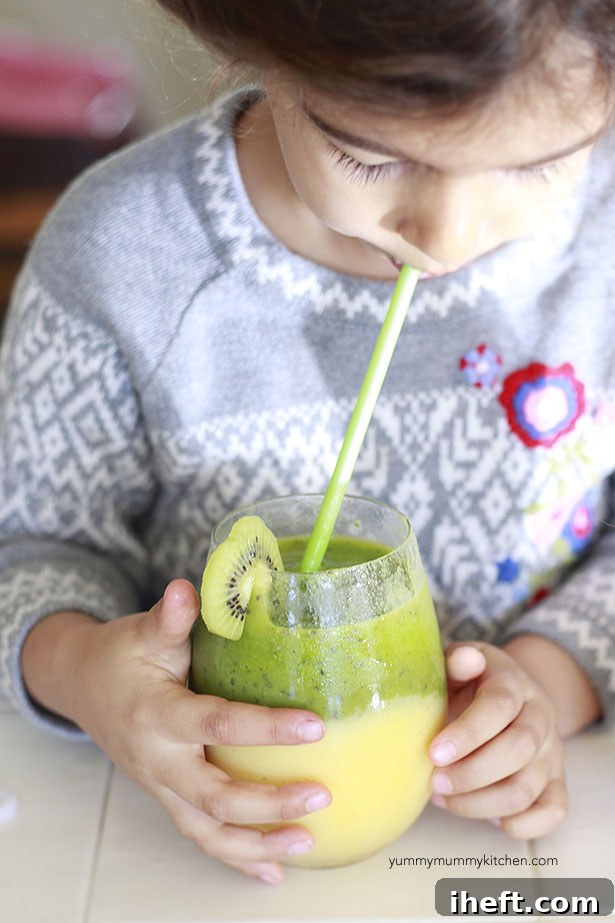
Cultivating Wisdom: Life Lessons from the Garden and a Cracker Barrel Prize
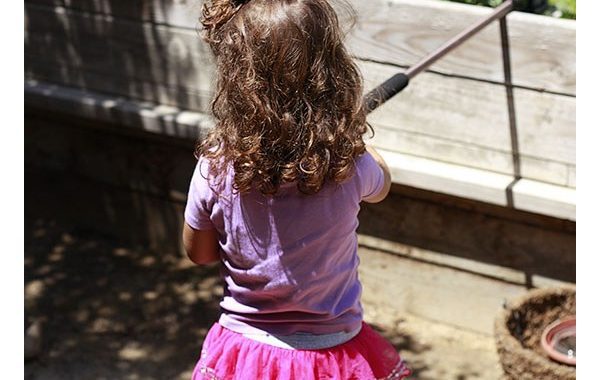
Growing More Than Just Plants: The Life Lessons Kids Learn in the Garden
As the sun bathes our days in golden light and the warmth of spring and summer beckons, our family has been joyfully immersed in the vibrant world of our garden. While the ongoing skirmishes with slugs, snails, stealthy wild rabbits, and persistent aphids occasionally test my patience, the overarching experience has been profoundly rewarding. There’s a unique magic in slowing down amidst life’s relentless pace, embracing the earth with muddy hands – and often, entire muddy bodies – and cultivating our own fresh food.
Beyond the simple pleasure of harvesting homegrown produce, I’ve observed a multitude of invaluable lessons that gardening imparts, not just to children, but to adults alike. As a busy mom friend recently shared, it truly offers “a gigantic enhancement in the kids’ lives.” It’s a hands-on classroom without walls, a living laboratory where curiosity blossoms alongside our crops. Here are just a few of the profound observations we’ve made, highlighting the incredible growth that happens when kids connect with nature.
Cultivating Character: Essential Life Skills from the Soil Up
1. Responsibility: Nurturing Life, One Plant at a Time
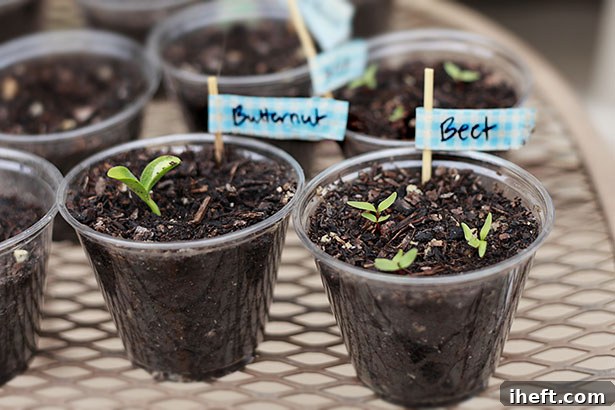
Gardening is an exceptional teacher of responsibility. From the moment a tiny seed is sown, a child learns that its survival depends on their care. If the plants aren’t watered, they wilt and eventually die. If weeds aren’t pulled, they stifle growth. This direct cause-and-effect relationship is powerful. Children understand that their actions, or inactions, have tangible consequences. Entrusting them with specific tasks, like daily watering, checking for pests, or helping with harvesting, fosters a deep sense of ownership and accountability. They learn the commitment required to care for living things, a lesson that extends far beyond the garden bed into their daily lives and future roles.
2. Appreciation for Nature and Ecosystems: Understanding Our World
Working in the garden opens children’s eyes to the intricate beauty and delicate balance of nature. Suddenly, bees, often feared for their sting, become vital allies. “We need bees!” is a truly wonderful exclamation to hear from kids who once might have run from them. Our daughters now grasp that when flowers bloom, we welcome bees to fertilize our plants, initiating the magical process of fruit and vegetable formation. My three-year-old’s excited declaration, “Mommy, look, the bees are organizing our plants!” (meaning fertilizing, of course!) perfectly illustrates this newfound understanding and appreciation. They learn about pollinators, beneficial insects, the role of healthy soil, and the fascinating life cycles that sustain us all. It transforms abstract scientific concepts into tangible, real-world experiences.
3. Patience: The Art of Waiting for Growth
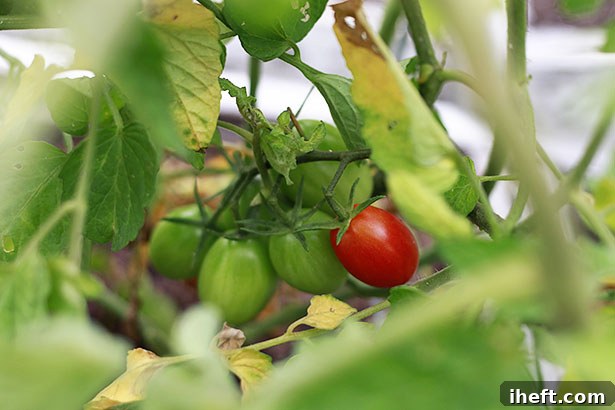
In a world of instant gratification, gardening teaches the invaluable virtue of patience. It can be incredibly challenging for eager young hands to wait until a fruit or vegetable is truly ripe and ready for picking. We’ve certainly had our share of prematurely picked, still-white strawberries! However, this waiting period is a powerful lesson. Children learn that good things take time, care, and consistent effort. They witness the slow, deliberate process of growth, from a tiny sprout to a flourishing plant bearing fruit. This experience helps them develop a deeper understanding that some of life’s most rewarding outcomes require perseverance and the ability to delay gratification, fostering a calm acceptance of nature’s rhythms.
4. Healthy Eating and Food Literacy: Connecting to Our Sustenance
Gardening provides a firsthand connection to real food. Kids see the beauty in produce that originates from a tiny seed, grows in the earth, and thrives with love and care. This experience stands in stark contrast to the pre-packaged, processed items often found on grocery store shelves. When children actively participate in growing their own food, they are far more likely to try and enjoy new vegetables. They develop an appreciation for where their food comes from, the effort involved in producing it, and the nutritional benefits it provides. This foundational understanding cultivates healthier eating habits and a deeper respect for the food on their plates, turning picky eaters into adventurous culinary explorers.
5. Calm and Mindfulness: Finding Peace in Nature
Stepping into the garden is an invitation to tranquility. Being outside, surrounded by chirping birds, buzzing bees, and rustling leaves, provides a peaceful respite from the constant noise and digital distractions of televisions and iPads. Gardening is a naturally meditative activity that encourages mindfulness. The simple acts of digging in the dirt, feeling the sun on your skin, and observing the natural world help reduce stress and promote a sense of calm. For children, it offers a crucial opportunity to decompress, engage their senses, and connect with the present moment, fostering a lifelong appreciation for the restorative power of nature.
6. Self-Confidence: “I Grew This All By Myself!”
The sense of accomplishment that comes from successfully growing a plant is immense, especially for a child. The proud declaration, “I did it! I grew this amazing watermelon all by myself!” speaks volumes about the boost in self-confidence derived from gardening. Kids learn that their efforts can yield incredible, tangible results. Overcoming challenges like persistent pests or unexpected weather teaches resilience, and seeing their plants flourish under their care instills a powerful belief in their own capabilities. This self-efficacy gained in the garden translates into other areas of their lives, encouraging them to tackle new challenges with optimism.
7. Teamwork and Collaboration: Working Towards a Common Goal
Planning and maintaining a garden is inherently a team effort. From deciding what to plant, to preparing the soil, to regular watering and weeding, every step offers opportunities for collaboration. Our garden, for instance, wouldn’t thrive without everyone contributing – from my partner building raised beds to the children working together for the shared goal of producing delicious fruits and vegetables. Kids learn to communicate, delegate tasks, support each other, and appreciate how individual contributions combine to achieve a collective success. It fosters a sense of unity and strengthens family bonds through shared purpose.
8. Quality Family Time: Unplugged Connections
Gardening provides a unique opportunity for genuine, unplugged family time. It’s almost impossible to be engrossed in a phone or computer screen while simultaneously digging in the dirt, weeding, or harvesting alongside your children. This shared physical activity fosters meaningful conversations, laughter, and the creation of cherished memories. It’s a space where families can connect without digital interference, working side-by-side, sharing discoveries, and simply enjoying each other’s company in the fresh air. These moments are invaluable for strengthening family relationships and creating lasting traditions.
9. Hard Work and Physical Exercise: Engaging Body and Mind
Gardening is undeniably hard work, and it’s fantastic exercise for all ages. Digging holes, lifting bags of soil, raking leaves, carrying a heavy hose, or pushing a wheelbarrow all contribute to physical fitness. These activities help develop gross motor skills, strength, endurance, and coordination in young children. Beyond the physical benefits, kids learn the satisfaction that comes from honest labor and seeing the direct results of their efforts. It teaches them that worthwhile achievements often require consistent, hands-on hard work, cultivating a strong work ethic from an early age.
10. Science and Discovery: A Living Laboratory
A garden is a dynamic classroom for scientific exploration. Children research what specific plants need to thrive – the delicate balance of nutrients, the right amount of light, optimal soil composition, and sufficient water. They observe plant anatomy, learn about photosynthesis, understand seed germination, and witness the fascinating processes of growth and decay. They become junior botanists, entomologists, and ecologists, asking questions, forming hypotheses, and conducting real-world experiments. This hands-on learning makes scientific principles accessible, exciting, and memorable, sparking a lifelong love for discovery.
11. Problem Solving and Critical Thinking: Overcoming Challenges
Gardening presents a continuous series of mini-challenges that encourage problem-solving and critical thinking. “Why is our plant not thriving?” “What can we do to get rid of these aphids without harming beneficial insects?” “How can we protect our precious plants from the rabbits’ nibbles?” These questions prompt observation, research, discussion, and experimentation. Kids learn to analyze situations, brainstorm potential solutions, implement strategies, and evaluate their effectiveness. This iterative process of trial and error builds resilience, adaptability, and sharpens their analytical skills – essential attributes for navigating life’s complexities.
Beyond the Garden Gate: Embracing the Farm-to-Table Lifestyle
The lessons learned in the garden extend beautifully into the home, fostering an appreciation for simple, wholesome living. If you’re looking to bring that warm, “farm-feeling” into your house, or simply appreciate the charm of rural living, you’re in for a treat! We’re excited to partner with Cracker Barrel to offer one of our readers an awesome gift basket, celebrating the farm-to-table spirit.
Cracker Barrel generously sent us a fabulous gift basket filled with delightful farm-to-table goodies, and they’re excited to share one with you too! Our basket included the cutest Milk Jug Measuring Cups, a charming Veggie Apron, a fascinating Food in Jars book, a gift card, and so much more, all designed to inspire a connection with wholesome living.
You can enjoy fresh, rustic style for your home with Cracker Barrel’s new Farm-Inspired Collection. This thoughtfully curated collection includes an exclusive stoneware dining set, perfectly reminiscent of summer farm stands, alongside other home accents imbued with genuine farmhouse charm. The Farm To Table Collection is available at Cracker Barrel stores nationwide and conveniently online at http://shop.crackerbarrel.com/b/7092682011. For the latest updates on new retail collections and delicious menu items, be sure to connect with Cracker Barrel on social media: www.facebook.com/crackerbarrel, www.twitter.com/crackerbarrel, or www.pinterest.com/crackerbarrel.
To enter the Cracker Barrel Farm-to-Table Gift Basket giveaway, please visit our designated giveaway page linked within this post for full details and entry instructions. Good luck!