Smart Lunchbox Solutions
Ultimate Guide to Packing Fun & Healthy School Lunches: Essentials & Tips
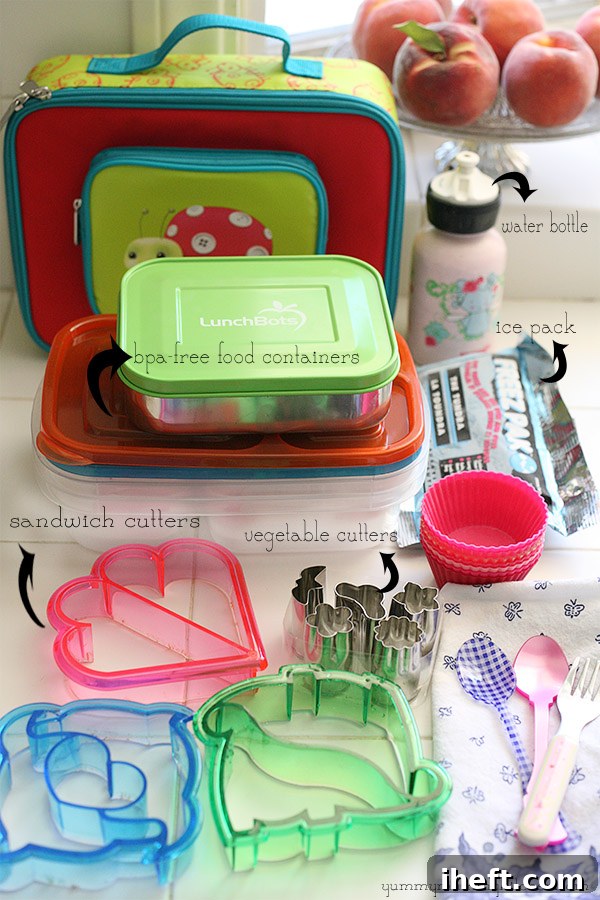
The back-to-school season ushers in a mix of excitement, anticipation, and for many parents, the daily challenge of packing nutritious and appealing lunches. As children head back to classrooms, whether it’s their first year of preschool or their final year before high school, a well-packed lunch is more than just a meal – it’s a vital source of energy, focus, and comfort throughout their day. This year, my own daughters are embarking on new academic journeys, with my 4-year-old starting her last year of preschool and my 2-year-old eagerly awaiting her first preschool experience in the coming months. Over the past weekend, we made it a special occasion: the girls delighted in choosing brand-new lunchboxes, and together, we gathered our essential lunch-making supplies, ready to tackle the school year with creativity and convenience.
Packing school lunches doesn’t have to be a chore. With the right tools and a sprinkle of imagination, it can transform into an enjoyable routine that encourages healthy eating habits and adds a touch of joy to your child’s midday break. I’ve recently curated a collection of innovative items and timeless tips designed to streamline the lunch-packing process, making it both easy for parents and incredibly fun for kids. From smart storage solutions to playful food shapers, these essentials are game-changers for anyone looking to elevate their school lunch game. Let’s dive into how you can make every lunchbox an eagerly anticipated treat.
Must-Have Lunchbox Essentials for Easy & Fun Meals
Creating delicious and healthy school lunches starts with having the right equipment. Over the years, I’ve discovered a few key items that make the process smoother, more efficient, and undeniably more exciting for kids. These are the tools that transform ordinary meals into bento-style masterpieces and ensure food stays fresh and appealing until lunchtime.
-
Easy Lunchboxes: The Compartment Advantage
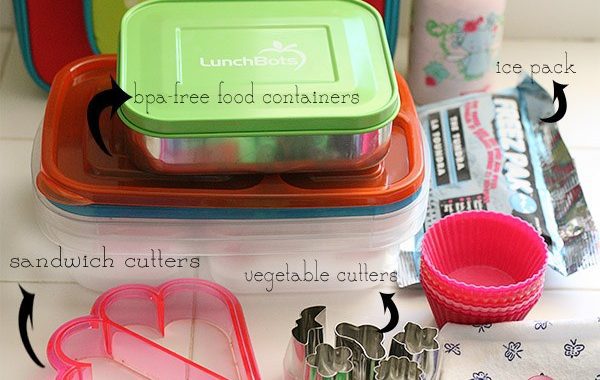
Easy Lunchboxes are a staple for good reason. These BPA-free, lidded containers feature one large and two smaller compartments, making it effortless to pack a balanced meal without different foods mixing. The segregated design prevents soggy sandwiches and keeps fruits and veggies crisp. They are perfect for portion control, encouraging variety, and simplifying cleanup. Their stackable nature also means they take up minimal space in your cupboard, a huge plus for busy kitchens, and their vibrant colors appeal to children.
-
Lunchbots Stainless Steel Quad Container: Bento-Style Brilliance
For younger children, especially those between 2 and 4 years old who might not finish an entire sandwich, the Lunchbots stainless steel quad container is an absolute favorite. Its four smaller compartments are ideal for a bento-style lunch, offering a delightful array of bite-sized foods. Kids love having multiple options to graze on, and the durable stainless steel construction ensures longevity and keeps food tasting fresh without any plastic odors or stains. It’s also an excellent eco-friendly choice, reducing the need for disposable packaging and making it a sustainable option for daily use.
-
Whimsical Sandwich Crust Cutters: Fun Shapes, No Crusts!
Transforming an ordinary sandwich into something magical is simple with Sandwich Crust Cutters. My girls’ faces light up when they discover dolphin-shaped sandwiches or a star-cut peanut butter and jelly in their lunchboxes. These cutters not only remove the dreaded crusts (a common point of contention for many kids) but also make lunch visually engaging. They can turn simple ingredients into a fun, edible puzzle, encouraging even picky eaters to try new things and making lunch a delightful surprise every day. They work wonderfully with various types of bread and can also be used for cheese or thinly sliced meats.
-
Creative Vegetable Cutters: Bite-Sized Appeal
Similar to sandwich cutters, Vegetable Cutters are a fantastic way to make fruits and vegetables more appealing. These stainless steel cutters instantly transform mundane carrots, cucumbers, apples, or cheese slices into cute, bite-sized shapes like flowers, stars, or hearts. They’re perfect for adding a decorative touch to pasta salads, making fruit salads more inviting, or simply presenting healthy snacks in an irresistible manner. The novelty often encourages children to eat their greens and fruits with enthusiasm, turning snack time into a playful discovery.
-
Versatile Silicone Muffin Cups: The Ultimate Dividers
Silicone Muffin Cups are incredibly versatile. I use these reusable baking cups to create additional divisions within larger container compartments, effectively turning a two-compartment lunchbox into a four or five-compartment bento box. They’re perfect for holding small portions of berries, nuts, crackers, dips, or even mini muffins, keeping everything neat and separate. They’re also great for baking actual muffins or mini quiches that can then be packed directly into the lunchbox, adding a pop of color and organization.
-
Foogo Thermos Food Container: Warm Meals, Happy Kids
When the weather turns chilly or your child craves a warm meal, the Foogo Thermos Food Container is an invaluable asset. These stainless steel containers are designed to keep food warm for hours, making them my go-to for hearty soups, spaghetti with meatballs, chili, or even last night’s leftovers like mac and cheese or chicken nuggets. Preheating the thermos with hot water for a few minutes before adding the food helps ensure it stays piping hot until lunchtime, providing a comforting and nourishing meal that feels like a hug from home.
-
Eco-Friendly Cloth Napkins: A Touch of Class and Sustainability
While often a requirement at many preschools, cloth napkins offer benefits beyond compliance. They add a lovely, personal touch to lunchtime, making the meal feel a little more special and civilized for little ones. More importantly, they are an excellent step towards a waste-free lunch, significantly reducing disposable paper product consumption. Investing in a few sets of colorful, washable cloth napkins is not only environmentally conscious but also adds a cheerful flair to your child’s mealtime experience, teaching them about sustainability from a young age.
-
Reliable Ice Packs: Keeping Food Fresh and Safe
Food safety is paramount, especially when packing perishables. An ice pack is a non-negotiable item for any lunchbox containing dairy products, meats, or anything that could spoil before lunchtime. Placing a slim, reusable ice pack directly inside the lunch bag or within a specific compartment ensures that food stays cool and safe, preventing the growth of harmful bacteria. There are many fun shapes and sizes available, making them another way to personalize your child’s lunch setup while ensuring peace of mind about food freshness.
-
Hydration Heroes: Reusable Water Bottles
Beyond food, proper hydration is crucial for children’s health and concentration. A durable, easy-to-clean reusable water bottle is an essential lunchbox companion. Opt for bottles with spill-proof lids and designs that are easy for small hands to open and close. Encouraging water over sugary juices is a fundamental step towards a healthier lifestyle and helps maintain energy levels throughout the school day, supporting their learning and play.
-
Mini Utensils & Dip Containers: Perfect Portions
Small, kid-friendly forks, spoons, and separate containers for dips or dressings are incredibly useful. Mini dip containers prevent dressings from making salads soggy or sauces from mingling with other foods. They’re perfect for hummus, yogurt dip, ketchup, or salad dressing, giving kids the option to add flavor as they eat. Having their own set of utensils also promotes independence and reduces the need for disposable plastic cutlery, further enhancing the eco-friendly aspect of school lunches.
Inspiring Lunchbox Creations: Real-Life Examples
Seeing real examples can spark inspiration for your own lunchbox endeavors. Here are a couple of recent lunches prepared for my daughters, demonstrating how to combine these essentials with nutritious ingredients for appealing and balanced meals that kids will actually want to eat.
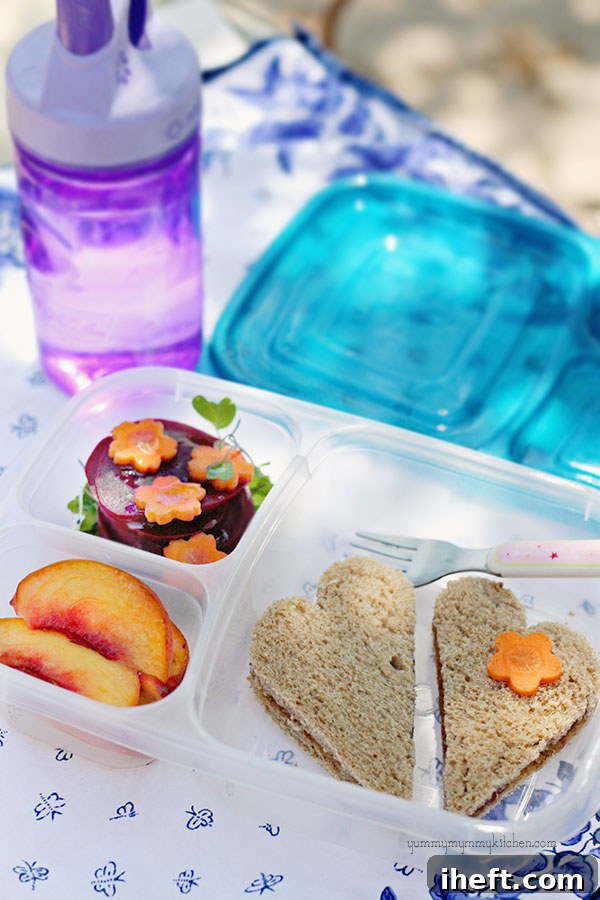
A Delightful Lunch for My 4-Year-Old:
- Almond Butter and Jam on Whole Wheat: A classic, comforting sandwich providing protein and complex carbohydrates. Using whole wheat bread adds fiber for sustained energy, and almond butter is a great source of healthy fats (always check school nut policies; substitute with sunflower seed butter if needed).
- Sliced Peach: A juicy and sweet fruit, packed with vitamins, antioxidants, and natural sugars. Slicing it makes it easier for little hands to manage and less messy to eat.
- Sliced Roasted Beets, Carrots, and Microgreens: A vibrant mix of vegetables offering essential nutrients and a variety of textures. Roasting vegetables brings out their natural sweetness, making them more palatable for children, and microgreens add a nutrient-dense boost.
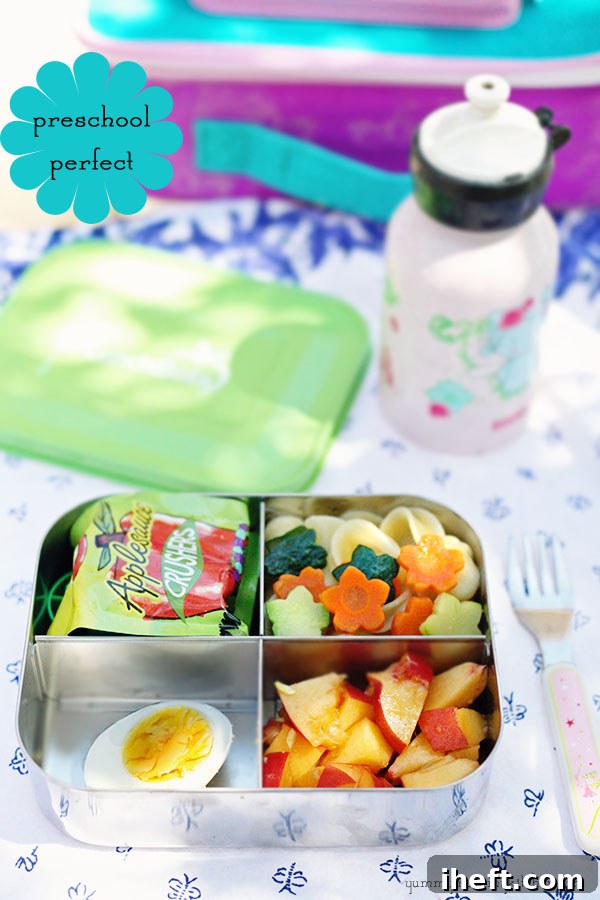
A Nutritious Lunch for My 2-Year-Old:
- Hard Boiled Egg: An excellent source of high-quality protein, choline, and healthy fats, crucial for growing toddlers’ brain development and sustained energy. Easy to eat and highly satisfying.
- Peach Cut into Bite-Sized Pieces: Ensuring fruit is in small, manageable pieces helps prevent choking hazards and makes it easier for toddlers to self-feed. Peaches are sweet, hydrating, and full of vitamins.
- Pasta with Zucchini and Carrots: A comforting and filling meal, easily packed in a thermos to stay warm. The pasta provides carbohydrates for energy, while finely diced zucchini and carrots add essential vitamins, minerals, and fiber, often unnoticed by picky eaters.
- Applesauce: A soft and sweet fruit option, perfect for younger children, offering natural sugars, hydration, and a good source of fiber. Look for unsweetened varieties to minimize added sugars.
Crafting the Perfect Healthy Lunchbox: A Holistic Approach
Beyond individual ingredients, a truly healthy and balanced lunchbox follows a simple yet effective formula. The goal is to provide a variety of food groups that support a child’s energy levels, growth, and cognitive function throughout their active school day. Aim for a mix of colors, textures, and flavors to keep things interesting and ensure a broad spectrum of nutrients.
-
Prioritize Protein: The Building Block of Energy
Every healthy lunchbox should feature a good source of protein. Protein is essential for muscle development, provides sustained energy, and helps children feel full and satisfied, preventing midday slumps. Excellent protein options include sliced turkey or chicken, hard-boiled eggs, cheese sticks, cottage cheese, yogurt (plain Greek yogurt with fruit is excellent), hummus with pita bread or veggies, edamame, or nut/seed butters (always be mindful of school allergy policies and use sunflower seed butter or a similar alternative if tree nuts are restricted).
-
Include a Vibrant Veggie: For Vitamins and Fiber
Vegetables are powerhouses of vitamins, minerals, and fiber, crucial for overall health and digestion. Making them appealing is key to encouraging consumption. Think colorful options like cucumber slices, carrot sticks, bell pepper strips, cherry tomatoes, steamed broccoli florets, sugar snap peas, or even a small side salad. Offering a small container of ranch dip, hummus, or cream cheese can often encourage picky eaters to try new veggies and enjoy them more.
-
Add a Sweet & Juicy Fruit: Natural Goodness
Fruits provide natural sweetness, essential vitamins, antioxidants, and hydration. They are typically easy to pack and universally loved by children. Consider grapes, apple slices (tossed in a little lemon juice to prevent browning), fresh berries, orange segments, melon cubes, or a small banana. Dried fruits like raisins or cranberries can also be a good addition in moderation for a concentrated burst of flavor and energy.
-
Integrate Whole Grains or Complex Carbs: Sustained Fuel
Complex carbohydrates, particularly from whole grains, are crucial for providing long-lasting energy that fuels a child’s active body and growing brain. Include items like whole wheat bread for sandwiches, whole grain crackers, pasta salad (made with whole wheat pasta), quinoa salad, brown rice cakes, or oatmeal bites. These provide the sustained fuel children need to stay focused and active without the energy spikes and crashes associated with simple, refined carbohydrates.
-
Don’t Forget Healthy Fats (in moderation): Brain Power
Small amounts of healthy fats are important for brain development, hormone production, and overall satiety, helping kids feel full longer. Incorporate sources like avocado slices or guacamole, a small portion of nuts or seeds (again, check allergy policies), a drizzle of olive oil in a pasta salad, or full-fat dairy like cheese or yogurt. These healthy fats contribute to children’s well-being and provide essential nutrients.
-
Always Pack a Bottle of Water: Essential Hydration
Water is the best drink for children. It supports all bodily functions, helps with concentration, regulates body temperature, and prevents fatigue. Always send a reusable water bottle with your child and encourage them to drink regularly throughout the day. Avoiding sugary drinks is crucial for dental health, preventing energy spikes and crashes, and promoting healthy habits.
Tips for Successful Lunch Packing & Happy Eaters
Making lunch packing a smooth and successful part of your routine involves a few practical strategies that can save time, reduce waste, and ensure your child enjoys their meal:
- Involve Your Kids: Let them choose fruits, veggies, or sandwich fillings. When children have a say in what goes into their lunchbox, they are more invested and, consequently, more likely to eat what’s inside. This also helps them develop healthy eating preferences.
- Prep Ahead: Utilize weekend time to wash and chop vegetables, portion snacks into small containers, or bake muffins/energy bites. A little bit of prep work on a less hectic day goes a long way in making busy school mornings stress-free.
- Rotate Meals: Keep things interesting by offering variety. Don’t fall into the trap of packing the exact same thing every day. Introduce new foods alongside favorites to expand their palate and prevent lunchbox boredom.
- Use Leftovers Creatively: Many dinner leftovers can be repurposed for a delicious and easy lunch. Think pasta dishes, roasted chicken, stir-fries, or even homemade pizza slices. Pack them in a thermos for a warm and comforting meal.
- Keep Food Safety in Mind: Always use an ice pack for perishable items like dairy, meat, and certain fruits/vegetables to keep them at a safe temperature. Ensure all containers are clean and that food is stored at appropriate temperatures before packing.
- Add a Special Touch: A small handwritten note, a fun sticker, or a themed food pick can make your child feel loved and thought of during their school day, adding a personal touch that brightens their lunch break.
- Think “Deconstructed”: If your child doesn’t like sandwiches, deconstruct them into components: crackers, cheese slices, and deli meat. This bento-style approach often works wonders for picky eaters.
Happy back-to-school! May your lunchboxes be filled with joy, nutrition, and delicious surprises that fuel your children’s learning and adventures.