Wholesome Homemade Vegan Sugar Free Peanut Butter Chocolate Eggs
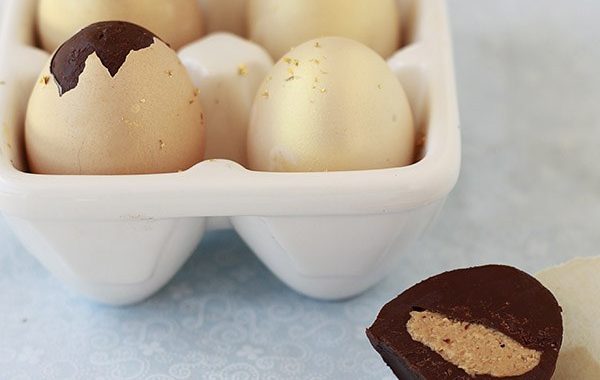
Indulge Guilt-Free: Healthy Homemade Peanut Butter Chocolate Easter Eggs
Confession time: I’m a lifelong peanut butter cup addict. The allure of that creamy, salty peanut butter encased in rich chocolate is simply undeniable. However, those store-bought treats often come packed with refined sugars, artificial ingredients, and unwanted additives. That’s why this year, we embarked on a mission to create our own wholesome Easter candy – a healthier version that captures all the flavor without any of the guilt. These homemade chocolate eggs are not just good; they’re truly exceptional, rivaling and even surpassing their commercially produced counterparts.
Crafted with natural ingredients like unsweetened cocoa powder, the natural sweetness of stevia, nourishing coconut oil, and pure peanut butter, these treats cater to a range of dietary needs. They are perfectly suited for a paleo, sugar-free, gluten-free, and vegan lifestyle (with a clever alternative for the eggshells). The best part? You’d never guess they were “healthy.” My only regret from the first batch was not making them with more peanut butter, so this recipe reflects my perfected ratio for maximum peanut butter bliss!
The Irresistible Charm of Homemade Easter Candy
There’s a unique satisfaction that comes with creating your own holiday treats. Easter, in particular, inspires a sense of joy and creativity, making it the perfect occasion to experiment in the kitchen. Moving beyond traditional store-bought options allows for complete control over ingredients, ensuring that what you and your loved ones consume is both delicious and beneficial. For many families, dietary restrictions such as gluten intolerance, sugar sensitivity, or a commitment to a vegan or paleo lifestyle can make holiday indulging a challenge. This recipe for healthy homemade peanut butter chocolate Easter eggs offers a fantastic solution, allowing everyone to participate in the festive spirit without compromise.
Beyond the health benefits, the process of making these eggs can be a delightful activity in itself. From preparing the unique eggshell molds to mixing the fillings and coatings, it’s an engaging culinary adventure. The anticipation builds with each step, culminating in a beautiful, personalized confection that tastes incredible. Imagine the delight on faces when these beautifully crafted, guilt-free treats are unveiled. They make for a memorable addition to any Easter basket or dessert spread, proving that healthy eating doesn’t mean sacrificing flavor or fun.
Crafting Edible Masterpieces: Preparing Your Eggshells
One of the most charming and unique aspects of this recipe involves using real eggshells as molds for your chocolate creations. While it requires a bit of preparatory work, the result is truly worth it – there’s something incredibly satisfying and fun about cracking open a chocolate egg to reveal a delicious peanut butter center! The inspiration for this novel approach comes from culinary expert Martha Stewart, who advises drilling a perfect hole in the bottom of each egg. However, for those of us who prefer a less industrial kitchen setup, a simpler, drill-free method works just as well.
To begin, carefully pierce a small hole at both the top and bottom of each egg using a sharp pin. Then, using a small paring knife, gently widen the bottom hole just enough to allow the raw egg contents to be easily drained. It should be wide enough to access with your finger if needed, but not so large that it compromises the structural integrity of the shell. Carefully pour the raw egg contents into a separate bowl; they can be saved for a delicious quiche or scrambled eggs later, preventing any waste.
The easiest way to completely empty the eggshell is by using a rubber ear syringe to “blow” air through the top pinhole, pushing the egg out from the wider bottom opening. If you’re using eggs from a trusted source, such as backyard chickens you know are safe, you can even gently blow with your mouth. After emptying, try your best to remove the thin membrane that lines the inside of the eggshell. This membrane can sometimes be stubborn, especially with very fresh eggs, but diligent removal helps ensure a clean chocolate coating.
Once empty, the eggshells need to be sterilized and thoroughly dried. Martha Stewart recommends a method of submerging them in cold water with a tablespoon of white vinegar, bringing to a boil, then simmering for 10 minutes, skimming any foam. After draining on a pin board, they should dry completely for 2 to 3 days, with a check for any internal moisture. For a quicker alternative, I found success by placing the hollowed eggshells in a muffin tin and baking them in a preheated 200°F (93°C) oven for approximately 2 hours. This method effectively dries them out, allowing you to proceed with the recipe much sooner. The slightly imperfect bottom holes, created without a drill, will be hidden by the chocolate and mini cupcake liners, so no one will ever know until they’re ready to enjoy!
Ingredients for a Healthier Indulgence
The Power of Natural Peanut Butter
At the heart of these delectable treats is natural peanut butter. Unlike conventional brands, natural peanut butter contains just one or two ingredients: peanuts, and sometimes a touch of salt. It’s free from added sugars, hydrogenated oils, and preservatives, making it a far superior choice for your health. Natural peanut butter provides healthy fats, protein, and fiber, contributing to satiety and energy levels. For this recipe, look for a smooth, creamy variety that stirs easily. If you have a peanut allergy or simply prefer a different flavor profile, feel free to substitute with other natural nut butters like almond butter, cashew butter, or even sunflower seed butter for a nut-free option. Each offers its own unique taste and nutritional benefits, allowing for delightful variations.
Sweetening Smart: Stevia and Beyond
Achieving the perfect sweetness without added sugar is crucial for these healthy Easter eggs. Our chosen sweetener, stevia, is a natural, calorie-free sugar substitute derived from the stevia plant. It’s significantly sweeter than sugar, so a little goes a long way. When working with stevia, especially powdered stevia, remember to add it gradually and taste as you go, as its intensity can vary between brands and individual preferences. Some people find certain stevia products have a slight aftertaste; if this is a concern, consider using a stevia baking blend which often combines stevia with other natural sweeteners to mitigate this. Alternatively, other sugar-free options like erythritol or monk fruit sweetener can be used to taste. For those not strictly avoiding sugar, a small amount of agave syrup or maple syrup can also provide a delicious, natural sweetness, though this would alter the “sugar-free” aspect of the recipe.
Unsweetened Cocoa: Richness and Health
The rich, dark chocolate coating comes from unsweetened cocoa powder. This ingredient is a powerhouse of antioxidants and provides a deep, intense chocolate flavor without any added sugar. Cocoa is known for its potential to improve heart health, reduce inflammation, and enhance mood. For this recipe, any good quality unsweetened cocoa powder will work beautifully. You can choose between natural cocoa powder (which is lighter in color and more acidic) or Dutch-processed cocoa powder (which is darker, less acidic, and has a smoother flavor). Both will deliver a fantastic chocolate experience, though Dutch-processed might yield a slightly darker, less bitter chocolate.
Coconut Oil: The Magic Binder
Coconut oil plays a vital role in creating the smooth, solid chocolate coating. At room temperature, coconut oil is solid, and when melted and then chilled, it helps the cocoa powder set into a firm, snappy chocolate shell. Beyond its functional properties, coconut oil is celebrated for its medium-chain triglycerides (MCTs), which are easily digestible and can be a quick source of energy. It also offers a subtle tropical flavor that complements the chocolate and peanut butter beautifully. Ensure your coconut oil is melted completely before mixing with the cocoa powder and sweetener to achieve a homogeneous, lump-free chocolate mixture.
For those looking to add an extra touch of festivity and glamour, a light misting of edible gold spray or a dusting of edible gold leaf can transform these chocolate eggs into dazzling jewels. While these decorative elements are not for consumption in terms of flavor or nutritional value, they certainly elevate the visual appeal, making your homemade treats even more special for Easter celebrations.
Yields: about 6 to 8 eggs
Prep time: Approximately 45 minutes (plus eggshell drying time)
Chill time: Approximately 1 hour
Ingredients:
- 8 eggs (you’ll want a couple more than you plan on using in case any break)
- 1 cup natural peanut butter (ensure no added sugars or oils)
- 1/8 teaspoon sea salt, plus more to taste
- About 3 tablespoons powdered stevia to taste, divided (or your preferred sugar-free sweetener like erythritol or monk fruit)
- 1 cup unsweetened cocoa powder
- 2/3 cup melted coconut oil
- A splash of cream (coconut cream, dairy, or almond milk cream for vegan options)
- Optional: Edible gold spray or edible gold leaf for decoration
- Cooking spray for eggshells
Instructions:
-
Prepare the Eggshells:
Using a sharp pin, carefully poke a small hole in both the top and bottom of each egg. With a paring knife, gently widen the bottom hole just enough to allow the raw egg contents to be easily drained and to reach inside with a finger. Carefully pour the raw egg contents into a separate bowl; these can be saved for a quiche or scrambled eggs. The easiest way to get all the egg out is to use a rubber ear syringe to “blow” air from the top pinhole down through the egg, expelling the contents from the wider bottom hole. If using eggs from a trusted source, you can gently blow with your mouth. Try to remove the thin membrane attached to the inner eggshell as best you can; fresher eggs may make this step slightly more challenging.
Sterilization & Drying: Martha Stewart recommends submerging the hollowed eggshells in a pot of cold water with 1 tablespoon of white vinegar, bringing it to a boil, then simmering for 10 minutes, skimming any foam from the surface. Drain them on a pin board and allow them to dry completely for 2 to 3 days, checking their insides for any residual moisture. For a quicker alternative, place the eggshells in a muffin tin and bake them in a preheated 200°F (93°C) oven for approximately 2 hours, ensuring they are thoroughly dry inside and out before proceeding to the next step.
-
Prepare the Peanut Butter Filling:
In a medium bowl, combine the natural peanut butter, about 2 teaspoons of the powdered stevia (adjust this amount to your personal sweetness preference), and the sea salt. Mix thoroughly with a fork until all ingredients are well combined and the mixture is smooth and consistent. Taste the mixture and adjust the sweetness or saltiness as needed. The filling should be firm enough to hold its shape but soft enough to spoon or pipe easily.
-
Prepare the Chocolate Coating:
In a separate medium bowl, whisk together the unsweetened cocoa powder, melted coconut oil, and the remaining stevia. Initially, this mixture might taste quite bitter due to the unsweetened cocoa; continue adding stevia gradually until your desired level of sweetness is achieved. This will produce a rich, very dark chocolate. To lighten the chocolate’s color and achieve a slightly softer final texture, stir in a splash of cream (such as coconut cream for a vegan option, or dairy cream). Remember, adding more cream will result in a less firm chocolate coating once set.
-
Assemble the Eggs:
Lightly coat the inside of each prepared eggshell with cooking spray. Pour a small amount of the prepared chocolate mixture into each eggshell and carefully swirl it around to create an even coating on the entire inner surface. Place the coated eggshells in the refrigerator for about 10 minutes to allow the chocolate to set and harden.
Once the chocolate shell is firm, use a small spoon or a pastry bag fitted with a small round tip to carefully fill the eggshells with the peanut butter mixture. Avoid overfilling. Gently cover the peanut butter filling with more chocolate coating, smoothing the top surface. Feel free to play with the ratio of chocolate to peanut butter filling – I personally prefer more peanut butter!
Refrigerate the filled eggs cut-side-up until they are completely hardened, which typically takes about 30-45 minutes. Once firm, you can carefully flip them over. For elegant storage and serving, place each chocolate egg in a mini cupcake liner; this also conveniently covers the bottom holes. Keep the homemade peanut butter chocolate eggs refrigerated until ready to serve for optimal taste and texture.
-
Optional Decoration:
For an extra touch of visual appeal, lightly spray the finished chocolate eggs with an edible gold spray or dust them with edible gold leaf. While these are purely for decoration and not meant for consumption, they add a beautiful, festive shimmer perfect for Easter.
Vegan-Friendly Alternative: Easy Plastic Molds
If the idea of hollowing out real eggshells seems too daunting, or if you prefer an unequivocally vegan treat without any ambiguity, there’s a wonderfully simple alternative: plastic egg candy molds. These readily available molds are incredibly easy to use and yield perfectly shaped chocolate peanut butter eggs every time. Simply coat the inside of the plastic molds with your chocolate mixture, chill, add the peanut butter filling, top with more chocolate, and chill again until firm. This method is quick, hassle-free, and ensures a strictly vegan confection, making it a fantastic option for all to enjoy.
Why Choose These Healthy Homemade Treats?
Opting for these healthy homemade peanut butter chocolate Easter eggs goes beyond just satisfying a craving; it’s a mindful choice for your well-being and a delightful experience for your taste buds. By making them yourself, you control every ingredient, ensuring they are free from refined sugars, gluten, and unnecessary additives often found in commercial candies. This makes them a perfect fit for a paleo, sugar-free, or gluten-free diet, and easily adaptable to a vegan lifestyle. The combination of natural peanut butter, antioxidant-rich cocoa, and healthy coconut oil offers a treat that actually provides some nutritional value, rather than just empty calories.
Moreover, the joy of crafting something by hand, especially for a special occasion like Easter, adds an immeasurable layer of satisfaction. These beautiful, delicious eggs are a testament to the fact that healthy treats can be just as, if not more, indulgent and enjoyable than their traditional counterparts. They offer a personalized touch that store-bought items simply cannot replicate, making your Easter celebrations truly unique and memorable. So, gather your ingredients, embrace the creative process, and prepare to delight in these healthier, more flavorful Easter indulgences.