Vibrant Spring Veggie Minestrone
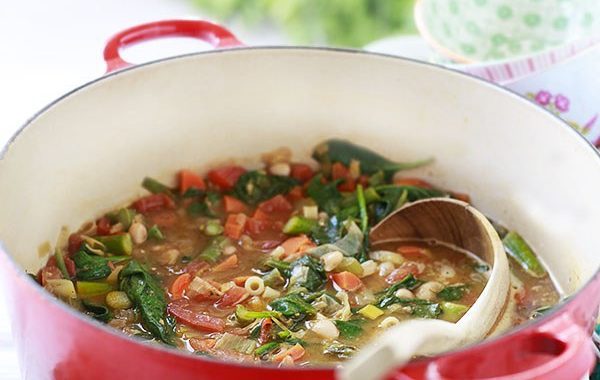
A hearty minestrone soup recipe filled with fresh spring vegetables, white beans, and small pasta. Spring minestrone makes a delicious one-pot vegetarian meal.
Spring Minestrone Soup: A Delightfully Fresh and Hearty Vegetarian Meal
Minestrone soup holds a special place in kitchens worldwide, cherished for its comforting warmth, incredible versatility, and wholesome ingredients. In our home, it’s a long-standing favorite, particularly for its ability to bring a smile to everyone’s face, even the little ones, thanks to the perfectly bite-sized vegetables, beans, and pasta. There’s nothing quite like a steaming bowl of homemade soup to nourish the body and soul, especially when battling seasonal sniffles or simply seeking a wholesome, fulfilling dinner. As the frosty grip of winter recedes and the vibrant energy of spring awakens, our culinary desires naturally shift. Gone are the days of heavy, root-vegetable-laden stews; it’s time to embrace the lightness and freshness that the new season brings. This Spring Minestrone Soup recipe is a testament to that shift, offering a bright, flavorful, and incredibly nutritious update to a classic, turning seasonal produce into a healthy, one-pot vegetarian meal that the whole family will adore.
The enduring appeal of minestrone lies in its inherent adaptability and its inherent goodness. While we’ve enjoyed various renditions, including richer, winterized versions featuring ingredients like butternut squash – a nod to culinary inspirations from chefs like Ina Garten – the arrival of spring beckons a lighter, more vibrant approach. This soup isn’t just delicious; it’s a brilliant way to ensure everyone gets a generous serving of vegetables. For families with children, the small, tender pieces of vegetables and pasta are a major advantage, making it an easy and enjoyable meal even for picky eaters. Beyond its kid-friendly nature, minestrone serves as a nutritional powerhouse. When someone in the household isn’t feeling their best, a nutrient-dense soup like this offers solace and support, packed with essential vitamins and minerals needed for recovery and overall well-being. Its versatility means that once you master the foundational technique, you can effortlessly swap in whatever seasonal vegetables you have on hand, making it a perfect solution for reducing food waste and embracing fresh, local produce.
Embracing Spring with Seasonal Ingredients
The true magic of this particular minestrone lies in its celebration of spring’s bounty. While winter versions often feature heartier root vegetables, our Spring Minestrone showcases the delicate flavors and textures of freshly available produce. Asparagus, with its tender spears and distinct earthy notes, is a quintessential spring vegetable, adding a delightful crunch and vibrant green hue. Leeks, a personal favorite, contribute a sophisticated, milder flavor profile compared to onions, lending a subtle sweetness and aromatic depth that truly elevates the broth. And while not strictly included in the core recipe, consider the joyous burst of sweetness that fresh green peas or sugar snap peas could bring – they cook quickly and add another layer of spring freshness. Baby spinach, wilted into the soup at the very end, offers a boost of iron and a beautiful green finish without overpowering the other flavors. Selecting ingredients that are in season not only guarantees superior flavor and texture but often means they are more readily available and more affordable, making a trip to your local farmers’ market a truly rewarding experience for this dish.
Warm, comforting, and flavorful, this spring vegetable minestrone soup is a great meal any night of the week. My girlies love dunking a piece of crusty baguette into their minestrone. Yum!
The Art of a Perfect Spring Minestrone: Building Layers of Flavor
Crafting a truly exceptional minestrone, even a simple one, involves building flavors thoughtfully. It begins with a generous swirl of extra virgin olive oil in a large pot, setting the stage for the aromatics. Sautéing the diced leeks, carrots, and celery until they begin to soften isn’t just about cooking them; it’s about coaxing out their natural sugars and creating a sweet, savory base that will infuse the entire soup. This trio, often called a soffritto in Italian cooking, is the foundational heart of many Mediterranean dishes. The addition of minced garlic and fresh thyme shortly after introduces bright, pungent, and herbaceous notes, which are crucial for depth without being overwhelming. Fresh Roma tomatoes, or a good quality can of chopped tomatoes, provide a tangy sweetness that forms the backbone of the broth. A splash of dry white wine, like Pinot Grigio, might seem like a small detail, but it adds a layer of acidity and complexity, deglazing the pot and unlocking all those wonderful browned bits from the vegetables. While optional, it’s highly recommended for a richer flavor profile. The vegetable broth then brings everything together, creating a comforting liquid canvas for the remaining ingredients.
The Healthy Heart of Minestrone: Beans, Pasta, and Pesto
Once the broth is simmering beautifully and the initial vegetables are tender, it’s time to introduce the stars of our spring show: asparagus and white beans. The asparagus needs only a short simmer to retain its vibrant color and slight crispness, ensuring it doesn’t become mushy. White beans, such as cannellini or navy beans, are not only a fantastic source of plant-based protein and fiber but also add a creamy texture and satisfying heartiness that transforms this soup into a complete meal. Using canned beans, rinsed and drained, makes this a quick and convenient option. No minestrone would be complete without pasta, and small varieties like ditalini are ideal, providing delightful little bites that absorb the savory broth. If you’re catering to dietary needs, a gluten-free small pasta works just as wonderfully. And for that secret ingredient that elevates this minestrone from good to unforgettable? Pesto sauce. Stirred in at the very end, its aromatic blend of basil, pine nuts, garlic, Parmesan, and olive oil melts into the soup, imparting a fresh, herbaceous burst of flavor that harmonizes perfectly with the spring vegetables. Finally, a handful of fresh baby spinach wilts instantly, adding another layer of green goodness and nutritional benefit. A final taste and adjustment of salt and pepper ensures every spoonful is perfectly seasoned.
Spring Vegetable Minestrone Recipe
10 minutes
30 minutes
40 minutes
This delicious minestrone soup recipe is a family favorite! It’s loaded with spring vegetables like carrots, asparagus, and spinach and gets extra flavor from pesto. Minestrone with white beans and vegetables is a great healthy, vegetarian, one-pot soup.

Ingredients
- 2 tablespoons extra virgin olive oil
- 1 cup (about 1 medium) leeks, sliced crosswise
- 3 carrots, diced
- 2 celery ribs, diced
- 1/2 teaspoon sea salt
- 1/4 teaspoon pepper
- 2 cloves garlic, minced
- 2 teaspoons fresh thyme, chopped
- 4 Roma tomatoes, diced (or 26-oz box chopped tomatoes)
- 1/3 cup dry white wine (I used pinot grigio)
- 32 ounces vegetable broth
- 1 small bunch asparagus, tough ends trimmed off and cut into 1″ pieces
- 1 can white beans, drained and rinsed
- 1/3 cup purchased pesto sauce
- 1 cup cooked small pasta, such as ditalini (gluten-free if needed)
- 4 ounces fresh baby spinach
- grated Parmesan for serving
Instructions
- In a large pot, saute leeks, carrots, and celery in the olive oil over medium heat until starting to soften, about 3 minutes. Add garlic, thyme, tomatoes, wine, salt and pepper and continue to cook, stirring, for 2 minutes. Add the broth and bring to a simmer. Simmer uncovered until the vegetables are tender, about 20 minutes.
- Add the asparagus and beans and simmer 5 minutes. Stir in the pesto, cooked pasta, and spinach until spinach has wilted. Season with additional salt and pepper to taste. Serve with Parmesan.
Nutrition Information:
Yield: 6
Serving Size: 1
Amount Per Serving:
Calories: 326Total Fat: 13gSaturated Fat: 2gTrans Fat: 0gUnsaturated Fat: 10gCholesterol: 4mgSodium: 915mgCarbohydrates: 37gFiber: 7gSugar: 6gProtein: 11g
Nutritional Powerhouse: Why This Soup is Good for You
Beyond its delicious taste and comforting warmth, this Spring Vegetable Minestrone is a powerhouse of nutrition. It’s naturally rich in a diverse array of vitamins and minerals, thanks to the abundance of fresh vegetables. Carrots provide beta-carotene for vision, spinach offers iron and Vitamin K, while asparagus contributes folate and Vitamins A, C, and E. The white beans are an excellent source of dietary fiber, essential for digestive health, and provide substantial plant-based protein, making this a truly satisfying vegetarian meal. With minimal added fats (primarily healthy extra virgin olive oil and the fats from pesto), and no red meat, it’s a heart-healthy option. For those seeking to manage their weight, the high fiber and water content of the soup helps promote satiety, keeping you full and content. This recipe is also incredibly adaptable for various dietary preferences: it’s inherently vegetarian, can easily be made vegan by ensuring your pesto is dairy-free and omitting the Parmesan cheese, and is simple to make gluten-free by choosing a suitable pasta. It’s truly a dish that nourishes the body from the inside out.
Customization: Make It Your Own
One of the most appealing aspects of minestrone is its incredible flexibility. While this recipe highlights the best of spring, feel free to experiment with other seasonal produce. Consider adding zucchini or yellow squash for extra body, green beans for a different texture, or even a handful of fresh kale for an earthy bite. If you prefer other herbs, a sprinkle of fresh basil or oregano can be lovely. For those who aren’t strictly vegetarian, shredded cooked chicken or turkey could be stirred in at the end for an added protein boost, though the white beans already provide ample protein. Experiment with different small pasta shapes – orzo, stelline, or even broken spaghetti can work beautifully. Don’t forget the garnishes! A generous sprinkle of freshly grated Parmesan cheese is a classic finish, but a drizzle of high-quality extra virgin olive oil, a swirl of extra pesto, or a scattering of fresh parsley or basil can elevate the presentation and flavor even further. This soup is a canvas for your culinary creativity.
Serving Suggestions for a Complete Meal
This Spring Minestrone Soup is hearty enough to stand alone as a complete meal, offering a balanced combination of vegetables, protein, and carbohydrates. However, it truly shines when paired with a few simple accompaniments. A crusty baguette or artisanal bread is practically a requirement, perfect for soaking up every last drop of the flavorful broth. There’s a simple joy in tearing off a piece and dunking it into the warm soup, a ritual beloved by both adults and children alike. For a slightly more substantial meal, a simple side salad with a light vinaigrette would complement the soup wonderfully, adding another layer of freshness and greens. And of course, don’t forget the Parmesan – a fresh grating over each bowl just before serving adds a salty, umami depth that is simply irresistible. This comforting, flavorful, and incredibly wholesome soup is ideal for a weeknight dinner, a light lunch, or even a comforting meal when you need a little pick-me-up.
In summary, this Spring Vegetable Minestrone Soup offers a delightful blend of freshness, comfort, and nutrition. It’s a dish that adapts effortlessly to the season, bringing the vibrant flavors of spring directly to your table. Easy to prepare, packed with goodness, and universally loved, it’s more than just a soup – it’s a celebration of wholesome eating and family togetherness. Whether you’re a seasoned chef or a novice in the kitchen, this recipe provides a straightforward path to a delicious and satisfying meal. So gather your fresh spring ingredients, fire up your pot, and prepare to enjoy a truly special bowl of minestrone that will become a cherished part of your seasonal repertoire.