Panzanella Sun-Kissed Bread and Tomato Salad
The Ultimate Panzanella Salad Recipe: A Taste of Tuscan Summer
Experience the vibrant flavors of Italy with this authentic Panzanella salad. Featuring ripe summer tomatoes, crisp cucumber, fragrant basil, and hearty bread, this Tuscan classic is not only delicious but also a brilliant way to savor seasonal produce and embrace zero-waste cooking. Dive into the art of transforming stale bread into a culinary masterpiece!
Tuscan cuisine holds a special place in my heart, revered for its philosophy of simplicity, high-quality ingredients, and remarkable resourcefulness. This “cucina povera” approach, which translates to “poor kitchen” or peasant cooking, is truly exemplified in dishes that celebrate local produce and minimize waste. Panzanella stands as a shining example of this culinary wisdom, transforming humble, day-old bread into a refreshing and satisfying meal.
In Tuscany, bread is often baked without salt, resulting in a somewhat plain and dry loaf that quickly goes stale. While many might discard it, Tuscan ingenuity finds new life for this bread in cherished recipes. From classic tomato bruschetta to hearty ribollita soup and comforting pappa al pomodoro, stale bread is never truly wasted. Panzanella, in particular, showcases its potential, soaking up the juices of fresh tomatoes and a zesty vinaigrette to become tender and flavorful once more.
My journey with this Panzanella recipe began during a memorable trip to Tuscany a year ago. Inspired by the region’s culinary traditions, I’ve refined my own version, blending authentic Tuscan methods with personal preferences. Below, we’ll explore the traditional approach to Panzanella and then delve into how I love to prepare this delightful Italian bread and tomato salad in my own kitchen.
Forgot how much I love a good Panzanella salad! Tuscan bread can be dry and flavorless, and this is the perfect zero waste way to use it up. I added lots of arugula and chickpeas to mine. I’ll write up the recipe for you when I get home if you’d like 😊
A post shared by Marina Delio (@yummymummykitchen) on
What is Panzanella? The Tuscan Bread Salad Explained
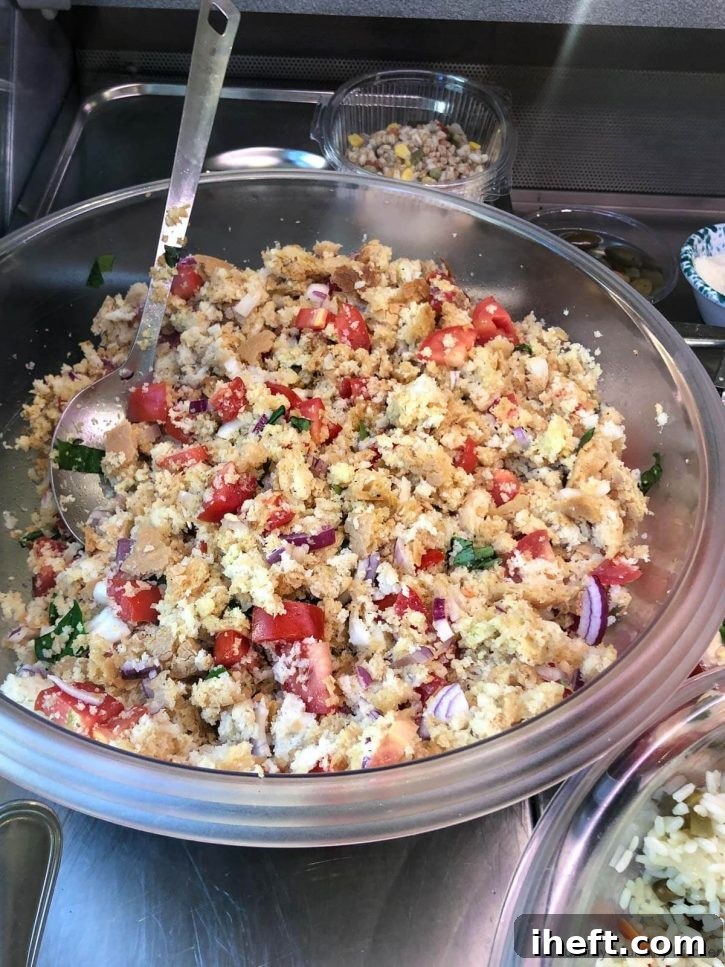
Panzanella is a celebrated Tuscan salad, traditionally composed of stale bread, sun-ripened tomatoes, pungent onions, and aromatic basil. What makes it unique is the bread’s preparation: it’s typically softened by soaking in water, then squeezed dry, before being tossed with a simple, yet flavorful, olive oil and vinegar dressing. This technique allows the bread to absorb all the delicious flavors of the accompanying ingredients, creating a remarkably tender and harmonious texture.
During my travels through Tuscany, particularly in a charming café in Radda in Chianti, I observed and photographed traditional Panzanella. As you can see from the image above, the bread in this authentic version is finely crumbled and very soft, almost dissolving into the salad, creating a dense, flavorful base that perfectly complements the fresh vegetables. This style prioritizes the melding of flavors and a uniform, yielding texture.
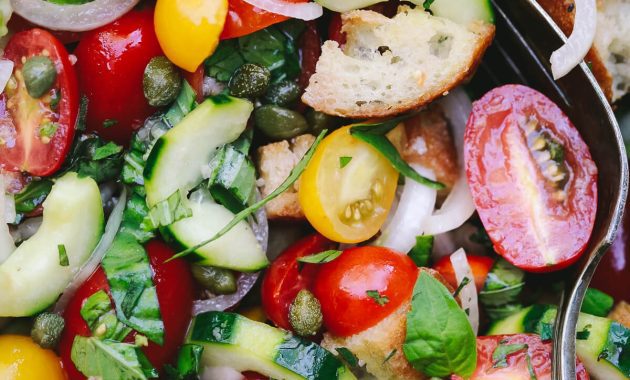
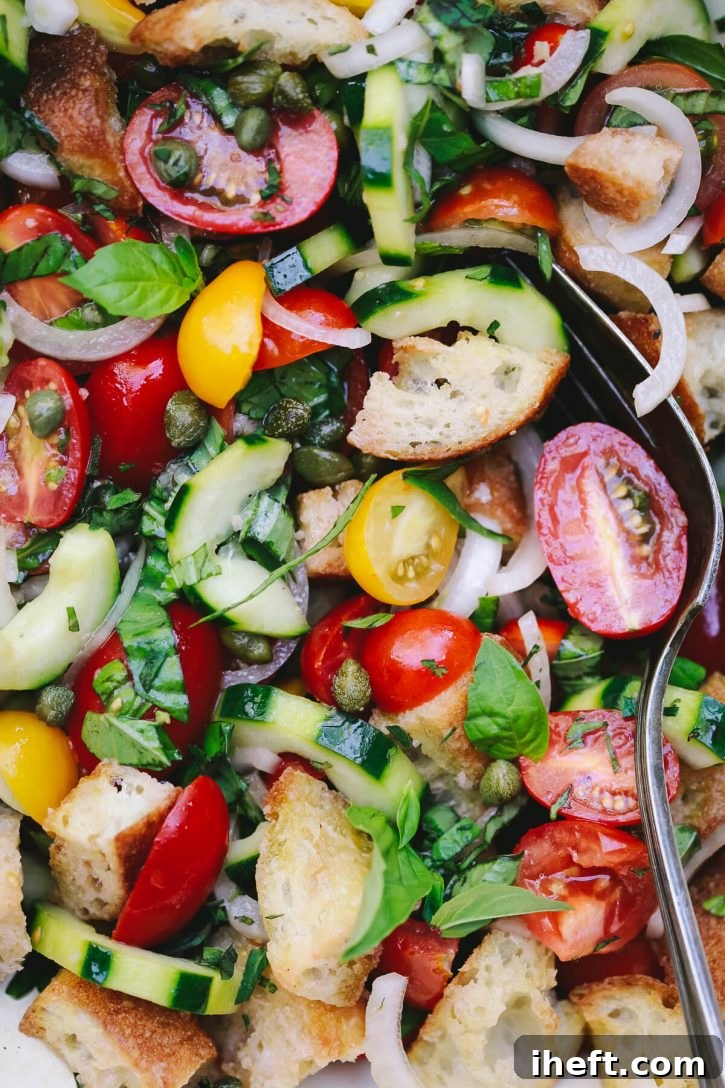
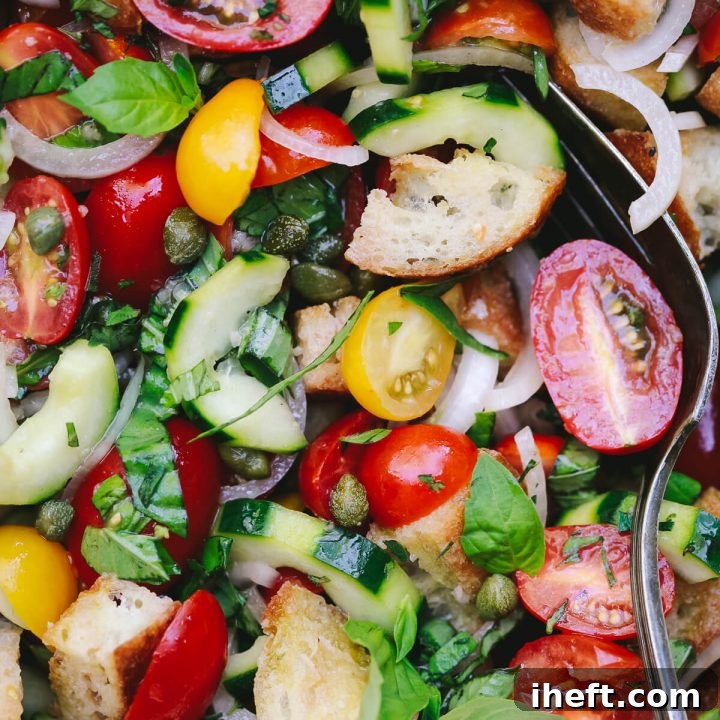
While the traditional method offers a uniquely soft experience, my family and I have developed a preference for a slightly different approach. We enjoy Panzanella made with larger, lightly toasted chunks of rustic bread, reminiscent of flavorful croutons. This method provides a delightful contrast in texture, with the bread remaining somewhat firm initially before slowly softening as it absorbs the dressing and tomato juices. I also love to enhance my Panzanella with additional ingredients like crisp cucumbers, briny capers or olives, and a generous amount of fresh herbs, adding more layers of flavor and freshness. The beauty of Panzanella lies in its versatility, allowing you to choose between the tender, traditional route or a more textural, modernized version.
Crafting Your Perfect Panzanella: A Step-by-Step Guide
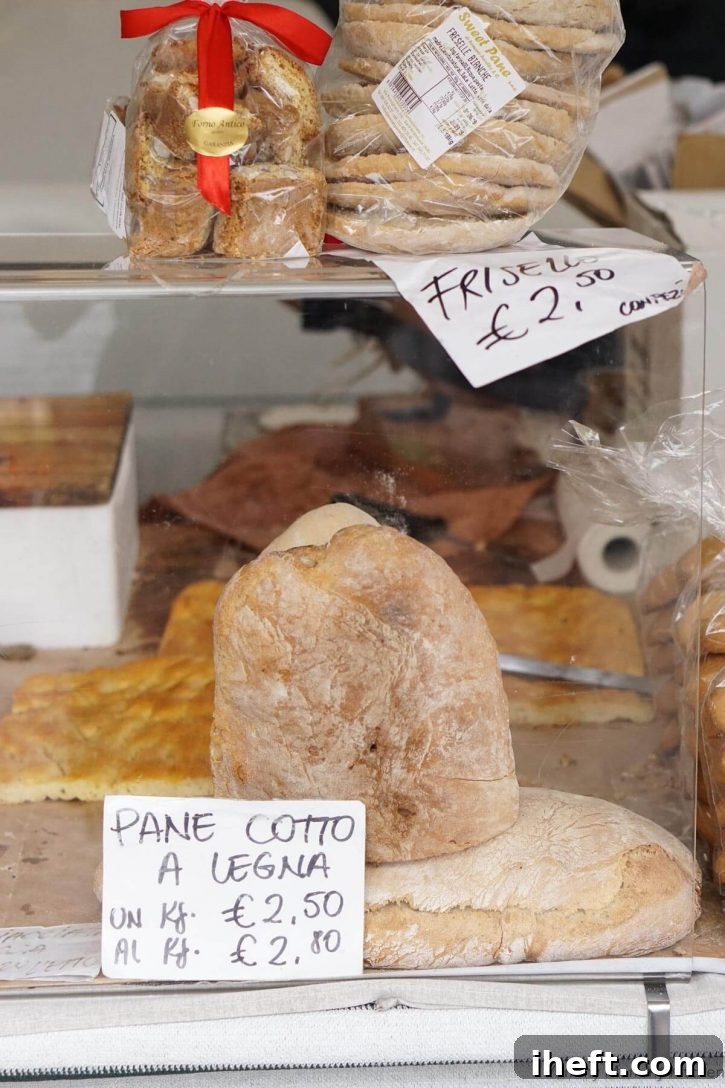
Choosing and Preparing the Bread for Panzanella
The foundation of any great Panzanella is the bread. While I sourced exquisite ingredients from a local farmer’s market in Tuscany, you can find excellent alternatives at your local grocery store. The key is to select a rustic, sturdy loaf rather than soft, pre-sliced sandwich bread. My top recommendations include crusty sourdough, airy ciabatta, or a classic baguette. If you’re fortunate enough to find authentic Tuscan pane, that’s ideal, but these alternatives work beautifully.
Once you have your bread, cut it into generous 1-inch cubes. Now comes the choice of preparation: do you go traditional or opt for a modern twist? In traditional Italian recipes, particularly those I encountered in Tuscany, the stale bread is briefly soaked in water, then gently squeezed to remove excess liquid before being added to the salad. This results in an incredibly soft, almost paste-like texture that fully melds with the other ingredients.
However, many contemporary recipes, including popular American adaptations like those found in Ina Garten’s cookbooks, suggest toasting the bread. This is my preferred method. To achieve this, simply toss the bread cubes with a couple of tablespoons of olive oil and a pinch of sea salt, then either toast them in a pan on the stovetop until golden and slightly crisp, or bake them in a preheated oven at 425°F (220°C) for about 8 minutes. Toasting creates delightful texture – the bread remains slightly crunchy at first, gradually softening as it absorbs the vibrant dressing and tomato juices, yet retaining some integrity. This textural contrast adds an appealing dimension to the salad that I find irresistible.
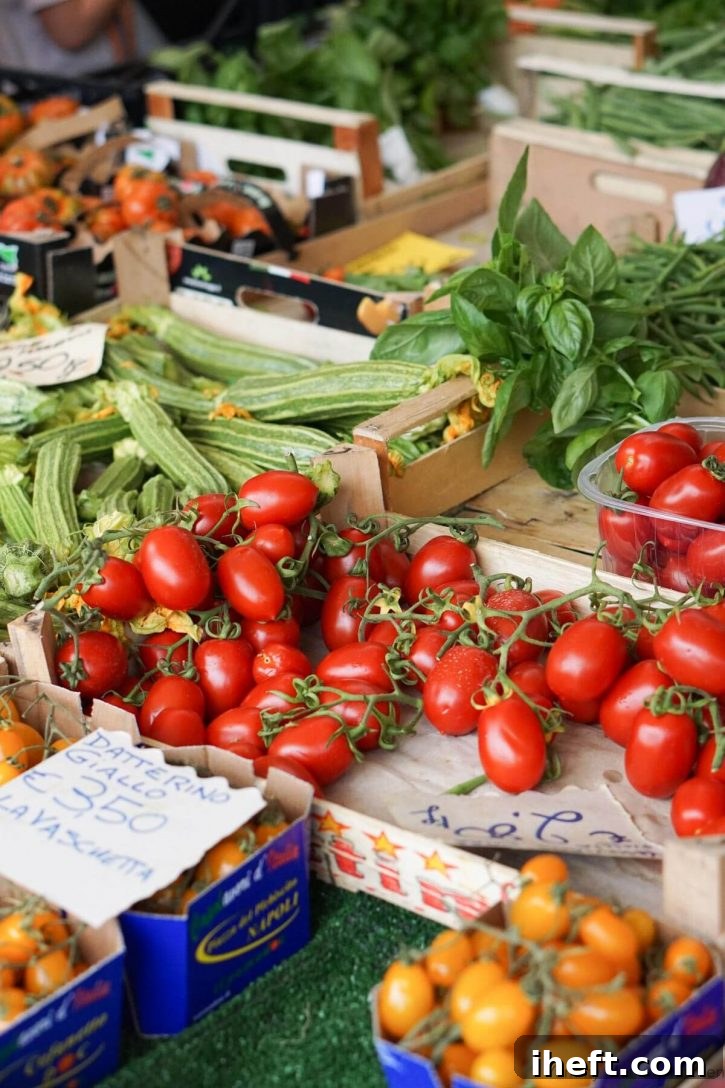
The Essential Ingredients: Tomatoes, Onions, and Herbs
Beyond the bread, the soul of an exceptional Panzanella lies in the quality of its fresh produce. The paramount ingredient is undoubtedly the tomato. Seek out the best ripe, juicy summer tomatoes you can find. Heirloom varieties, with their diverse colors and complex flavors (I particularly love a mix of red and yellow), elevate the salad dramatically. Their natural sweetness and acidity are essential for the dressing and for permeating the bread.
Alongside the tomatoes, fresh basil is non-negotiable. Its sweet, peppery aroma is iconic to Italian summer dishes and perfectly complements the tomatoes. Thinly sliced red or white onions add a delightful sharpness and a touch of color, balancing the richness of the olive oil. For an extra layer of briny complexity, I highly recommend incorporating either drained capers or finely chopped olives (Kalamata or Castelvetrano work wonderfully). Cucumbers, though not always present in the most traditional versions, add a refreshing crunch and cooling element, especially on a hot summer day.
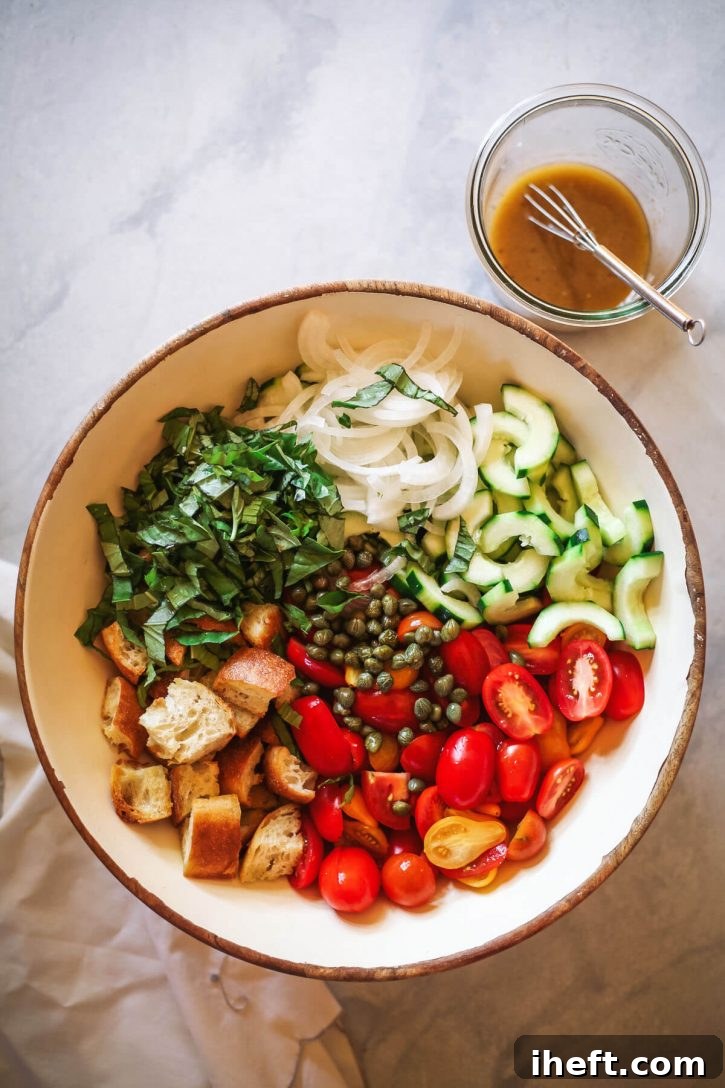
The Simple yet Flavorful Panzanella Dressing
True to the spirit of Italian cuisine, the dressing for Panzanella is elegant in its simplicity. It’s typically a classic vinaigrette, allowing the fresh flavors of the main ingredients to shine. The base is always a high-quality extra virgin olive oil – choose one with a fruity, slightly peppery note for the best results. This is paired with a good red wine vinegar, or for a lighter, brighter touch, a champagne vinegar. A small amount of Dijon mustard is often included, not just for its subtle tang, but also for its emulsifying properties, helping the oil and vinegar combine into a smooth, cohesive dressing. Minced garlic, sea salt, and freshly ground black pepper complete this essential flavor profile. Whisked together, this simple mixture becomes the lifeblood of your Panzanella, infusing every bite with Mediterranean sunshine.
Elevating Your Panzanella: Delicious Additions and Customizations
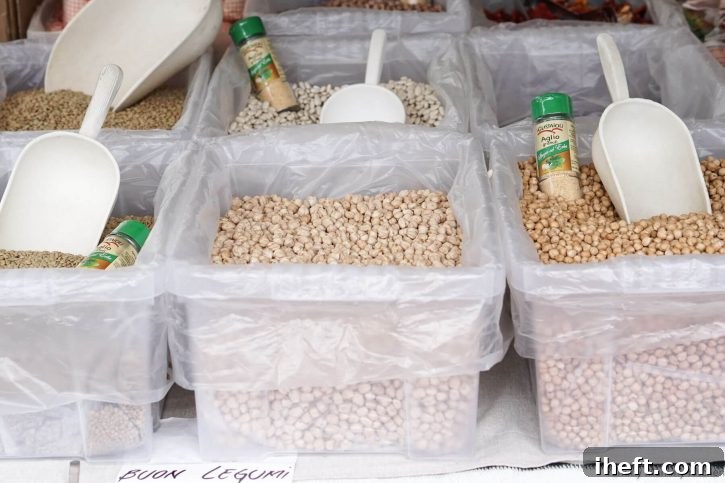
While the classic Panzanella is perfection in itself, it also serves as a fantastic canvas for creative additions, allowing you to tailor it to your taste or dietary needs. Throughout Tuscany, legumes like lentils, white beans, and chickpeas are commonly enjoyed, often as a source of plant-based protein. I particularly love adding chickpeas to my Panzanella, not only for their nutritional boost but also for their delightful texture that complements the softened bread and crisp vegetables.
For those who enjoy dairy, fresh mozzarella, torn into bite-sized pieces, introduces a creamy, milky counterpoint to the vibrant salad. Crumbled feta cheese or soft goat cheese could also offer a tangy twist. Adding slices of ripe avocado introduces a luxurious creaminess and healthy fats, while a handful of leafy greens like baby arugula or finely chopped spinach, tossed in just before serving, provides an extra layer of freshness and a mild peppery note. Other excellent additions could include grilled bell peppers, finely diced celery for extra crunch, or even a sprinkle of toasted pine nuts for a nutty finish. The possibilities are endless, limited only by your imagination and the bounty of the season.
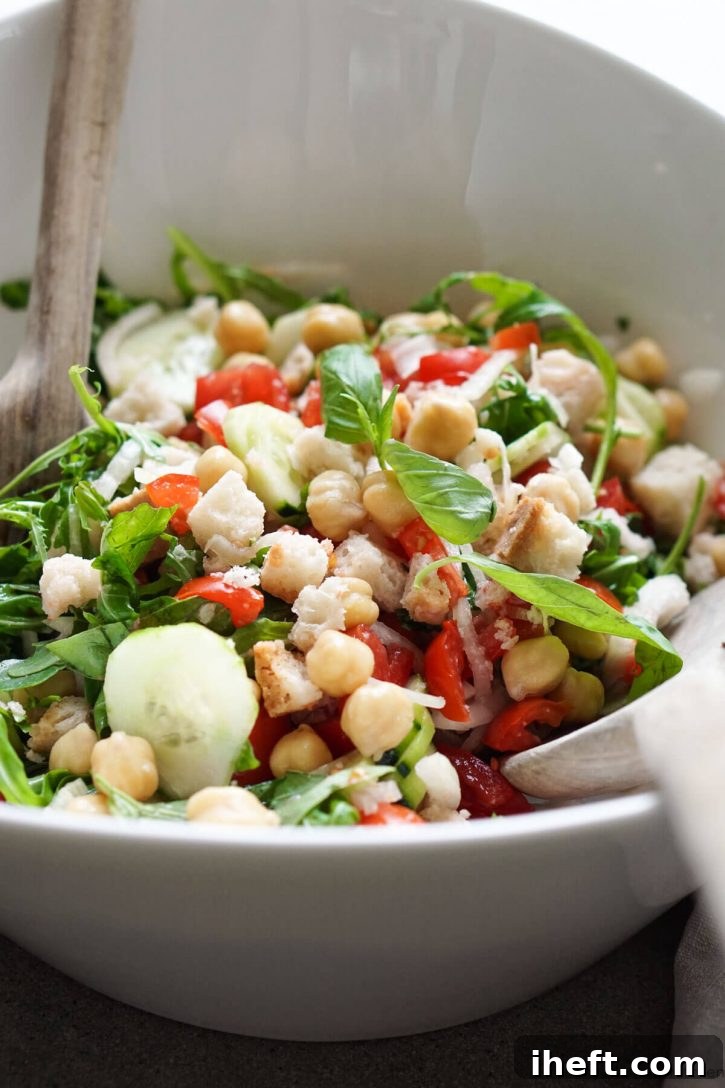
One of Panzanella’s many virtues is its make-ahead potential. The flavors actually deepen and meld beautifully as it sits. You can prepare this salad up to 4 hours in advance and refrigerate it. This makes it an ideal dish for entertaining, picnics, or simply enjoying throughout a busy week.
Perfect Pairings: What to Serve with Panzanella
Panzanella is wonderfully versatile, serving equally well as a light main course, a refreshing side dish, or part of a larger Mediterranean spread. Here are some ideas for what to serve alongside your delicious Italian bread and tomato salad:
- Kick off your meal with an invigorating Aperol Spritz as a classic Italian aperitivo.
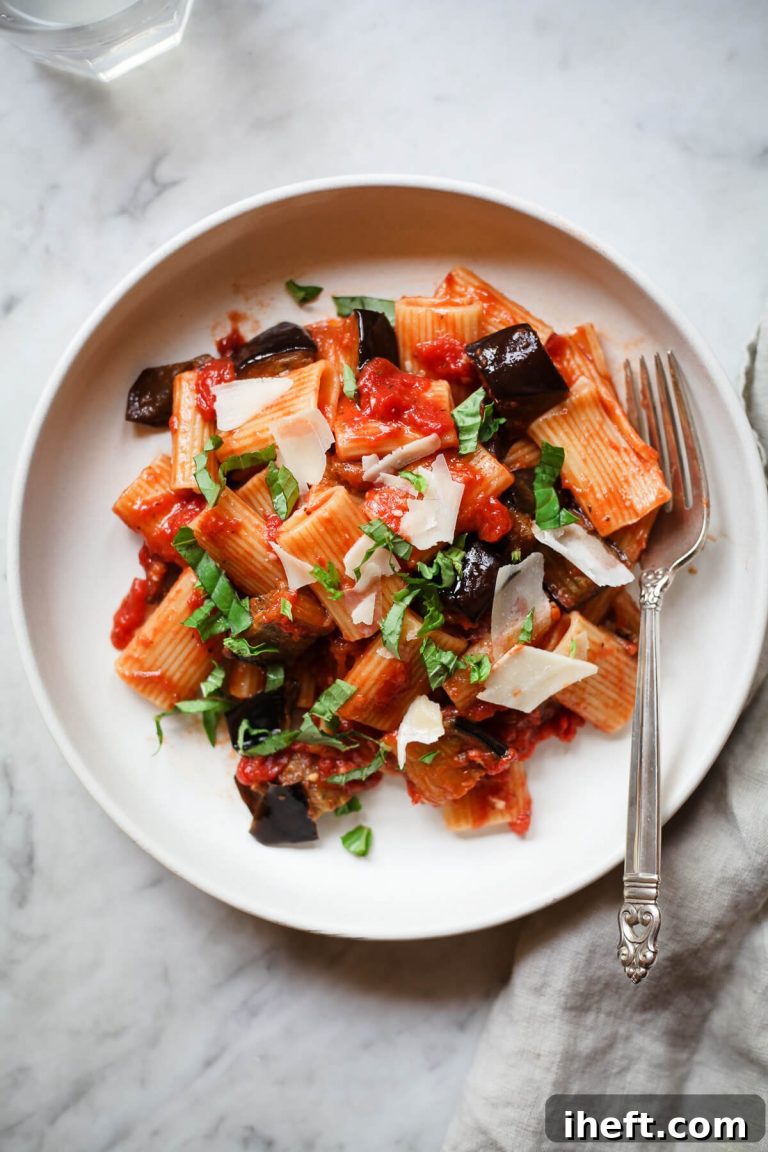
- For a satisfying vegetarian main, pair Panzanella with Baked Eggplant Parmesan (vegan option available).
- Complement the fresh flavors with simple grilled fare – chicken, fish, or an assortment of seasonal grilled vegetables make excellent partners.
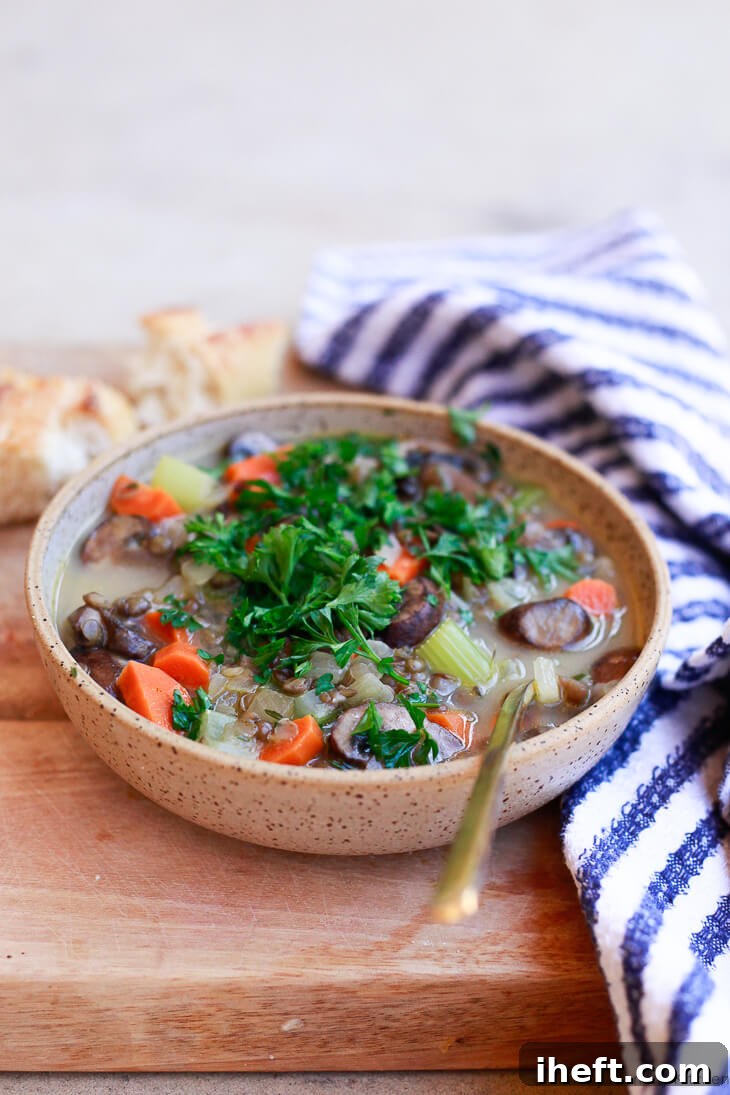
- For a delightful soup and salad combination, consider our comforting Italian Veggie Soup with Farro, a hearty Instant Pot Lentil Soup, or a vibrant Fresh Tomato Soup.
- Conclude your Italian-inspired feast with a classic Affogato – a scoop of vanilla ice cream drowned in hot espresso – for a simple yet elegant dessert.
Panzanella Salad Recipe
15 minutes
10 minutes
25 minutes
This classic Italian summer salad features fresh tomatoes, bread, onions, cucumber, herbs, and a simple vinaigrette. It’s a great way to use up day-old bread and enjoy summer produce. A delicious make-ahead Italian tomato and bread salad.
Ingredients
- 3-4 cups 1-inch cubed stale bread (Tuscan pane, sourdough, ciabatta, or baguette)
- 6 tablespoons extra virgin olive oil
- 1/2 teaspoon sea salt
- 1 lb. tomatoes, cut into bite-sized pieces (I like red and yellow heirloom tomatoes)
- 1 hothouse cucumber, sliced crosswise
- 1/2 red or white onion, thinly sliced
- 1/3 cup drained capers
- 1 cup basil leaves, sliced or torn
- 2 tablespoons red wine or champagne vinegar
- 1/2 teaspoon Dijon mustard
- 2 cloves garlic, minced
- 3 oz. arugula (optional)
Instructions
- Preheat the oven to 425 degrees F. Place cubed bread on a sheet pan and drizzle with 2 tablespoons of the olive oil. Season with a pinch of salt. Bake until toasty and golden, about 8 minutes. Set aside to cool.
- In a large salad bowl, add the tomatoes, cucumber, sliced onion, capers, and basil. Add the bread once it’s cool.
- In a small bowl or jar, whisk together the remaining 4 tablespoons olive oil, vinegar, mustard, and garlic. Season to taste with about 1/4 teaspoon salt and 1/8 teaspoon pepper.
- Toss the salad with the dressing and refrigerate for 1/2 hour to 4 hours before serving. Toss in the arugula, if using, just before serving. Season to taste with any additional salt and pepper.
Notes
I love to add 1 1/2 cups cooked and drained chickpeas and/or an avocado to this salad for extra protein and creaminess. Feel free to experiment with other vegetables like bell peppers or different herbs.
Nutrition Information:
Yield: 6
Serving Size: 1
Amount Per Serving:
Calories: 202
Total Fat: 15g
Saturated Fat: 2g
Trans Fat: 0g
Unsaturated Fat: 12g
Cholesterol: 0mg
Sodium: 473mg
Carbohydrates: 16g
Fiber: 3g
Sugar: 4g
Protein: 3g
Nutrition information is automatically calculated by Nutritionix. I am not a nutritionist and cannot guarantee accuracy. If your health depends on nutrition information, please calculate again with your favorite calculator.