The Ultimate Homemade Hummus Recipe
Uncover the secrets to crafting the ultimate smooth and creamy homemade hummus with this comprehensive, easy-to-follow guide!
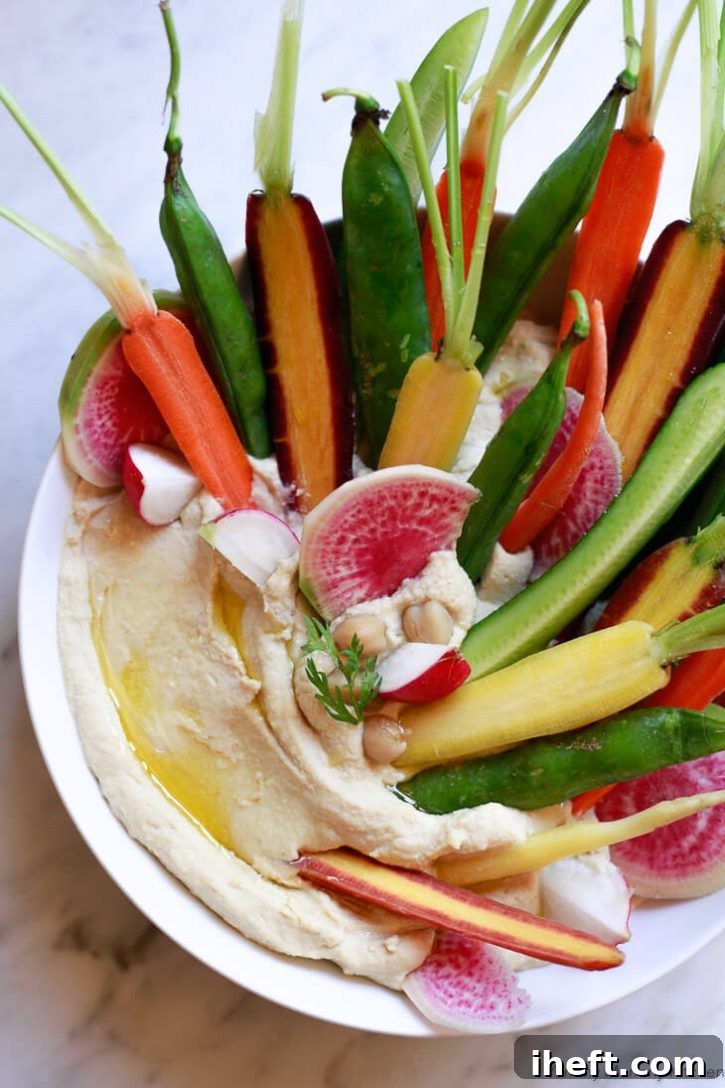
Recently, for my birthday celebration (turning 36, mind you!), my family and I indulged in a delightful meal at Zaytoon, our beloved local Lebanese restaurant. Despite initial grumbling about unfamiliar menu items, my kids were absolutely captivated by their hummus and fresh cucumbers. They emphatically declared it the finest hummus they had ever tasted. And they weren’t wrong; it was utterly delicious, remarkably different from the standard store-bought tubs we routinely purchase. This hummus boasted an exceptional texture – it was softer, incredibly silkier, milder in flavor, and tasted undeniably fresher. This culinary experience sparked an immediate desire in us: we simply had to recreate this masterpiece at home. But how? Was their secret an extravagant pour of olive oil? Or did they painstakingly peel every single chickpea?
Driven by curiosity and a craving for that perfect consistency, we embarked on a mission to unravel the age-old culinary riddle: “How do you achieve truly creamy, smooth hummus?” Our quest led us to test several theories and ultimately uncover the essential secrets to making perfect homemade hummus. The journey was delicious, and the results speak for themselves! Don’t forget to pair this incredible dip with some easy Homemade Pita Chips for the ultimate snacking experience.
What is Hummus? The Ancient, Wholesome Dip
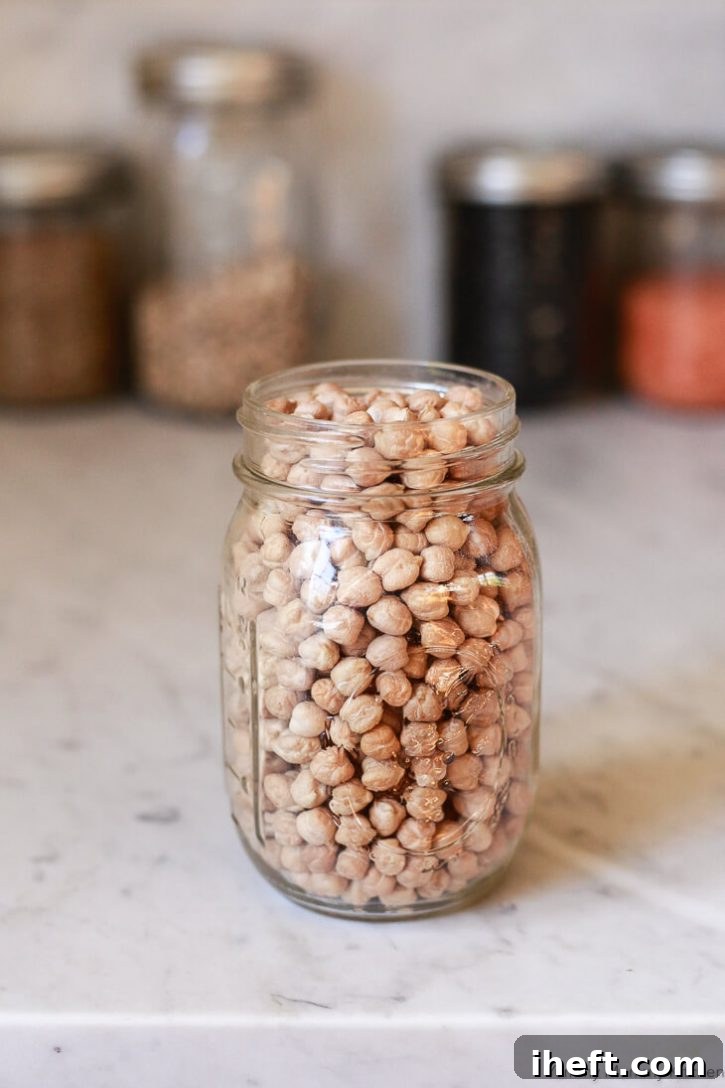
Before we delve into the preparation, let’s understand the star of our show. The word “hummus” itself translates directly to “chickpea” in Arabic, signifying its primary ingredient. This versatile and beloved dip or spread is traditionally crafted from mashed chickpeas combined with a few other fundamental components. Its origins are steeped in history, with various cultures across the Middle East laying claim to its creation. Pinpointing its exact birthplace is challenging, as it has been a staple in the region for countless years. Chickpeas, the humble legume at its core, have an even longer lineage, cultivated for thousands of years from the Roman Empire to Greece and India, demonstrating their enduring importance in global cuisine. Hummus is not just a dish; it’s a cultural icon, celebrated for its rich flavor, satisfying texture, and remarkable health benefits, making it a cornerstone of Mediterranean and Middle Eastern diets.
Unlocking the Creaminess: Why Homemade Hummus Triumphs
While store-bought hummus offers convenience, there’s an incomparable difference when you make it from scratch. Homemade hummus consistently surpasses its commercial counterparts in terms of flavor, freshness, and texture. You control every ingredient, ensuring no unnecessary preservatives or artificial additives. This allows for a vibrant, authentic taste that’s often lost in mass-produced versions. The ability to adjust seasonings to your personal preference – whether you like more garlic, a tangier lemon kick, or a hint of extra spice – is another significant advantage. Furthermore, making hummus at home can be surprisingly cost-effective, especially when buying dried chickpeas in bulk. Beyond taste and economy, there’s a unique satisfaction that comes from creating such a delightful dip with your own hands, transforming simple ingredients into a culinary delight that rivals even the finest restaurant offerings.
The Essential Ingredients for Classic Hummus Perfection
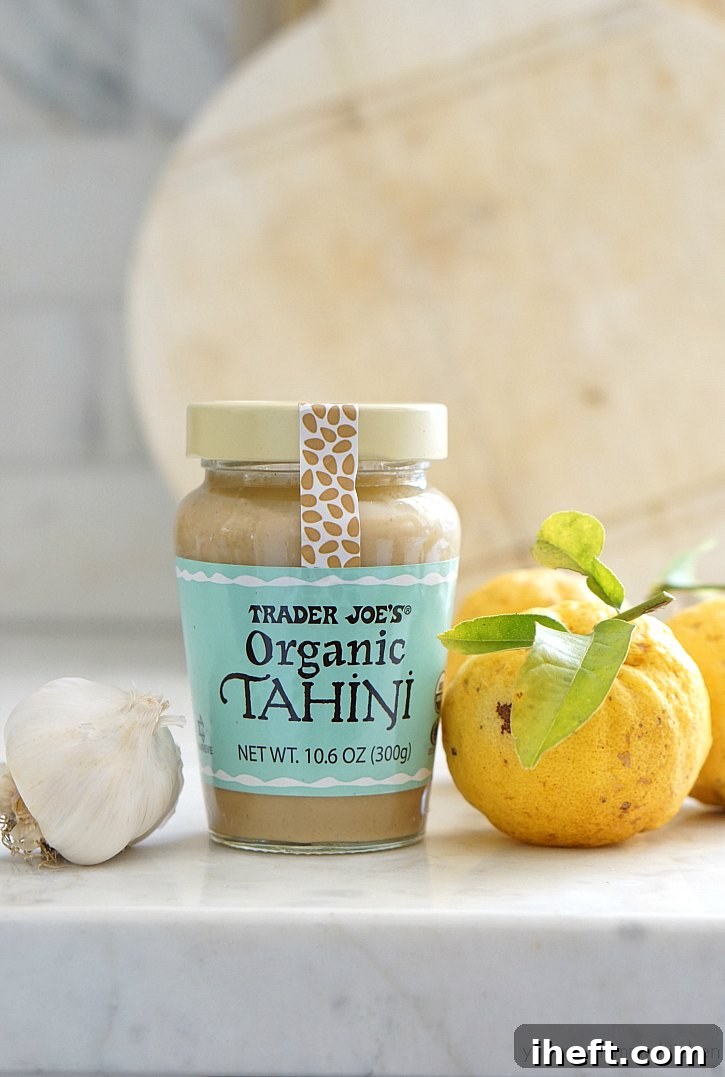
While I’ve experimented with various exciting hummus flavors in the past, such as the vibrant Edamame Basil, earthy Beet, sweet Sweet Potato, and even a seasonal Pumpkin Pie Dessert Hummus, the traditional and truly authentic hummus recipe relies on a remarkably simple and focused set of ingredients. The magic happens when these few high-quality components come together in perfect harmony. Here’s what you’ll need for that classic, irresistible flavor:
- Chickpeas (Garbanzo Beans): The foundation of hummus. We’ll discuss why dried chickpeas are superior for optimal texture.
- Tahini: This rich, creamy paste made from ground sesame seeds is a non-negotiable ingredient for authentic hummus. Often found in the international or nut butter section of grocery stores, tahini is like the Middle Eastern equivalent of peanut butter, providing a nutty depth and essential creaminess. It’s also fantastic in Tahini Sauce for dishes like Falafel and is the star of Lemon Tahini Salad Dressing. Look for a good quality, smooth tahini for the best results.
- Olive Oil: A good quality extra virgin olive oil adds richness and a beautiful sheen. For an oil-free version, the chickpea cooking liquid (aquafaba) can be used instead.
- Salt: Essential for enhancing all the flavors. Sea salt is often preferred for its nuanced taste.
- Fresh Lemon Juice: Provides brightness and a crucial acidic balance that cuts through the richness of the tahini and chickpeas. Always opt for fresh lemon juice over bottled for superior flavor.
- Garlic: Fresh garlic cloves contribute a pungent, aromatic kick that defines classic hummus. Adjust the amount to your preference for a milder or more robust garlic flavor.
- Cumin: This warm, earthy spice adds a subtle yet indispensable depth to the overall profile of the hummus, making it truly authentic.
How to Achieve Silky Smooth and Creamy Classic Hummus: The Ultimate Guide
The single most pivotal factor we discovered in our quest for truly exceptional homemade hummus was the starting point: using dried chickpeas. While canned chickpeas are certainly convenient and acceptable for a quick fix, if your goal is an authentic, restaurant-quality, silky smooth hummus, investing the extra effort to cook dried chickpeas from scratch is absolutely worthwhile. This crucial step profoundly impacts the final texture and flavor, elevating your hummus from good to truly extraordinary.
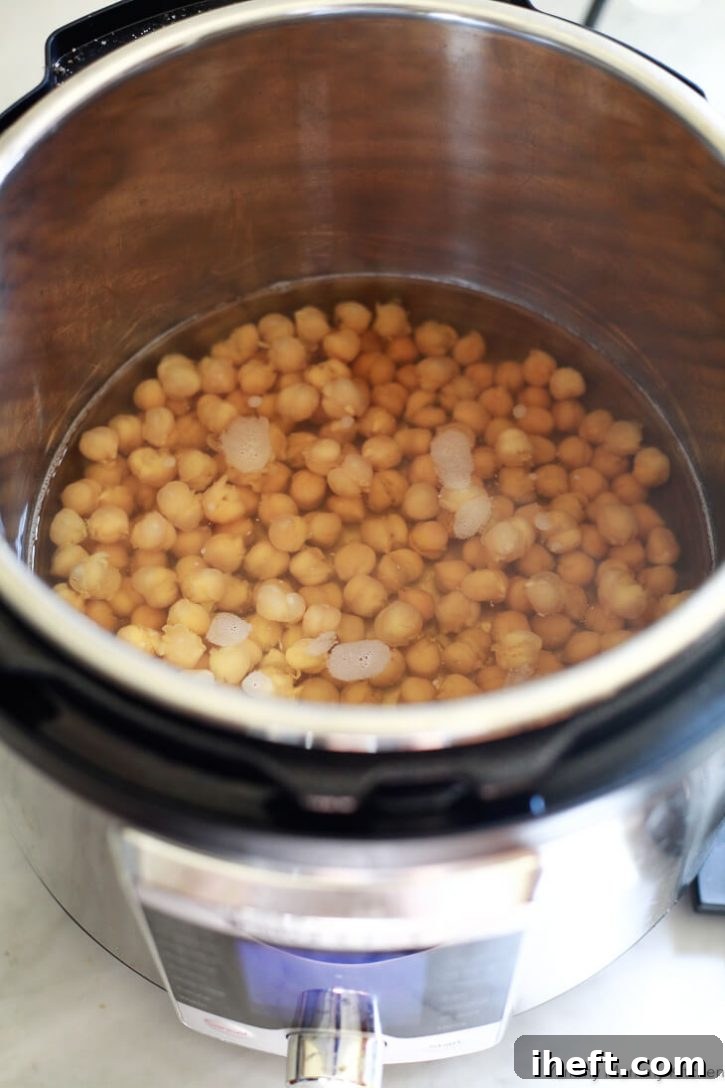
Step 1: Perfectly Cook Your Chickpeas for Optimal Tenderness
To begin your hummus journey, cook your dried chickpeas until they are exceptionally tender. This can be achieved on the stovetop or, for a more hands-off and often quicker method, in an Instant Pot. The Instant Pot typically eliminates the need for pre-soaking, saving you valuable time. For hummus, the chickpeas must be far more tender than you might cook them for a salad; they should almost dissolve under gentle pressure. Crucially, do not discard the cooking liquid – this magical elixir, known as aquafaba, is a key ingredient later on! For detailed instructions and alternative methods on preparing chickpeas, refer to my comprehensive post on How to Cook Chickpeas.
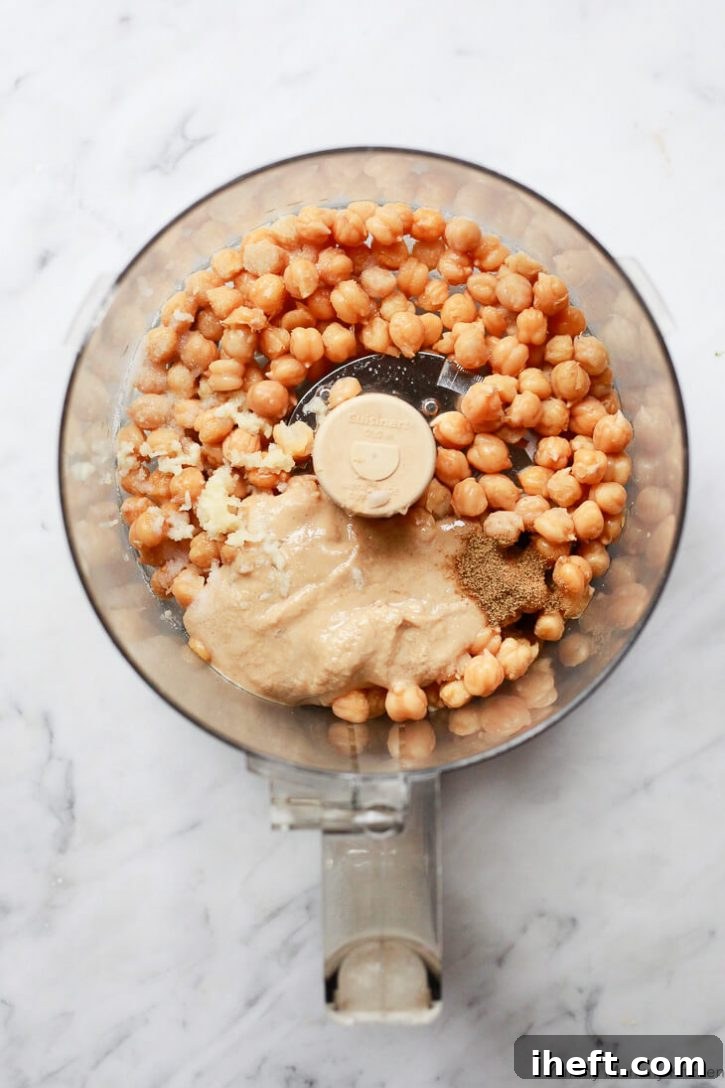
Step 2: Combine the Core Ingredients in Your Food Processor
Once your chickpeas are perfectly cooked and still warm, use a slotted spoon to transfer them directly into the bowl of a food processor. There’s no need for rinsing at this stage; a little residual cooking liquid is beneficial. This is also the moment to introduce the other foundational flavors: add the tahini, minced fresh garlic, ground cumin, fresh lemon juice, and a good pinch of sea salt. Ensure all ingredients are nestled together, ready for their transformation into a creamy dip.
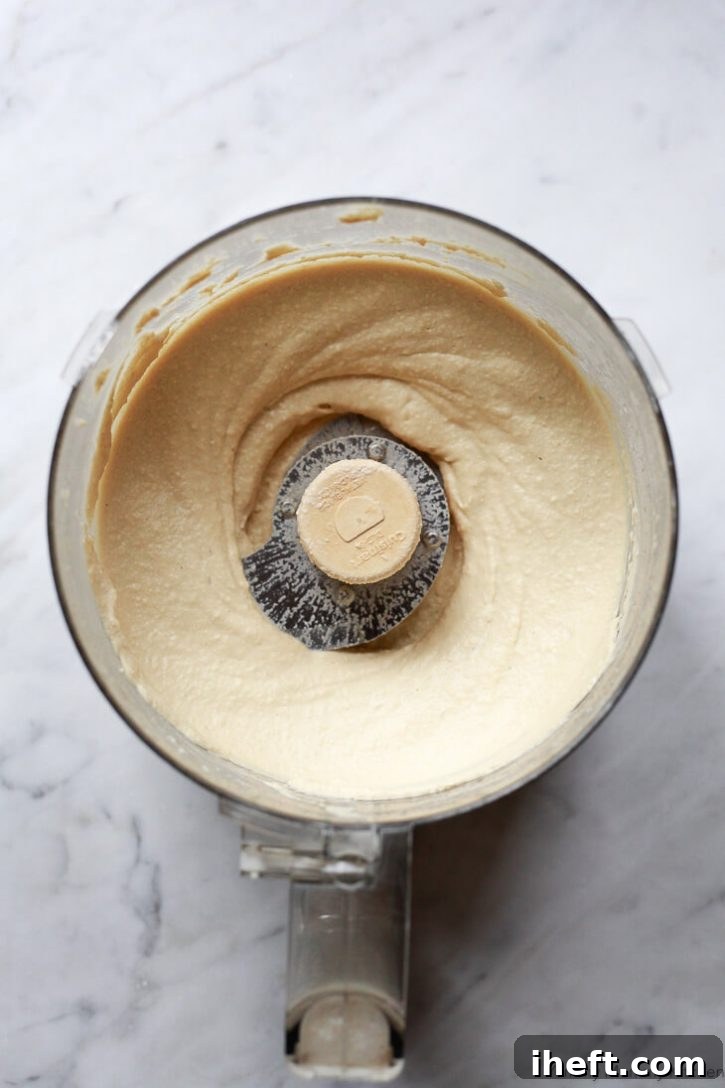
Step 3: Blend to Unparalleled Smoothness and Creaminess
With all ingredients in the food processor, begin blending. Initially, the mixture might appear thick and crumbly. As the processor runs, slowly and steadily drizzle in some high-quality olive oil (for the traditional method) or the reserved aquafaba (for an oil-free, lighter alternative) through the feed tube. This gradual addition of liquid is critical; it helps to emulsify the mixture, loosening it up and allowing all the ingredients to meld into a unified, creamy texture. Periodically stop the processor to scrape down the sides of the bowl with a rubber spatula. This ensures that every bit of chickpea and tahini is thoroughly incorporated, preventing any lumps and guaranteeing an incredibly smooth, velvety consistency. Continue blending until the hummus reaches your desired level of silkiness – patience here is key!
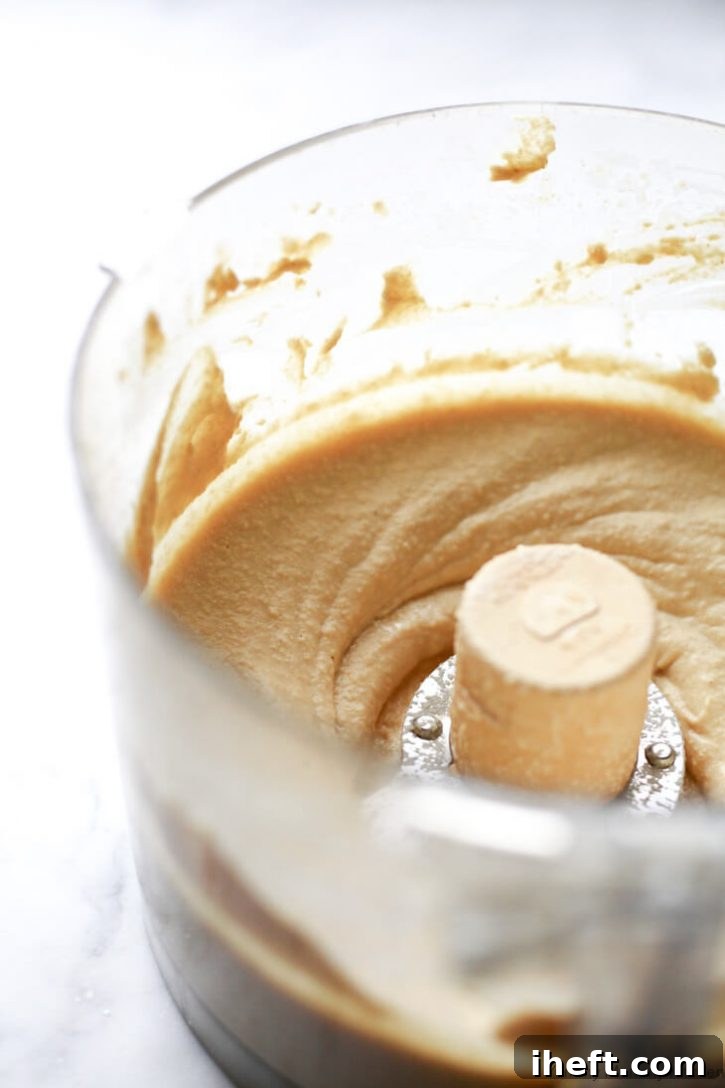
Step 4: Final Adjustments, Garnish, and Serve
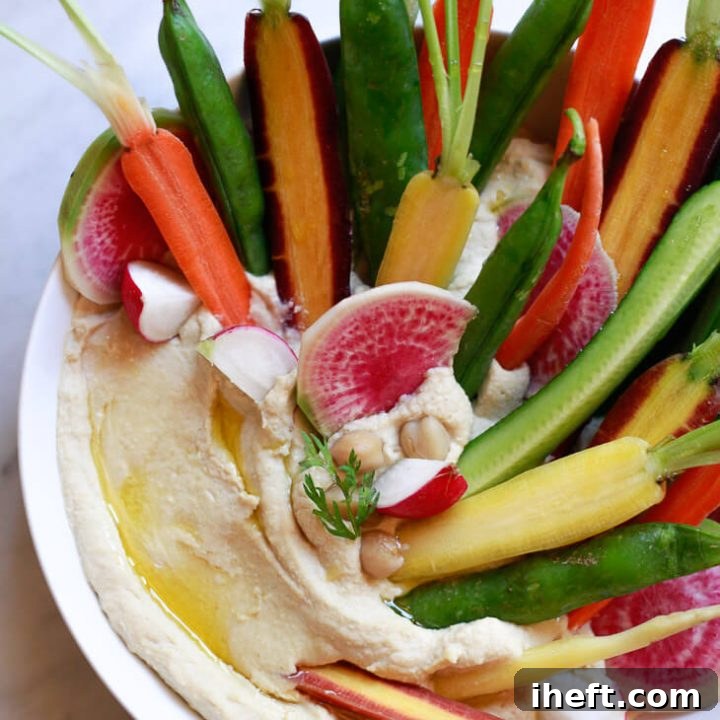
After achieving that perfect creamy texture, it’s time for the final taste test. Sample your homemade hummus and adjust the seasonings as needed. You might find it benefits from an additional squeeze of fresh lemon juice for more brightness, a little more salt to heighten the flavors, or an extra pinch of cumin for enhanced warmth. Once satisfied, transfer your freshly made hummus to a beautiful serving dish. Garnish with a drizzle of olive oil, a sprinkle of paprika, fresh parsley, or a few whole chickpeas for visual appeal. Serve immediately with your favorite warm pita bread, crisp fresh vegetables, or homemade pita chips for an unforgettable culinary experience.
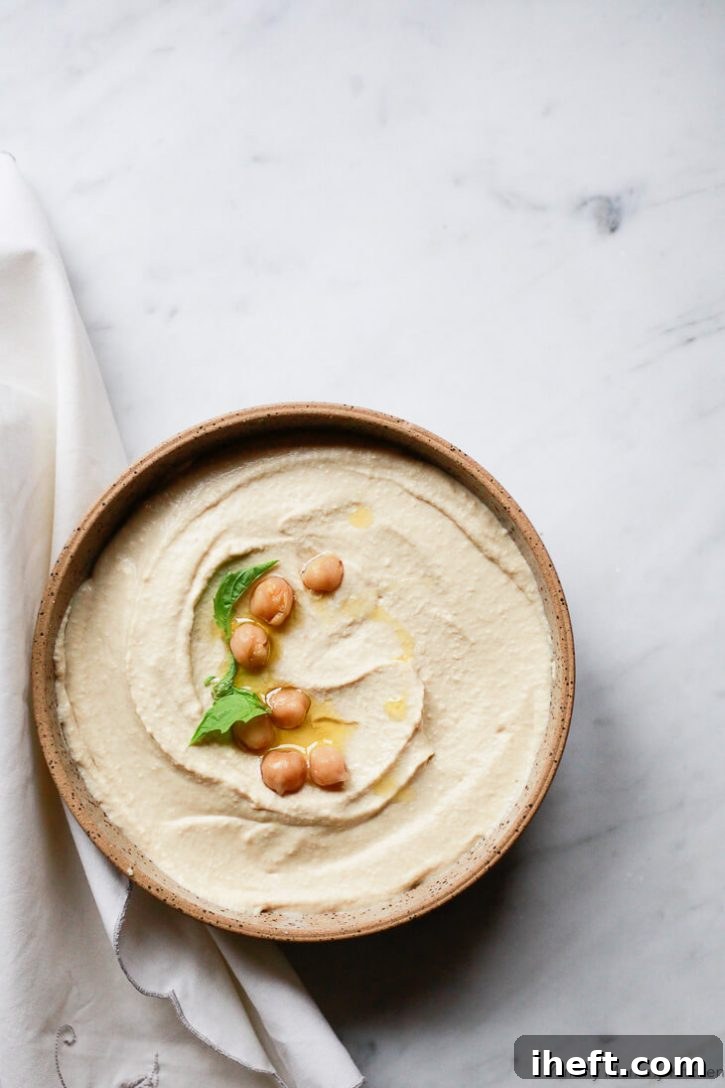
Expert Tips for Making the Best Homemade Hummus
Crafting the perfect hummus goes beyond just following a recipe. These crucial tips will help you achieve that coveted restaurant-quality creaminess and flavor every time:
- Embrace Warm Chickpeas: For the smoothest texture, always aim to use freshly cooked chickpeas, ideally still warm from the pot. Warm chickpeas blend much more easily and thoroughly than cold ones, creating a silkier end product.
- Keep Chickpeas Moist: Don’t let your cooked chickpeas dry out before blending. If you’re not using them immediately, keep them submerged in their cooking liquid (aquafaba) until ready to add to the food processor.
- Reserve the Aquafaba: This is arguably one of the most important tips! The starchy cooking liquid from the chickpeas, known as aquafaba, is essential. It acts as a natural emulsifier and a perfect oil-free liquid to achieve that dreamy consistency without altering the flavor profile. Reserve at least a cup, as you might need more than you think.
- High-Quality Tahini is Key: The quality of your tahini significantly impacts the final taste and texture. Look for tahini made from hulled, roasted sesame seeds that pours easily and has a smooth, creamy consistency, not thick and pasty. A good tahini should taste slightly nutty and not bitter.
- Blend Longer Than You Think: Don’t rush the blending process. For truly smooth hummus, you need to let the food processor run for several minutes, stopping occasionally to scrape down the sides. The longer it blends (within reason), the smoother and lighter it will become.
- Adjust Consistency with Liquid: The amount of aquafaba or olive oil needed can vary. Start with the recommended amount, but be prepared to add more, a tablespoon at a time, until you reach your desired consistency – from a thick dip to a spreadable, pourable sauce.
- Fresh Lemon and Garlic: Always use freshly squeezed lemon juice and fresh garlic cloves. The flavor difference compared to bottled lemon juice or garlic powder is immense and crucial for authentic hummus.
- Patience with Seasoning: Taste and adjust as you blend. Add salt, lemon juice, or cumin incrementally until the flavor perfectly balances.
Common Questions About Making Hummus Answered
Does Peeling Chickpeas Make Smoother Hummus?
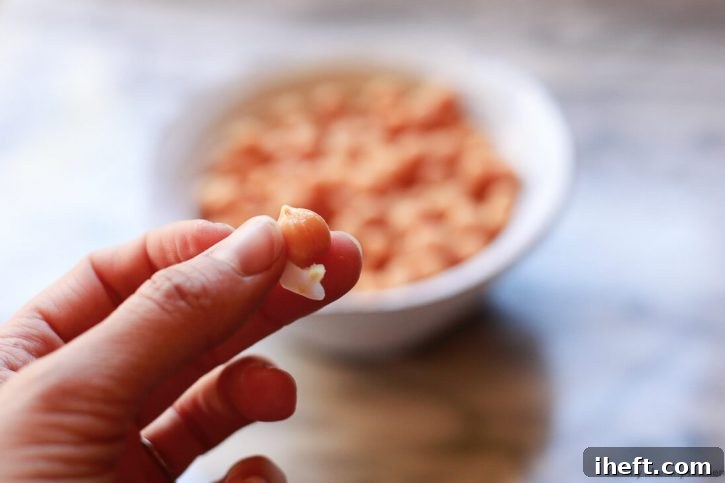
This is a widely debated topic in the hummus community! Many believe that meticulously peeling the thin skins off each chickpea after cooking is the secret to unparalleled smoothness. In our detailed testing, where we prepared the same recipe both with peeled and unpeeled chickpeas, we were genuinely surprised to find that we could not discern a noticeable difference in the final texture. The tenderness of freshly cooked dried chickpeas, combined with sufficient blending time and the right amount of liquid, proved to be far more impactful than peeling. We even joked that this would make an excellent science fair project! It’s important to note that this finding applies primarily to dried chickpeas cooked until very tender. While peeling might offer a slight advantage with tougher, canned chickpeas, for perfectly cooked dried ones, it appears to be an unnecessary, labor-intensive step. However, I have found that peeling chickpeas does make a noticeable difference when making recipes like Chickpea Salad Sandwiches, where the texture is crucial in a different way.
Does Cooking Beans with Baking Soda Result in Smoother Hummus?
A small amount of baking soda added to the cooking water is indeed a technique often employed to help tenderize beans more quickly and thoroughly. While it can contribute to a softer chickpea, it’s a method I personally avoid. Many reliable sources, such as this resource from NDSU Agriculture, indicate that baking soda can degrade certain nutrients, most notably the essential B vitamin thiamine. Given that achieving superior tenderness is already possible by simply cooking dried chickpeas longer or using a pressure cooker, I opt against using baking soda to preserve the full nutritional integrity of the beans.
How long does homemade hummus last in the fridge?
Properly stored homemade hummus will maintain its freshness and delicious flavor for 3 to 5 days when kept in an airtight container in the refrigerator. For longer storage, hummus freezes exceptionally well. It can be stored in the freezer for up to 6 months. To thaw, simply transfer it to the refrigerator overnight, and give it a good stir or a quick blend to restore its creamy texture before serving.
Can I make Hummus without tahini?
While you certainly can make a chickpea dip without tahini, it won’t technically be “hummus” in the traditional sense, as tahini is one of its defining ingredients. The flavor profile will be different, lacking the distinct nutty depth and the inherent creaminess that tahini provides. If omitting tahini, you’ll need to compensate with more liquid (aquafaba or water) to achieve a similar consistency, and perhaps add other flavor enhancers to make up for the missing tahini notes. It will still be a tasty chickpea spread, but it won’t capture the authentic essence of classic hummus.
Is Hummus healthy? Understanding its Nutritional Powerhouse Status
The concept of what constitutes “healthy” can be subjective and varies based on individual dietary needs and health goals. However, from a broad nutritional perspective, hummus, particularly homemade versions, is widely celebrated as a remarkably healthy food. Its primary ingredient, chickpeas, are frequently lauded as “the #1 longevity food” by many experts in the field of longevity nutrition, including prominent organizations like Blue Zones and renowned health advocates such as Dr. Michael Greger. Hummus is an excellent source of plant-based protein, dietary fiber, and healthy fats (from tahini and olive oil). It contains various vitamins and minerals, including folate, iron, magnesium, and B vitamins. Its high fiber content supports digestive health, aids in blood sugar regulation, and contributes to satiety, making it a fantastic choice for weight management. Overall, hummus is a nutrient-dense food that aligns well with a balanced, plant-forward diet.
What to eat with hummus: Versatile Serving Suggestions
Hummus is incredibly versatile and pairs beautifully with a wide array of foods. Its creamy texture and savory flavor make it a perfect dip or spread for almost any meal or snack. Here are some popular and delicious ideas:
- Pita Bread and Pita Chips: The classic pairing. Warm pita bread or crispy homemade pita chips are perfect for scooping.
- Falafel: A match made in heaven! Serve hummus as a creamy counterpoint to crispy falafel.
- Mezze Platter: Create an impressive spread with hummus as the centerpiece, surrounded by olives, pickles, cheeses, nuts, and other Mediterranean delights.
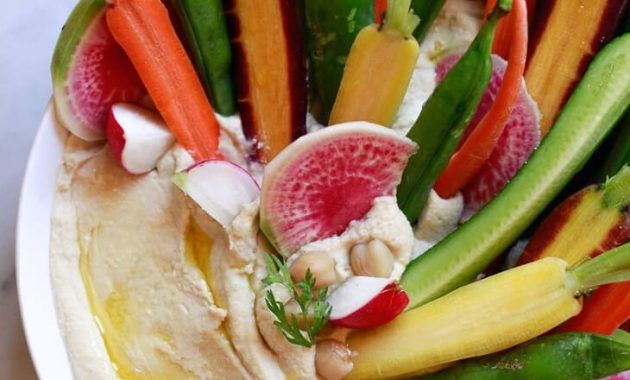
- Fresh Vegetables: A healthy and refreshing option. Think cucumber slices, carrot sticks, bell pepper strips, cherry tomatoes, radish, celery, and snap peas.
- Buddha Bowls/Grain Bowls: Drizzle a generous spoonful of hummus over grain bowls with roasted vegetables, greens, and protein for added creaminess and flavor.
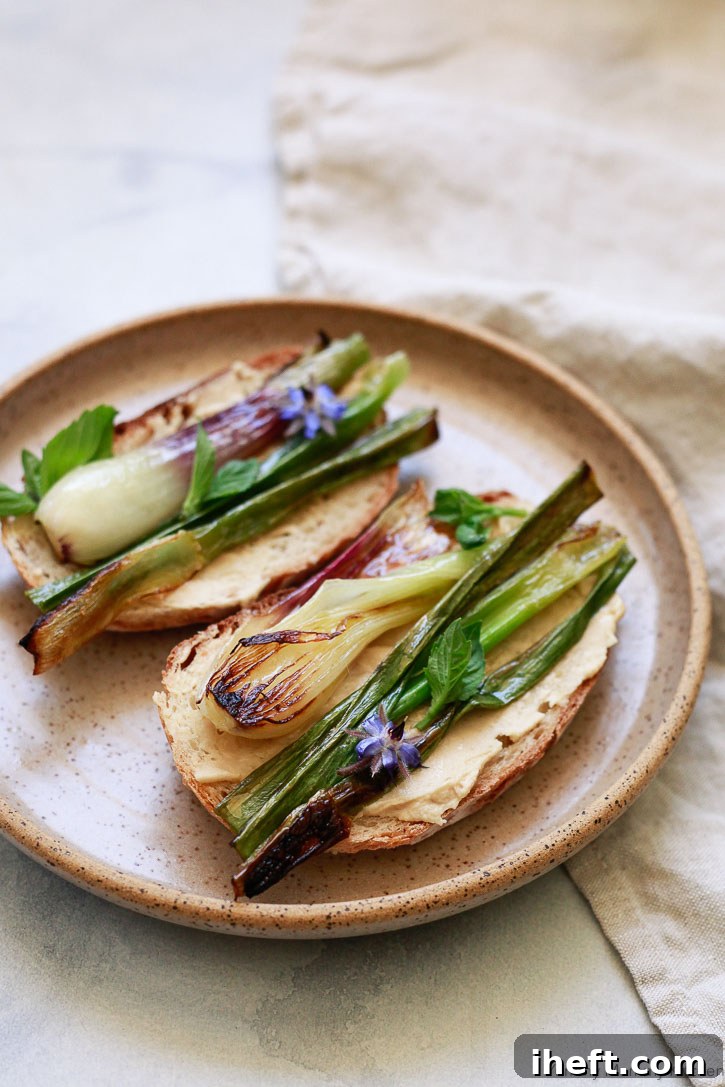
- Sandwiches and Wraps: Use hummus as a healthy and flavorful spread instead of mayonnaise. It’s fantastic in vegetarian wraps or as a base for chicken or veggie sandwiches.
- Salad Dressing: Thin out hummus with a little extra lemon juice or water to create a creamy, flavorful salad dressing.
- Baked Potatoes: A dollop of hummus on a hot baked potato or sweet potato is a delicious and satisfying topping.
- Crackers: A simple and quick snack that highlights the hummus flavor.
Hummus
5 minutes
3 minutes
8 minutes
Discover how to craft homemade hummus using this effortless, nutritious, and vegan dip recipe. This is the ultimate hummus featuring tahini, garlic, lemon, and chickpeas. Opt for an oil-free version using aquafaba, or stick to the classic with olive oil.
Ingredients
- 1 cup dried chickpeas, cooked (or 2 1/2 cups cooked/canned)
- 1/4 cup tahini
- 2 tablespoons fresh lemon juice
- 2 cloves garlic, minced
- 1 teaspoon sea salt
- 1 teaspoon cumin
- 1/4 cup Aquafaba (chickpea cooking liquid) or olive oil
Instructions
- Drain the chickpeas and place into a food processor. Add the tahini, lemon juice, garlic, salt, and cumin.
- Pulse a few times to get going. With the processor running, slowly drizzle in the aquafaba or olive oil.
- Continue blending until very smooth and creamy, stopping occasionally to scrape down the sides with a rubber spatula. Add more aquafaba as needed to thin. I’ve used up to 1 cup for very soft hummus.
- Taste and adjust seasonings if needed, such as a squeeze more lemon or a pinch more cumin. Transfer the homemade hummus to a serving bowl or food storage container. I like to drizzle just a tiny splash of olive oil on top.
- Serve with pita bread, pita chips, or veggies.
Notes
- Store homemade hummus in an airtight container in the refrigerator for up to 5 days.
- When you drain your chickpeas, be sure to reserve the aquafaba for thinning the hummus.
- Nutrition information was calculated using aquafaba, not olive oil.
Nutrition Information:
Yield: 8
Serving Size: 1
Amount Per Serving:
Calories: 82Total Fat: 5gSaturated Fat: 1gTrans Fat: 0gUnsaturated Fat: 4gCholesterol: 0mgSodium: 270mgCarbohydrates: 8gFiber: 2gSugar: 1gProtein: 3g
Nutrition information is automatically calculated by Nutritionix. I am not a nutritionist and cannot guarantee accuracy. If your health depends on nutrition information, please calculate again with your favorite calculator.
Conclusion: Your Journey to Perfect Homemade Hummus
Embarking on the journey to make homemade hummus is a rewarding culinary adventure. What might seem like a simple dip quickly reveals itself to be a dish of incredible depth, flavor, and texture when prepared with care and attention to detail. By starting with dried chickpeas, ensuring they are cooked to extreme tenderness, and patiently blending with high-quality tahini, fresh lemon juice, garlic, and the magic of aquafaba, you unlock a level of creaminess and smoothness that store-bought versions simply cannot match. This guide has shared the essential secrets we discovered, allowing you to replicate that authentic, restaurant-quality taste right in your own kitchen.
Beyond the delightful taste, homemade hummus offers a wholesome, nutritious addition to any diet. Rich in fiber, protein, and healthy fats, it’s a versatile dip that nourishes your body while tantalizing your taste buds. Whether you serve it with warm pita, crunchy vegetables, as part of a vibrant mezze platter, or as a spread in your favorite sandwich, your efforts in crafting this golden-hued delicacy will be immensely appreciated. So, gather your ingredients, follow these steps, and prepare to be amazed by the rich, silky, and utterly delicious hummus you can create from scratch. Happy dipping!