Creamy Labneh
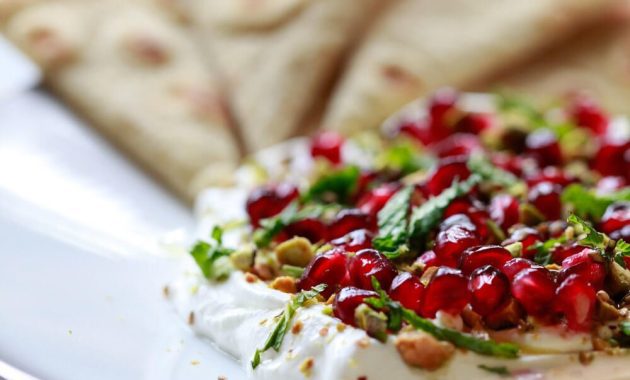
Embark on a culinary journey to the heart of the Middle East by learning how to make luscious labneh, also known as labne, right in your own kitchen. This guide will transform simple yogurt into an exquisite, tangy, and impossibly creamy Middle Eastern labneh yogurt dip, beautifully adorned with crunchy pistachios, fragrant za’atar, and jewel-like pomegranate arils. Whether you’re a seasoned chef or a curious beginner, mastering homemade labneh is a rewarding experience that will elevate your appetizer game.
For many, the vibrant flavors of Mediterranean and Middle Eastern cuisine hold an undeniable allure. From the aromatic spices to the fresh, wholesome ingredients, these dishes offer a symphony of taste and texture. Our community frequently gravitates towards these culinary treasures, with popular favorites including our delightful Falafel Recipe, the convenient Easy Falafel Wraps, the velvety Classic Hummus, the essential Tahini Sauce, the refreshing Chickpea Greek Salad, and the hearty Mediterranean Lentil Salad. These recipes not only celebrate rich traditions but also offer healthy and satisfying meal options.
Among the many culinary gems of the region, labneh stands out. It’s a staple at my favorite local restaurant, Zaytoon, here in Santa Barbara. Almost every family meal begins with their exceptional labneh yogurt dip appetizer, generously adorned with bright pistachios, sweet pomegranate arils, earthy za’atar, and fresh mint. While it’s a delightful treat year-round, its elegant presentation and refreshing taste make it an absolutely perfect choice for a holiday party or any festive gathering.
What is Labneh? The Creamy Secret of Middle Eastern Cuisine
At its core, labneh is a remarkably thick, creamy strained yogurt, often referred to as “yogurt cheese.” Imagine the tangy essence of plain yogurt, but with a consistency that rivals cream cheese. This unique texture is achieved by removing much of the whey from regular yogurt, resulting in a product that is denser, richer, and incredibly versatile. While some classify it as a soft cheese due to its texture, others consider it a highly concentrated form of yogurt. Many commercial brands even label it as “kefir cheese,” reflecting its cultured dairy origins.
Labneh is a cornerstone in both Mediterranean and Middle Eastern culinary traditions. Its applications are boundless: it serves as an exquisite dip for warm pita bread and crisp vegetables, a wholesome spread for sandwiches and wraps, or a lighter, tangier alternative to sour cream or cream cheese in various recipes. Its inherent tang and smooth texture make it a delightful addition to both savory and sweet dishes.
While making labneh at home is surprisingly simple and rewarding, you can also find pre-made versions. Look for it in specialty Middle Eastern, Greek, or Mediterranean grocery stores. I’ve often spotted excellent quality labneh at stores like Whole Foods, typically nestled in the cheese section right alongside other beloved Mediterranean cheeses like Halloumi and Feta. Opting for store-bought can be a convenient shortcut, but crafting it yourself allows for a personalized touch and unparalleled freshness.
The Undeniable Appeal of Labneh: Taste, Texture, and Health Benefits
Beyond its culinary versatility, labneh boasts several characteristics that contribute to its widespread appeal. Its distinctive tangy flavor profile, derived from the fermentation process of the yogurt, provides a refreshing contrast in many dishes. The texture is truly its crowning glory: smooth, velvety, and incredibly rich without being overly heavy. This makes it a satisfying component for a range of meals, from a light breakfast spread to a sophisticated appetizer.
Furthermore, labneh carries the inherent health benefits of its yogurt base. As a fermented dairy product, it is rich in probiotics, which are beneficial bacteria known to support gut health and digestion. It’s also an excellent source of protein, helping you feel full and satisfied, and contains essential nutrients like calcium. Compared to many cream cheeses, labneh is often lower in fat and calories, making it a healthier choice for those seeking to enjoy creamy textures without guilt. Its natural goodness makes it a smart addition to a balanced diet, offering both indulgence and nourishment.
Homemade vs. Store-Bought Labneh: Which One is Right for You?
The choice between making labneh from scratch and buying it pre-made often comes down to time, preference, and desired flavor. Store-bought labneh offers unparalleled convenience; it’s ready to use straight from the container. Many commercial brands maintain a consistent quality and can be a reliable option when you’re short on time or can’t source the right ingredients for homemade.
However, there’s a unique satisfaction in crafting homemade labneh. When you make it yourself, you have complete control over the ingredients – choosing your preferred type of yogurt, adjusting the lemon and salt to taste, and determining the exact level of thickness. Homemade labneh often boasts a fresher, more vibrant flavor and a nuanced tang that can surpass many store-bought varieties. It’s also typically more cost-effective to make your own, especially if you regularly buy plain yogurt in bulk. The process, while requiring some passive time for straining, is largely hands-off and incredibly simple, making homemade labneh a rewarding endeavor for any food enthusiast.
How to Make Labneh from Scratch: A Step-by-Step Guide
Making your own labneh (or labne) from scratch is a surprisingly straightforward process that requires minimal effort and only a few basic ingredients. The key is allowing enough time for the yogurt to properly strain and thicken. You’ll be amazed at how easily you can transform simple yogurt into this luxurious, creamy spread.
Ingredients for Homemade Labneh
- **Plain Greek Yogurt:** This is the foundation of your labneh. Greek yogurt is already partially strained, which speeds up the process and yields a naturally thicker result. Opt for full-fat for the creamiest texture, or low-fat for a lighter version. For a vegan labneh, use a good quality plain coconut yogurt.
- **Fresh Lemon Juice:** A small squeeze of fresh lemon juice brightens the flavor and enhances the tanginess of the labneh.
- **Sea Salt:** Just a tiny pinch of sea salt is crucial for balancing the flavors and bringing out the best in the yogurt.
Essential Equipment for Labneh Making
While you might already have most of these items, here’s a quick list of what you’ll need. If you regularly make things like nut milks or homemade cheeses, you’re likely well-equipped. Otherwise, these are easily found at most grocery or kitchen stores, or online:
- **Cheesecloth:** This is essential for straining the yogurt, allowing the whey to drip away while retaining the solids. Choose a fine-weave, unbleached cheesecloth for best results.
- **Fine Mesh Sieve:** A sturdy sieve that can comfortably sit over a bowl is needed to hold the cheesecloth-lined yogurt while it drains.
- **Mixing Bowl:** A bowl large enough to collect the whey as it drains from the sieve.
The Straining Process: From Yogurt to Labneh
Once you have your ingredients and equipment ready, the process of making labneh is quite hands-off:
- **Combine Ingredients:** In a small bowl, gently stir together the plain Greek yogurt, fresh lemon juice, and a dash of sea salt. Mix until well combined.
- **Prepare for Straining:** Line your fine mesh sieve with a double or triple layer of cheesecloth, ensuring there’s enough overhang to fold over the top. Place the lined sieve over a deeper bowl (this bowl will catch the liquid whey).
- **Add Yogurt:** Carefully spoon the yogurt mixture into the cheesecloth-lined sieve.
- **Fold and Refrigerate:** Gather the edges of the cheesecloth and fold them neatly over the top of the yogurt, encasing it. Place the entire setup (sieve with yogurt over the bowl) into the refrigerator.
- **Strain and Thicken:** Allow the yogurt to strain for a minimum of 12 hours, and up to 24 hours. The longer it strains, the thicker and firmer your labneh will become. For a softer, spreadable consistency, 12-16 hours might be sufficient. For a very firm, almost sliceable labneh, aim for 20-24 hours. You’ll notice liquid (whey) accumulating in the bowl below.
- **Check Consistency:** After the desired straining time, carefully unwrap the cheesecloth. Your labneh should be noticeably thicker and creamier, similar to cream cheese.
Tips for Perfect Homemade Labneh
- **Quality Yogurt Matters:** The better the quality of your initial Greek yogurt, the better your labneh will taste. Avoid yogurts with added sugars or artificial flavors.
- **Don’t Discard the Whey:** The liquid whey collected during straining is packed with nutrients! You can use it in smoothies, as a liquid for baking bread, or to water your plants.
- **Experiment with Thickness:** Don’t be afraid to adjust the straining time to achieve your preferred consistency. Taste it periodically after 12 hours.
- **Season to Taste:** While a dash of salt and lemon juice is standard, you can adjust these amounts once the labneh is ready.
Vegan Labneh: Dairy-Free Alternatives for Everyone
For those following a dairy-free or vegan lifestyle, enjoying the rich creaminess of labneh is still entirely possible! The core principle remains the same: straining a thick, plain yogurt to remove excess liquid and concentrate its texture and flavor. However, selecting the right dairy-free yogurt is crucial for achieving the best results.
When making vegan labneh, it’s imperative to use the highest quality, best-tasting plain dairy-free yogurt available. Through various tests, coconut-based varieties have consistently proven to yield the most satisfying flavor and texture for straining. Their natural creaminess and subtle sweetness work wonderfully once concentrated. Look for plain, unsweetened, full-fat coconut yogurt for optimal results. Other plant-based yogurts, such as almond or soy, can also work but may produce a slightly different flavor or require longer straining times.
Alternatively, if you’re looking for a similar creamy, tangy spread and have less time for straining, you can pivot to nut-based “cheeses.” We frequently make homemade dairy-free alternatives like our creamy Vegan Ricotta and smooth Dairy-Free Vegan Cream Cheese using raw cashews or almonds for superior flavor and texture. You can easily adapt this method for a labneh-like consistency: blend one cup of soaked raw cashews with one tablespoon of fresh lemon juice, one tablespoon of apple cider vinegar, and salt to taste. Add water sparingly, as needed, to achieve a thick, spreadable consistency. Or, for ultimate convenience, simply use your favorite store-bought vegan cream cheese (brands like Kite Hill are excellent options) and top it with the traditional labneh garnishes like olive oil and za’atar.
How to Serve Labneh Dip: Elegant Presentations and Flavorful Pairings
Once your homemade labneh has achieved its perfect creamy consistency, the fun truly begins: serving it! Labneh’s versatility allows for countless presentations, whether as a simple snack or the star of an elaborate spread.
Crafting the Perfect Labneh Dip
To serve as a dip, transfer your freshly made labneh to a shallow serving dish or a decorative bowl. The beauty of labneh lies in its simple yet elegant presentation, which can be enhanced with a few key toppings:
- **Olive Oil:** A generous drizzle of good quality extra virgin olive oil is almost mandatory. It adds a fruity richness that complements the tanginess of the labneh beautifully.
- **Za’atar:** This iconic Middle Eastern spice blend is a must-have. Za’atar typically combines dried thyme, oregano, marjoram, toasted sesame seeds, and sumac, offering an earthy, tangy, and nutty flavor profile that is utterly addictive. Sprinkle it generously over the labneh.
- **Pomegranate Arils:** For a burst of color and a delightful sweet-tart crunch, scatter fresh pomegranate arils over the top. Their vibrant red hue makes the dip visually stunning, especially for festive occasions.
- **Chopped Pistachios:** Add a layer of texture and a subtle, buttery crunch with finely chopped pistachios. They also contribute a beautiful green contrast.
- **Fresh Mint:** A sprinkle of freshly chopped mint leaves adds a bright, refreshing aromatic note that elevates all the other flavors.
- **Other Topping Ideas:** Don’t limit yourself! Consider adding a pinch of red pepper flakes for a subtle kick, finely chopped cucumber and tomatoes for freshness, or even a sprinkle of toasted pine nuts.
Serving Suggestions for Any Occasion
The classic way to enjoy labneh dip is with warm pita bread, cut into triangles perfect for scooping. However, its utility extends far beyond:
- **Mezze Platter Staple:** Feature labneh prominently on a Mediterranean or Middle Eastern mezze platter. It pairs wonderfully with other dips like hummus (our creamiest homemade hummus makes an excellent dairy-free companion!), baba ghanoush, olives, fresh vegetables (cucumber sticks, carrot batons, bell pepper strips), and artisanal crackers.
- **Breakfast or Brunch:** Spread labneh on toast, bagels, or pita bread, perhaps topped with honey and nuts for a sweet variation, or with sliced tomatoes and olives for a savory start to the day.
- **Sandwich & Wrap Spread:** Use labneh as a healthier, tangier alternative to mayonnaise or cream cheese in sandwiches and wraps. It adds moisture and flavor without heaviness.
- **Accompaniment to Main Dishes:** Serve a dollop of labneh alongside grilled meats, roasted vegetables, or grain bowls to add a creamy, cooling element.
- **Salad Dressing Base:** Thin it slightly with a little olive oil or water and use it as a creamy, tangy base for salad dressings.
Storage and Shelf Life of Homemade Labneh
Once you’ve gone to the effort of making your own delicious labneh, you’ll want to ensure it stays fresh for as long as possible. Properly stored, homemade labneh can last a good while, allowing you to enjoy its creamy goodness for several days.
- **Refrigeration is Key:** Always store labneh in an airtight container in the refrigerator. This prevents it from absorbing odors from other foods and keeps it fresh.
- **How Long Does It Last?** Homemade labneh typically lasts for about 5-7 days in the refrigerator. The shelf life can vary slightly depending on the freshness of the yogurt you started with and how carefully it was handled.
- **Signs of Spoilage:** Like any dairy product, labneh can go bad. Look for signs of spoilage such as an off-odor (sour or yeasty), visible mold, or a significant change in color or texture. If in doubt, it’s always best to discard it.
- **Serving Tip for Storage:** If you plan to serve labneh as a dip with various toppings, it’s best to add the fresh garnishes (pomegranate, mint, pistachios) just before serving. Storing the plain labneh separately will help maintain its pristine texture and flavor for longer. You can drizzle with olive oil and za’atar for storage, as these act as a natural preservative and barrier.
Frequently Asked Questions About Labneh
Q: Can I use regular plain yogurt instead of Greek yogurt?
A: Yes, you can, but it will take significantly longer to strain (potentially 24-48 hours) because regular yogurt contains more whey. Greek yogurt is already partially strained, making it ideal for a quicker labneh process.
Q: What if my labneh is too thin?
A: If your labneh isn’t as thick as you’d like, it simply needs more time to strain. Return it to the refrigerator and allow it to drain for several more hours, checking its consistency periodically.
Q: Can I freeze labneh?
A: While you can technically freeze labneh, its texture may change upon thawing. It might become grainier and lose some of its original creaminess. It’s best enjoyed fresh.
Q: Is labneh dairy-free?
A: Traditional labneh is made from dairy yogurt. However, as discussed, you can make a delicious dairy-free version using plain coconut yogurt or a nut-based cream cheese alternative.
Q: What does za’atar taste like?
A: Za’atar is a savory, aromatic blend with earthy, tangy, and nutty notes. It’s herbaceous from thyme and oregano, slightly tangy from sumac, and nutty from toasted sesame seeds. It’s a key flavor in Middle Eastern cuisine.
Q: Can I add garlic or other herbs to the labneh itself?
A: Absolutely! While the basic recipe is simple, you can stir in finely minced garlic, fresh dill, chives, or a pinch of dried herbs into the yogurt mixture before straining for infused flavors.
Whether you choose to craft it from scratch or opt for a quality store-bought version, labneh is a delightful and versatile addition to any table. Its creamy texture, tangy flavor, and vibrant toppings make it an unforgettable appetizer or a healthy, flavorful spread. Experiment with toppings, enjoy it with warm pita, or incorporate it into your favorite dishes. This Middle Eastern gem is sure to become a cherished recipe in your culinary repertoire.
Yield: about 1 cup
Labneh Dip
5 minutes
12 hours
12 hours 5 minutes
A creamy Middle Eastern labneh dip with za’atar, pomegranate, and pistachios, perfect for scooping with warm pita bread.

Ingredients
- 10 oz. plain Greek yogurt (plain coconut yogurt for vegan)
- 1/4 teaspoon fresh lemon juice
- Dash of sea salt
- 2 tablespoons extra virgin olive oil (for garnish)
- 1 tablespoon za’atar (for garnish)
- 1/4 cup pomegranate arils (for garnish)
- 1/4 cup chopped pistachios (for garnish)
- 4 fresh mint leaves, chopped (for garnish)
- 1 package Middle Eastern flatbread
Instructions
- In a small bowl, stir together the yogurt, lemon juice, and salt.
- Line a fine mesh sieve with cheesecloth and fill with the yogurt mixture. Fold the cheesecloth back over the yogurt. Set the sieve with the cheesecloth and yogurt over a bowl. Refrigerate for 12-24 hours, until the labneh has reached your desired thickness.
- Transfer the labneh to a shallow serving dish and drizzle with olive oil. Sprinkle with za’atar, pomegranate, pistachios, and mint.
- Warm the flatbread and cut into triangles. Serve immediately.
Notes
- Feel free to take a shortcut and use store-bought labneh/labne. You can find it in some Middle Eastern grocery stores, or next to the Halloumi and feta cheeses at Whole Foods.
- Vegan Labneh Substitute: You can use a good quality plain coconut-based yogurt to make labneh but the flavor won’t be quite the same. You can also substitute homemade or store-bought vegan cream cheese (Kite Hill recommended) and top as shown here with za’atar, evoo, etc.
Nutrition Information:
Yield: 6 servings
Serving Size: 1
Amount Per Serving:
Calories: 147
Total Fat: 8g
Saturated Fat: 1g
Trans Fat: 0g
Unsaturated Fat: 6g
Cholesterol: 2mg
Sodium: 173mg
Carbohydrates: 13g
Fiber: 1g
Sugar: 3g
Protein: 8g
Nutrition information is automatically calculated by Nutritionix. I am not a nutritionist and cannot guarantee accuracy. If your health depends on nutrition information, please calculate again with your favorite calculator.