The Truth About Foil In Your Air Fryer
The air fryer has revolutionized modern cooking, making it easier than ever to achieve crispy, delicious results with minimal oil. But as this versatile kitchen gadget finds its place in more homes, a common question arises: “Can you put foil in an air fryer?” While aluminum foil is a staple in most kitchens for its convenience and versatility, its compatibility with the unique cooking environment of an air fryer isn’t as straightforward as it might seem. Understanding the nuances of using foil in your air fryer is crucial for both cooking success and, more importantly, safety. Join us as we explore the ins and outs of cooking with aluminum foil in an air fryer, covering potential risks, best practices, and excellent alternatives to ensure your culinary adventures are both delicious and secure.
The air fryer craze is undeniably here to stay, and for good reason. This innovative appliance has become a beloved gadget for home cooks seeking to recreate that satisfying crispiness typically associated with less healthy deep-fried foods or quick fast-food runs, but with significantly less fat. As someone deeply invested in making dinnertime quick, easy, and enjoyable for my family, I’ve fully embraced the air fryer for countless favorite meals – often alongside my trusty Instant Pot!
However, with the joy of experimenting with new air fryer recipes comes a significant responsibility. My commitment to my family’s well-being means I thoroughly research not only the ingredients we consume but also the materials and methods used in their preparation. This dedication led me to scrutinize the use of a common kitchen staple: aluminum foil.
Aluminum foil is ubiquitous, celebrated for its role in grilling, baking, and simplifying cleanup. Yet, its suitability for the unique environment of an air fryer is a frequent point of discussion among home chefs. Before you line your air fryer basket with foil for that easy cleanup, it’s essential to understand whether it’s truly safe and effective. Let’s delve deeper into this kitchen dilemma.
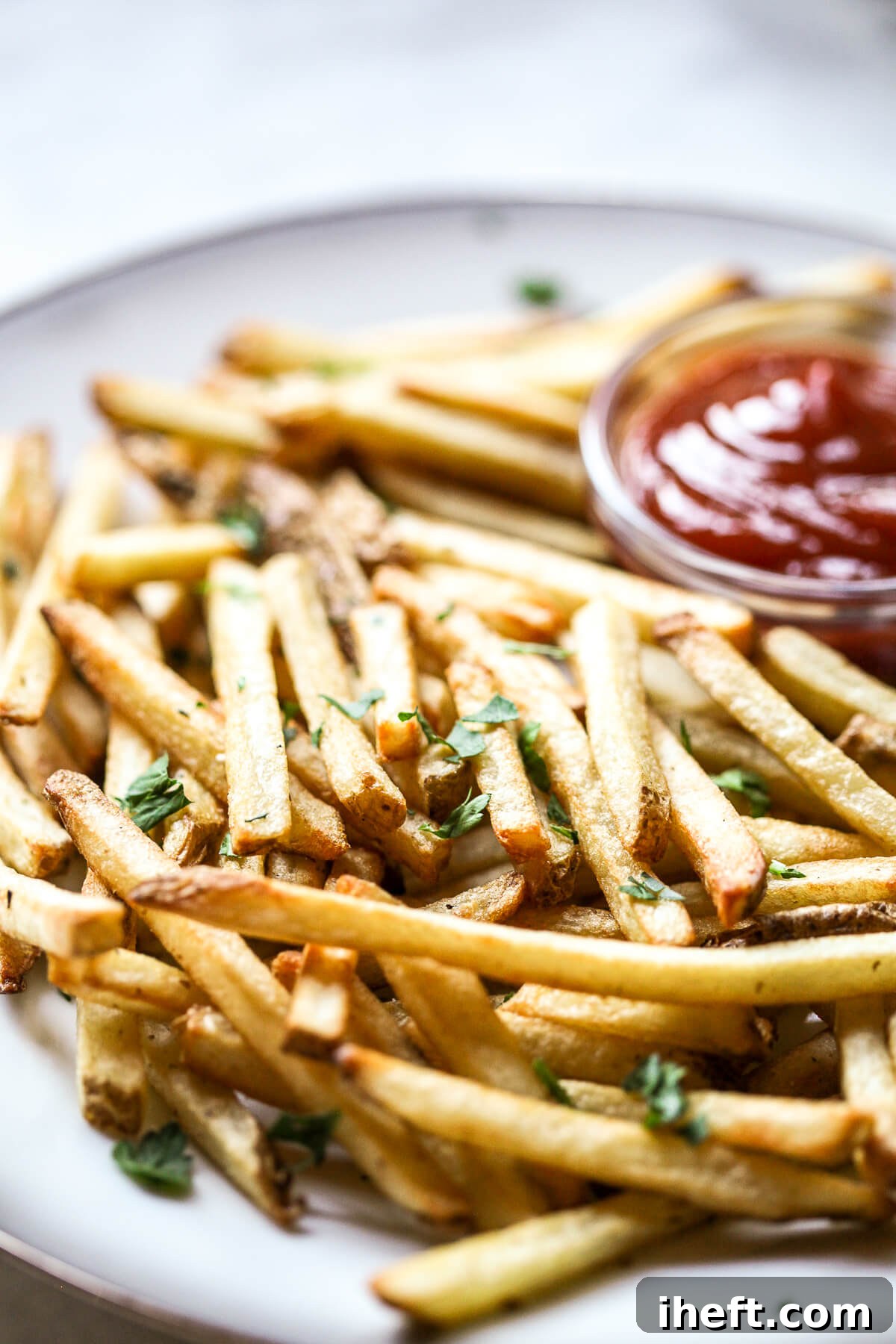
Achieve irresistibly crispy French fries with your air fryer.
Understanding Your Air Fryer: The Science of Crispiness
The rise of the air fryer has been nothing short of meteoric. A recent survey highlighted a staggering 81% increase in air fryer sales in 2020 alone, signaling its rapid integration into modern kitchens. More households than ever before are now enjoying the convenience and health benefits this countertop appliance offers.
At its core, an air fryer functions much like a miniature, powerful convection oven. It’s equipped with a heating element, typically located at the top, and a high-powered fan. This fan rapidly circulates intensely hot air (often reaching temperatures upwards of 320 degrees Fahrenheit) around the food, which is usually placed in a perforated basket or tray. This rapid and even circulation of hot air is what strips moisture from the food’s surface, creating that coveted crispy, golden-brown finish.
The true magic of an air fryer lies in its ability to mimic the deep-frying process, delivering similar textures with significantly less oil – or sometimes, none at all. This makes it a much healthier alternative to traditional deep-frying. My kids, for instance, frequently use it to turn a bag of frozen French fries into a perfectly crispy snack. There’s no need for pans of hot oil, just the efficient circulation of air.
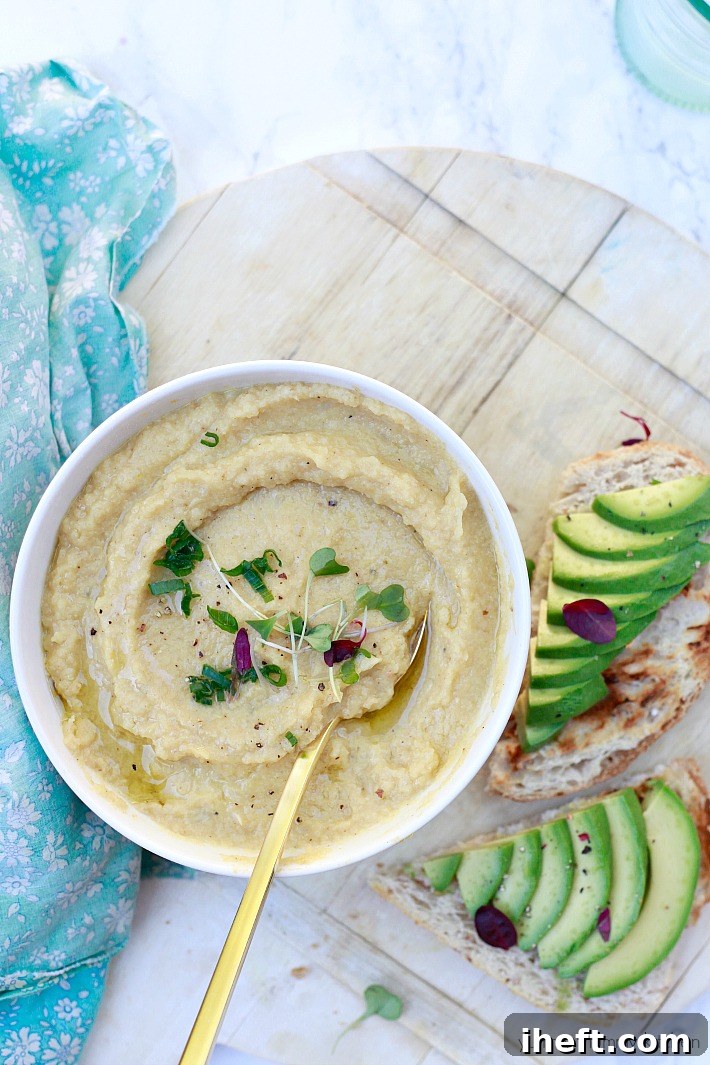
The design of the air fryer, particularly its perforated basket, is crucial for this process. It allows the hot air to flow freely from all directions, ensuring every surface of the food is exposed to the circulating heat. This is why air fryers excel at making things like homemade Pita Chips, often served with hummus, perfectly crisp without soaking them in oil.
Air fryers come in various sizes and often feature preset options, simplifying the cooking process for many recipes. However, one important consideration when using an air fryer is its limited cooking space. If you’re preparing a meal for a large family or want to minimize cleanup, you might instinctively reach for aluminum foil. But before you do, remember that obstructing the airflow with foil can fundamentally alter how your air fryer performs, potentially compromising the very results you seek.
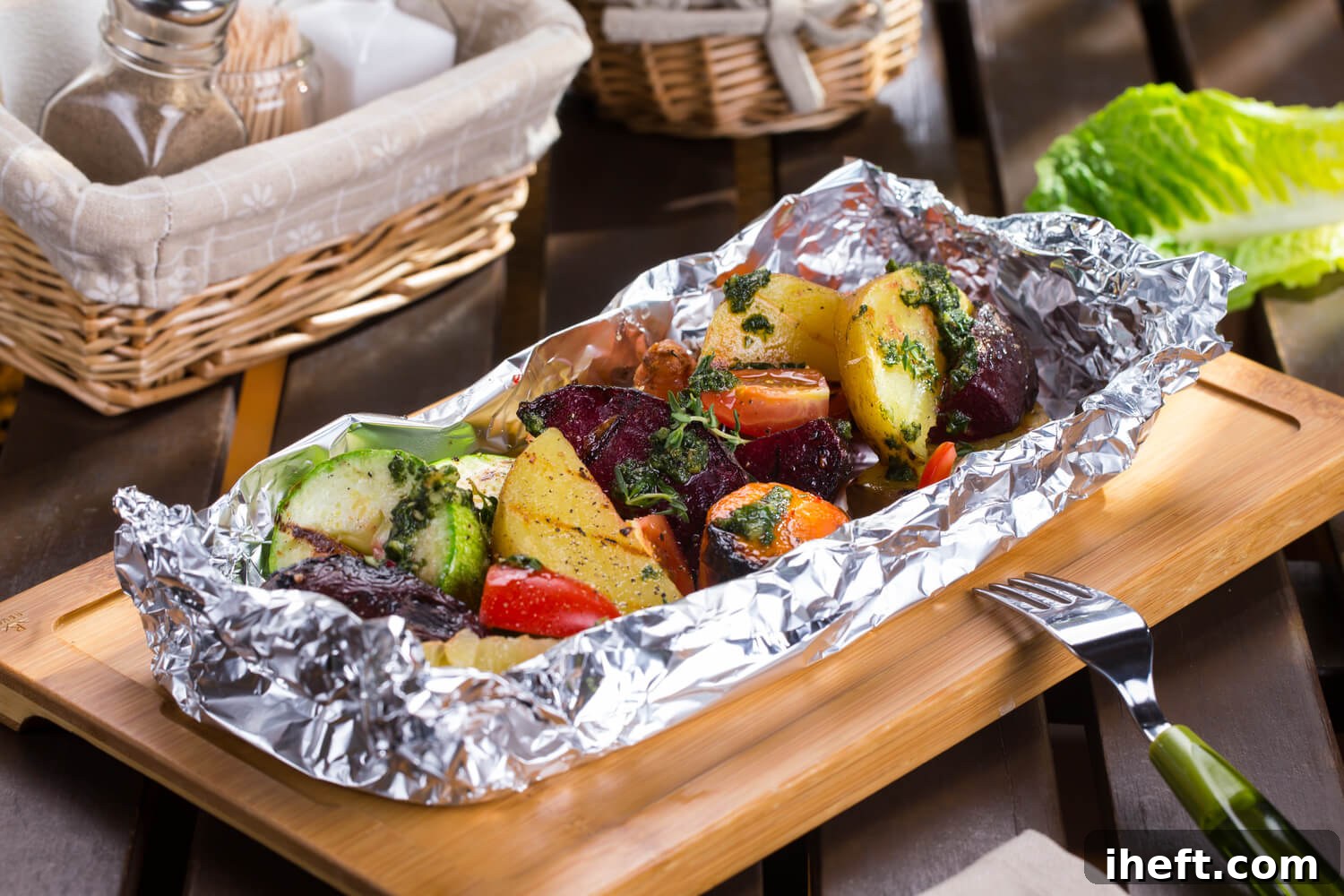
Aluminum Foil: A Familiar Kitchen Ally
Aluminum foil has a long and storied history as a staple in kitchens worldwide, dating back to the early 1900s. However, it wasn’t until 1948 that all-foil food packaging containers became readily available for personal storage in supermarkets, truly cementing its place in home cooking. Since then, consumers have widely embraced aluminum foil for its unparalleled convenience in food preparation, storage, and maintaining an organized kitchen.
Its versatility is impressive, with common applications including:
- Wrapping and Roasting: Encasing items before grilling or baking in a conventional oven helps lock in moisture and flavor.
- Food Storage: An excellent barrier for keeping leftovers fresh in the refrigerator.
- Cleaning Aid: A crumpled ball of foil can act as a makeshift scrubber for stubborn messes on pots and pans.
- Temperature Retention: Keeping cooked foods warm until serving time.
- Improvised Cookware: Creating makeshift pans or lining baking sheets to prevent sticking and simplify cleanup.
- Structural Support: Stabilizing or balancing delicate items during cooking.
- Freezer Burn Prevention: Providing an extra layer of protection against freezer burn for stored foods.
- Mess Prevention: Catching drips and spills, particularly in ovens, to avoid baked-on grime.
Despite these many advantages, it’s crucial to understand that aluminum foil is not always ideally suited for the specific way an air fryer operates. The core principle of an air fryer relies on the unimpeded circulation of hot air around the food within its perforated basket. When food is tightly wrapped in aluminum foil, or if foil covers the basket’s perforations, it can significantly impede this essential airflow. This interference can result in food that cooks unevenly, fails to achieve that desired crispy texture, and might even remain undercooked in certain areas.
Given that air fryers function on the principle of convection, adequate space between items in the basket is paramount for the hot air to flow evenly. While lining the basket with aluminum foil might seem like a shortcut to easier cleanup, doing so can unfortunately disrupt this critical airflow, undermining the air fryer’s efficiency and cooking performance.
Navigating the Hazards: Why Foil Can Be Problematic in Your Air Fryer
Our understanding of food safety and the potential risks associated with various cooking materials has advanced considerably since the early 20th century. While aluminum foil remains a widely available and convenient tool, it’s important to be aware of its limitations, especially when paired with modern appliances like the air fryer. Key concerns revolve around air fryer malfunctions, potential aluminum toxicity, and adverse reactions with certain food types. Keeping these points in mind will help you use your kitchen gadgets safely and effectively.
Air Fryer Malfunctions and Safety Risks
It’s a common, understandable impulse: lining the bottom of your air fryer basket with aluminum foil to catch excess oil and drippings, hoping for a quicker cleanup. However, this seemingly helpful act can pose significant dangers to both your appliance and your kitchen safety.
-
Uneven Cooking and Appliance Damage: Many air fryer models have heating coils located at the bottom or wrapped around the cooking chamber. If you place aluminum foil directly over these coils or block the primary airflow vents at the bottom of the basket, you risk severely impeding heat distribution. This can lead to drastically uneven cooking, with some parts of your food remaining uncooked while others might burn. More critically, blocking airflow can cause the appliance to overheat, potentially damaging internal components, melting plastic parts, or even leading to an electrical short circuit.
-
Restricted Airflow and Overheating: The air fryer’s rapid circulation system relies on unrestricted airflow. When foil obstructs this flow, the hot air has nowhere to go. This can cause excessive pressure and heat buildup within the appliance, stressing the heating element and fan. Over time, such consistent stress can lead to premature wear and tear or catastrophic failure of your air fryer.
-
Fire Hazard from Loose Foil: Perhaps one of the most immediate dangers is loose aluminum foil. If the food you are cooking isn’t heavy enough to weigh down the foil, the powerful fan inside the air fryer can easily blow it around. Loose foil can come into direct contact with the heating element, potentially melting, igniting, or even short-circuiting the appliance. This presents a serious fire hazard that is entirely preventable. Always consider the weight and stability of your food if you absolutely must use foil in the air fryer.
Prioritizing your appliance’s longevity and, more importantly, kitchen safety, means being mindful of where and how you place any materials inside the air fryer.
Concerns About Aluminum Toxicity and Health
When it comes to kitchen safety, understanding what enters your body through the food you prepare should always be a top priority. Every time aluminum foil is used in cooking, there’s a potential for tiny amounts of aluminum to leach into your food. While the human body can excrete small amounts of aluminum, chronic or excessive exposure is a growing concern. The risk of aluminum migration into food, and thus potential toxicity, significantly increases under specific cooking conditions:
- High Temperatures: Cooking at elevated temperatures, common in air frying, accelerates the chemical reaction that causes aluminum to transfer.
- Acidic Foods: Foods high in acidity, such as tomatoes, citrus fruits, and vinegars, react with aluminum, dramatically increasing the amount of the metal that leaches into your meal.
- Salts and Spices: The presence of salts and certain spices can also facilitate the transfer of aluminum into food.
Even if you don’t detect a metallic taste, aluminum contamination can still occur. While research is ongoing, elevated levels of aluminum in the body have been linked to a range of serious health conditions, including:
- Neurological Disorders: Associations have been explored with Alzheimer’s disease and other neurodegenerative conditions.
- Gastrointestinal Issues: Conditions like irritable bowel syndrome (IBS) may be exacerbated.
- Developmental Concerns: Some studies suggest a link to prenatal defects, highlighting risks for vulnerable populations.
Considering that the migration of aluminum often exceeds the World Health Organization’s permissible limits when cooked, regardless of the cooking method or food type, many experts recommend minimizing its use. This guidance extends beyond air frying to include everyday baking and grilling routines. For these reasons, I personally choose unbleached parchment paper over aluminum foil whenever possible. This topic, including how to avoid foil, is further elaborated in our article on How to Roast Beets without Foil.
The Impact of Acidic and Salty Foods
As mentioned, while aluminum leaching can occur with any food type, acidic and salty ingredients act as catalysts. They initiate a chemical reaction with the aluminum foil that significantly amplifies the amount of aluminum transferred into your food. Beyond the health implications, you might also notice a slightly metallic, strange, or even burnt flavor when air frying items with these ingredients in aluminum foil, a direct consequence of this metallic transfer.
It’s absolutely possible to cook acidic foods deliciously in your air fryer – air fryer roasted cherry tomatoes are a favorite of mine! – you just need to ensure aluminum foil is kept out of the equation. This chemical interaction is precisely why many nutritionists advise against storing or cooking highly acidic foods, like canned tomatoes, in aluminum containers.
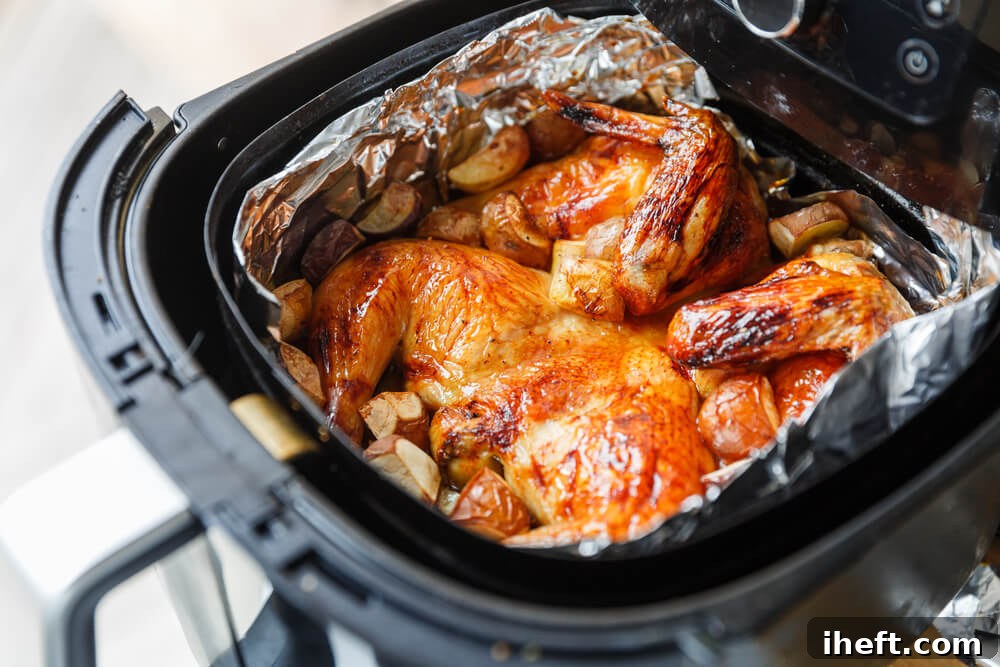
Foil can be used sparingly to line an air fryer basket if necessary, though it is generally not recommended. Image: Shutterstock
When and How to Safely Use Aluminum Foil in Your Air Fryer (If You Must)
Despite the warnings, the allure of aluminum foil for convenience and cleanup is strong, and sometimes it feels indispensable. Many home cooks still rely on it for specific tasks, appreciating its benefits:
- Enhanced Flavor: When used to create a sealed packet, foil can allow food to cook in its own juices and spices, potentially concentrating flavors.
- Heat Distribution: If used correctly and sparingly, foil can help distribute heat around certain items.
- Easier Cleanup: Preventing sticky or baked-on messes directly on the air fryer basket remains a primary motivation for many users.
If you choose to use aluminum foil in your air fryer, responsible usage is key. By carefully avoiding specific scenarios and certain food types, you can minimize potential risks. Remember, “sparingly” and “correctly” are the operative words.
Foods to Absolutely Avoid When Cooking with Aluminum Foil in an Air Fryer
While the human body possesses mechanisms to safely excrete a small amount of aluminum, our diet already contains naturally occurring aluminum from various sources. Therefore, it’s prudent to control our exposure where possible. When air frying, strictly avoid wrapping or cooking the following foods in aluminum foil:
- High-Acidic Ingredients: Lemons, limes, tomatoes (and tomato sauce), vinegar, and rhubarb. These foods react strongly with aluminum, leading to significantly increased leaching.
- Cruciferous Vegetables: Cabbage, while not highly acidic, can react with aluminum during high-heat cooking, potentially causing a metallic taste.
- Heavily Salted Items: Salt exacerbates aluminum migration. For foods requiring salt, consider adding it *after* they are removed from the air fryer, or opt for alternative cooking methods.
Always be mindful of what you are cooking and consciously assess whether it can be done safely with foil. If your recipe involves any of the above ingredients, it’s best to explore alternate cooking methods or materials for your air fryer.
Foods That Can Potentially Withstand Aluminum Foil Methods (with Caution)
The extent of risk associated with using aluminum foil in an air fryer can vary depending on your specific air fryer model and the type of food being cooked. If you must use a small amount of aluminum foil, ensure it remains securely within the air fryer basket and, crucially, away from the perforations and heating elements that facilitate hot air circulation. Under very controlled conditions, you might consider using foil for:
- Weighted, Non-Acidic Vegetables: Vegetables like bell peppers, zucchini, and squash, especially when cut into larger pieces, are less prone to being blown around and are generally less acidic.
- Frozen Breaded Foods: These typically have a more solid structure and produce fewer messy drippings than fresh batters, making minimal foil lining less risky for cleanup.
- Potatoes: Potatoes, particularly cut into wedges or fries, are hearty and generally non-reactive, making them a slightly safer choice for very minimal foil use.
Even with these foods, it’s worth noting that most can be cooked effectively in an air fryer *without* any aluminum foil. Given the potential hazards and the impact on air circulation, why not simply avoid the material altogether? The cleanup, particularly if you’re using parchment paper or silicone liners, is rarely as challenging as it seems, and the peace of mind is priceless.

Optimal Alternatives to Aluminum Foil for Air Frying
Given the potential issues with airflow disruption, appliance damage, and health concerns related to aluminum leaching, it’s often best to explore safer and more effective alternatives to aluminum foil in your air fryer. These options not only provide excellent cooking results but also ensure easier cleanup and peace of mind.
-
Perforated Parchment Paper: This is arguably the best alternative. Parchment paper is non-stick, heat-resistant, and won’t react with acidic foods. For air fryers, specifically look for pre-cut, perforated parchment liners designed to fit your basket. The perforations are crucial as they allow hot air to circulate freely, ensuring food cooks evenly and gets crispy. It makes cleanup a breeze and eliminates any concerns about aluminum leaching.
-
Silicone Liners and Mats: Reusable silicone liners or mats are another fantastic option. They are heat-safe, non-stick, flexible, and incredibly easy to clean – often dishwasher-safe. Silicone allows for even cooking and prevents food from sticking, making them an eco-friendly choice for frequent air fryer users. Ensure the silicone product is specifically rated for high-heat cooking.
-
Air Fryer-Specific Accessories: Many manufacturers offer dedicated air fryer accessories such as small baking dishes, ramekins, or metal racks designed to fit perfectly within the basket. These are made from materials like ceramic, glass, or stainless steel, which are completely safe for air frying and do not interfere with airflow when used correctly.
-
Direct Cooking with a Light Oil Spray: For many foods, especially those that naturally don’t stick much or have a little fat content (like chicken wings or vegetables tossed in oil), the simplest and often most effective method is to cook them directly in the air fryer basket. A quick spray of high-heat cooking oil (like avocado or grapeseed oil) on the basket can prevent sticking, and the open design allows for maximum airflow, leading to the crispiest results.
-
Ceramic-Coated Baskets: Many newer air fryer models feature ceramic-coated baskets, which are naturally non-stick and easy to clean. If your air fryer has one, you might find that no liner is needed at all for most applications.
By opting for these alternatives, you can fully harness the power of your air fryer to create healthier, crispier meals without compromising on safety or cooking efficiency. Embracing these options means saying goodbye to worries about uneven cooking, appliance damage, or potential health risks associated with aluminum foil.
The Verdict: Can You Put Aluminum Foil In An Air Fryer?
So, to answer the widely debated question: “Can you put foil in an air fryer?” The nuanced answer is that it depends. While technically possible under very specific, controlled conditions, it’s generally not recommended and carries several potential drawbacks.
If you absolutely must use aluminum foil, adhere to strict food safety measures and carefully consider the type of food you are cooking. The safest approach is to use it sparingly, ensuring it is a small piece, weighted down by food, and crucially, placed only in the air fryer basket, away from any heating elements or the critical airflow vents and perforations. This careful usage helps prevent both appliance damage and potential fire hazards, while also minimizing the risk of aluminum leaching into your food.
However, it’s important to understand that air fryers operate by circulating hot air around food to achieve crispiness. Using foil can inevitably interfere with this vital airflow, leading to less crispy dishes, uneven cooking, and diminishing the very benefits an air fryer is designed to provide. For optimal results and safety, I personally advocate for alternatives. Instead of foil, I prefer a little cooking spray for non-stick benefits or, for really messy or drippy foods, a specially designed perforated parchment paper liner or silicone mat inside the basket. These alternatives maintain proper airflow, ensure superior cooking results, simplify cleanup, and offer greater peace of mind for you and your family.
Ultimately, making informed choices about the materials you use in your kitchen is paramount. Prioritizing safety and efficiency means often opting for alternatives that support, rather than hinder, the unique design and function of your air fryer.