Summer Harvest Skillet
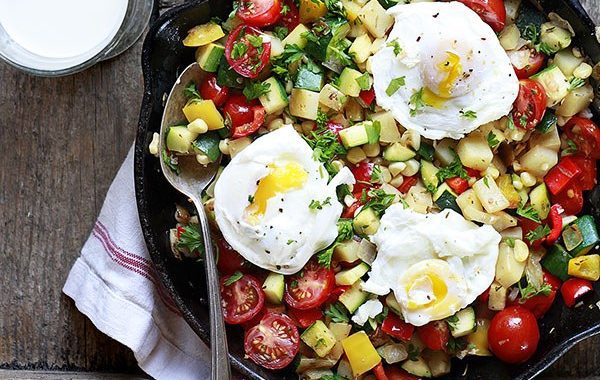
Welcome to the heart of summer cooking, where garden bounty meets effortless culinary artistry! If you’re searching for a dish that perfectly encapsulates the vibrant flavors of the season, look no further than this delightful Vegetarian Summer Vegetable Hash with Poached Eggs. It’s a versatile, one-pan wonder that shines at breakfast, lunch, or dinner, offering a wholesome and incredibly satisfying meal. This recipe is a fantastic way to utilize those fresh, abundant vegetables pouring out of your garden or local farmer’s market, transforming simple ingredients into a gourmet experience right in your own kitchen.
The Inspiration Behind This One-Pan Masterpiece
A few weeks ago, a special Mother’s Day brunch outing sparked the inspiration for this particular hash. My wonderful husband ordered a sweet potato and sausage hash, complete with a perfectly poached egg. While the sausage wasn’t quite my style, the sheer elegance and hearty simplicity of the hash concept instantly captivated me. It was a vivid reminder of why hashes are so beloved in my kitchen: they epitomize my ideal way of cooking. They are inherently flexible, demanding little more than a single pan, overflowing with nourishing vegetables, and gloriously free of rigid rules. This summer vegetable hash is a direct result of that inspiration, brimming with the very produce thriving in our backyard garden. Though this dish might evoke images of a leisurely weekend brunch, the reality is that this particular creation was a delicious and much-appreciated weeknight dinner, proving its adaptability for any mealtime.
In our household, eggs frequently make an appearance at dinner. Our chickens have been incredibly productive lately, laying eggs with such enthusiasm that we often find ourselves with a plentiful supply. My family absolutely adores this humble yet flavorful meal, especially when paired with a tall, ice-cold glass of milk. There’s something wonderfully comforting about how milk cools the palate, making it an excellent companion for savory or even slightly spicy dishes. My eight-year-old daughter, with her charming and specific requests since she was two, always asks for “ice cold milk” – never just “milk.” Given our typically vegetable-heavy diet, and recognizing that my girls don’t always enthusiastically embrace my lentil or leafy green creations, I find peace of mind knowing they receive ample protein and calcium when they enjoy a glass of milk with breakfast or dinner. I consistently choose and enthusiastically recommend organic, grass-fed whole milk sourced from local California farms, supporting sustainable practices and delivering superior taste and nutrition.
Building Your Perfect Summer Hash: A Step-by-Step Guide
The journey to a perfect hash always begins with a robust and satisfying base. For this recipe, I opted for traditional, hearty diced Yukon gold potatoes. Their creamy texture and ability to crisp up beautifully make them an ideal choice. The first step involves heating a generous tablespoon of extra virgin olive oil in a large skillet over medium-low heat. Once shimmering, add the diced potatoes along with a chopped yellow onion. This initial stage is crucial for developing deep flavor and a wonderful texture. Lightly season this foundational layer with a pinch of sea salt and freshly cracked black pepper. Allow the potatoes and onions to cook, stirring occasionally, for about 5 to 7 minutes, or until the potatoes achieve a beautiful golden brown hue and are tender-crisp. This browning process is key to achieving that irresistible hash texture.
Once your potato base is perfectly caramelized, it’s time to introduce the stars of the show: your summer vegetables. The beauty of a hash lies in its flexibility, making it an excellent vehicle for “cleaning out your fridge” or making the most of your garden’s bounty. When adding vegetables, a helpful tip is to start with the firmest ones that require the longest cooking time. For this summer hash, we’re celebrating the vibrant produce that thrives during the warmer months. Add the diced bell pepper (red or yellow for a splash of color and sweetness), zucchini, and fresh corn kernels. Continue to cook, stirring occasionally, until these vegetables begin to soften and release their aromatic flavors. As each layer of vegetables is added, remember to season with an additional pinch of salt and pepper. This layering of seasoning ensures that every bite is bursting with flavor, rather than just tasting bland on the inside.
Seasonal Superstars: The Best Summer Veggies for Your Hash
Right now, our garden is overflowing with corn, zucchini, bell peppers, and tomatoes, making these the star ingredients in my kitchen. These vegetables are incredibly abundant throughout the summer, offering peak flavor and freshness. While my garden isn’t quite mature enough to supply all the vegetables I need for every dish, supplementing with high-quality produce from the grocery store is perfectly fine. The essence of this dish is to embrace what’s fresh and available! The combination of sweet corn, tender zucchini, crisp bell peppers, and juicy cherry tomatoes creates a symphony of textures and tastes that truly embodies the spirit of summer. Once your firmer vegetables are tender-crisp, gently fold in the halved cherry tomatoes, allowing them to warm through and release their sweet juices without becoming mushy. Finish the hash with a generous sprinkling of fresh chopped parsley, which adds a bright, herbaceous note that elevates all the flavors.
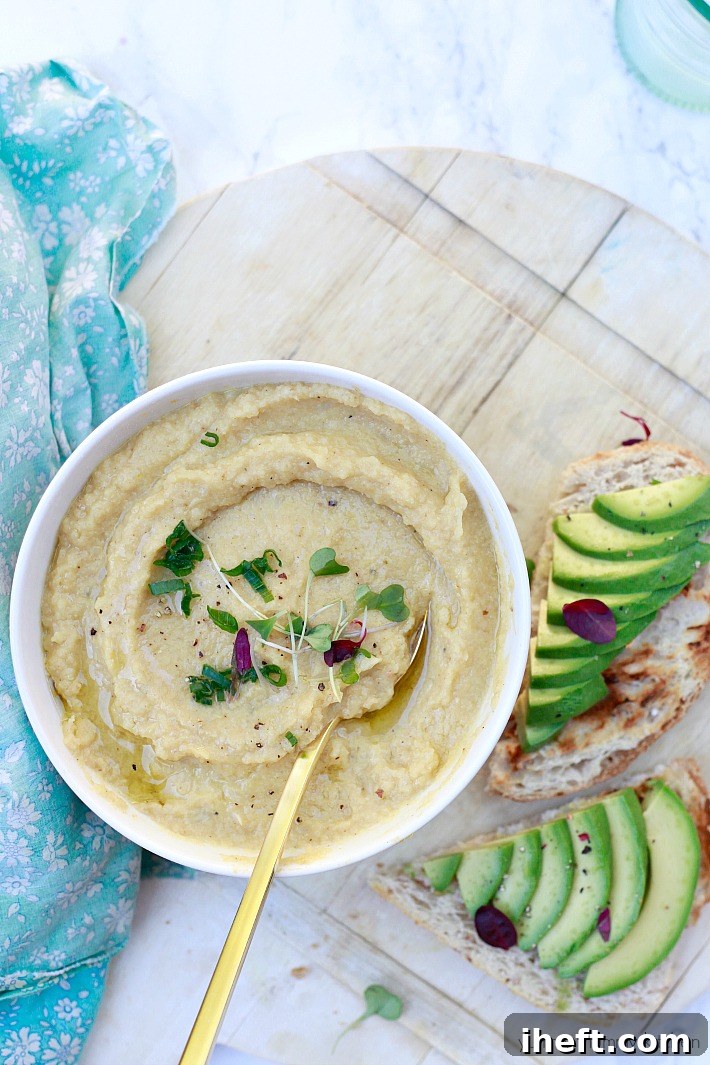
This vegetarian summer vegetable hash is substantial enough to anchor any meal of the day. To transform it into an even heartier and more complete dining experience, I highly recommend serving this flavorful hash over a bed of fluffy quinoa. Quinoa not only adds a wonderful nutty flavor and texture but also boosts the protein content, making the meal even more satisfying. For an extra touch of indulgence and healthy fats, top your serving with half an avocado. For a truly gourmet flourish, sprinkle a little truffle salt over the avocado – it’s my absolute favorite and adds an unparalleled depth of earthy flavor. And speaking of avocados, I’m currently quite obsessed with creating avocado flowers! Once you get the hang of the simple technique, they are surprisingly easy to make and add an elegant visual appeal to your plate, turning a simple meal into a work of art.
The Perfect Poached Egg and Delicious Accompaniments
No hash is truly complete without a perfectly cooked egg on top. Poached eggs are a classic choice for hash, offering a delicate texture and a luscious, runny yolk that beautifully coats the vegetables and adds richness to every bite. Achieving the perfect poached egg is simpler than you might think. First, bring 1 to 2 inches of water to a gentle simmer in a large saucepan. Add a tablespoon of white vinegar to the water; this helps the egg whites set more quickly and maintain their shape. Crack one egg into a small bowl first – this makes it easier to gently slide it into the simmering water. Carefully lower the egg into the pot. Repeat this process with any remaining eggs, poaching them one at a time to avoid overcrowding. Cook at a low simmer for about 3 to 5 minutes, or until the whites are set and the yolk reaches your desired level of doneness. Gently remove the poached eggs with a slotted spoon, allowing any excess water to drain before placing them atop your warm hash.
To round out our meal, I sometimes like to prepare a batch of morning glory oat scones – a fantastic companion that I’ll be sure to share the recipe for very soon! For those who enjoy a little heat, a drizzle of sriracha or your favorite hot sauce can add a fantastic kick to this savory hash. And, as my daughter would insist, no meal is complete without a refreshing glass of “ice cold milk” to wash it all down. This combination of fresh, wholesome vegetables, protein-rich eggs, and comforting sides makes for a balanced and incredibly satisfying meal that everyone will love.
This vegetarian summer vegetable hash truly embodies the joy of seasonal cooking. It’s a versatile dish that adapts to whatever produce you have on hand, making it a sustainable and economical choice for any home cook. Whether you’re a seasoned gardener or simply enjoy fresh, local ingredients, this recipe provides a delicious canvas for culinary creativity. The ease of a one-pan meal combined with the explosion of fresh flavors makes this a standout dish. It’s an ideal choice for busy weeknights when you want something nutritious and quick, or for a leisurely weekend brunch when you want to impress without the fuss. The combination of tender potatoes, crisp-tender vegetables, and the rich simplicity of a poached egg creates a symphony of textures and tastes that is both comforting and invigorating. So gather your freshest summer bounty and get ready to enjoy a meal that celebrates the very best of the season!
Planning your meals around seasonal availability not only ensures the freshest and most flavorful ingredients but also often means more affordable produce. This hash is a testament to how simple, wholesome ingredients can come together to create something truly special. It’s a dish that encourages experimentation – feel free to add spinach, kale, mushrooms, or even sweet potatoes to the mix. Each addition will bring a new dimension of flavor and nutrition. Remember, cooking should be an enjoyable and creative process, and this hash certainly offers that freedom. Enjoy the process of creating this nourishing meal, and savor every delicious bite!
Summer Vegetable Skillet Hash
10 minutes
20 minutes
30 minutes
This vibrant summer vegetable hash, made entirely in one skillet and beautifully topped with poached eggs, is the perfect vegetarian dish. Featuring fresh zucchini, sweet corn, juicy tomatoes, and crisp bell peppers, it’s a delicious and efficient way to use up your seasonal garden vegetables, offering a wholesome meal for any time of day.
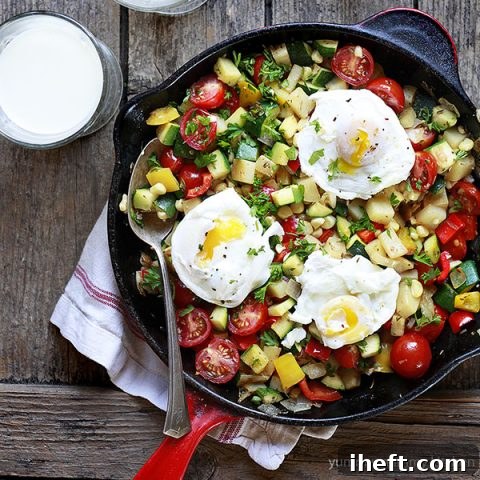
Ingredients
- 1 tablespoon extra virgin olive oil
- 1 yellow onion, diced
- 1 cup diced Yukon gold potato
- 1 teaspoon dried all-purpose seasoning blend
- Sea salt (truffle salt recommended for an extra gourmet touch!)
- Freshly ground black pepper, to taste
- 1 cup diced red or yellow bell pepper
- 1 zucchini, diced
- 1 ear corn, kernels sliced off the cob
- 1 cup halved cherry tomatoes
- 1/4 cup chopped fresh parsley
- 4 free-range eggs (or as many as you’d like, or omit for a vegan option)
- 1 tablespoon white vinegar (for poaching eggs)
- 1-2 avocados, for serving
- Sriracha or your favorite hot sauce, for serving (optional)
Instructions
- Heat the extra virgin olive oil in a large skillet over medium-low heat. Add the diced onion and potato to the skillet, and lightly season with a generous pinch of sea salt and pepper. Cook, stirring occasionally, until the potatoes are golden and lightly browned and tender-crisp, which should take about 5 to 7 minutes.
- Add the diced bell pepper, zucchini, and corn kernels to the skillet. Continue to cook, stirring frequently, until the vegetables are tender yet still slightly firm, about 5-7 minutes. Stir in the halved cherry tomatoes and cook for another 2-3 minutes, just until they warm through. Feel free to toss in any other seasonal vegetables you have around and would like to use up! Season the hash to taste with additional salt, pepper, and more of the all-purpose seasoning blend. Sprinkle generously with fresh parsley before serving.
- To poach the eggs: Bring 1-2 inches of water to a gentle simmer (not a rolling boil) in a separate large saucepan. Add the white vinegar to the water. Carefully crack one egg into a small bowl, then slowly and gently slide it into the pot of simmering water. Repeat this process with any remaining eggs, poaching them one at a time to prevent overcrowding. Cook at a low simmer for about 3-5 minutes, or until the egg whites are set and the yolks are cooked to your desired doneness. Carefully remove the poached eggs with a slotted spoon.
- Serve the warm summer vegetable hash immediately, topped with the freshly poached eggs. Garnish with sliced or fanned avocado, and a drizzle of sriracha or hot sauce if desired.
*VEGAN OPTION: To make this dish entirely vegan, simply omit the eggs. You can replace the protein by stirring in one cup of drained and rinsed cannellini beans (or chickpeas) with the other vegetables during the final cooking stage.
Nutrition Information:
Yield: 4
Serving Size: 1
Amount Per Serving (approximate):
Calories: 190Total Fat: 9gSaturated Fat: 2gTrans Fat: 0gUnsaturated Fat: 6gCholesterol: 48mgSodium: 769mgCarbohydrates: 25gFiber: 5gSugar: 8gProtein: 6g