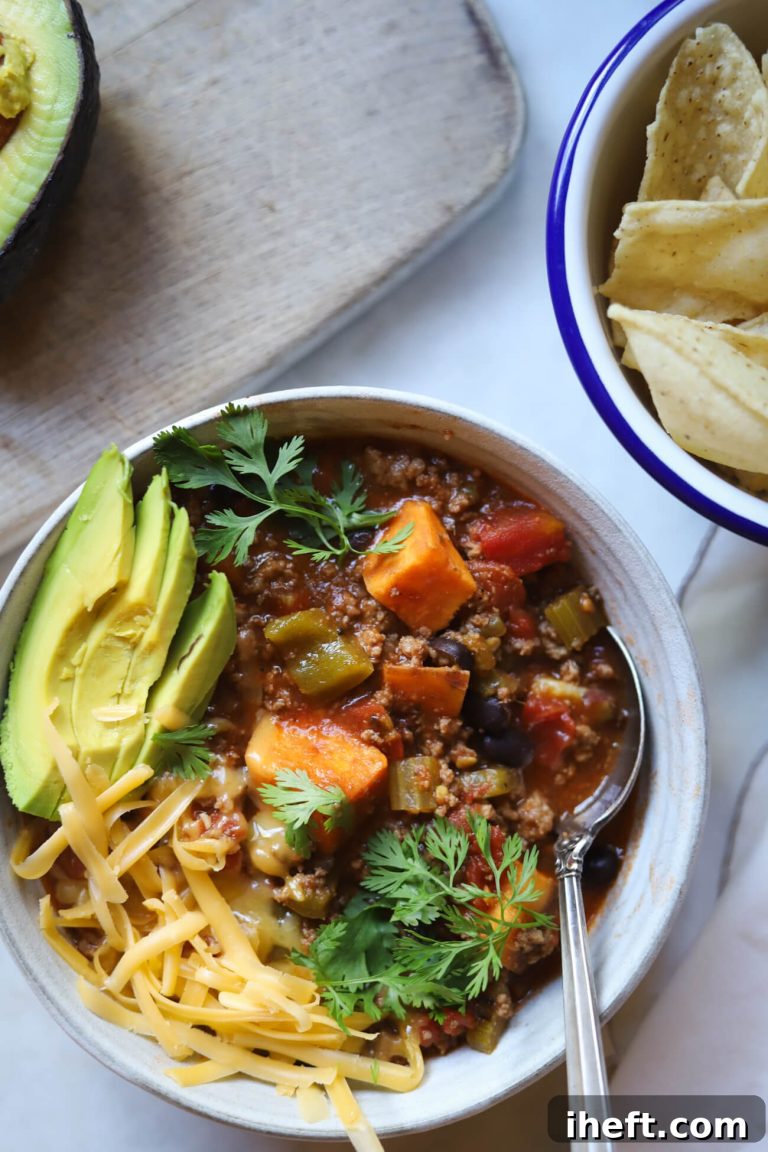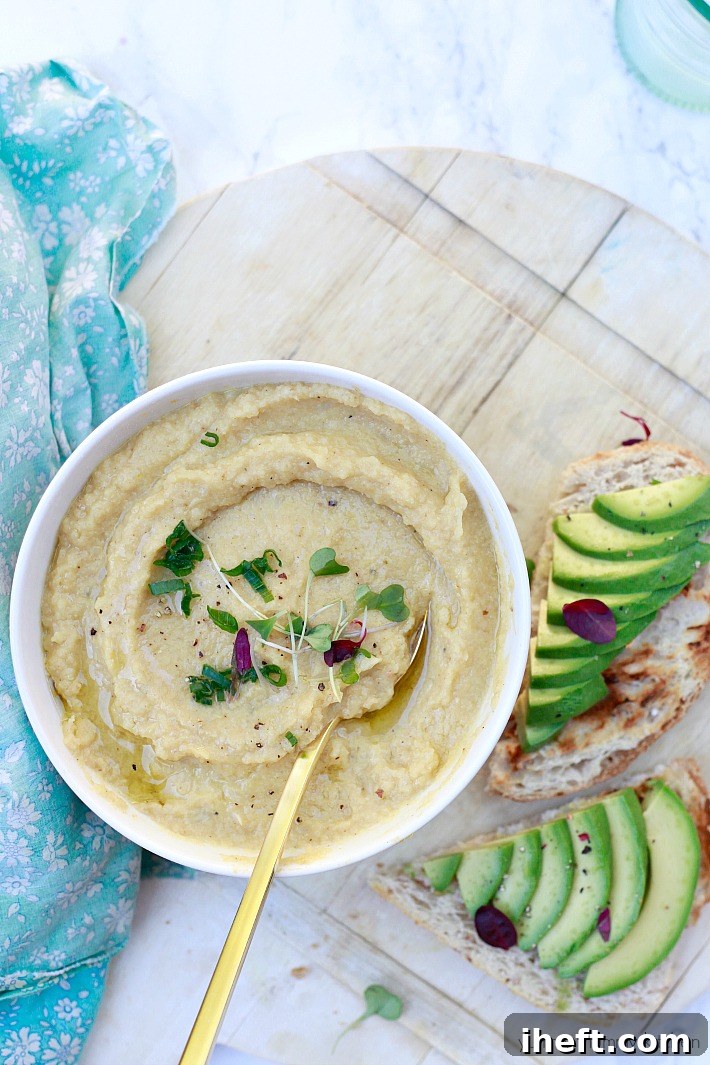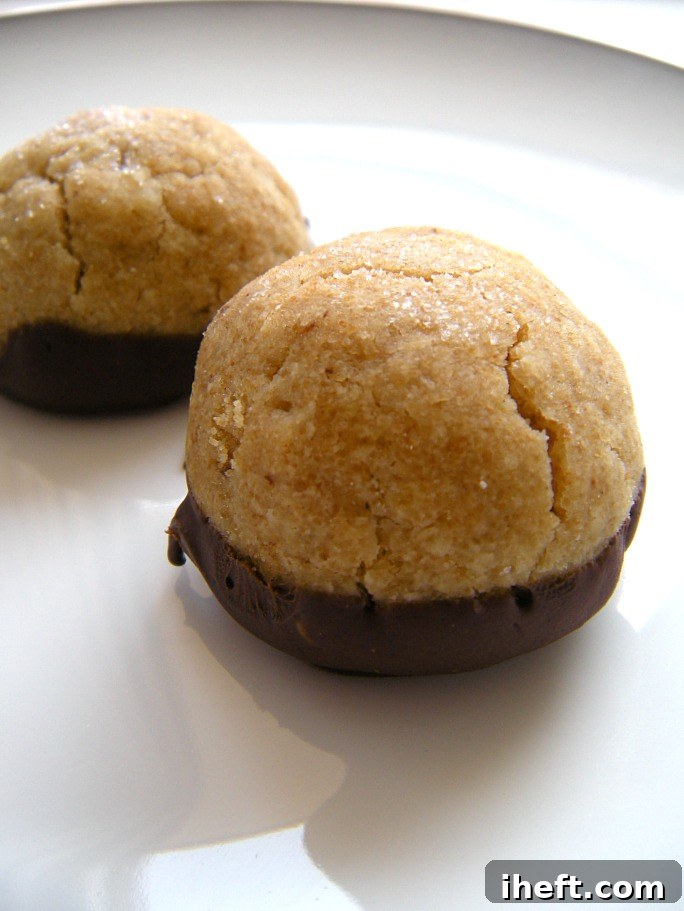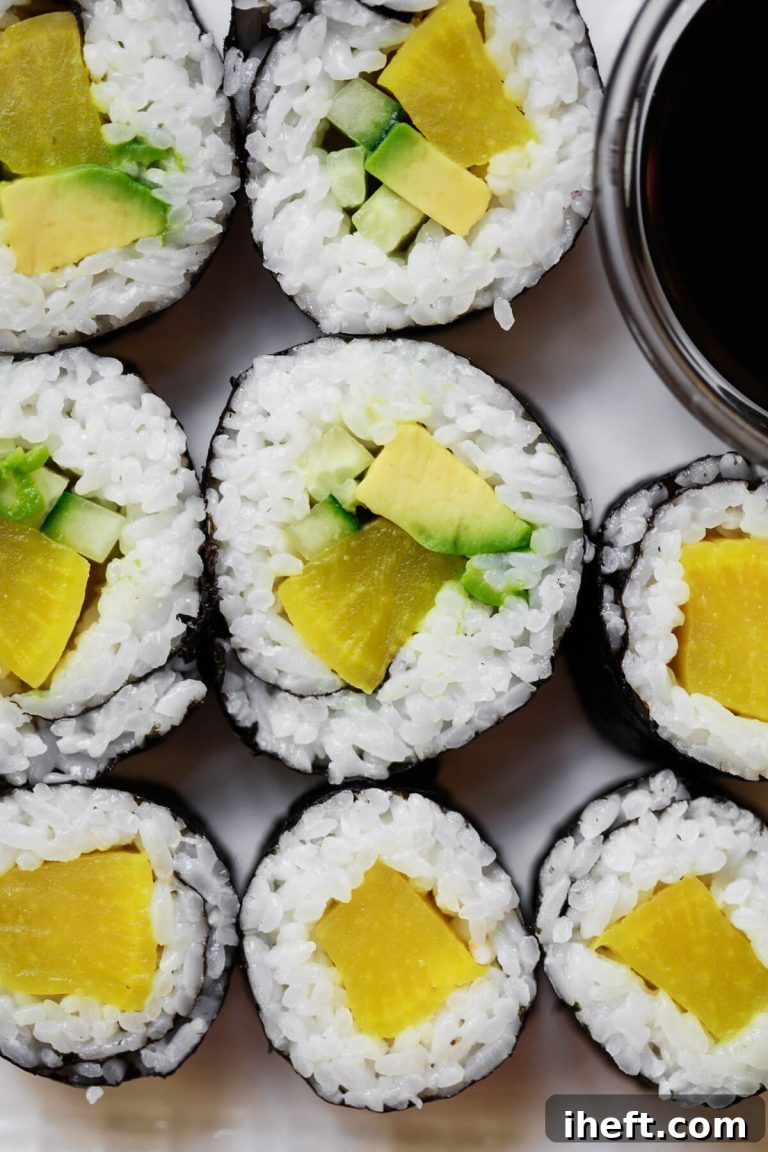
My Health Secret: The Power of Being 90% Vegetarian

Embracing a Flexitarian Lifestyle: My Journey to an Almost Vegetarian Diet
Have you ever pondered the thought of shifting your eating habits towards a more plant-centric approach? Perhaps you’ve heard terms like “vegetarian” or “vegan” but felt that such strict dietary changes might be too challenging or restrictive. What if there was a middle ground, a flexible path that allows for the enjoyment of plant-based meals while occasionally including animal products? This is precisely the essence of an “almost vegetarian” diet, more commonly known as flexitarianism, and it’s a lifestyle I’ve embraced wholeheartedly.
For quite some time, many of you have asked about my dietary choices and how I manage to maintain an almost vegetarian way of eating. It’s a topic I haven’t fully explored here before, which is why I was thrilled when the remarkable Sarah Jio, a renowned journalist and author, extended an invitation for me to share my insights on Glamour Magazine’s Health and Fitness blog. This exciting opportunity allowed me to delve deep into the ‘why’ and ‘how’ behind my dietary journey.
I invite you to read my guest post, a candid reflection on my experiences and motivations, by visiting me HERE on Glamour.com today. There, you’ll find a detailed account of my health confessions and the practicalities of maintaining this sustainable and nourishing diet.
What Exactly is an “Almost Vegetarian” Diet? Defining Flexitarianism
The term “almost vegetarian” beautifully captures the spirit of what is widely known as a flexitarian diet. It’s not about rigid rules or complete elimination, but rather about conscious inclusion. A flexitarian diet prioritizes plant-based foods – fruits, vegetables, legumes, whole grains, nuts, and seeds – as the foundation of most meals, while allowing for the occasional consumption of meat, poultry, or fish. This flexible approach makes it incredibly accessible and sustainable for many people who might find strict vegetarianism or veganism daunting.
Unlike traditional vegetarianism, which excludes all meat, or veganism, which further omits all animal products (dairy, eggs, honey), flexitarianism offers a spectrum. You might opt for “Meatless Mondays,” enjoy plant-based meals during the week, or simply reduce your overall meat consumption without feeling restricted. The beauty lies in its adaptability, allowing individuals to tailor their diet to their preferences, cultural backgrounds, and nutritional needs while still reaping significant benefits.
The Compelling Reasons to Embrace a Plant-Forward Lifestyle
The decision to adopt an almost vegetarian diet stems from a combination of compelling factors, touching upon personal health, environmental stewardship, and ethical considerations. Here’s a deeper look into the powerful motivations behind this growing movement:
1. Profound Health Benefits
- Improved Heart Health: A diet rich in plant foods is naturally lower in saturated fat and cholesterol, contributing to healthier blood pressure and reduced risk of heart disease.
- Weight Management: Plant-based foods are often higher in fiber and water, promoting satiety and aiding in healthy weight management without feeling deprived.
- Reduced Risk of Chronic Diseases: Studies suggest that flexitarian diets can lower the risk of type 2 diabetes, certain cancers, and other chronic conditions due to increased intake of antioxidants, vitamins, and minerals.
- Enhanced Gut Health: The high fiber content found in fruits, vegetables, and whole grains acts as a prebiotic, fostering a diverse and healthy gut microbiome, which is crucial for overall well-being.
- Increased Energy Levels: Many individuals report feeling more energetic and lighter after transitioning to a diet focused on whole, unprocessed plant foods.
2. Positive Environmental Impact
Adopting a flexitarian diet is a tangible way to contribute to a healthier planet. Reducing meat consumption helps to:
- Lower Carbon Footprint: Livestock farming is a significant contributor to greenhouse gas emissions. Eating less meat helps reduce this impact.
- Conserve Water Resources: Producing plant-based foods generally requires substantially less water than animal agriculture.
- Promote Sustainable Land Use: Less land is needed for growing crops directly for human consumption compared to growing feed for livestock.
3. Ethical and Personal Considerations
For many, the choice to reduce meat consumption is driven by a desire to align their eating habits with their values concerning animal welfare. While not fully vegetarian, flexitarianism offers a way to significantly reduce one’s contribution to industrial animal farming practices. Moreover, the flexibility of this diet often makes it an easier and more enjoyable transition for those exploring dietary changes, providing a sense of achievement without the pressure of strict adherence.
Practical Steps to Transitioning to an Almost Vegetarian Diet
Embarking on a flexitarian journey doesn’t have to be overwhelming. Here are some simple, actionable tips to smoothly integrate more plant-based meals into your life:
- Start Small: Begin by incorporating one meatless day a week, like “Meatless Mondays,” or commit to one plant-based meal per day.
- Focus on Whole Foods: Prioritize whole, unprocessed foods such as fruits, vegetables, legumes (beans, lentils), whole grains (quinoa, brown rice, oats), nuts, and seeds.
- Explore New Cuisines: Many international cuisines naturally emphasize plant-based ingredients. Experiment with Mediterranean, Indian, Mexican, or Asian recipes for delicious inspiration.
- Master Plant-Based Protein Sources: Learn about excellent protein alternatives like tofu, tempeh, edamame, lentils, chickpeas, black beans, quinoa, and seitan.
- Plan Your Meals: Meal prepping can be a game-changer. Dedicate some time each week to plan and prepare plant-based meals and snacks.
- Don’t Fear Flavor: Utilize herbs, spices, and natural flavor enhancers like nutritional yeast, lemon juice, and vinegars to make your plant-based dishes burst with taste.
- Hydrate Adequately: As you increase fiber intake, ensure you’re drinking plenty of water to aid digestion.
Addressing Common Concerns and Misconceptions
It’s natural to have questions when considering a significant dietary shift. Let’s address some common concerns about an almost vegetarian diet:
- “Will I get enough protein?” Absolutely! A well-planned flexitarian diet provides ample protein from diverse plant sources. Combine different plant proteins throughout the day to ensure you get all essential amino acids.
- “Is it expensive?” Not necessarily. Whole plant foods like beans, lentils, rice, and seasonal vegetables are often more affordable than meat. Cooking at home and buying in bulk can also significantly reduce costs.
- “Will I feel deprived or miss meat too much?” The beauty of flexitarianism is its flexibility. You can still enjoy meat occasionally. Focusing on the abundance and variety of plant-based foods can shift your perspective from feeling deprived to feeling nourished and satisfied.
- “Is it hard to find plant-based options when dining out?” With the increasing popularity of plant-based eating, most restaurants now offer delicious vegetarian and vegan options, making it easier than ever to stick to your dietary goals while socializing.
A Shout-Out to Sarah Jio and “Bungalow”
Beyond her insightful contributions to Glamour, Sarah Jio is a truly inspiring individual. Not only does she skillfully balance raising three boys with her prolific writing for Glamour, but she is also a successful and celebrated author. Her novels have captivated readers worldwide, and her latest release, “Bungalow,” is a testament to her storytelling prowess, already making its mark on bestseller lists.
Reading about “Bungalow” immediately transported me back to the vivid memories of my Bora Bora honeymoon – the cover art’s allure is truly reminiscent of those idyllic shores. However, I can assure you that the story itself is an entirely different, captivating journey, filled with Sarah’s signature blend of compelling narrative and emotional depth. You can learn more about this enchanting novel and perhaps grab your copy here. It’s a fantastic read for anyone looking for an escape into a beautifully crafted story.
Collaborating with talented individuals like Sarah Jio to share valuable health and wellness information is a privilege. Her dedication to both her craft and promoting a balanced lifestyle perfectly aligns with the principles of nourishing our bodies and minds.
Concluding Thoughts: A Sustainable Path to Wellness
Embracing an almost vegetarian, or flexitarian, diet is more than just a passing trend; it’s a sustainable and compassionate approach to eating that offers a wealth of benefits. From improving your physical health and boosting your energy to positively impacting the environment and aligning with ethical values, the reasons to explore this lifestyle are numerous and profound.
I hope this deep dive into my journey has inspired you to consider the possibilities of incorporating more plant-based meals into your own routine. Remember, it’s about progress, not perfection. Every plant-forward choice you make contributes to a healthier you and a healthier planet. Don’t forget to visit my guest post on Glamour.com for more personal insights and encouragement. Happy eating!