Perfectly Roasted Beets The Foil-Free Method
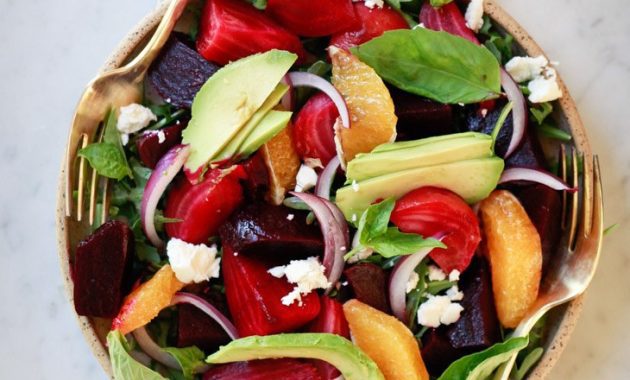
Discover the ultimate guide to roasting beets in the oven without foil, unlocking their natural sweetness and preserving their vibrant nutrients. Learn why this method is superior for both flavor and well-being.
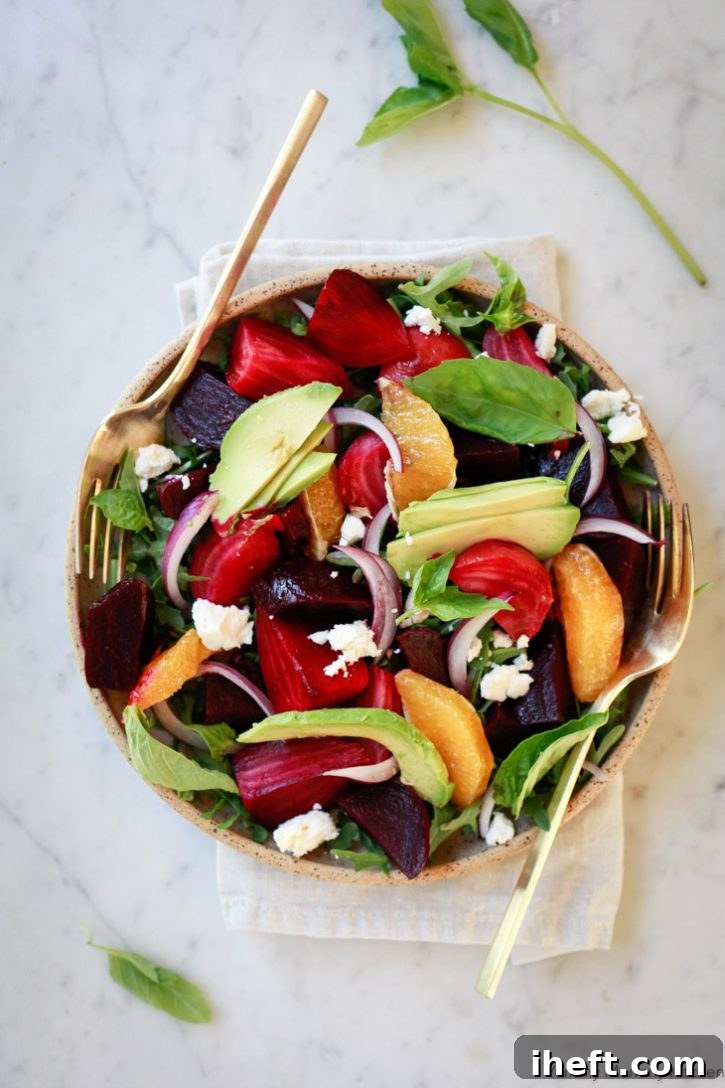
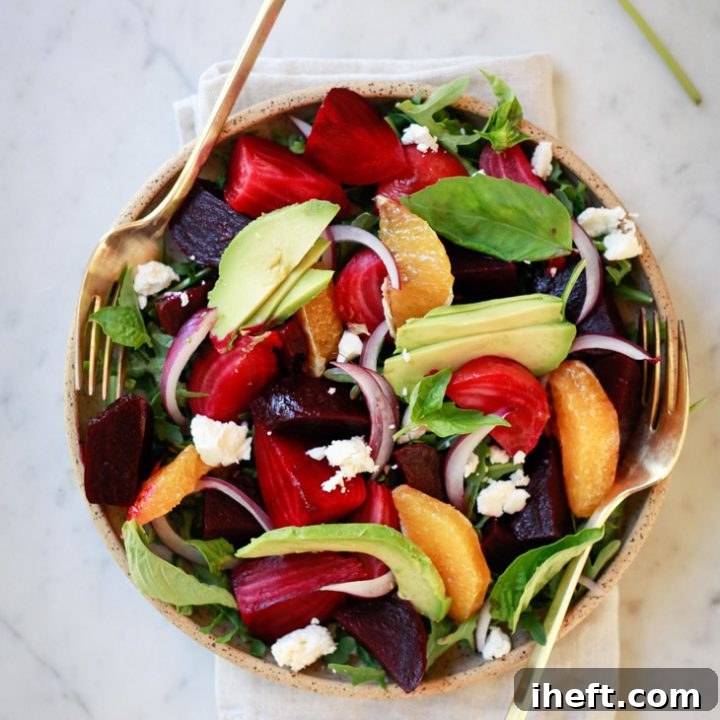
A vibrant roasted beet salad featuring arugula, fresh basil, thinly sliced red onion, juicy orange segments, and creamy avocado.
There’s something truly magical about roasted beets. Their earthy sweetness, vibrant color, and incredible versatility make them a beloved staple in kitchens worldwide. For years, these nutrient-packed root vegetables have been a favorite in my household. My children eagerly devour them in their lunchboxes, and I adore incorporating them into fresh, crisp salads, like the one pictured above with peppery arugula, bright citrus, and rich avocado. Roasting, in my experience, is the absolute best way to coax out the finest flavors from beets. The heat gently caramelizes their natural sugars, concentrating their sweetness and deepening their flavor profile when cooked whole. Today, I’m excited to share a superior method for how to roast beets in the oven without foil, a technique that’s not only more eco-friendly but potentially healthier too.
Not long ago, my go-to recipe for roasting beets involved wrapping them in aluminum foil. I, like many others, believed it was an ingenious shortcut for easier cleanup and more tender results. However, as my understanding of sustainable cooking and food safety deepened, I began to reconsider this practice. The concerns surrounding aluminum exposure and the environmental impact of single-use foil led me to explore alternative methods. What I discovered was a way to roast beets that is just as simple, yields even more delicious results, and completely eliminates the need for foil. It’s a method I now exclusively use and enthusiastically recommend to everyone.
Understanding the Concerns: Is it Safe to Cook with Aluminum Foil?
The safety of cooking with aluminum foil is a topic that has garnered considerable debate and continues to be an area of ongoing research. While aluminum is a naturally occurring element found in many foods, excessive exposure, particularly from cooking, is a point of concern for some health experts. One notable study published in 2011 highlighted that aluminum foil, especially when exposed to high heat and acidic foods, can leach aluminum particles into the food being cooked. Although the amount leached might be considered small by some, many individuals, myself included, prefer to minimize any unnecessary intake of heavy metals into our diet wherever possible. Opting for foil-free cooking is a simple step to achieve this peace of mind.
Beyond potential health considerations, there’s a compelling environmental argument against the habitual use of aluminum foil. It is a single-use product that, once used for cooking, often ends up in landfills. While aluminum is recyclable, food-soiled foil can be difficult to process in many recycling facilities, often contaminating other recyclables. The energy required for the production of new aluminum foil is also significant. Embracing reusable cooking methods, such as a sturdy Dutch oven or a covered baking dish, is a fantastic way to reduce household waste and lessen our environmental footprint. It’s a small change that contributes to a larger, more sustainable lifestyle. For more in-depth information on aluminum safety, resources like Wellness Mama offer valuable insights.
Mastering the Art of Oven Roasted Beets Without Foil
Roasting beets without foil is surprisingly straightforward and yields incredibly tender, sweet results. Forget the fuss and embrace this simple, effective method.
Step 1: Preparation – Wash and Trim Your Beets
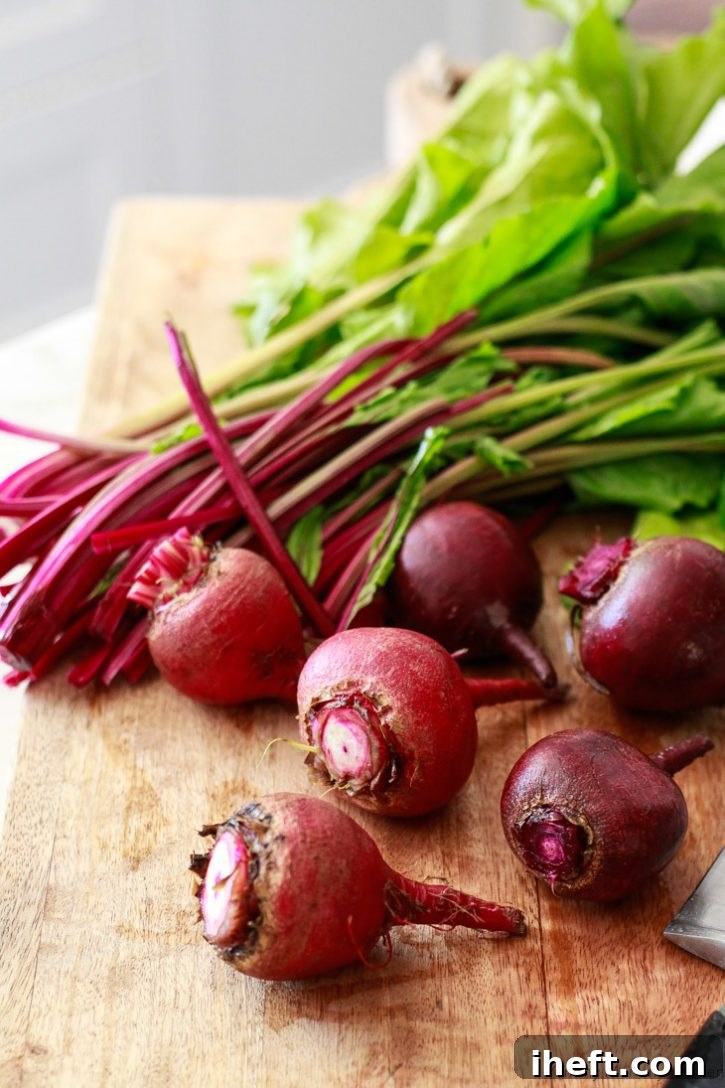
Begin by thoroughly washing your beets under cold running water. While you don’t need to scrub them aggressively, as the skins will be removed later, ensure all visible dirt and debris are gone. If your beets come with their beautiful, leafy greens attached – and I hope they do, as they’re a delicious bonus! – carefully twist or cut them off where they meet the beet roots. Don’t discard these vibrant greens! They are highly nutritious and can be sautéed with garlic and olive oil for a tasty side dish, added to soups, or even fed to your backyard chickens or guinea pigs, as I often do. Trim off any excess root or stem ends, leaving about an inch of the stem for easy handling during roasting.
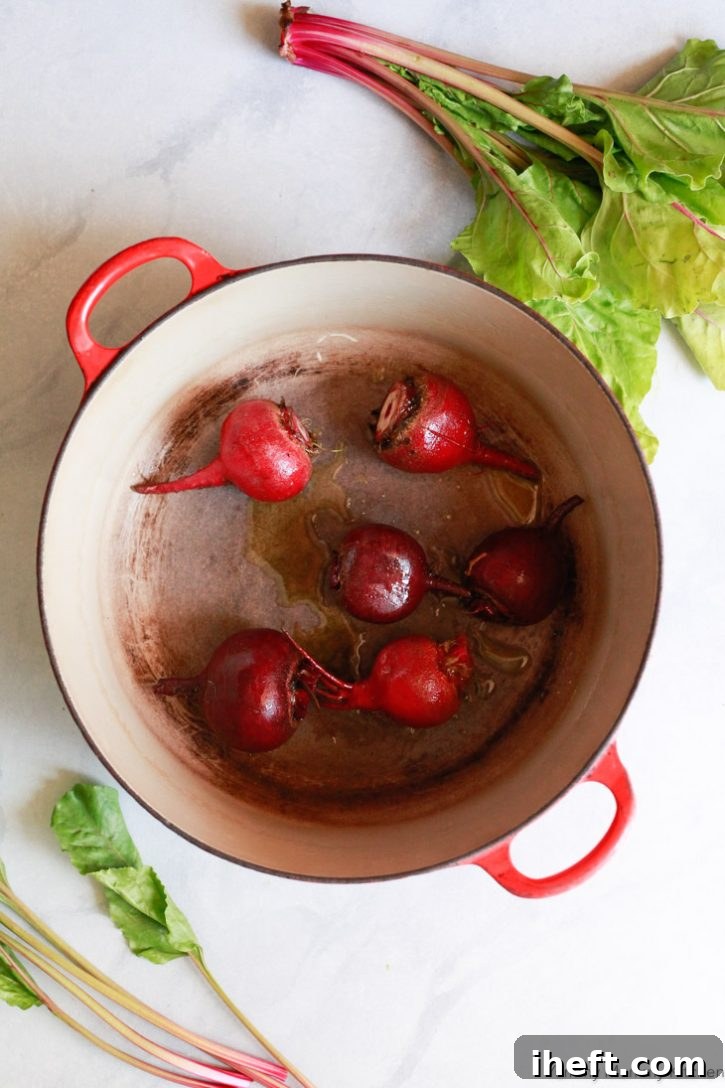
Step 2: The Roasting Vessel and Seasoning
The key to successful foil-free roasting lies in using the right vessel. Place your clean, trimmed beet roots into a heavy-bottomed Dutch oven or a sturdy braising pan with a tight-fitting lid. Ensure your chosen pot is oven-safe to at least 400 degrees Fahrenheit (200 degrees Celsius). I personally love using my Le Creuset Dutch oven for this task, as its even heat distribution and excellent moisture retention create the perfect steaming environment for tender beets. Drizzle the beets generously with a good quality olive oil, then use your hands to gently rub the oil over each beet, ensuring they are evenly coated. This helps promote even cooking and adds a subtle richness to their flavor. For basic seasoning, a pinch of salt and black pepper is often all that’s needed to enhance their natural taste.
Step 3: Oven Roasting to Perfection
Once your beets are prepped and oiled, place the lid securely on your Dutch oven or braising pan. Transfer the covered pot to the middle rack of a preheated oven set to 400 degrees Fahrenheit (200 degrees Celsius). The roasting time will vary significantly depending on the size of your beets. Smaller beets, approximately 2-3 inches in diameter like the ones I’ve used, typically become fork-tender in about 30 minutes. Larger beets, however, can take anywhere from 45 to 60 minutes, or even a bit longer. It’s crucial to check for tenderness periodically. Carefully remove the lid (beware of hot steam!) and pierce a beet with a fork or the tip of a paring knife. It should glide in easily with minimal resistance. If not, return the pot to the oven and continue roasting, checking every 10-15 minutes, until perfectly tender. Overcooked beets can become mushy, so aim for that sweet spot of tender perfection.
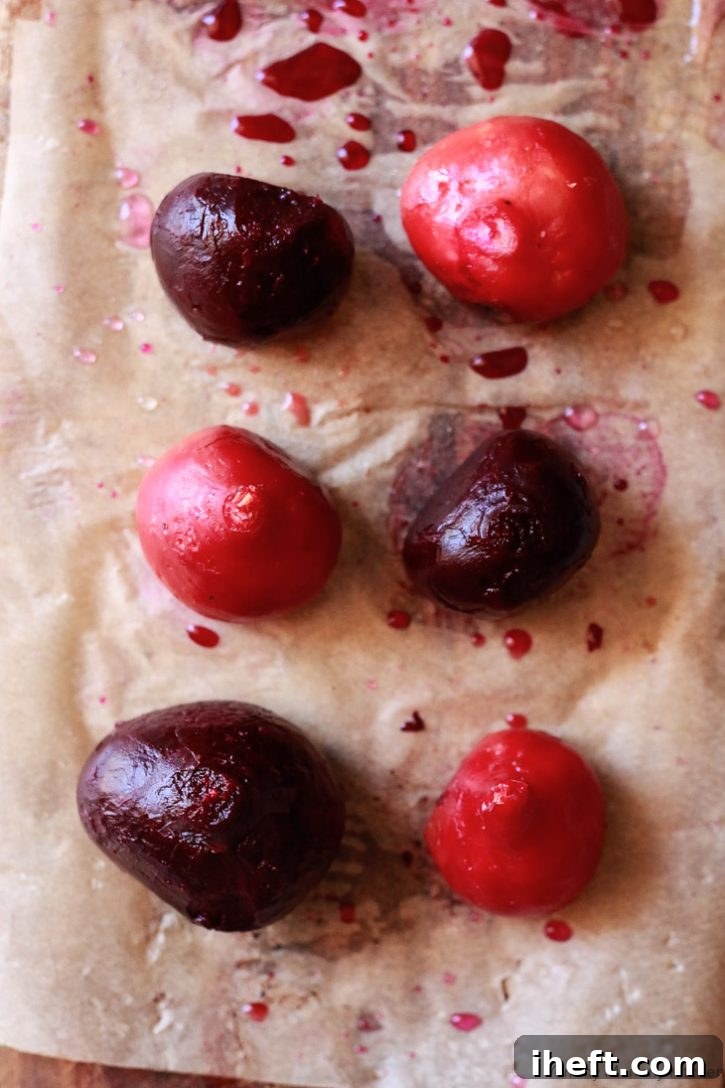
Step 4: Cooling, Peeling, and Slicing
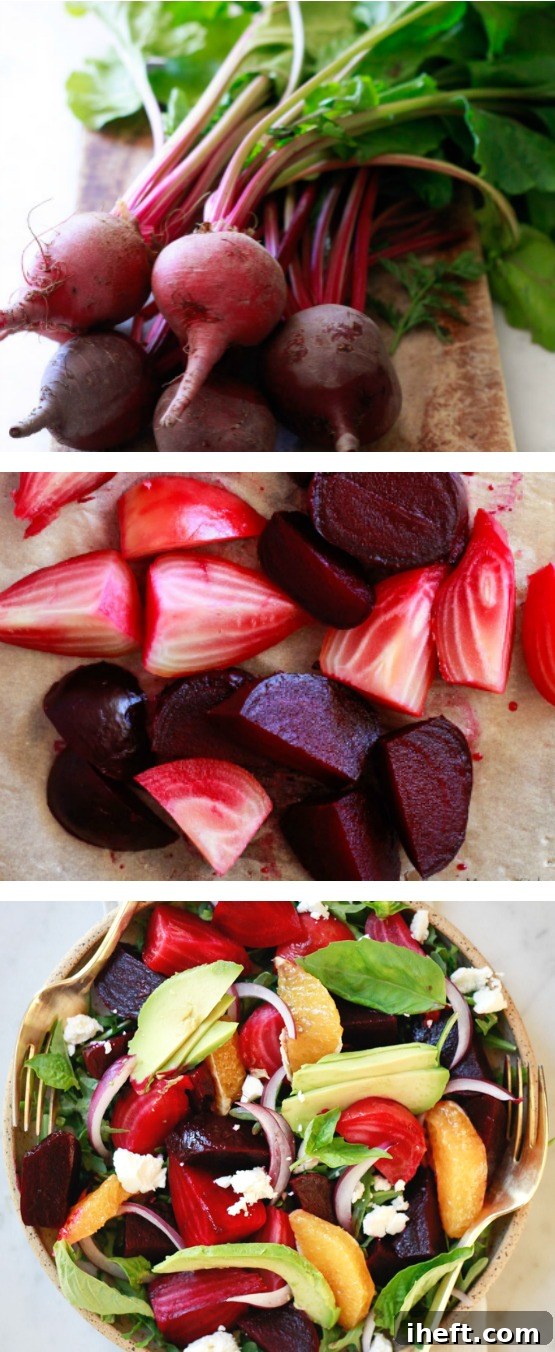
Once roasted to tender perfection, carefully remove the Dutch oven from the oven. Let the beets cool inside the pot with the lid on for about 10-15 minutes, or until they are warm enough to handle comfortably. Now comes the “fun” part – peeling! With a paring knife, gently trim off the root and stem ends. The skins should slip off remarkably easily with your fingers, especially while the beets are still warm. You might find this process incredibly satisfying. Be prepared for your fingers to turn a beautiful shade of pink or purple; this is completely normal! If you prefer to avoid stained hands, consider wearing a pair of food-safe gloves. To protect your cutting board from beet juice stains, place a piece of parchment paper or a dedicated cutting mat underneath. Once peeled, you can cut your roasted beets into elegant rounds, versatile dice, or rustic wedges, depending on your culinary needs. These beauties are now ready to be enjoyed!
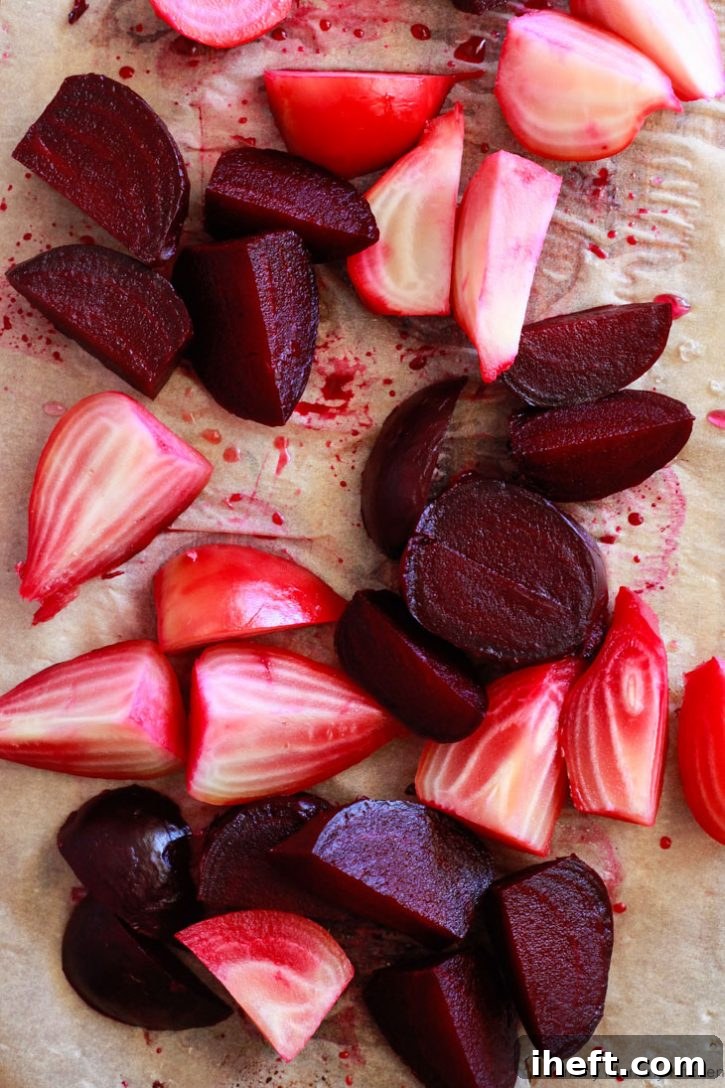
Exploring the Colorful World of Beets
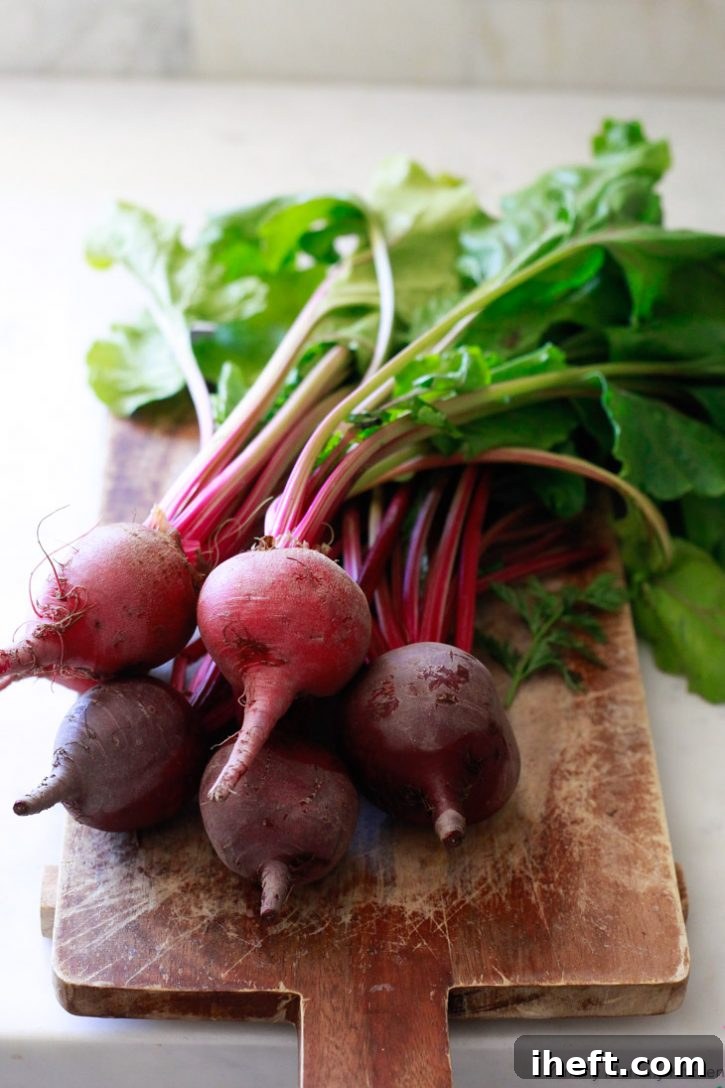
Aren’t these roasted beets just absolutely stunning? Beets are far more diverse than just the common deep purple-red variety we often see. While the classic “beet” red is the most prevalent, there are other equally delicious and visually appealing types that are worth exploring. You’ll often find golden beets, which boast a beautiful yellow-orange hue and tend to have a slightly milder, sweeter flavor. My personal favorite, however, is the captivating candy cane or Chioggia beet. When sliced, these Italian heirlooms reveal concentric rings of white and pink, resembling a festive candy cane. Their flavor is delicate and sweet, making them a fantastic addition to salads where their unique appearance can truly shine. Don’t hesitate to experiment with different varieties to add color, texture, and nuanced flavors to your dishes.
The Abundant Health Benefits of Beets
Beyond their delicious taste and vibrant appearance, beets are a nutritional powerhouse. They are packed with essential vitamins and minerals, including folate, manganese, potassium, iron, and Vitamin C. Beets are also a great source of fiber, which is crucial for digestive health. Perhaps most notably, beets are rich in nitrates, which the body converts into nitric oxide. Nitric oxide helps relax and widen blood vessels, potentially leading to improved blood flow, lower blood pressure, and enhanced athletic performance. The betalains, powerful antioxidants responsible for beets’ striking color, offer anti-inflammatory and detoxification support. Incorporating roasted beets into your diet is an excellent way to boost your overall health and vitality.
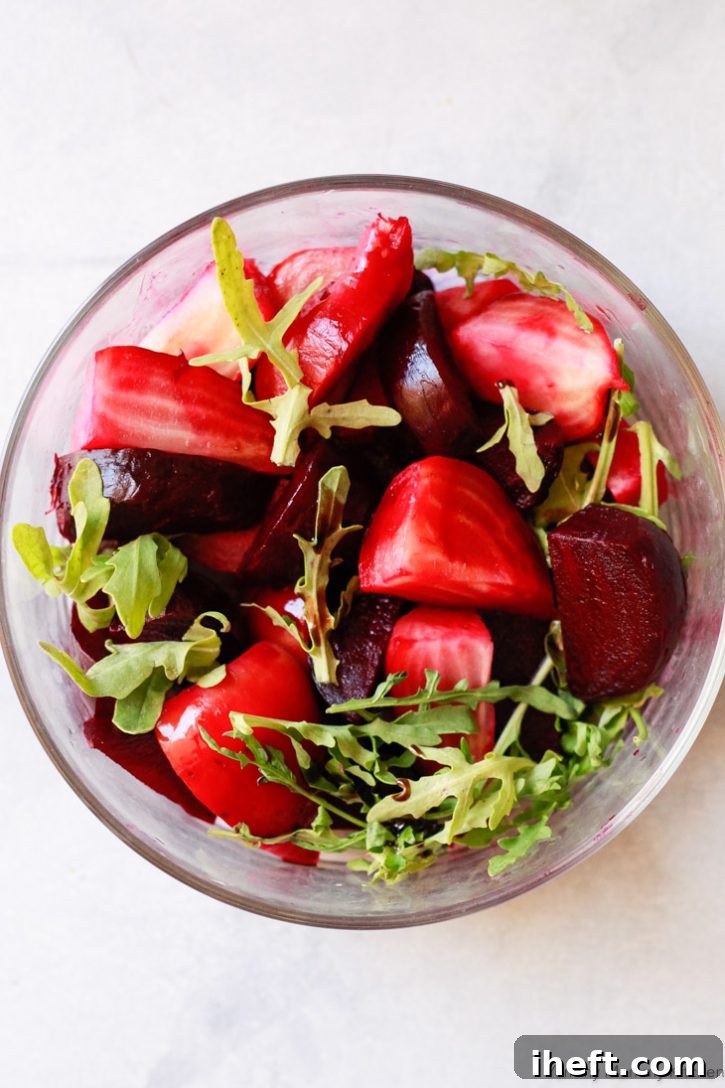
Versatile Ways to Enjoy Your Roasted Beets: Beyond the Salad
Once you’ve mastered the art of roasting beets, a world of culinary possibilities opens up. While I most frequently use them in salads – a simple drizzle of balsamic vinegar and a sprinkle of fresh herbs is often all they need – roasted beets are an excellent component for food prep days. I love to roast a large batch, peel them, lightly dress them with balsamic, and keep them in an airtight container in the fridge. This way, they’re ready to be tossed into quick salads, added to grain bowls, or packed into school lunches throughout the week. Their natural sweetness makes them appealing to even the pickiest eaters.
But don’t limit yourself to just salads! Here are a few more delicious and creative ideas to incorporate your perfectly roasted beets into your meals:
- Beet Hummus: Blend roasted beets with chickpeas, tahini, lemon juice, and garlic for a vibrant, earthy, and incredibly nutritious dip. It’s a showstopper appetizer! Try this Beet Hummus Recipe for inspiration.
- Roasted Beet and Heirloom Tomato Salad: Combine diced roasted beets with juicy heirloom tomatoes, fresh mozzarella or feta, and a basil vinaigrette for a colorful and flavorful summer salad. Explore this Roasted Beet and Heirloom Tomato Salad.
- Roasted Beet Soup: Purée roasted beets with vegetable broth, a touch of cream, and aromatic spices for a hearty and beautiful soup. Adding fennel and orange zest can elevate the flavor profile, as seen in this Roasted Beet Soup with Fennel and Orange on The Kitchn.
- Grain Bowls & Side Dishes: Add cubed roasted beets to quinoa, farro, or rice bowls for a boost of flavor, color, and nutrition. They also make a fantastic standalone side dish alongside grilled meats or vegetarian mains. Consider pairing them with lentils and carrots for a wholesome meal, like in this Lentils with Roasted Beets and Carrots on PBS.
- Fennel Salad with Roasted Beets and Shaved Asparagus: Create an elegant and refreshing salad by combining thinly shaved fennel and asparagus with tender roasted beets. A light vinaigrette ties all the flavors together beautifully. Find a great recipe at Fennel Salad with Roasted Beets and Shaved Asparagus on A Spicy Perspective.
- Pickled Beets: For a tangy treat, slice your roasted beets and pickle them in a simple brine. They make a fantastic condiment or addition to charcuterie boards.
- Smoothies: A small amount of roasted beet can add a powerful nutrient boost and a beautiful color to your morning smoothie without overpowering the flavor.
Oven Roasted Beets without Foil
5 minutes
1 hour
1 hour 5 minutes
This easy method of roasting whole beet roots in the oven creates the most delicious and sweet tasting beets. Perfect for meal prep, drizzle with balsamic vinegar and store in the refrigerator to effortlessly enhance salads and packed lunches.
Ingredients
- 6 medium beets
- 2 tablespoons olive oil
Instructions
- Preheat your oven to 400 degrees F (200 degrees C). Thoroughly wash the beets and their greens, if attached.
- Carefully cut the greens off where they meet the beet roots; save them for another culinary use. Place the clean beets into a Dutch oven or any other oven-safe container with a tight-fitting lid, such as a ceramic braiser. Drizzle the beets with olive oil and gently rub them with your hands to ensure an even coating. Place the lid on the pot and transfer it to the middle rack of your preheated oven. Roast, covered, for 30-60 minutes. Beets that are 2-3 inches in diameter will typically take around 30 minutes, while larger beets might require up to 60 minutes or more. To check for doneness, carefully remove the pot from the oven and pierce a beet with a fork or knife; it should be tender and easily pierced.
- Allow the roasted beets to cool slightly in the pot until they are warm enough to handle comfortably. The skins should now slip off easily with your fingers (a friendly warning: your fingers will likely turn pink!). Use a paring knife to remove any stubborn bits of skin or to trim the ends. Once peeled, cut the beets into rounds, dice, or wedges as desired. Store the cooked beets in a covered container in the refrigerator until you’re ready to use them in your favorite dishes.
Nutrition Information:
Yield: 6
Serving Size: 1
Amount Per Serving:
Calories: 62Total Fat: 5gSaturated Fat: 1gTrans Fat: 0gUnsaturated Fat: 4gCholesterol: 0mgSodium: 39mgCarbohydrates: 5gFiber: 1gSugar: 4gProtein: 1g