The Ultimate Chickpea Guide Cooking Tips and Delicious Recipes
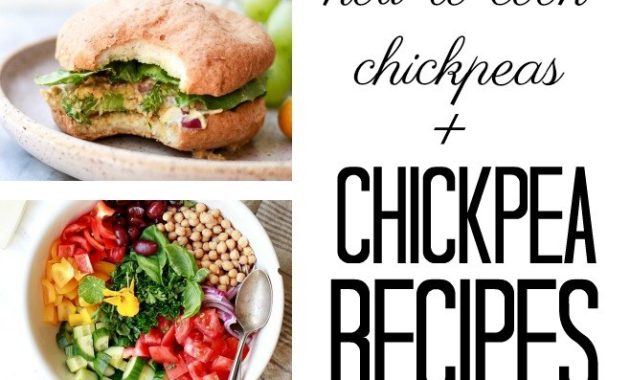
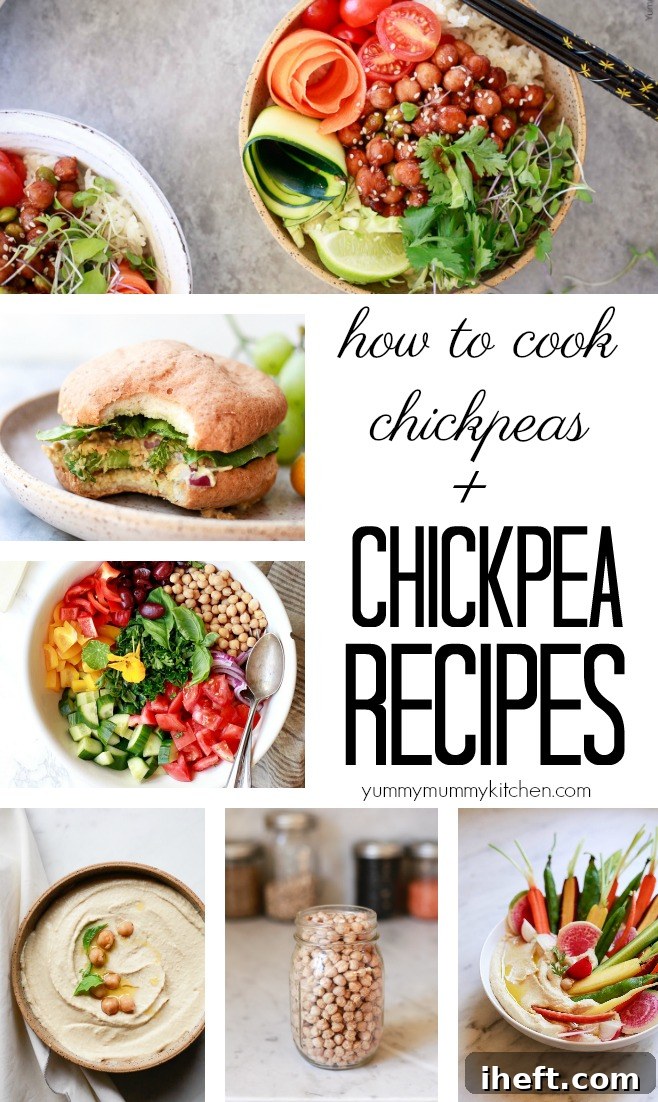
Mastering Chickpeas: Your Ultimate Guide to Cooking Dried & Canned Garbanzo Beans
Welcome to your essential guide for preparing chickpeas, a beloved legume that’s as versatile as it is nutritious. Whether you’re a seasoned chef or a home cook looking to expand your culinary repertoire, mastering the art of cooking chickpeas from scratch opens up a world of flavor and health benefits. This comprehensive article will walk you through everything from soaking and cooking dried chickpeas on the stovetop and in an Instant Pot, to effortlessly incorporating canned chickpeas into your meals. Plus, we’ll dive into a curated collection of our favorite chickpea recipes, ranging from comforting soups and vibrant salads to creamy hummus and hearty main courses.
This guide is part of our growing series on fundamental cooking basics, designed to equip you with the skills to prepare wholesome ingredients like lentils and quinoa with confidence. Our aim is to provide practical, easy-to-follow instructions that you can refer back to time and again, helping you create delicious and healthy meals for yourself and your family.
Chickpeas, also widely known as garbanzo beans, are a true cornerstone in many kitchens, including my own. Their mild, nutty flavor and satisfying texture make them an incredibly adaptable ingredient, perfect for enhancing wraps, enriching soups, adding substance to salads, and creating flavorful curries. For years, I’ve embraced cooking dried chickpeas over relying on canned varieties. Storing dried grains and legumes in reusable glass jars is not only an excellent way to reduce food waste and save money in the long run but also offers a superior taste and texture that canned beans simply can’t match. Join us as we explore the best methods for cooking these humble yet mighty beans and discover some truly inspiring chickpea recipes.
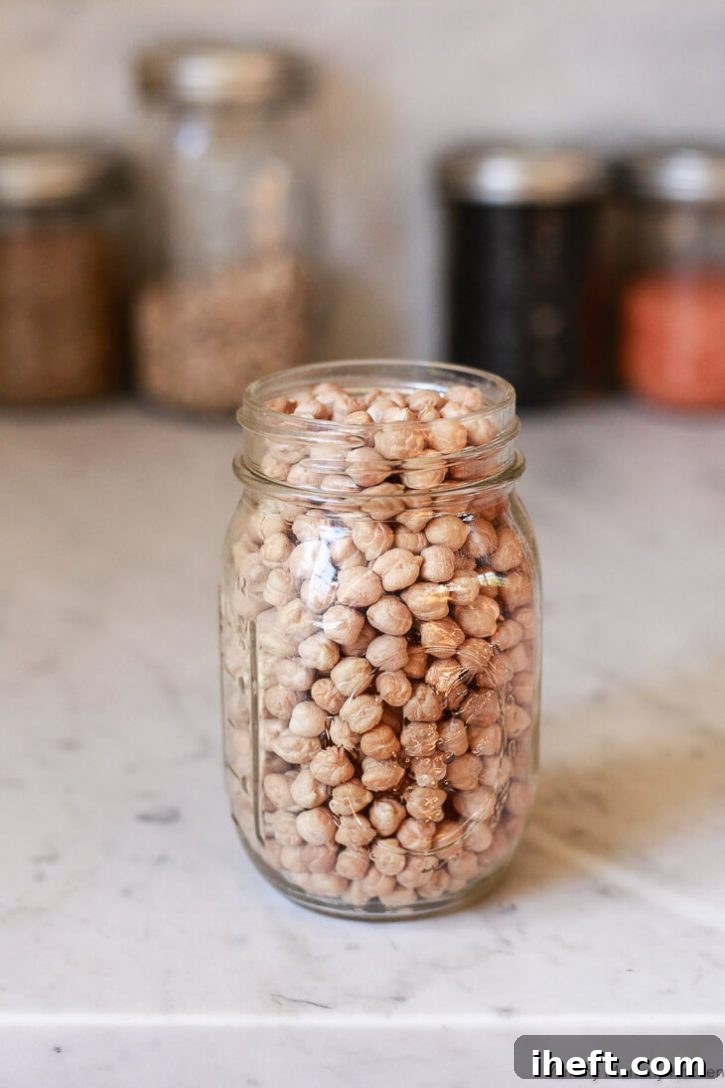
What Exactly Are Chickpeas (Garbanzo Beans)?
Chickpeas, scientifically known as Cicer arietinum, are a versatile legume belonging to the Fabaceae family, which also includes lentils, beans, and peas. They grow nestled within small, green pods that bear a resemblance to short pea pods. While often consumed in their dried form, they are also widely available pre-cooked and canned for convenience. Though typically round and cream-colored, there are different varieties, including smaller, darker chickpeas commonly found in Indian cuisine.
These ancient legumes have been a dietary staple across various cultures for thousands of years, celebrated for their hearty texture and nutritional density. In recent times, their popularity has surged globally, including in the U.S. As highlighted by an article in The Atlantic titled, “In the Future, Everything Will Be Made of Chickpeas,” the humble chickpea is truly a culinary powerhouse with endless possibilities. From flour and pasta to snacks and meat alternatives, chickpea-based products are revolutionizing the food industry.
Beyond their culinary flexibility, chickpeas boast an impressive nutritional profile. They are an excellent source of plant-based protein, dietary fiber, and a wide array of essential vitamins and minerals, including iron, folate, magnesium, and zinc. Regular consumption of chickpeas has been linked to numerous health benefits, contributing to improved gut health, enhanced heart health, and effective weight management due to their satiating fiber content. You can easily find chickpeas in most grocery stores, making them an accessible and healthy addition to your diet. For those looking to try something new, consider exploring our Giant Brothy Beans next for another satisfying legume experience!
Understanding Canned Chickpeas: Convenience & Usage
Canned chickpeas offer unparalleled convenience, arriving pre-cooked and ready for immediate use. To prepare them for your recipes, simply drain the liquid from the can and rinse the chickpeas thoroughly under cold running water. Rinsing helps remove excess sodium and improves their flavor profile. Once rinsed, they are ready to be tossed into your favorite dishes, from salads and stews to stir-fries and spreads.
An interesting byproduct of canned chickpeas is the liquid they come in, often referred to as “aquafaba.” This remarkable viscous liquid can be saved and utilized as a highly effective vegan egg replacer in various baking and cooking applications, such as meringues, mousses, and even mayonnaise. While canned chickpeas are undeniably handy for busy days, it’s worth noting that they often lack the depth of flavor and ideal texture found in freshly cooked dried beans. For those seeking the freshest taste and optimal texture, cooking dried chickpeas from scratch is a highly rewarding endeavor.
Cooking Dried Chickpeas: The Stovetop Method
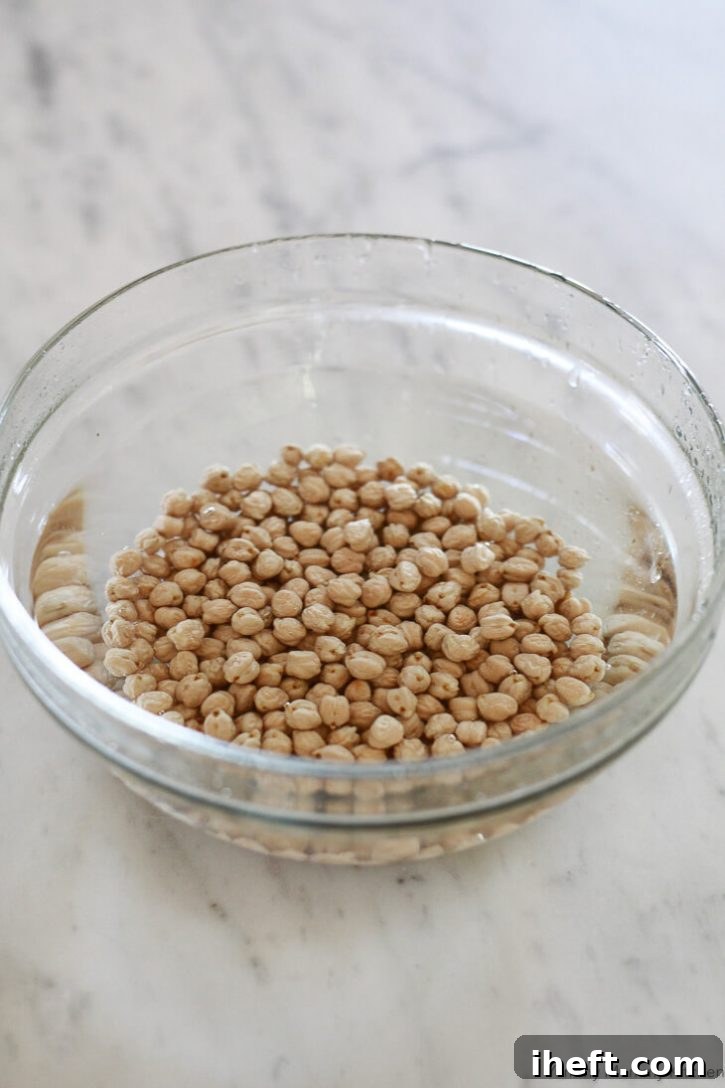
Cooking dried chickpeas on the stovetop is a traditional and highly effective method that yields beautifully tender and flavorful beans. The key to success with this approach lies in proper soaking and patient simmering. Here’s how to do it:
Step 1: Soaking the Chickpeas
Soaking is a crucial preliminary step when cooking dried chickpeas on the stovetop. It significantly reduces cooking time, helps them cook more evenly, and can even improve digestibility. You have two primary options for soaking:
- Overnight Soak (Traditional Method): Place your dried chickpeas in a large bowl and cover them with at least three times their volume in cold water. The chickpeas will expand considerably as they absorb water, so ensure the bowl is large enough. Let them soak at room temperature for a minimum of 8 hours, or preferably overnight.
- Quick Soak Method: If you’re short on time, the quick soak method is a great alternative. Add the dried chickpeas to a large pot and cover them with water, ensuring there’s about two to three inches of water above the beans. Bring the water to a rolling boil over high heat. Once boiling, remove the pot from the heat, cover it with a lid, and let the chickpeas soak in the warm water for 1 hour.
After either soaking method, you will notice that the chickpeas have significantly expanded in size. Before proceeding to the cooking stage, drain the soaking water thoroughly.
Step 2: Cooking the Soaked Chickpeas
Once your chickpeas are adequately soaked and drained, they are ready for cooking:
- Transfer the soaked and drained chickpeas back into a large, heavy-bottomed pot.
- Cover the chickpeas generously with fresh cold water. For every cup of dried chickpeas (which becomes about 2-3 cups after soaking), add approximately 4-6 cups of fresh water, or enough to cover them by several inches.
- Bring the water to a boil over high heat.
- Once boiling, reduce the heat to a gentle simmer, cover the pot partially with a lid, and let the chickpeas cook.
- Simmer for approximately 1.5 to 2 hours, or until the chickpeas reach your desired level of tenderness. Cooking time can vary based on the age of the beans and your desired texture. Taste test regularly after 1.5 hours to check for doneness. The chickpeas should be soft and creamy, not hard or chalky.
Cooking Dried Chickpeas in the Instant Pot Pressure Cooker
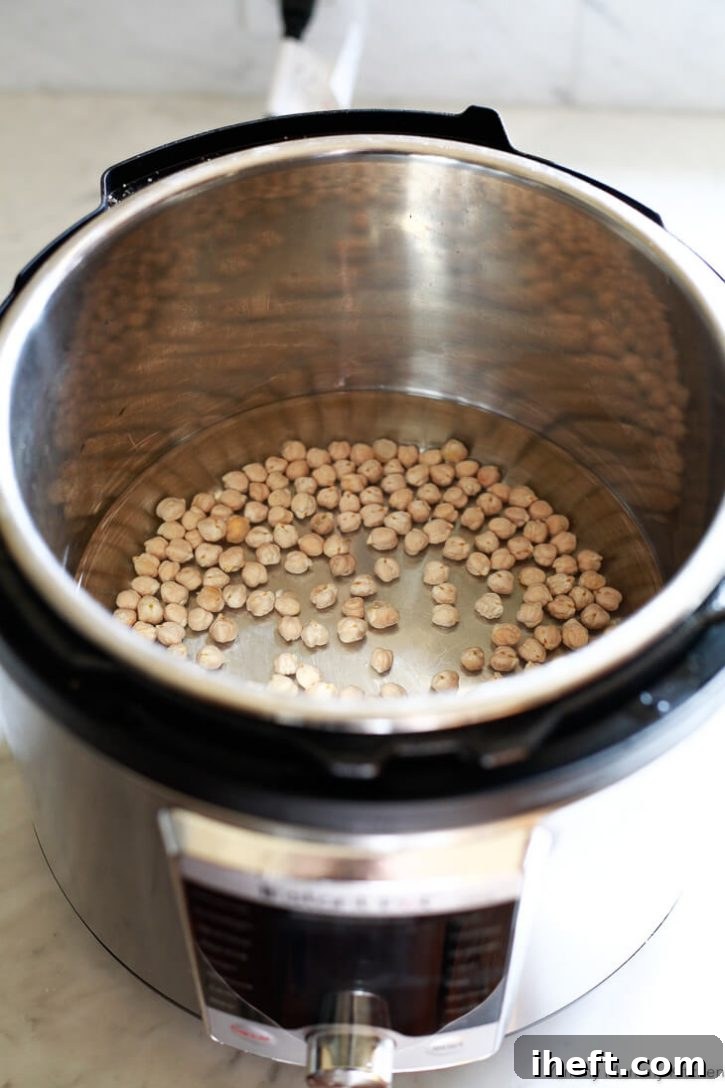
For many home cooks, myself included, the Instant Pot or any electric pressure cooker has become the preferred method for cooking dried chickpeas. This method is a game-changer because it often eliminates the need for pre-soaking, drastically cutting down on preparation time without compromising on tenderness or flavor. The result is consistently perfect chickpeas with minimal effort.
If you’ve thoughtfully planned ahead and pre-soaked your chickpeas overnight, the cooking time in the Instant Pot will be even shorter. Here’s a detailed guide for cooking dried chickpeas in a pressure cooker:
- Ratio: For every 1 cup of dry, unsoaked chickpeas, add 4 cups of water to your Instant Pot. The water should cover the beans by about 1 inch. Avoid overfilling the pot; never exceed the “Max Fill” line.
- Seasoning (Optional): For added flavor, you can include aromatics like bay leaves, a clove of garlic, or a pinch of baking soda (see notes below on baking soda) during the cooking process. However, avoid adding salt at this stage, as it can hinder the tenderization of the beans.
- Set Cook Time: Secure the lid on your Instant Pot, ensuring the sealing ring is properly in place and the steam release valve is set to the “Sealing” position.
- Pressure Cook:
- For Unsoaked Chickpeas: Set the Instant Pot to “Manual” or “Pressure Cook” on HIGH pressure for 35-40 minutes.
- For Pre-soaked Chickpeas: Set the Instant Pot to “Manual” or “Pressure Cook” on HIGH pressure for 10-15 minutes.
The Instant Pot will take approximately 7-15 minutes to come to pressure before the actual cooking time begins.
- Natural Pressure Release (NPR): Once the cooking cycle is complete, allow the pressure to release naturally for at least 15-20 minutes. This natural release method helps prevent the chickpeas from bursting and ensures a creamier texture. For very soft chickpeas (ideal for hummus), let the pressure release completely naturally.
- Quick Release (Optional): If you’re in a hurry and prefer slightly firmer chickpeas, you can perform a quick release after 10 minutes of natural release by carefully turning the steam release valve to the “Venting” position. Be cautious of the hot steam.
- Check for Doneness: Carefully remove the lid once the pressure has fully released. Stir the chickpeas and test their tenderness. They should be soft and creamy. If they are still too firm for your liking, close the lid again and pressure cook for an additional 3-5 minutes, allowing for another natural release. Keep in mind that exact cooking times can vary slightly depending on the age and size of your dried chickpeas.
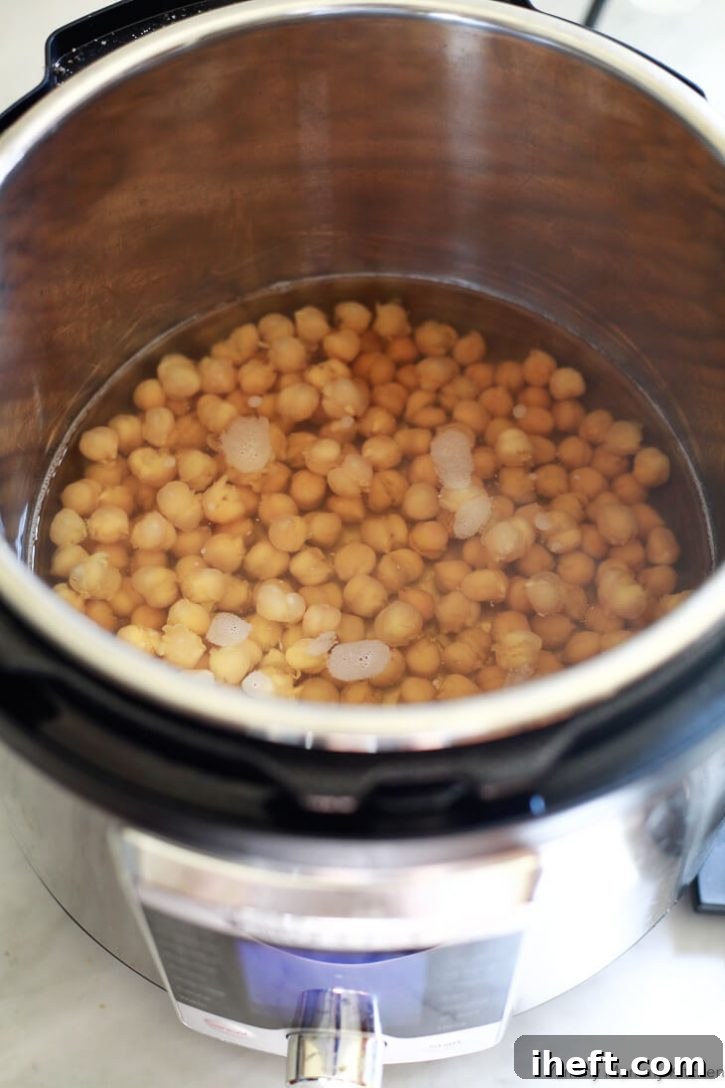
Your freshly cooked chickpeas are now perfectly tender and ready to be used in any recipe!
Tips for Perfectly Cooked Chickpeas
Achieving perfectly tender and flavorful chickpeas is simpler than you might think with a few key considerations:
- Freshness Matters: The age of your dried chickpeas can significantly impact cooking time and final texture. Older beans tend to take much longer to soften and may remain firm even after extended cooking. Always try to use fresh dried beans for best results.
- The Water Factor: The type of water you use can also play a role. Hard water (high in minerals) can sometimes prevent beans from fully tenderizing. If you consistently struggle with tough beans, try using filtered water.
- Avoid Salt During Cooking: A common mistake is adding salt to the cooking water too early. Salt, particularly in large quantities, can toughen the outer skin of the beans, making them harder to soften. It’s best to add salt only after the chickpeas are fully tender, either at the end of the cooking process or when incorporating them into a dish.
- Baking Soda (Use with Caution): Some recipes suggest adding a tiny amount of baking soda (about ¼ teaspoon per cup of dried beans) to the cooking water, especially for making extra creamy hummus. Baking soda can help break down the bean’s cell walls, leading to a softer texture. However, nutritionists caution that it can also degrade certain nutrients, such as thiamine (Vitamin B1). Use it sparingly and only when a super-soft texture is desired.
- Test for Doneness: Always taste a few chickpeas to ensure they are cooked to your preference. They should be creamy and tender, not crunchy or gritty.
Storing Your Cooked Chickpeas
Once your chickpeas are perfectly cooked, proper storage is essential to maintain their freshness and texture. A key tip is to let them cool down in their cooking liquid (aquafaba). This helps prevent them from drying out and maintains their creamy consistency.
- Refrigerator Storage: Store the cooled chickpeas, submerged in their cooking liquid, in an airtight glass jar or container in the refrigerator. They will remain fresh and delicious for up to 5 days.
- Freezer Storage: For longer storage, drain the cooked chickpeas and spread them in a single layer on a baking sheet to freeze individually. Once frozen, transfer them to freezer-safe bags or containers. This prevents them from clumping together. Alternatively, you can freeze them in portioned amounts in their cooking liquid. Cooked chickpeas can be stored in the freezer for up to 6 months. Thaw them in the refrigerator overnight or add them directly to hot dishes.
Having a batch of cooked chickpeas ready in your fridge or freezer makes meal prep a breeze and ensures you always have a healthy, plant-based protein source on hand.
Unleash Your Culinary Creativity: The Best Chickpea Recipes
Chickpeas are incredibly versatile, forming the backbone of countless delicious and healthy dishes worldwide. Once you have a batch of perfectly cooked chickpeas, the culinary possibilities are truly endless. Here’s a collection of our favorite chickpea recipes to inspire your next meal:
Hummus & Dips
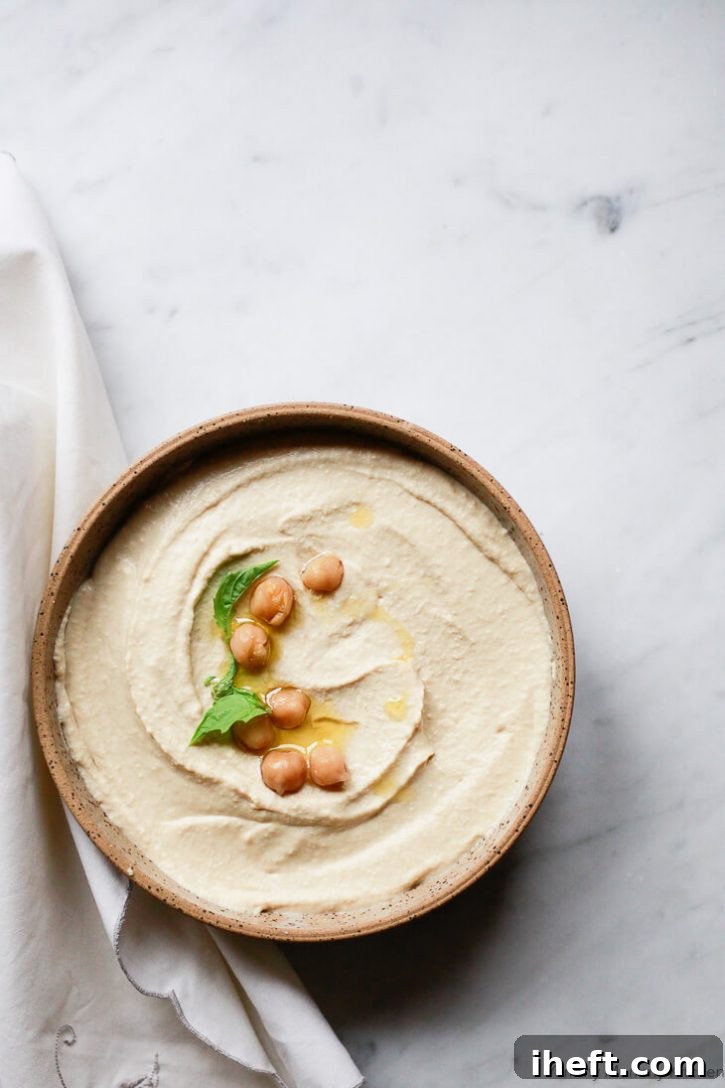
The creamy, dreamy dip that needs no introduction. Learn How to Make Hummus here, then explore these exciting variations:
- Edamame Hummus: A vibrant green twist with the addition of edamame for a fresh flavor.
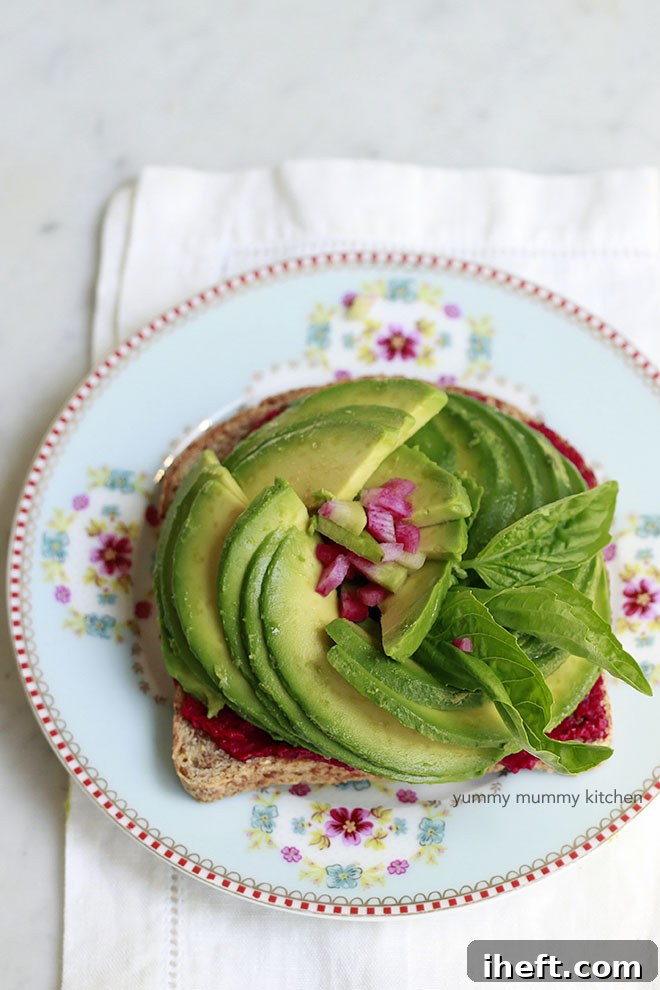
- Beet Hummus: Earthy and naturally sweet, this striking pink hummus is as beautiful as it is delicious.
- Sweet Potato Hummus: A subtly sweet and creamy hummus, perfect for fall or any time of year.
- Greek Loaded Hummus: Elevate your hummus with classic Greek toppings like olives, feta (optional), and fresh herbs.
- Pumpkin Pie Dessert Hummus: A sweet and surprising treat, perfect for dipping fruit or cookies.
Sandwiches & Salads
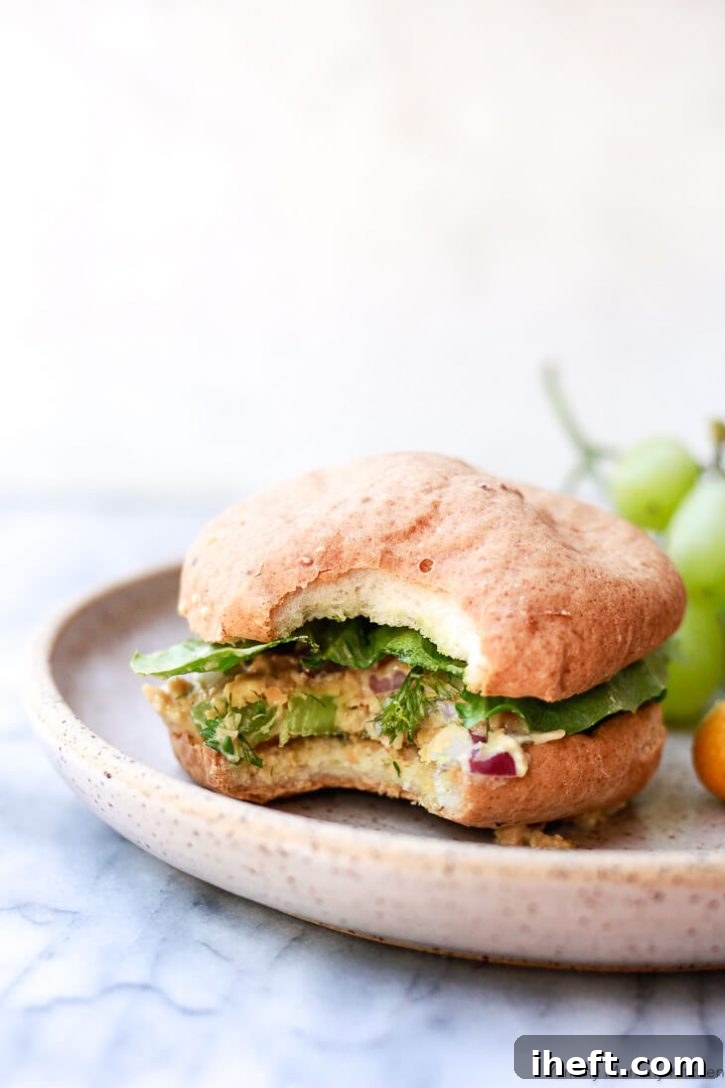
- Smashed Chickpea Salad Sandwiches: A fantastic vegan alternative to chicken salad, bursting with flavor and texture.
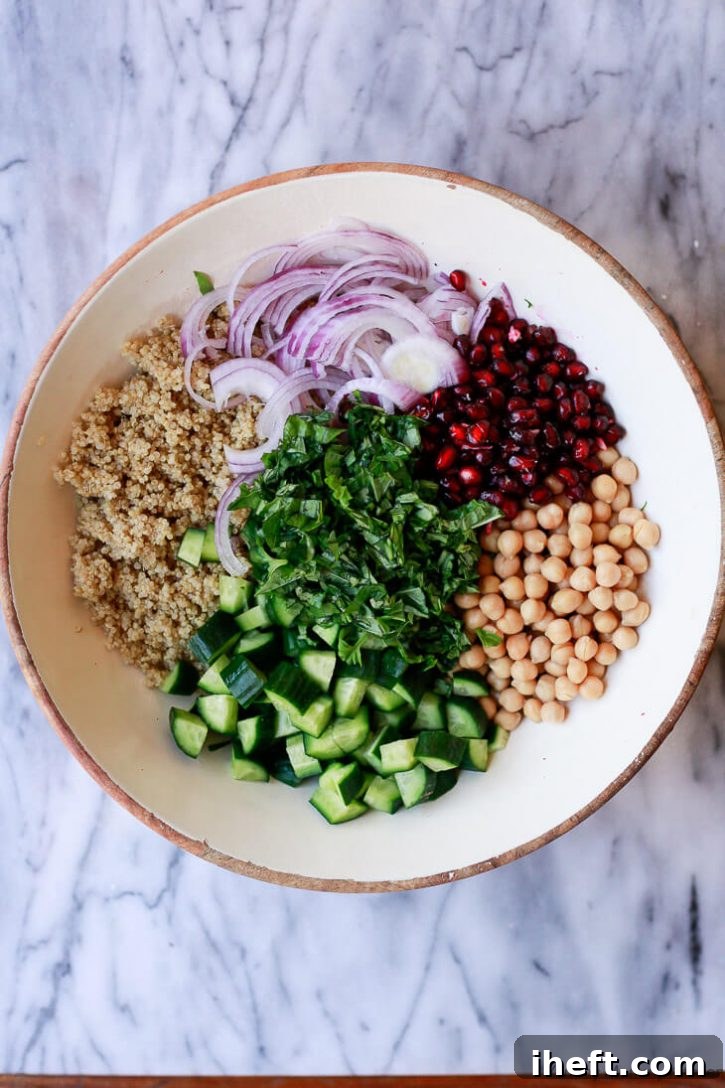
- Chickpea Quinoa Salad with Pomegranate: A hearty and refreshing salad combining protein-rich quinoa and chickpeas with vibrant pomegranate seeds.
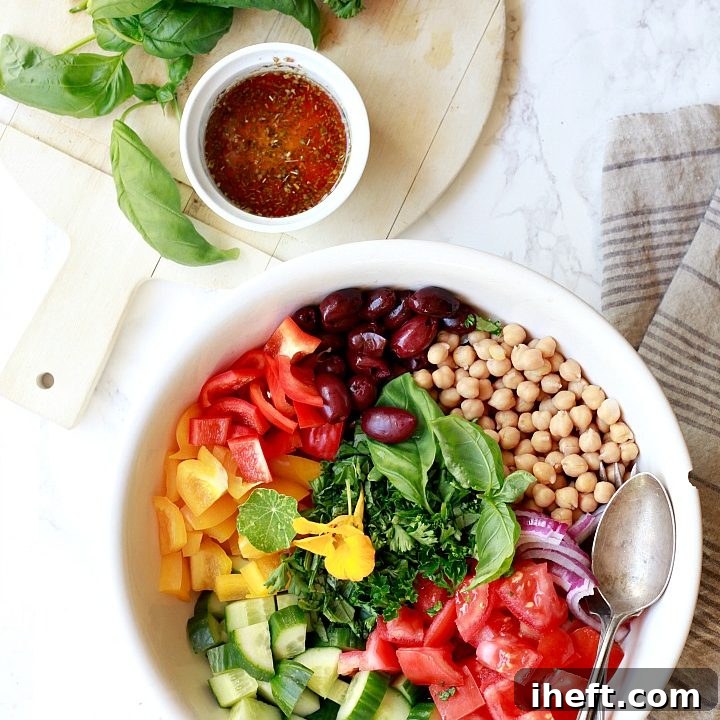
- Vegan Greek Salad with Chickpeas: A fresh and flavorful Greek salad made even more satisfying with the addition of chickpeas.
- Southwest Salad with Roasted Chickpeas: A zesty salad featuring crispy roasted chickpeas and a creamy avocado dressing.
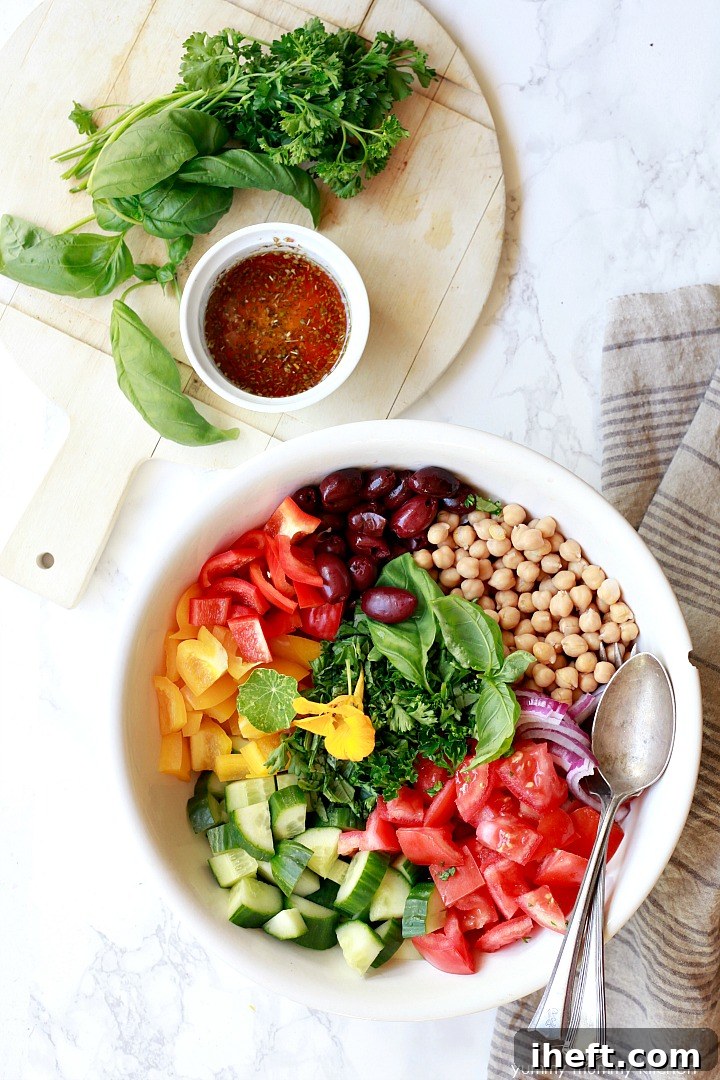
Hearty Main Dishes & Bowls
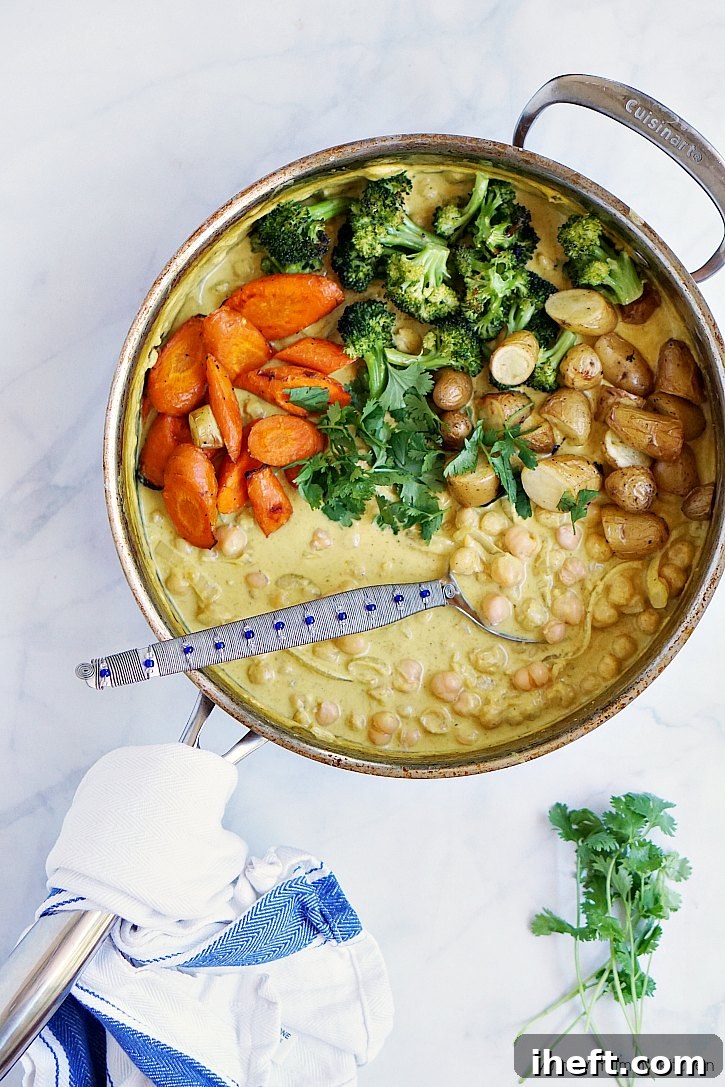
- Yellow Coconut Curry with Chickpeas & Roasted Veggies: A comforting and aromatic curry, perfect for a warming weeknight meal.
- Coconut Chickpea Curry from Jessica in the Kitchen: Another delicious take on a creamy and flavorful chickpea curry.
- Korean Chickpea Bento Bowls: A vibrant and balanced meal featuring flavorful Korean BBQ chickpeas, rice, and fresh vegetables.
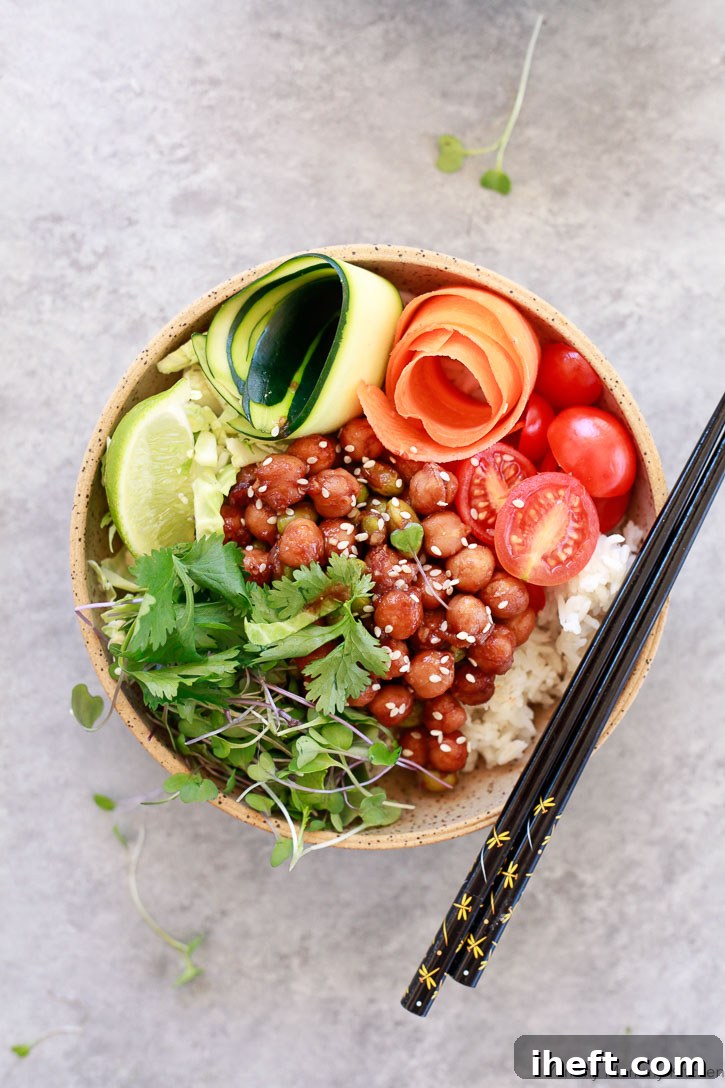
Snacks & Savory Bites
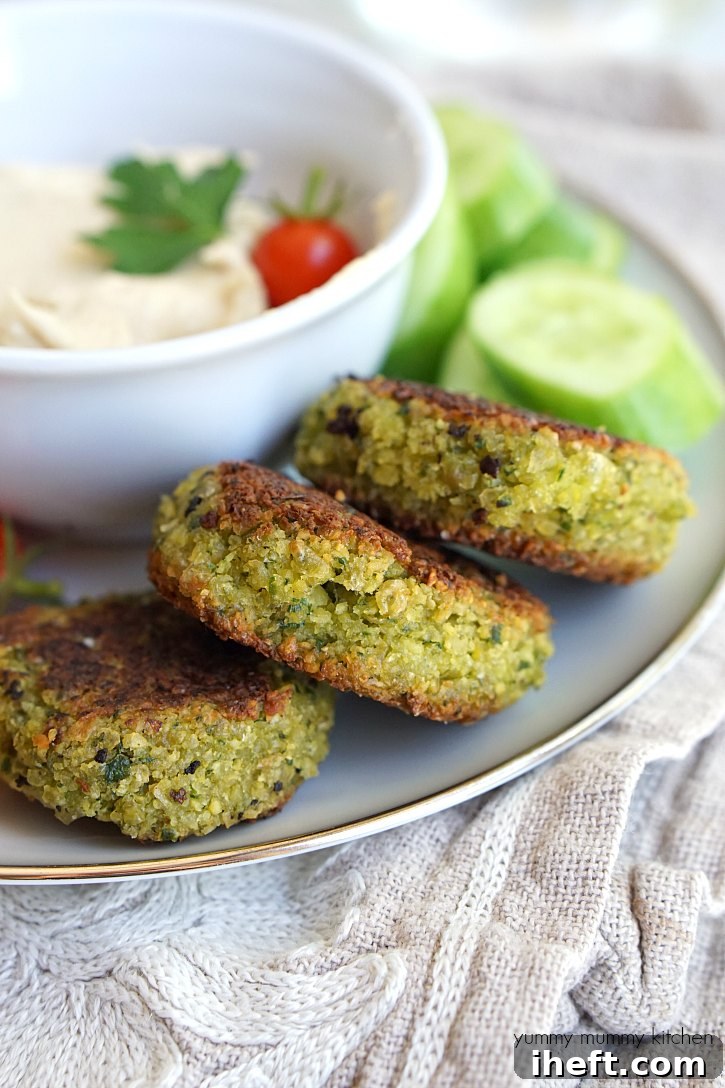
- Classic Falafel: These crispy, flavorful chickpea fritters are a Middle Eastern staple. Best made with soaked (but uncooked) dried chickpeas.
- Easy Falafel Wrap: A simpler version of falafel that uses cooked chickpeas, perfect for a quick and satisfying wrap.
- Italian Style Vegan Meatloaf Muffins from Connoisseurus Veg: Creative and savory muffins featuring chickpeas as a key ingredient.
- Roasted Vegetable & Chickpea Meal Prep Bowls from She Likes Food: A convenient and healthy option for make-ahead lunches.
Soups & Stews
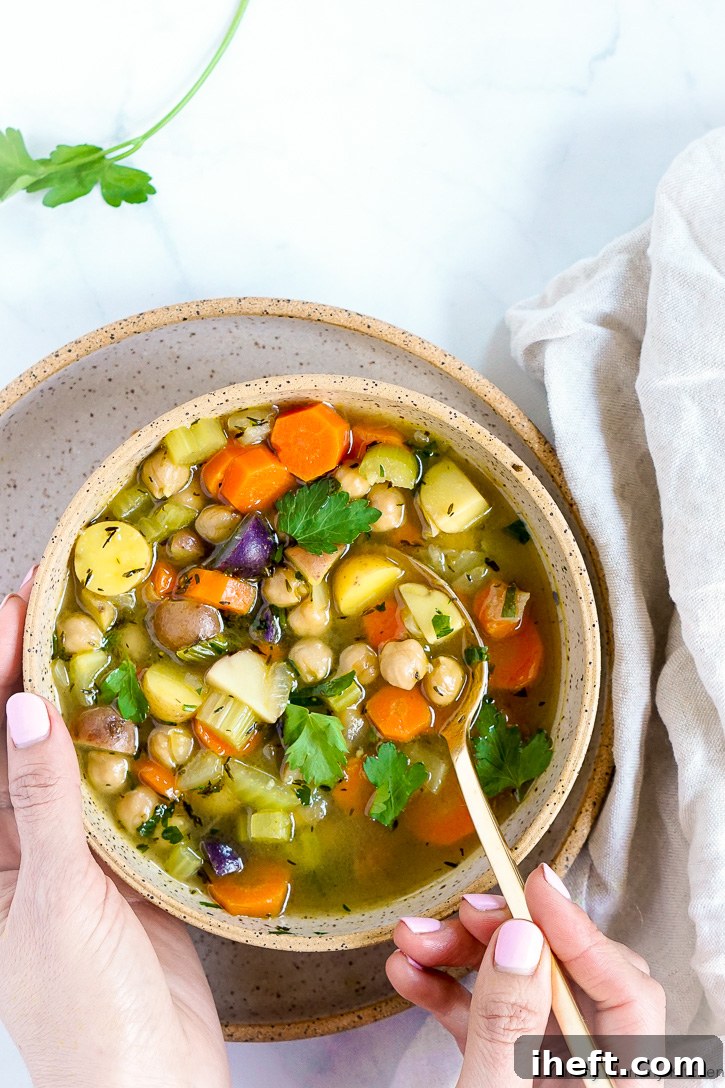
- Chickpea Vegetable Soup: A warming and nutrient-packed soup, perfect for cold days or when you need a healthy boost.
- Pasta e Ceci (Italian Chickpea Soup): A rustic and comforting Italian classic featuring small pasta and tender chickpeas in a savory broth.
Common Questions About Chickpeas (FAQ)
Here are answers to some of the most frequently asked questions about cooking and using chickpeas:
Do You Have to Soak Dried Chickpeas?
It depends on your cooking method. If you’re cooking dried chickpeas on the **stovetop**, yes, soaking is highly recommended. It significantly reduces cooking time (from 4 hours to 1.5-2 hours) and helps ensure even tenderness. For the **Instant Pot or electric pressure cooker**, soaking is generally not required, as the high-pressure environment tenderizes the beans effectively without it, although pre-soaked beans will cook much faster.
Why Won’t My Beans Tenderize?
It can be incredibly frustrating to cook beans for hours only to find them still hard. Several factors can contribute to this issue:
- Old, Stale Beans: The most common culprit. Dried beans that have been sitting in your pantry for a long time lose their ability to absorb water fully, making them stubbornly tough. Always try to use fresh dried beans.
- Hard Water: Water with a high mineral content (hard water) can interfere with the softening process of beans. If you suspect hard water is an issue, try cooking with filtered or distilled water.
- Adding Acid or Salt Too Early: Acidic ingredients (like tomatoes, lemon juice, or vinegar) and salt, when added at the beginning of the cooking process, can prevent beans from softening. It’s best to add these flavor enhancers after the beans are already tender.
How Much Do Chickpeas Expand?
Dried chickpeas expand considerably during soaking and cooking. Generally, 1 cup of dry chickpeas will yield approximately 2-3 cups of cooked chickpeas. This expansion means a little goes a long way!
Are Garbanzo Beans Chickpeas?
Yes, “chickpea” and “garbanzo bean” refer to the exact same legume. The terms are used interchangeably. “Chickpea” originates from the Latin word “cicer,” while “garbanzo” is derived from the Spanish word for the same bean. Many commercial packages will feature both names to avoid confusion, as noted by Harvard’s T.H. Chan School of Public Health.
How Much Protein Do Chickpeas Have?
Chickpeas are an excellent source of plant-based protein, making them a valuable ingredient for vegetarian and vegan diets, as well as for anyone looking to increase their protein intake. On average, ¼ cup of cooked chickpeas contains about 4-5 grams of protein. This makes them comparable to other legumes like black beans and lentils in terms of protein density.
Can Dogs Eat Chickpeas?
Yes, in moderation, cooked chickpeas can be a healthy and safe snack for dogs! They are packed with fiber and protein. However, it’s important to feed them plain, cooked chickpeas without any added salt, spices, or oils, which can be harmful to dogs. Always introduce new foods slowly and consult your veterinarian if you have any concerns, as highlighted by One Green Planet.
Conclusion: Embrace the Power of Chickpeas in Your Kitchen
From their ancient origins to their modern resurgence as a health-food hero, chickpeas truly stand out as a versatile and indispensable ingredient. Whether you opt for the convenience of canned varieties or embrace the superior flavor and texture of home-cooked dried beans, incorporating chickpeas into your diet is a decision that benefits both your palate and your well-being. By mastering the simple techniques outlined in this guide, you’re now equipped to unlock a world of culinary possibilities, creating everything from rich, creamy hummus to satisfying main dishes and vibrant salads.
We encourage you to experiment with the various cooking methods and explore the diverse range of chickpea recipes shared here. Enjoy the journey of discovering new flavors and adding this humble, yet mighty, legume to your regular meal rotation. Happy cooking!
How to Cook Chickpeas
Yield: 2-3 cups
Prep Time: 2 minutes
Cook Time: 40 minutes
Additional Time (Soak/Release): 20 minutes
Total Time: 1 hour 2 minutes
How to cook dried chickpeas (garbanzo beans) on the stovetop and in the Instant Pot pressure cooker. Cooking homemade chickpeas is easy, especially if you have an Instant Pot. Use your freshly cooked chickpeas in salads, soups, hummus, and more.
Ingredients
- 1 cup dried chickpeas (garbanzo beans)
- 4 cups water
Instructions
Stovetop Method
- Sort and rinse chickpeas, discarding any shriveled beans or debris. Soak the chickpeas in a large bowl of water overnight, ensuring they are covered by at least three inches of water. Alternatively, for a quick soak, bring them to a boil in a large pot with water, turn off the heat, cover, and let soak for 1 hour.
- Drain the soaking water. Add the soaked chickpeas to a large pot and add 4-6 cups of fresh water. Bring to a boil, then reduce heat to a simmer. Cook for approximately 1.5 to 2 hours until tender.
Instant Pot Method (Pressure Cooker)
- Add 1 cup of dried chickpeas (no need to soak if using this method, unless preferred) and 4 cups of water to the Instant Pot or other electric pressure cooker. Lock the lid with the valve sealing.
- Set to high pressure cook for 35-40 minutes for unsoaked chickpeas. If you’ve already soaked your chickpeas overnight, cook for just 10-15 minutes on high pressure.
- Allow the pressure to release naturally for at least 15-20 minutes, or fully naturally for extra creamy chickpeas. Carefully remove the lid. Your chickpeas are now ready to use! Exact cooking times can vary depending on the age and size of your beans.
Notes
Store your cooked chickpeas in their cooking water until ready to use, as they can dry out without liquid. They will keep in the refrigerator for up to 5 days, or you can freeze drained cooked beans for up to 6 months. For best results, avoid adding salt to the cooking water until the chickpeas are tender.
Nutrition Information:
- Yield: 4 servings
- Serving Size: 1/4 cup (cooked)
- Calories: 67
- Total Fat: 1g
- Saturated Fat: 0g
- Trans Fat: 0g
- Unsaturated Fat: 1g
- Cholesterol: 0mg
- Sodium: 12mg
- Carbohydrates: 11g
- Fiber: 3g
- Sugar: 2g
- Protein: 4g
Nutrition information is automatically calculated and provided for general reference. For precise dietary needs, please consult a qualified nutritionist.