Craft Your Own Water Kefir
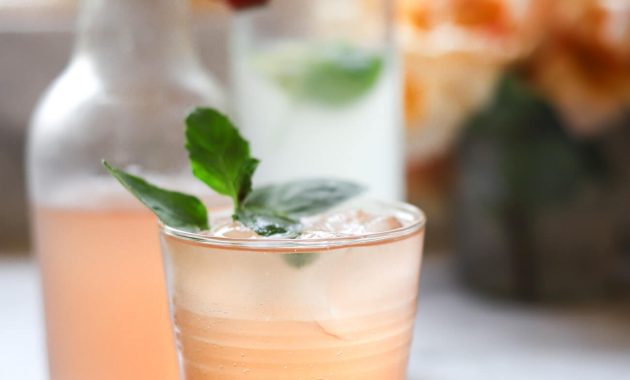
Also known as agua de kefir, water kefir is a delicious and nutritious fermented beverage. It’s easy and fun to make probiotic soda at home!

In an age where health and wellness are paramount, finding delicious yet beneficial alternatives to sugary sodas and artificial drinks is key. Water kefir, often called agua de kefir, stands out as a vibrant, naturally sparkling, and probiotic-rich beverage that you can easily make in your own kitchen. While you can certainly find kombucha, probiotic sodas, and water kefir at most grocery stores these days, crafting it at home is not only significantly less expensive but also offers an endless supply once you have your starter going – much like a sourdough starter.
If you’ve ever found yourself wondering, ‘What is kefir?‘ or how to create your very own refreshing, gut-friendly fermented drink, you’ve arrived at the perfect place. Water kefir is a lightly sweet, naturally carbonated drink produced by fermenting sugar water with live kefir grains. It serves as an excellent dairy-free alternative to traditional milk kefir, making it a fantastic choice for those with lactose sensitivities or who follow a vegan lifestyle. The process is surprisingly straightforward, requiring only a few basic ingredients. In this comprehensive guide, I will walk you through how to make water kefir from start to finish, empowering you to brew this fantastic elixir in your own home.
Why Embrace Fermentation?
Fermentation is one of humanity’s oldest methods for preserving and preparing food, a natural process driven by beneficial wild bacteria and yeast. For centuries, fermented foods like water kefir, sauerkraut, and sourdough bread have been cherished across cultures for their remarkable ability to support gut health and enhance digestion. If you’re new to the exciting world of home fermentation, water kefir is an ideal starting point. Its simplicity, rapid fermentation time, and minimal effort requirements make it far less daunting than many other fermented projects. It’s a fantastic entry into understanding the magic of beneficial microbes.
What Exactly is Kefir?
Kefir itself is a naturally fermented drink renowned for its rich content of probiotics, beneficial enzymes, and organic acids. Traditionally, it’s made with milk, but the growing popularity of dairy-free options has led to the rise of water kefir. For thousands of years, kefir has been consumed to boost energy, improve digestion, and support overall wellness. Its roots trace back to ancient cultures who understood the power of fermentation long before modern science articulated its mechanisms.

Kefir Grains: The Living Culture
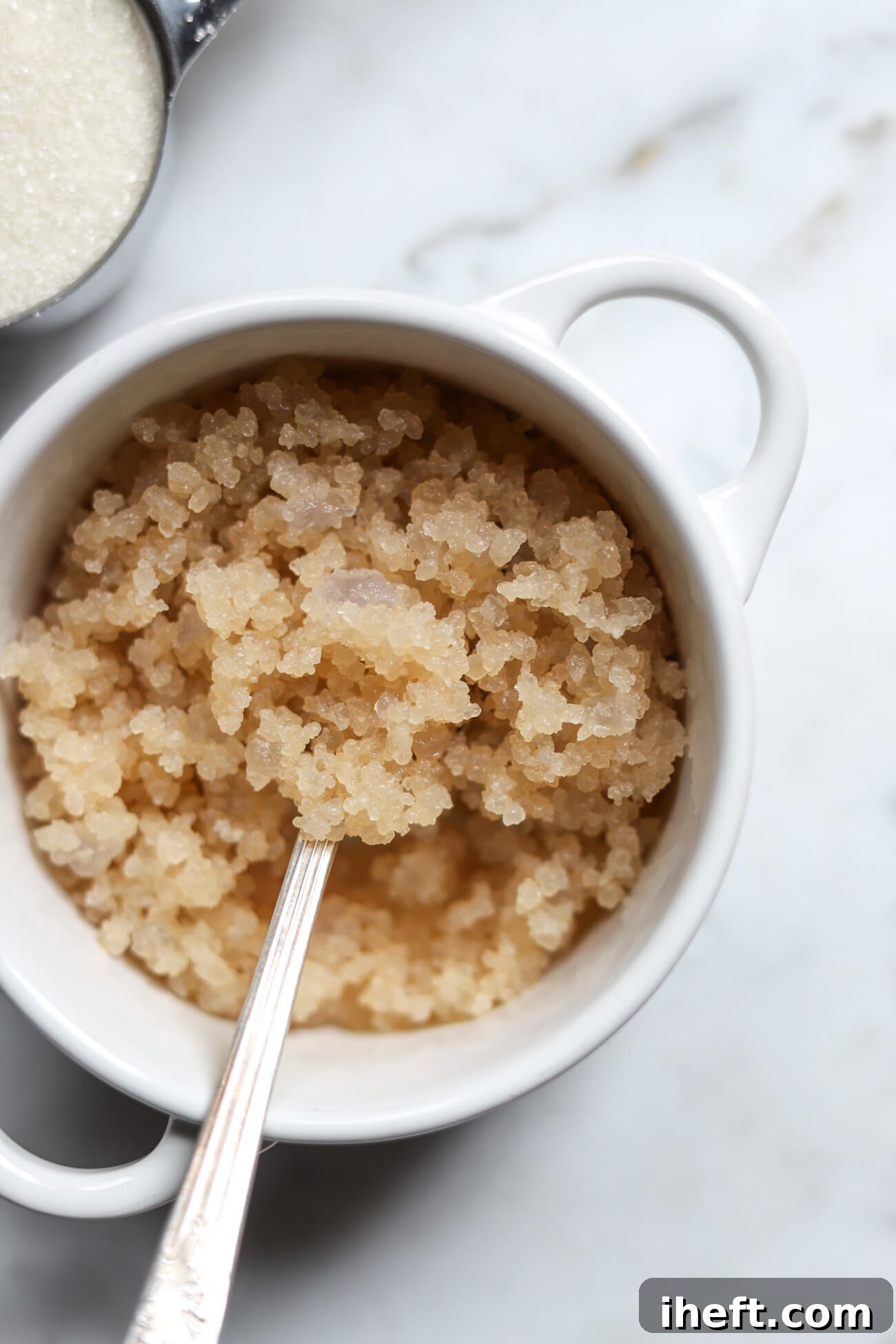
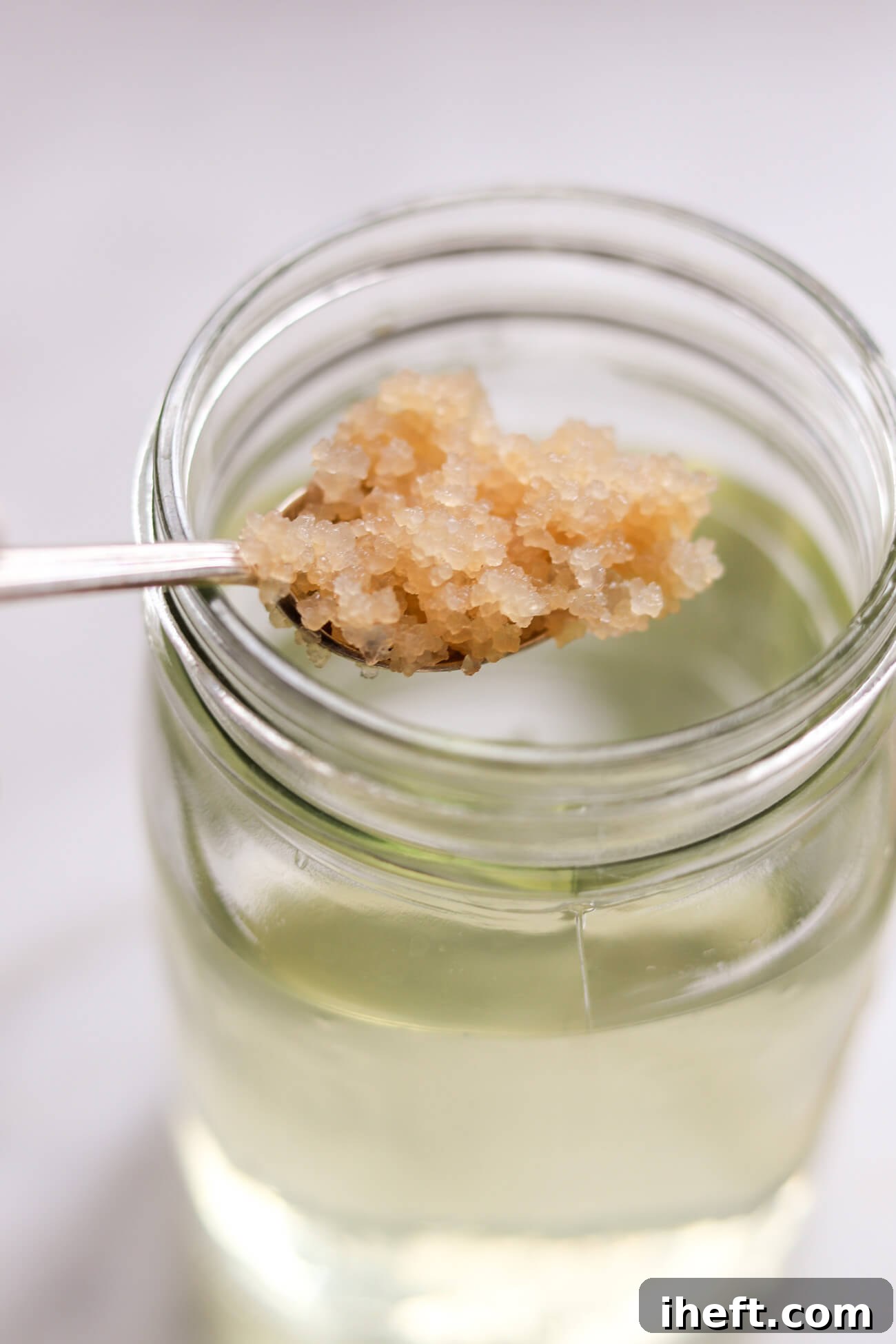
The precise origins of kefir grains remain somewhat shrouded in mystery, adding to their allure. Milk kefir is widely believed to have originated in the Caucasus Mountains, where these tiny, cauliflower-like clusters of bacteria and yeast were carefully passed down through generations to ferment milk. Despite their name, kefir “grains” are not cereal grains at all; rather, they are symbiotic colonies of bacteria and yeast (SCOBY) held together in a polysaccharide matrix. This unique living culture is what drives the fermentation process, transforming simple sugar water into a probiotic powerhouse.
What makes kefir grains truly extraordinary is that they cannot be artificially created from scratch. Unlike starters for sourdough or yogurt, which can sometimes be made with flour and water or existing yogurt, kefir grains can only proliferate from existing grains. Scientists have attempted to replicate these complex microbial communities in laboratory settings, but they have been unable to fully recreate the same intricate results found in naturally grown kefir grains.
While traditionally made with animal milk, kefir is now also widely enjoyed in its dairy-free form: water kefir. This lightly sweet, naturally fizzy beverage is created by fermenting sugar water with water kefir grains, offering a refreshing and healthy alternative to its dairy counterpart.

Unveiling the Many Benefits of Water Kefir
Kefir, whether prepared with milk or water, is celebrated for its incredible abundance of **probiotics**, the beneficial bacteria crucial for supporting a healthy and diverse gut microbiome. Traditional kefir, including water kefir, often boasts an impressive range of up to **40–60 strains of yeast and bacteria**. This significant microbial diversity often surpasses that found in most commercial probiotic supplements or even many yogurts, offering a broader spectrum of benefits for your digestive system and overall health.
Enhanced Gut Health and Digestion
The primary benefit of water kefir lies in its rich probiotic content. These live microorganisms help to rebalance and diversify the gut flora, which is essential for proper digestion. A healthy gut microbiome can improve nutrient absorption, reduce symptoms of bloating, gas, and indigestion, and contribute to regular bowel movements. By introducing a wide variety of beneficial bacteria, water kefir helps maintain a thriving internal ecosystem.
Immune System Support
Given that a significant portion of our immune system resides in the gut, a healthy microbiome plays a vital role in bolstering immunity. The probiotics in water kefir can help strengthen the gut barrier, preventing harmful substances from entering the bloodstream and stimulating immune responses, potentially making your body more resilient to illness.
Natural Hydration and Electrolytes
Water kefir is a refreshing beverage that contributes to daily hydration. Beyond just water, the fermentation process can release trace minerals and electrolytes from the sugar and water, making it a subtly more enriching drink than plain water. This makes it an excellent choice for replenishing fluids, especially after exercise.
Dairy-Free and Allergen-Friendly
For individuals who are lactose intolerant, allergic to dairy, or adhering to a vegan diet, water kefir offers a fantastic alternative to dairy-based probiotic sources. It provides all the gut-boosting benefits without any dairy ingredients, making it accessible to a wider audience.
Reduced Sugar Content
While water kefir starts with sugar water, the kefir grains consume a large portion of this sugar during the fermentation process. This means the final product is significantly lower in sugar than the initial mixture, and much lower than most commercial sodas, making it a healthier sweet treat.
Potential for Mood and Brain Health
Emerging research highlights the fascinating connection between the gut and the brain, known as the gut-brain axis. A balanced gut microbiome is linked to improved mood, reduced stress, and even cognitive benefits. By fostering a healthy gut, water kefir may indirectly contribute to overall mental well-being.
How to Make Water Kefir: A Simple Step-by-Step Guide
Making delicious water kefir at home is incredibly easy and involves just a few basic steps. Here’s how you can get started:
- Mix Sugar Water: Begin by dissolving sugar in filtered water. It’s important to use filtered water free of chlorine and fluoride, as these can harm your delicate kefir grains. Don’t worry about the sugar content; most of it will be metabolized by the kefir grains and won’t be present in the final product.
- Add Water Kefir Grains: Gently introduce your live water kefir grains into the prepared sugar water. These amazing cultures are what will ferment the sugar water, transforming it into a probiotic-rich beverage.
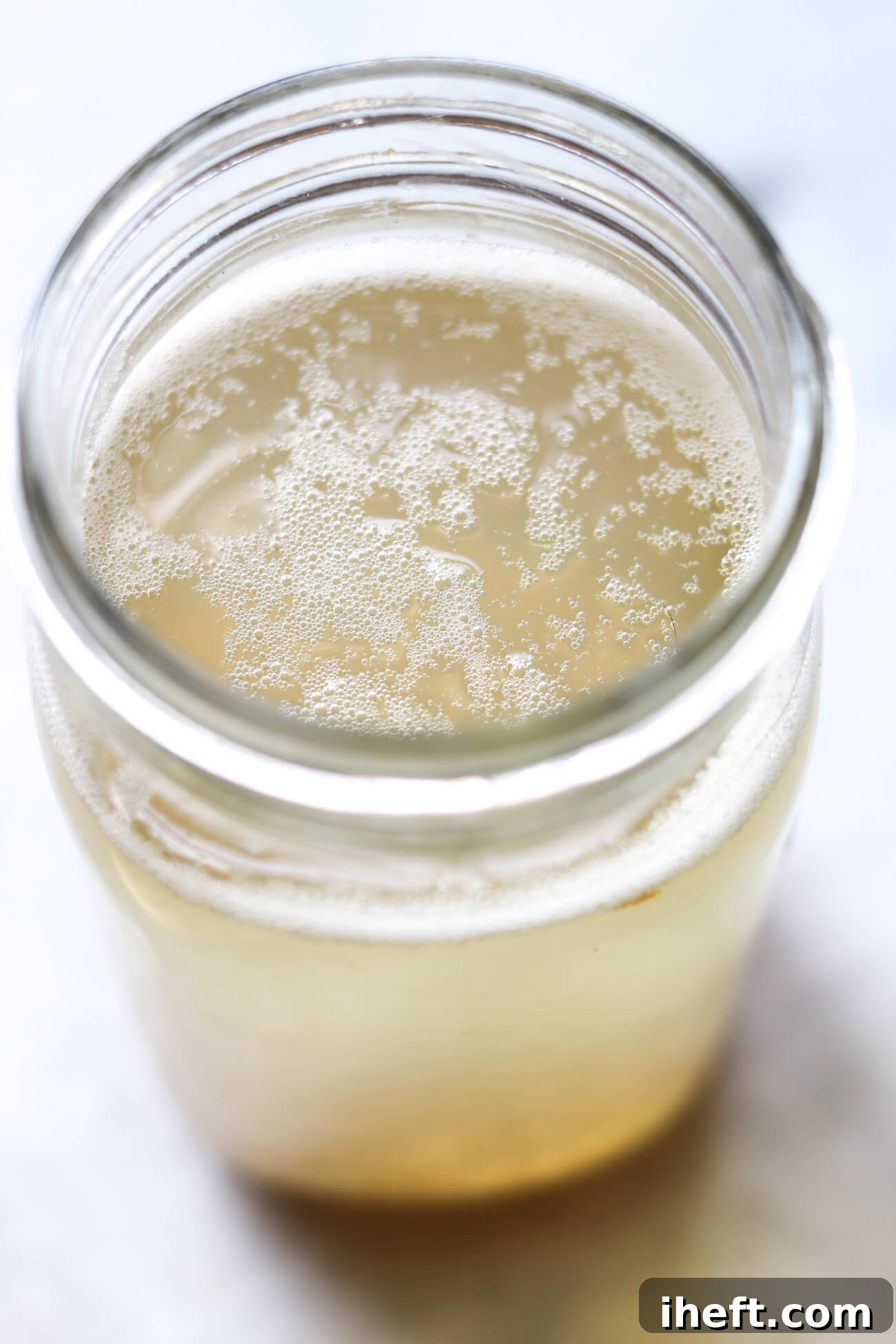
- First Fermentation (1–2 days): Cover the jar and allow it to ferment at room temperature, ideally between 70-80°F (21-27°C). You might notice tiny bubbles rising to the surface, which is a sign of activity, though their absence doesn’t necessarily mean it’s not fermenting. The warmer the environment, the faster the fermentation will occur.
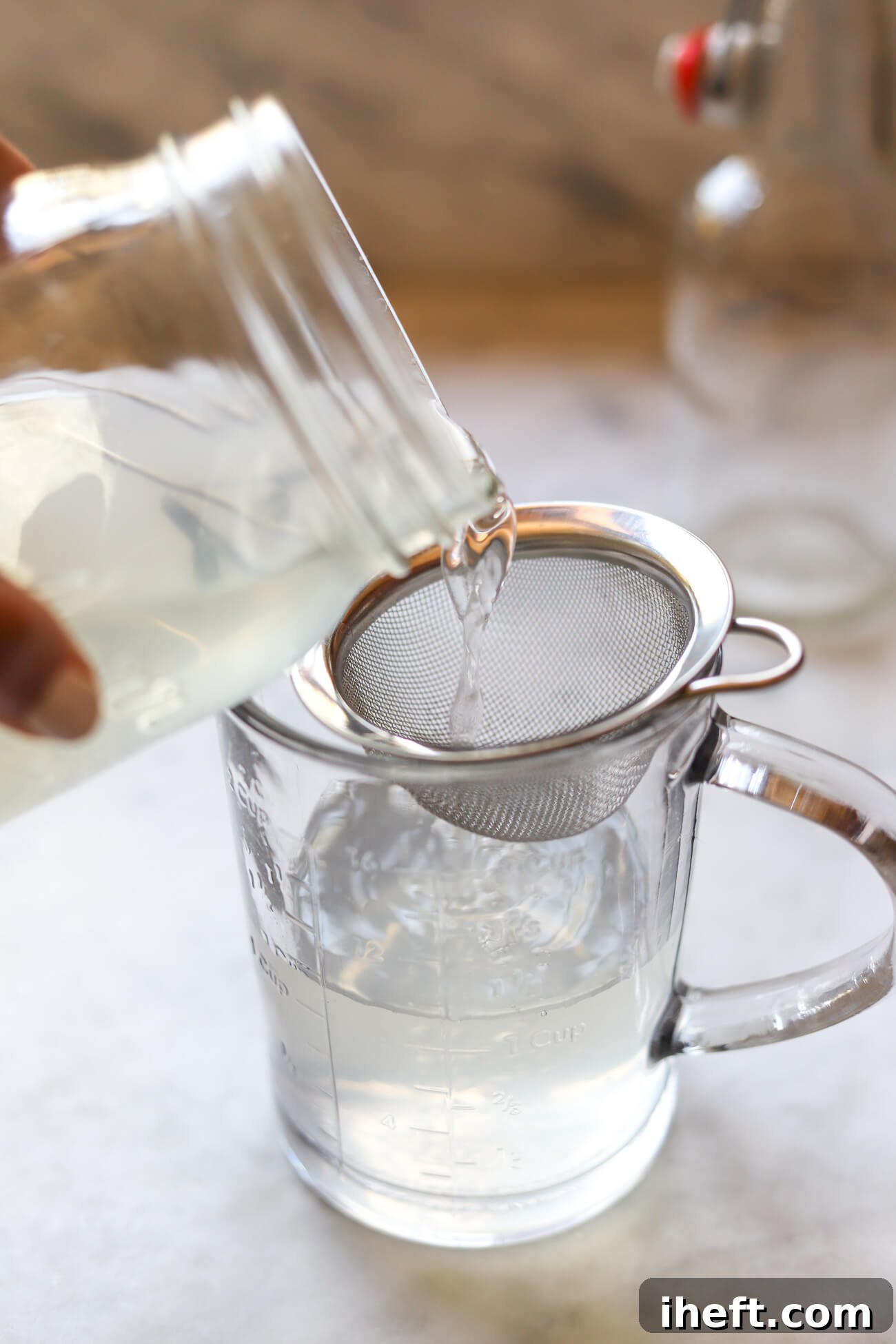
- Strain the Grains: Once the water kefir has developed a slightly tangy flavor (after 24-48 hours, or up to 72 hours depending on temperature), it’s ready. Use a fine-mesh strainer (plastic or nylon is often preferred over metal, which can react with the grains) to separate the kefir grains from the fermented liquid. Your grains are now ready to be used for your next batch!
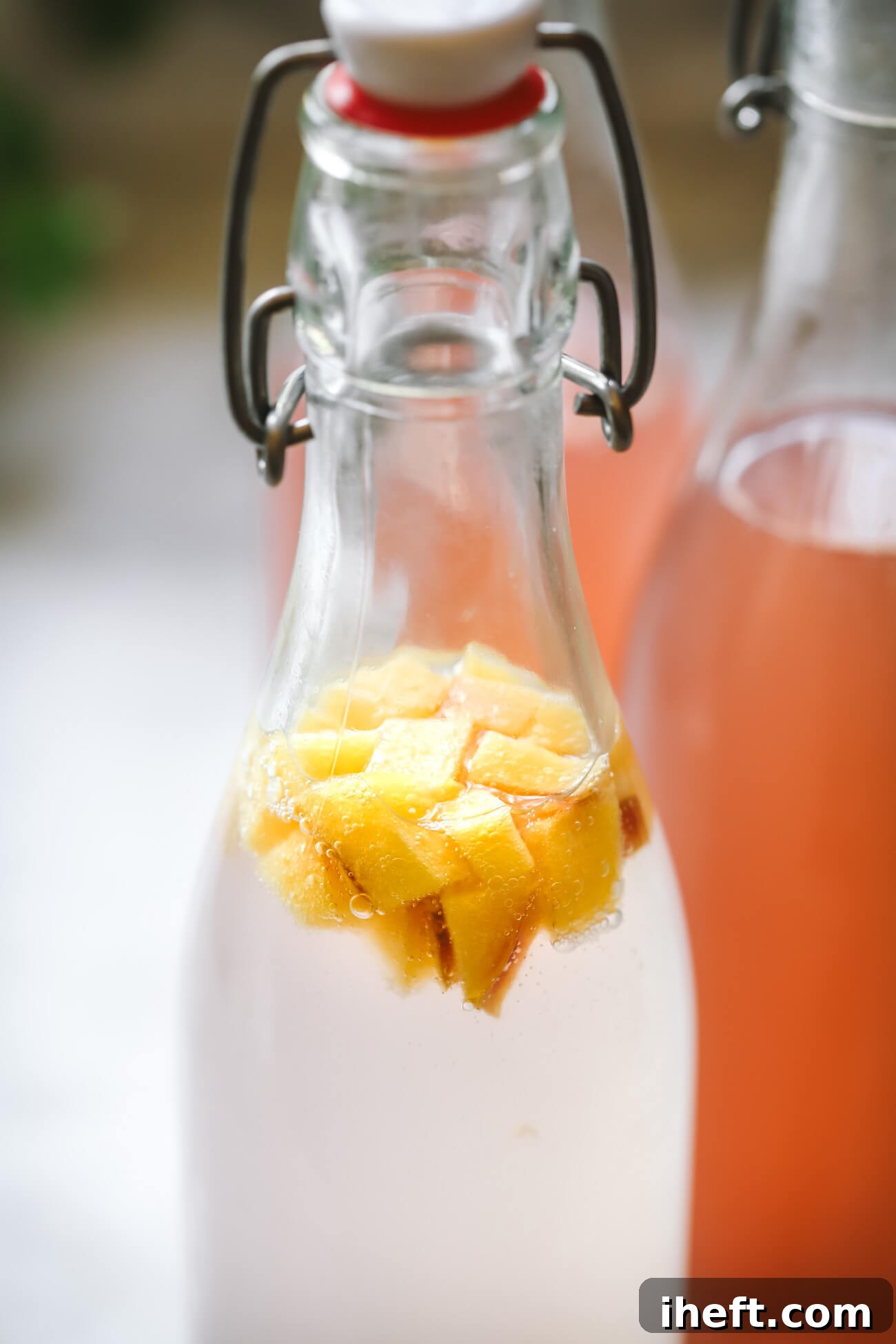
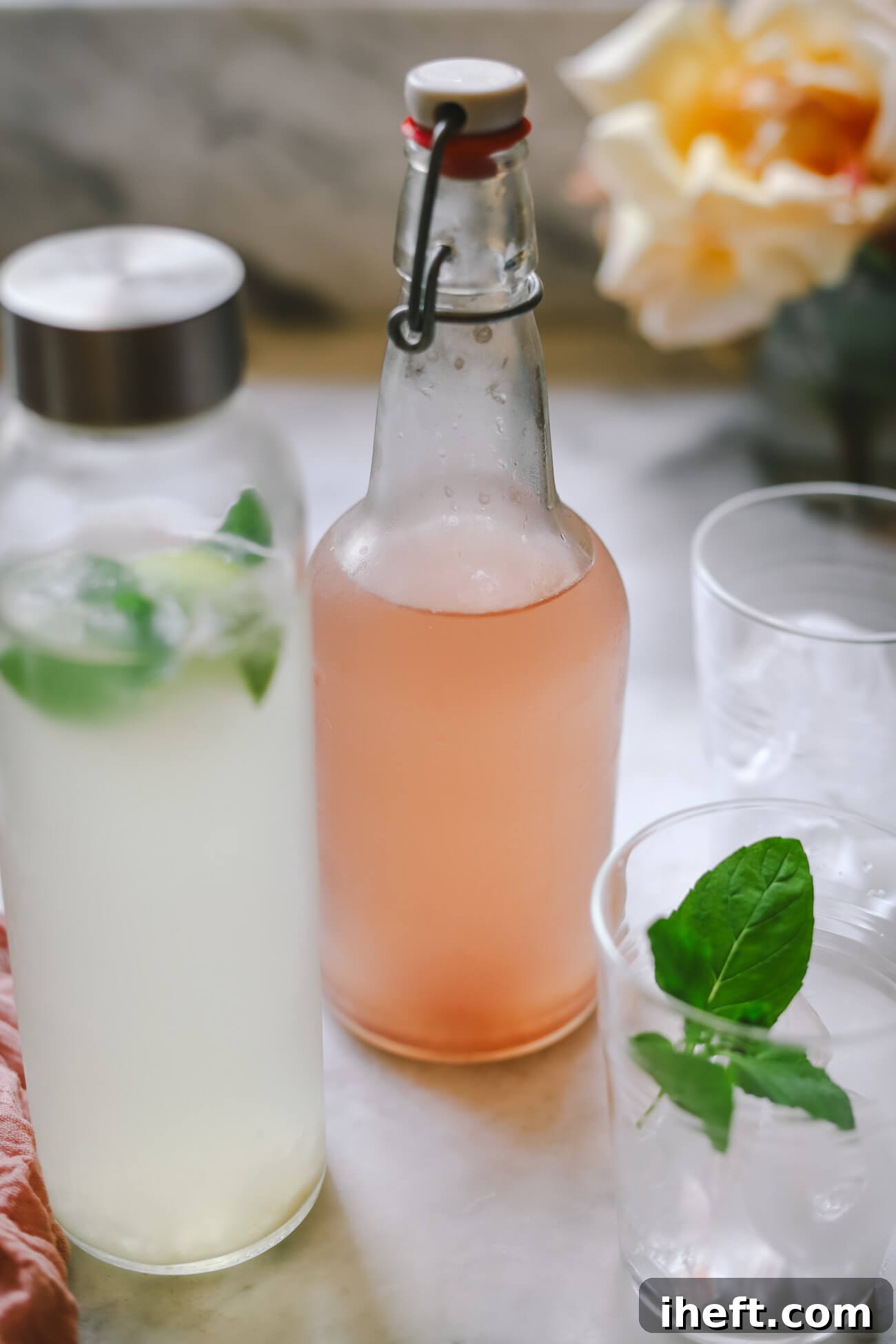
- Optional Second Fermentation (Flavoring and Carbonation): For an extra fizzy and flavored drink, pour the strained kefir into airtight bottles with your choice of fruit, fruit juice, or other flavorings. Allow it to sit at room temperature for another 1-3 days to carbonate naturally, then refrigerate to slow down further fermentation and enjoy.
Whether you’re aiming to significantly support your gut health, reduce your consumption of sugary sodas, or simply explore the world of home fermentation, water kefir is a fantastic place to begin. It’s naturally probiotic, incredibly customizable with endless flavor possibilities, and offers a fun, engaging way to introduce live cultures into your diet. Once you master the initial steps and get the hang of it, you’ll likely find yourself maintaining a continuous batch of this refreshing, healthy drink on your kitchen counter, ready to enjoy at any moment. The journey of making your own water kefir is not just about a delicious drink, but also about cultivating a deeper connection to your food and well-being.

Water Kefir (Agua de Kefir)
Learn how to make water kefir at home with this simple, step-by-step recipe. Also known as agua de kefir, this dairy-free fermented drink is made by combining sugar water with live kefir grains. In just a few days, you’ll have a naturally bubbly, probiotic-rich beverage that’s great for gut health. This beginner-friendly recipe is customizable with your favorite fruits and flavors during a second ferment, allowing you to create your perfect healthy soda alternative.

Ingredients
First Ferment
- 70 grams (about 1/4 cup) live water kefir grains
- 1/4 cup organic cane sugar
- 3 cups filtered water (free of chlorine and fluoride)
Second Ferment (Optional, for flavor and fizz)
- 1/4 cup fruit juice or coconut water (per 3 cups of water kefir)
- Organic liquid stevia (optional, to taste if more sweetness is desired after fermentation)
- Fresh fruit slices, herbs, or spices (optional, for additional flavor)
Instructions
First Ferment
- Refresh Your Grains: If your water kefir grains are dehydrated or haven’t been used recently, follow the package directions to refresh them before starting. This usually involves a few short brews in sugar water to re-activate them.
- Prepare the Sugar Water: Pour ¼ cup of organic cane sugar into a clean quart-size glass jar. Add 3 cups of filtered water, ensuring it’s free of chlorine and fluoride, and stir well until most of the sugar has dissolved.
- Add the Kefir Grains: Gently place the active water kefir grains into the sugar water solution. Avoid using metal utensils as they can potentially harm the grains over time.
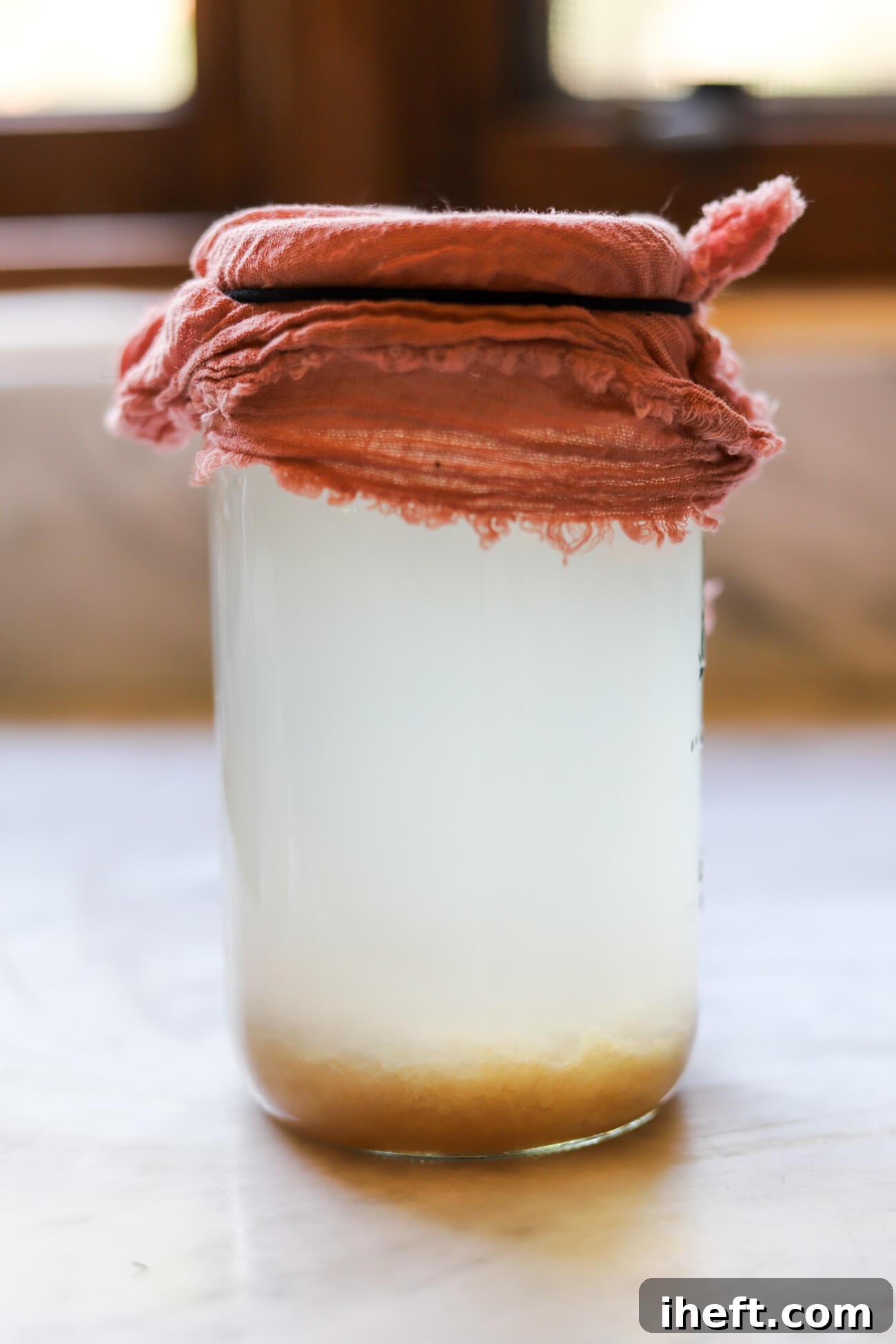
- Cover and Ferment: Cover the jar opening with a breathable cloth, like cheesecloth or a coffee filter, and secure it with a rubber band. This allows air exchange while keeping out contaminants. Place the jar in a warm spot, out of direct sunlight, ideally between 70–80°F (21-27°C). Let it ferment for 24 to 48 hours. The water kefir will ferment faster in warmer conditions or after your grains have become established over a few batches.
- Taste Test and Monitor: After 24 hours, take a small spoonful to taste. It should still have some sweetness but with a noticeable, subtle tang reminiscent of yogurt. The longer it ferments, the less sweet and more tart it will become. Once it reaches a balanced flavor profile (slightly tangy with a hint of residual sweetness), it’s ready. This can take anywhere from 1 to 3 days. You may or may not observe small bubbles on the surface, which is normal.
- Strain and Bottle: Use a fine mesh strainer (non-metal is recommended) to separate the water kefir grains from the fermented liquid. Reserve the grains to start your next batch (see notes for storage). Pour the finished water kefir liquid into clean swing-top bottles using a funnel, leaving some headspace.
- Drink Plain or Proceed to Second Fermentation: At this stage, your kefir is lightly fermented and typically not very fizzy. You can store it in the refrigerator and enjoy it as is, or you can move on to a second fermentation to add flavor and natural carbonation.
Second Ferment (for Flavor and Carbonation)
- Prepare Bottles: Pour your strained water kefir into clean, airtight swing-top bottles, leaving at least 1 inch of headspace at the top to allow for gas buildup.
- Flavor Your Kefir: To each 3 cups of water kefir, add ¼ cup of fruit juice (like pomegranate, apple, or cherry) or coconut water. This additional sugar will be consumed by the remaining bacteria and yeast to create carbonation. You can also add fresh fruit pieces, sliced ginger, mint leaves, or other herbs for unique flavor infusions.
- Second Ferment: Seal the bottles tightly and let the flavored water kefir ferment at room temperature for an additional 1-3 days. During this time, the yeasts will consume the sugars in the juice/fruit, producing carbon dioxide and creating fizz. The longer you ferment, the more carbonated and less sweet it will become. It is crucial to “burp” your bottles 1-2 times per day (briefly open and close the lid) to release excess pressure, which prevents potential bottle explosions.
- Refrigerate and Enjoy: Once your water kefir has reached your desired level of fizz and flavor, transfer the bottles to the refrigerator. This will significantly slow down the fermentation process. If you find the final product isn’t as sweet as you prefer, you can add a few drops of organic liquid stevia or a splash more juice to taste before serving.

Notes and Tips for Success
- Grain Type Matters: Always use dedicated water kefir grains for this recipe. Milk kefir grains require lactose and will not thrive in sugar water.
- Activating New Grains: If you are using new, dehydrated grains, it’s normal for them to be sluggish initially. Follow the supplier’s instructions to activate and refresh them over a few batches before expecting robust fermentation.
- Sugar Choices: While organic cane sugar is ideal, you can experiment with other sugars like coconut sugar. Be aware that darker sugars may result in a darker-colored water kefir. Avoid artificial sweeteners.
- Storage of Finished Kefir: Homemade water kefir is best consumed within 7-10 days when stored in the refrigerator. After this period, it may become more tart and lose some carbonation.
- Scaling Up: You can easily make larger batches by proportionally increasing the ingredients. For example, for a half-gallon batch, use 8 cups of filtered water and 1/2 cup of organic cane sugar with your grains.
- Optimal Juice for Second Ferment: For the second ferment, use filtered or low-pulp juices. Smooth juices, such as pomegranate, apple, or grape juice, tend to carbonate more effectively and leave a cleaner finish compared to pulpy varieties.
- Resting Grains: If you need a break from brewing, place your strained water kefir grains in a fresh sugar water solution (1-2 tablespoons sugar per cup of water) and refrigerate them. They can rest like this for up to 1-2 weeks. For longer breaks, consider dehydrating them or storing them in a denser sugar solution.
Favorite Second Ferment Flavor Ideas:
- Tropical Mojito: Add 1/4 cup coconut water, a few slices of fresh lime, and a handful of fresh mint leaves to the bottle.
- Vibrant Pomegranate: Use 1/4 cup pure pomegranate juice (like POM) for a beautifully colored and tangy drink.
- Sweet Guava: Incorporate 1/4 cup guava juice for an exotic and fragrant flavor.
- Berry Burst: Add a few mashed fresh berries (strawberries, raspberries, blueberries) for a fruity kick.
- Ginger Spice: Thinly slice a piece of fresh ginger and add it to the bottle for a zesty, warming flavor.
Recommended Products
As an Amazon Associate and member of other affiliate programs, I earn from qualifying purchases.
- Live Florida Sun Kefir Natural Water Kefir Grains
- 16 oz. swing top glass bottles
Nutrition Information (estimated per serving):
Yield: 2 servings (from 3 cups of kefir)
Serving Size: 8 oz.
Amount Per Serving:
Calories: 15
Total Fat: 0g
Carbohydrates: 8g
Sugar: 3g
Protein: 0g
(Note: Nutritional values can vary based on fermentation time, sugar type, and flavorings used in the second ferment, as much of the sugar is consumed by the grains.)
More Wellness Beverages to Explore
- Chia Seed Water
- Apple Cider Vinegar Drink
- Detox Water
- Beet Detox Juice
- Lavender Tea