Smart Swaps for Lemongrass
Are you searching for the perfect substitute for lemongrass in your culinary creations? Don’t let its absence deter you! This comprehensive guide reveals the top alternatives to keep your dishes bursting with flavor, even when fresh lemongrass isn’t available.
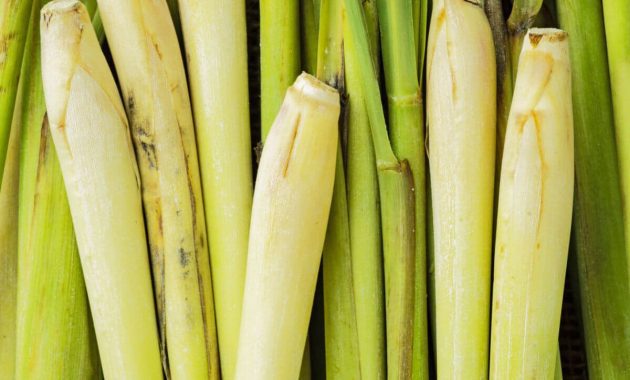
A true culinary gem in Southeast Asian and South Asian cuisines, lemongrass imparts a distinctive herbaceous, bright, and lemony zest to an astonishing array of dishes, from aromatic curries and vibrant soups to refreshing teas and marinades. Its fresh form, in particular, contributes a profound depth of complex flavors that are hard to replicate. Countries like Thailand, Vietnam, Indonesia, and India extensively feature lemongrass in their most celebrated culinary traditions, where its unique profile is essential. Today, home cooks and professional chefs worldwide highly value the unmistakable taste and aroma of this fragrant herb. However, finding fresh lemongrass can often be a challenge, especially in many Western supermarkets. Even dried lemongrass, which offers a more subdued, woodsy note compared to its fresh counterpart, isn’t always a readily available pantry staple.
Fortunately, if your recipe calls for lemongrass and you find yourself without it, there’s no need to despair. There are several excellent lemongrass substitutes that can step in admirably, ensuring your dish maintains its intended aromatic essence and flavor complexity. Lemongrass is renowned for its signature citrusy flavor, subtly intertwined with earthy, sweet, and even a hint of spicy ginger notes. By understanding its core flavor components, we can effectively choose alternatives that mimic its contribution. Often, a combination of ingredients that offer both lemony brightness and a touch of ginger can do a remarkable job. Here, we’ll dive deep into some of the most effective and accessible lemongrass alternatives, helping you recreate that cherished Southeast Asian taste profile, no matter where you shop.
WHAT IS LEMONGRASS? EXPLORING THIS AROMATIC HERB
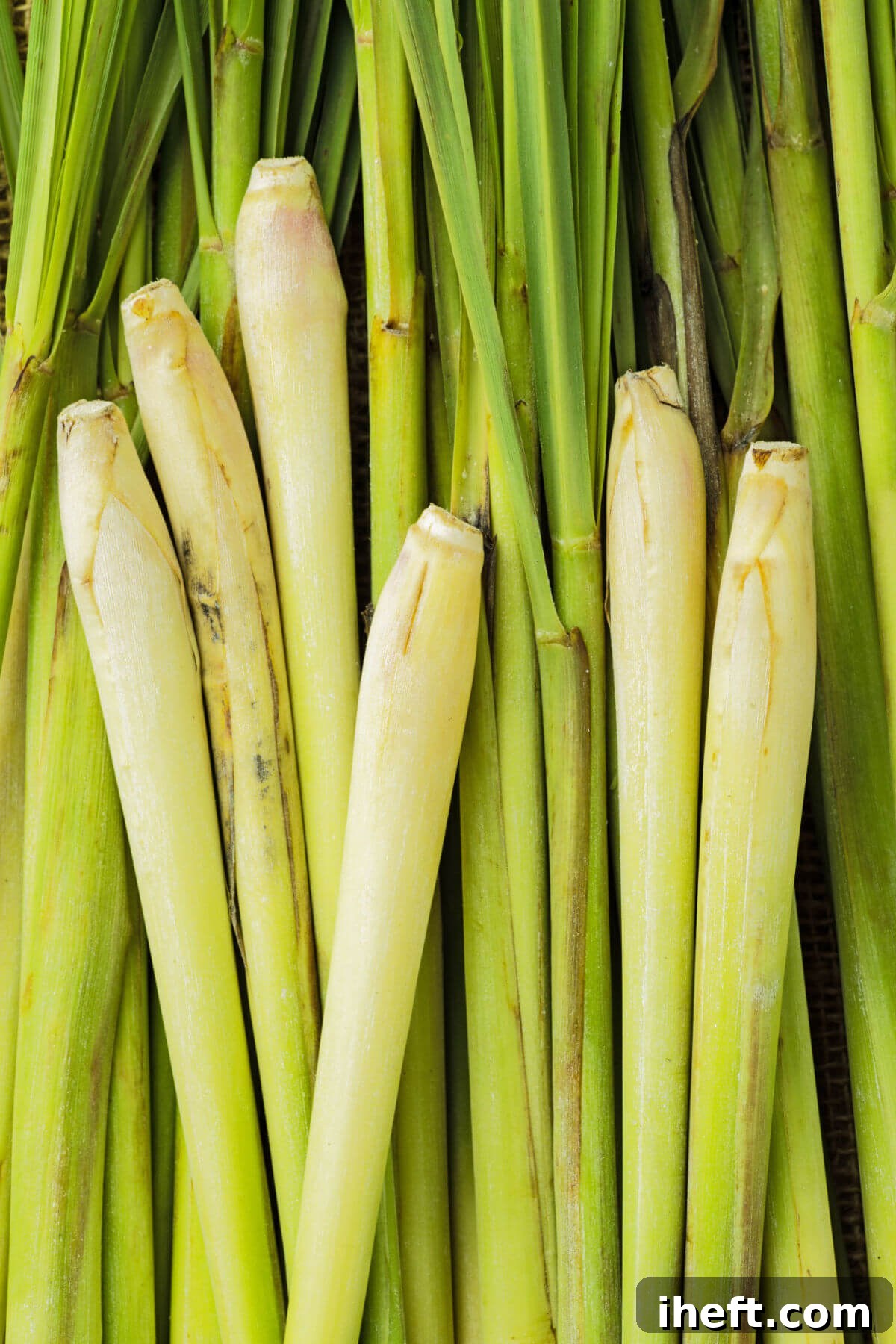
Lemongrass, botanically known as Cymbopogon citratus, is a fascinating perennial herb belonging to the grass family. Characterized by its long, slender leaves that resemble green onion stalks or tall seagrass, this aromatic tropical plant is primarily cultivated for its culinary and medicinal properties. While native to maritime Southeast Asia, its use has spread globally due to its unique flavor and fragrance.
The part of the lemongrass plant most commonly used in cooking is the lower, pale yellow-green stalk. These stalks are incredibly fibrous and aromatic, holding the concentrated essential oils responsible for its distinct flavor. Lemongrass is available in several forms: fresh stalks, which offer the most potent and vibrant flavor; dried stalks or cut pieces, which provide a more muted, woodsy essence; and ground powder, which is convenient but less aromatic. You can also find fresh lemongrass paste, typically sold in tubes or jars, which is a convenient option for quick meal preparation, eliminating the need for chopping and mincing.
WHAT DOES LEMONGRASS TASTE LIKE? UNPACKING ITS COMPLEX FLAVOR PROFILE
The taste of lemongrass is truly unique and multifaceted, making it a beloved ingredient in many global cuisines. It boasts a distinct herbal, bright citrusy flavor that is reminiscent of lemon, but without the harsh sourness. This lemony note is elegantly balanced by subtle undertones of ginger, fresh herbs, and a gentle sweetness. Beyond these prominent flavors, you might detect earthy, woodsy, and even a hint of minty notes, adding to its overall complexity.
When infused into dishes, lemongrass contributes a refreshing and uplifting quality, enhancing other ingredients without overpowering them. It’s this delicate balance of sweet, sour, herbaceous, and mildly spicy notes that gives dishes their characteristic depth and aromatic allure. The essential oils released when the stalks are bruised or minced are key to unlocking this vibrant flavor profile.
HOW TO COOK WITH LEMONGRASS: UNLOCKING ITS FULL POTENTIAL
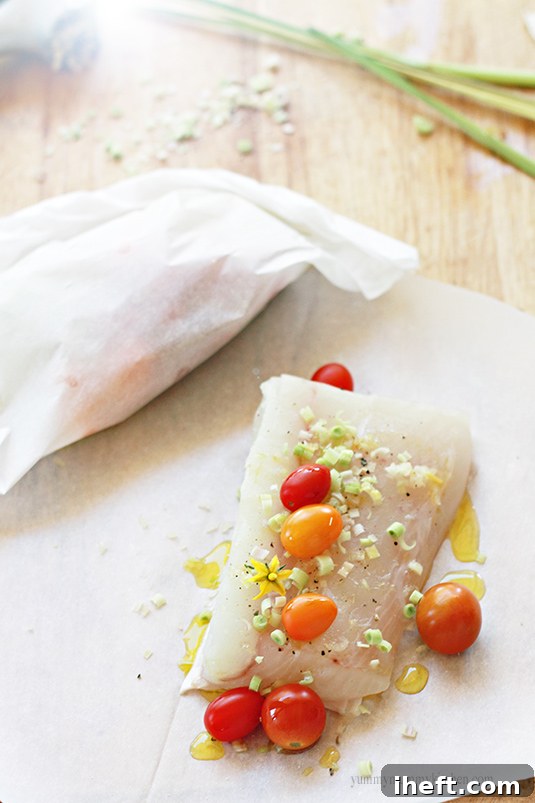
Lemongrass is a cornerstone ingredient in many Asian culinary traditions, particularly excelling in Vietnamese, Thai, Indonesian, Malaysian, and Sri Lankan cuisines. Its versatility allows it to be incorporated into a vast range of preparations, significantly elevating the taste and aroma of everyday meals and special dishes alike.
It’s an indispensable component for crafting authentic stir-fries, providing a fragrant base for savory broths and creamy coconut soups like Tom Yum or Tom Kha Gai. Lemongrass also shines in marinades for poultry, fish, and tofu, tenderizing and infusing them with its signature zest. It’s a key ingredient in many curry pastes, such as the yellow curry paste used in dishes like our Easy Yellow Curry with Chickpeas and Roasted Vegetables. For a delicate main course, minced lemongrass can be a wonderful addition, as demonstrated in our delightful Halibut en Papillote with Lemongrass and Cherry Tomato.
To prepare a fresh lemongrass stalk for cooking, begin by trimming off the fibrous bottom 1-inch root section and discarding it. Similarly, remove the tough, often dry, top green leaves, typically using only the bottom 3-4 inches of the stalk, which is the most tender and flavorful part. Next, peel away any dry or excessively tough outer layers until you reach the paler, more supple inner core. To release its potent essential oils and maximize flavor, gently smash the tender inner stalk with the flat side of a chef’s knife, a meat tenderizer, or a rolling pin. This bruising action breaks down the fibers, allowing the aromatic compounds to infuse your dish more effectively.
Once prepared, the smashed stalk can be added whole to simmering liquids like soups, curries, or teas, similar to how you would use a bay leaf. Remember to remove these larger pieces before serving. Alternatively, for dishes like stir-fries, sauces, or dressings, you can finely mince the tender inner stalk after smashing it. This ensures that the flavor is evenly distributed and can be consumed along with the rest of the meal. Incorporating lemongrass thoughtfully can truly transform your cooking, adding an exotic and refreshing dimension.
Lemongrass’s vibrant flavor profile harmonizes beautifully with a diverse range of ingredients:
- Herbs & Spices: Basil, Chile Peppers, Chives, Cilantro, Cinnamon, Coriander, Garlic, Ginger, Mint, Onions, Sage, Shallots
- Proteins: Chicken, Crab, Fish, Lobster, Shellfish, Shrimp
- Dairy: Cream
- Fruits: Citrus fruits (especially Lime)
- Other Staples: Coconut (milk/cream), Curries, Noodles, Peanuts, Rice
BEST LEMONGRASS SUBSTITUTES FOR COOKING: YOUR ESSENTIAL GUIDE
1. Lemongrass Paste: The Convenient Alternative
Before venturing into other options, always check your local grocery store for lemongrass paste if you can’t find fresh stalks. This pre-minced, ready-to-use paste is an excellent and highly convenient substitute. It captures much of the fresh herb’s flavor and aroma, making it an ideal choice for busy cooks or when fresh produce is scarce. Look for it in the produce section, often near the pre-chopped garlic or ginger, or in the international foods aisle.
How to Use: Generally, you can substitute 1 tablespoon of lemongrass paste for 1 tablespoon of finely minced fresh lemongrass, which is roughly equivalent to one medium stalk. Adjust to your taste preference, as paste concentrations can vary slightly between brands.
2. Lemon: A Bright and Readily Available Stand-In
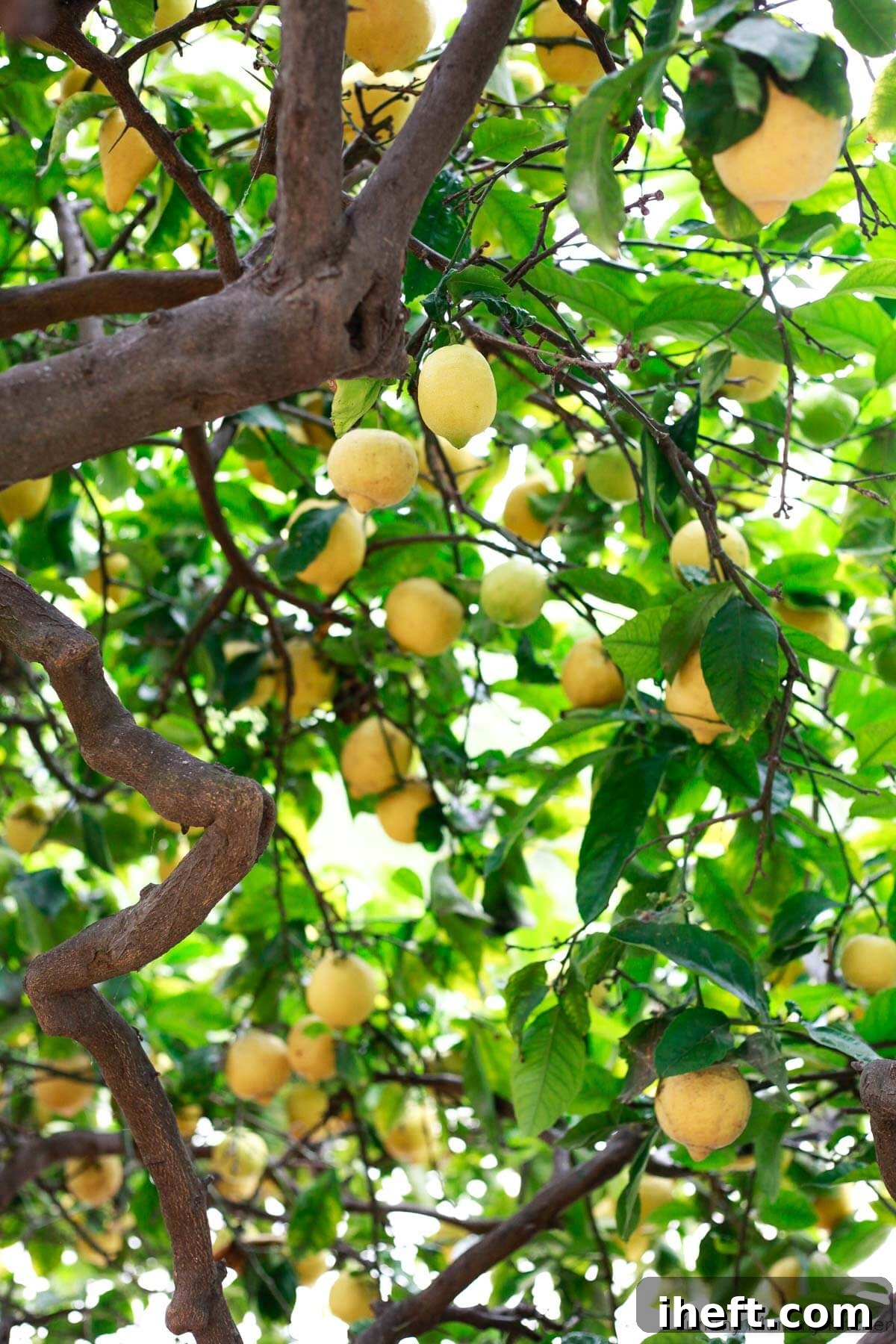
Perhaps the most obvious and universally accessible of all lemongrass substitutes, fresh lemon is a versatile ingredient found in nearly every kitchen. Its dynamic nature means that different parts of the lemon can be utilized to achieve varying flavor profiles, making it a flexible stand-in. The juice provides acidity and brightness, while the zest offers intense aromatic oils.
If your goal is to closely replicate the distinctive lemony, aromatic notes of lemongrass without adding excessive sourness, focusing on the lemon’s natural oils found in its peel is key. Lemon zest is an exceptional lemongrass alternative because it delivers that bright, fragrant citrus essence without overpowering your dish with tartness, as lemon juice might. To achieve a similar flavoring for a recipe calling for one stalk of lemongrass, aim to use the zest from one medium-sized lemon. Remember to grate only the yellow part of the peel, avoiding the bitter white pith.
As an intriguing side note, some adventurous cooks also consider using preserved lemon as a suitable alternative. Popular in North African and Middle Eastern cuisines, preserved lemons are simply lemons that have been cured in salt and their own juices. While they won’t perfectly mimic fresh lemongrass, preserved lemons impart a unique, intensely bright, salty, and mellow citrus flavor, adding a delicious depth to your meal that can be quite appealing in certain contexts.
3. Lemon Verbena: The Herbal Contender
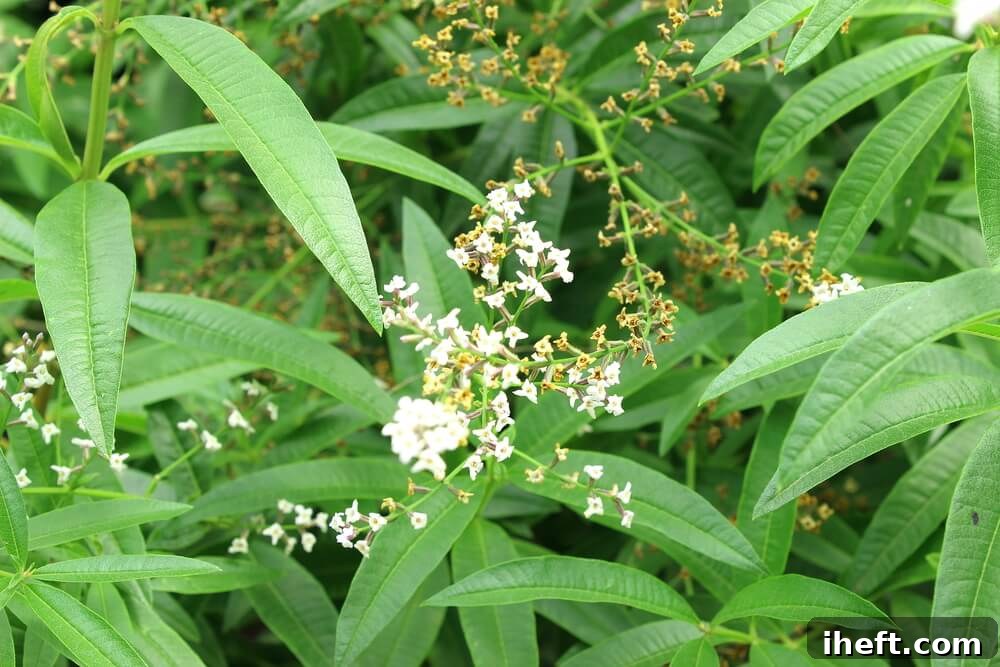
Native to the lush landscapes of South America, lemon verbena is a beloved herb cherished in its own right within many culinary traditions. Many chefs and home cooks even prefer lemon verbena over lemongrass in certain applications, primarily because its citrus-like leaves tend to be less bitter and possess a more refined, elegant lemon aroma. Moreover, lemon verbena is considerably more potent and robust than lemongrass, meaning a little goes a very long way in flavoring your dishes.
Given its strength, caution is advised when substituting lemon verbena for lemongrass. Lemongrass offers a more subtle and nuanced flavor, so if you’re aiming to replicate it, you’ll need to carefully control the amount of lemon verbena to prevent it from dominating your dish. As a general guideline, if your recipe requires one stalk of lemongrass, start by adding just two fresh lemon verbena leaves. Taste and adjust. If the lemony profile isn’t quite as pronounced as you’d like, you can enhance it further with a touch of lemon zest. Remember to remove the lemon verbena leaves from your meal before serving, as they can be tough and fibrous.
4. Lemon Balm: The Minty Citrus Whisper
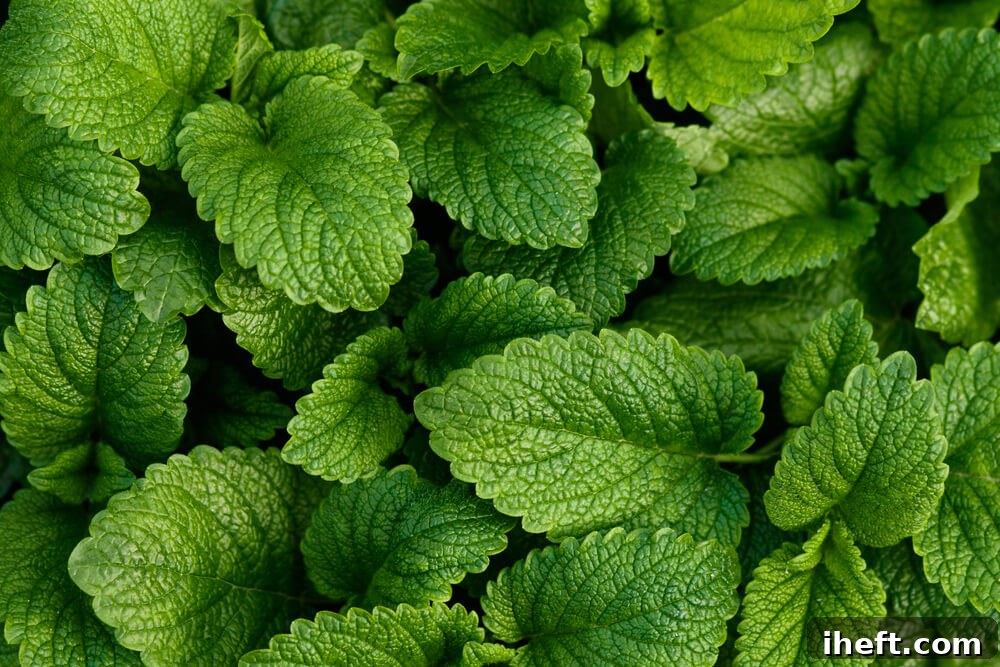
Lemon balm, often affectionately known as “balm mint,” is a delightful herb belonging to the expansive mint family (Lamiaceae). It’s a popular choice for home gardeners, thriving easily in kitchen window boxes or herb gardens, offering both beauty and utility. This charming herb is frequently employed in infusions for teas, light soups, and fresh salads, imparting its characteristic subtle lemony flavor complemented by a refreshing, delicate minty undertone. Its unique combination of citrus and mint provides an uplifting and invigorating quality to dishes and beverages, making it a favorite among cooks worldwide seeking a gentle, aromatic touch.
When considering lemon balm as a stand-in for lemongrass, it’s important to note its milder flavor profile. For every stalk of lemongrass a recipe calls for, you should plan to use approximately three fresh lemon balm leaves. To maximize its impact, using fresh leaves is highly recommended, as dried lemon balm loses much of its aromatic potency. As a more delicate herb, lemon balm doesn’t possess the same intense citrus punch as some other lemongrass alternatives. However, you can amplify its presence by finely chopping or mincing the leaves before adding them to your dishes. Unlike lemon verbena or whole lemongrass stalks, lemon balm leaves are tender enough that you will not need to remove them from your dish before serving, making it a convenient addition.
5. Kaffir Lime Leaves: The Authentic Asian Aroma
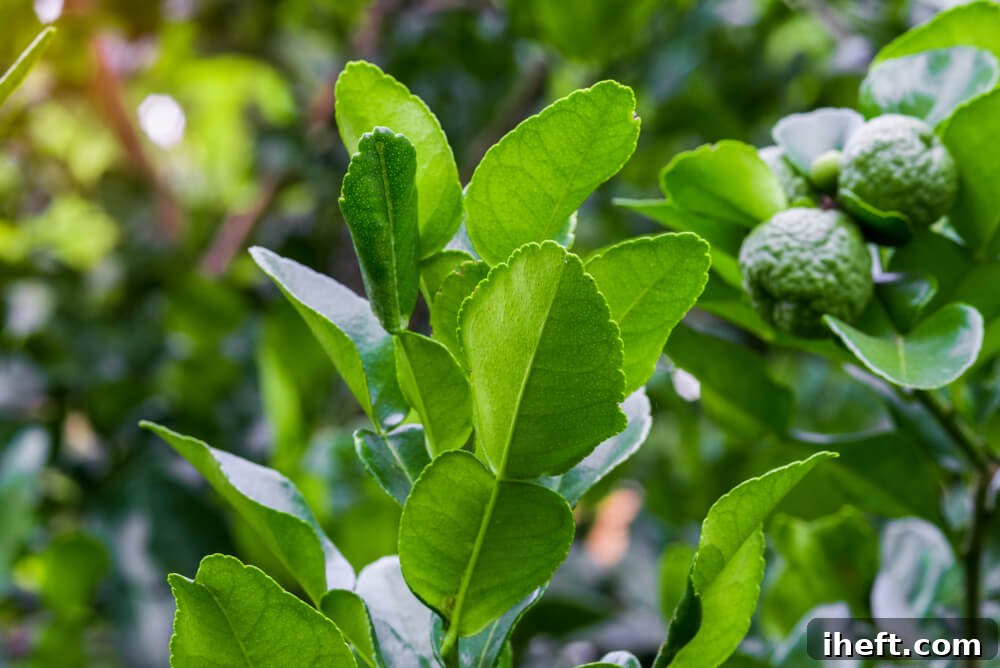
Also known as Makrut lime leaves or Thai limes, Kaffir lime leaves are another indispensable ingredient widely used across various Southeast Asian cuisines, particularly in the vibrant dishes of Thailand, Vietnam, Cambodia, and Malaysia. These distinct leaves, characterized by their unique hourglass or double-leaf shape, offer a wonderfully gentle yet deeply aromatic citrus flavor that can significantly brighten and enhance teas, curries, and soups. Their scent is often described as a complex blend of lime, mandarin, and a hint of floral notes, making them an excellent choice for mimicking the aromatic qualities of lemongrass.
Similar to fresh lemongrass, Kaffir lime leaves might not always be readily available in standard Western supermarkets. However, you might have better luck finding them in Asian specialty grocery stores, or even in dried or frozen forms, which serve as superb and long-lasting lemongrass alternatives for your culinary adventures. The dried leaves should be rehydrated before use, and both dried and frozen options retain a good portion of their essential oils.
Kaffir lime leaves deliver a subtle yet profound aromatic presence, much like lemongrass. To replicate the flavor profile, use one fresh Kaffir lime leaf for every single lemongrass stalk a recipe specifies. It’s crucial to note that regular lime leaves or lemon leaves will not produce the same distinct flavor; only Kaffir lime leaves possess the specific aromatic compounds required for this substitution. After your cooking is complete, it’s generally recommended to remove the whole Kaffir lime leaves before serving your meal, as they can be tough to chew. If you find the flavor too subtle for your palate, you can augment it by adding a touch of fresh lime juice and zest from a regular lime, carefully balancing the citrus notes to achieve your desired flavor profile.
6. Ginger: Adding a Warm, Pungent Kick
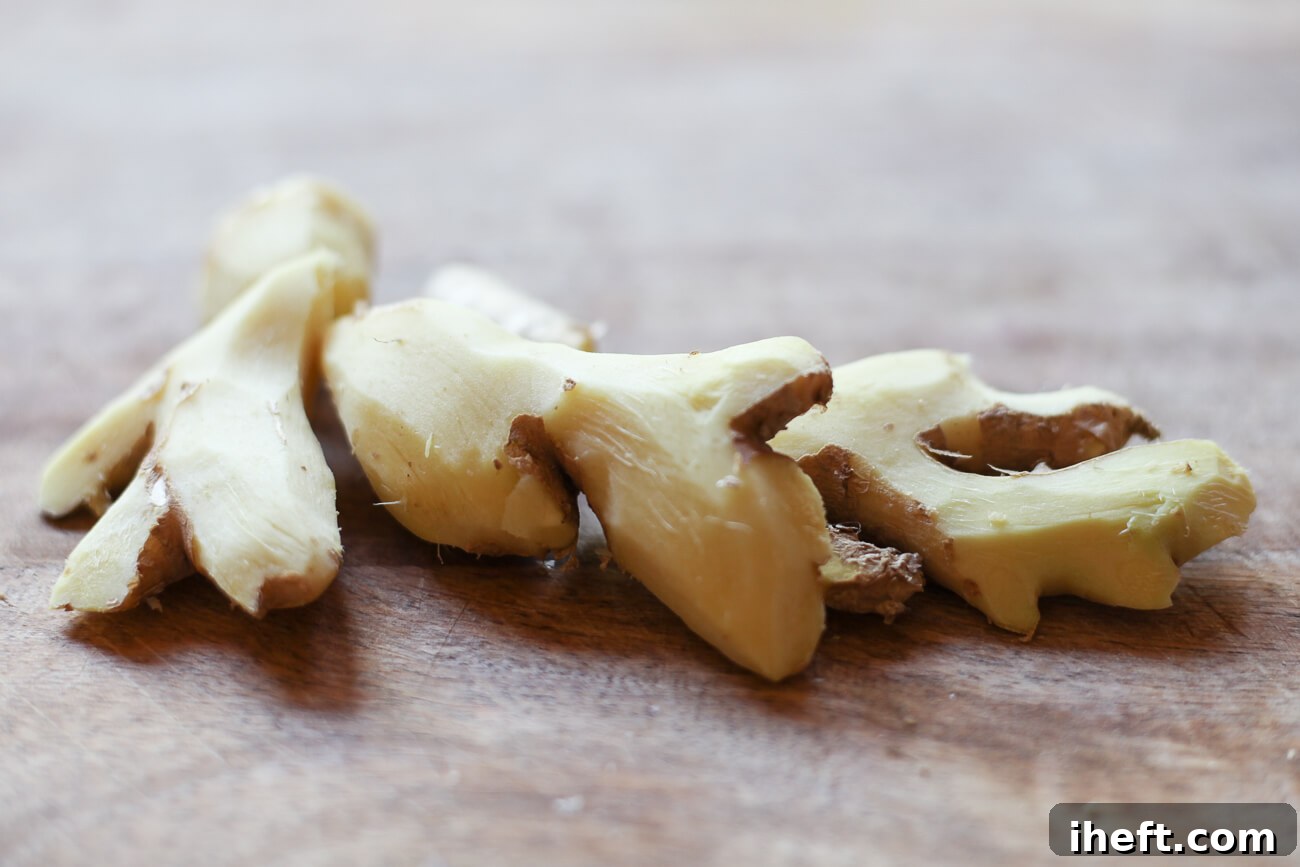
Many culinary enthusiasts agree that lemongrass carries subtle, peppery undertones reminiscent of ginger. Ginger, itself an incredibly versatile spice, is celebrated for its intense, earthy, pungent, and mildly spicy flavor. A little bit goes a long way, and its warmth can add a beautiful depth to dishes. Like lemongrass, fresh ginger root is a staple in various Asian cuisines and excels in preparations such as stir-fries, marinades, and a wide array of curries and soups.
While ginger alone won’t provide the distinct lemony brightness of lemongrass, it perfectly complements the “ginger hint” that many associate with the herb. When using ginger as a standalone substitute, start with a small amount (e.g., ½ teaspoon grated ginger for one stalk of lemongrass) and taste before adding more, as its flavor is much more assertive. For the best approximation, pair ginger with a citrus component like lemon zest or lime juice to bring in the missing lemony notes.
7. Culinary Herbs: Capturing the Green Notes
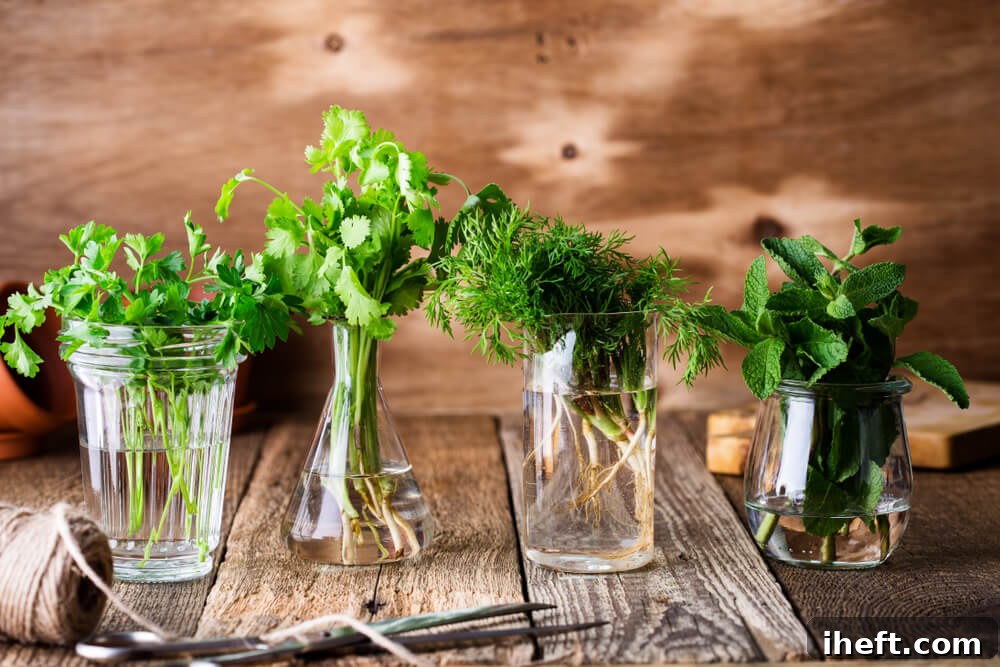
While specific herbs might not replicate the exact lemony-ginger profile of lemongrass, they can effectively contribute to the fresh, herbaceous, and aromatic notes that are a crucial part of lemongrass’s appeal. When the goal is to add a fresh, green, and slightly peppery dimension, several common herbs can come to your rescue:
- Cilantro (Coriander): Offers a bright, fresh, and slightly citrusy herbal flavor that works well in many Southeast Asian dishes.
- Mint: Provides a refreshing and cooling sensation, along with a subtle herbaceousness, which can lighten and brighten a dish.
- Arugula: While less common as a direct substitute, its peppery, slightly bitter notes can add an interesting herbaceous kick, especially in fresh preparations or salads where a pungent green note is desired.
These herbs are best used in conjunction with other substitutes like lemon zest or ginger to build a more comprehensive flavor profile resembling lemongrass. For instance, a combination of fresh cilantro and lemon zest can offer a lovely, bright, and herbaceous foundation.
THE ULTIMATE LEMONGRASS SUBSTITUTE COMBINATION
While each of the alternatives discussed above can serve well individually, particularly in a pinch, the most effective and nuanced lemongrass substitute often comes from combining several of these ingredients. Lemongrass itself is a symphony of flavors—lemony, herbal, slightly gingery, and subtly sweet. To truly capture this complexity, a multi-component approach is often superior.
For an easy-to-find, balanced, and remarkably effective alternative, we highly recommend trying a combination of **lemon zest**, a little **freshly grated ginger**, and a handful of fresh **cilantro**. The lemon zest will provide the essential bright, citrusy aroma; the ginger will introduce that warm, peppery undertone; and the cilantro will contribute the fresh, herbaceous green notes. This trio works synergistically to create a flavor profile that comes remarkably close to fresh lemongrass, allowing your dishes to retain their authentic essence. Start with small quantities (e.g., zest of half a lemon, ½ teaspoon grated ginger, 1-2 tablespoons chopped cilantro for one stalk of lemongrass) and adjust to achieve your desired balance, bringing an exotic and refreshing dimension to your cooking.
MORE HELPFUL SUBSTITUTION GUIDES FOR YOUR KITCHEN
- Fenugreek Substitute: Essential Alternatives
- Tarragon Substitute: Best Replacements for This Anise-Like Herb
- Red Wine Vinegar Substitute: Smart Swaps for Your Pantry
- How Many Tablespoons in a Cup? Your Kitchen Measurement Guide
- How Many Ounces in a Cup? A Comprehensive Guide for Liquid and Dry Ingredients