Zesty Lemon Delight
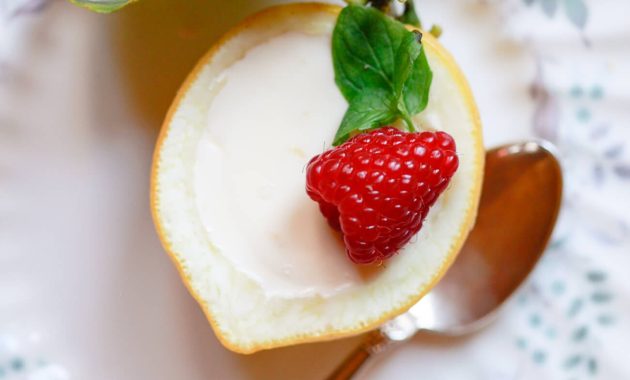
Welcome to the enchanting world of Lemon Posset, a truly simple yet spectacularly elegant British dessert that promises to captivate your senses with its delightful tang and velvety texture. If you’re searching for an effortless sweet treat that embodies sophistication, look no further. This classic lemon cream dessert requires just three core ingredients and minimal preparation, making it a perfect choice for both novice and experienced home cooks.
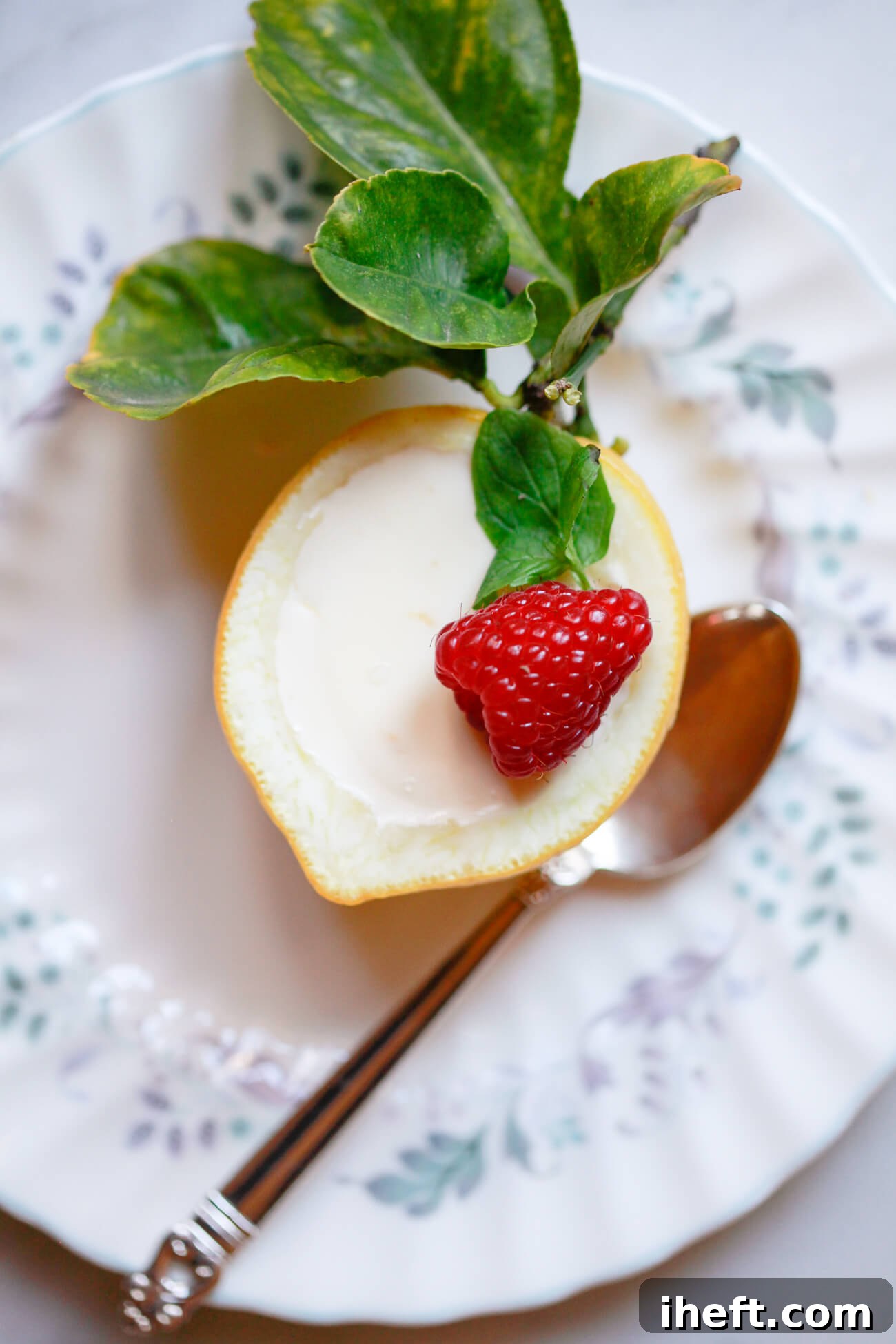
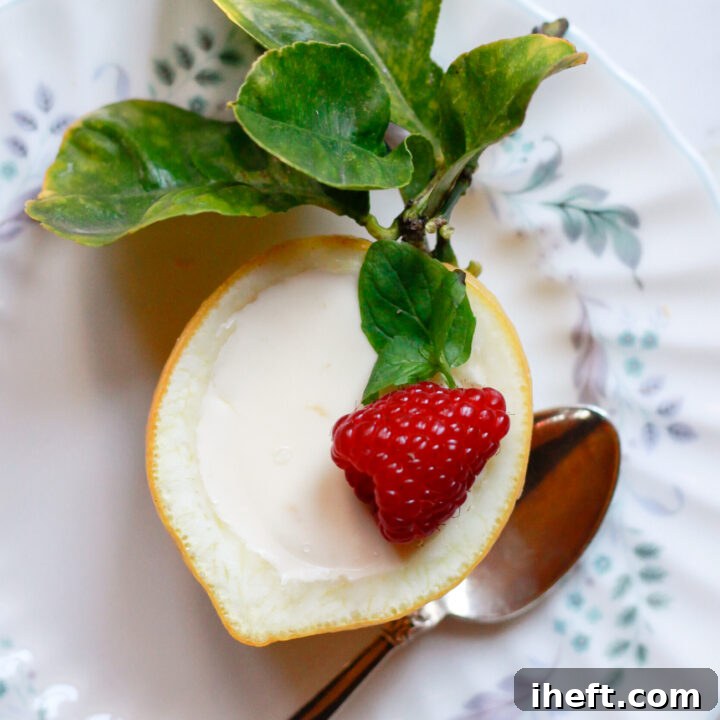
There’s no better time to indulge in the bright, refreshing flavors of lemon posset than during citrus season. This straightforward recipe masterfully combines rich, velvety cream with the vibrant, tangy essence of fresh lemon juice and just the right touch of sweetness. The magic truly unfolds as these humble ingredients harmonize, often presented beautifully within hollowed-out, zesty lemon shells for an added visual and aromatic charm.
Each spoonful of this easy dessert delivers a fresh, silky, and irresistibly balanced sweet-tart experience. Lemon posset is more than just a dessert; it’s a timeless British culinary gem that deserves a permanent spot in your repertoire of simple, impressive treats. Its creamy, custard-like consistency, achieved without any gelatin or eggs, sets it apart as a unique and delightful confection.
Unveiling the Mystery: What Exactly is a Posset?
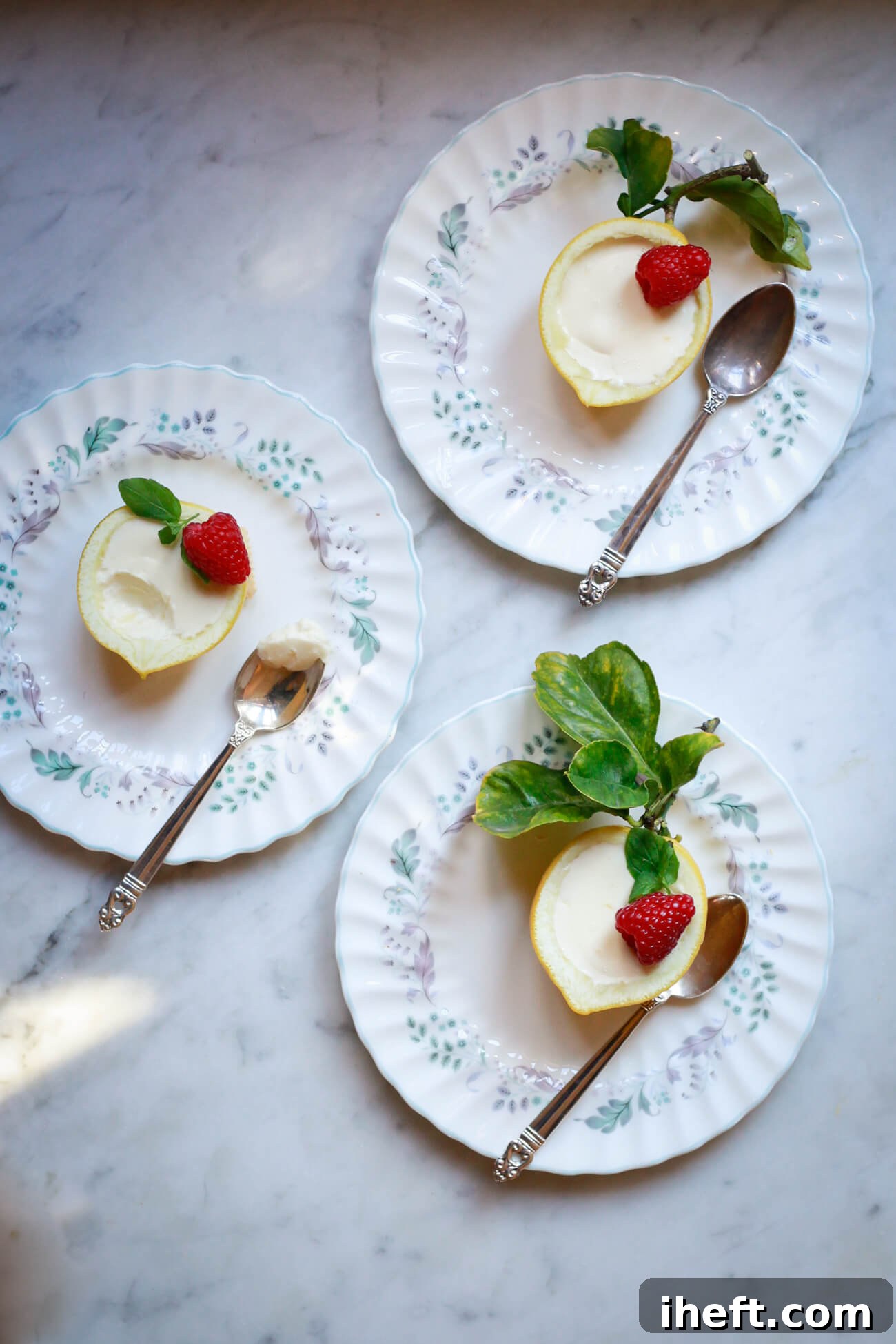
Pronounced PAH-sit, a posset is a centuries-old British delicacy. At its heart, it’s a silky, light lemon cream that transforms into a firm, yet wonderfully smooth, custard-like dessert upon chilling. Unlike many custards that rely on eggs or gelatin for their set, posset achieves its distinct texture through a fascinating chemical reaction between cream and acid. This makes it a remarkably clean and pure tasting dessert, allowing the bright lemon flavor to truly shine. While traditionally served in individual dishes or elegant ramekins, presenting posset within hollowed lemon shells adds an extra layer of charm and enhances the citrus experience.
A Journey Through Time: The Ancient Origins of Posset
The intriguing history of the word “posset” dates back to medieval England, with roots tracing further to the Latin term “posca.” Initially, “posca” referred to a popular Roman beverage, a simple mix of water with vinegar or sour wine, consumed for refreshment and sustenance. Over centuries, this concept evolved significantly, giving rise to spiced or curdled milk drinks, which gradually transformed into the creamy, custard-like dessert we cherish today.
In medieval England, a posset was a far cry from its modern dessert counterpart. It was typically a warm, often alcoholic beverage, rich with spices, made from milk, ale, or wine, and sweetened to taste. Beyond its role as a festive drink, it was also widely regarded for its perceived medicinal properties, often served as a comforting remedy for colds and various ailments. As culinary arts advanced and palates refined, the posset underwent a remarkable metamorphosis, transitioning from a warm, spiced drink to a chilled, creamy dessert. This modern iteration, exemplified by the Lemon Posset, uses cream, sugar, and the natural acidity of citrus juice to achieve its delicate set, marking a significant evolution in its culinary journey.
Why Lemon Posset Deserves a Spot on Your Dessert Menu
So, amidst a world of countless sweet indulgences, why should lemon posset be your next choice? The answer lies in its unparalleled combination of ease, elegance, and pure, refreshing flavor. It’s the quintessential dessert for those who yearn for a vibrant burst of citrusy freshness without the fuss and complexity often associated with gourmet recipes. Imagine crafting a masterpiece with just three primary ingredients: luxurious heavy cream, bright, zesty lemon juice, and fine granulated sugar. This simple trinity lays the foundation for a dessert that is both visually appealing and effortlessly delicious.
Beyond its minimalist ingredient list, lemon posset boasts another significant advantage: it can be prepared well in advance. This makes it an absolute lifesaver for dinner parties, special gatherings, or simply when you want a stress-free dessert waiting for you. Spend less time in the kitchen and more time enjoying your guests, knowing a perfectly chilled, perfectly set lemon posset is patiently awaiting its grand reveal.
The Science of Sweetness: How Lemon Posset Works Its Culinary Magic
The transformation of simple cream into a delectable, custard-like posset is nothing short of culinary alchemy, and the secret lies in the inherent acidity of freshly squeezed lemon juice. When the warm mixture of cream and sugar is gently infused with lemon juice, the acid triggers a fascinating process known as denaturation of proteins within the cream. Essentially, the acid causes the protein molecules to unravel and then bind together, leading to a gentle coagulation that thickens the cream. This natural setting agent eliminates the need for gelatin or eggs, yielding a remarkably smooth and pure texture.
The sugar in the recipe plays a multifaceted role. Beyond simply sweetening the dessert, it also contributes significantly to the overall richness, body, and smooth consistency of the posset. It helps balance the tartness of the lemon and prevents the curdling from becoming too coarse. The magic truly solidifies during the cooling process; first at room temperature, which allows the initial setting to occur gradually, and then in the refrigerator, where the posset achieves its final, firm, yet wonderfully delicate consistency.
Posset vs. Panna Cotta: A Tale of Two Creamy Desserts
While Lemon Posset and the renowned Italian dessert Panna Cotta share a creamy, delightful texture, their fundamental difference lies in how they achieve their set. Panna Cotta, which elegantly translates to “cooked cream” in Italian, traditionally relies on the magic of gelatin to achieve its signature firm yet wobbly texture. Gelatin, a protein derived from collagen, forms a stable gel network when dissolved in warm liquid and then chilled.
In stark contrast, Lemon Posset champions a more natural approach, depending entirely on the chemical reaction between the acidity of citrus juice and the proteins in the cream. This method results in a velvety custard that feels lighter and less “jelly-like” than panna cotta, offering a distinctly clean and bright flavor profile without the use of any animal-derived setting agents (except for the cream itself). This distinction makes posset particularly appealing to those seeking a dessert free from gelatin.
Posset vs. Syllabub: Nuances in British Cream-Based Delights
Exploring further into the realm of traditional British cream-based desserts reveals Syllabub, another creation that involves curdled cream. While both Posset and Syllabub utilize acid to curdle cream, key differences exist in their preparation, ingredients, and resulting textures. Posset, as discussed, primarily uses lemon juice to gently set the cream, producing a denser, more intensely creamy, and smooth custard-like consistency.
Syllabub, on the other hand, typically achieves its characteristic texture through the curdling action of alcohol, often wine or cider, which is then whipped into cream. This whipping action, combined with the alcohol’s acidic properties, results in a much lighter, airier, and often frothy dessert. Syllabub, with its delicate, almost ethereal quality, stands in contrast to the more substantial and rich character of posset. Each offers a unique texture and flavor experience, celebrating different facets of British culinary heritage.
Your Essential Shopping List: Just 3 Simple Ingredients for Lemon Posset
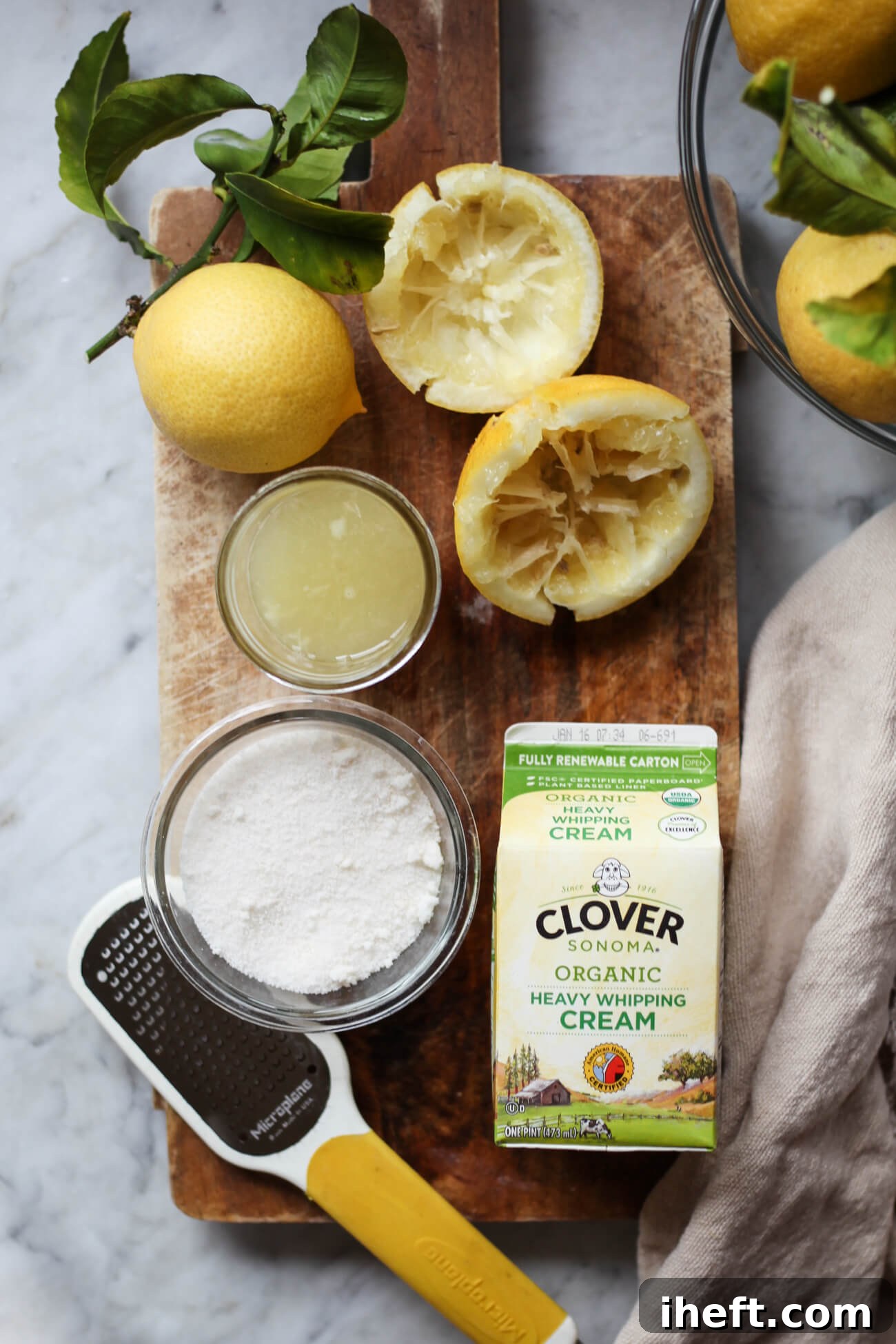
One of the most appealing aspects of lemon posset is its incredibly short and sweet ingredient list. You don’t need fancy components or an extensive grocery run to create this delightful dessert. Focus on quality, as each ingredient plays a crucial role in the final flavor and texture. Here’s what you’ll need:
- Heavy Cream: Opt for full-fat heavy cream (also known as whipping cream) with at least 36% milk fat. This high-fat content is essential for the posset to set properly and achieve that luxurious, velvety texture. Do not substitute with half-and-half, milk, or light cream, as the lower fat content will prevent proper setting.
- Granulated Sugar: Simple white granulated sugar provides the sweetness that balances the tartness of the lemon and helps create the rich body of the posset.
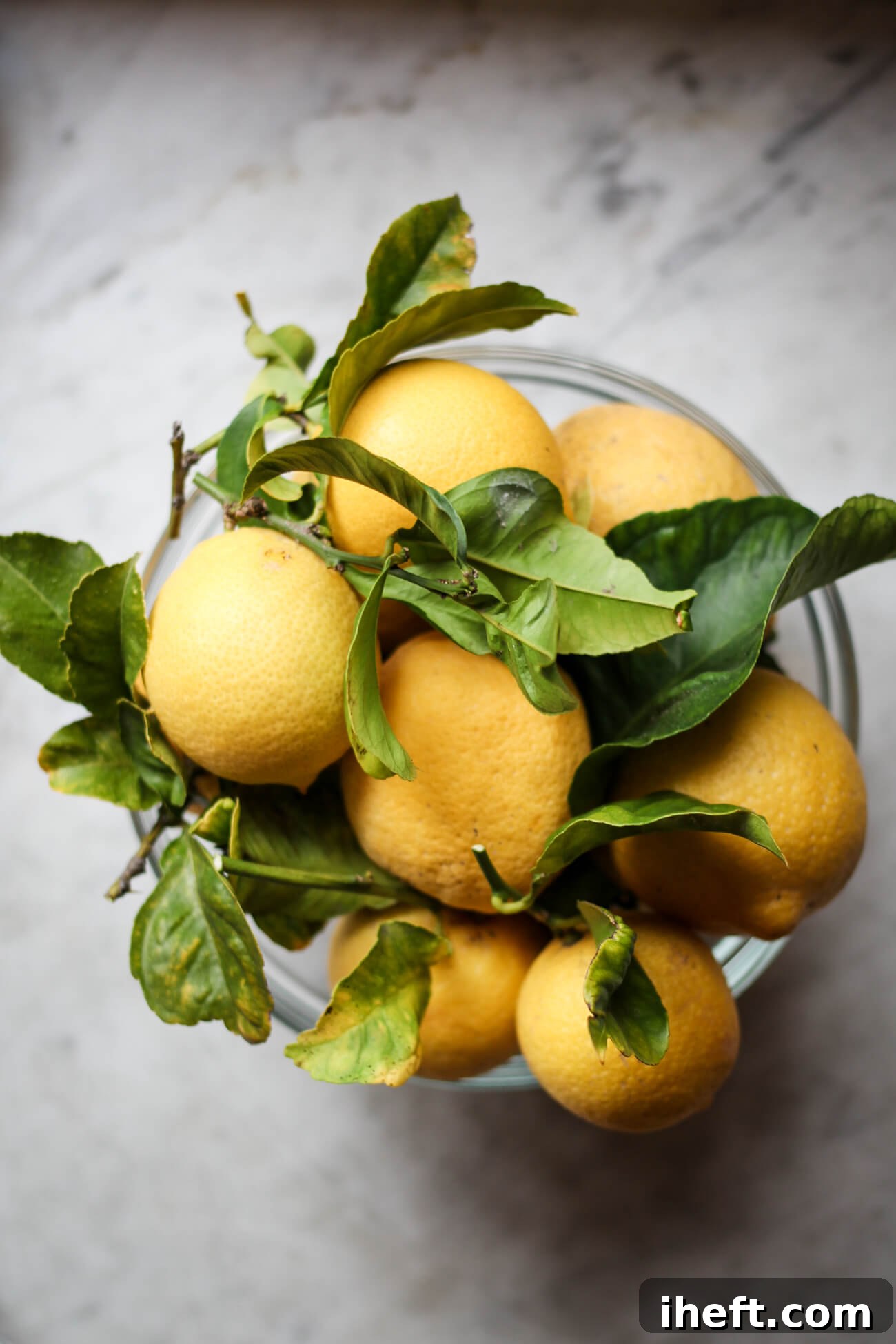
- Fresh Lemon Juice and Zest: This is where the magic truly happens! Always use freshly squeezed lemon juice for the brightest, most authentic flavor. Bottled lemon juice often contains preservatives and lacks the vibrant punch that fresh lemons provide, which is crucial for both taste and the setting process. The zest of one lemon adds an extra layer of aromatic citrus oil, intensifying the lemon flavor without adding more acidity.
Crafting Perfection: How to Make Lemon Posset
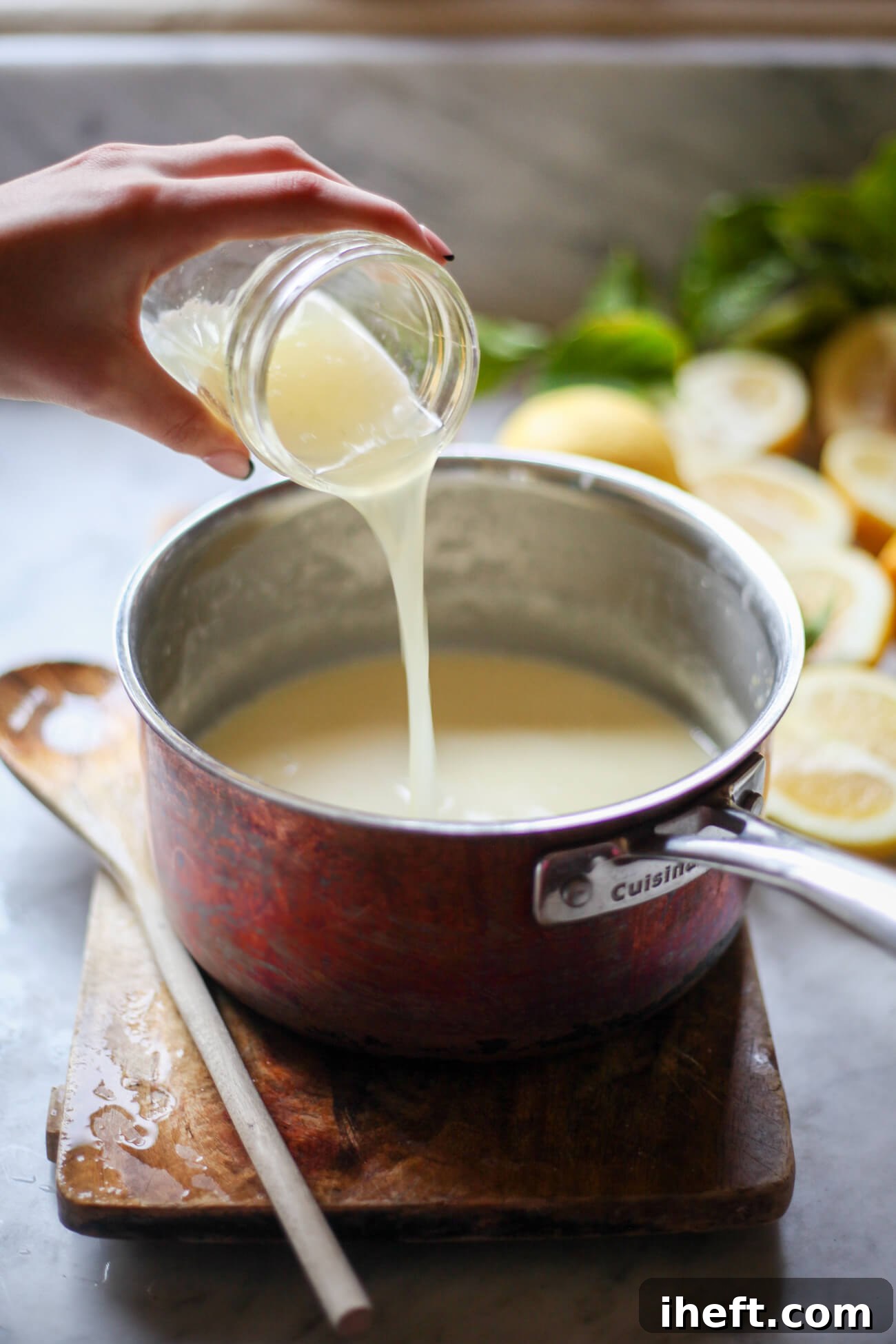
Making this exquisite lemon posset is surprisingly straightforward, involving just a few key steps. Precision and attention to detail during these stages will ensure a perfectly set and deliciously balanced dessert.
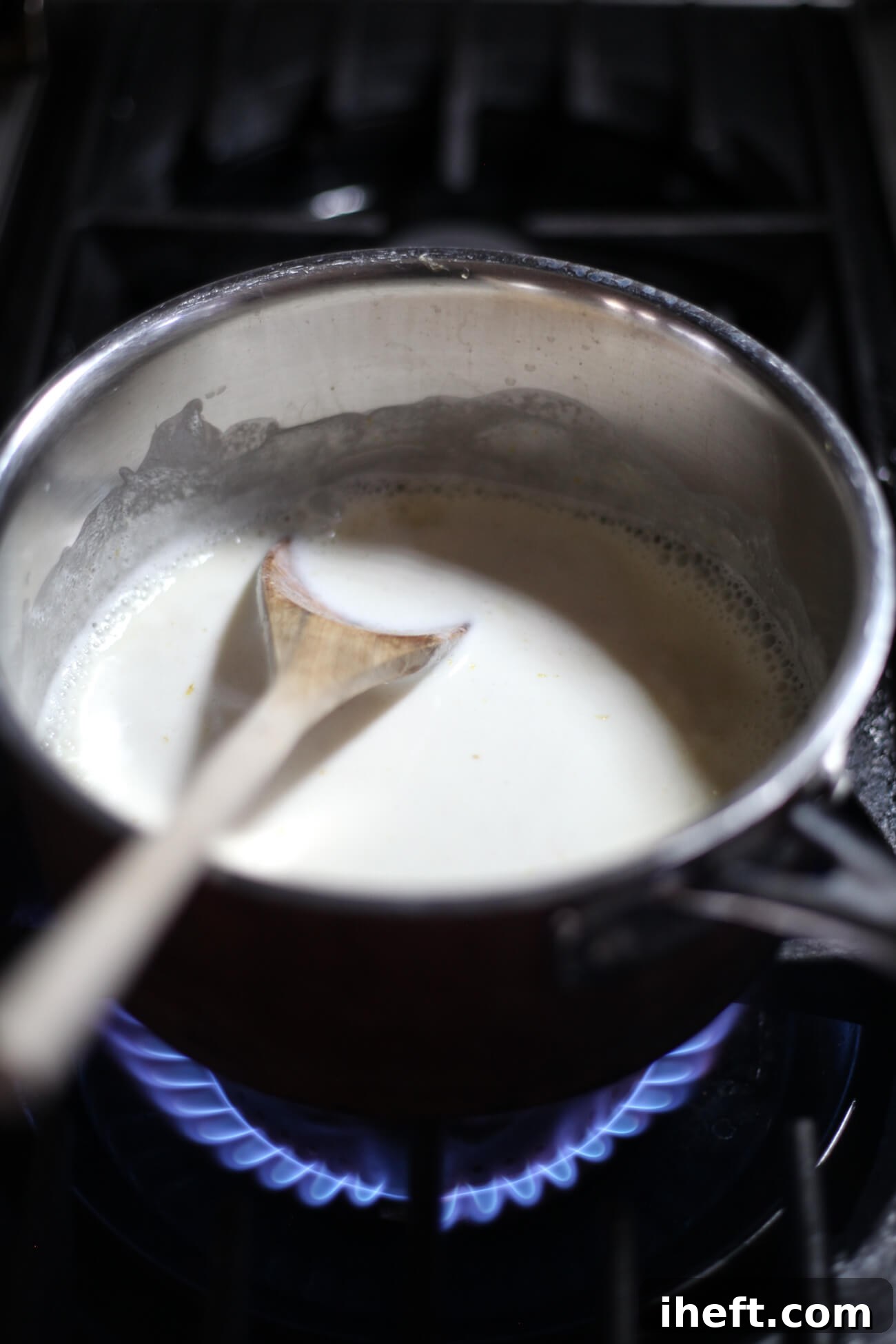
- Simmer Cream and Sugar: Begin by combining the heavy cream, granulated sugar, and delicate lemon zest in a medium-sized saucepan. Place the saucepan over medium heat. Stir the mixture continuously until all the sugar crystals have completely dissolved. Once dissolved, bring the cream mixture to a gentle simmer, allowing it to bubble softly. Continue to simmer, stirring frequently, for precisely 2-3 minutes. This simmering time is critical as it helps to slightly reduce the cream and dissolve the sugar thoroughly, preparing it for the acidic lemon juice.
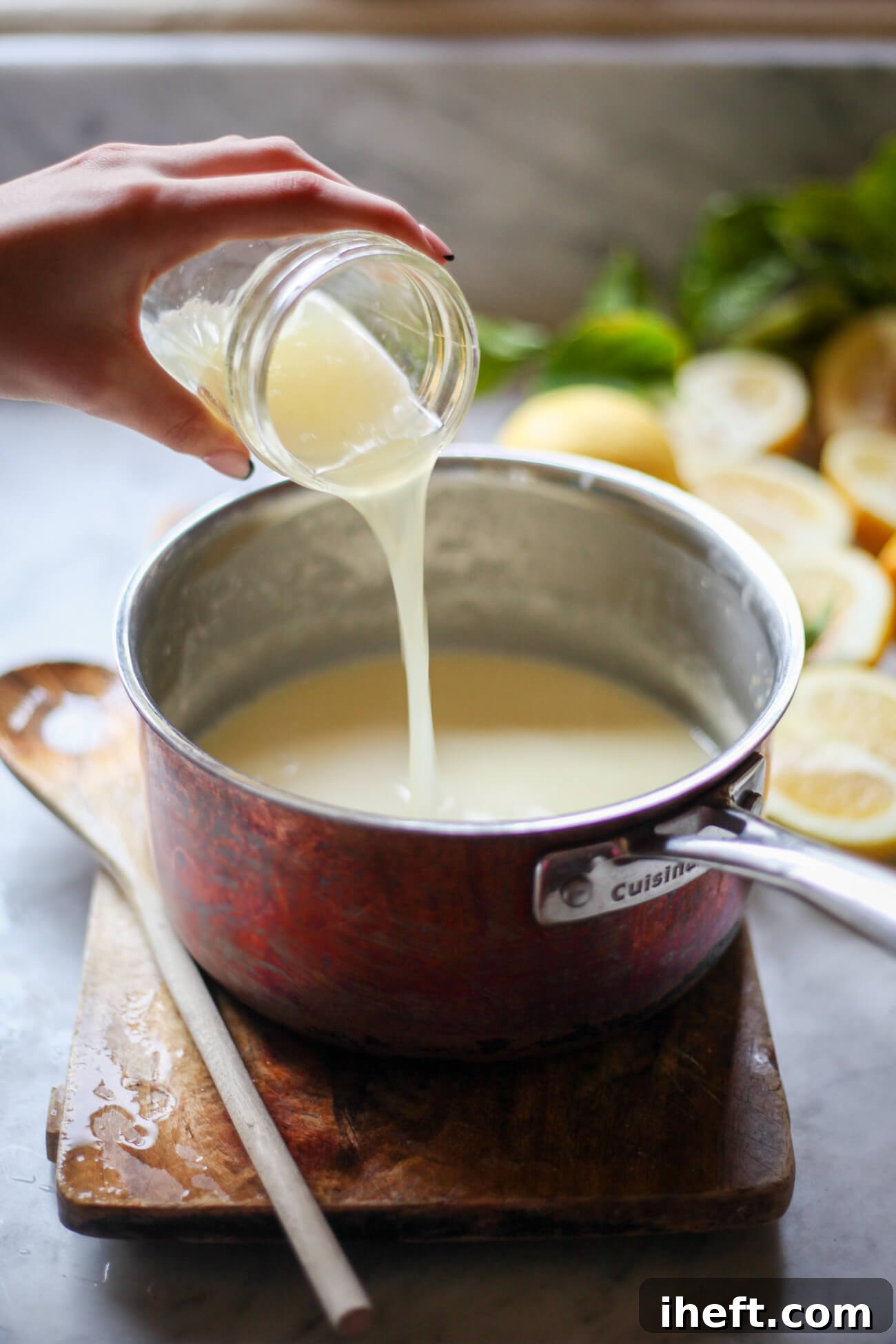
- Stir in Lemon Juice: Carefully remove the saucepan from the heat. This is the moment for the culinary alchemy! Pour in the freshly squeezed lemon juice, stirring it vigorously into the hot cream mixture. The acid in the lemon juice will immediately begin its work, gently curdling the cream to initiate the setting process.
- Cool to Set: Allow the mixture to cool in the pan for about 10 minutes, giving it a chance to start thickening. After this initial cooling, give it another good stir. Then, carefully pour the warm lemon cream into your chosen serving dishes or prepared lemon shells. Let the posset cool completely to room temperature before transferring it to the refrigerator. Chill for at least one hour, or preferably longer, until the custard has fully set and is thoroughly chilled.
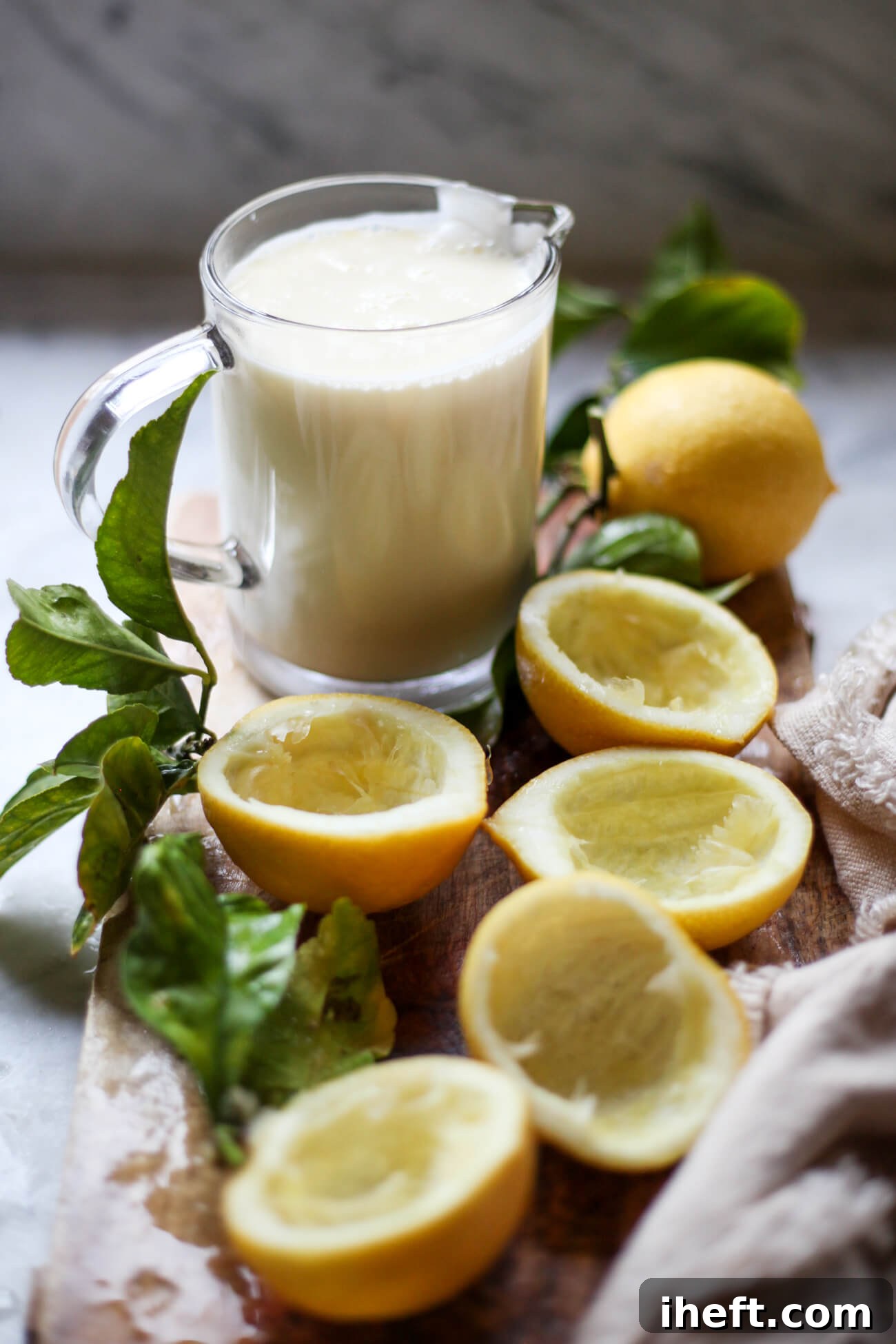
Creative Presentation: Making and Using Lemon Shells
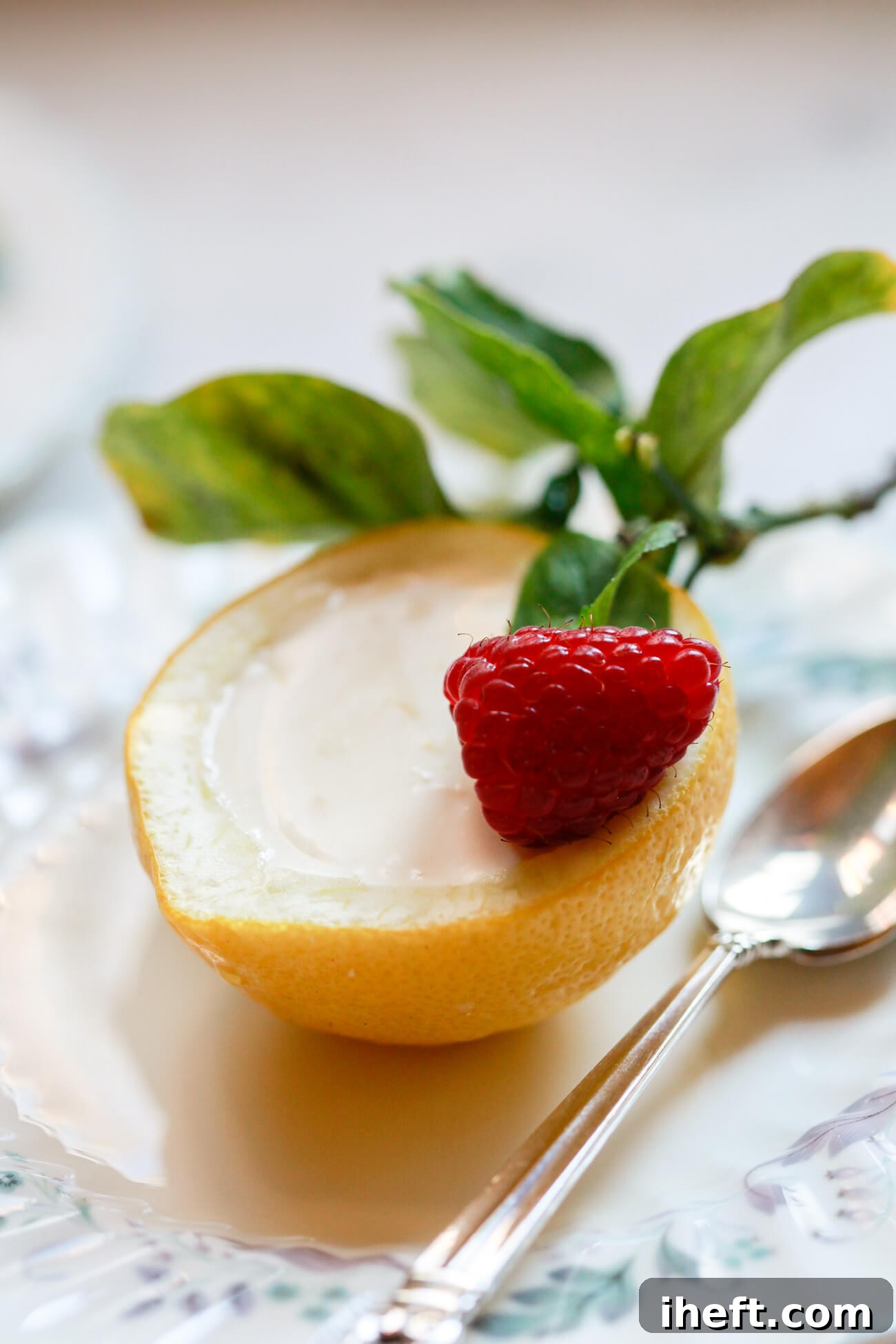
While lemon posset is undeniably delicious served in elegant ramekins, small bowls, or even charming teacups, presenting it within hollowed-out lemon shells elevates the dessert to a new level of sophistication and whimsy. The natural citrus container enhances both the visual appeal and the aromatic experience.
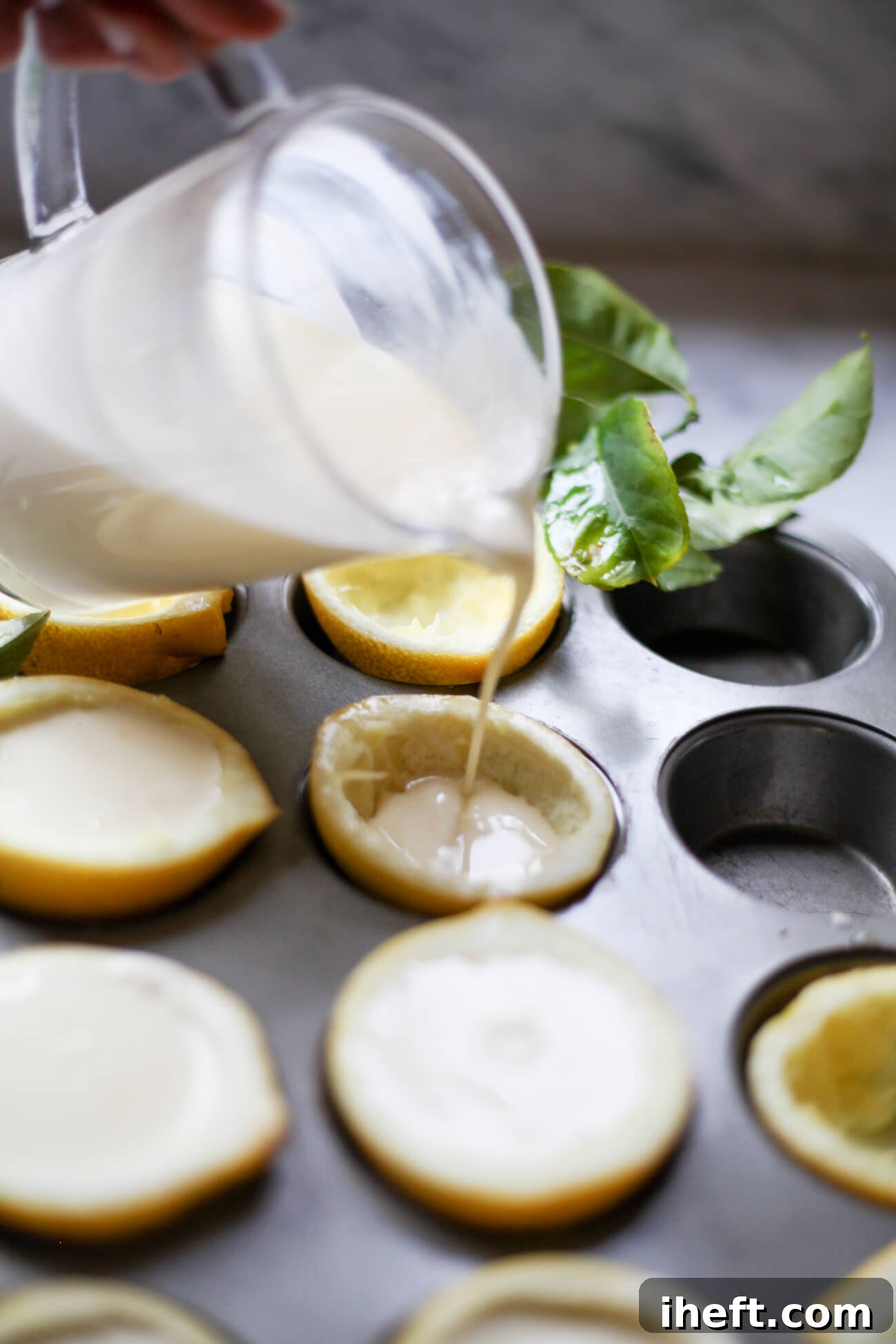
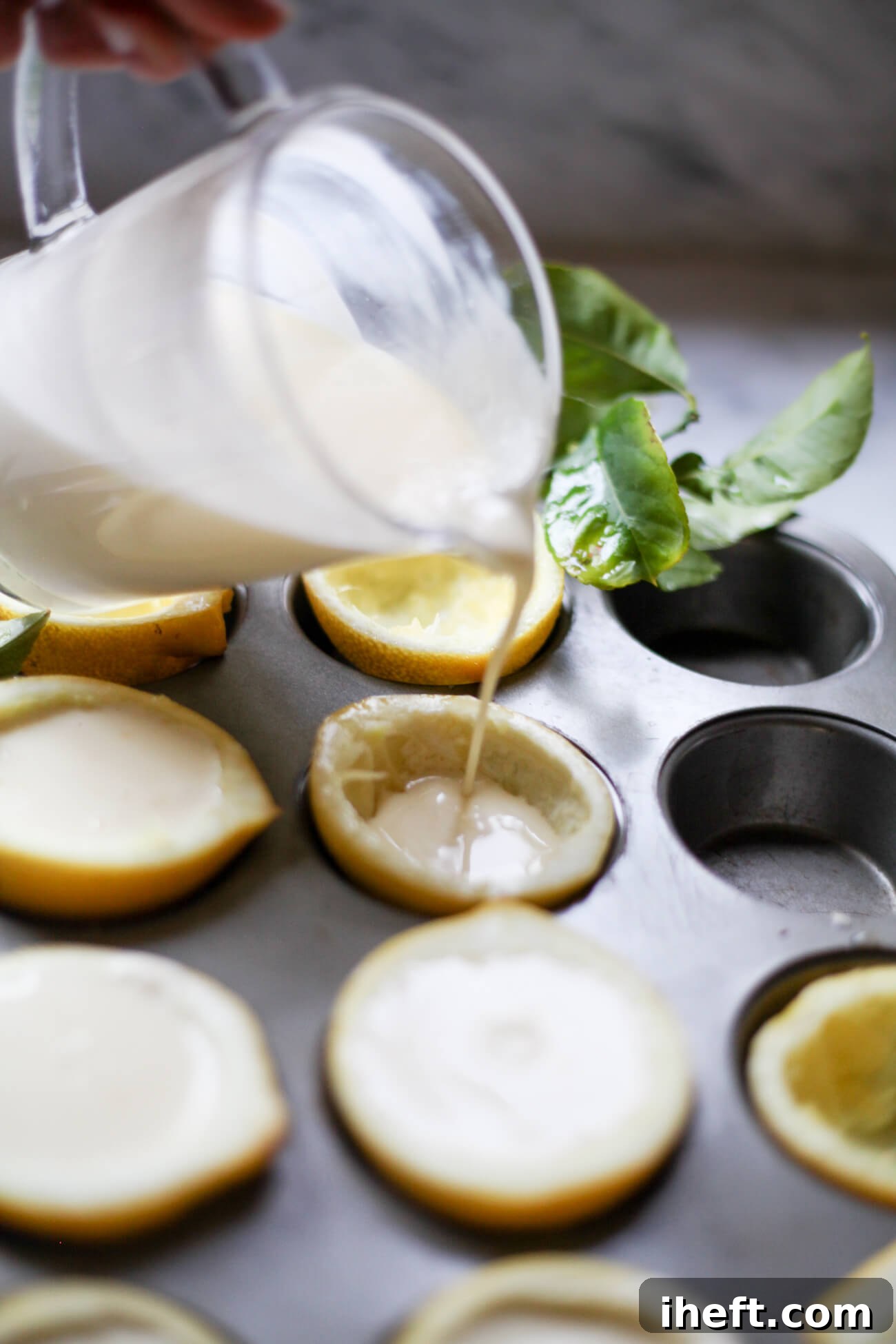
To create these stunning edible vessels, start by cutting fresh lemons in half lengthwise. Using a small paring knife, carefully loosen the lemon flesh from the pith (the white membrane) around the edges. Once loosened, use a spoon to scoop out the pulp and juice. Be gentle to avoid piercing the rind. Don’t discard the scooped-out lemon flesh and juice; save it for another use, perhaps for fresh lemonade or to measure your required lemon juice for the posset. Lemon halves can sometimes be a bit wobbly, making them tricky to fill and transport. A simple trick to stabilize them is to nestle them into a muffin tin. This provides a secure base for filling and ensures they remain upright while chilling in the refrigerator.
Frequently Asked Questions About Lemon Posset
Here are some common questions about making and enjoying this delightful British dessert:
Can I make Lemon Posset ahead of time?
Absolutely! Lemon Posset is an ideal make-ahead dessert, making it perfect for entertaining or meal prepping. Preparing it a day in advance allows ample time for the creamy concoction to set perfectly in the refrigerator. This extended chilling not only ensures a wonderfully firm texture but also allows the vibrant lemon flavors to meld and deepen, resulting in an even more delicious and stress-free serving experience. Simply cover your serving dishes or lemon shells with plastic wrap to prevent any refrigerator odors from affecting the delicate flavor.
How should I store leftover Lemon Posset?
Any leftover Lemon Posset should be stored in the refrigerator. Ensure it is covered tightly with plastic wrap or placed in an airtight container to maintain its freshness and prevent it from absorbing other food odors. Properly stored, it maintains its beautiful texture and delightful flavor well for up to 2-3 days.
Can I make a vegan version of Lemon Posset?
Yes, it is possible to create a delicious vegan Posset by substituting traditional heavy cream with unsweetened canned coconut cream. For best results, use only the thick cream from the top of a can of full-fat coconut cream (not coconut milk, which is too thin). Chill the can overnight, then scoop out the solid cream, leaving the watery liquid behind. While many have had success with this substitution, we have not personally tested a vegan version of this specific recipe, so we cannot guarantee identical results or setting consistency. For another vegan lemon option, you might explore Vegan Lemon Tarts.
How do I make a keto-friendly Lemon Posset?
To adapt this recipe for a keto-friendly diet, the primary modification involves replacing granulated sugar with a suitable low-carb sugar substitute. We recommend using Swerve granular sweetener, or another erythritol-based sweetener that measures cup-for-cup like sugar. Ensure the sweetener dissolves completely during the simmering process, just as regular sugar would. The acidity of the lemon and the fat from the heavy cream will still work their magic to create the classic posset texture.
Can I freeze Lemon Posset?
While you technically can freeze Lemon Posset, this dish is truly best enjoyed fresh. Freezing may alter its delicate, creamy texture, potentially causing it to become grainy or separating upon thawing. If you absolutely must freeze it, transfer the frozen posset to the refrigerator for several hours or overnight to thaw gently. Be prepared that the texture may not be as perfectly smooth as when freshly made.
What are some creative toppings for Lemon Posset?
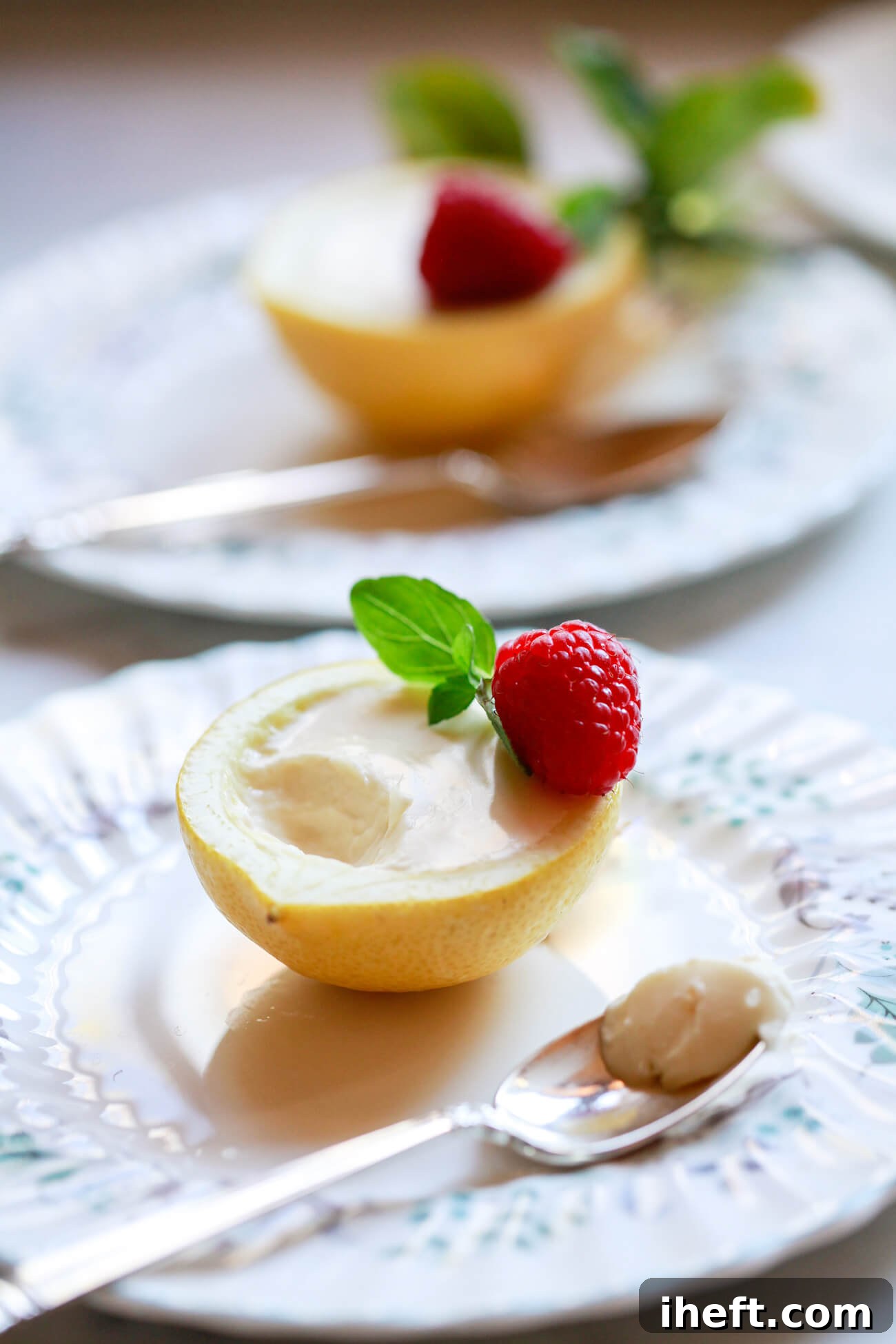
Elevating your Lemon Posset with thoughtful garnishes can add both a delightful burst of flavor and visual appeal. Classic choices include fresh berries such as raspberries, blueberries, or strawberries, which provide a lovely color contrast and complementary tartness. A sprig of fresh mint offers a refreshing aroma and a pop of green. For an extra touch of elegance, consider edible flowers. A drizzle of homemade raspberry sauce or a dollop of freshly whipped cream can also enhance the experience, adding another layer of texture and richness. A dusting of powdered sugar or a delicate curl of lemon zest also makes a simple yet effective garnish.
Yield: Serves 6
Lemon Posset
15 minutes
3 minutes
2 hours
2 hours 18 minutes
This is a classic British lemon posset recipe. Chilled, tangy, silky lemon cream with a custard-like consistency makes a simple yet elegant dessert. All you need is 3 ingredients for this easy lemon dessert. Serve lemon posset in lemon shells or in individual serving dishes.
Ingredients
- 2 cups heavy cream
- 2/3 cup granulated sugar
- zest of 1 lemon
- 1/3 cup fresh squeezed lemon juice (about 2-3 lemons)
- Lemons for serving (optional)
- Fresh berries and mint for garnish (optional)
Instructions
- Pour the heavy cream, sugar, and lemon zest into a medium saucepan. Bring the mixture to a simmer over medium heat. Stir until the sugar dissolves completely. Simmer, stirring often, for 2-3 minutes.

- Remove from the heat and stir in the lemon juice. Let cool in the pan for 10 minutes.
- Stir again and pour into prepared lemon halves or serving dishes. If using lemon halves, nestle them into a muffin tin to stabilize them as you pour the lemon cream.
- Cool to room temperature, then refrigerate until the custard has set and is chilled, at least one hour.
- Serve chilled with a dessert spoon. Garnish with fresh berries and mint, if desired.
Notes
This recipe makes about 2 cups, which fills around 12 medium-sized half-lemon shells. This is a very small serving. The number of servings will vary depending on the size of the dish.
Keto Option: We use Swerve sweetener to make this recipe essentially sugar-free.
Lemon Shells: To make lemon shells for serving, cut lemons in half lengthwise and use a paring knife and spoon to remove the flesh from the pith. Save for lemon juice, if desired. You can prepare these shells while the lemon cream cools.