Pizza Sauce Marinara The Ultimate Guide
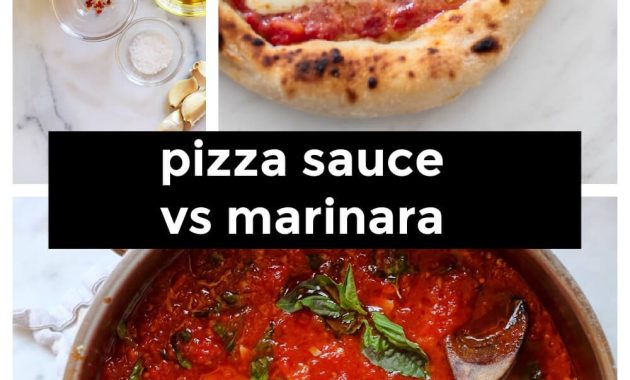
Pizza Sauce vs Marinara: Unraveling the Differences for Your Perfect Italian Meal
When you’re whipping up a homemade pizza or choosing a sauce for your pasta, the terms “pizza sauce” and “marinara” might seem interchangeable. Both are foundational tomato-based sauces in Italian cuisine, but they possess subtle yet significant differences that can drastically impact your dish. Whether you’re a seasoned chef or a home cook looking to perfect your Italian recipes, understanding the nuances between pizza sauce, marinara, and even broader “spaghetti sauces” is key. This comprehensive guide will clarify these distinctions, explore their authentic Italian and popular American variations, and ultimately answer the burning question: can you use pasta sauce for pizza?
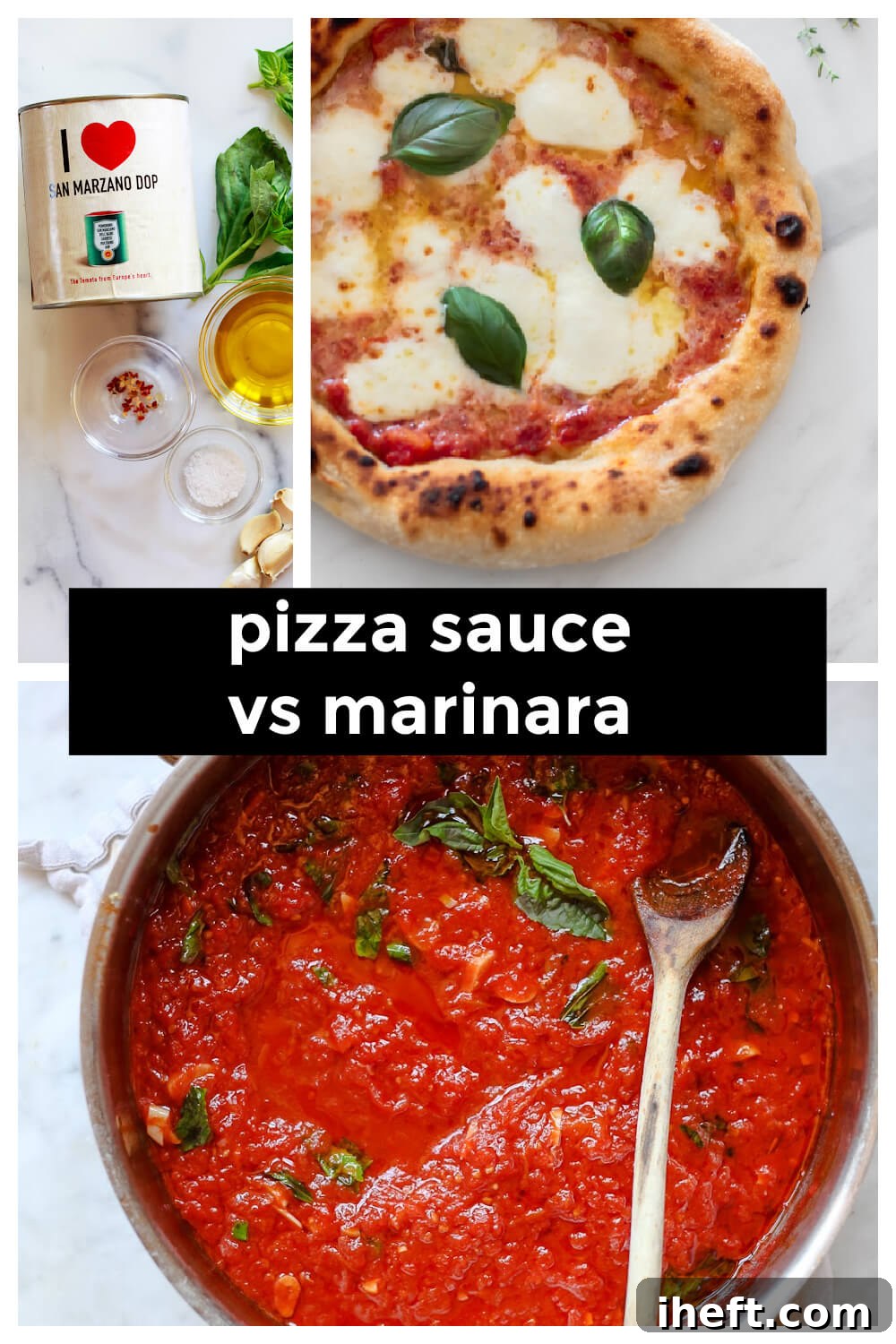
Many home cooks often wonder about the specific characteristics that set a dedicated pizza sauce apart from a versatile marinara. While both rely on the rich flavor of tomatoes, their preparation, consistency, and intended use often vary. Let’s delve into these differences, examining authentic Italian traditions versus American adaptations, and determine the best sauce for your next culinary creation.
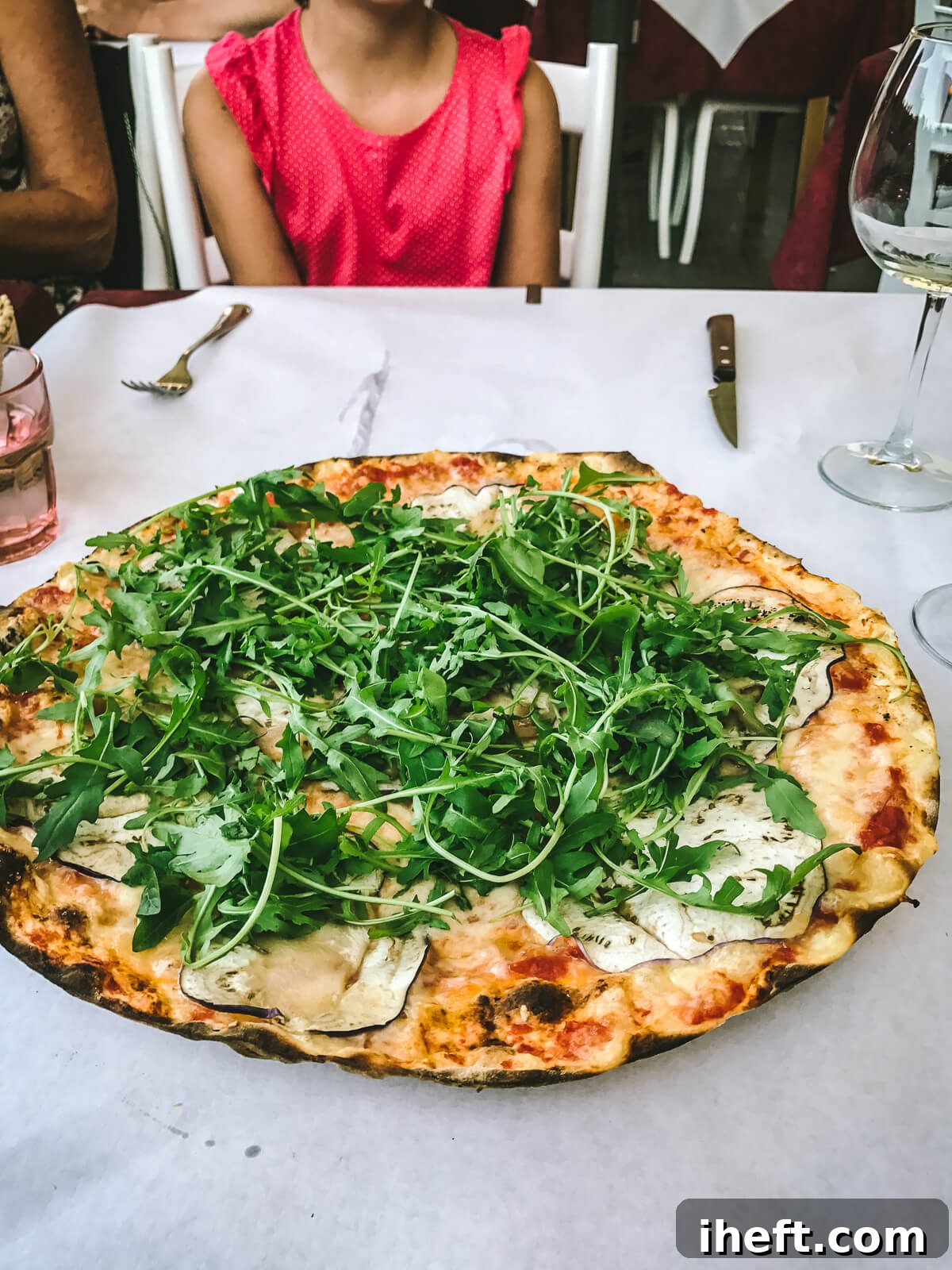
My typical thin-crust pizza with eggplant and arugula in Chianti, Italy.
Authentic Italian vs. Americanized Sauces: A Crucial Distinction
Before we can truly compare pizza sauce and marinara, it’s essential to understand the significant divergence between authentic Italian sauces, as enjoyed in Italy, and their Italian-American counterparts. The difference is often profound, and appreciating it can elevate your cooking to new heights. Many people unfamiliar with genuine Italian cuisine might not even realize how distinct these two categories are.
The Simplicity of Traditional Neapolitan Pizza Sauce
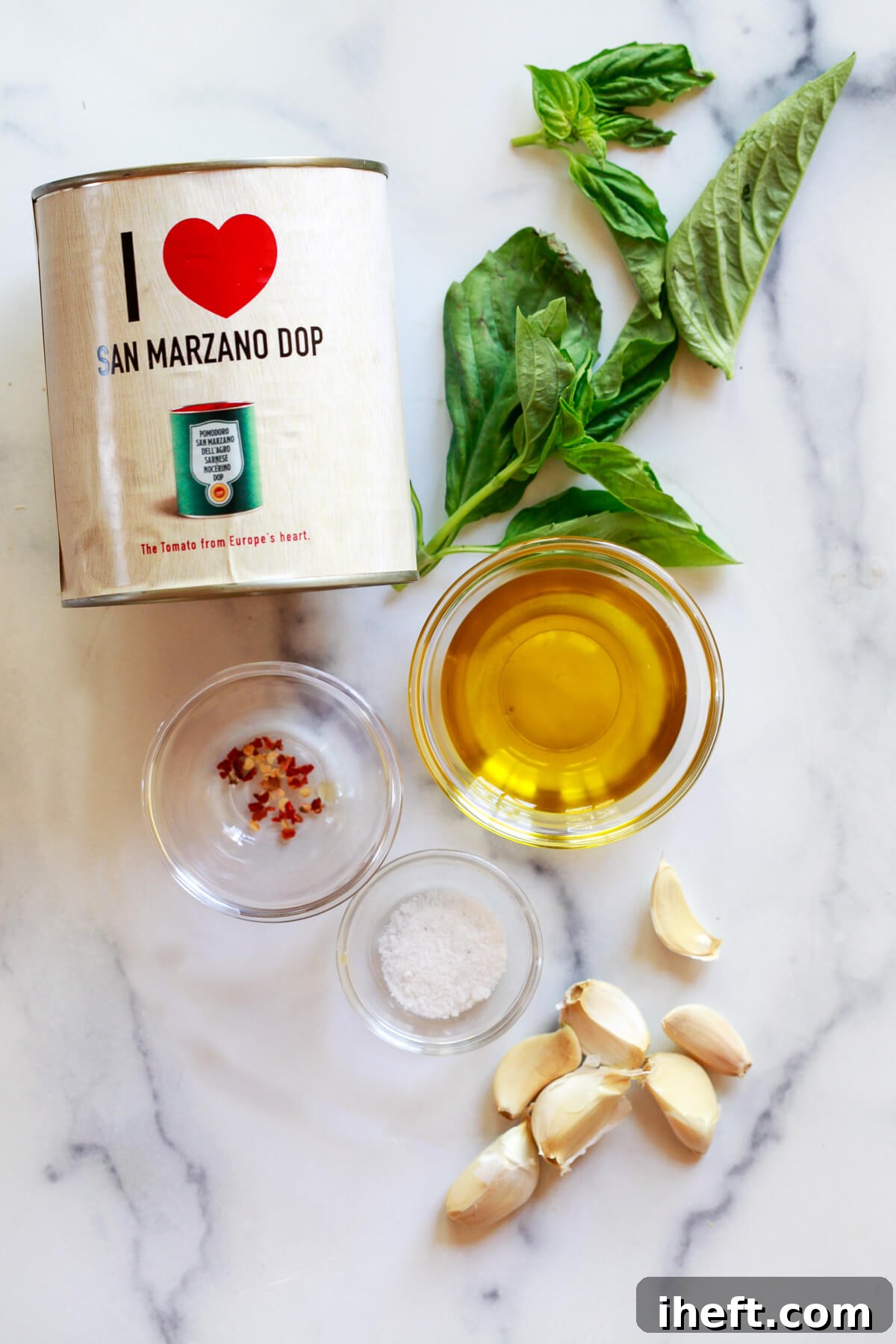
In Italy, particularly in Naples, the birthplace of pizza, the sauce is a testament to simplicity and quality ingredients. Traditional Neapolitan pizza relies on a very minimalistic sauce that often isn’t cooked before it hits the pizza dough. This “no-cook” method preserves the fresh, vibrant flavor of the tomatoes, which are the true stars of the show. The most authentic Neapolitan pizza sauce typically consists of very few ingredients: DOP San Marzano tomatoes, fresh basil, a pinch of salt, a drizzle of high-quality olive oil, and sometimes a whisper of garlic. The consistency is usually thin, allowing the delicate flavor of the dough and other toppings to shine through, rather than being overpowered by a thick, heavy sauce.
The Evolution of American Pizza Sauce
In stark contrast, many American fast-food pizzas, and even some homemade versions, feature a much thicker, often pastier sauce. These sauces tend to be more heavily seasoned, frequently including ingredients like oregano, marjoram, fennel, and sometimes even sugar to balance acidity. The aim is often a robust flavor that can stand up to generous amounts of melted cheese and a plethora of toppings. This thicker consistency and bolder flavor profile have evolved to suit American tastes, which often prefer a more assertive sauce that acts as a prominent component of the pizza.
Marinara in Italy vs. America
The distinction extends to marinara as well. Authentic Italian marinara is typically a simple, light, and fresh tomato sauce, often featuring whole peeled tomatoes, garlic, basil, and olive oil, simmered briefly. It’s designed to coat pasta delicately, allowing the pasta’s texture and the sauce’s freshness to be appreciated. In America, “marinara” can sometimes refer to a thicker, richer sauce that has been simmered for a longer period, often with additional herbs like oregano and sometimes even a touch of red wine or vegetables like onions and carrots, making it a heartier option for various dishes, not just pasta.
Pizza Sauce vs. Marinara: A Deep Dive into Their Core Differences
At their heart, both pizza sauce and marinara are iconic Italian tomato sauces. However, their fundamental purpose dictates their preparation and characteristics. Marinara is traditionally conceived as a versatile pasta sauce or dipping sauce, celebrated for its freshness and simplicity. Pizza sauce, on the other hand, is specifically engineered to be the foundational layer for pizza toppings, designed to complement rather than overwhelm the other ingredients on a crust.
Ingredients: Simplicity Reigns Supreme
When it comes to authentic Italian versions, the ingredient lists for both pizza and marinara sauces are strikingly similar, emphasizing quality over quantity. Both typically feature peeled plum tomatoes (often San Marzano, as we’ll discuss), garlic, basil, and olive oil. In the summer months, using Fresh Tomato Marinara made from ripe garden tomatoes can elevate the flavor significantly.
To achieve the pinnacle of authentic Italian tomato flavor, always seek out certified DOP San Marzano tomatoes. These tomatoes, grown in the volcanic soil near Mount Vesuvius in Italy, boast a perfectly balanced sweet and acidic profile, lower seed count, and dense flesh that makes them ideal for sauces.
Let’s examine the ingredient profiles from a popular Italian tomato sauce brand like Carmelina ‘e…San Marzano®, which, while not always DOP certified, offers excellent convenience and quality:
- Pizza Sauce: Typically includes 100% Italian tomatoes, olive oil, garlic, and salt. This bare-bones list highlights the focus on tomato purity for pizza.
- Authentic Italian Marinara Sauce: Often features Italian Chopped Tomatoes in Puree, olive oil, onions, garlic, salt, basil, black pepper, and oregano. The addition of onions and a wider array of herbs signals a slightly more complex, simmered sauce profile.
Consistency and Texture: A Key Differentiator
This is where the most noticeable difference between American-style pizza sauce and marinara often lies. American pizza sauce is generally thicker and more robust. This consistency is crucial as it prevents the pizza crust from becoming soggy during baking, especially under the weight of cheese and other toppings. Its concentrated flavor is also designed to hold up against the heat of the oven and the richness of the cheese.
Marinara, conversely, tends to have a smoother, thinner consistency. It’s meant to gently coat pasta strands, not cling heavily. Its lighter texture allows the delicate flavors of the tomatoes and herbs to come through without overpowering the dish. This makes it an excellent choice not just for pasta, but also as a dipping sauce for bread or fried appetizers.
Cooking Process: Raw vs. Simmered
The cooking process is another major distinction. Traditional Neapolitan pizza sauce is famously a “no-cook” sauce. The ripe, crushed San Marzano tomatoes are simply mixed with basil, salt, and olive oil, then spread directly onto the pizza dough. This method preserves the fresh, bright, and slightly acidic notes of the raw tomatoes, which then mellow beautifully as the pizza bakes in a very hot oven.
Marinara sauce, however, is always simmered. Typically, garlic (and often onions) are sautéed in olive oil, then the crushed tomatoes are added and allowed to gently simmer for a period, usually 15-30 minutes, sometimes longer. This simmering process allows the flavors to meld, the sauce to thicken slightly, and the acidity of the tomatoes to mellow, resulting in a richer, more developed taste profile. My easy homemade pizza sauce often employs the traditional no-cook method, emphasizing freshness.
Marinara vs. Spaghetti Sauce vs. Ragu: Understanding the Broader Landscape of Tomato Sauces
The term “spaghetti sauce” is often used broadly in English-speaking countries to describe almost any red sauce served with pasta. However, within Italian culinary tradition, there are much more specific terms and definitions. Marinara is indeed a simple type of “spaghetti sauce,” but the category is vast, encompassing a range of rich and complex preparations, most notably ragu and bolognese.
Marinara: The Essence of Simplicity and Freshness
As discussed, marinara is distinguished by its lean ingredient list and quick cooking time. It’s typically a lighter sauce, free of meat, and often associated with coastal regions of Italy. The name itself, “marinara,” literally translates to “sailor style,” suggesting its origins as a simple sauce made by sailors using readily available ingredients like tomatoes, garlic, and herbs. Its fresh, bright flavor makes it incredibly versatile, perfect for pasta, as a base for seafood dishes, or as a dipping sauce.
Spaghetti Sauce: A General American Term
In American kitchens, “spaghetti sauce” is often a generic term referring to a tomato-based sauce that may contain a variety of ingredients, including ground beef, Italian sausage, meatballs, mushrooms, onions, and bell peppers. These sauces are typically simmered for a longer duration than marinara to develop a richer, more complex flavor. When someone mentions “spaghetti sauce,” it’s always wise to inquire about the ingredients, as it could range from a simple vegetarian option to a hearty meat-laden sauce.
Ragu: The Hearty, Slow-Cooked Masterpiece
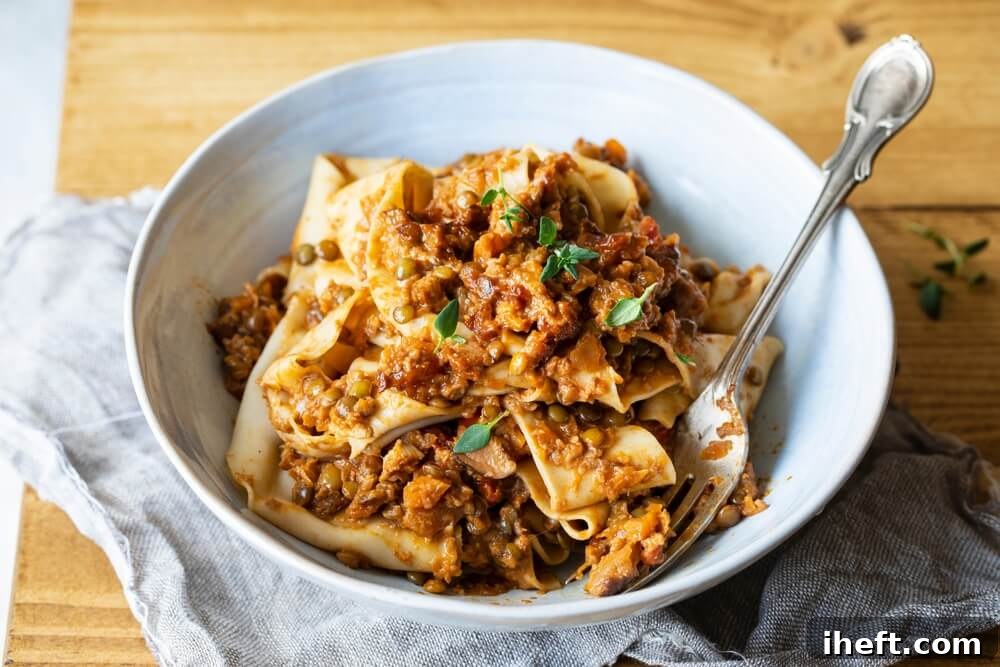
The Italian word for these heartier, often meat-based “spaghetti sauces” is ragu. Ragu is a broad category of Italian meat sauces, typically slow-cooked with vegetables (a soffritto of onion, carrot, and celery) and tomatoes (or sometimes no tomatoes at all, as in a white ragu). The slow cooking process allows the meat to become incredibly tender and the flavors to meld into a deeply savory and satisfying sauce. Ragus are often regional specialties, varying significantly from one part of Italy to another. For example, a Neapolitan ragu might feature large cuts of braised meat, while a Tuscan ragu might involve wild boar. I personally enjoy a vegetarian twist with lentils, offering a rich texture without the meat.
Bolognese: A Famous Regional Ragu
One of the most famous types of ragu is Bolognese, originating from Bologna in the Emilia-Romagna region. Authentic Bolognese is a rich, thick meat sauce, usually made with a blend of ground beef and/or pork, often pancetta, a soffritto of onion, celery, and carrot, milk or cream, and white wine, with a relatively small amount of tomato (often tomato paste or a small can of crushed tomatoes). It’s simmered for several hours until incredibly tender and flavorful. Bolognese is traditionally served with broad, flat pasta like tagliatelle or pappardelle, rather than spaghetti, as the wider noodles are better equipped to hold the robust sauce. Unlike a simple marinara that might serve as a primi piatti (first course), a hearty ragu like Bolognese is often substantial enough to be considered a main course.
Can You Use Pasta Sauce for Pizza? The Ultimate Question Answered
This is a common question, and the answer is a resounding “Yes!”—with a few caveats. You can absolutely use a pasta sauce, such as a well-made marinara, as a pizza sauce, provided you enjoy its flavor profile and it has the right consistency. Ultimately, your culinary experience comes down to personal preference and the quality of the ingredients.
When Marinara Works Best for Pizza
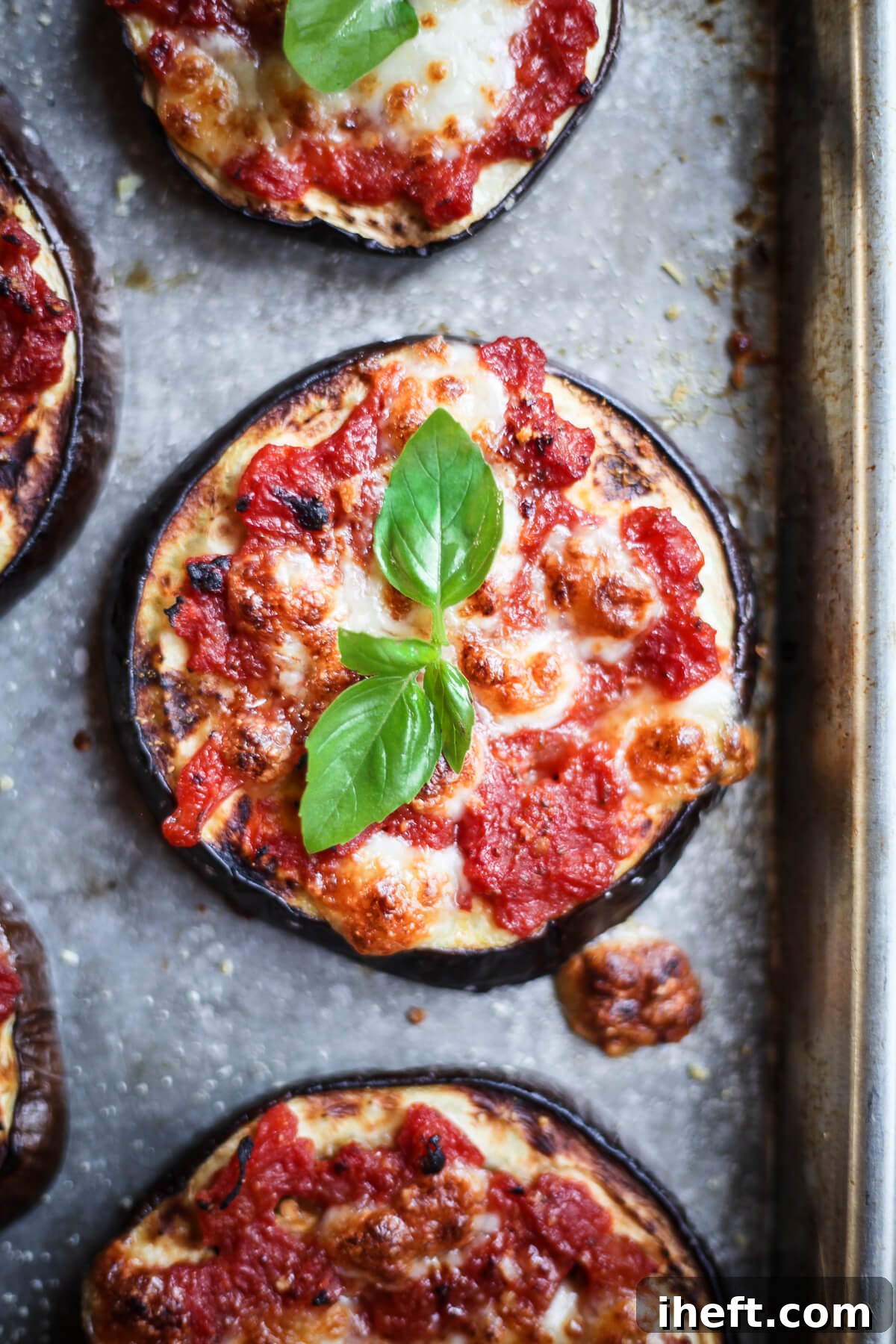
A good quality marinara sauce, particularly one that is not too watery or overly complex in flavor, can make an excellent pizza base. Its fresh, bright tomato flavor can perfectly complement lighter pizza toppings, especially on a thin-crust pizza. For dishes like Eggplant Pizzas or simpler Margherita-style pizzas, a delicate marinara can be ideal, allowing the other ingredients to shine. If your marinara is on the thinner side, you might consider simmering it briefly to reduce some of the moisture, preventing a soggy crust.
Considerations for Using Pasta Sauce on Pizza
- Consistency: The primary concern when using pasta sauce for pizza is its thickness. Most American-made pasta sauces are often thinner than a dedicated pizza sauce. A very watery sauce can lead to a soggy pizza crust, especially if you’re using a lot of cheese and other toppings. If your pasta sauce is too thin, you can gently simmer it on the stove to reduce and thicken it before spreading it on your pizza dough.
- Flavor Profile: While marinara is generally simple, other pasta sauces (like a rich ragu or a highly spiced “spaghetti sauce”) might have flavors that are too intense or complex for a pizza base. Pizza sauce is meant to be a canvas, so a sauce with overpowering flavors could clash with your toppings. Stick to simpler, fresher pasta sauces for the best results.
- Added Ingredients: Pasta sauces with large chunks of vegetables or meat might not distribute evenly on a pizza and could make it difficult to cut or eat. If your pasta sauce has large pieces, consider blending it partially or finely chopping the ingredients before use.
- Sweetness/Acidity: Some commercially prepared pasta sauces can be quite sweet or have a high acidity. Taste your pasta sauce first and adjust with a pinch of sugar (for acidity) or a splash of vinegar (for sweetness) if necessary to achieve a balanced flavor for your pizza.
Why Dedicated Pizza Sauces Exist
While marinara can often substitute, dedicated pizza sauces exist for good reason. They are formulated to be thicker, preventing a soggy crust, and their flavor profile is often designed to be robust enough to complement various toppings without being overwhelming. Many made in the U.S. fall into this thicker category, which wouldn’t typically be ideal for coating delicate pasta.
Choosing the Right Sauce for Your Culinary Adventure
The choice between pizza sauce, marinara, or other pasta sauces ultimately depends on the dish you are preparing and your personal taste preferences. Here are some guidelines:
- For Authentic Neapolitan Pizza: Opt for a simple, no-cook sauce made from high-quality crushed San Marzano tomatoes, fresh basil, olive oil, and salt. Its freshness is unparalleled.
- For American-Style Pizza: A thicker, cooked pizza sauce with a balanced blend of herbs will stand up well to heavier toppings and a more substantial crust.
- For Classic Pasta Dishes: A light, fresh marinara is perfect for delicate pasta like spaghetti, linguine, or penne, allowing the pasta and sauce to harmonize.
- For Hearty Pasta Dishes: When you desire a rich, satisfying meal, a slow-simmered ragu or Bolognese is ideal, particularly with robust pasta shapes like tagliatelle, pappardelle, or rigatoni.
- When in Doubt: A good quality marinara is your most versatile option. If you plan to use it for pizza, just ensure it’s not too watery.
Conclusion: The Art of Italian Sauces
The distinction between pizza sauce and marinara, while sometimes subtle, is deeply rooted in culinary tradition and purpose. In their most authentic Italian forms, both sauces emphasize simplicity and the supreme quality of their core ingredients—especially those revered San Marzano tomatoes. The main differences emerge in their consistency, their cooking methods (no-cook for traditional pizza sauce versus simmered for marinara), and their intended applications.
American-style pizza sauces have evolved to be generally thicker and more heavily seasoned to suit a different culinary aesthetic, while American marinara can also be richer than its Italian counterpart. When we extend our understanding to “spaghetti sauce,” we realize that marinara is indeed a simple, often low-calorie, form of pasta sauce, but the landscape also includes complex, slow-cooked marvels like ragu and Bolognese, each with its own character and traditional pairing.
The great news for home cooks is that versatility is often possible. Feel free to use a really tasty, high-quality marinara as a pizza sauce, especially if you prefer a lighter, fresher taste on your pizza. The most crucial factor, regardless of which sauce you choose, is to select a product (or make one from scratch) that uses just a few excellent ingredients. Embrace the nuances, experiment with flavors, and enjoy the rich and diverse world of Italian tomato sauces!