Meet the Kumquat: Your Guide to Eating This Unique Fruit
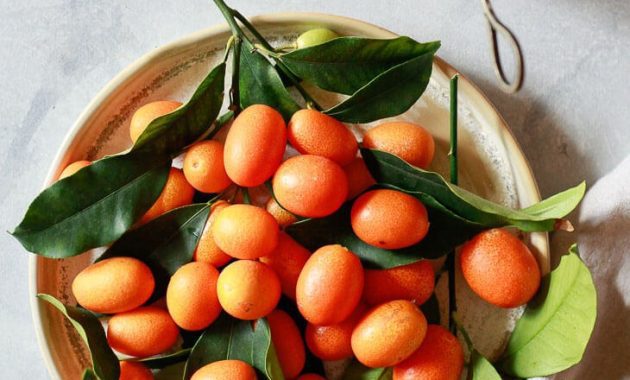
Have you ever encountered a small, vibrant orange fruit and wondered, “What exactly is this, and how am I supposed to eat it?” Chances are, you’ve stumbled upon a kumquat! These intriguing little citrus gems, often grown right in our gardens, are a delightful deviation from your everyday oranges and lemons. Join us as we explore everything there is to know about kumquats – from their unique flavor profile to their surprising versatility in the kitchen and how to best enjoy them fresh.
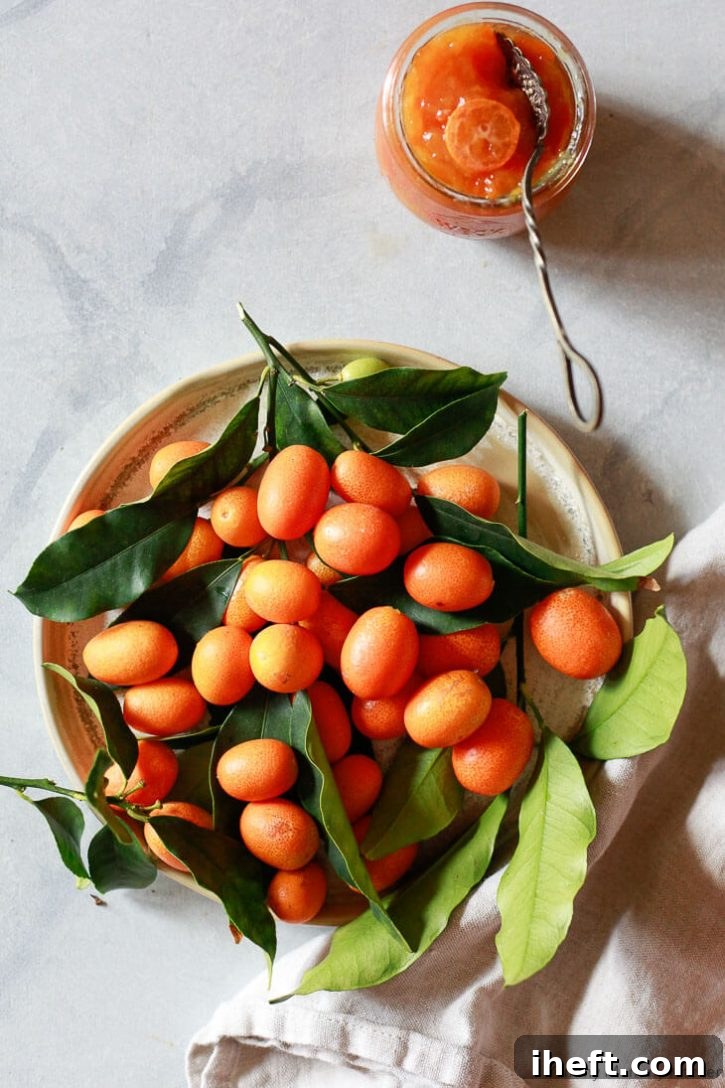
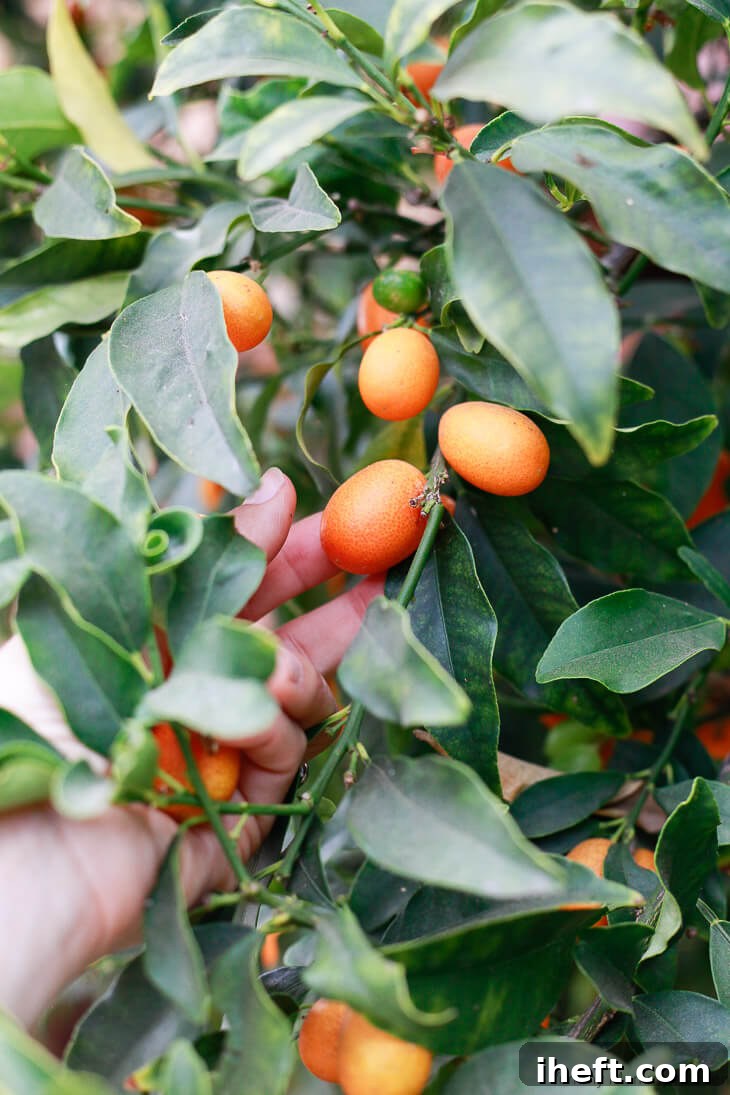
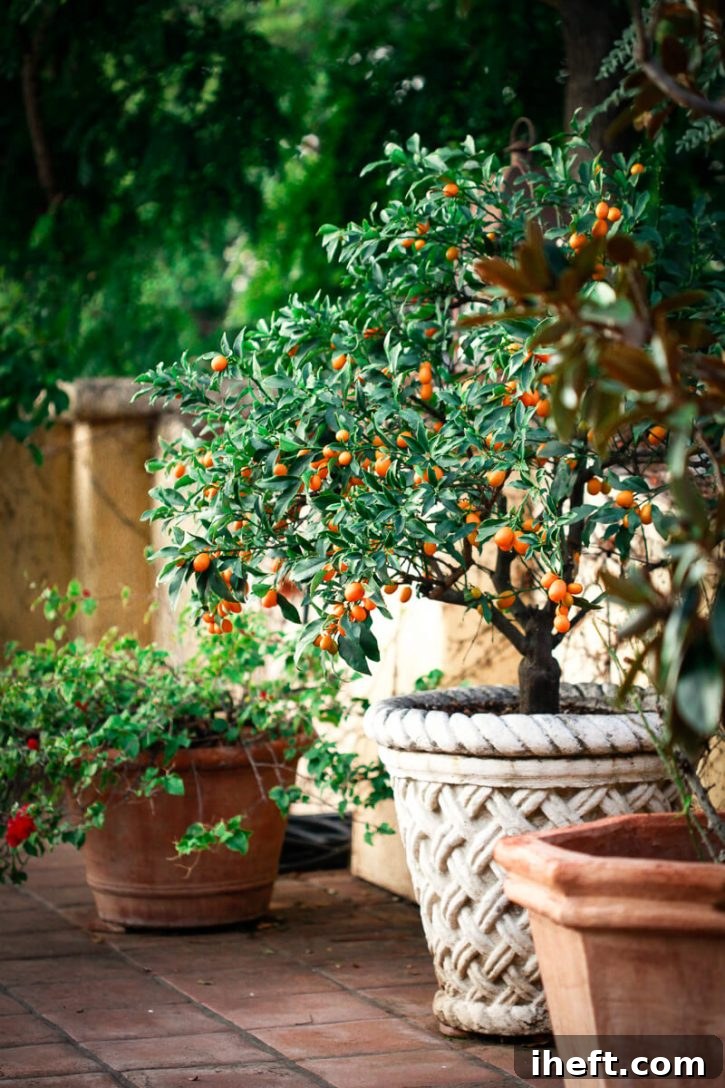
Here at our property, we’re fortunate to have about five kumquat trees, each contributing to the lush greenery and bursts of orange in our landscape. Some are mature trees rooted firmly in the ground, while others are charming dwarf varieties nestled in elegant Italian pots, perfect for brightening any patio. Beyond their undeniable aesthetic appeal, these trees generously produce a bounty of incredibly tasty and distinct citrus fruits. It’s a common occurrence for guests to inquire about these unique fruits, often asking about their name and, most importantly, how to properly eat them. This comprehensive guide aims to answer all those questions and more, offering a deep dive into the fascinating world of kumquats.
What is a Kumquat? Unveiling the “Inside-Out Orange”
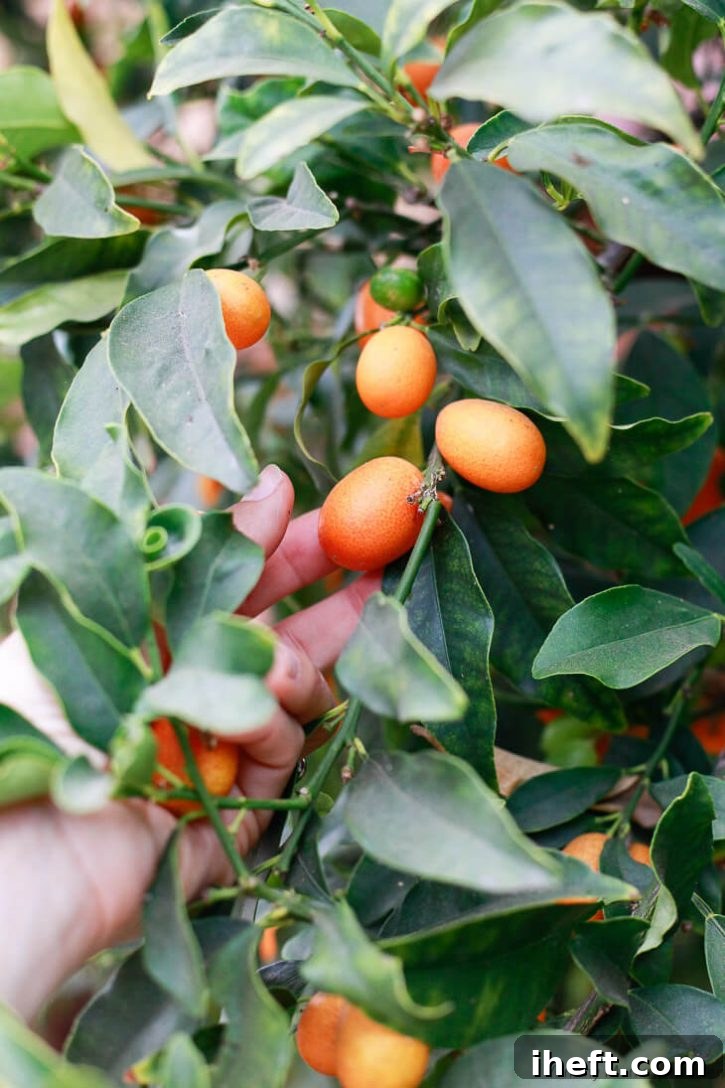
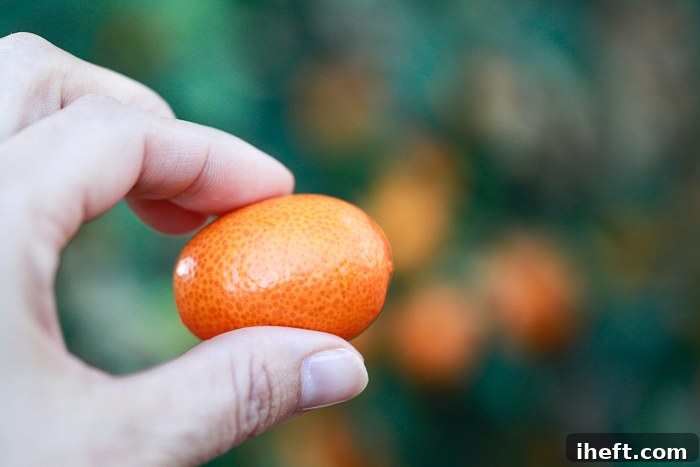
Kumquats are truly a marvel among citrus fruits, native to the verdant landscapes of Southeast Asia, particularly China. Scientifically classified under the genus *Citrus* (though historically sometimes placed in *Fortunella*), they bear a superficial resemblance to miniature tangerines or small oranges, yet their consumption method sets them apart entirely. So, just how big are kumquats? These delightful fruits are typically egg-shaped, measuring approximately 1 to 1.5 inches in length and about an inch in width, making them comparable in size to a large grape or a substantial olive. This petite stature is part of their charm, making them perfect bite-sized treats.
What truly distinguishes the kumquat from its citrus cousins is its completely edible nature. Unlike oranges, lemons, or grapefruits where the peel is often discarded (or zested), the entire kumquat fruit – skin, flesh, and even the tiny seeds – can be enjoyed. This unique characteristic is where the magic happens: the skin of the kumquat is surprisingly sweet and aromatic, while the juicy pulp and seeds inside are intensely tart and tangy. This striking contrast has earned kumquats the playful nickname “the inside-out orange,” a perfect description for their inverted flavor profile. Many enthusiasts compare their flavor experience to a “natural sour patch kid,” offering a delightful sweet-tart explosion with every bite.
What Does a Kumquat Taste Like? A Symphony of Sweet and Sour
As you might now gather, the taste of a kumquat is a complex and captivating experience, distinct yet reminiscent of other beloved citrus fruits like tangerines, oranges, grapefruit, and lemons. However, the kumquat delivers this flavor profile in its own inimitable way. The majority of the fruit’s sweetness is concentrated in its thin, aromatic rind, which is remarkably free of the bitter white pith found in most other citrus varieties. This sweet skin provides an initial burst of sugary, almost floral notes when you take a bite. Immediately following, the intensely tart juice and succulent flesh provide a sharp, invigorating sourness that cleanses the palate. This dynamic interplay between the sweet exterior and the sour interior is what makes eating a kumquat such a memorable and refreshing experience. It’s a truly balanced sweet-tart sensation that can be both exhilarating and utterly delicious, making it a favorite for those who appreciate bold, zesty flavors.
Growing Kumquats: From Garden to Grove
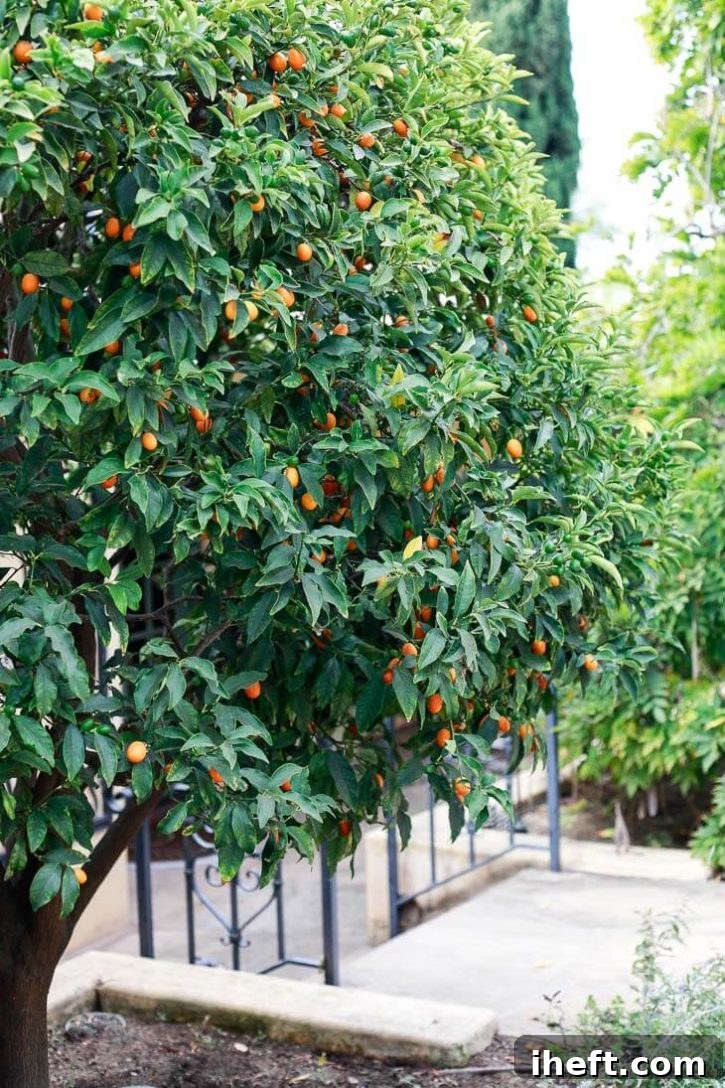
Kumquat trees are not only producers of delicious fruit but also beautiful ornamental plants, making them a fantastic addition to many gardens. They thrive particularly well in USDA growing zones 9 to 10, where they can enjoy ample sunshine and warmth. If you reside in such a climate, we wholeheartedly recommend considering a kumquat tree for your landscape. Even if your outdoor space is limited, perhaps to a small patio or balcony, a dwarf kumquat tree can flourish in a container, bringing a touch of Mediterranean charm and vibrant color. These compact trees are ideal for smaller spaces, offering both beauty and a bountiful harvest.
To ensure your kumquat tree thrives, whether in the ground or in a pot, several factors are crucial. They require at least 6-8 hours of direct sunlight daily to produce abundant, sweet fruit. Well-draining soil is paramount, as kumquats, like most citrus, are susceptible to root rot in waterlogged conditions. For potted varieties, choose a large container with good drainage holes to allow for root expansion and prevent water retention. Regular watering, especially during dry spells and fruit development, is necessary, but always allow the topsoil to dry out slightly between waterings. Fertilizing with a balanced citrus-specific fertilizer throughout the growing season will ensure strong growth and healthy fruit production. With proper care, a kumquat tree can be a long-lived and incredibly rewarding addition to your garden, gracing your space with fragrant blossoms and cheerful, brightly colored fruit year after year.
When are Kumquats in Season? Harvesting Nature’s Candy
The seasonality of kumquats can vary depending on the specific variety of tree and the local climate, but they are generally considered a winter citrus fruit. There are several popular varieties, each with slightly different ripening periods. For instance, here in sunny California, we are fortunate enough to have one of our backyard kumquat trees produce a small amount of fruit almost year-round. However, the peak season for most of our smaller, potted trees typically begins around January, aligning with the harvest of other winter citrus like mandarins and blood oranges. During this time, the once green, immature fruits transform into a vibrant, deep orange, signaling their readiness for harvest.
Understanding the peak season is key to enjoying kumquats at their freshest and most flavorful. While some regions might see kumquats earlier or later, the winter months are generally when these fruits are most abundant and accessible. Keep an eye out from late fall through early spring, as this is when you’re most likely to find them in grocery stores and at local farmers’ markets. Knowing when to look for them ensures you can experience their unique sweet-tart burst at its absolute best.
Where to Buy Kumquats: A Guide to Selection
While growing your own kumquats is incredibly rewarding, for many, the journey to enjoy these delightful fruits begins at the grocery store or farmers market. During their peak season, you can often find them in the produce aisle of many well-stocked grocery stores. Brands like Melissa’s Produce frequently package them, and we’ve personally spotted them at retailers like Sprouts. If you live in a region with a warmer climate, your local farmers market is an excellent place to seek out freshly picked kumquats, often sold directly by growers.
When selecting kumquats, remember that you’ll be eating the entire fruit, skin and all, so quality is paramount. Look for fruits that are:
- Vibrantly Orange: A rich, deep orange color indicates ripeness. Avoid any with green patches, as they may not have fully developed their sweet skin.
- Shiny and Plump: The skin should have a natural sheen and the fruit should feel firm and plump when gently squeezed.
- Free of Blemishes: Inspect for any soft spots, mold, or significant discoloration. Minor surface imperfections are usually fine, but avoid anything that looks damaged or overly bruised.
- Aromatically Fragrant: A ripe kumquat should have a subtle, sweet citrusy aroma.
Proper selection ensures you bring home the freshest, most flavorful kumquats to savor. Once purchased, store them in the crisper drawer of your refrigerator to extend their freshness for up to two weeks, much like other citrus fruits.
Kumquat Recipes: Beyond the Snack Bowl
While we often enjoy these juicy, tart kumquats simply as a refreshing snack, their culinary potential extends far beyond a quick nibble. Their unique sweet-tart flavor and edible skin make them incredibly versatile in both sweet and savory applications. They are stunningly beautiful when sliced and arranged on elegant cheese boards, where their vibrant color and zesty punch cut through the richness of cheeses. Thinly sliced kumquats add a bright, unexpected burst of flavor to fresh green salads, and their juice can be muddled into innovative cocktails like margaritas or mojitos for a sophisticated twist. They also bake beautifully into muffins, cakes, and quick breads, providing a delightful citrusy zing.
Here are just a few ideas and popular recipes that showcase the kumquat’s incredible adaptability:
- Kumquat Marmalade: The classic way to preserve kumquats, this sweet and tangy spread is perfect on toast, scones, or as a glaze for meats. Try this Kumquat Marmalade Recipe
- Citrus Fruit Salads: Combine kumquats with other seasonal citrus for a vibrant, refreshing salad. Explore Citrus Fruit Salad ideas
- Sugared Kumquats: A simple way to candy kumquats for a delightful garnish or sweet treat. Make Sugared Kumquats
- Candied Kumquats: More intensely candied versions can be used in baking or enjoyed as a confection. Discover Candied Kumquats (or Meyer Lemons)
- Kumquat Mojitos: Muddle kumquats for a unique, zesty twist on the classic cocktail. Craft Kumquat Mojitos
- Blood Orange Kumquat Smoothie: Blend kumquats into smoothies for an extra vitamin boost and tangy flavor. Enjoy a Blood Orange Kumquat Smoothie
- Savory Dishes: Kumquats can also be thinly sliced and added to roasted chicken or fish dishes, providing a bright counterpoint to rich flavors. Their zest can be incorporated into marinades and dressings, adding a complex citrus note.
- Desserts: Beyond marmalades, kumquats shine in tarts, pies, and even as a topping for cheesecakes or ice cream.
The possibilities are truly endless, limited only by your imagination! Experiment with these delightful fruits to discover your own favorite kumquat creations.
Health Benefits of Kumquats: A Nutritional Powerhouse
Beyond their distinctive flavor and culinary versatility, kumquats are packed with essential nutrients, offering a range of impressive health benefits. These small fruits are a powerhouse of vitamins, minerals, and antioxidants, making them a wise and delicious addition to any diet.
- High in Vitamin C: Kumquats are an excellent source of Vitamin C, a crucial antioxidant that supports a healthy immune system, helps protect cells from damage caused by free radicals, and is vital for collagen production, contributing to healthy skin and connective tissues. Just a handful of kumquats can provide a significant portion of your daily recommended intake.
- Rich in Fiber: With their edible skin, kumquats provide a substantial amount of dietary fiber. Fiber is essential for digestive health, promoting regularity, preventing constipation, and supporting a healthy gut microbiome. It also plays a role in managing blood sugar levels and can contribute to a feeling of fullness, aiding in weight management.
- Abundant in Antioxidants: In addition to Vitamin C, kumquats contain other beneficial antioxidants, including flavonoids and various plant compounds. These compounds work to reduce inflammation, combat oxidative stress, and may help lower the risk of chronic diseases.
- Source of Vitamin A: Kumquats offer a good amount of Vitamin A, particularly in the form of beta-carotene, which is essential for healthy vision, immune function, and skin health.
- Minerals: They also contain small amounts of essential minerals such as calcium, potassium, and iron, contributing to overall bodily functions, bone health, and electrolyte balance.
Incorporating kumquats into your diet is a simple and delicious way to boost your nutritional intake and support your overall well-being.
How to Eat a Kumquat: Your Guide to Enjoying This Unique Fruit
Eating a kumquat is an experience unlike any other citrus fruit, primarily because you consume the entire fruit, skin and all! The unique sweet skin and tart flesh require a slightly different approach to maximize enjoyment. Here’s a simple, step-by-step guide to savoring these delightful “inside-out oranges”:
Materials
- Fresh kumquats
Tools
- None (unless you prefer to slice them)
Instructions
- Wash Your Kumquats Thoroughly: Since you’ll be eating the skin, it’s particularly important to ensure the fruit is clean. Wash your kumquats under cool running water or give them a quick rinse in a solution of water and apple cider vinegar. If possible, opt for organic or pesticide-free kumquats.

- Prepare for the Sweet-Tart Burst: There are a few ways to approach eating a kumquat, depending on your preference for tartness.
- For a Full Flavor Experience: Simply pop the whole kumquat into your mouth and chew! The initial bite will release the sweetness of the skin, followed by the tartness of the juice and pulp. Chew thoroughly to mix the flavors and enjoy the full sweet-tart symphony.
- To Reduce Tartness: If you find the interior too sour, you can gently squeeze the kumquat between your fingers for a few seconds before eating. This helps to release some of the tart juice and bitter seeds, resulting in a slightly sweeter overall experience. Alternatively, you can take a bite or cut about ¼ inch off one end and gently squeeze out some of the sour juice and any visible seeds. The more juice you remove, the sweeter the remaining fruit will be.
Remember, the juice of the kumquat is intensely tart. If you love super sour flavors, embrace the whole fruit, juice and all!
- Enjoy and Repeat: Once you’ve mastered your preferred method, simply eat the rest of the kumquat and repeat the process! These fruits are addictively delicious.
Notes
Store ripe kumquats, like all citrus, in the crisper drawer of your refrigerator. This will keep them fresher longer, allowing you to enjoy their unique flavor for up to two weeks.
Discover the journey of the kumquat from tree to table with this beautiful video, showcasing the lush kumquat tree, the process of picking the ripe fruits, and a visual guide on how to best enjoy these unique citrus gems. This video will enhance your understanding and appreciation for this fascinating fruit.
© Marina Delio
Project Type: fruit
Category: fruit