Fresh Mediterranean Flavors
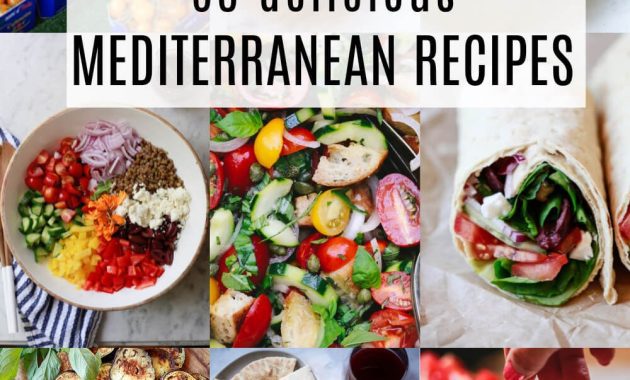
The Mediterranean Diet is celebrated worldwide for its vibrant flavors, fresh ingredients, and incredible health benefits. This comprehensive guide will immerse you in the heart of Mediterranean cuisine, exploring its core principles, essential food list, iconic food pyramid, and an enticing collection of over 30 delicious, authentic recipes to inspire your culinary journey. Get ready to transform your kitchen into a haven of wholesome, flavorful dishes!
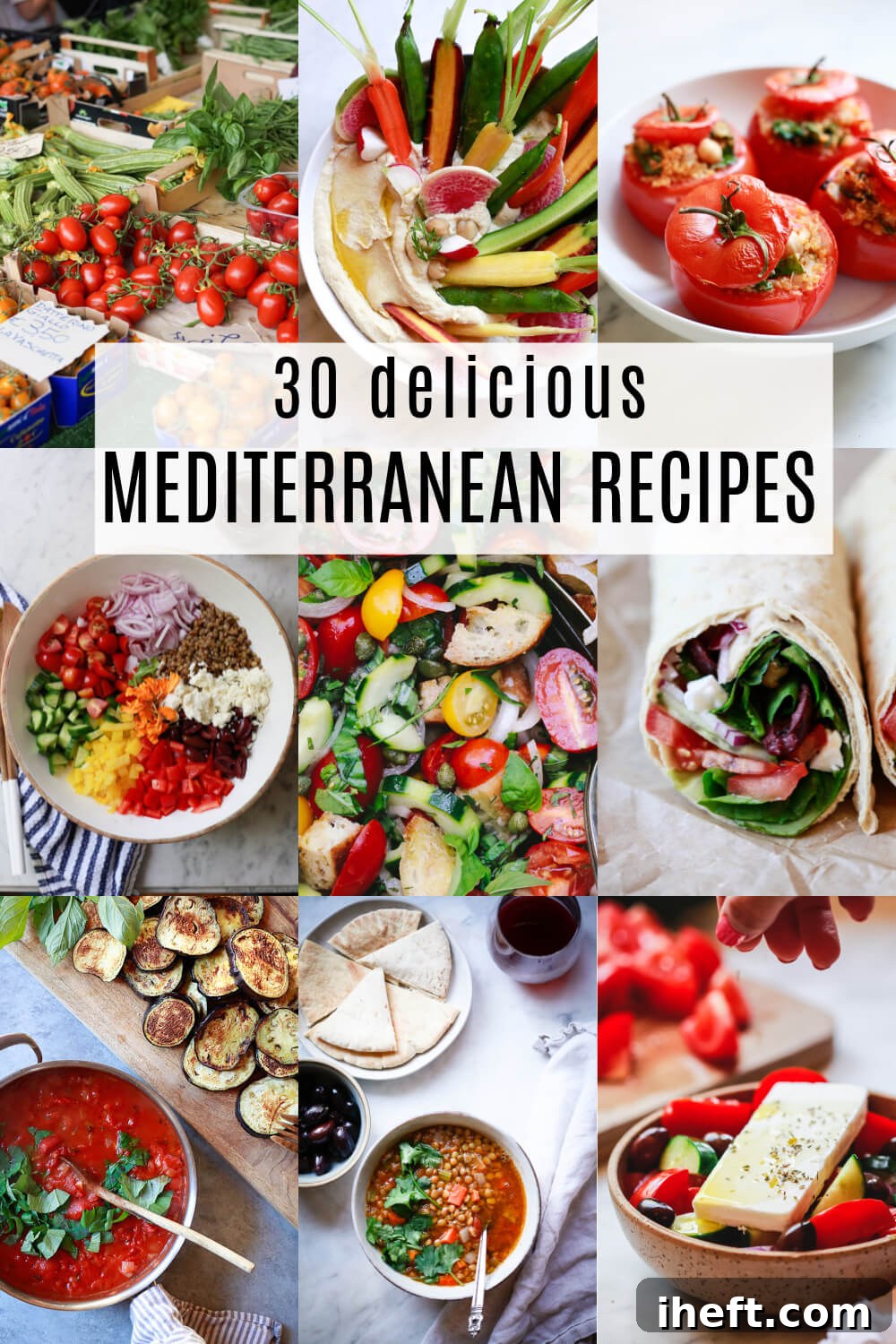
My passion for Mediterranean cuisine runs deep. Perhaps it stems from my college days living and learning to cook in Italy, or maybe it’s the rich tapestry of fresh, flavorful ingredients that seamlessly support a plant-based lifestyle, perfectly aligning with my part-Greek heritage. On this site, you’ll discover hundreds of recipes, many of which draw direct inspiration from the diverse and healthful traditions of the Mediterranean basin.
I am thrilled to share with you a deeper understanding of this remarkable eating pattern, including a traditional Mediterranean diet food list that will revolutionize your grocery shopping, a detailed look at its guiding food pyramid, and a curated selection of over 30 of my most cherished recipes. I’m confident that you’ll fall in love with these vibrant flavors, and to get you started immediately, I’ve included a simple yet satisfying wrap recipe at the end of this guide.
Embracing the Mediterranean Lifestyle: More Than Just a Diet
The term “Mediterranean Diet” evokes images of sun-drenched coasts and delectable, wholesome meals. However, it’s essential to understand that this isn’t a restrictive diet in the conventional sense, but rather a holistic lifestyle. The Mediterranean region encompasses about 20 countries bordering the Mediterranean Sea, stretching from Southern Europe to North Africa and the Middle East. While certain foods are universally recognized as Mediterranean, the culinary landscape is incredibly diverse. Each country, and often regions within them, boasts its unique culinary traditions. For instance, the robust flavors of Sicily differ significantly from the delicate fare found in Northern Italy. Greece, Italy, Spain, France, and Turkey are often the first countries that come to mind when envisioning Mediterranean food, each contributing its distinct character to this rich culinary heritage.
At its core, Mediterranean cuisine is built upon fresh, seasonal ingredients prepared with simplicity and reverence. It naturally champions a plant-focused approach, emphasizing locally grown fresh produce, nutrient-dense whole grains, versatile legumes, crunchy nuts and seeds, aromatic herbs and spices, succulent olives, and, of course, the golden elixir: olive oil. While animal products are not entirely absent, they are consumed in moderation, often as a side or condiment rather than the main event. A newer, completely plant-based variant, known as the “Green Mediterranean” diet, takes this emphasis even further, offering a 100% vegan interpretation of these healthful principles.
Historically, many traditional Mediterranean communities thrived on self-sufficiency, growing their own vegetables and supplementing their diets with local goat or sheep’s milk cheese, homemade olive oil, and grains. The evolution of the Traditional Greek Salad, or Horiatiki Salata, serves as a beautiful testament to this philosophy – a simple yet profoundly flavorful dish born from readily available, fresh ingredients.
A Foundation for Health and Longevity
Universally lauded by nutritionists and health experts, the Mediterranean diet is consistently ranked among the healthiest eating patterns globally, standing in stark contrast to the average Western diet. Its profound health benefits are well-documented, particularly in promoting heart health and extending longevity. It’s no coincidence that two of the world’s renowned Blue Zones – regions where people live remarkably long and healthy lives – are deeply rooted in the Mediterranean tradition: Sardinia, Italy, and Ikaria, Greece. Residents of these areas exemplify the diet’s potential to foster vitality well into old age, with lower rates of chronic diseases such as heart disease, stroke, type 2 diabetes, and certain cancers.
Beyond its dietary components, the Mediterranean lifestyle embraces other crucial elements that contribute to its remarkable health outcomes. Daily physical activity is paramount, often integrated naturally into routines through walking, cycling, gardening, or farming. Equally vital are strong social connections, a deep sense of community, and the cherished bonds of family. These cultural cornerstones promote mental well-being, reduce stress, and reinforce healthy habits, making the Mediterranean approach truly holistic and sustainable.
Visualizing Healthy Eating: The Mediterranean Diet Food Pyramid
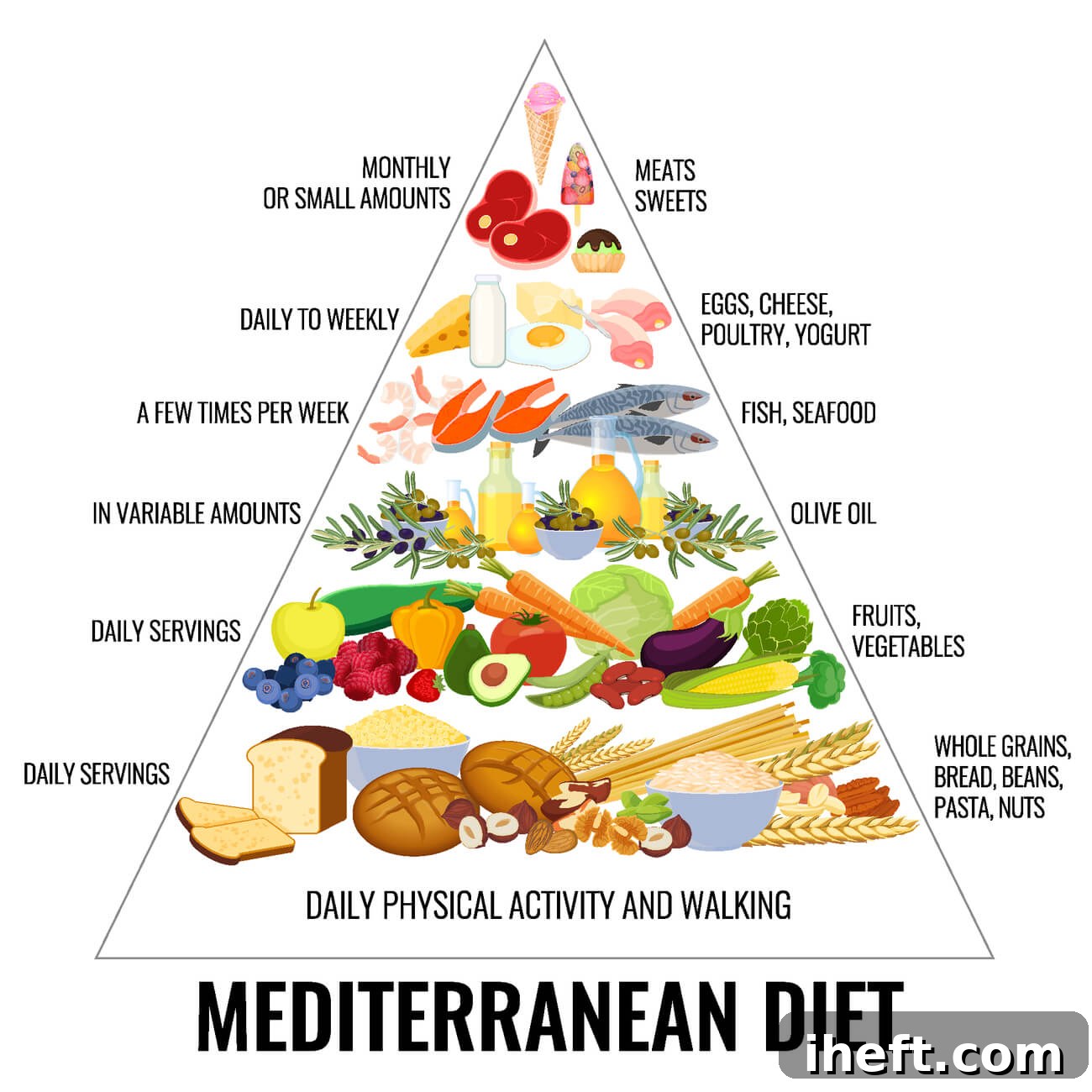
The Mediterranean Diet Food Pyramid serves as an invaluable visual guide, offering a clear blueprint for this balanced and nourishing lifestyle. Its tiered structure effectively illustrates the recommended frequency and portion sizes for various food groups. Observe how foods like fresh produce, whole grains, legumes, and nuts form the expansive base of the pyramid, signifying their importance as daily staples. These nutrient powerhouses provide essential fiber, vitamins, minerals, and complex carbohydrates, supporting sustained energy and digestive health.
Moving up the pyramid, fish and seafood are recommended several times a week, providing lean protein and beneficial omega-3 fatty acids. Dairy products, like yogurt and cheese, are consumed in moderation, also a few times a week. Poultry and eggs appear even higher, suggesting less frequent consumption. At the very apex, red meats and sweets are depicted as very limited, reserved for occasional enjoyment. This clear hierarchy emphasizes a plant-forward approach while allowing for flexibility and variety, making the Mediterranean Diet not only incredibly healthy but also highly enjoyable and sustainable in the long term.
Essential Mediterranean Diet Food List Staples
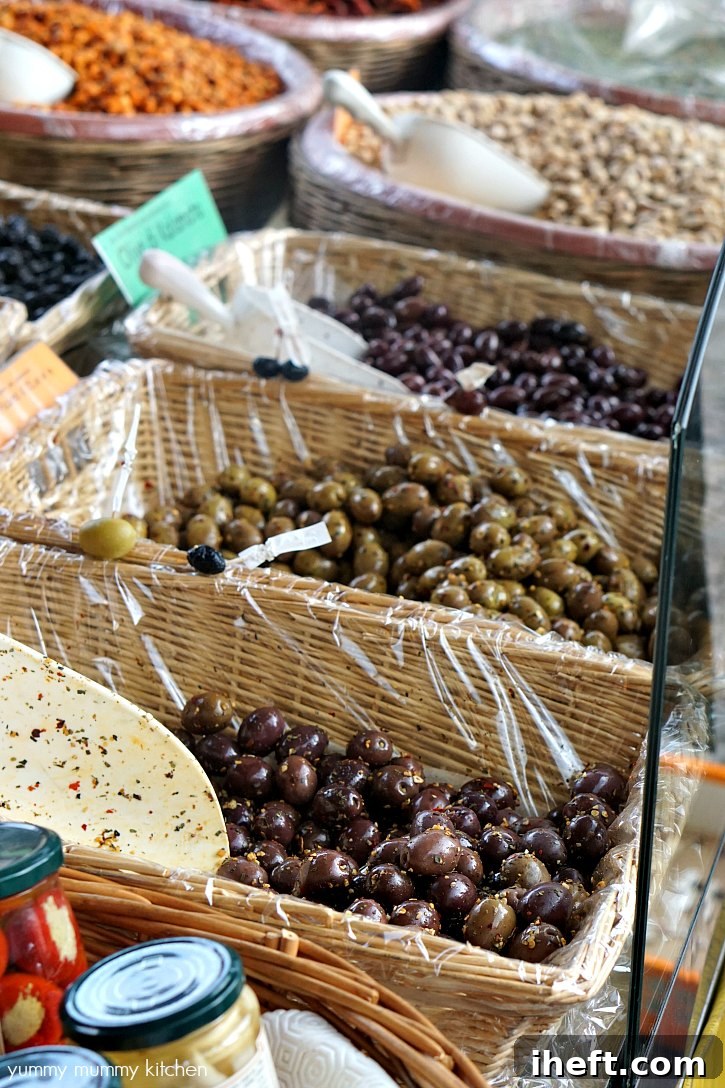
Stocking your pantry with these Mediterranean staples is the first step toward embracing this delicious and healthy way of eating. These ingredients form the foundation of countless traditional dishes, providing a bounty of nutrients and flavors that are both simple and profoundly satisfying.
Whole Grains: The Foundation of Energy
Rich in fiber, whole grains are crucial for digestive health and sustained energy. They form a significant part of the Mediterranean diet, offering diverse textures and flavors.
- Farro: An ancient grain with a nutty flavor and chewy texture, excellent in salads and soups.
- Oats: A versatile grain, perfect for breakfast porridge or as a binder in savory dishes.
- Bulgur wheat: A quick-cooking grain, foundational for dishes like tabbouleh.
- Whole wheat pasta: A staple for countless Italian and Mediterranean dishes.
- Brown rice: A nutritious alternative to white rice, ideal for pilafs and side dishes.
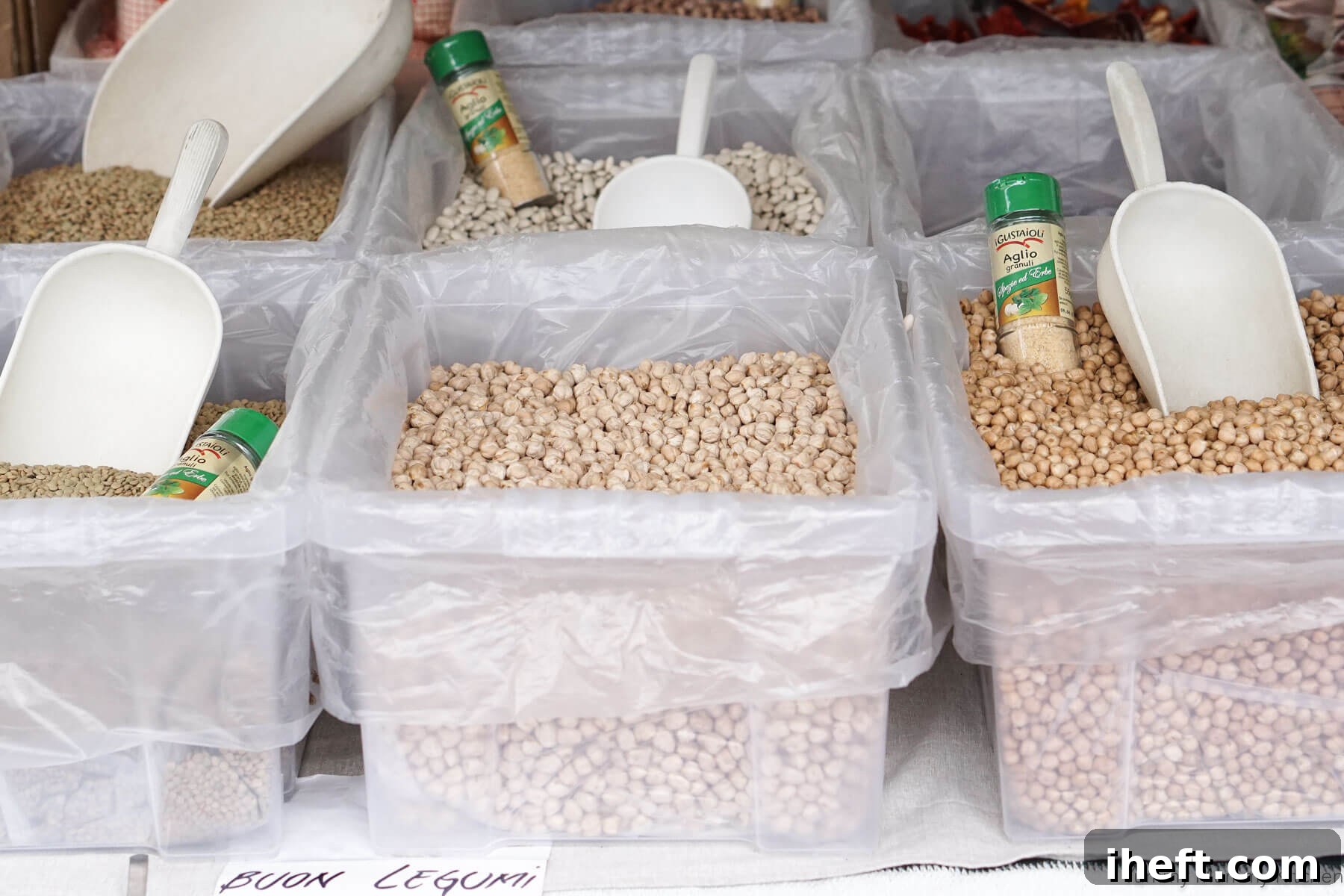
Legumes: Plant-Based Protein Powerhouses
Legumes are cornerstones of the Mediterranean diet, providing ample plant-based protein, fiber, and essential minerals. They are incredibly versatile, used in soups, stews, salads, and dips.
- White Beans: Creamy and mild, perfect for stews or simple salads.
- Chickpeas (Garbanzo beans): The star of hummus, also great in roasted dishes and salads.
- Fava beans: Nutty and slightly sweet, often enjoyed fresh or dried.
- Cranberry beans: Beautifully speckled, lending themselves well to hearty Italian dishes.
- Black Eyed Peas: Earthy and nutritious, commonly used in stews and warm salads.
- Greek giant beans (Gigantes): Large, meaty beans perfect for baking in rich tomato sauce.
- Lentils: Quick-cooking and incredibly nutritious, ideal for soups, curries, and salads.
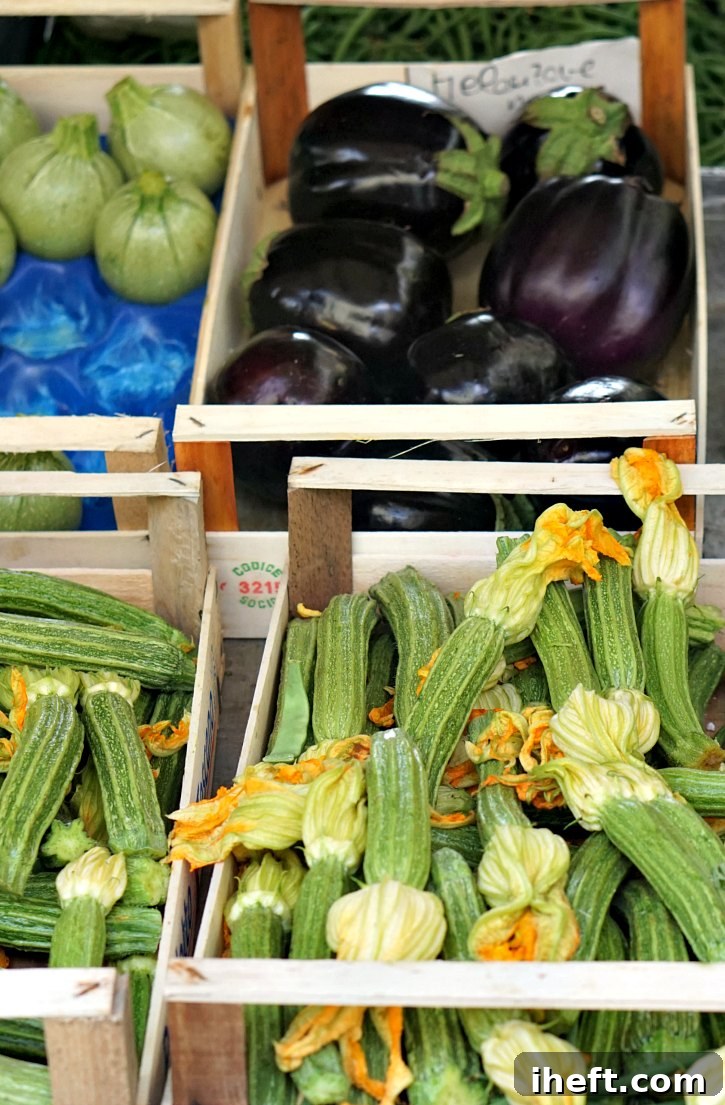
Vegetables: The Heart of Every Meal
Fresh, seasonal vegetables are at the core of the Mediterranean diet, providing a wealth of vitamins, antioxidants, and fiber. They are consumed in abundance, often raw, grilled, roasted, or lightly sautéed.
- Cucumber: Refreshing and crisp, essential for salads and dips.
- Bell pepper: Sweet and vibrant, used in stir-fries, salads, and roasted dishes.
- Zucchini: Mild and versatile, great grilled, sautéed, or baked.
- Eggplant: Hearty and absorbent, perfect for grilling, baking, or in stews.
- Potatoes: A comforting starch, used in roasts, salads, and traditional casseroles.
- Pumpkin: Sweet and earthy, excellent in soups, stews, and baked goods.
- Green Beans: Tender and fresh, ideal as a simple side dish.
- Mushrooms: Earthy and savory, adding umami to many dishes.
- Onions: A foundational aromatic for almost any savory recipe.
- Leeks: Mildly oniony, excellent in soups and gratins.
- Garlic: Indispensable for its pungent flavor and health benefits.
- Fennel: Anise-flavored, wonderful raw in salads or roasted.
Greens: Nutrient-Dense Varieties
Leafy greens are consumed regularly, offering concentrated doses of vitamins, minerals, and antioxidants. They are often lightly cooked, added to salads, or incorporated into savory pies.
- Spinach: A nutrient powerhouse, versatile in both raw and cooked preparations.
- Dandelion greens: Slightly bitter, often sautéed with garlic and olive oil.
- Amaranth greens: Earthy and nutritious, common in Mediterranean and Asian cuisines.
- Collard greens: Hearty greens, typically slow-cooked for maximum flavor.
- Grape leaves: Used to wrap savory fillings, a staple in many Middle Eastern dishes.
Fruits: Nature’s Sweetness
Fresh fruit is the preferred dessert in the Mediterranean diet, providing natural sweetness and a bounty of vitamins and fiber.
- Lemons: Essential for brightening flavors, used in dressings, marinades, and drinks.
- Grapes: Sweet and refreshing, enjoyed fresh or dried as raisins.
- Oranges: A source of Vitamin C, often eaten fresh or squeezed for juice.
- Figs: Sweet and fibrous, delicious fresh or dried.
- Dates: Naturally sweet, used in desserts or as a quick energy boost.
Oil & Vinegar: The Heart of Mediterranean Dressings
These two ingredients are fundamental to Mediterranean cooking, providing flavor, healthy fats, and acidity.
- Olive Oil: Extra virgin olive oil is the primary source of fat, used for cooking, dressings, and finishing dishes. Its monounsaturated fats are key to heart health.
- Red wine vinegar: A tangy, essential component for salad dressings and marinades.
- Balsamic vinegar: Sweet and acidic, perfect for drizzling over salads or grilled vegetables.
Nuts & Seeds: Healthy Fats and Crunch
Nuts and seeds are enjoyed daily in moderation, offering healthy fats, protein, and fiber. They provide a satisfying crunch to salads, snacks, and baked goods.
- Pine nuts: Buttery and delicate, often toasted and sprinkled over dishes or used in pesto.
- Walnuts: Rich in omega-3s, great for snacking or in salads.
- Pistachios: Flavorful and vibrant, used in both savory and sweet preparations.
- Sesame seeds: Tiny but mighty, used in tahini, sprinkled on bread, or as a garnish.
Herbs & Spices: The Soul of Flavor
Fresh and dried herbs and spices are used generously to flavor dishes without relying on excessive salt or unhealthy fats. They contribute vibrant aromas and often possess medicinal properties.
- Greek oregano: Pungent and earthy, a signature flavor in Greek cuisine.
- Basil: Sweet and aromatic, essential for Italian dishes and fresh salads.
- Thyme: Woody and fragrant, pairs well with vegetables, legumes, and grilled foods.
- Dill: Fresh and slightly anise-like, commonly used in Greek and Eastern European cooking.
- Mint: Cooling and invigorating, found in salads, drinks, and savory dishes.
- Sage: Earthy and slightly peppery, excellent with hearty vegetables and legumes.
- Rosemary: Piney and strong, perfect for roasting vegetables and potatoes.

Pantry Staples: Essential Flavor Boosters
These items are always good to have on hand to create quick, flavorful Mediterranean meals.
- Pasta: A versatile carbohydrate base for endless dishes, ideally whole wheat.
- Rice: From risotto to pilafs, rice is a global staple adaptable to Mediterranean flavors.
- Pita bread: Soft, leavened flatbread, perfect for dipping or making wraps.
- Olives: Briny and rich, a quintessential Mediterranean ingredient for snacking or cooking.
- Capers: Salty and tangy flower buds, adding a burst of flavor to sauces and salads.
- Sun-dried tomatoes: Concentrated tomato flavor, excellent in pastas, spreads, and salads.
- Canned San Marzano tomatoes: Known for their sweet, balanced flavor, ideal for sauces.
- Tomato paste: Concentrated tomato puree, adds depth to stews and sauces.
- Roasted peppers: Sweet and smoky, perfect for antipasti or pureed into dips.
- Artichoke hearts: Tangy and tender, great in salads, pizzas, or simply marinated.
- Tahini: A creamy sesame paste, fundamental for hummus and various dressings.
- Wine (For those who choose to enjoy it): In moderation, wine, particularly red wine, is a traditional part of the Mediterranean diet. You can explore Dry Farm Wine for pure, natural options.
Savor the Flavors: Delectable Mediterranean Diet Recipes
One of the most appealing aspects of the Mediterranean diet is its incredible variety and deliciousness. Far from being restrictive, it encourages a rich tapestry of flavors, making healthy eating a true pleasure. Here, we present a collection of beloved Mediterranean recipes, from refreshing salads and hearty stews to flavorful dips and satisfying main courses. Each recipe embodies the principles of this healthful lifestyle, showcasing fresh ingredients, vibrant seasonings, and simple preparation methods. Dive in and discover your new favorite dishes!
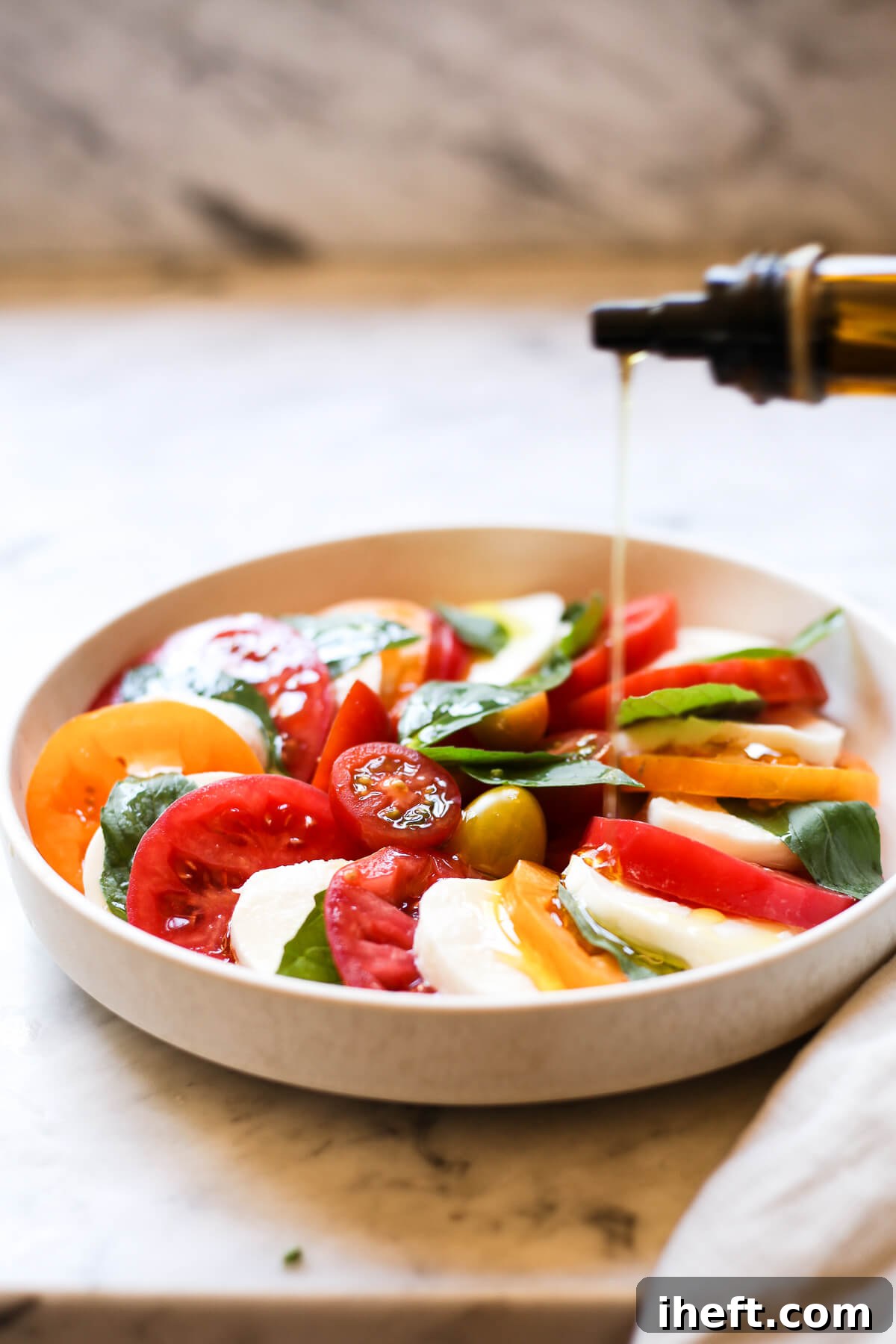
Originating from the picturesque island of Capri, Caprese Salad is a timeless Italian classic. Its simplicity belies its exquisite flavor, combining ripe tomatoes, fresh mozzarella, fragrant basil, and a drizzle of extra virgin olive oil for a perfect balance of taste and texture.
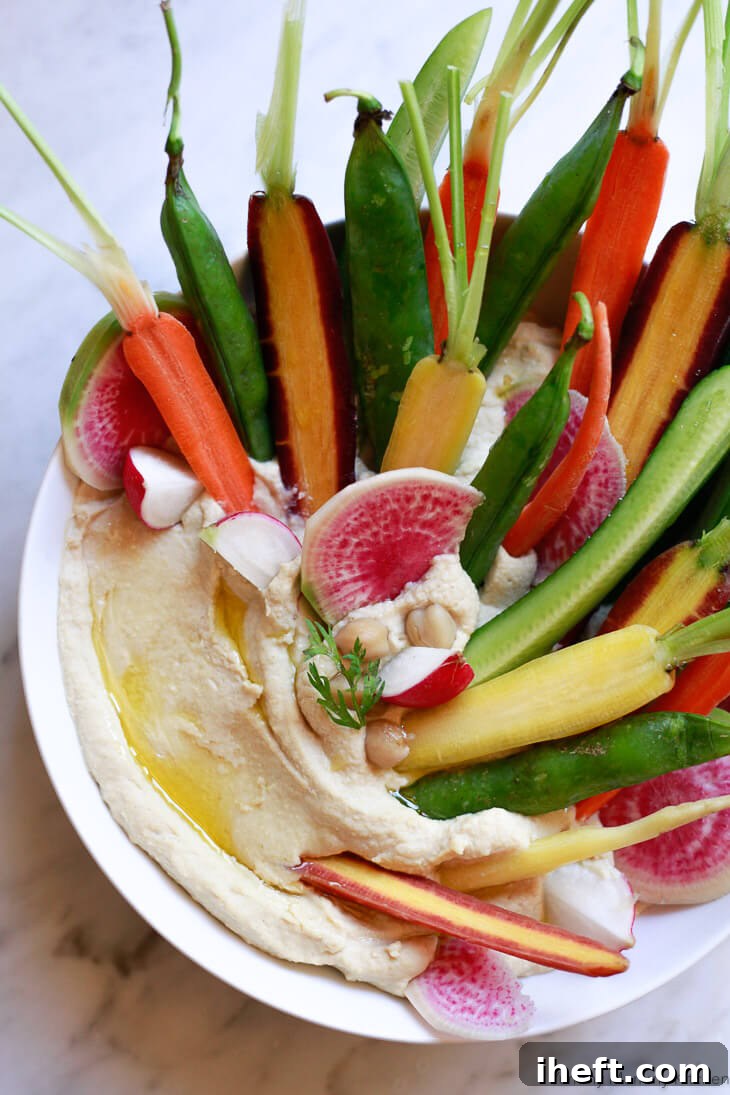
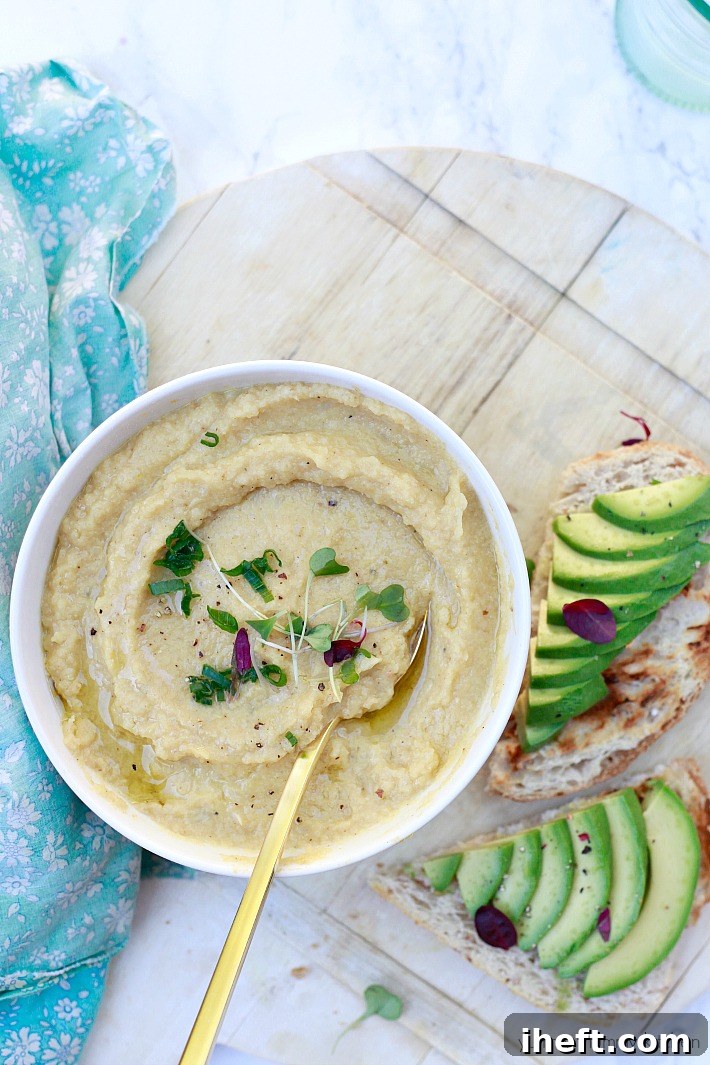
Our Classic Hummus recipe is an excellent way to transform dried chickpeas into an incredibly smooth and creamy dip. Cooking chickpeas in an Instant Pot makes the process effortless, yielding the silkiest, most flavorful hummus you’ve ever tasted.
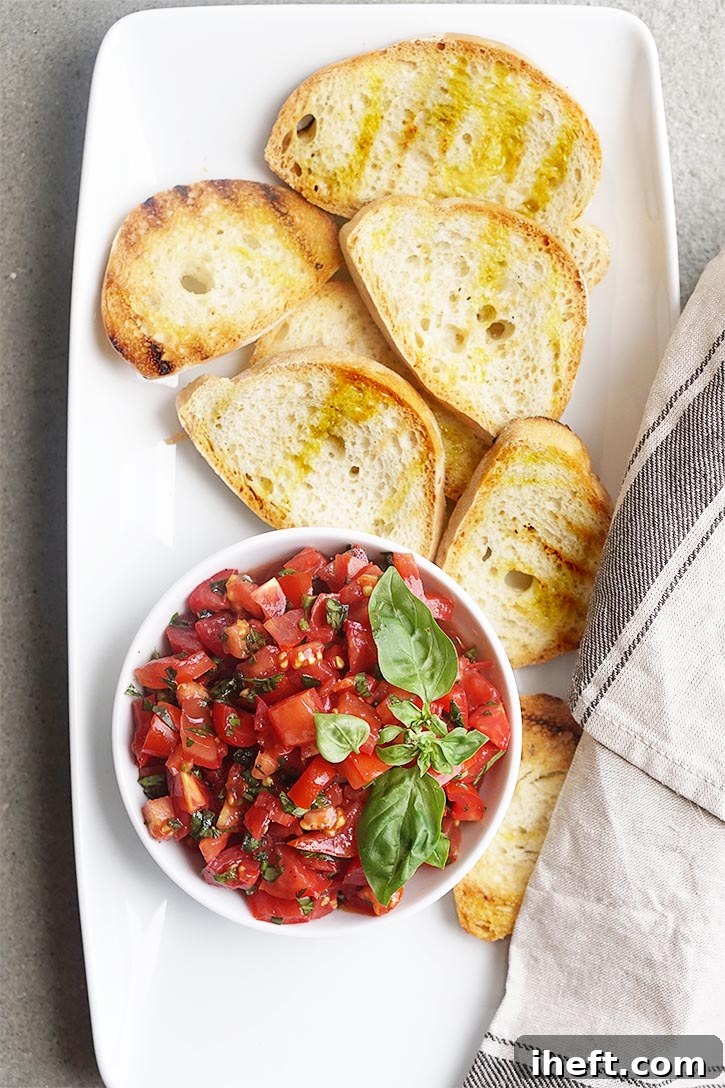
I had the privilege of learning how to craft this Authentic Bruschetta recipe during my travels in Italy. The secret to its incredible flavor lies in using the freshest ingredients and a simple preparation method that truly lets the tomatoes shine.
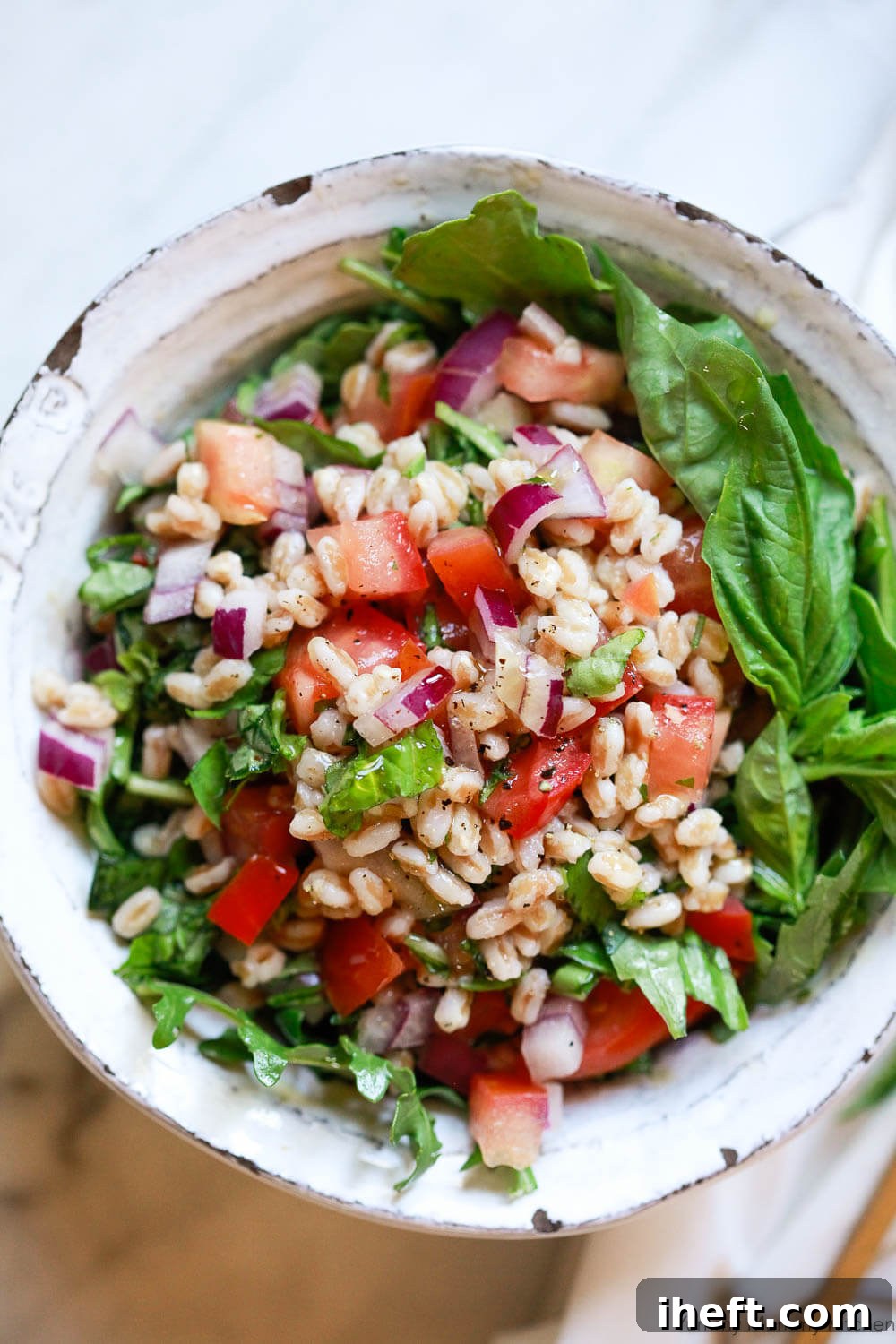
Whole grains are a fundamental element of Mediterranean cooking, and this classic Farro Salad is a testament to their versatility. It’s a hugely popular dish throughout Italy, renowned for its hearty texture and refreshing combination of flavors.
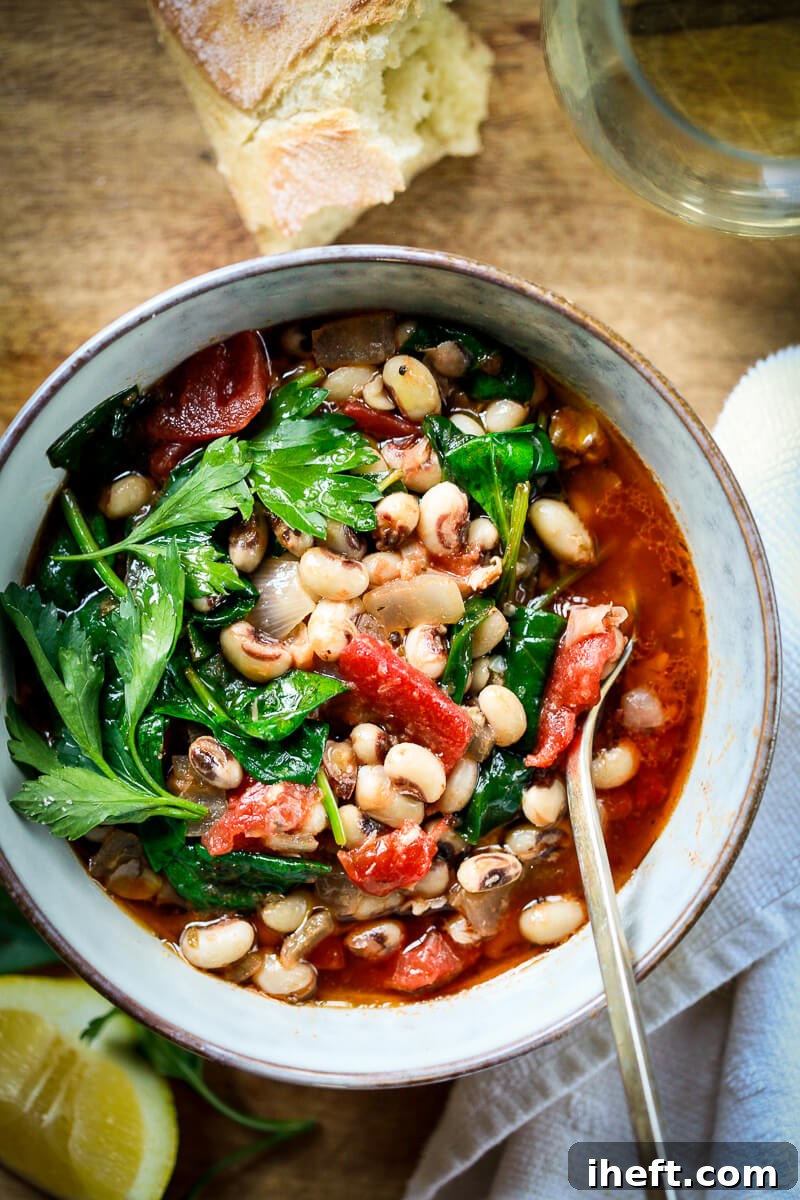
These warming Mediterranean Black Eyed Peas are gently stewed with nutrient-rich greens and ripe tomatoes. The result is a comforting and entirely plant-based meal, perfect for a cozy evening.
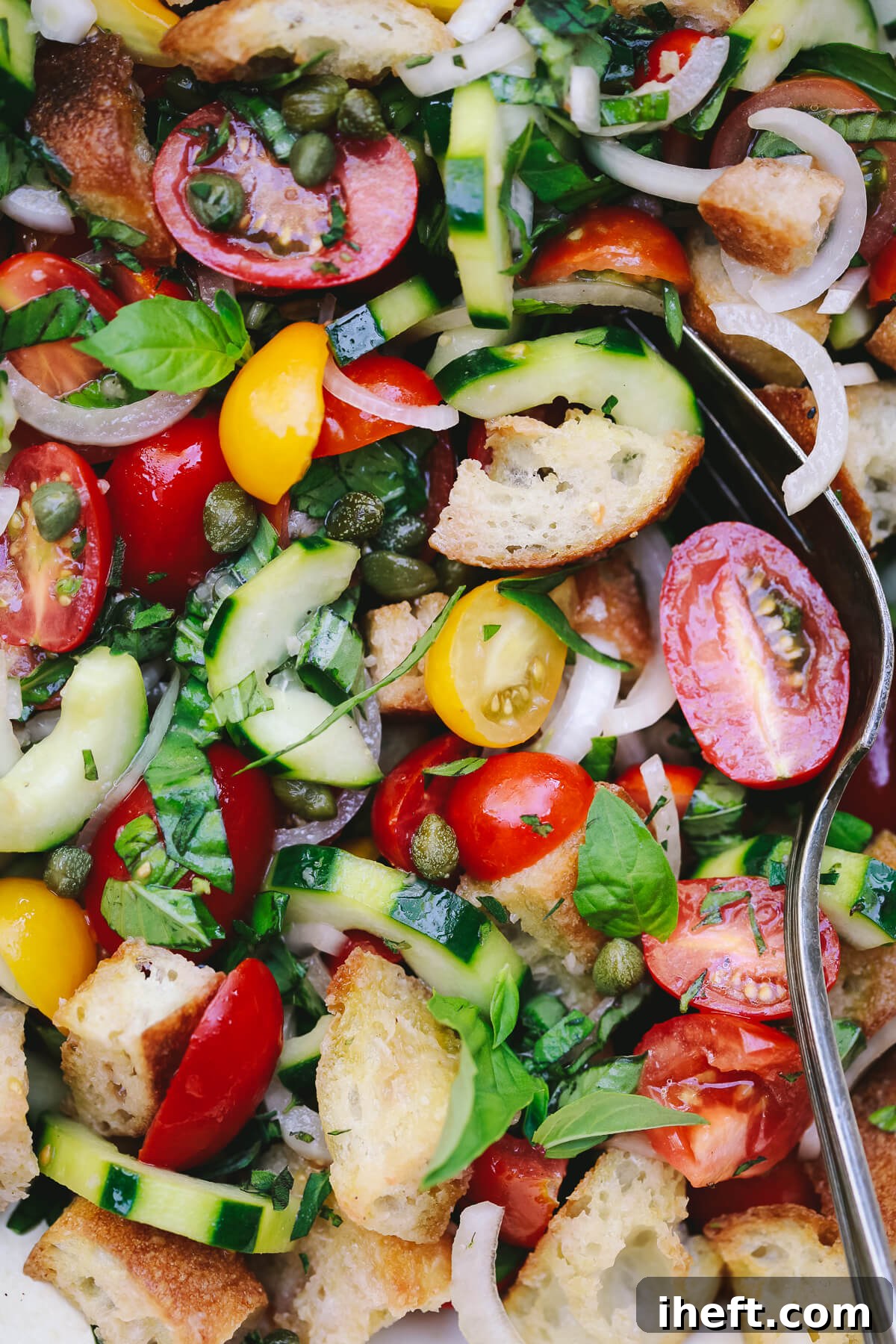
Panzanella, the beloved Italian bread and tomato salad, ingeniously uses day-old bread, tomatoes, cucumbers, and other fresh ingredients. It’s a quintessential summertime favorite, embodying the spirit of zero-waste cooking.
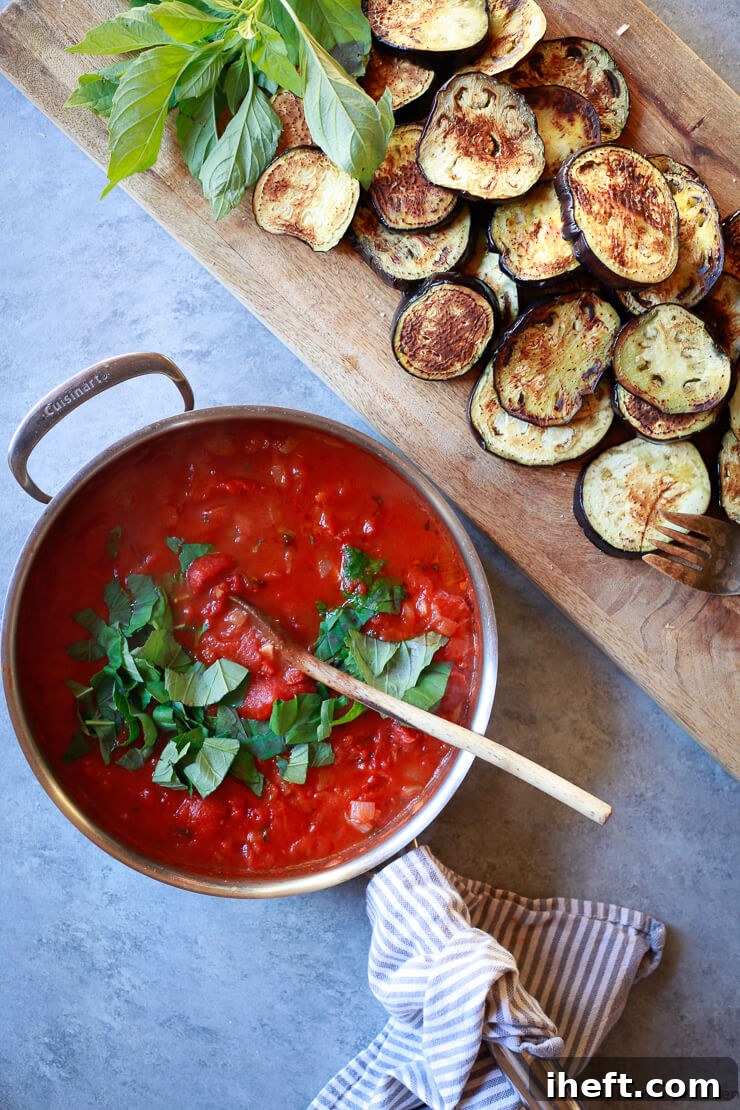
Traditional Baked Eggplant Parmesan is often much lighter than its fried counterparts. This version emphasizes the natural flavors of eggplant and rich tomato sauce without excessive oil, offering a healthier yet equally satisfying experience.
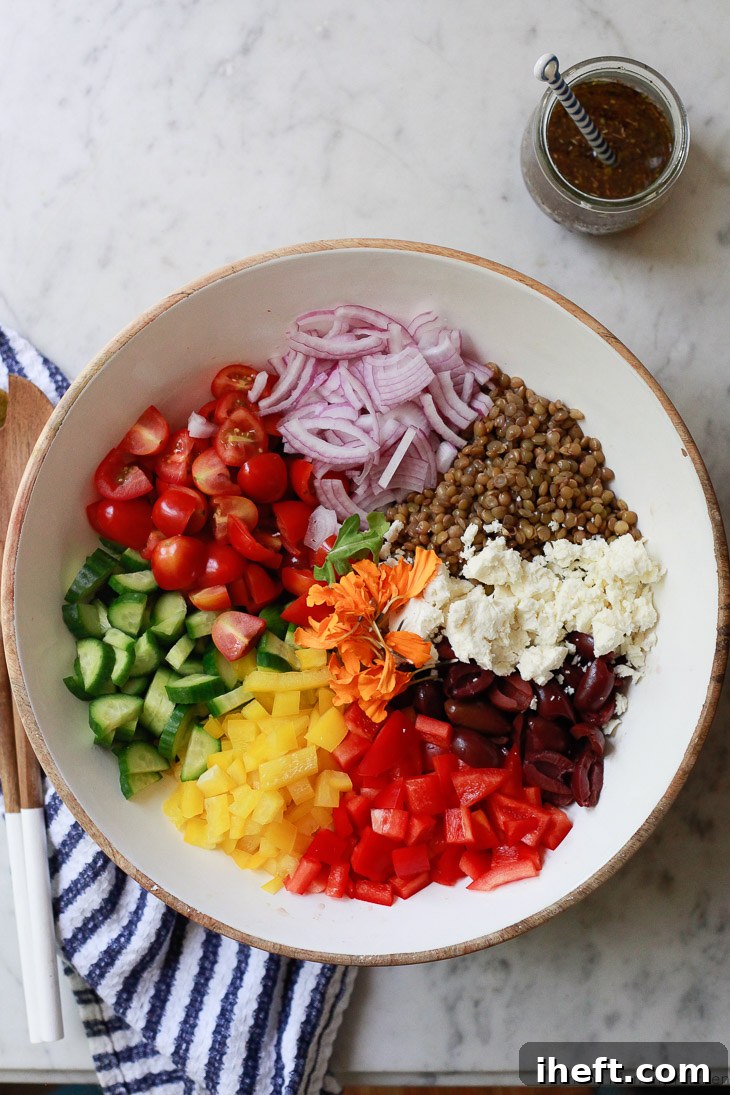
This Mediterranean Lentil Salad is a feast for the eyes and the palate. Packed with colorful vegetables, hearty lentils, and bright flavors, it’s both nutritious and incredibly satisfying.
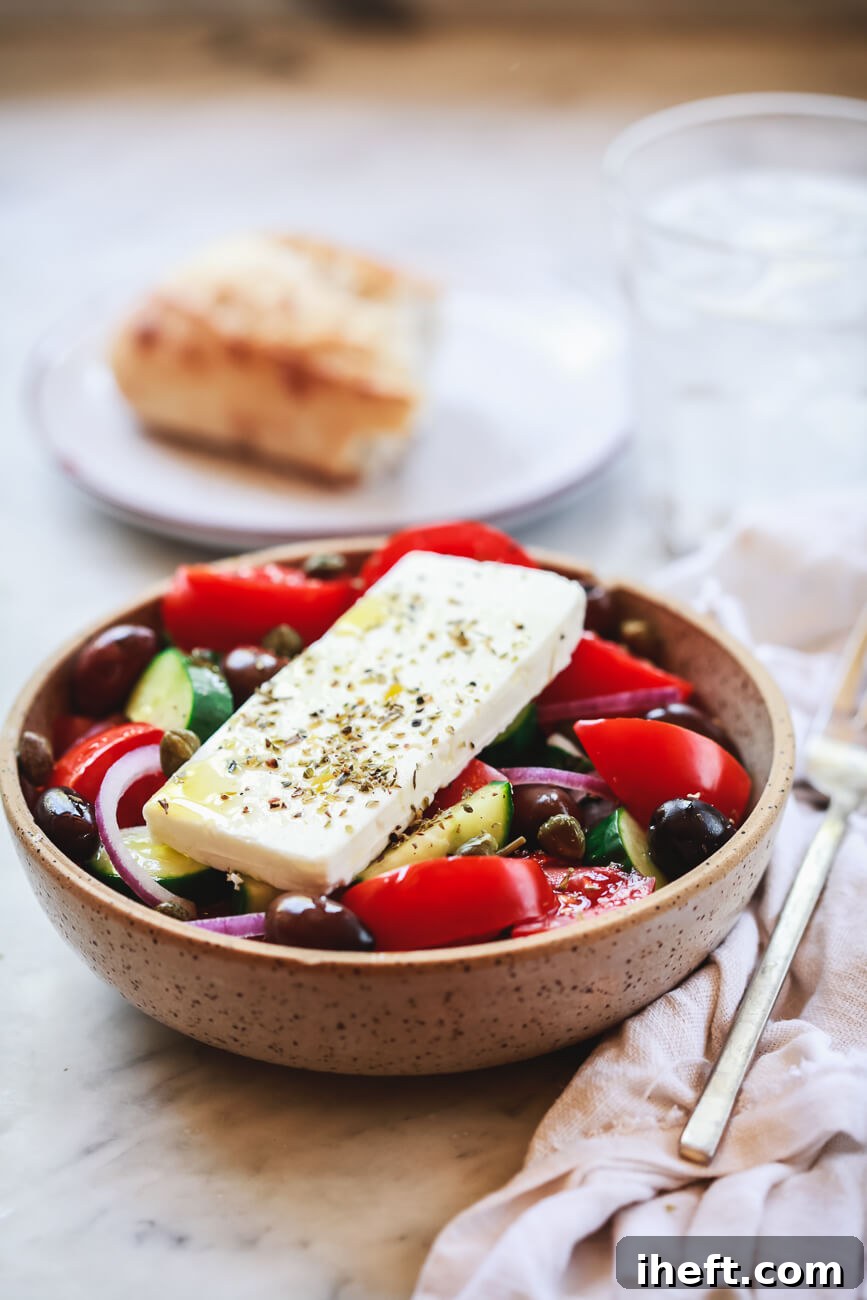
Traditional Greek Village Salad, or Horiatiki Salata, is the epitome of simplicity and deliciousness. Made with a few peak-season ingredients, it’s a staple on every Greek menu and a vibrant representation of Mediterranean freshness.
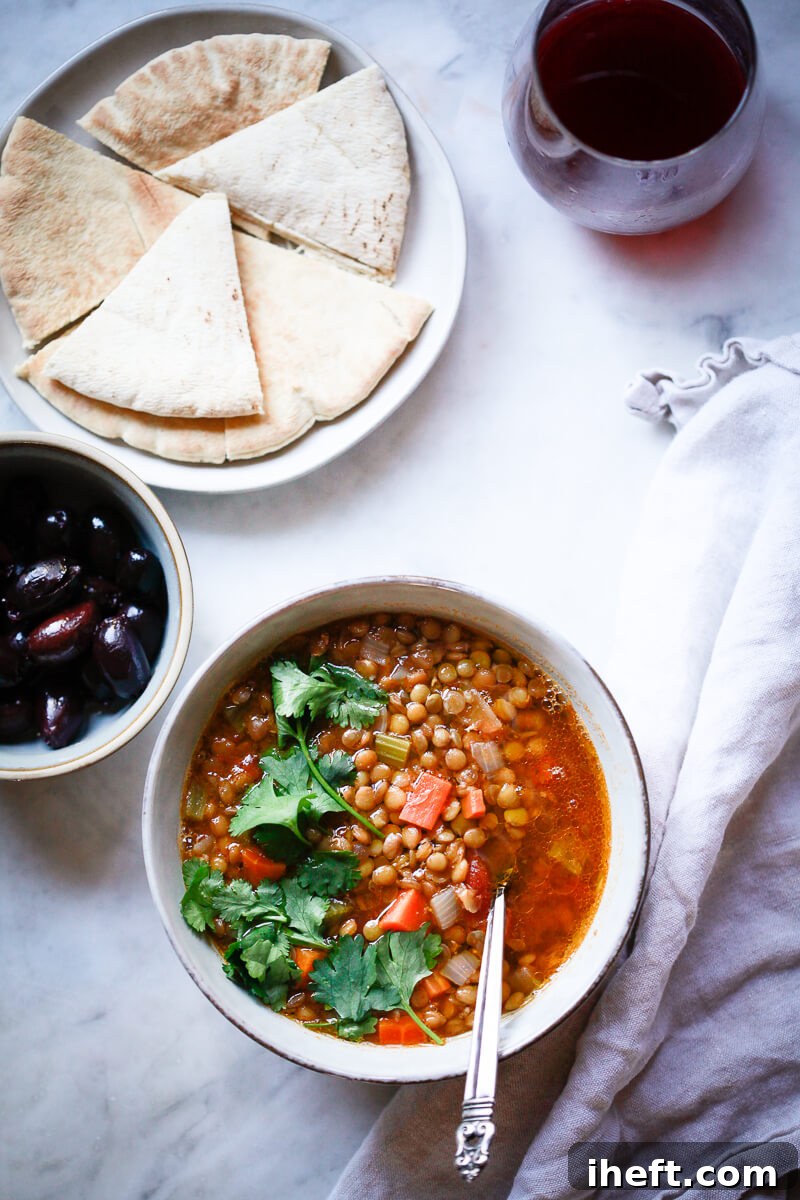
Another beloved traditional Greek recipe, Fakes, or Greek Lentil Soup, is celebrated for its simplicity, nourishing qualities, and comforting flavors. This healthy soup is a testament to how humble ingredients can create extraordinary meals.
Here’s an extended list of Mediterranean-inspired recipes to further enrich your culinary repertoire:
- Quinoa Stuffed Baked Tomatoes: A wholesome and flavorful vegetarian main.
- San Marzano Marinara: A rich, sweet, and versatile tomato sauce.
- Baked Pita Chips: Crispy and perfect for dipping into hummus or other spreads.
- Tabbouleh with Quinoa: A fresh herb salad with a nutritious grain twist.
- Easy Vegetarian Gyros: A delightful plant-based take on a Greek classic.
- Classic Falafel: Crispy, flavorful chickpea fritters, ideal for wraps or salads.
- Labneh Dip: A tangy, thick strained yogurt dip, perfect with pita.
- Pesto alla Genovese: The iconic Italian basil sauce, vibrant and aromatic.
- Fresh Tomato Marinara: A simple, flavorful sauce showcasing peak-season tomatoes.
- Classic Pizza Dough: The foundation for homemade Mediterranean-style pizzas.
- Neapolitan Pizza Sauce: A simple, authentic sauce for your homemade pizzas.
- Lemon Tahini Salad Dressing: Creamy, zesty, and perfect for a variety of salads.
- Pastina Soup: A comforting and light Italian pasta soup.
- Italian Vegetable Soup (Minestrone): A hearty, vegetable-rich and satisfying soup.
- Lemony Lentil Soup: A bright and wholesome soup, perfect for any season.
- Greek Pasta Salad: A refreshing and robust pasta salad with classic Greek flavors.
- Greek Chickpea Salad: A vibrant, protein-packed salad, excellent for a light meal.
- Mushroom Risotto: Creamy and savory, showcasing earthy mushrooms.
- Kale Salad with Tomatoes and Orzo: A fresh, hearty salad with tender kale and pasta.
- Grilled Halloumi Salad: Salty, squeaky cheese perfectly complemented by fresh greens.
- Mediterranean Chickpea Orzo Salad: A wholesome and colorful pasta salad.
- Pan con Tomate: Simple Spanish toast with fresh tomato, garlic, and olive oil.
- Mediterranean Couscous Salad: Light and fluffy couscous tossed with fresh vegetables.
- Herby Lemon Quinoa Salad: A vibrant, protein-rich salad bursting with fresh herbs and citrus.
- Mediterranean Freekeh Salad: An ancient grain salad offering unique texture and flavor.
- Mediterranean Sheet Pan Meal: An easy and convenient way to roast a variety of vegetables and protein together.
Mediterranean Diet Wrap Recipe
2 minutes
2 minutes
4 minutes
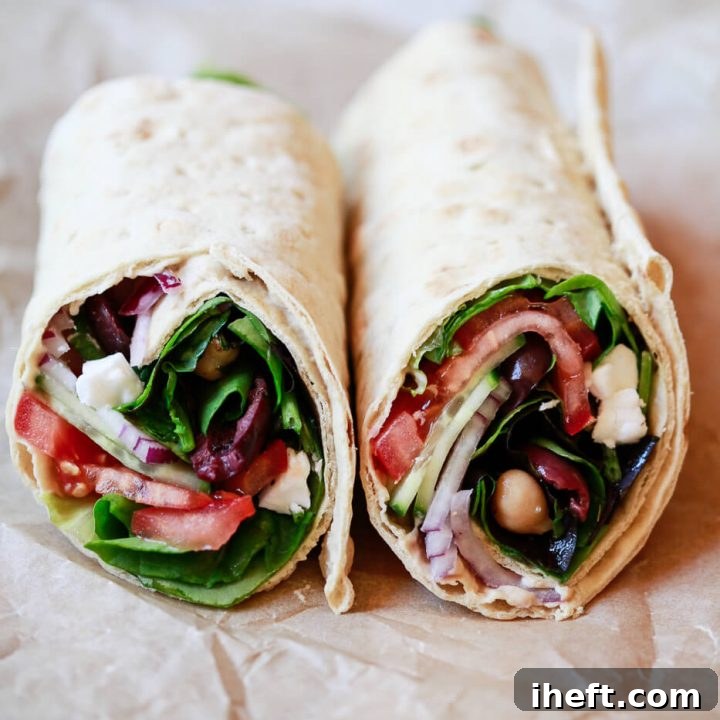
This simple Mediterranean wrap is a delightful, healthy, and quick way to enjoy the vibrant flavors of the Mediterranean. It makes an excellent packed lunch or a light, satisfying meal.
Ingredients
- 1 piece lavash flatbread (or pita)
- 3 tablespoons hummus
- 1 1/2 cups baby greens
- 1 Persian cucumber, thinly sliced
- 1 medium tomato, thinly sliced
- 5 pitted Kalamata Olives, halved
- 2 tablespoons crumbled feta cheese (vegan feta can be used for a plant-based option)
- 1 teaspoon extra virgin olive oil
- salt and pepper, to taste
Instructions
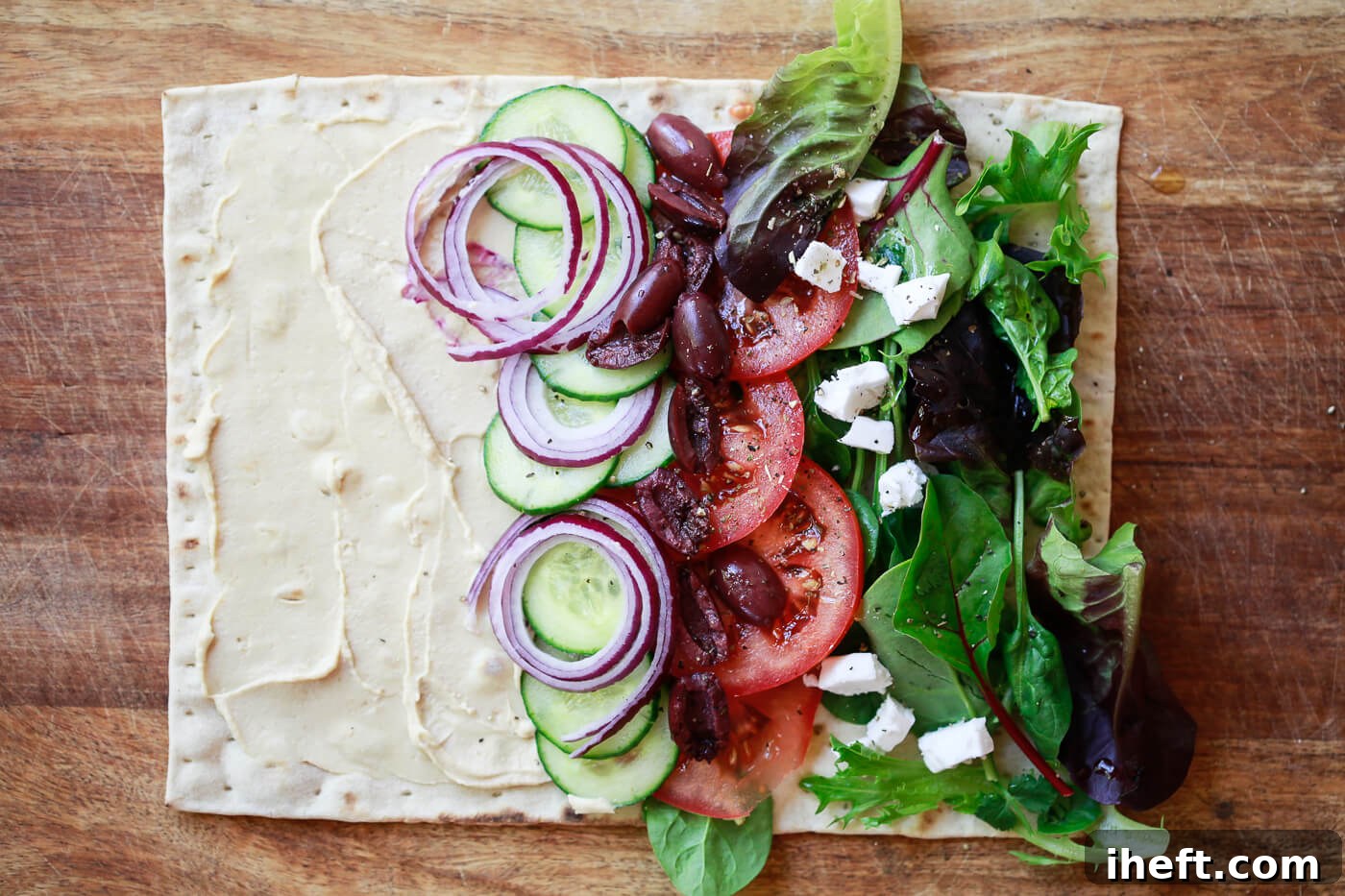
- Working crosswise, spread the hummus evenly over half of the flatbread.

- Arrange the baby greens, thinly sliced cucumber, tomato, and halved Kalamata olives over the other half of the flatbread.
- Sprinkle the crumbled feta cheese over the vegetables. Finish with a light drizzle of extra virgin olive oil and season with a pinch of salt and pepper to taste.
- Starting at the short end nearest the vegetables, carefully roll the lavash up all the way to the other end, creating a compact wrap.
- Cut the finished wrap in half crosswise, or into several 2-inch slices, for easy serving and enjoyment.
Notes
This Mediterranean wrap is incredibly adaptable to your preferences! Feel free to experiment with other tasty fillings such as roasted chickpeas, Balela salad, tabbouleh, roasted red peppers, or a dollop of creamy tahini sauce for extra flavor and texture. It’s a fantastic way to utilize leftover ingredients and customize your meal.
Nutrition Information:
Yield: 1
Serving Size: 1 wrap
Amount Per Serving:
Calories: 382
Total Fat: 18g
Cholesterol: 0mg
Carbohydrates: 44g
Protein: 12g
Adopting the Mediterranean diet is not just about changing what you eat; it’s about embracing a philosophy of life that prioritizes fresh, wholesome foods, active living, and strong community bonds. With its scientifically proven benefits for heart health, longevity, and overall well-being, coupled with its incredibly diverse and flavorful cuisine, it’s an enjoyable and sustainable path to a healthier you. We hope this guide has provided you with the inspiration and tools to embark on your own delicious journey into the world of Mediterranean cooking. Enjoy every vibrant bite!