Tranquil Lavender Infusion
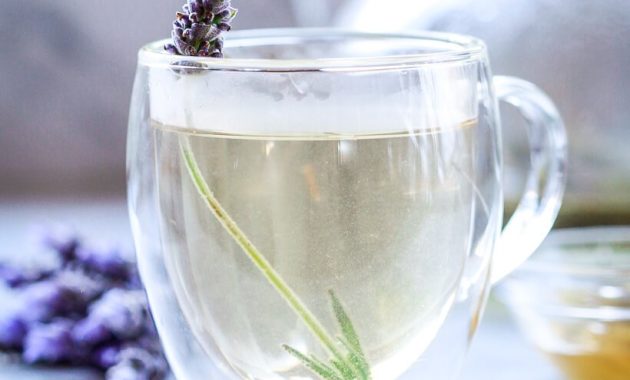
Welcome to the delightful world of homemade herbal infusions! There’s something inherently rewarding about crafting your own teas, using nature’s bounty to create beverages that soothe the soul and tantalize the senses. Among the myriad of edible herbs, roots, flowers, and spices that lend themselves beautifully to tea-making, lavender stands out as a true gem. Its delicate floral notes and renowned calming properties make homemade lavender loose tea an unrivaled choice for anyone seeking a moment of tranquility and relaxation.
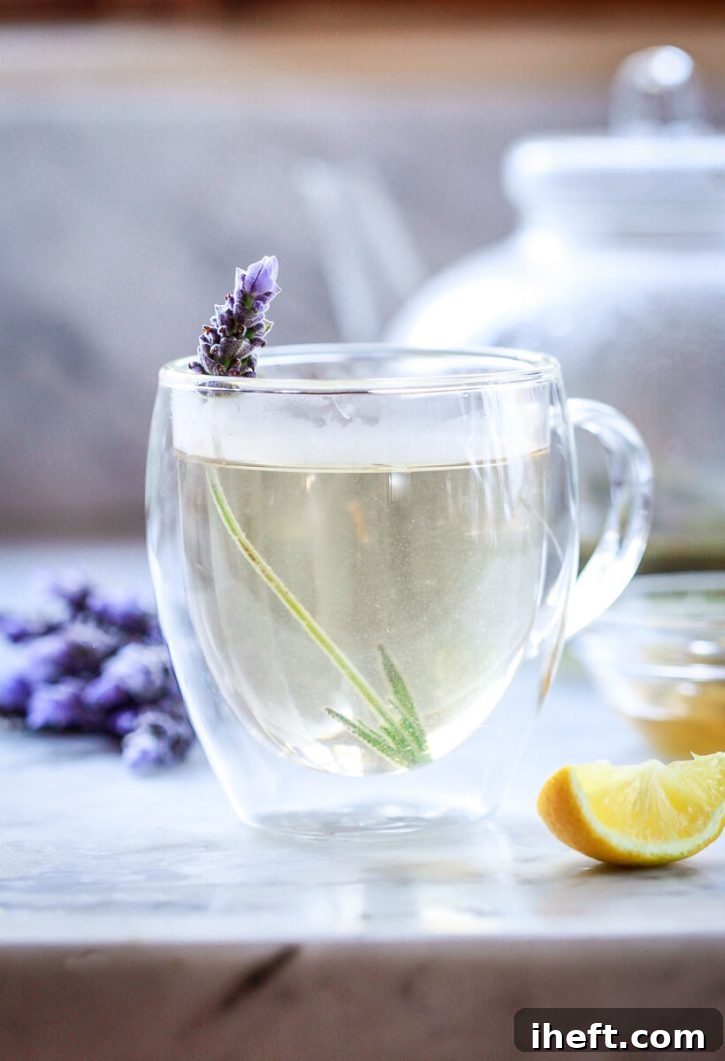
For years, the idea of sharing my cherished lavender tea recipe has been brewing in the back of my mind. My journey with this exquisite herbal tea began during a memorable lavender harvest at the picturesque Carmel Valley Ranch. Back then, we meticulously packed the fragrant lavender into organic tea bags. While tea bags offer undeniable convenience – and I still use them on occasion – I’ve since embraced an even simpler and more effective method: brewing loose-leaf lavender.
While commercially available tea bags are certainly handy for a quick cup, brewing loose herbal tea offers a superior experience that truly elevates your daily ritual. Dried herbs and flowers, especially lavender, require ample space to fully expand and release their essential oils and aromatic compounds during the steeping process. A good quality loose-leaf strainer or a teapot with a built-in infuser allows these delicate botanicals the room they need to unfurl, resulting in a more potent, flavorful, and aromatic infusion. Furthermore, opting for loose culinary lavender often means a higher quality product at a more economical price point, making homemade herbal teas a delightful and beneficial choice.
Indulging in a warm cup of lavender tea is more than just drinking a beverage; it’s an experience akin to a mini-spa retreat right in your own home. Its gentle, soothing essence is a healthy, natural antidote to the stresses of modern life. We could all benefit from a little more peace and calm, and lavender tea offers just that. Enjoy a fragrant cup in the morning to start your day with a clear mind, or in the afternoon for a moment of quiet reflection, perhaps alongside some delicious Blueberry Oatmeal Scones. For the ultimate unwinding experience, sip it before bedtime to encourage a profoundly restful and rejuvenating sleep.
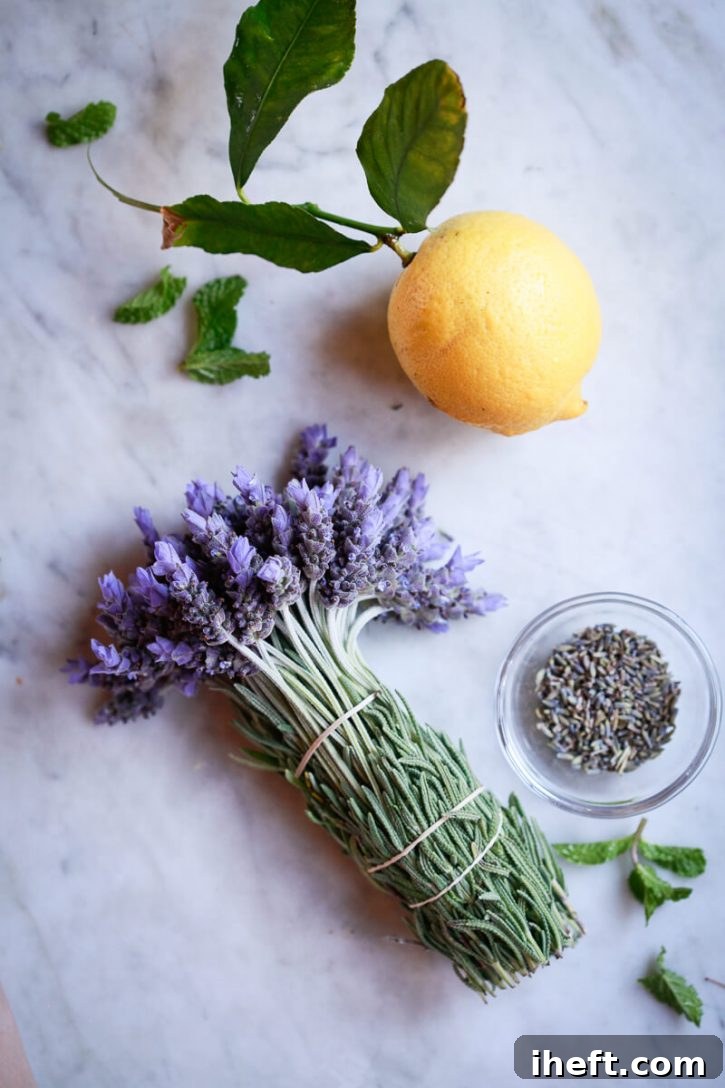
Unlocking the Wellness Wonders: Lavender Tea Benefits
Lavender (Lavandula angustifolia) is celebrated globally for its distinctive aroma and myriad of uses, ranging from ornamental gardening to perfumery. While much of the lavender cultivated worldwide is destined for essential oil extraction or fragrance production, a specific variety, known as culinary lavender, is grown for its gentle flavor and therapeutic properties when consumed. I frequently incorporate lavender essential oil into my family’s evening routine to foster a sense of calm before bed, and I’ve even used it to craft wonderful calming products like homemade Body Oil and luxurious Bath Bombs. If you appreciate the power of wellness teas, you might also enjoy our invigorating Dandelion Detox Tea.
However, it is the calming and anxiolytic properties of lavender tea that truly shine, making it an invaluable addition to any self-care regimen. Extensive research and traditional wisdom alike highlight its significant potential to improve overall well-being. Lavender is most widely recognized for its ability to foster relaxation and has been shown in studies to significantly enhance sleep quality. Beyond promoting restorative rest, regular consumption of lavender tea may offer relief for a spectrum of common ailments and concerns, including:
- Anxiety and Stress: The aromatic compounds in lavender, particularly linalool and linalyl acetate, are believed to interact with neurotransmitters in the brain, helping to reduce feelings of anxiousness and promote a sense of calm. Sipping a warm cup can provide a gentle, natural way to de-stress after a long day or before a challenging event.
- Depression: While not a substitute for professional medical treatment, lavender has been explored for its potential mood-lifting effects. Its calming influence can contribute to an improved emotional state, offering a complementary approach to managing mild depressive symptoms.
- Nausea and Digestive Discomfort: Historically, lavender has been used as a carminative to soothe the digestive system. The tea may help alleviate feelings of nausea and indigestion by relaxing the gastrointestinal tract and reducing spasms.
- Headaches and Migraines: The anti-inflammatory and muscle-relaxing properties of lavender can be beneficial in easing tension headaches and even some types of migraines. The aroma itself can be a powerful tool for relaxation, which is often key in mitigating headache pain.
Beyond these primary benefits, lavender also possesses antioxidant and anti-inflammatory compounds, contributing to overall cellular health and potentially offering a gentle boost to the immune system. Incorporating lavender tea into your routine is not just about addressing specific issues, but about embracing a holistic approach to wellness.
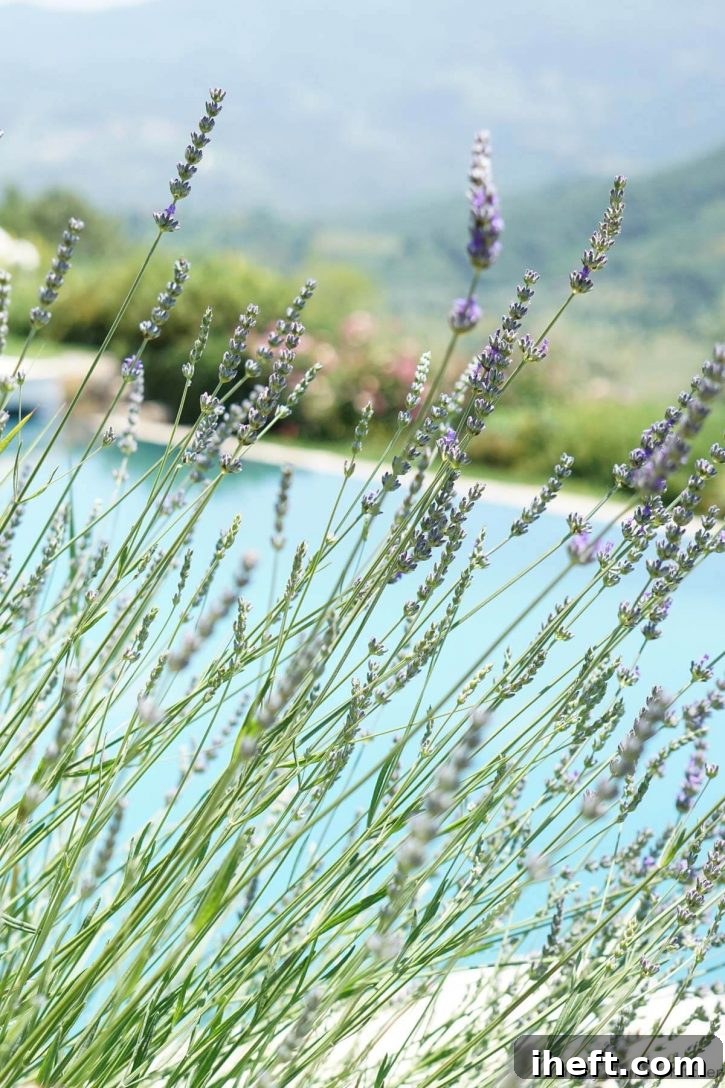
Rolling fields of lavender bask under the Tuscan sun, a truly breathtaking sight.
The Art of Brewing: How to Make Lavender Tea
Crafting a perfect cup of lavender tea is a simple yet rewarding process, differing slightly from some other herbal infusions. For instance, our robust Elderberry Tea recipe requires simmering on the stove for a period to extract its potent compounds. However, most herbal teas derived from delicate flowers, like lavender, benefit most from a gentle steeping process with hot water. Homemade loose-leaf teas generally require a slightly longer steeping time compared to their tea bag counterparts, primarily because the larger size of the whole flowers needs more time to fully release their flavors and beneficial compounds.
Essential Ingredients for Your Lavender Tea:
- Water: The foundation of any great tea is great water. Always opt for fresh, filtered water. This ensures that no unwanted flavors or impurities interfere with the delicate essence of the lavender, allowing its true profile to shine through.
- Culinary Lavender Flowers: This is the star of your tea, and selection is paramount. You can use either fresh or dried lavender flowers.
- Fresh Lavender: If using fresh, you’ll generally need to use a larger quantity than dried, much like when cooking with other fresh herbs. Ensure your fresh lavender is specifically organic culinary lavender. This distinction is crucial, as many lavender varieties are grown for ornamental purposes or essential oil production and may be treated with pesticides or chemicals that are not safe for consumption. Culinary lavender varieties are specifically chosen for their palatable flavor profiles and are grown without harmful sprays.
- Dried Lavender: Dried culinary lavender is more concentrated, so you’ll use less. Again, prioritize organic culinary-grade dried flowers to guarantee safety and the best flavor. Dried lavender holds its potency well, making it a convenient option year-round.
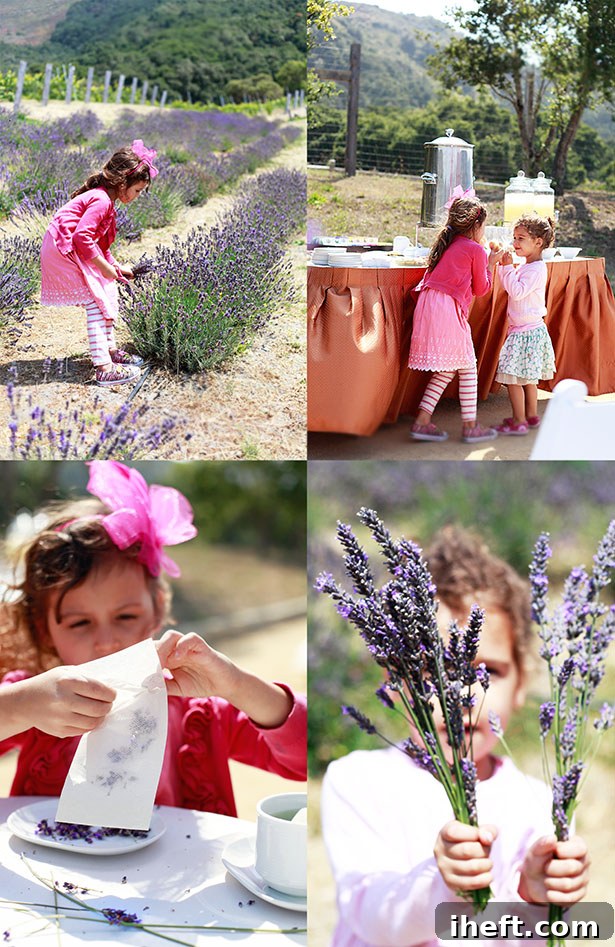
My children enjoying the magical experience of making lavender tea at Carmel Valley Ranch.
Elevate Your Brew: Lavender Tea Variations and Pairings
While a pure lavender tea offers a wonderfully serene experience, its versatile flavor profile makes it an excellent base for creative variations. Feel free to experiment by adding other complementary herbs or flowers to enhance the flavor and boost the therapeutic benefits. My personal favorite combination is a soothing lavender chamomile blend, perfect for winding down.
Inspired Combinations:
- Mint: Adding fresh mint leaves introduces a bright, refreshing counterpoint to lavender’s floral notes. This combination is particularly invigorating and can be wonderful for digestive support.
- Chamomile: A classic pairing, chamomile amplifies the calming properties of lavender, making it an incredibly potent brew for stress relief and promoting deep sleep.
- Rose: For an exquisite floral bouquet, infuse lavender with dried rose petals. This blend creates a romantic and fragrant tea, often associated with heart-opening and emotional balance.
- Earl Grey: For those who appreciate a caffeinated kick, blending a small amount of Earl Grey tea with lavender adds a sophisticated citrusy note (from bergamot) to the floral profile, creating a unique and aromatic morning or afternoon pick-me-up.
- Green Tea: Similar to Earl Grey, combining lavender with green tea offers a lighter, earthy, and antioxidant-rich brew. The subtle bitterness of green tea can be beautifully balanced by lavender’s sweetness.
Don’t be afraid to explore other additions like a slice of fresh ginger for warmth and digestive aid, or a pinch of cinnamon for a cozy, spiced aroma. A squeeze of fresh lemon juice or a swirl of honey (or maple syrup for a vegan option) can also beautifully complement and enhance the natural flavors of your lavender tea.
Sourcing the Finest: Where to Buy Culinary Lavender
The quest for high-quality culinary lavender is a rewarding one, often leading to delightful discoveries. Here in my local area, the farmers market is a treasure trove, frequently offering both fresh organic lavender and dried varieties, thanks to the thriving local agriculture. If you ever have the opportunity, I wholeheartedly recommend visiting a lavender farm. It’s an immersive, sensory experience where you can witness the beauty of the plants, learn about their cultivation, and often purchase directly from the growers. One of my favorite local spots is Clairmont Farms in Los Olivos, a truly enchanting destination.
For those without access to local farms or markets, dried culinary lavender flowers are readily available online. When purchasing, look for reputable suppliers who specify “culinary grade” and ideally “organic” to ensure the lavender is safe for consumption and free from pesticides. Pay attention to reviews and descriptions that highlight freshness, aroma, and vibrant color. I’ve linked my preferred brand in the recipe card below, known for its consistent quality.
Once you acquire your culinary lavender, remember its versatility extends far beyond tea. It can be a delightful ingredient in baking, adding a subtle floral hint to cookies, cakes, and even savory dishes. One of my absolute favorite applications is in Herbes de Provence, a classic French spice blend that harmoniously combines lavender with other aromatic herbs like thyme, basil, rosemary, tarragon, savory, marjoram, oregano, and bay leaf. This blend is fantastic for seasoning roasted vegetables, poultry, and fish.
To preserve the delicate aroma and potency of your dried lavender, store it in an airtight container in a cool, dark, and dry place. Properly stored, it should remain fresh and fragrant for approximately six months, ready to infuse your next comforting cup or culinary creation.
Expand Your Lavender Repertoire: More Delightful Recipes
Once you discover the magic of culinary lavender, you’ll find countless ways to incorporate its enchanting aroma and flavor into your kitchen. Here are a few more beloved lavender-infused recipes to inspire your culinary adventures:
- Lavender Simple Syrup and Lattes: A simple syrup is an easy way to infuse drinks with lavender. Use it to sweeten teas, cocktails, or create a luxurious homemade lavender latte for a café-quality treat at home.
- Lavender Lemonade: This refreshing beverage offers a delightful balance of tart lemon and sweet, floral lavender, making it a perfect thirst-quencher for warmer days or a unique offering for gatherings.
- Lemon Lavender Cupcakes: For a truly special dessert, these cupcakes combine the bright zest of lemon with the subtle, sophisticated notes of lavender, creating a memorable treat that’s as beautiful as it is delicious.
Lavender Tea
5 minutes
10 minutes
15 minutes
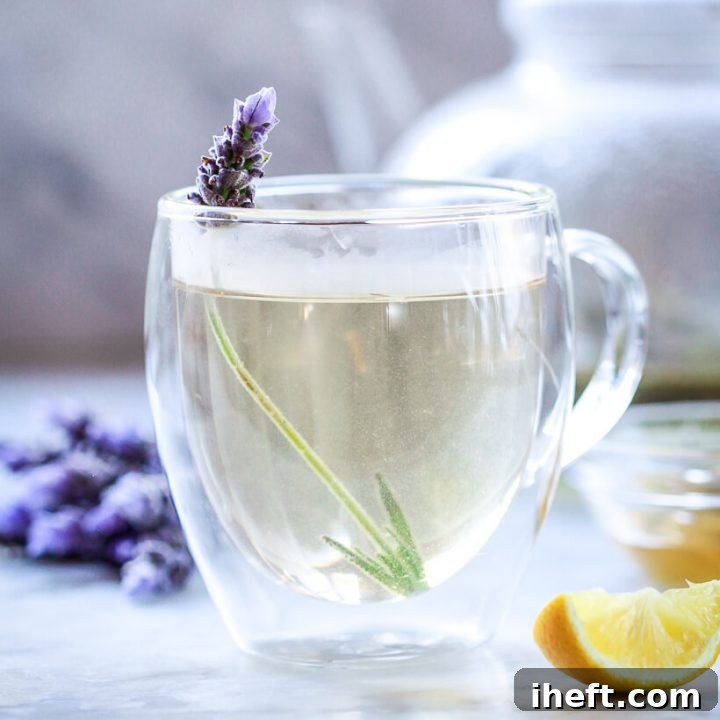
A soothing, relaxing homemade herbal lavender tea made with fresh or dried culinary lavender, perfect for moments of calm.
Ingredients
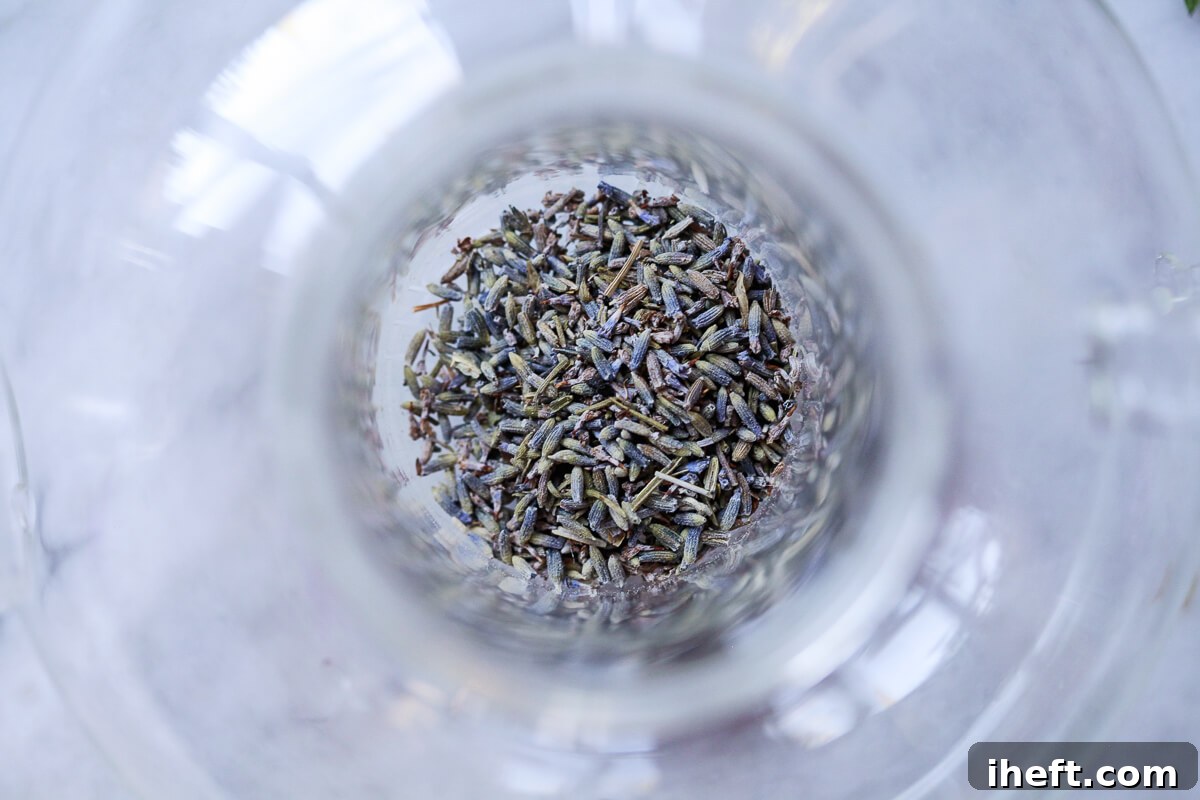
- 1 tablespoon dried culinary lavender
- 4 cups fresh, filtered water
- 1 lemon (for serving, optional)
- Honey or your preferred sweetener to taste (for serving, optional)
Instructions
- Place dried lavender flowers into a loose tea strainer, a tea ball, or directly into a teapot.

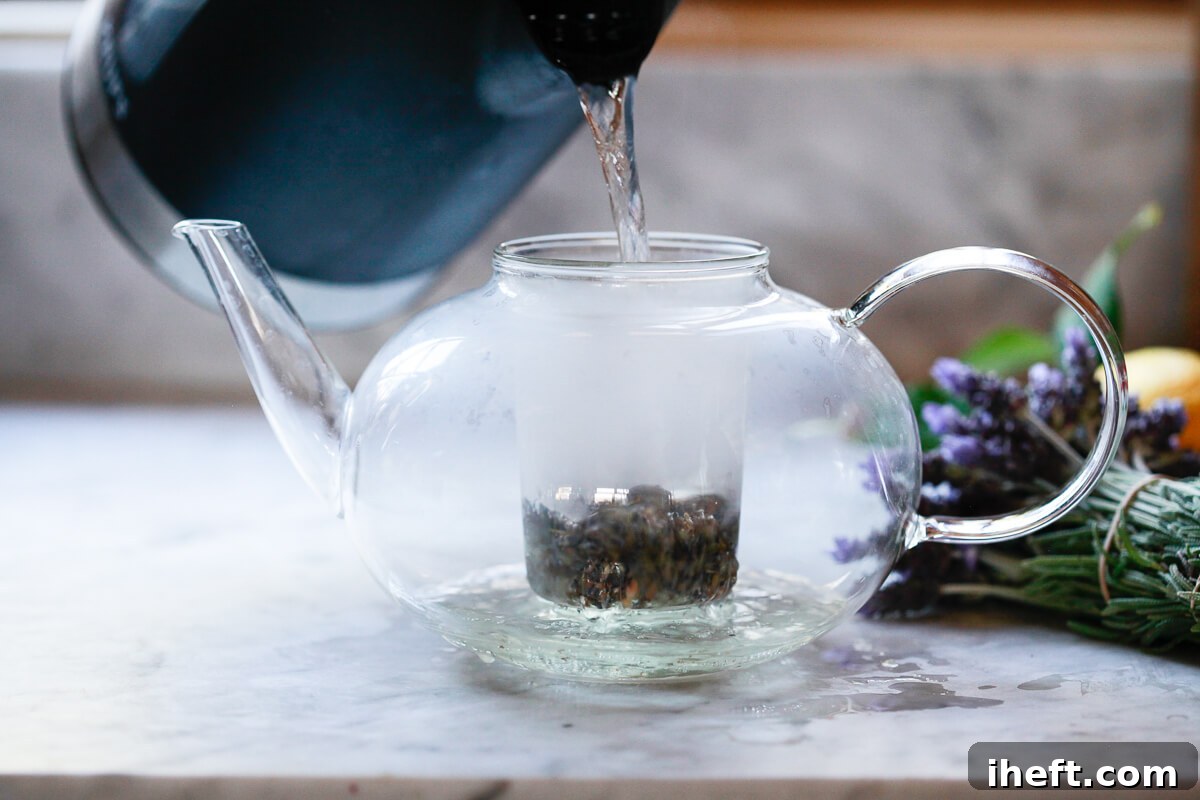
- Bring the fresh, filtered water to a rolling boil. An electric kettle is convenient for this, or you can simply heat the water in a small saucepan on the stove. Once boiling, pour the hot water carefully over the lavender flowers and cover the pot or teapot with a lid to trap the aromatic steam.
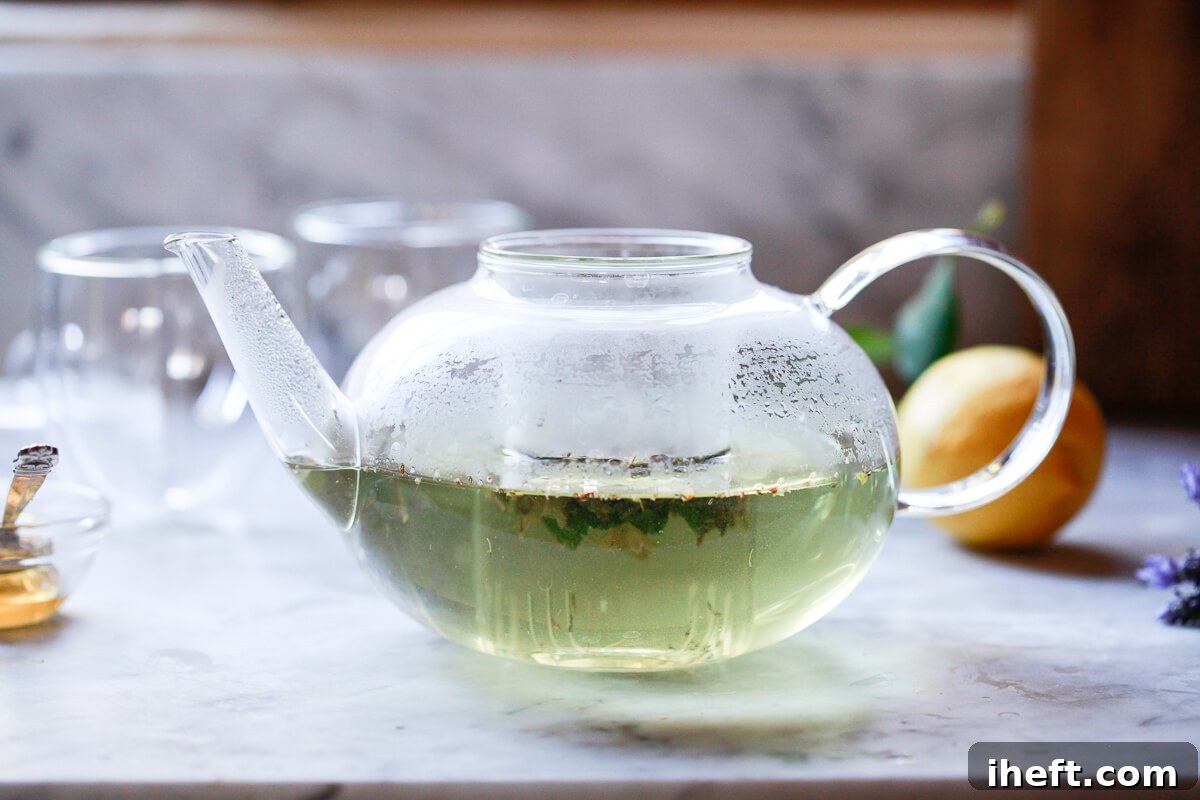
- Allow the lavender to steep for approximately 5-10 minutes. The steeping time can be adjusted to achieve your desired strength and flavor intensity. For a stronger brew, steep longer; for a lighter tea, reduce the time.
- If the flowers were placed directly in the pot, carefully strain the lavender tea through a fine mesh sieve into your serving cups or another teapot. If using a strainer ball or basket, simply remove it from the pot.
- Serve the lavender tea immediately while it’s warm. Enhance the flavor by adding a squeeze of fresh lemon juice and a touch of honey or your preferred sweetener, if desired, to complement the floral notes.
Notes
If using fresh lavender, ensure it is an unsprayed, culinary variety. Double the amount of fresh flowers compared to dried for a similar strength. Gently bruise fresh leaves before steeping to release more flavor.
Delicious Lavender Tea Additions:
- ½ cup fresh mint leaves: For a refreshing and invigorating twist.
- 1 tablespoon dried rose petals (or fresh petals from 1 organic red rose): To add an extra layer of sophisticated floral aroma.
- 1 tablespoon dried chamomile flowers: For enhanced calming and sleep-promoting effects.
Recommended Products
As an Amazon Associate and member of other affiliate programs, I earn from qualifying purchases.
- Glass Teapot with Stainless Steel Infuser & Lid
- Anthony’s Organic French Lavender Petals (5oz), Extra Grade – Dried, Gluten Free & Non-GMO
Nutrition Information:
Yield: 4 cups
Serving Size: 1 cup
Amount Per Serving (Tea Base Only, without additions):
Calories: 0
Total Fat: 0g
Saturated Fat: 0g
Trans Fat: 0g
Unsaturated Fat: 0g
Cholesterol: 0mg
Sodium: 9mg
Carbohydrates: 0g
Fiber: 0g
Sugar: 0g
Protein: 0g
Nutrition information is an estimate based on the ingredients provided and does not account for optional additions like lemon or honey. I am not a nutritionist and cannot guarantee accuracy. If your health depends on nutrition information, please calculate again with your favorite calculator.