Strengthen Your Immunity Naturally
Supercharge Your Immune System: A Comprehensive Guide to Preventing Colds and Flu Naturally
As the seasons shift and the familiar sounds of sniffles and coughs become more common, many of us brace for the inevitable cold and flu season. However, what if you could equip your body with the tools it needs to fight off viruses and bacteria *before* they take hold? While colds and flu often feel unavoidable, proactive immune support can make a world of difference. This comprehensive guide will explore proven strategies and natural remedies to boost your immune system, helping you and your family stay resilient and healthy year-round. From optimizing gut health to embracing stress-reducing practices, discover how to transform your body into a formidable fortress against common illnesses.
The Power of Probiotics: Nurturing Your Gut for Robust Immunity
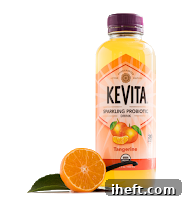
Probiotics, often referred to as “good bacteria,” are living microorganisms that naturally reside in your digestive tract and play a critical role in overall health, especially immune function. The gut is often called the body’s “second brain” and is home to a staggering 70-80% of your immune cells. When the balance of good and bad bacteria in your gut is disrupted by factors like processed foods, sugar, meat, antibiotics, and environmental toxins, your immune system can become compromised.
Incorporating probiotics into your diet helps to restore this delicate balance, allowing the beneficial bacteria to thrive and effectively combat harmful pathogens. These microbial allies contribute to immunity by producing short-chain fatty acids, strengthening the gut lining to prevent toxins from entering the bloodstream, and directly communicating with immune cells. This symbiotic relationship is crucial for a strong defense against viruses and bacteria.
Probiotic-Rich Foods to Incorporate
Fortunately, increasing your probiotic intake can be both delicious and accessible. Yogurt is perhaps the most widely recognized probiotic food, but many other fermented options offer a rich source of these beneficial microorganisms. Consider adding kefir, a fermented milk drink, or plant-based alternatives like kombucha, a fermented tea. Traditional fermented vegetables such as sauerkraut, kimchi, and pickles (look for naturally fermented, unpasteurized varieties) are excellent sources. Miso, a fermented soybean paste, and tempeh, a fermented soybean cake, also provide a boost of probiotics. Regularly consuming a variety of these foods can significantly enhance your gut microbiome and, by extension, your immune response.
Choosing the Right Probiotic Supplements
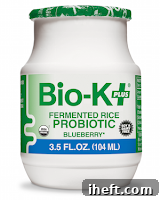
For targeted support, especially when feeling susceptible to illness, probiotic supplements can be highly effective. These often contain concentrated doses of specific strains like Lactobacillus and Bifidobacterium. When selecting a supplement, look for products with a high CFU count (colony-forming units) and a diverse range of strains. My family enjoys probiotic drinks like kombucha, and I often turn to concentrated probiotic shots, such as Bio-K, added to smoothies when I sense a virus might be approaching. For kids, fun options like ProBugs probiotic pops are a hit and taste like classic orange push-ups. Observing the tangible difference probiotics make in our family’s immune resilience has been truly remarkable.
Elderberry: An Ancient Remedy for Modern Wellness
The dark, nutrient-rich berries of the European black elder (Sambucus nigra L.) have been revered for centuries as a potent winter remedy. This ancient superfood has a long history in traditional medicine for its ability to ward off and alleviate symptoms of colds and flu. Its efficacy is so recognized that elderberry juice was even documented for its use in treating a flu epidemic in Panama in 1995, highlighting its powerful antiviral properties.
Historical Significance and Scientific Insights
Modern research has begun to unravel the science behind elderberry’s immune-boosting capabilities. Elderberries are packed with antioxidants, particularly anthocyanins, which are responsible for their deep purple hue. These compounds possess strong anti-inflammatory and antiviral properties. Studies suggest that elderberry can help inhibit the replication of various flu strains, reduce the duration and severity of cold and flu symptoms, and even boost cytokine production, which are signaling proteins crucial for a healthy immune response. It acts as a shield, making it harder for viruses to attach to and enter human cells.
Forms of Elderberry for Immune Support
Elderberry is widely available in various forms, making it easy to incorporate into your wellness routine. Syrups are popular for their palatability, especially for children, and can be taken daily as a preventative measure or at the first sign of illness. Lozenges, gummies, and capsules are also convenient options. Our family, for instance, enjoys Sambucus Original Lozenges for a swift immune boost. These products can typically be found at natural foods stores, health shops, or conveniently online through platforms like Amazon. Always opt for reputable brands to ensure purity and potency when choosing elderberry products.
Garlic: Nature’s Potent Immune Booster
Often hailed as “nature’s antibiotic,” garlic (Allium sativum) has been valued for its medicinal properties for millennia. Modern scientific studies continue to validate its traditional use, showing that garlic possesses powerful antibacterial, antiviral, and antifungal properties that can significantly enhance immune function. It’s a true powerhouse for fighting off various infections.
The Science Behind Garlic’s Power
The magic of garlic lies in its sulfur-containing compounds, particularly allicin. When a raw garlic clove is crushed, chopped, or chewed, an enzyme called alliinase converts alliin into allicin. This compound is responsible for garlic’s pungent aroma and most of its health benefits. Allicin helps stimulate immune cells, such as macrophages and lymphocytes, and has been shown to directly combat a wide range of pathogens. Regular consumption of garlic can reduce the frequency and severity of colds, and studies indicate it may shorten the duration of illness.
Creative Ways to Include Garlic in Your Diet
To maximize the immune-boosting effects, it’s best to consume garlic raw, as cooking can diminish its allicin content. At the very first hint of a cold, I personally opt for eating a whole raw (peeled) clove of garlic. While undeniably intense, I’ve found it remarkably effective. For those with a more sensitive palate, or for children, incorporating raw garlic into palatable dishes is key. I often prepare guacamole or bruschetta loaded with finely minced raw garlic for my kids, which they enjoy without complaint. If the strong taste of raw garlic is simply not for you, odorless garlic capsules are readily available and provide a convenient way to reap its immune benefits without the lingering aroma. Additionally, adding garlic to daily meals, even if cooked, still provides some health advantages, though raw consumption offers the most potent immune support.
Fueling Your Immunity: The Essential Role of Vitamins and Whole Foods
Nature provides an abundant pharmacy of nutrients essential for a robust immune system. A balanced diet rich in whole foods, especially fruits and vegetables, is foundational for optimal health and disease prevention. Focusing on nutrient-dense foods ensures your body receives the vitamins, minerals, and antioxidants it needs to effectively fight off infections.
Key Vitamins and Minerals for Immune Health
- Vitamin C: A powerful antioxidant, Vitamin C is crucial for the function of various immune cells. Found in citrus fruits, bell peppers, strawberries, and kiwi, it helps protect cells from damage and supports the production of white blood cells.
- Vitamin D: Often called the “sunshine vitamin,” Vitamin D plays a vital role in modulating immune responses. Good sources include fatty fish (salmon, mackerel), fortified dairy products, and sunlight exposure.
- Zinc: This essential mineral is involved in countless enzymatic reactions in the body and is critical for immune cell development and function. Oysters, red meat, poultry, beans, nuts, and whole grains are excellent sources.
- Vitamin A: Important for the integrity of mucous membranes, which act as a first line of defense against pathogens. Rich sources include sweet potatoes, carrots, spinach, and kale.
Power-Packed Foods to Add to Your Plate
Beyond specific vitamins, focus on a vibrant array of whole foods. Cruciferous vegetables like kale, broccoli, cauliflower, and Brussels sprouts are particularly potent infection fighters, loaded with vitamins, minerals, and unique compounds that support detoxification and immune function. Berries, leafy greens, and colorful bell peppers are also packed with antioxidants that protect against cellular damage.
The Comforting Power of Immune-Boosting Soups and Smoothies
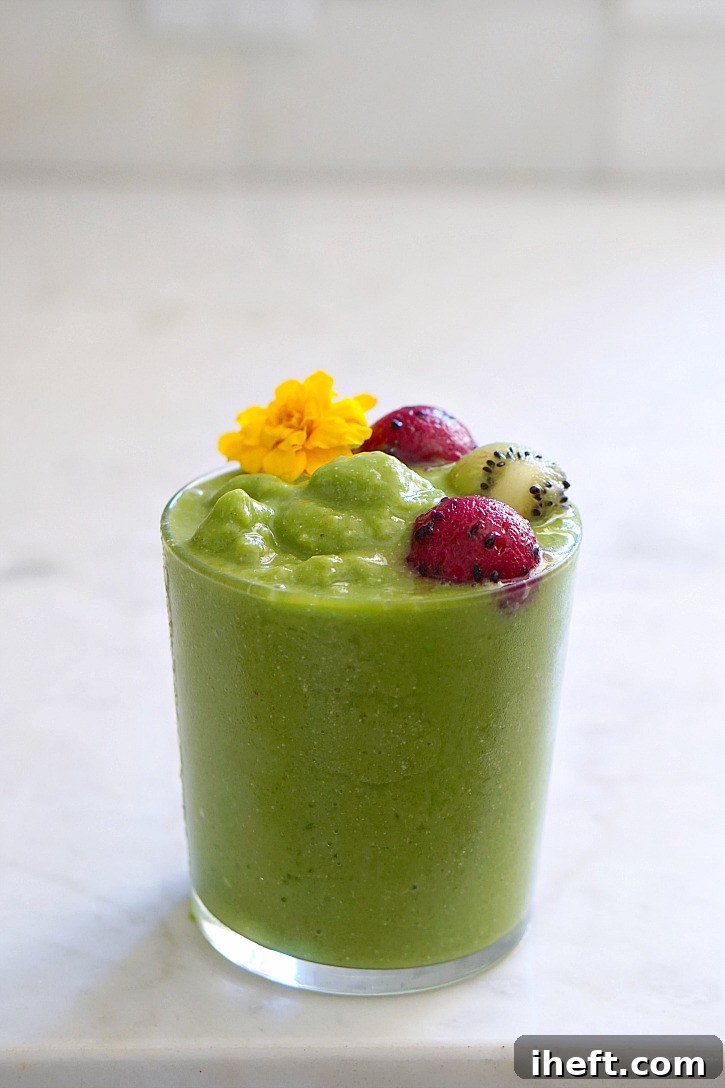
When you’re feeling under the weather, the age-old remedy of soothing soup isn’t just an old wives’ tale—it’s scientifically sound. A warm bowl of minestrone, packed with chopped vegetables like carrots, celery, onions, and leafy greens, provides a significant dose of vitamins, minerals, and hydration. The steam from hot soup can also help clear nasal passages. Similarly, a nutrient-dense smoothie with frozen fruit, a handful of spinach or kale, and perhaps some ginger or turmeric, offers an easy and delicious way to flood your body with immune-supporting nutrients when appetite might be low. I make a beeline for the juice bar for a green juice when I feel my energy dipping, knowing it’s a concentrated shot of wellness.
Harnessing the Benefits of Essential Oils for Immunity
Essential oils, the concentrated aromatic compounds extracted from plants, have been utilized for centuries for their therapeutic properties. Beyond their pleasant fragrances, many essential oils possess powerful antimicrobial, antiviral, and anti-inflammatory qualities that can effectively support and boost your immune system.
You can harness their benefits in several ways, primarily through diffusion and topical application (always diluted). Diffusion involves using an essential oil diffuser to disperse the oils into the air, allowing you to inhale their therapeutic properties. Topical application requires diluting essential oils with a carrier oil (such as coconut, jojoba, or almond oil) before applying them to the skin, often on pulse points, the chest, or the bottoms of the feet.
Popular Essential Oils for Immune Support
- Frankincense: Known for its anti-inflammatory and antiseptic properties, it can promote cellular health and relaxation.
- Tea Tree Oil: A potent antiseptic and antiviral oil, excellent for purifying the air and surfaces.
- Rosemary: Supports respiratory health and provides an energizing boost.
- Lemon: A natural cleanser and mood elevator, it’s also antiseptic.
- Eucalyptus: Widely used for respiratory congestion, it has strong antiviral and antibacterial effects.
- Orange: Uplifting and immune-stimulating, rich in d-limonene.
- Clove: One of the highest antioxidant oils, with powerful antimicrobial properties.
- Oregano: A very strong antiviral and antibacterial oil, often used for acute immune challenges.
- Thyme: Known for its antiseptic and immune-supporting qualities.
Safe Application Methods and Best Practices
When using essential oils, always prioritize safety. Always dilute essential oils with a carrier oil before applying them topically to avoid skin irritation. For internal use, consult a qualified aromatherapist or healthcare professional, as not all essential oils are safe for ingestion. When diffusing, ensure the area is well-ventilated, especially around children and pets. Look for high-quality, pure essential oils from reputable brands to ensure you are getting genuine therapeutic-grade products. A popular immune-boosting blend often includes Frankincense, Tea Tree, Rosemary, Lemon, Eucalyptus, and Orange. You can find pre-blended options specifically formulated for immune support, or create your own custom blends for diffusion or topical application.
The Detrimental Impact of Sugar on Your Immune System
While often enjoyed as a treat, excessive sugar consumption can wreak havoc on your immune system, significantly weakening your body’s ability to fight off infections. This impact is profound and surprisingly immediate, making sugar reduction a critical step in building robust immunity.
How Sugar Suppresses Immunity
The primary mechanism by which sugar impairs immunity involves its effect on white blood cells, specifically phagocytes, which are crucial for engulfing and destroying germs. According to experts like Dr. Sears, consuming just 100 grams of sugar—the equivalent of about two and a half 12-ounce cans of soda—can reduce the ability of white blood cells to kill bacteria by a staggering 40 percent. This suppression can last for several hours after consumption, leaving your body more vulnerable to pathogens during that time. Sugar competes with Vitamin C for uptake into white blood cells, as both rely on the same insulin-dependent transporters. When sugar levels are high, Vitamin C absorption is reduced, compromising the very cells designed to protect you. Furthermore, high sugar intake fuels inflammation throughout the body, creating an environment that is less conducive to optimal immune function and can contribute to chronic diseases.
Practical Steps to Reduce Sugar Intake
Understanding this link makes it clear why I can’t help but feel a pang of concern when I see platters of cupcakes being brought into classrooms full of sniffling children. They deserve to have immune systems that are empowered, not depressed. Reducing sugar intake involves more than just cutting out obvious sweets. Be vigilant about hidden sugars in processed foods, including sauces, salad dressings, breakfast cereals, and even seemingly healthy snacks. Read food labels carefully, looking for ingredients like high-fructose corn syrup, sucrose, dextrose, and maltose. Opt for whole, unprocessed foods, and naturally sweet alternatives like fresh fruit. Gradually reducing your intake can retrain your taste buds, making it easier to enjoy foods with less added sugar and giving your immune system the best chance to thrive.
The Crucial Connection Between Rest, Stress, and Immunity
In our fast-paced world, adequate rest and effective stress management are often overlooked components of immune health, yet their impact is profound. The body’s ability to defend itself against illness is intrinsically linked to how well it recovers and copes with daily pressures.
The Science of Sleep and Immune Function
Lack of sufficient rest is known to trigger an inflammatory response within the body. Chronic sleep deprivation elevates levels of stress hormones like cortisol, which can suppress immune function over time. It also reduces the production of protective proteins called cytokines, which are essential for fighting infection and inflammation, and impairs the activity of T-cells, crucial immune cells that target virus-infected cells. Studies have consistently shown that individuals who get less sleep are more likely to get sick after exposure to a virus. Prioritizing 7-9 hours of quality sleep per night for adults (and more for children) is not a luxury, but a fundamental pillar of immune resilience.
Mindfulness and Stress Reduction Techniques
Beyond physical rest, your state of mind significantly influences your physical health. Scientific research has unequivocally found that chronic stress can weaken the immune system, making you more susceptible to illness. Stress triggers the release of cortisol, which, while beneficial in short bursts, can suppress immune function when consistently elevated. Even without formal research, personal experience often confirms this: the times I’ve succumbed to a full-blown cold are invariably when I’ve been emotionally run down and exhausted. I recall in college how my friends and I would often get sick immediately after major exams, a clear indicator of the stress-immunity connection.
Therefore, actively incorporating stress-reduction techniques into your daily life is paramount. Practice mindfulness through activities like yoga, meditation, or deep breathing exercises. Spending time in nature, engaging in hobbies, or simply setting aside time for quiet reflection can significantly lower stress levels. Creating a balanced routine that allows for regular de-stressing is an investment in your immune health and overall well-being. By giving your body and mind the restorative time they need, you empower your immune system to perform at its best.
Beyond the Basics: Additional Immune-Boosting Strategies
While diet, rest, and stress management form the core of immune support, several other key lifestyle factors can further enhance your body’s defenses.
Stay Hydrated: The Unsung Hero
Proper hydration is fundamental to nearly every bodily function, including immune health. Water helps transport nutrients to your cells, carries waste products away, and maintains the integrity of your mucous membranes, which are a critical first line of defense against pathogens. Dehydration can dry out these membranes, making it easier for viruses and bacteria to enter your system. Aim for at least 8 glasses of water daily, and more if you’re active or in a dry environment.
Regular Exercise: A Prescription for Health
Engaging in moderate, regular exercise can significantly boost your immune system. Physical activity increases the circulation of immune cells throughout the body, allowing them to detect and fight off pathogens more efficiently. It can also reduce inflammation and lower stress hormones. However, moderation is key; intense, prolonged exercise without adequate recovery can temporarily suppress the immune system. Aim for at least 30 minutes of moderate-intensity activity most days of the week.
Practicing Good Hygiene
While lifestyle changes strengthen your internal defenses, good external hygiene is equally important in preventing the spread of illness. Frequent and thorough handwashing with soap and water for at least 20 seconds, especially after coughing, sneezing, or being in public places, is one of the most effective ways to remove germs. Avoiding touching your face—eyes, nose, and mouth—can also prevent viruses from entering your body. Simple hygiene practices create a powerful barrier against infection.
Soaking Up the Sun: Vitamin D
Exposure to sunlight is a natural way to boost your Vitamin D levels, which, as mentioned earlier, is a critical modulator of immune responses. Spend 10-15 minutes in direct sunlight a few times a week, ensuring appropriate sun protection. During colder months or for those with limited sun exposure, consider a high-quality Vitamin D supplement, always consulting with your doctor to determine the correct dosage.
By integrating these powerful, natural strategies into your daily life, you can significantly enhance your immune system’s ability to prevent and fight off colds, flu, and other common illnesses. Taking proactive steps towards wellness empowers you to live a healthier, more vibrant life, free from the constant dread of falling sick.
Disclaimer: Recipes, wellness tips, and nutrition advice are not intended to offer personal medical advice, diagnose, or treat any medical issues. All blog content is for entertainment purposes only. Always consult with your doctor about your personal health. Always do your own research on products and companies before using a product you find on the internet. These tips are merely things that I have used personally.