Tuscan Chicken and Spinach Pizza
Mastering Homemade Pizza: From Crisp Crusts to Gourmet Toppings
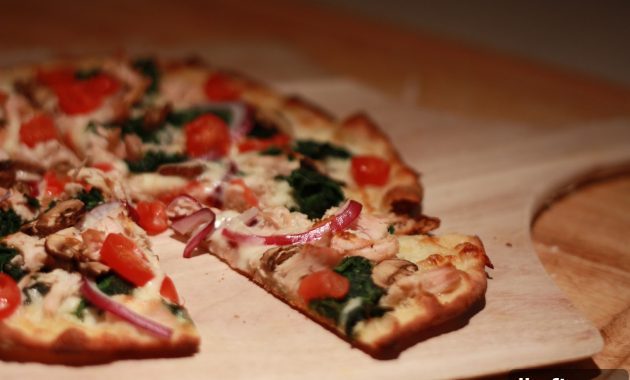
There’s an undeniable magic to homemade pizza. In our household, it’s more than just a meal; it’s a cherished tradition, a weekly ritual that brings everyone together. My father, in particular, is something of a pizza connoisseur. With his masterful techniques and passion for the perfect pie, the mere thought of ordering takeout pizza becomes unthinkable when Dad’s homemade creation is infinitely superior. While Margherita pizza is often our go-to classic, some evenings call for a delightful culinary deviation. Tonight, my craving led me to something vibrant, something packed with wholesome green goodness and satisfying lean protein: a savory Chicken Florentine pizza.
The Art of the Perfect Crust: Unveiling Top Pizza Secrets
Achieving that coveted pizza crust – the kind that boasts an irresistible crispness without flopping over, yet retains a wonderfully chewy interior – is an art form. It’s the cornerstone of any truly great pizza experience. You might glance at the photo above and think the crust appears a tad thin. And you’d be right! A minor culinary mishap, spurred by a certain three-year-old’s spirited distraction, resulted in me accidentally grabbing a small dough from Gelson’s instead of my usual large. But thin or thick, the principles remain the same. Here are my essential, “top secret” tips for crafting a pizza crust that will elevate your homemade pizza game to professional levels:
1. The Mighty Oven: Embrace Extreme Heat
Forget cautious temperatures; your oven needs to be scorchingly hot. We’re talking the absolute highest temperature it can reach – 550 degrees Fahrenheit on my oven. Don’t be timid; this intense heat is your best friend. Consider those phenomenal pizzas from authentic Italian restaurants, cooked in searing wood-burning ovens that often reach 750 degrees Fahrenheit or even higher. The rapid, high-temperature cooking is crucial for achieving that signature blistered, airy, and crispy crust, ensuring the dough cooks quickly before the toppings overcook.
2. The Unsung Hero: A Superheated Pizza Stone or Baking Steel
Much like those traditional brick ovens, the surface your pizza bakes on needs to be equally hot, not just the ambient air in the oven. A pizza stone or a newer baking steel provides the essential thermal mass needed to transfer intense, even heat directly to the dough. This immediate heat surge causes the crust to puff up rapidly, creating a beautiful ‘oven spring’ and a delightfully crispy bottom. Place your stone or steel in the oven and preheat it for at least an hour – preferably longer – at your maximum temperature. This ensures the stone is thoroughly saturated with heat, mimicking the floor of a professional pizza oven.
3. The Seamless Slide: Master the Pizza Peel
Once your oven and stone are perfectly heated, the last thing you want is a messy transfer. A pizza peel is indispensable for sliding your prepared pizza directly onto the super-hot stone without risking burns or deforming your pie. Generously flour your pizza peel before placing your rolled-out dough on it. Semolina flour works exceptionally well for this, creating tiny ball bearings that help the dough glide. This technique ensures a smooth, swift transfer, keeping you safely away from the intense heat.
4. Less is More: Thoughtful Topping Strategies
While the temptation to pile on an abundance of delicious toppings is strong, resisting this urge is key to a non-soggy crust. Overloading the dough, especially with wet ingredients, can steam the crust instead of crisping it, leading to a disappointing, limp result. Aim for balance and moderation. If using fresh tomatoes, give them a gentle squeeze to remove excess juice beforehand. For other high-moisture vegetables like mushrooms, consider quickly sautéing them to remove some water before adding them to your pizza. This careful approach ensures your crust remains the star it’s meant to be.
5. Dough Decisions: Homemade Versus Store-Bought
The foundation of any great pizza begins with its dough. If you have a beloved homemade pizza dough recipe, by all means, use it! The satisfaction of crafting a pizza from scratch, from the very dough up, is unparalleled. However, for those busy weeknights or when time is of the essence, high-quality store-bought dough can be a fantastic alternative. Many grocery stores, like Gelson’s in our area, offer excellent fresh pizza dough that performs beautifully. Just remember to let it come to room temperature for about an hour before stretching to make it more pliable and easier to work with.
Chicken Florentine Pizza: A Fresh and Flavorful Recipe
This Chicken Florentine pizza is a delightful departure from traditional red-sauce pies, offering a lighter yet incredibly satisfying flavor profile. The combination of tender chicken, vibrant spinach, earthy mushrooms, and a blend of cheeses creates a harmonious and wholesome meal perfect for any night of the week. The bright garlic olive oil base truly lets the fresh ingredients shine.
Ingredients:
Instructions:
1. Preheat Your Oven and Stone: Place your pizza stone or baking steel in the upper third of your oven. Preheat the oven to its highest temperature (550°F or higher) for at least one hour. This extended preheating is crucial for a perfectly crisp crust.
2. Prepare the Garlic Oil: In a small bowl, combine the extra virgin olive oil and minced garlic. Let it sit while you prepare the other ingredients to allow the flavors to meld.
3. Prep Your Toppings: Ensure your thawed spinach is squeezed as dry as possible to prevent a soggy crust. Shred or dice your cooked chicken. Slice your mushrooms, red onions, and chop your tomato, remembering to gently squeeze any excess liquid from the tomato.
4. Stretch the Dough: Lightly flour a pizza peel (or an inverted baking sheet if you don’t have a peel). Gently roll or stretch your pizza dough into your desired shape and thickness, aiming for approximately 12 inches in diameter. Work quickly but gently to avoid tearing.
5. Assemble the Pizza: Brush the prepared garlic oil evenly over the surface of the pizza dough, leaving a small border for the crust. Sprinkle a light layer of Parmesan cheese, followed by about half of the mozzarella. Distribute the squeezed spinach, shredded chicken, sliced mushrooms, red onions, and chopped tomato evenly over the cheese. Top with the remaining mozzarella and finally, the crumbled feta cheese.
6. Bake to Perfection: Carefully slide the assembled pizza from the peel onto the preheated pizza stone in the oven. Bake for 6-10 minutes, or until the crust is golden brown and puffed, the cheese is bubbly and lightly browned, and the toppings are cooked through. Cooking time will vary depending on your oven and desired crispness.
7. Serve: Using your pizza peel, carefully remove the hot pizza from the oven. Let it cool for a minute or two before slicing and serving. Enjoy your gourmet homemade creation!
The Quest for Authenticity: Neapolitan Pizza Laws
- Dough Purity: The dough must contain only flour, water, yeast, and salt. No fat is permitted, ensuring a pure and simple base.
- Hand-Kneading Tradition: Dough must be kneaded by hand or with approved low-speed mixers, preserving its delicate structure.
- Artisanal Shaping: Dough must be punched down and shaped by hand, never mechanically or with a rolling pin, to maintain its airiness.
- Standardized Size: The diameter of the pizza must never exceed 30 centimeters (about 12 inches), ensuring consistent cooking and serving.
- Direct Oven Contact: The pizza must be baked directly on the floor of the oven, never on a pan, allowing for immediate, intense heat transfer to the crust.
- Wood-Fired Essence: The oven must be made of brick or similar material like volcanic stone, and the fuel must be wood, imparting a distinct smoky flavor.
- Extreme Temperatures: The oven temperature must be at least 750° to 800° F, crucial for the rapid cooking that defines Neapolitan pizza.
- Classic Toppings Only: Marinara, a timeless topping, must be made with tomato, oregano, garlic, olive oil, and salt; Margherita must be made with tomato, mozzarella, olive oil, basil, and salt, adhering to centuries-old recipes.
- Characteristic Texture: The pizza must not be crusty but must be well done and fragrant with a high, soft, and slightly charred edge, known as the ‘cornicione’.
- Inspired Variations: Variations on the classics can be inspired by tradition and fantasy, provided they are not in conflict with the rules of good taste and culinary laws, encouraging creativity within a respectful framework.
While mastering all these rules at home can be a challenge without a dedicated wood-fired oven, understanding them helps appreciate the true craftsmanship behind every authentic Neapolitan pizza. It inspires us home bakers to strive for excellence in our own kitchens, even if we’re adapting the methods.
Ready to build your own wood-burning pizza oven yet? One can certainly dream of that ultimate pizza experience, charring crusts to perfection in moments!
| © Eric Roth. Courtesy of Eric Roth Photography via www.cococozy.com |
Whether you’re sticking to a classic Margherita, experimenting with gourmet toppings like our Chicken Florentine, or simply aiming for that perfectly crisp crust, the journey of making pizza at home is always rewarding. With these tips and a little practice, you’ll be creating pizzeria-quality pies right from your own kitchen. Happy pizza making!