Caviar Explained From Origin to Flavor
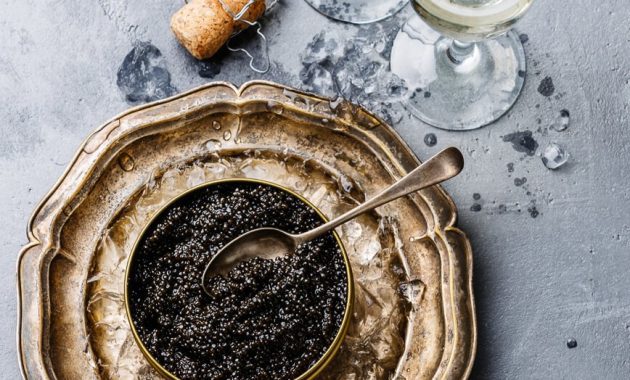
Caviar, a timeless symbol of luxury, often graces elegant holiday parties and sophisticated soirées as an exquisite hors d’oeuvre. For many, its mystique sparks a series of questions: “What exactly is caviar?” “What does caviar taste like?” “Why is it so expensive?” and perhaps most importantly, “How does one properly enjoy this esteemed delicacy?” This comprehensive guide aims to demystify caviar, offering insights into its rich history, diverse types, ethical considerations, and the art of savoring its unique flavors.
Just so you know, this post contains affiliate links, which means we may earn a small commission when you shop through them, at no extra cost to you.
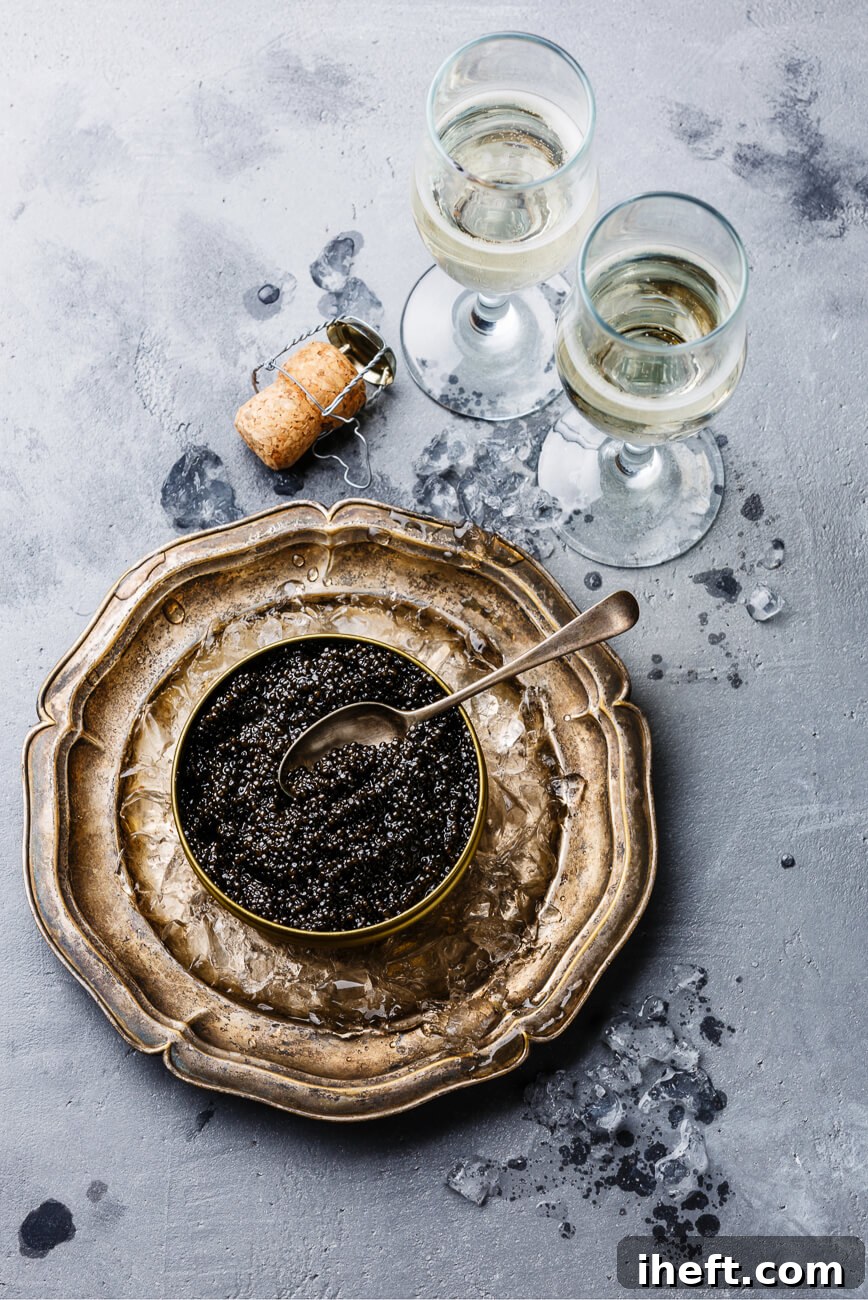
Recently, during a trip to the grocery store, my daughter’s curiosity was piqued by the small, gleaming gold canisters nestled in a special refrigerated display case. This innocent question led to an engaging conversation about the fascinating world of caviar: what it is, its distinct flavor profile, the reasons behind its hefty price tag, and the proper etiquette for consuming it. Our discussion naturally extended to the ethical and sustainability aspects of this coveted delicacy, prompting us to ponder whether it truly merits its reputation as one of the most expensive foods in the world.
If you’ve ever found yourself contemplating these very same questions, you’ve come to the right place. Here, we’ll explore all the answers, ensuring you’re well-informed for your next encounter with this sophisticated treat!
What Exactly is Caviar? Unveiling the Ocean’s Black Pearls
Most of us generally know caviar as fish eggs, but the story of how this unusual food transformed into a global symbol of luxury is far more intriguing. Who first conceived the idea of eating these tiny, glistening beads, and how did they ascend to such culinary prestige?
The journey of caviar traces back to antiquity, with its origins rooted in Ancient Greece, where it was already recognized as a true delicacy. However, it was during the reign of the Russian Czars, following trade with the Greeks, that caviar’s status was truly cemented. The Czars elevated it to an “imperial caviar,” fostering a distinct caviar culture that thrives even today, associating it inextricably with opulence and refinement.
At its core, caviar refers specifically to the salt-cured roe (or unfertilized eggs) harvested from female sturgeon. These small, typically black, unfertilized sturgeon roe are carefully salted and meticulously packed into small tins. However, it’s worth noting that the color of caviar can vary significantly, even among fish of the same species, ranging from deep black to hues of gray, green, and even golden amber. Sturgeon themselves are remarkable migratory fish, known for their impressive size, with some species capable of growing to an astonishing 3,000 pounds!
You may often hear various types of “caviar” mentioned, but it’s important to understand the precise terminology. According to the U.S. FDA, technically, only the eggs of the sturgeon are considered true caviar. These precious eggs are sometimes affectionately referred to as “pearls” or “berries” due to their appearance and delicate texture.
When eggs are harvested from other fish species, they are simply called “roe.” You might have already enjoyed salmon roe (often vibrant orange) or masago (small, orange capelin roe) at your favorite local sushi restaurant. Another popular seafood delicacy, uni, is also sometimes mistakenly called roe, although it is actually the reproductive organs of the sea urchin, prized for its creamy texture and rich, oceanic flavor.
While sturgeon roe reigns supreme in the world of true caviar, different varieties of roe from other fish offer a spectrum of distinct flavors, textures, and culinary experiences, each with its own unique appeal.
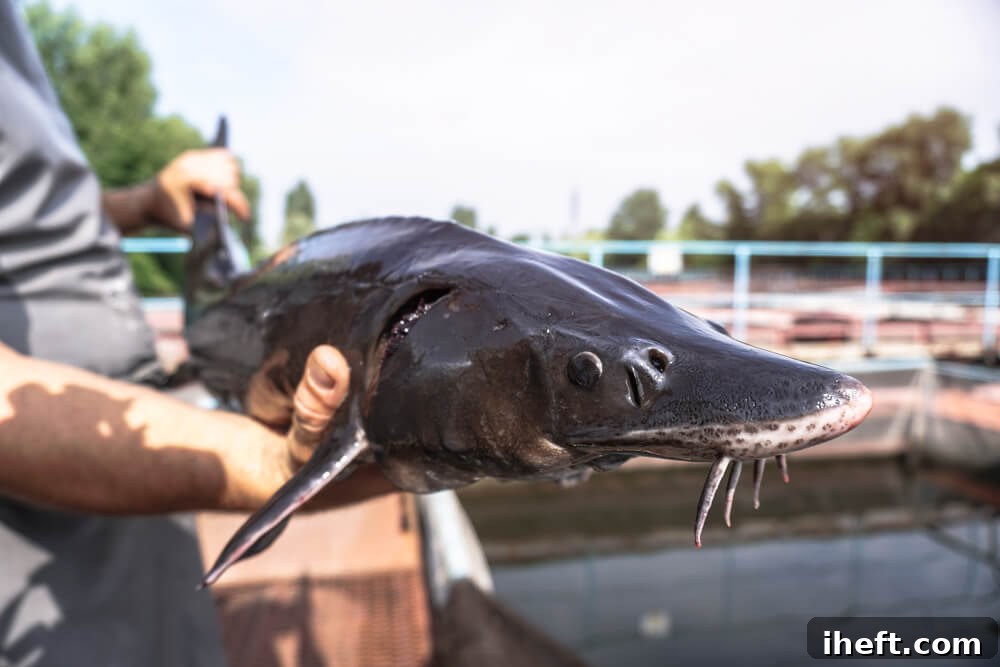
Farmed Sturgeon. Image: Shutterstock
Ethical and Sustainable Caviar: A Conscious Choice
In today’s world, making informed food choices that consider their impact on the environment and animal welfare is more important than ever. For those who adhere to a vegan lifestyle, traditional caviar, derived from animal products, would undoubtedly conflict with their moral principles. However, if cruelty-free practices are employed, some might consider certain forms of caviar harvesting to align with a vegetarian diet, though this remains a nuanced discussion.
Historically, the demand for caviar led to aggressive and often unsustainable harvesting practices. This typically involved catching wild sturgeon and killing them to extract their precious roe. Tragically, this rampant overfishing pushed many sturgeon species to the brink, rendering them critically endangered. The dire situation prompted global conservation efforts and strict fishing protections to safeguard these ancient fish.
Fortunately, significant progress has been made. Today, a substantial portion of the caviar available on the market is harvested more sustainably from farmed sturgeon. These aquaculture operations vary widely in their approach to ethics and sustainability.
Some progressive farms prioritize ethical practices by allowing sturgeon to mature fully before harvesting, and critically, by utilizing all parts of the fish – not just the roe – thereby minimizing waste. Even more innovative are the “no-kill” methods, which represent a significant leap forward in ethical caviar production. These pioneering techniques can range from performing carefully executed C-sections to gently massaging the eggs out of the fish, allowing the sturgeon to survive and continue their reproductive cycle.
For example, KC Caviar in the U.K. proudly claims to produce cruelty-free caviar by extracting eggs through a natural spawning process. Similarly, California Caviar is another farm committed to harvesting caviar without causing harm to the fish. These examples highlight a growing trend towards more humane and environmentally responsible caviar production.
Ultimately, whether the purchase and consumption of caviar align with one’s personal morals is a deeply individual decision. However, being well-informed about its origins and production methods is paramount. For those who prioritize preventing animal suffering above all, the fleeting pleasure of a few minutes of flavor may not justify the ethical compromises. In such cases, equally special and genuinely sustainable ingredients like aromatic truffles or highly sustainable seafood options such as oysters present excellent alternatives that offer sophisticated culinary experiences without ethical concerns.
Exploring Vegan Caviar: A Plant-Based Indulgence
For individuals who embrace a plant-based diet but are eager to experience the distinct texture and elegant presentation of caviar, a delightful array of vegan options is now available. These innovative alternatives offer a cruelty-free way to enjoy a similar gastronomic sensation without compromising dietary principles.
Vegan caviar is typically crafted from black seaweed pearls, ingeniously designed to mimic the appearance and mouthfeel of traditional sturgeon roe. These plant-based pearls are readily accessible, often found at online retailers like Amazon or specialty stores such as World Market. They present a far more economical choice compared to their sturgeon counterparts, making the “caviar experience” accessible to a broader audience.
Beyond being significantly less expensive and entirely cruelty-free, vegan caviar provides a surprisingly similar aesthetic and textural experience, making it an excellent substitute for garnishing dishes and adding a touch of sophistication to plant-based appetizers and meals.
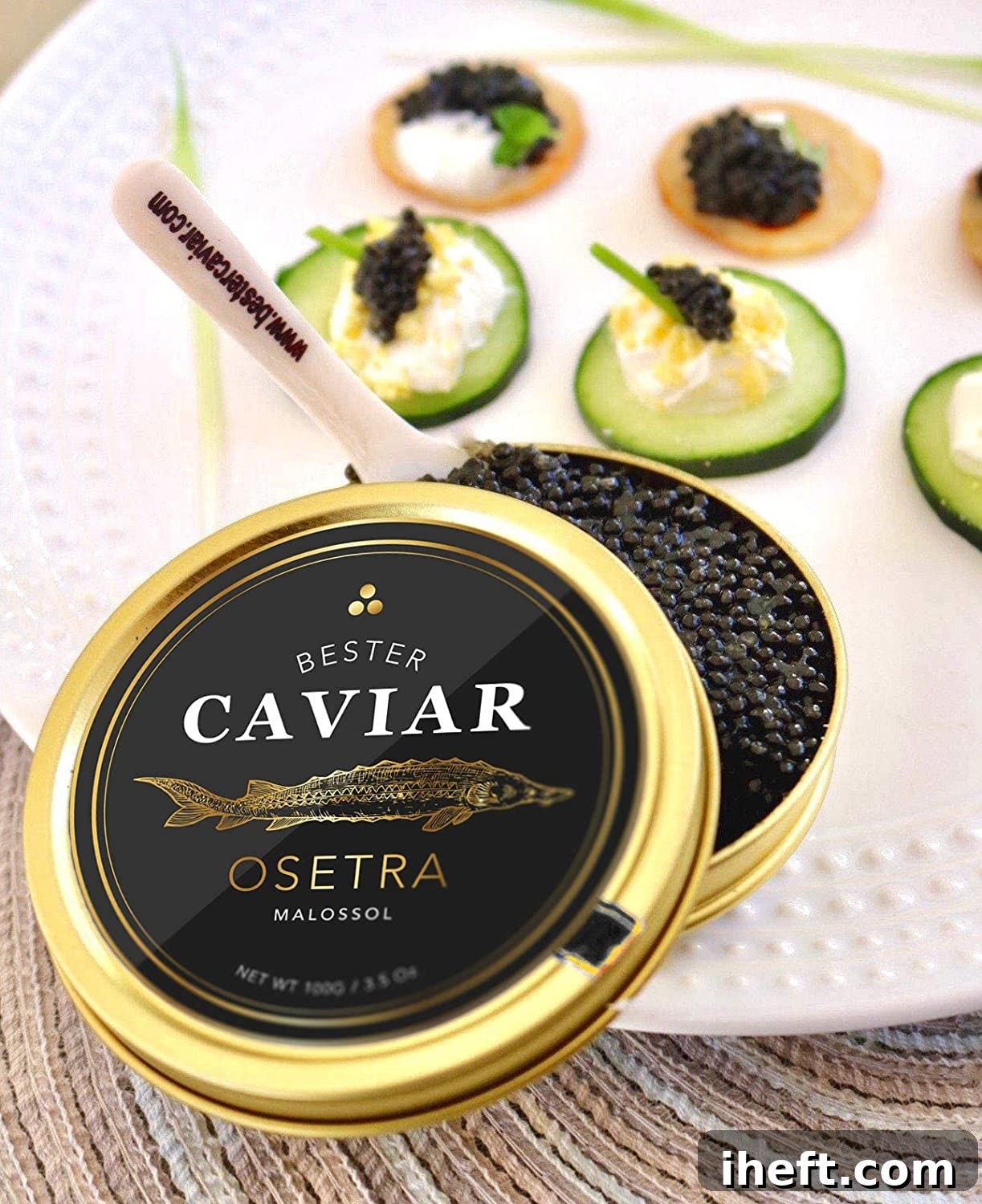
Image: Bester Caviar via Amazon
The Main Types of Caviar: A Connoisseur’s Guide to Sevruga, Osetra, and Beluga
The price of caviar is influenced by several factors, with the variety of sturgeon from which the eggs are harvested being a primary determinant. While many types of sturgeon produce roe, three main varieties are most celebrated in the gourmet world, each possessing distinctive characteristics that set them apart in terms of flavor, texture, and appearance.
Beyond the species, caviar is also meticulously graded based on its quality. Grade 1 caviar represents the pinnacle of excellence, featuring the largest, most uniform, and perfectly intact eggs, which naturally command the highest prices. Grade 2 caviar consists of less uniform eggs with a slightly more delicate structure, offering a more accessible option without a significant compromise on quality.
The three principal types of sturgeon that yield the vast majority of gourmet caviar are the Beluga sturgeon, the Osetra sturgeon, and the Sevruga sturgeon.
Sevruga Caviar ($)
Known for delivering one of the most intense and robust flavors among premium caviars, Sevruga caviar is surprisingly often the most affordable of the “big three.” This variety is easily identifiable by its distinctively small, delicate eggs, which typically appear in shades of grey or black. Sevruga offers a rich, buttery taste, complemented by pronounced notes that evoke the pure saltiness and briny freshness of the sea. Its less “fishy” flavor profile, combined with its accessibility, makes Sevruga an excellent starting point for those new to the world of caviar, offering an authentic experience without overwhelming the palate.
Osetra Caviar ($$)
Osetra caviar holds the distinction of being arguably the most popular and widely appreciated caviar globally. While considered high-end, it remains more affordable than Beluga, striking an excellent balance between luxury and accessibility. Osetra eggs are typically medium-sized, firmer than Sevruga, and exhibit a stunning range of colors, most commonly golden-brown, but also varying to deep amber, olive green, or even striking gold. The flavor of Osetra is complex and nuanced, making it a favorite among connoisseurs. It often presents a delightful interplay of nutty, earthy, and even subtly sweet notes, with a clean, briny finish that is both sophisticated and incredibly satisfying. Its versatility in flavor makes it a true star on any gourmet table.
Beluga Caviar ($$$)
As one of the rarest and most sought-after caviars on Earth, Beluga caviar is synonymous with ultimate luxury and comes with an exceptionally high price tag. The wild Beluga sturgeon population faces severe threats and is tragically critically endangered, which has led to bans on its import in several countries, including the U.S. (though farmed alternatives and hybrid varieties are available). This caviar is as visually stunning as it is delicious, with large, delicate eggs ranging in color from a profound deep black to a unique, shimmering deep green or even pale silver. The taste of Beluga caviar is renowned for its smooth, buttery texture and distinct, clean flavor, often described as having delicate notes of hazelnuts, followed by a celebrated “Caspian pop!” – a satisfying burst as the large eggs gently break on the palate, releasing their rich, oceanic essence. It’s truly an unforgettable culinary experience.
Why is Caviar So Expensive? Unpacking the Cost of Luxury
The seemingly exorbitant price of caviar is not arbitrary; it’s a direct reflection of the incredibly demanding, time-intensive, and labor-intensive process required to bring this delicacy to market. Several factors contribute to its high cost, making it one of the world’s most luxurious foods.
Firstly, the life cycle of the sturgeon plays a crucial role. It takes a remarkable 7 to 10 years, and sometimes even longer, for a female sturgeon to mature sufficiently and begin producing eggs suitable for harvest. This extended maturation period means significant investment and patience for caviar producers before any return can be realized.
Once a sturgeon is ready, the harvesting process itself is delicate and precise. Traditional methods involved killing the fish, but increasingly, sustainable practices are employed. Ultrasound technology is now commonly used to monitor egg development and determine the optimal harvest time. If the eggs are deemed ready, the fish is typically sedated to minimize stress, and the eggs are then carefully removed via a C-section or other specialized extraction methods, ensuring the fish’s survival in no-kill operations.
Following extraction, the delicate eggs undergo meticulous processing. This critical phase involves gently rinsing the roe to remove any broken eggs, membranes, or other tissues. This entire cleaning process is largely performed by hand, often requiring skilled workers to meticulously remove imperfections with tweezers, highlighting the immense human effort involved. After cleaning, the harvested eggs are carefully salted – a process known as “malossol” (meaning “lightly salted” in Russian), which preserves them while enhancing their flavor without overwhelming it. Finally, the caviar is chilled and aged for approximately three months, allowing its complex flavors to develop and deepen.
Beyond the production process, the type of fish and the quality of the caviar significantly impact its price. As discussed, Beluga caviar is the most expensive due to its rarity and size. The pinnacle of caviar luxury is Almas caviar, a unique golden-colored variety sourced from Iranian Beluga sturgeon, which has fetched prices exceeding $34,000 per kilogram. While such extreme prices are for the rarest of the rare, you can still find smaller quantities, such as 4 oz. of **Almas** on Amazon for around $1,600, demonstrating its continued exclusivity.
Despite these high costs, it’s worth noting that caviar prices have seen some fluctuations, even a slight drop in recent years, largely attributed to the growth of sustainable sturgeon farming and enhanced protection efforts for wild sturgeon species. However, it unequivocally remains a prized and premium delicacy.
What Does Caviar Taste Like? A Sensory Journey
Describing the taste of caviar is an experience as varied as the types themselves, with flavor profiles differing significantly between species and even individual harvests. However, a general characterization reveals a consistent thread of nuanced sensory delight. In essence, quality caviar typically offers a mildly salty and subtly fishy flavor, accompanied by a rich creaminess, an exquisite smoothness, and often, delicate nutty undertones.
Much like fine seafood, premium caviar should always taste incredibly fresh, never overpoweringly “fishy.” Instead, its flavor should be evocative of the pure essence of the ocean – clean, crisp, and slightly briny, reminiscent of a fresh sea breeze. Beyond this oceanic freshness, many describe an unexpected yet delightful buttery and creamy sensation that coats the palate, adding to its luxurious appeal.
However, the texture of caviar is arguably as crucial as its flavor, contributing significantly to the overall experience. It is characterized by small, distinct beads that are soft yet firm – never mushy. These delicate “pearls” should glide effortlessly through the mouth, releasing their exquisite flavors with a satisfying, almost imperceptible “pop” when gently bitten into. This signature burst is a hallmark of high-quality caviar, releasing a concentrated burst of flavor and a memorable tactile sensation.
The appreciation of caviar is ultimately a deeply personal journey. While some immediately fall in love with its complex flavors and unique texture, others may find it an acquired taste. It truly is a matter of individual palate and preference.
How to Eat Caviar: The Art of Savoring a Delicacy
According to many seasoned caviar connoisseurs, the purest and most authentic way to enjoy caviar is to simply pick up a delicate, non-metallic spoon and savor each mouthful on its own, allowing the unadulterated flavors to shine. However, for those hosting a party or event, presenting caviar might require a more accommodating approach for guests.
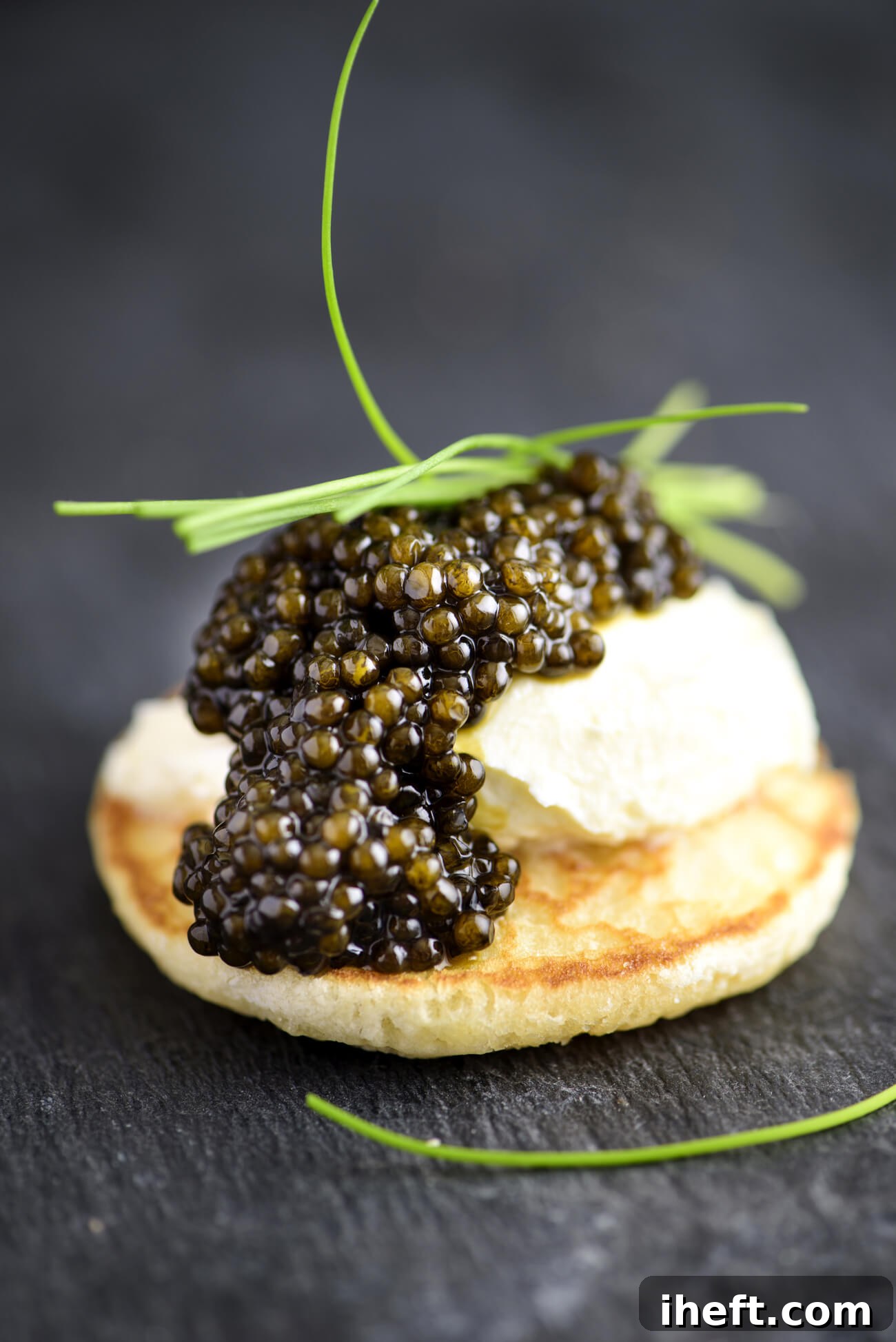
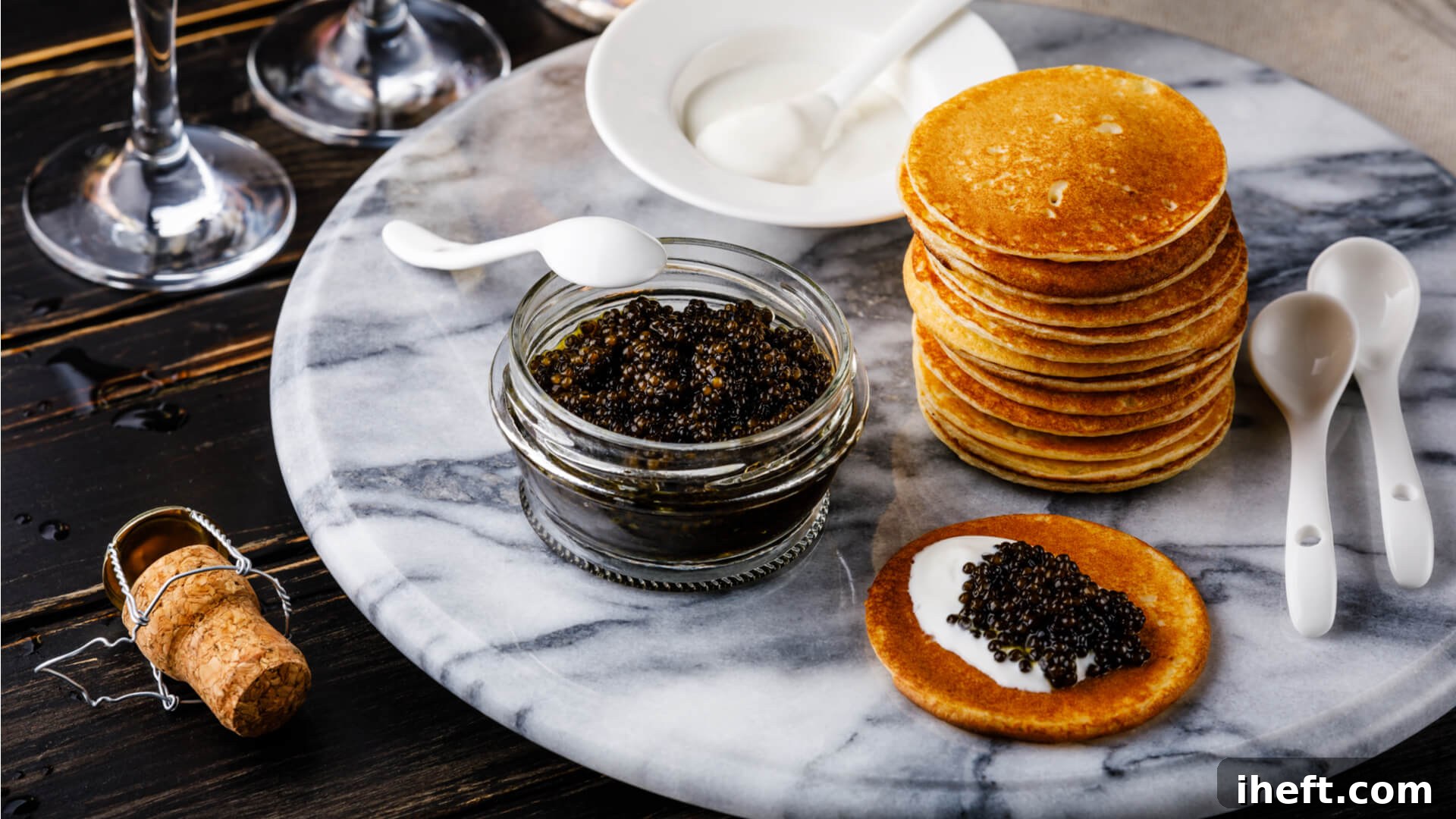
When serving caviar to a group, it’s customary to offer a neutral base that acts as a subtle vehicle for the roe. The key is to choose something unsalted, as caviar itself carries a natural salinity that should not be overshadowed. The base should be understated, ensuring the caviar remains the undisputed star of the dish. Common choices include small toast points, traditional blinis (miniature Russian pancakes), or simple, unflavored crackers.
Typically, about a half-teaspoon portion of caviar is served atop these bases. True connoisseurs often advise against chewing caviar; instead, the recommended technique is to use your tongue to gently spread the beads around your mouth, allowing them to burst softly and release their full spectrum of flavors. Caviar is less about sustenance and more about a sensory experience, inviting you to take your time and appreciate the nuanced tastes of the ocean.
Proper storage during serving is crucial to maintain caviar’s quality. Always present the caviar canister on a bed of crushed ice to keep it perfectly chilled. Once opened, caviar is best consumed promptly, ideally in one sitting, but can be refrigerated for up to three days if kept sufficiently cold and sealed correctly.
Invite your guests to serve themselves a tiny amount using a non-metallic spoon. The choice of spoon is significant: metal spoons can oxidize the delicate eggs, imparting an undesirable metallic taste. This is precisely why mother-of-pearl, bone, or even plastic spoons are traditionally used – they preserve the caviar’s pristine flavor, making a dedicated caviar spoon not just beautiful but also highly functional.
While caviar has long been enjoyed in its simplest forms or on canapés, contemporary chefs are increasingly incorporating it as a sophisticated complement to various dishes. It now frequently appears atop pasta, scrambled eggs, or even in unexpected pairings like the famous Baked Potato with Caviar served at a renowned restaurant in Paris, showcasing its versatility beyond traditional presentations.
Simple Caviar Serving Guide:
Ingredients:
- 1 oz. caviar (your choice: vegan, Osetra, etc.)
- Crushed Ice
- 10 blinis or toast points
- Crème fraîche
- 1 bunch fresh chives, finely chopped
Instructions:
- Keep your caviar refrigerated and unopened until you are absolutely ready to serve to preserve its freshness.
- When it’s time to present, place the sealed caviar canister on a bowl or dish filled with crushed ice. This keeps the caviar at its optimal cold temperature throughout the serving period.
- Always use small, non-metallic spoons for handling and serving caviar. Metal can cause oxidation, altering the delicate flavor of the eggs. Mother-of-pearl spoons are traditionally favored for this reason. Gently scoop the caviar from top to bottom to avoid crushing the fragile beads.
- Serve the caviar as-is for the purest experience, or elegantly atop blinis, white toast points, or crisp cucumber slices. Enhance these with a small dollop of crème fraîche and a sprinkle of fresh chives for added flavor and texture.

- Caviar connoisseurs generally advocate for letting this ingredient shine as the primary star, recommending simple preparations. However, many chefs and culinary enthusiasts creatively integrate caviar into dishes like crepes, pasta, scrambled eggs, and more, adding it just before serving as a garnish to maintain its texture and flavor.
- Once opened, caviar is best enjoyed immediately. While it can be stored in the refrigerator for about 3 days if properly sealed and chilled, its peak freshness and flavor are experienced on the day it is opened.
Notes on Caviar:
What is Caviar: Caviar refers to the salt-cured, unfertilized roe of sturgeon fish, carefully aged for approximately three months, and packed into small tins. It’s a celebrated Russian delicacy, often served as elegant hors d’oeuvres on blinis or small potatoes. The three most renowned types are Sevruga, Osetra, and Beluga.
Taste Profile: Authentic caviar should encapsulate the pure essence of the ocean – subtly salty, fresh, and mildly fishy, with buttery and nutty undertones.
Storing and Using: Never freeze or cook caviar directly, as this will destroy its delicate texture and flavor. It must always be served fresh and cold. When incorporating it into warm dishes such as pasta, baked potatoes, or scrambled eggs, always add it at the very end, using it as a sophisticated garnish.
Complimentary Ingredients: Elevating the Caviar Experience
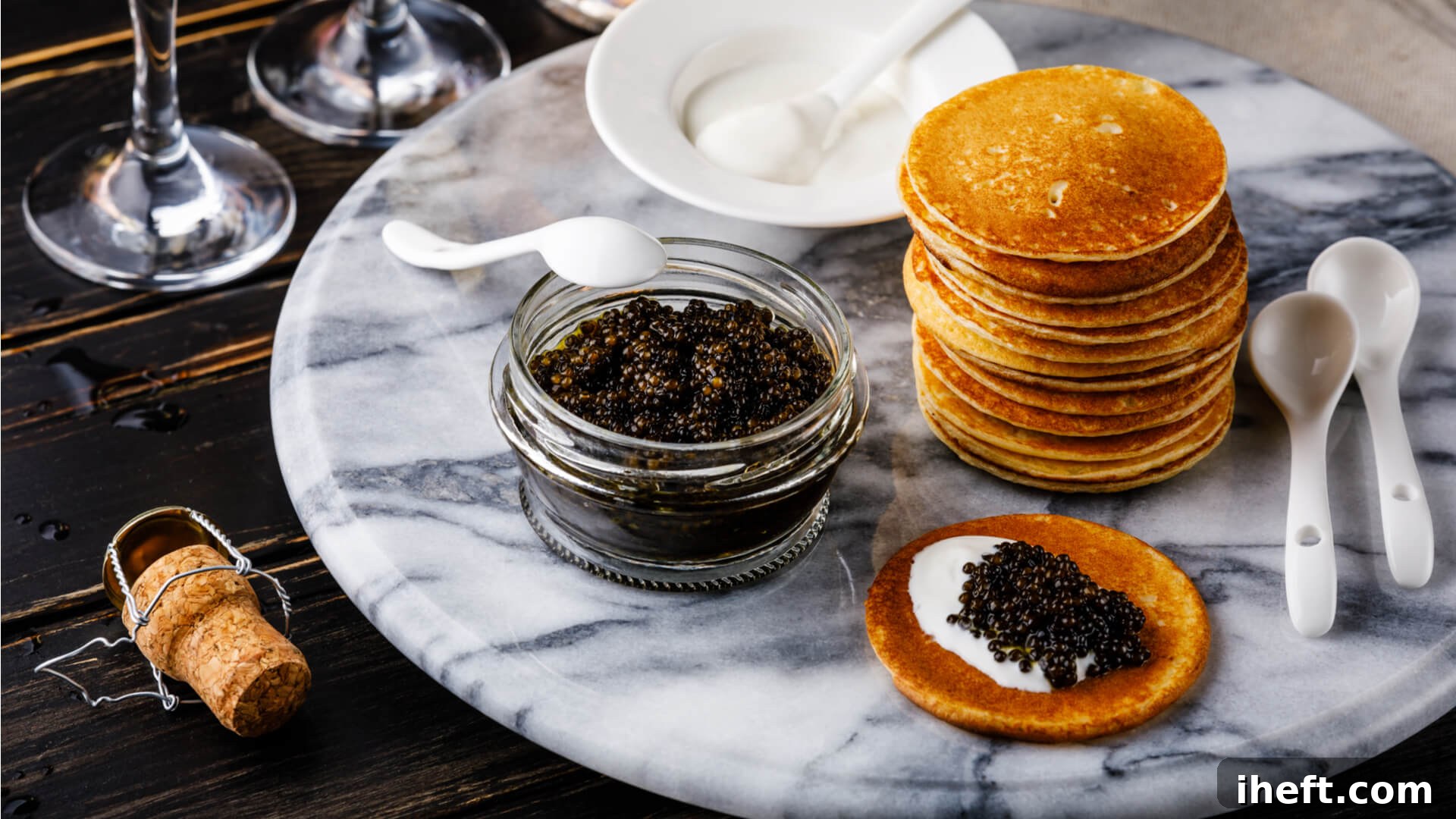
Pairing caviar with the right accompaniments is key to enhancing its luxurious taste and creating a truly memorable culinary experience. When it comes to beverages, two classic choices almost invariably appear alongside caviar: vodka and Champagne. Opting for Champagne often sets a tone of sophisticated celebration and indulgence, its effervescence and acidity beautifully cutting through the richness of the roe. Alternatively, serving vodka, particularly a crisp Vodka Martini, can maintain a thematic elegance, pairing a Russian delicacy with a quintessentially Russian spirit.
In truth, both drinks are perfect complements to the rich, salty sturgeon roe. The delicate bubbles and refreshing acidity of Champagne act as a palate cleanser, invigorating the senses with every sip and preparing them for the next exquisite taste of caviar. Similarly, the clean, crisp flavor of a high-quality, ice-cold vodka provides a striking contrast to the briny burst of fine caviar, creating a delightful harmony of flavors.
While caviar is often best appreciated when kept simple, certain ingredients are known to pair exceptionally well, enhancing its complex profile without overpowering it:
- Blini (small Russian pancakes)
- White toast points (lightly toasted, crusts removed)
- Crème fraîche or sour cream (for a creamy counterpoint)
- Fresh chives, finely chopped (adds a subtle oniony freshness)
- Dill (aromatic herb that complements seafood)
- Hard-boiled eggs, finely chopped (traditional Russian accompaniment)
- Elements of classic French cuisine (known for delicate pairings)
- Fresh lemon wedges (a tiny squeeze can brighten the flavor)
- Lobster (for a truly extravagant seafood pairing)
- Pasta (added as a luxurious garnish to simple, buttered pasta)
- Raw onion or shallots, finely minced (adds a sharp, cleansing bite)
- A pinch of additional salt (for those who prefer a bolder flavor, sparingly)
- Smoked salmon (a classic combination for canapés)
- Traditional Russian cuisine elements (to maintain cultural authenticity)
- Small, boiled or baked potatoes (a humble yet perfect vehicle)
- Vodka (chilled, clean, and crisp)
- Champagne or dry sparkling wine (bubbly and acidic)
- White chocolate (an adventurous, surprising, and often delightful pairing for contrast)
Health Benefits of Caviar: A Nutritional Powerhouse
Beyond its reputation as a luxurious indulgence, caviar is also a surprising source of significant nutritional benefits, aligning with many of the health advantages found in traditional seafood. The benefits of caviar might indeed be more impressive than you imagine!
At its most fundamental level, all varieties of caviar are densely packed with essential nutrients. They are an excellent source of vitamin B12, crucial for nerve function and red blood cell production, and rich in vital omega-3 fatty acids. These healthy fats are renowned for their positive impact on heart health, brain function, and overall inflammatory response, making caviar a decadent treat that also nourishes the body.
Additionally, caviar provides a good source of vitamins A, D, and E, as well as minerals like selenium, iron, and magnesium, contributing to its status as a nutrient-dense food, despite being consumed in small quantities.
Nutrition Information:
Yield: 10
Serving Size: 1
Amount Per Serving (approximate):
Calories: 7Total Fat: 1gSaturated Fat: 0gTrans Fat: 0gUnsaturated Fat: 0gCholesterol: 17mgSodium: 43mgCarbohydrates: 0gFiber: 0gSugar: 0gProtein: 1g
Nutrition information is automatically calculated by Nutritionix. I am not a nutritionist and cannot guarantee accuracy. If your health depends on nutrition information, please calculate again with your favorite calculator.
Caviar Safety During Pregnancy: Important Considerations
For expectant mothers, careful consideration of food safety is paramount. Caviar, particularly the popular malossol (salt-cured) variety, is typically unpasteurized. Like other raw fish and seafood products, unpasteurized caviar carries a potential risk of containing Listeria monocytogenes bacteria. Listeria infection, while rare, can pose serious health risks to pregnant women and their unborn babies.
Therefore, if you are pregnant or planning to become pregnant, it is crucial to consult your doctor or healthcare provider before indulging in any fish roe, including caviar. Your doctor can provide personalized advice based on your individual health profile and local food safety guidelines, ensuring you make safe and informed dietary choices during this important time.
Recommended Caviar Products:
- Tzar Vegan Caviar – Gourmet Seaweed Pearls – jar 3.7 oz Black Beluga Style
- Beluga Hybrid Caviar Gift Set
- Osetra Sturgeon Black Caviar
Sources:
https://www.ift.org/news-and-publications/food-technology-magazine/issues/2020/february/columns/how-caviar-is-processed
The Flavor Bible