Unlocking the Secrets to Perfect Venezuelan Arepas
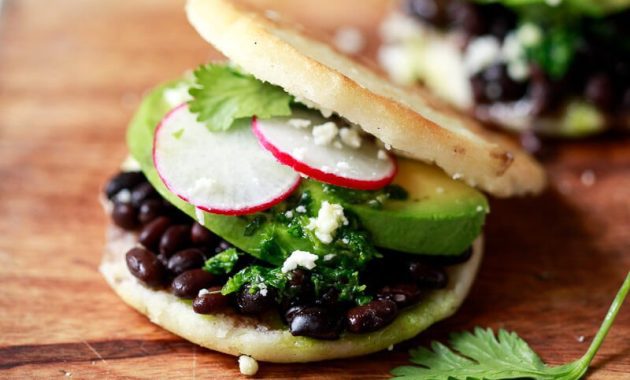
Discover the rich flavors of Venezuela by learning how to prepare authentic Arepas Venezolanas, a versatile cornmeal pocket perfect for any meal. This detailed recipe guide will walk you through crafting these naturally gluten-free and plant-based (depending on your chosen fillings) delights, complete with traditional black beans and an array of vibrant toppings.
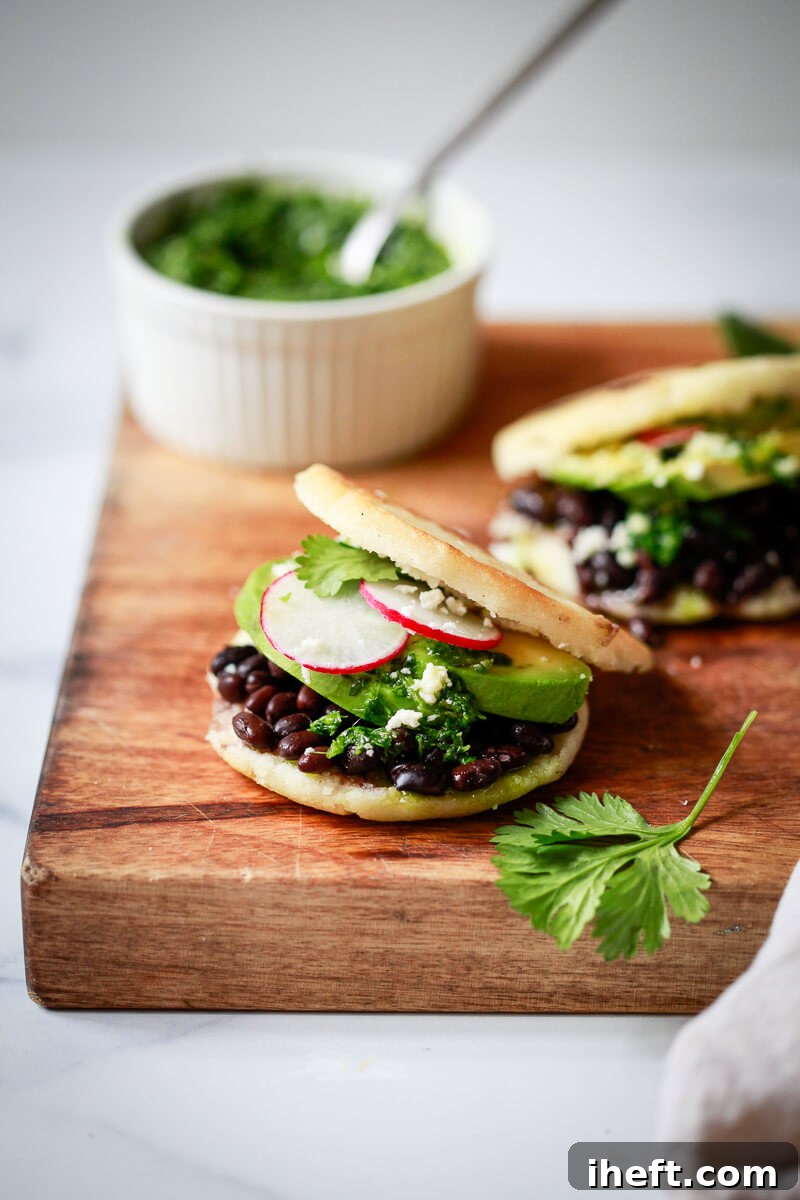
The Irresistible Allure of Venezuelan Arepas
My journey into the wonderful world of arepas began several years ago during a memorable weekend visit with my dear friend Liz in New York City. She introduced me to an enchanting little arepa bar called Caracas, nestled in the vibrant East Village. That evening, amidst shared glasses of sangria, a delightful array of vegetarian arepas, and endless laughter, I was completely captivated by these flavorful corn pockets. It was an experience that left a lasting impression and ignited a passion to recreate that authentic taste in my own kitchen.
Ever since that unforgettable night, I’ve been eager to share a truly authentic arepa recipe, and I’m thrilled to finally present one that captures the essence of those delicious Venezuelan flavors. To ensure the utmost authenticity, I collaborated closely with native Venezuelan chefs throughout the development and photography process. Their invaluable expertise and traditional insights were crucial in perfecting this recipe, making sure it truly reflects the culinary heritage of Venezuela.
Arepas made with Harina P.A.N. flour are not only a beloved South American staple but also a fantastic option for various dietary preferences. They are naturally gluten-free, thanks to the specially prepared corn flour, and can easily be adapted to be completely plant-based by selecting appropriate fillings. This versatility makes them a perfect choice for breakfast, lunch, or dinner, offering a wholesome and satisfying meal for everyone.
What Exactly Are Arepas? Understanding This Iconic South American Staple
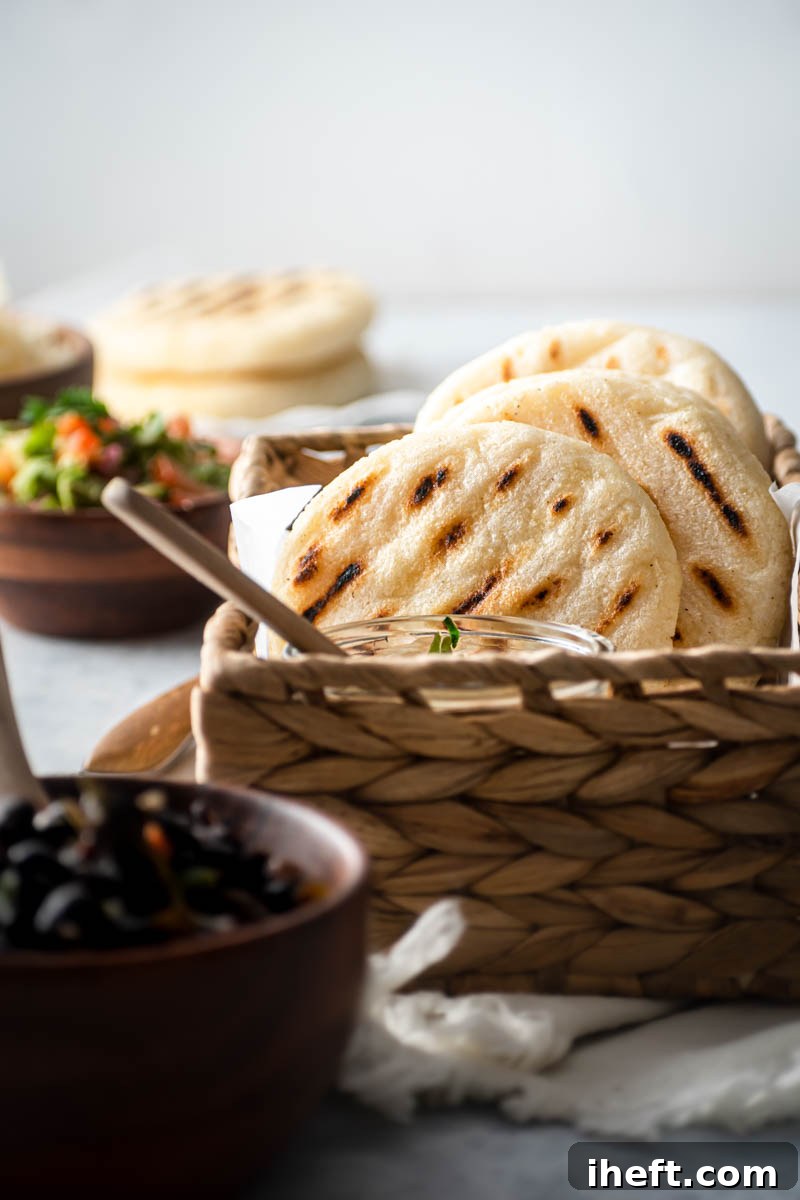
Arepas are a quintessential food item from northern South America, particularly revered in Venezuela and Colombia. Essentially, an arepa is a disk-shaped patty made from a special pre-cooked corn flour dough, which is then grilled, baked, or fried until it develops a beautifully crisp exterior and a soft, fluffy interior. Once cooked, it’s typically split open to create a pocket, ready to be stuffed with an incredible variety of fillings.
Often, you’ll hear them referred to specifically as arepas Colombianas or arepas Venezolanas, highlighting the distinct regional variations in preparation, texture, and common fillings. While similar in concept to a pita pocket or the South American equivalent of an Italian Piadina, arepas possess a unique texture and flavor derived from the specific type of corn flour used. Their mild corn flavor and delightful chewiness make them a perfect canvas for both savory and sometimes sweet combinations.
One of the most appealing aspects of arepas is their incredible versatility. They can be enjoyed at any time of day – a hearty breakfast, a satisfying lunch, or a comforting dinner. My personal favorites often feature a simple yet delicious combination of black beans, creamy avocado, and savory cheese. However, the possibilities are truly endless! I’ve even savored delightful breakfast arepas generously filled with scrambled eggs, fresh avocado slices, and peppery arugula, proving that arepas can truly adapt to any craving or mealtime.
Crafting Perfect Arepas: A Step-by-Step Guide
Making homemade arepas is a rewarding experience that brings a taste of South America right into your kitchen. Follow these steps to create delicious, authentic Venezuelan arepas from scratch.
1. Preparing the Essential Arepa Dough with Harina P.A.N.
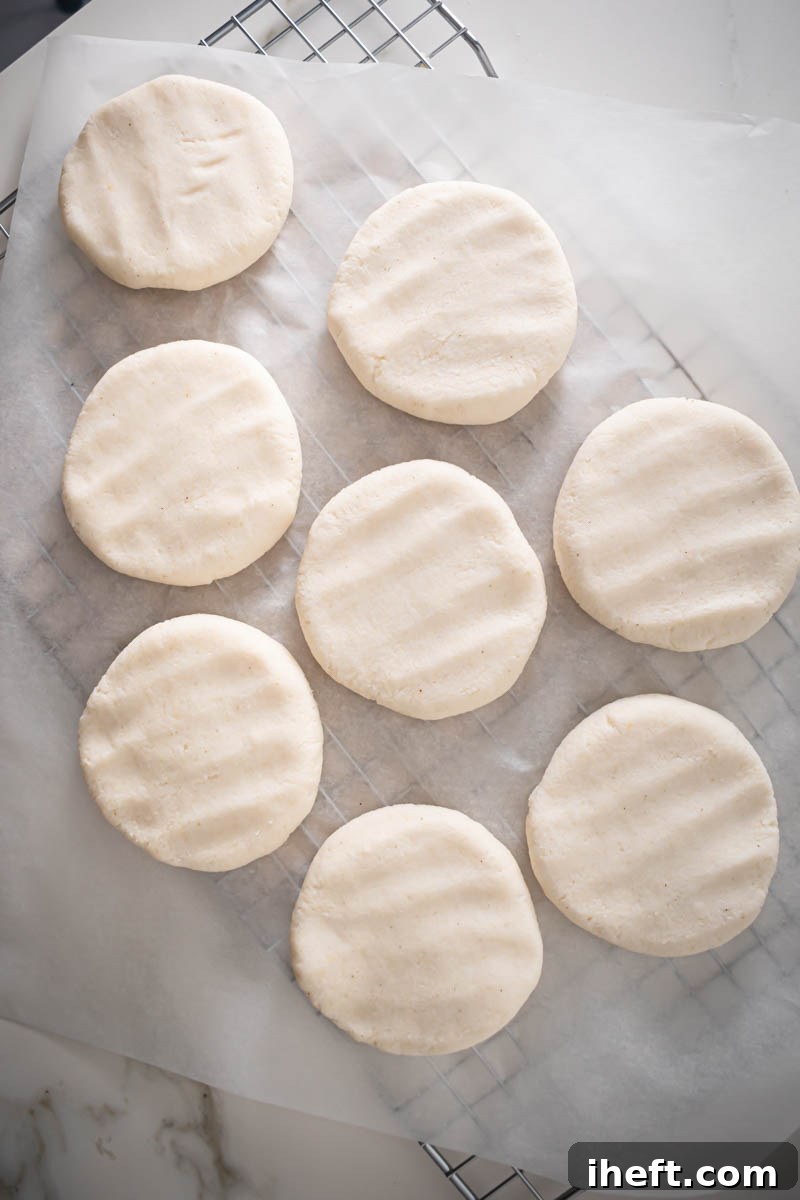
The foundation of any great arepa is its dough, a deceptively simple blend of specialized corn flour, warm water, and a pinch of salt. However, the secret lies in selecting the correct type of flour. It is absolutely crucial to use finely ground, pre-cooked corn flour, which is distinctly different from the coarse cornmeal used for polenta or the masa harina used for tortillas. The gold standard for authentic Venezuelan arepas is Harina P.A.N., a staple in Venezuelan households and widely available in Latin grocery stores or online. If Harina P.A.N. is unavailable, Masarepa, particularly the yellow corn meal made by Goya, is a suitable alternative, though always double-check the water-to-flour ratio on the package as it can vary slightly between brands.
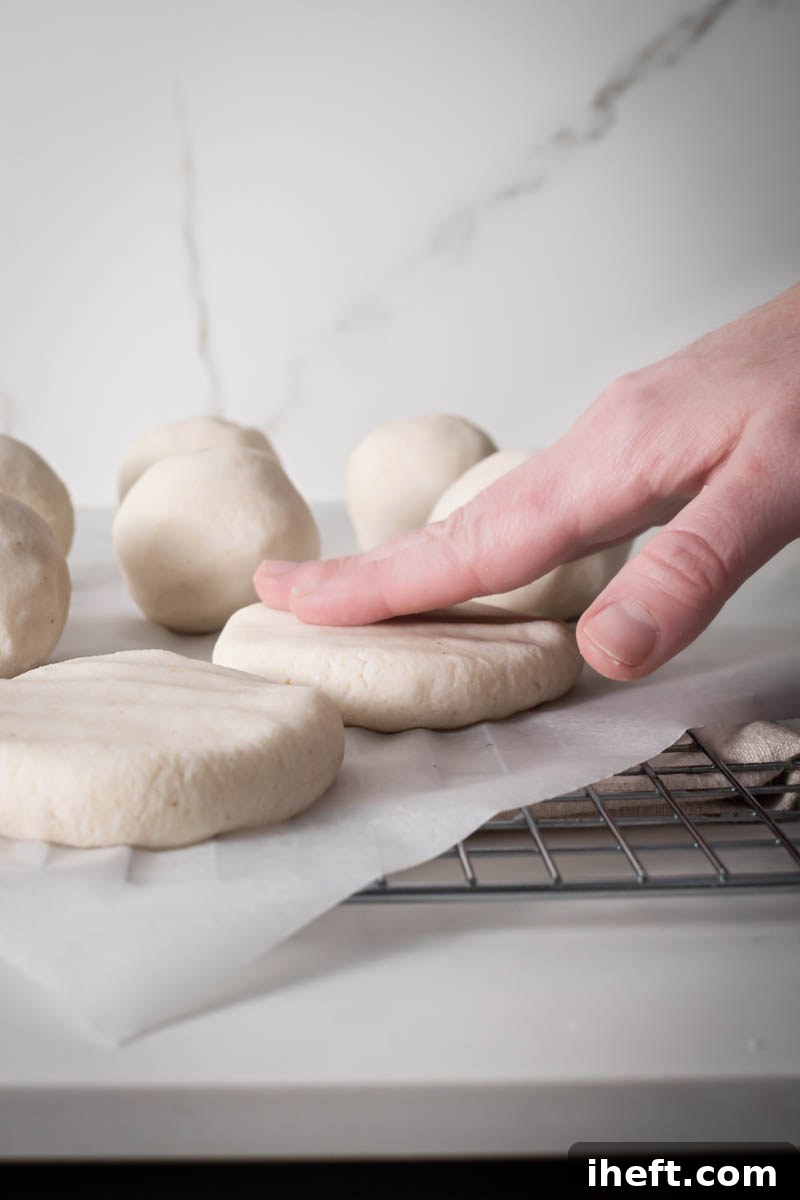
Harina P.A.N. is renowned for producing arepas with a mild, slightly sweet corn flavor and a delightful texture that crisps beautifully on the outside while remaining soft and moist on the inside. Beyond arepas, this versatile flour is also used in making other Latin American favorites like pupusas and empanadas, showcasing its importance in the regional cuisine. Once you’ve mixed the ingredients, you’ll knead the dough until it achieves a smooth, pliable consistency. Then, divide it into 8 equal portions and gently flatten each into a disc, about ½ inch thick and 3-4 inches in diameter. These perfectly formed discs are now ready for cooking!
2. Mastering the Art of Cooking Arepas
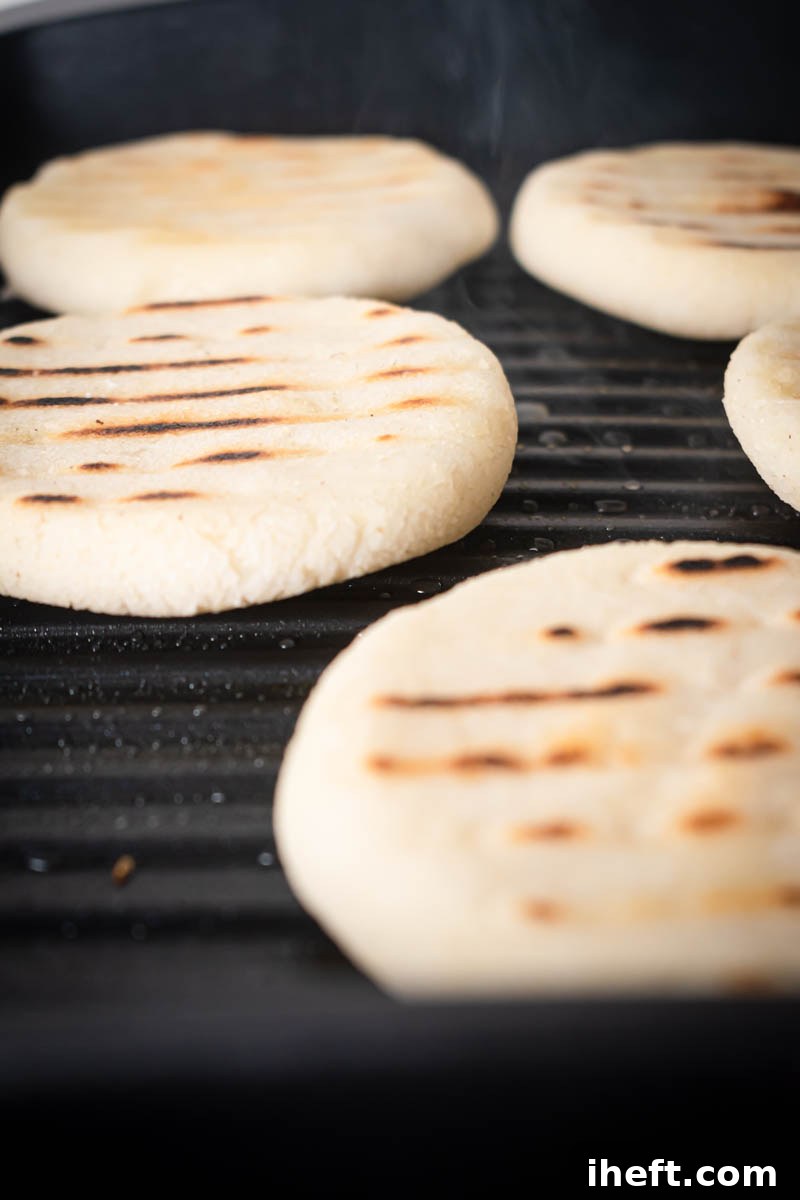
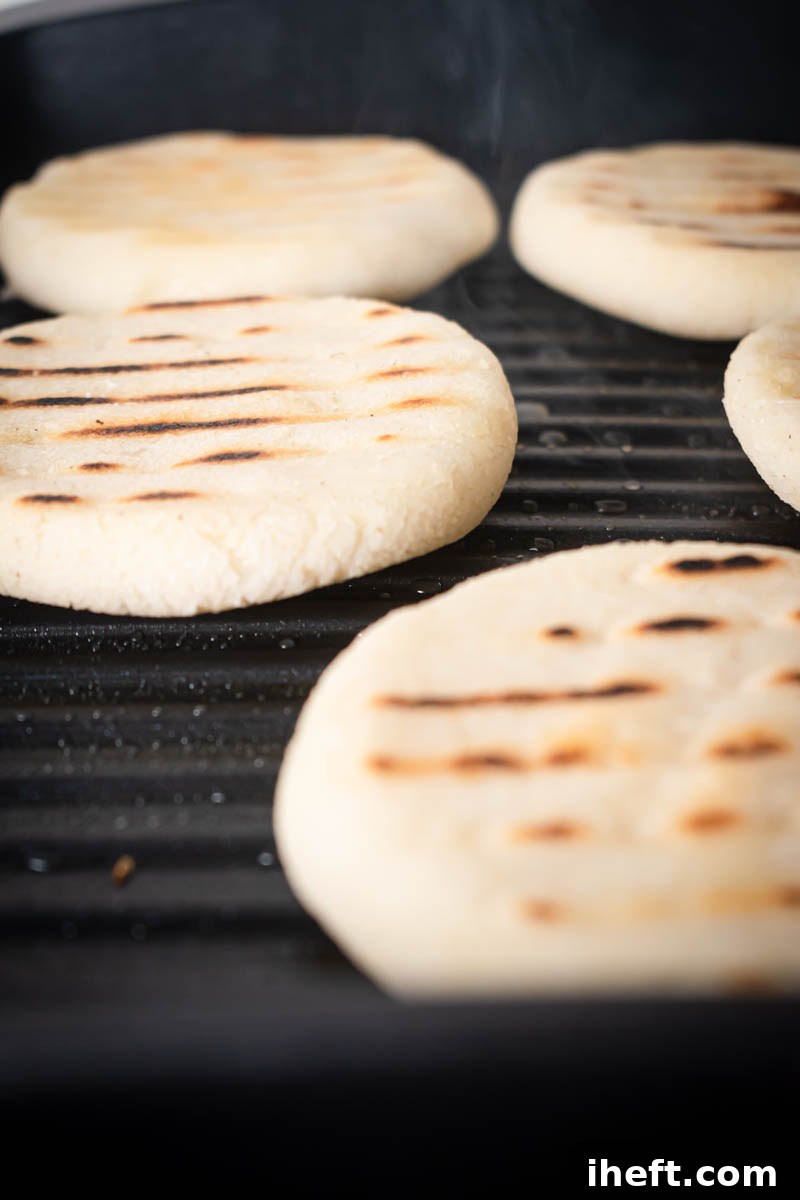
The cooking method plays a vital role in achieving the perfect arepa texture. While a regular skillet can work, I highly recommend using a grill pan or a griddle. A grill pan, with its raised ridges, allows for better air circulation beneath the arepas as they cook, promoting an even crispiness and developing those signature grill marks. Heat your chosen cooking surface to medium-high heat, then lightly spray or brush it with olive oil to prevent sticking. Place your arepa discs on the hot surface and cook them for approximately 4-5 minutes per side, or until they develop a beautiful golden-brown crust and feel firm to the touch. The goal is a crispy exterior with a thoroughly cooked, steamy interior.
3. Creating the Perfect Pocket for Your Fillings
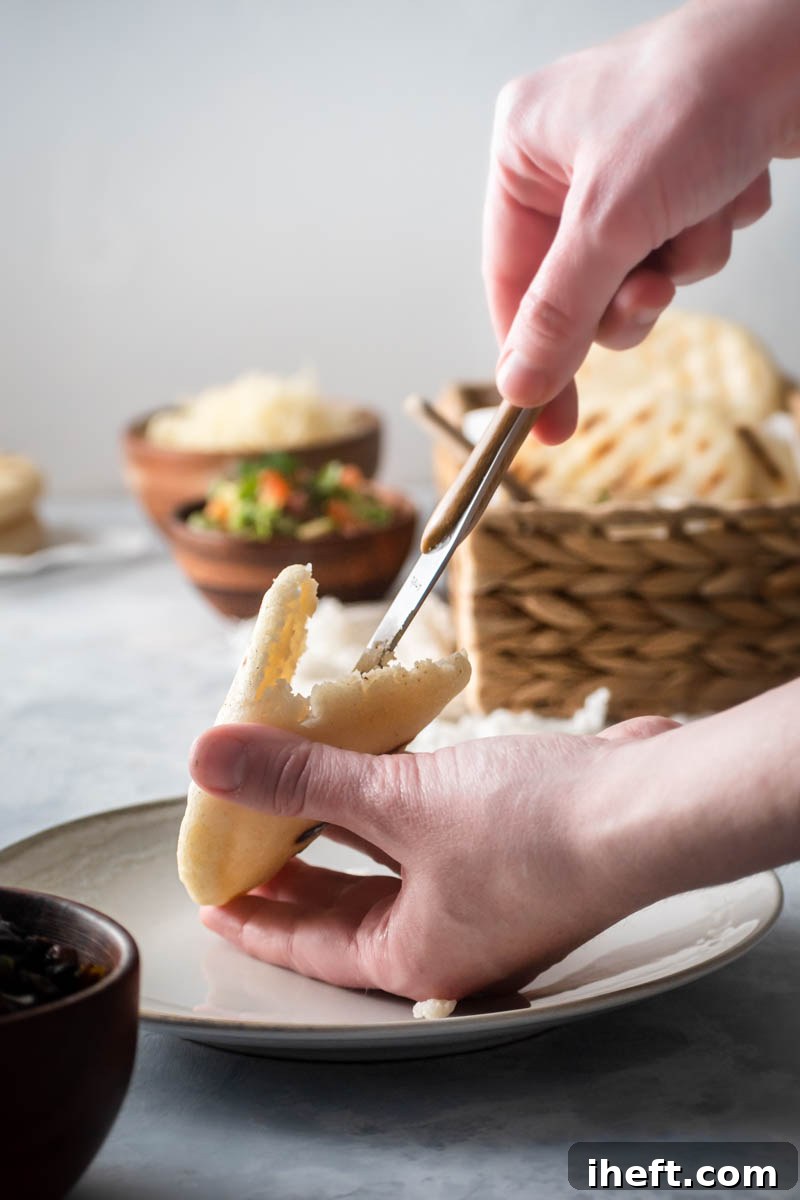
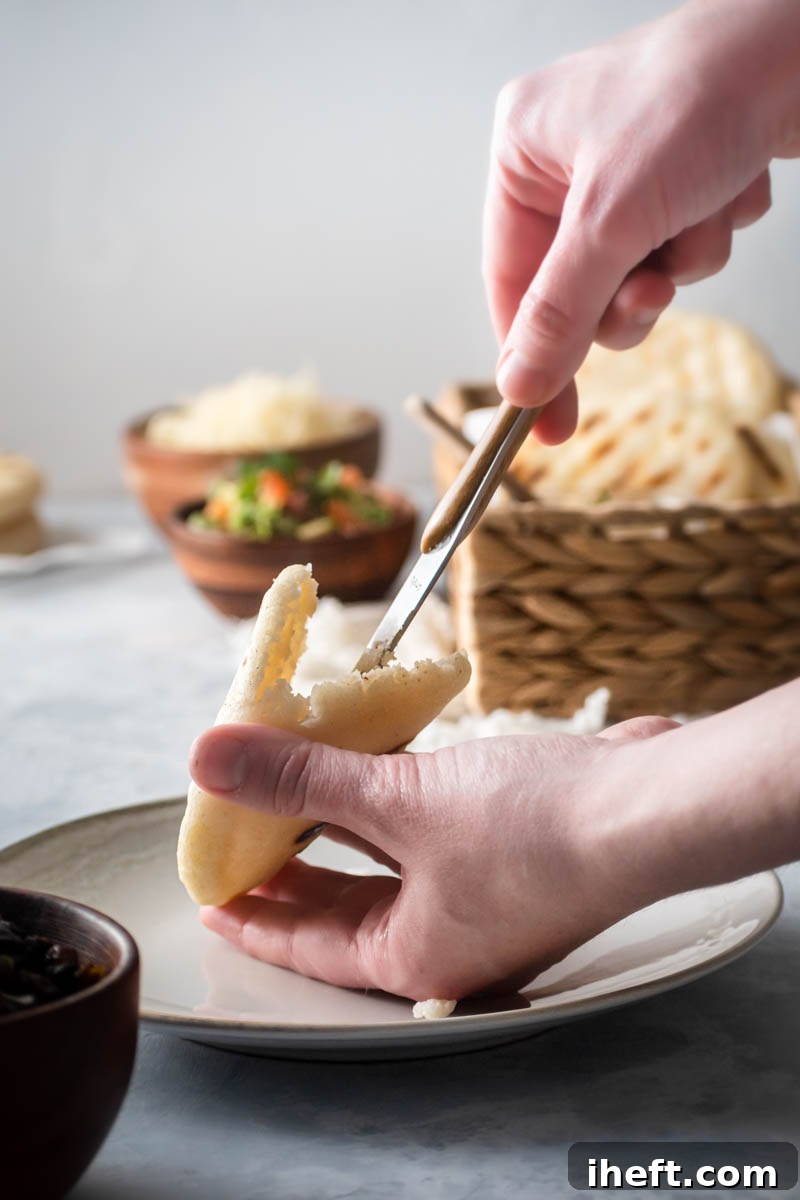
Once your arepas are beautifully cooked and still warm, it’s time to prepare them for their delicious fillings. Carefully transfer them from the pan. Using a sharp paring knife, gently cut each arepa open. You can either slice it completely in half, creating two open-faced halves, or, more commonly, cut about ¾ of the way through, forming a deep pocket. This pocket is ideal for stuffing with a generous amount of your favorite ingredients. Don’t be alarmed if the inside still feels a little moist right after cutting; it will continue to steam and dry slightly as it cools and the steam releases, resulting in that wonderfully soft, characteristic arepa interior. It’s crucial to perform this step while the arepas are still hot to ensure the inside is light and easy to open without tearing.
Unleashing Flavor: Delicious Arepa Filling Ideas
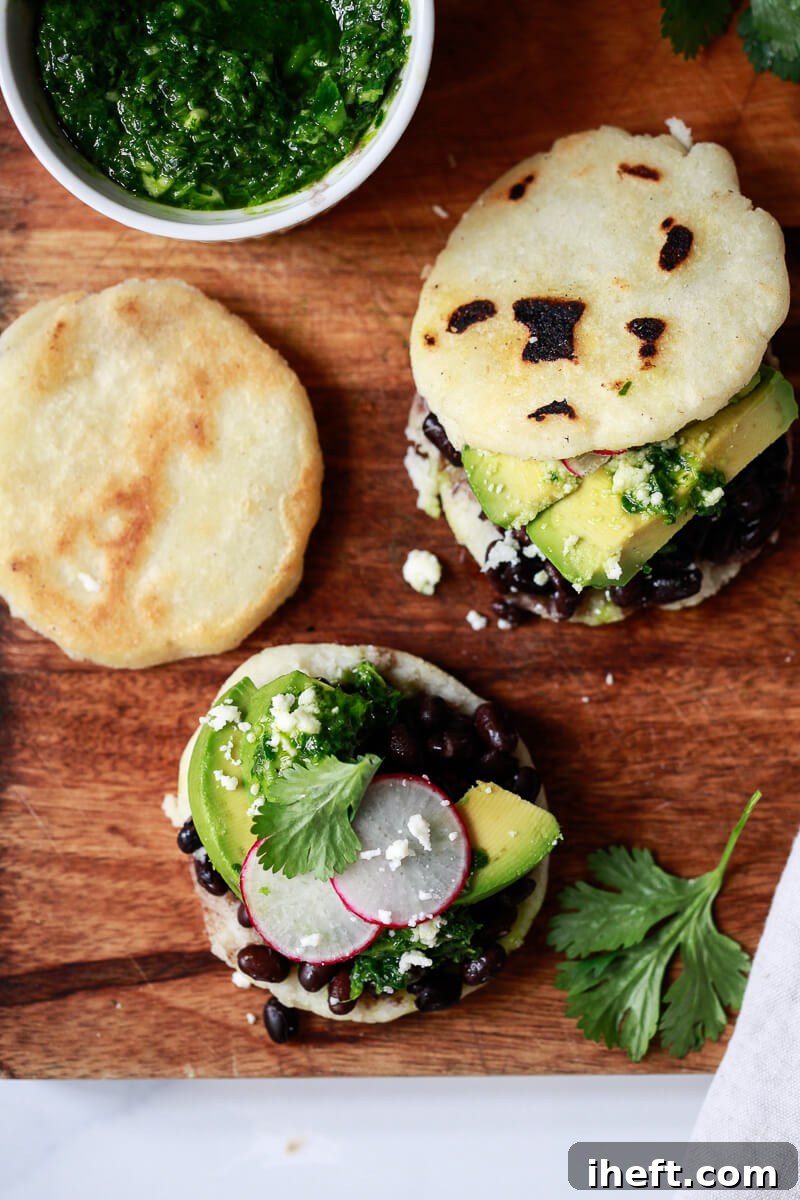
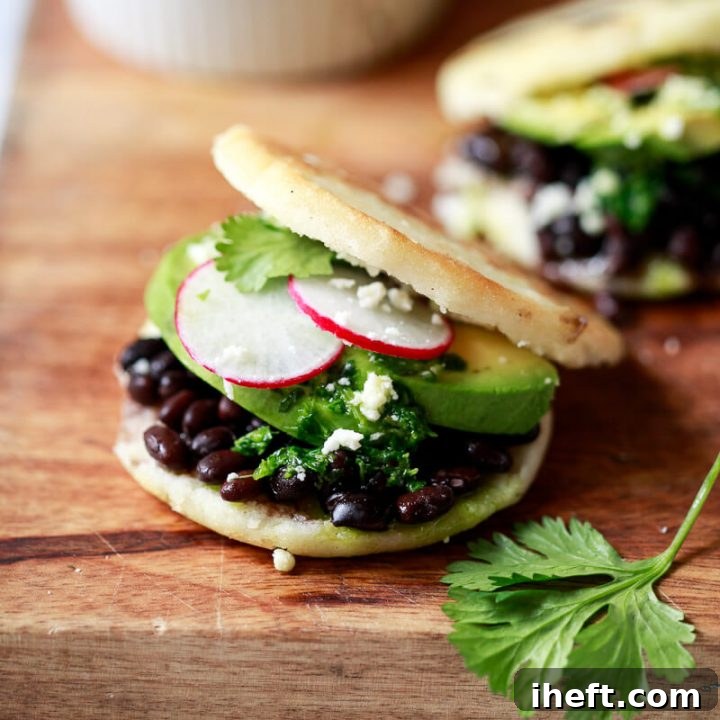
The true magic of arepas lies in their endless filling possibilities. While this recipe highlights a fantastic combination of warm black beans, creamy avocado, tangy chimichurri sauce, and optional crumbled cheese with fresh radish slices, I encourage you to unleash your creativity and experiment. Here’s an expanded list of tasty filling ideas to inspire your homemade arepas:
Classic & Traditional Venezuelan Arepa Fillings:
- Black Beans: A staple in Venezuelan cuisine, offering a hearty, earthy base. Try Instant Pot Black Beans or Cuban Black Beans for extra flavor.
- Queso Fresco or Guyanés Cheese: Crumbled or sliced, these mild, fresh cheeses are a perfect creamy or salty counterpoint. For a plant-based option, look for vegan queso fresco alternatives.
- Sliced Avocado: Adds a rich, buttery texture and healthy fats. Learn how to cut avocado perfectly.
- Fried Plantain Slices (Plátanos Fritos): Sweet, caramelized plantains create a delightful contrast against savory fillings.
- Shredded Beef (Carne Mechada) or Chicken (Pollo Mechado): Slow-cooked, seasoned shredded meats are incredibly popular traditional fillings.
- “Reina Pepiada”: A famous Venezuelan filling featuring shredded chicken mixed with avocado and mayonnaise.
- “Domino”: A simple yet iconic combination of black beans and white shredded cheese.
Vegetarian & Vegan Arepa Filling Options:
- Roasted Sweet Potatoes: Cubed and seasoned, they add sweetness and substance.
- Shredded Jackfruit: Cooked and seasoned, it mimics the texture of pulled pork, ideal for a plant-based “meat” filling.
- Chipotle Sofritas: A spicy, flavorful tofu-based filling inspired by Chipotle’s popular offering. Get the Sofritas recipe here.
- Fajita Veggies: Sautéed bell peppers and onions add a smoky, savory crunch.
- Grilled Portobello Mushrooms: Marinated and grilled, they offer a hearty, umami-rich option.
- Pinto Beans: Another excellent bean option, providing a different flavor profile. Try this Pinto Beans recipe.
Savory Additions & Condiments:
- Chorizo (or Soyrizo for vegan): Adds a spicy, savory kick.
- Fresh Tomato Slices: Bright and refreshing.
- Sliced Radish: Offers a crisp texture and peppery bite.
- Pickled Onions: A tangy, slightly sweet addition that cuts through richness.
- Jalapeno: For those who love a bit of heat.
- Chimichurri Sauce: A vibrant, herb-packed sauce that brings freshness and zest.
- Salsa: A classic topping for any corn-based dish. Make your own fresh tomato salsa.
- Guacamole: The ultimate creamy and flavorful avocado dip. Here’s how to make perfect guacamole.
- Fresh Cilantro Leaves: A sprinkle of fresh herbs brightens any filling.
Tips for Making the Best Homemade Arepas
- The Right Flour is Key: As emphasized, only use pre-cooked corn flour like Harina P.A.N. or Masarepa. Regular cornmeal or masa harina will not work for authentic arepas.
- Dough Consistency: The dough should be soft, pliable, and smooth, without cracks when formed into a disk. Adjust water or flour in tiny increments to achieve this perfect texture.
- Keep Dough Moist: Always cover your dough balls or formed discs with a damp kitchen towel while you work to prevent them from drying out, which can lead to cracks.
- Cook Immediately: Arepas are best cooked right after forming. Do not prepare the dough too far in advance.
- Serve Warm: Arepas are truly at their best when served warm, straight off the grill or griddle. The interior will be wonderfully soft and steamy.
- Open While Hot: Cut the arepas open as soon as they are cool enough to handle. This ensures the steam releases, and the inside texture becomes light and fluffy, making them easier to fill. If they cool completely before opening, they can become dense and difficult to cut without tearing.
- Don’t Overfill: While it’s tempting, try not to overstuff your arepas, as it can make them difficult to eat and potentially tear the dough. A balanced filling allows for the best eating experience.
Venezuelan Arepas Recipe Card
Arepas Venezolanas
15 minutes
10 minutes
25 minutes
Learn how to make authentic Arepas Venezolanas at home with this classic recipe! These delicious cornmeal pockets are naturally gluten-free and can be plant-based, making them perfect for any meal. This black bean, avocado, and chimichurri combination is a favorite, but feel free to customize with your preferred fillings.
Ingredients
For the Arepas
- 2 cups Harina P.A.N. (refined and pre-cooked corn flour, P.A.N. brand highly recommended)
- 2 ½ cups warm water
- 1 tsp. salt
- 1 tablespoon olive oil (for cooking)
Suggested Fillings
- 2 cups cooked black beans, warm
- 1/2 cup crumbled Queso Fresco (optional, omit for vegan)
- 1 large ripe avocado, sliced
- 1/2 cup Chimichurri sauce
- 1 radish, thinly sliced
- Fresh cilantro leaves, for garnish
Instructions
- Prepare the Dough Water: In a deep mixing bowl, place the warm water and add the salt. Whisk vigorously until the salt is fully dissolved. You can taste the water at this point to adjust the saltiness to your personal preference for the arepas.
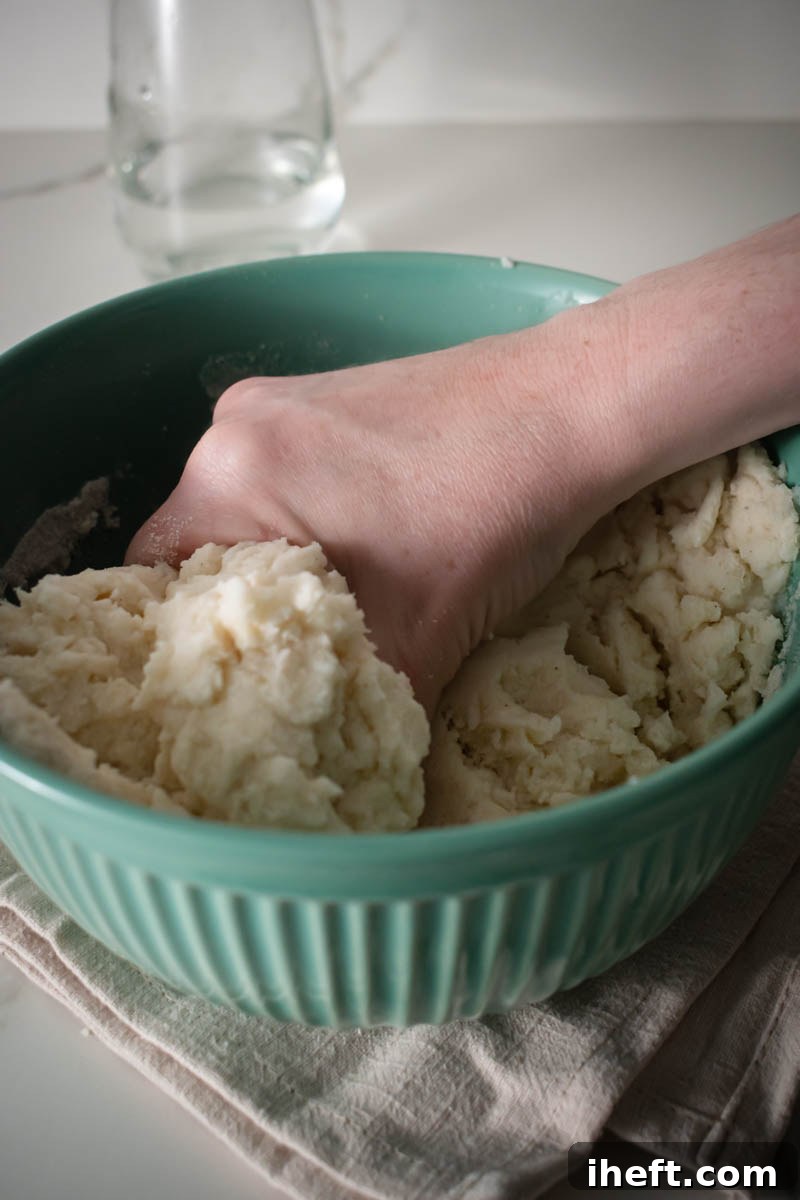
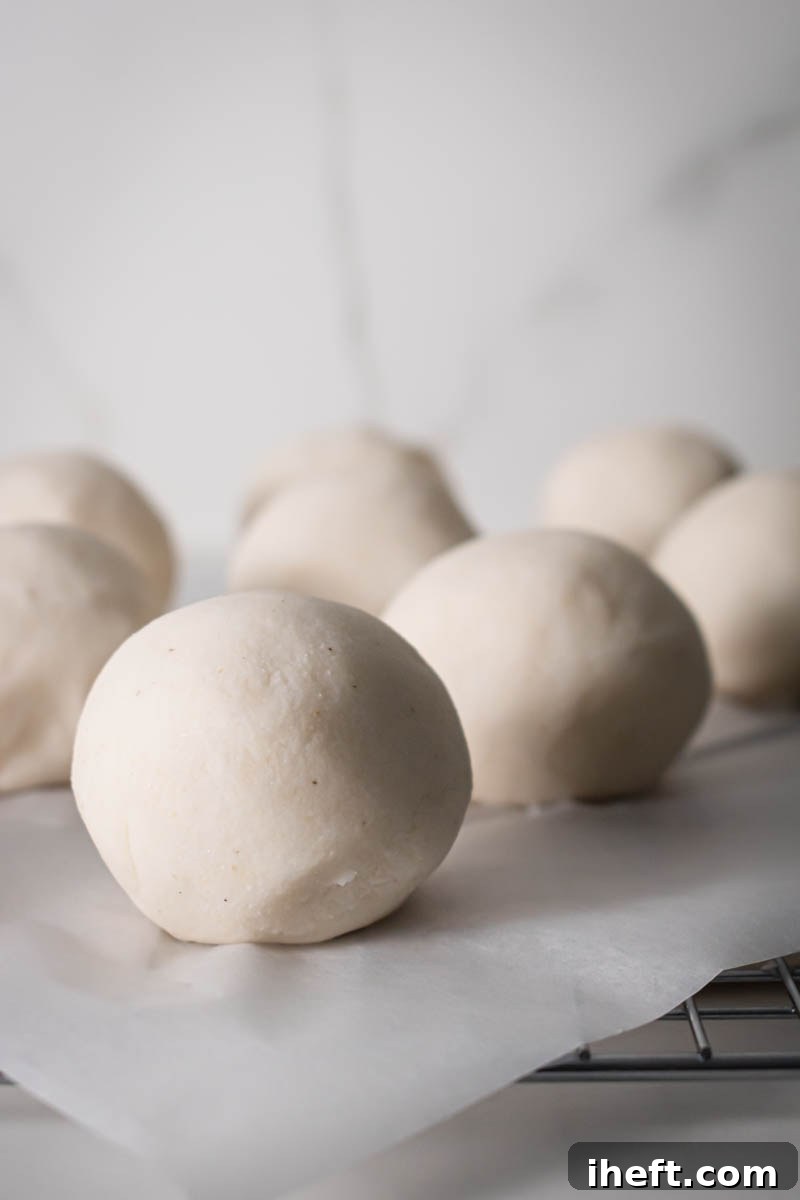
- Knead the Dough: Gradually incorporate the Harina P.A.N. into the salted water. Use your hands to knead the mixture thoroughly until a soft, uniform dough forms. The dough should feel smooth, pliable, and easy to handle without being excessively sticky. When you press it into a ball or disk, it should maintain its shape without cracking. If the dough appears too dry, add a tiny splash more water; conversely, if it’s too wet, add a small amount of extra harina until the proper texture is achieved (refer to the accompanying photos for visual guidance). (Important Note: The ideal flour-to-water ratio can vary slightly between different brands of pre-cooked corn flour, so it’s always wise to check the instructions on your specific package, especially if you are not using the P.A.N. brand.)

- Form the Dough Balls: Once the dough has reached its perfect soft and smooth consistency, divide it evenly into 8 portions. Roll each portion into a neat ball. To prevent the dough from drying out and cracking while you work, keep any unused dough balls covered with a damp kitchen towel.
- Shape the Arepas: Using your hands, gently flatten each dough ball into a disk. Aim for a thickness of approximately ½ inch and a diameter of about 3-4 inches. Strive for smooth edges and a consistent thickness across all discs to ensure even cooking.
- Cook the Arepas: Heat a grill pan, griddle, or a heavy-bottomed skillet over medium-high heat. Lightly spray or brush the cooking surface with olive oil to prevent sticking. Carefully place the formed arepas onto the hot pan. Cook each side for 4-5 minutes, or until a beautiful, crunchy golden-brown crust develops and the arepas feel firm to the touch. The goal is a crispy exterior with a thoroughly cooked, steamy interior.
- Create the Pocket: Once cooked, remove the arepas from the heat and allow them to cool just enough that you can safely handle them. Immediately, using a sharp paring knife, carefully cut each arepa open. You can either slice it completely in half, creating two open-faced halves, or, more commonly, cut about ¾ of the way through to form a deep pocket for your fillings. It is normal for the interior to appear somewhat moist initially, but it will continue to dry as steam escapes. Store the opened arepas covered with a clean towel to keep them warm until ready to serve.
- Fill and Serve: When you are ready to enjoy, generously fill the warm arepa pockets with your desired combination of delicious ingredients. Serve them immediately to experience their optimal taste and texture.
Notes for Perfect Arepas
It is paramount to use only finely ground, pre-cooked corn flour like Harina P.A.N. or Masarepa. Do not substitute with masa harina (the type used for tortillas) or regular cornmeal, as these will yield completely different results in terms of texture and flavor, and will not produce authentic arepas. Always verify the water-to-flour ratio on your specific brand’s packaging, as slight variations can occur.
For those seeking a plant-based option, vegan queso fresco alternatives are available and highly recommended to maintain the authentic cheesy experience without dairy.
Arepas are truly best enjoyed immediately after cooking. They do not reheat particularly well, as their texture can become less appealing or dry. The timing of opening the arepa is also crucial: cut them while they are still hot to ensure the interior is light and airy, allowing for easy pocket formation. If left to cool completely before cutting, the inside can become dense and difficult to open without tearing the delicate dough.
Watch How to Make Arepas
Recommended Products
As an Amazon Associate and member of other affiliate programs, I earn from qualifying purchases.
- P.A.N. White Corn Meal – Pre-cooked Gluten Free and Kosher Flour for Arepas, 2.27 kg (5 lb)
Nutrition Information:
Yield: 8
Serving Size: 1 arepa
Amount Per Serving:
Calories: 233Total Fat: 17gSaturated Fat: 4gTrans Fat: 0gUnsaturated Fat: 12gSodium: 540mgCarbohydrates: 14gFiber: 6gSugar: 1gProtein: 7g
Nutrition information is automatically calculated by Nutritionix. I am not a nutritionist and cannot guarantee accuracy. If your health depends on nutrition information, please calculate again with your favorite calculator.
Conclusion: Your Culinary Journey to Venezuela
Making authentic Arepas Venezolanas at home is a truly rewarding experience, allowing you to connect with the vibrant culinary traditions of South America. From the unique texture of the Harina P.A.N. dough to the explosion of flavors offered by countless filling combinations, arepas are more than just food; they are a celebration of culture, community, and delicious simplicity. We hope this comprehensive guide inspires you to embark on your own arepa-making adventure. Whether you stick to classic black beans and cheese or venture into more adventurous fillings, each bite promises a taste of Venezuela. Enjoy the process, savor the flavors, and share these wonderful cornmeal pockets with friends and family!