Demerara Syrup
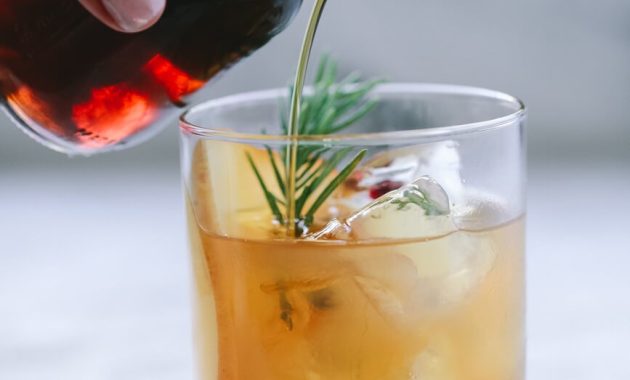
The Essential Guide to Demerara Syrup: Master Your Cocktails & More
Elevate your mixology and culinary creations with homemade demerara syrup. This rich, caramel-flavored sweetener is a secret ingredient for exceptional cocktails and desserts, and it’s surprisingly simple to make in just minutes.
Discover how to craft this versatile syrup at home, understand its unique characteristics, and explore a myriad of applications that will transform your favorite recipes.
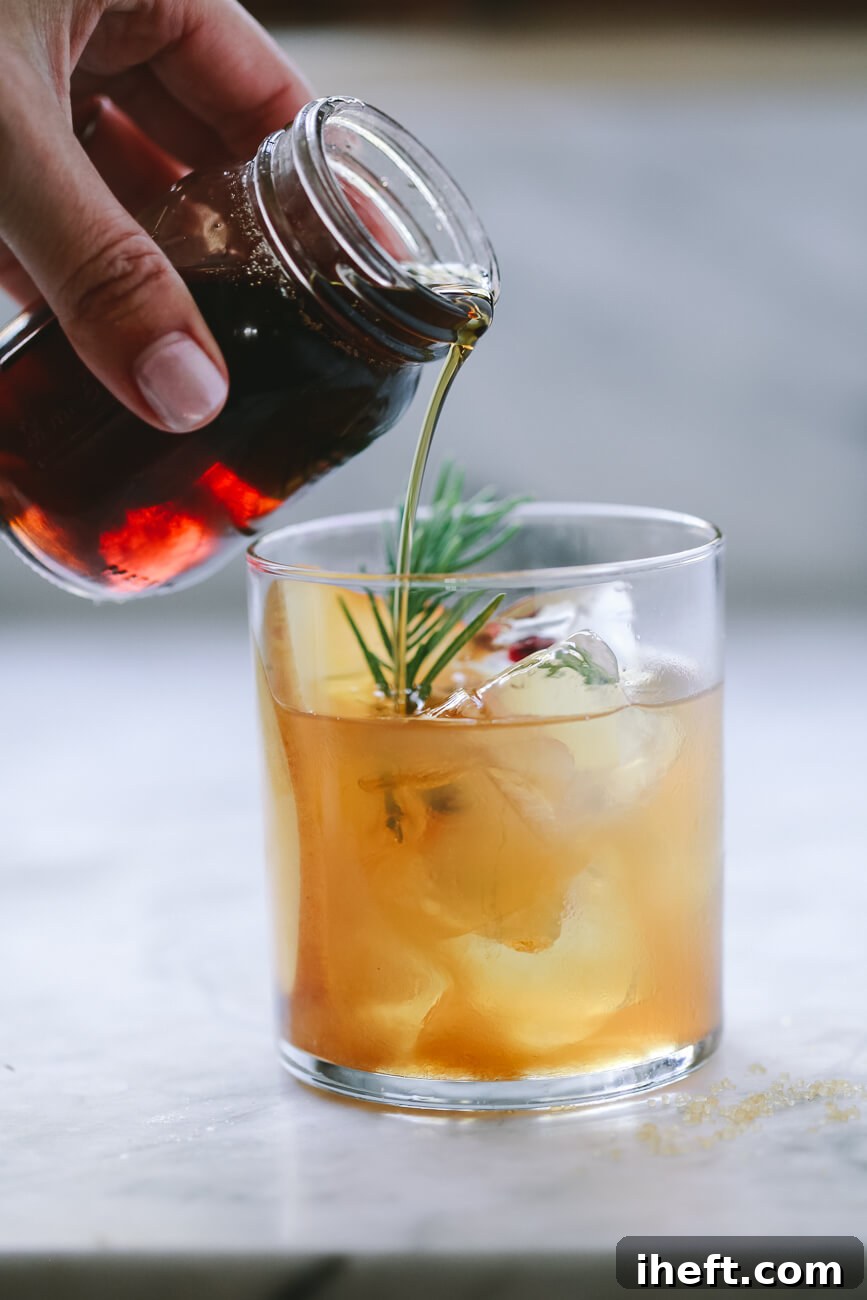
While delicate flavors like Lavender Simple Syrup are perfect for lighter culinary adventures such as lattes and refreshing lemonade, many recipes, especially classic cocktails, demand a sweetener with more character and body. This is where rich simple syrup, specifically demerara syrup, steps in.
If you’ve encountered a sophisticated cocktail recipe that calls for “rich simple syrup” or “demerara syrup” and found yourself wondering where to source this elusive ingredient or how to prepare it, you’re in the right place. Thankfully, the answer is remarkably straightforward and requires minimal effort.
All you need are two simple ingredients – demerara sugar and water – and about two minutes of your time, and you’ll unlock the secret to the most delicious, caramel-flavored rich simple syrup. Prepare to impress your guests and your palate!
Unveiling Demerara Sugar: The Foundation of Flavor
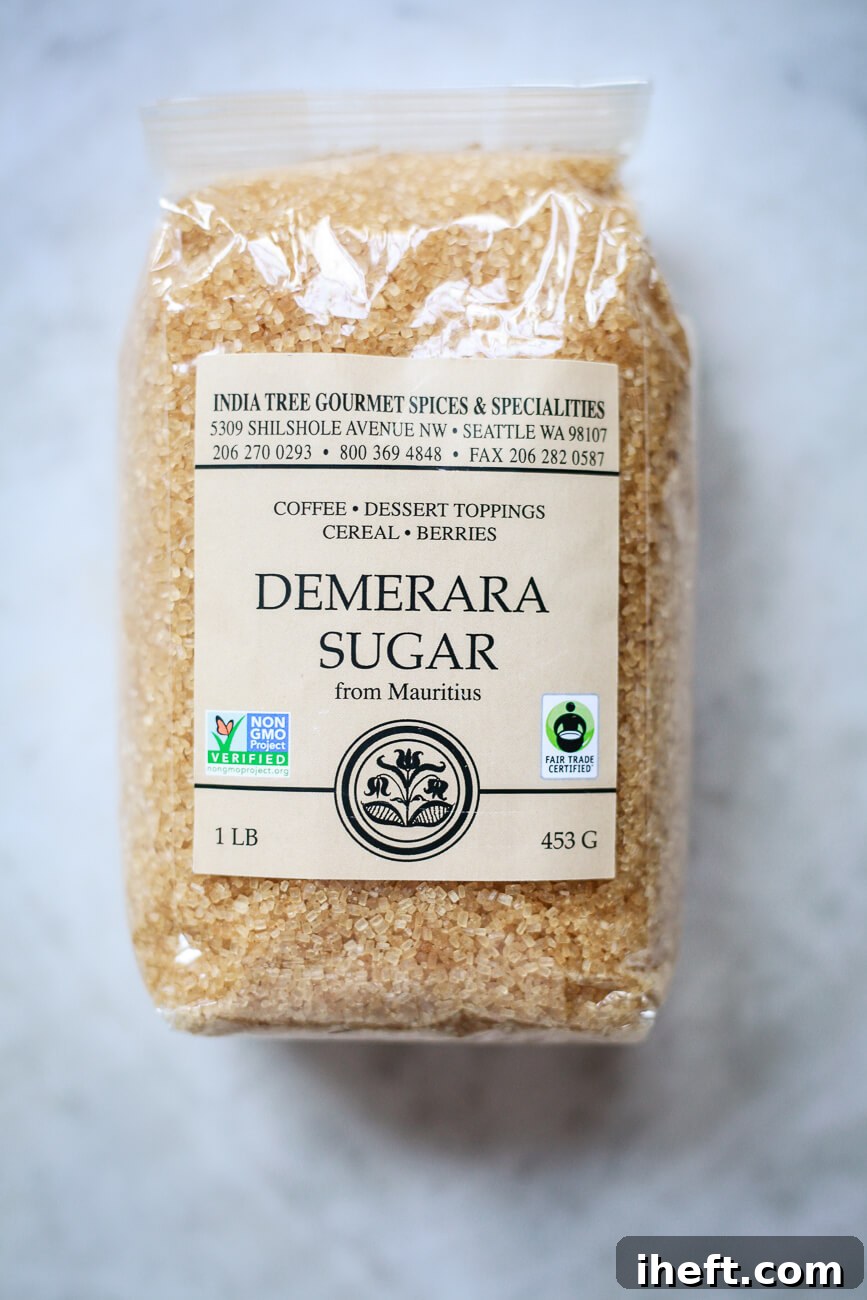
Named after the Demerara region of Guyana in South America, demerara sugar is a distinctive type of cane sugar known for its large, golden-amber crystals. It shares a resemblance with turbinado sugar but possesses its own unique qualities.
How Demerara Sugar is Made
Unlike highly refined granulated white sugar, demerara sugar undergoes minimal processing. It’s produced by extracting juice from sugar cane, boiling it down, and then centrifuging the crystals. During this process, some of the natural molasses from the sugar cane is retained, which is responsible for its characteristic light amber color and rich flavor profile. While historically from Guyana, today a significant portion of demerara sugar is sourced from Mauritius, an island nation in the Indian Ocean.
The Unique Flavor Profile
The retained molasses is crucial to demerara sugar’s appeal. It imparts a complex, aromatic taste that granulated sugar simply cannot match. Expect notes reminiscent of:
- Caramel: A deep, buttery sweetness.
- Toffee: A slightly nutty, cooked sugar essence.
- Maple: Subtle hints of warm, earthy sweetness.
- Molasses: A delicate underlying warmth and depth, without being overpowering.
This intricate flavor makes demerara sugar an excellent choice not just for syrup, but also for sprinkling over baked goods for added texture and flavor, or as a sweetener in coffee and tea.
Availability and Cost
Given its specialty nature, demerara sugar can sometimes be a bit more challenging to locate than standard granulated sugar, and it typically comes with a slightly higher price tag. However, its unique qualities make the investment worthwhile for certain applications. You can often find it at gourmet grocery stores, natural food markets like Whole Foods, or increasingly, in the baking aisle of larger supermarkets. Online retailers are also a reliable source for purchasing demerara sugar.
What is Demerara Syrup? Your Cocktail’s Best Friend
Demerara syrup is essentially a rich simple syrup crafted specifically with demerara sugar. The “rich” in rich simple syrup refers to its higher sugar-to-water ratio, typically 2 parts sugar to 1 part water, as opposed to the standard 1:1 ratio of traditional simple syrup. This higher concentration yields a thicker, more viscous syrup with a more intense sweetness and a longer shelf life.
Why the 2:1 Ratio Matters
The 2:1 sugar-to-water ratio offers several advantages, especially in mixology:
- Enhanced Flavor: The higher sugar content means more of demerara’s distinct caramel and molasses notes are concentrated in the syrup.
- Texture and Mouthfeel: A richer syrup contributes to a more luxurious mouthfeel in cocktails, coating the palate more elegantly.
- Reduced Dilution: Because it’s more potent, you need less demerara syrup to achieve the desired sweetness in a drink. This helps minimize unwanted dilution, preserving the integrity and strength of your spirits.
Applications in Mixology and Beyond
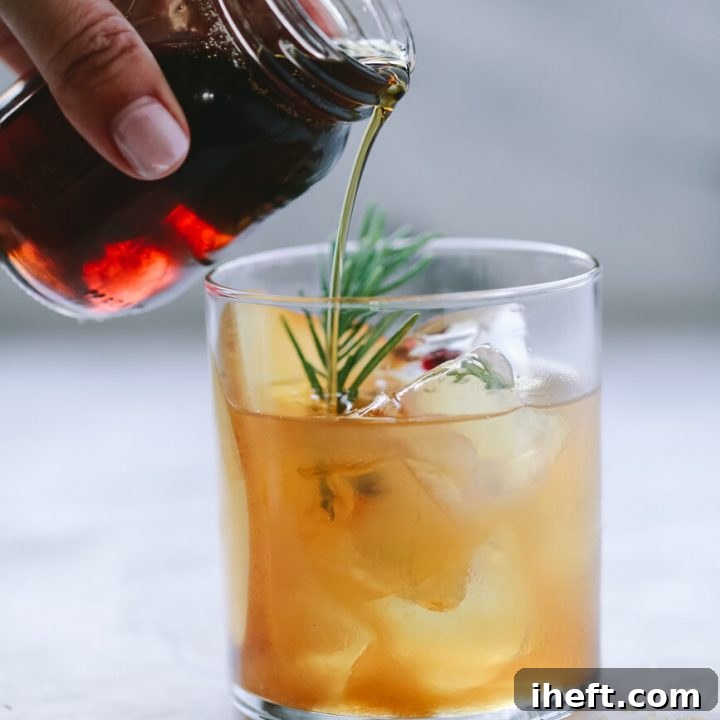
Demerara syrup is a cornerstone ingredient in many dark spirit-based cocktails, where its complex flavor beautifully complements the notes of whiskey, rum, and brandy. It’s a common star in classics like the Old Fashioned, a crucial component for a well-balanced Rum Manhattan-Style, and an exceptional sweetener for many of our Fall Cocktails.
While you might occasionally find bottled versions in the cocktail sections of specialty grocery stores, making demerara syrup at home is not only incredibly simple and quick – often taking less than five minutes from start to finish – but it also ensures optimal freshness and control over the ingredients. Unlike granulated sugar which can be difficult to dissolve evenly in cold drinks, demerara syrup blends seamlessly with other ingredients, creating a perfectly smooth and integrated flavor experience.
A History of Richness
The popularity of demerara sugar and subsequently demerara syrup first blossomed in the U.K., where many classic recipes continue to call for this distinctive ingredient. It’s a testament to its enduring appeal and its ability to add a beautiful, complex sweetness that stands out from other sweeteners.
Demerara Syrup Substitutes: When Demerara Isn’t Available
While demerara syrup offers a truly unique flavor, there are times when you might not have demerara sugar on hand. The goal when seeking a substitute is to find a rich simple syrup that mixes easily and provides a similar depth of flavor. Here are a few viable options:
- Maple Syrup: Pure maple syrup offers a natural, earthy sweetness with its own distinct caramel notes, making it a decent stand-in for certain applications. However, its flavor profile is unique and will subtly alter the taste of your final product. Use it in a 1:1 ratio as you would demerara syrup.
- Molasses Simple Syrup: This DIY option gets you closer to the demerara flavor profile. To make it, follow the demerara syrup recipe below but use granulated white sugar. After the sugar has dissolved, stir in about 1 teaspoon of dark molasses per 1/2 cup of white sugar used. This introduces that deep, slightly bitter, and robust molasses note characteristic of demerara.
- Turbinado Sugar Syrup: Turbinado sugar is often referred to as “sugar in the raw” and is very similar to demerara, with slightly smaller crystals and a milder molasses flavor. If you can find turbinado sugar, you can make a turbinado simple syrup using the same 2:1 sugar-to-water ratio as demerara syrup. This is arguably the closest substitute in terms of both flavor and texture.
- Light Brown Sugar Syrup: Light brown sugar is readily available and contains molasses, offering a softer, more delicate caramel flavor than demerara. Prepare it as a rich simple syrup (2:1 sugar to water). While it won’t have the same robust depth as demerara, it provides a pleasant, accessible alternative. Dark brown sugar can also be used for a more intense molasses flavor, but be mindful that it might be too strong for some delicate cocktails.
Keep in mind that while these substitutes can work in a pinch, they will each impart a slightly different nuance to your recipes. Experiment to find what works best for your specific taste and desired outcome.
How to Use Demerara Syrup: Beyond the Basics
Demerara syrup is incredibly versatile, extending its usefulness far beyond just cocktails. While demerara sugar itself can add a delightful crunch when sprinkled on top of muffins, quick bread, pies, or cookies, the syrup offers a smooth, integrated sweetness.
Primary Uses: Cocktails
Demerara syrup truly shines in cocktails, particularly those built around darker spirits. Its rich, complex flavor enhances rather than masks the nuanced notes of whiskey, rum, and aged brandy. It’s the ideal sweetener for:
- Whiskey-Based Cocktails: An absolute must for an authentic Old Fashioned, Sazerac, or various Whiskey Sour concoctions. It provides a deeper base than standard simple syrup.
- Rum Cocktails: Excellent in many rum-based drinks, especially those with aged or dark rums, contributing to a more sophisticated tropical profile.
- Tiki Drinks: Adds a layer of complexity to tropical cocktails that often feature multiple rums and exotic flavors.
- Brandy and Cognac Drinks: Elevates cocktails that utilize these elegant spirits, bringing out their inherent warmth.
It’s important to use this dark simple syrup in recipes where its robust flavor profile works harmoniously. It magnificently compliments flavors like vanilla, cinnamon, maple, and apple. Conversely, for lighter, brighter cocktails such as margaritas, gin and tonics, or lemon drop martinis, a lighter sweetener like agave syrup or white simple syrup would generally be a more suitable choice to let those crisp, citrusy notes shine.
Culinary Applications
Think of demerara syrup as you would a premium maple syrup, ready to add a gourmet touch to a variety of dishes:
- Breakfast and Brunch: Drizzle it over oatmeal, pancakes, waffles, or French toast for a rich, caramel sweetness. It’s also fantastic stirred into yogurt or fruit salads.
- Coffee and Tea: Elevate your morning coffee, latte, or iced tea with a splash of demerara syrup for a deep, comforting sweetness. It dissolves beautifully, preventing gritty sugar at the bottom of your cup.
- Baking and Desserts:
- Use it as a moistening agent in cakes and glazes.
- Incorporate it into caramel sauces for an extra layer of flavor.
- Drizzle over ice cream, custards, or fruit crisps.
- As a unique ingredient in fruit compotes or dessert sauces.
- Savory Dishes: While less common, demerara syrup can be a secret weapon in savory applications. Consider using it in glazes for ham or pork, marinades for roasted vegetables, or even in barbecue sauces for a touch of complex sweetness and sticky caramelization.
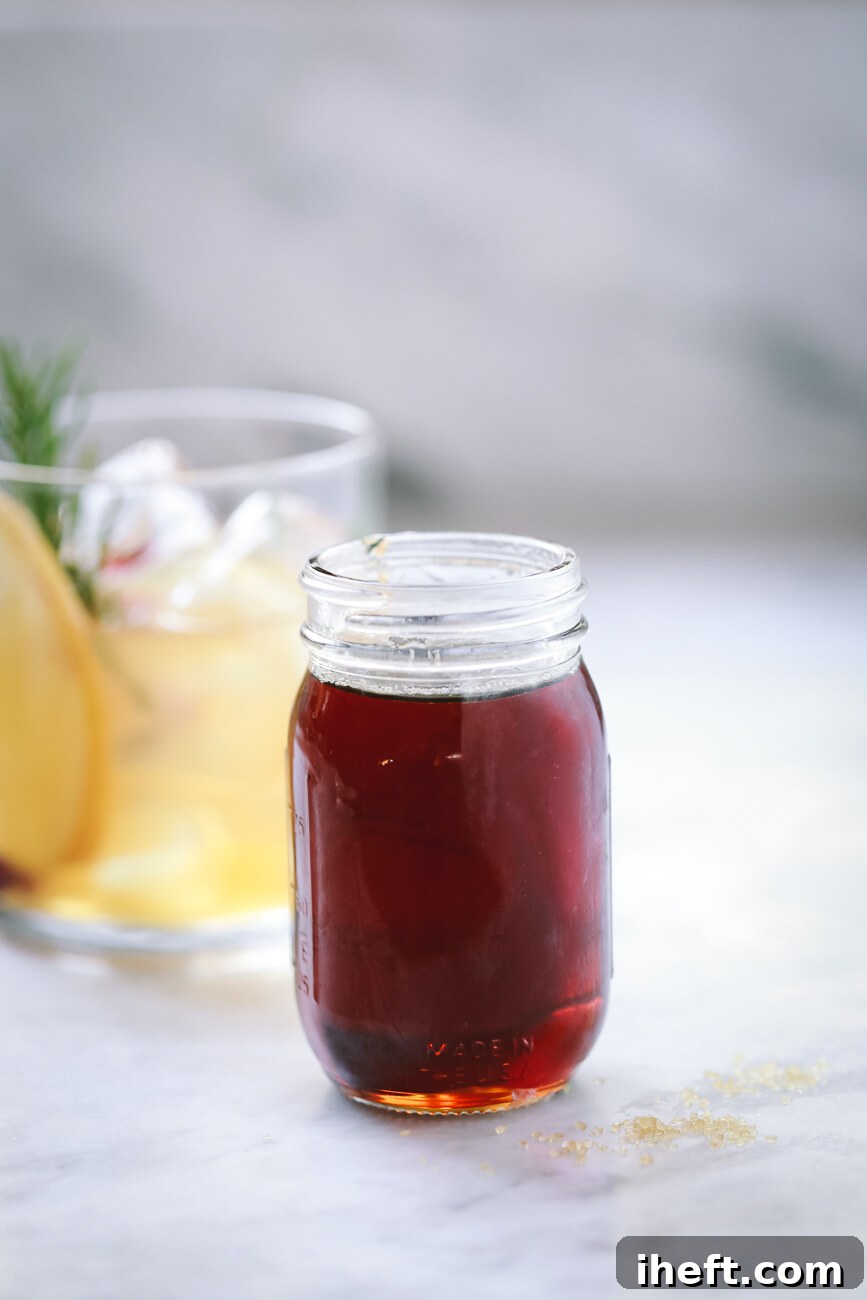
Yield: Approx. 1/3 cup (or 15 teaspoons)
Homemade Demerara Syrup
1 minute
2 minutes
3 minutes
This rich simple syrup is a cornerstone for many classic cocktails and a fantastic sweetener for various culinary uses. It’s incredibly quick and easy to prepare at home, offering a deep caramel flavor.
Ingredients
- 1/2 cup demerara sugar
- 1/4 cup water
Instructions
-
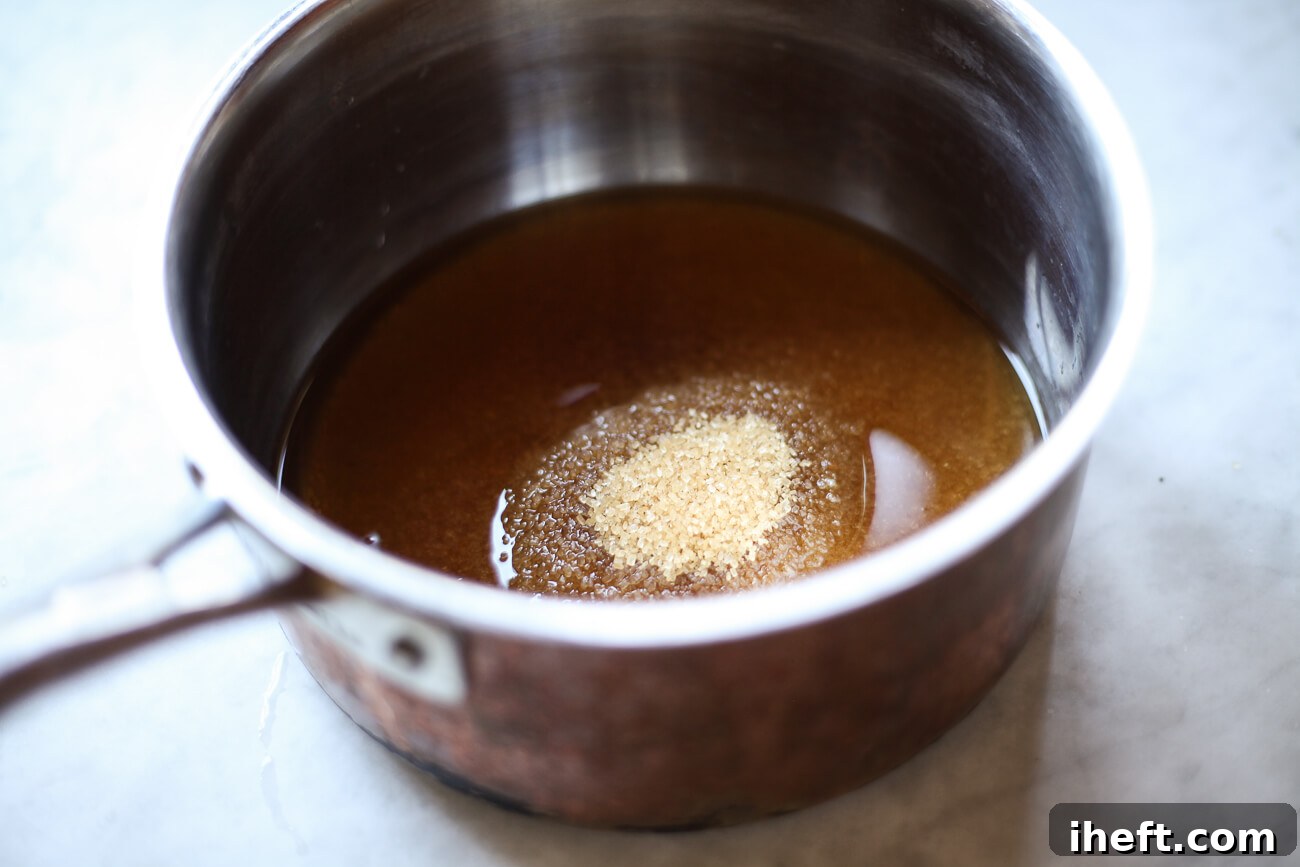
Combine Ingredients: Pour the demerara sugar and water into a small saucepan.

The simple beginning: sugar and water in a saucepan. -
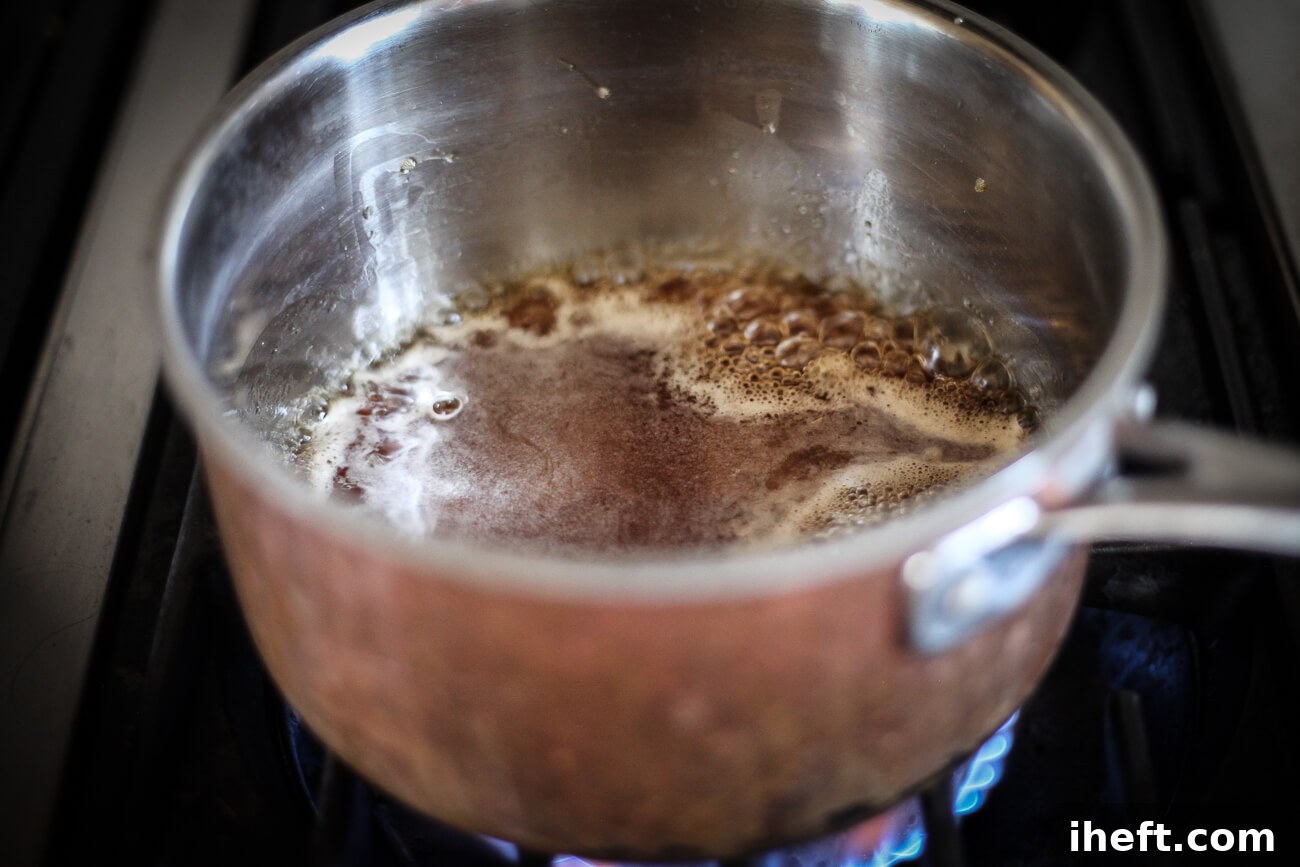
Heat and Dissolve: Place the saucepan over high heat and bring the mixture to a gentle simmer. Stir continuously until all the demerara sugar crystals have completely dissolved, which typically takes one to two minutes. Do not boil vigorously; a gentle simmer is sufficient.
Stir gently until all the demerara sugar crystals are dissolved. -
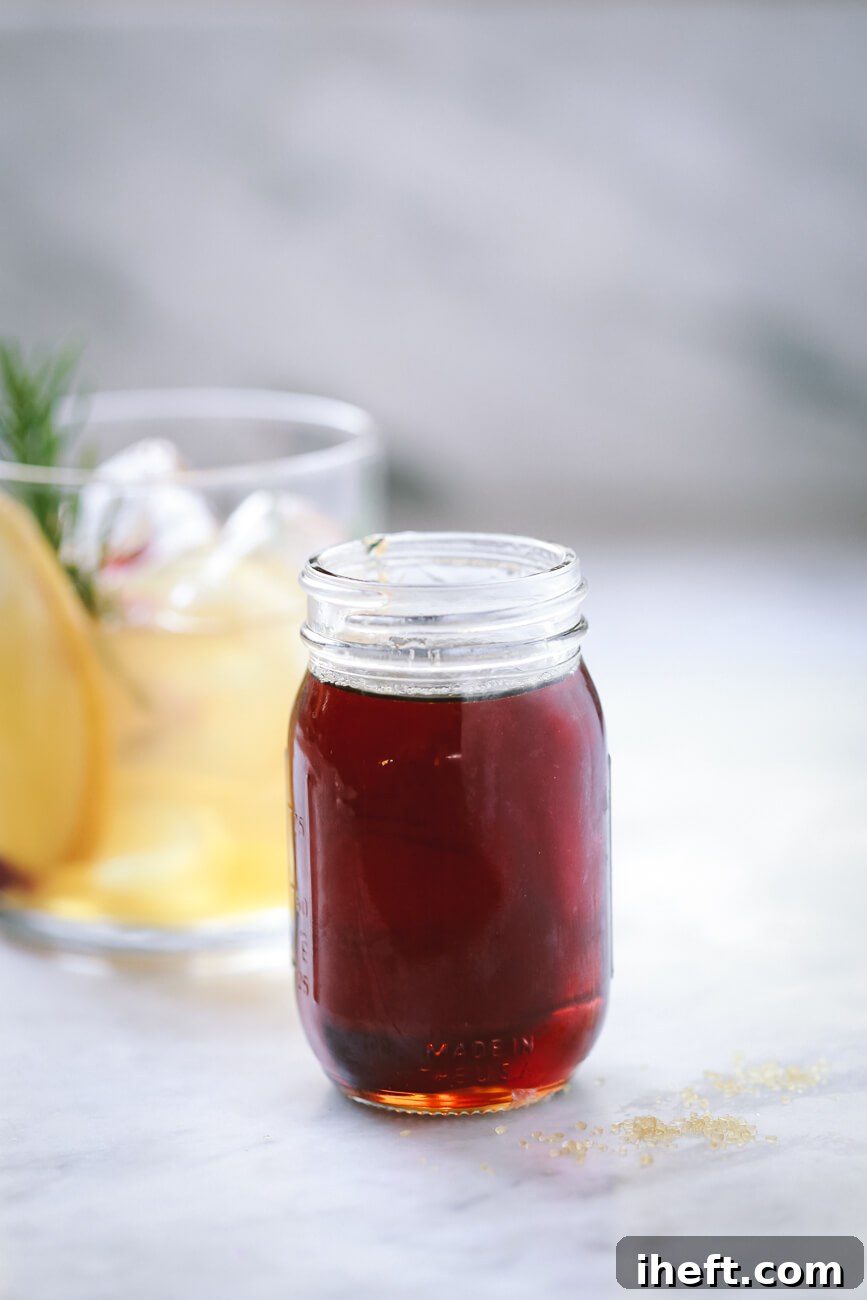
Cool and Store: Remove the saucepan from the stove and allow the syrup to cool. Once slightly cooled, pour the demerara syrup into a clean, small glass jar or bottle. Let it cool completely to room temperature before sealing and storing.
Once cooled, transfer to a clean jar for storage.
Notes & Tips for Success
- Storage: Homemade demerara syrup lasts for approximately one month when stored in an airtight container in the refrigerator.
- Variations for Cost or Color: For a less expensive or lighter-colored rich syrup, you can experiment with using a combination of granulated white sugar and demerara sugar.
- Thinner Syrup: If your recipe calls for a thinner simple syrup (a standard simple syrup), use a 1:1 ratio of demerara sugar to water.
- Scaling the Recipe: This recipe is easily scalable. For instance, use 1 cup of demerara sugar and 1/2 cup of water if you’re hosting a gathering or wish to keep a larger batch on hand.
- Substitute Sugars: If demerara sugar is unavailable, turbinado sugar or light brown sugar are excellent alternatives to create a similar rich simple syrup.
- Gift Idea: Create a delightful DIY cocktail gift basket by pairing a bottle of homemade demerara syrup with a quality bottle of Bourbon and a few fresh oranges.
- Don’t Boil Too Long: Over-boiling can cause the syrup to become too thick or even crystallize as it cools. A gentle simmer is all that’s needed to dissolve the sugar.
Watch the Recipe Video
Nutrition Information:
Yield: 15 servings
Serving Size: 1 teaspoon
Amount Per Serving:
Calories: 26
Total Fat: 0g
Saturated Fat: 0g
Trans Fat: 0g
Unsaturated Fat: 0g
Cholesterol: 0mg
Sodium: 0mg
Carbohydrates: 7g
Fiber: 0g
Sugar: 7g
Protein: 0g
Nutrition information is automatically calculated and provided for general guidance. Please note that I am not a certified nutritionist and cannot guarantee absolute accuracy. If your health depends on precise nutrition information, kindly recalculate with your preferred nutrition calculator.
Frequently Asked Questions About Demerara Syrup
Q: What is the difference between simple syrup and demerara syrup?
A: Simple syrup typically refers to a 1:1 ratio of white granulated sugar to water. Demerara syrup, on the other hand, uses demerara sugar (which has a distinct caramel/molasses flavor) and is often made with a “rich” 2:1 sugar-to-water ratio, resulting in a thicker, more flavorful, and more concentrated sweetener.
Q: Can I use demerara sugar directly in my cocktails instead of syrup?
A: While you can, it’s generally not recommended for most cocktails. Demerara sugar crystals are larger and dissolve much slower than refined sugar, especially in cold liquids. Using demerara syrup ensures a smooth, evenly sweetened drink without gritty undissolved sugar at the bottom.
Q: How long does homemade demerara syrup last?
A: When stored in an airtight container in the refrigerator, homemade demerara syrup can last for approximately one month. The high sugar content acts as a preservative, but always check for any signs of mold or off-smell before use.
Q: Is demerara syrup healthier than regular simple syrup?
A: Nutritionally, demerara sugar is very similar to white sugar, primarily providing carbohydrates in the form of sucrose. While demerara sugar retains trace minerals from its molasses content, these amounts are negligible. The main benefit is flavor complexity, not significant health advantages. Both should be consumed in moderation.
Q: Can I use hot water to make demerara syrup faster?
A: Yes, you can start with hot water, but the process of dissolving sugar is still best done over gentle heat. Simply combining sugar and hot water might not fully dissolve the larger demerara crystals without some stirring and gentle simmering.