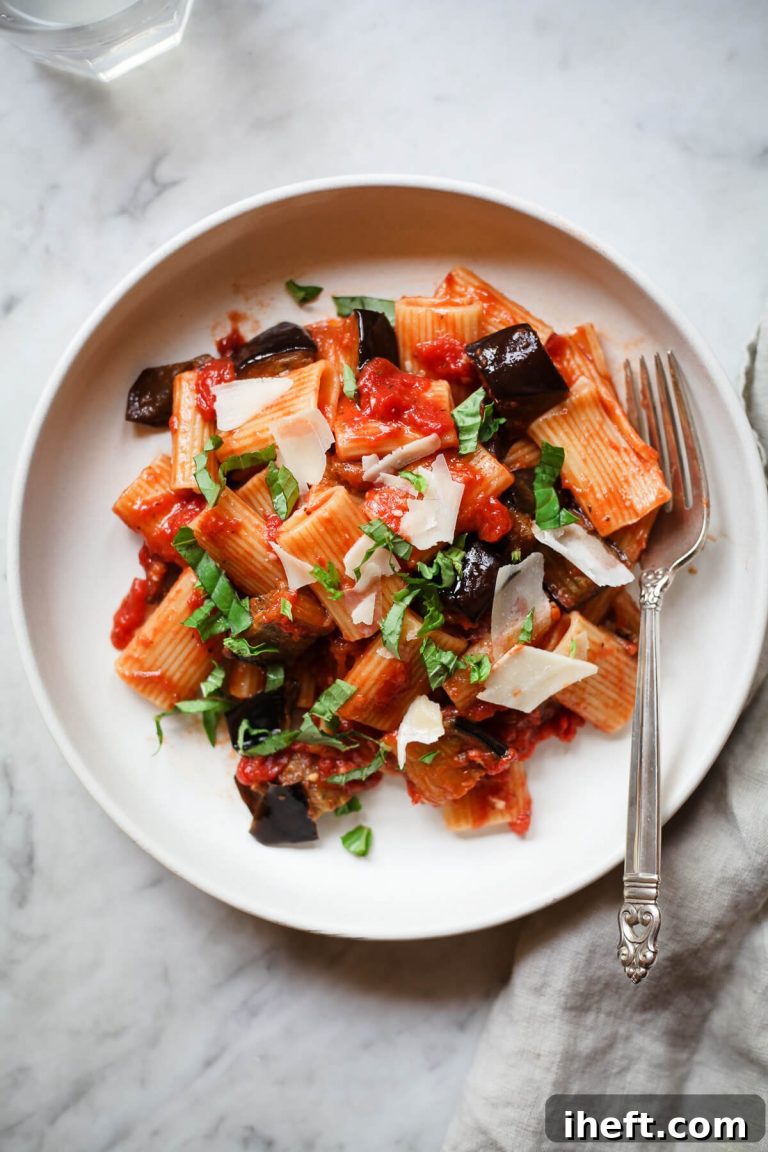
Nigiri and Sashimi What Sets Them Apart
Have you ever found yourself gazing at a sushi menu, a little bewildered by the array of choices? Perhaps you’ve pondered the fundamental question, “What truly distinguishes sushi, sashimi, and nigiri?” Today, we’re diving deep into the heart of Japanese culinary tradition to demystify the delectable differences between nigiri and sashimi.
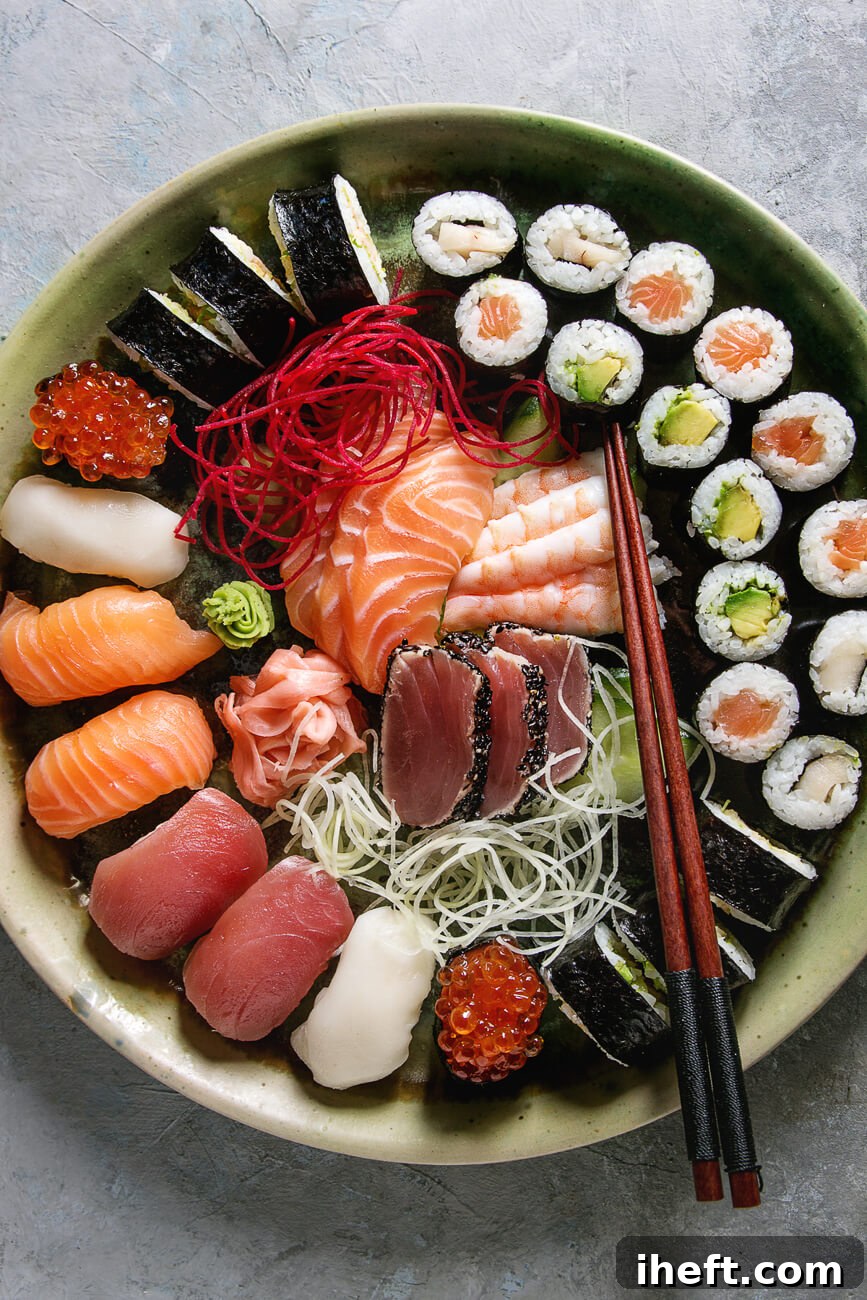
The universal love for Japanese cuisine, especially sushi, is undeniable. For many, including my family, it’s more than just a meal; it’s an experience—whether meticulously crafted at home as vibrant vegan sushi or enjoyed during a special outing to a beloved restaurant. It’s not only incredibly delicious but also famously nutritious, making it a frequent request for any meal.
Yet, the vast and varied world of a sushi restaurant menu can often be intimidating. With countless styles of rolls, exotic ingredients, and diverse types of fish, it’s perfectly natural to feel a bit lost. You’re certainly not alone in wondering about the exact nature of each dish presented.
Among the most frequently encountered terms are “sashimi” and “nigiri.” While these two dishes often appear side-by-side on menus and might seem alike at first glance, they possess fundamental differences that are key to appreciating Japanese culinary artistry.
Join us as we explore these two celebrated elements of Japanese dining, uncovering their unique identities, preparation methods, and the delightful nuances that set them apart!
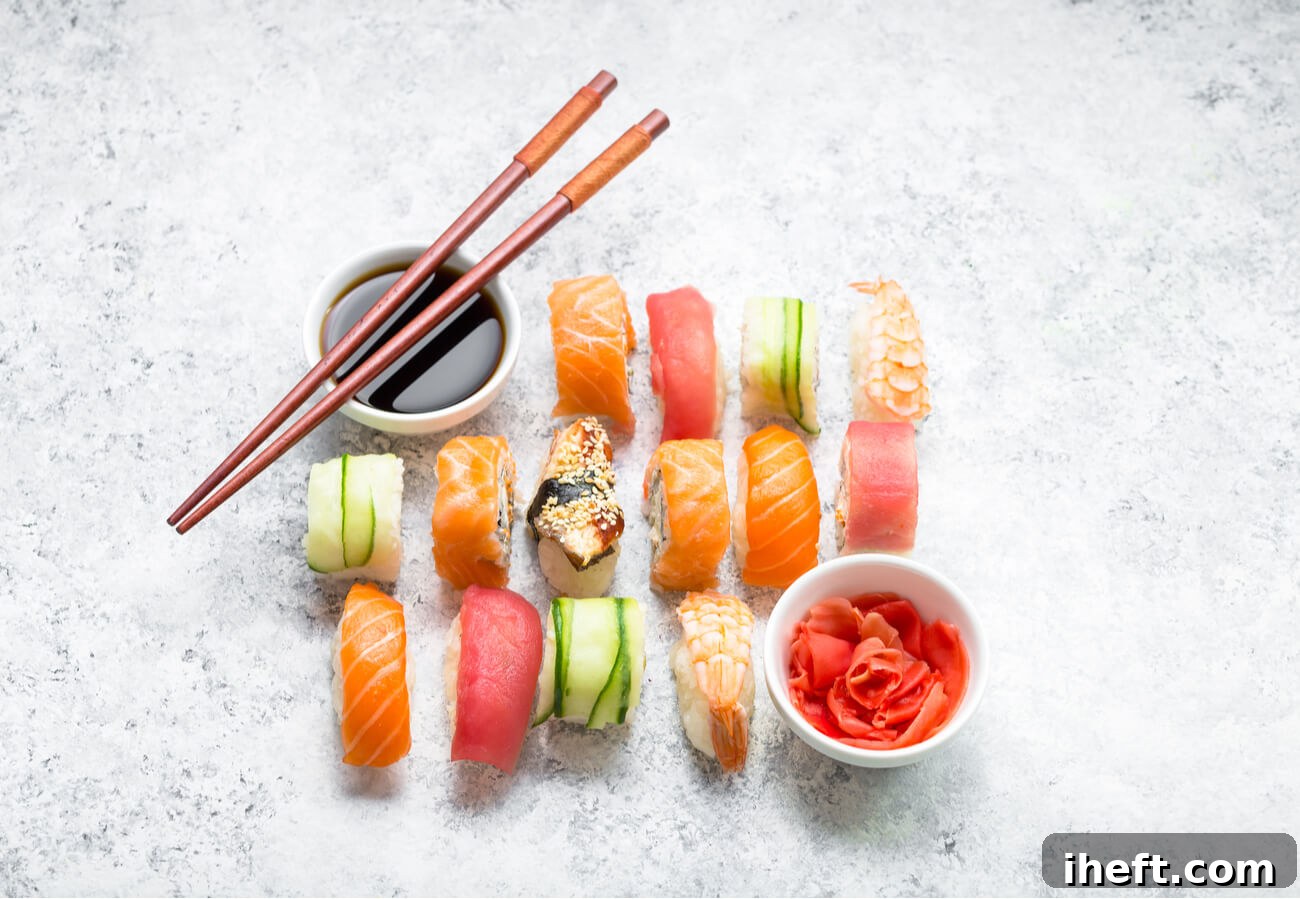
What Exactly Is Nigiri? Exploring the Art of Hand-Pressed Sushi
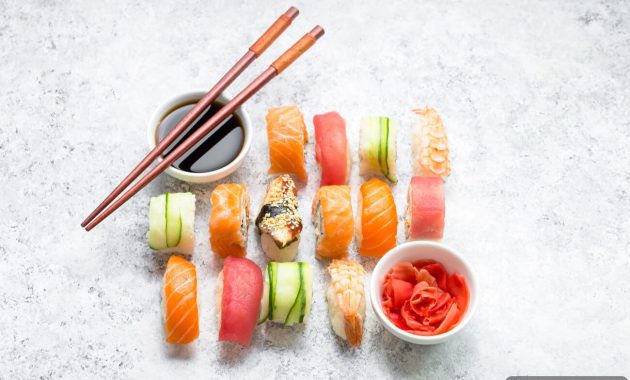
Nigiri, a cornerstone of traditional Japanese cuisine, is a beloved and ubiquitous form of sushi. Its name, meaning “two fingers” (referring to the small, hand-pressed mound of rice), perfectly encapsulates its essence. At its core, nigiri is elegantly simple yet incredibly refined, typically comprising two primary ingredients: a meticulously formed, bite-sized mound of seasoned sushi rice (shari) topped with a thin slice of fresh seafood or other ingredients (neta).
The Perfect Foundation: Sushi Rice (Shari)
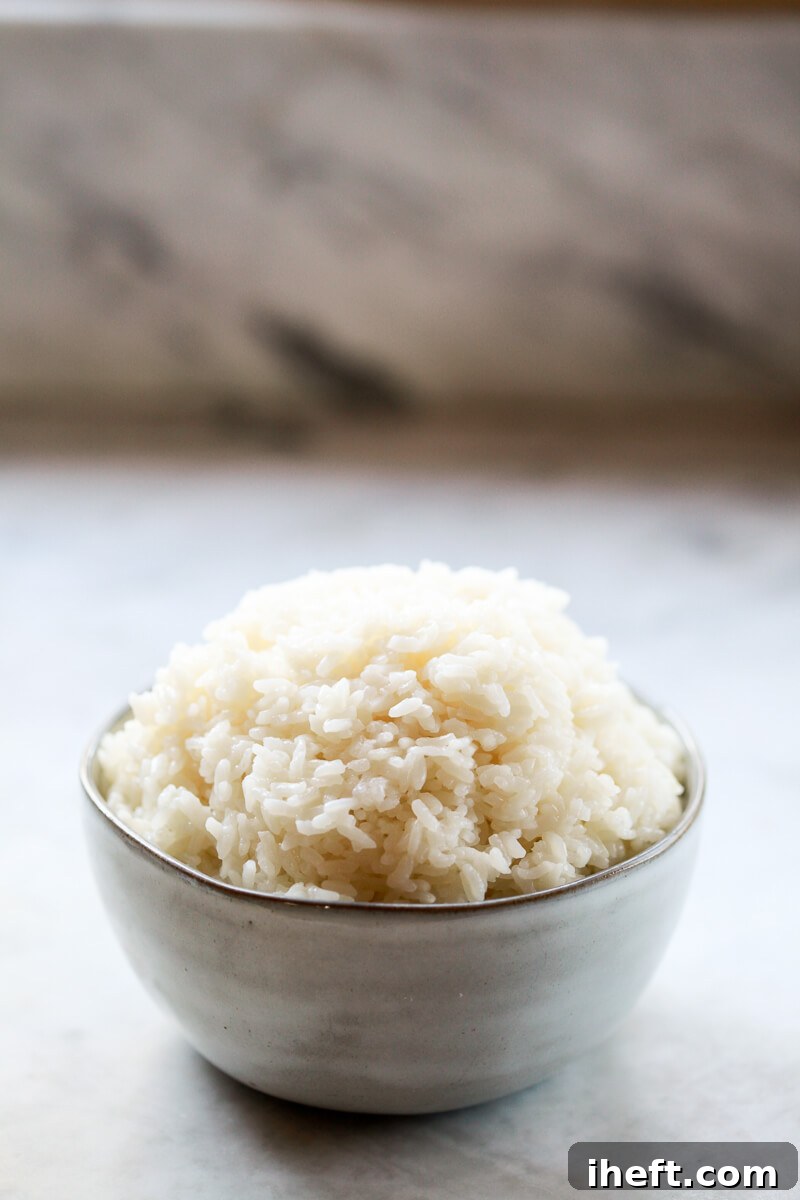
The base of nigiri is not just any rice; it’s sushi rice, specifically prepared short-grain Japanese rice that has been carefully seasoned with a delicate mixture of rice vinegar, sugar, and salt. This seasoning, known as “sushi-zu,” is crucial, imparting a subtle tang and sweetness that perfectly complements the rich flavor of the topping. The rice is kept at body temperature, offering a pleasant contrast to the cooler fish and creating a harmonious mouthfeel.
Diverse Toppings: The Neta
The topping, or “neta,” is traditionally a thin slice of raw fish, though its versatility extends far beyond. Common and highly prized varieties include vibrant uni (sea urchin), rich salmon (sake), buttery yellowtail (hamachi), delicate halibut (hirame), and succulent tuna (maguro), particularly the prized fatty tuna (otoro). Each offers a distinct texture and flavor profile.
In many authentic sushi establishments, a small dab of freshly grated wasabi is artfully nestled between the fish and the rice. This acts as a natural adhesive and adds a gentle, invigorating kick that enhances the fish’s flavor. Some restaurants, however, prefer to serve wasabi on the side, allowing diners to customize their experience.
Beyond Raw: Cooked and Seared Nigiri
While often associated with raw fish, nigiri is not exclusively served in its uncooked state. It can also feature seared or cooked ingredients. The “tataki” method, for example, involves briefly searing the fish’s exterior with an open flame or hot pan, leaving the inside rare. This technique adds a smoky aroma and a delightful textural contrast, often used for tuna or bonito.
Plant-Based Delights: Vegan Nigiri
For those following a plant-based diet, vegan nigiri offers an equally delicious and innovative alternative. Instead of fish, the seasoned sushi rice can be crowned with an array of flavorful vegetables and plant proteins. Imagine delicate slices of cooked mushrooms (such as earthy Portobello, delicate Enoki, or savory Shiitake), thinly shaved cucumber, creamy avocado, sweet oshinko (pickled daikon radish), or even marinated and seared tofu. These vibrant toppings offer unique textures and flavors, often enhanced with a drizzle of Yum Yum Sauce or a dash of soy sauce.
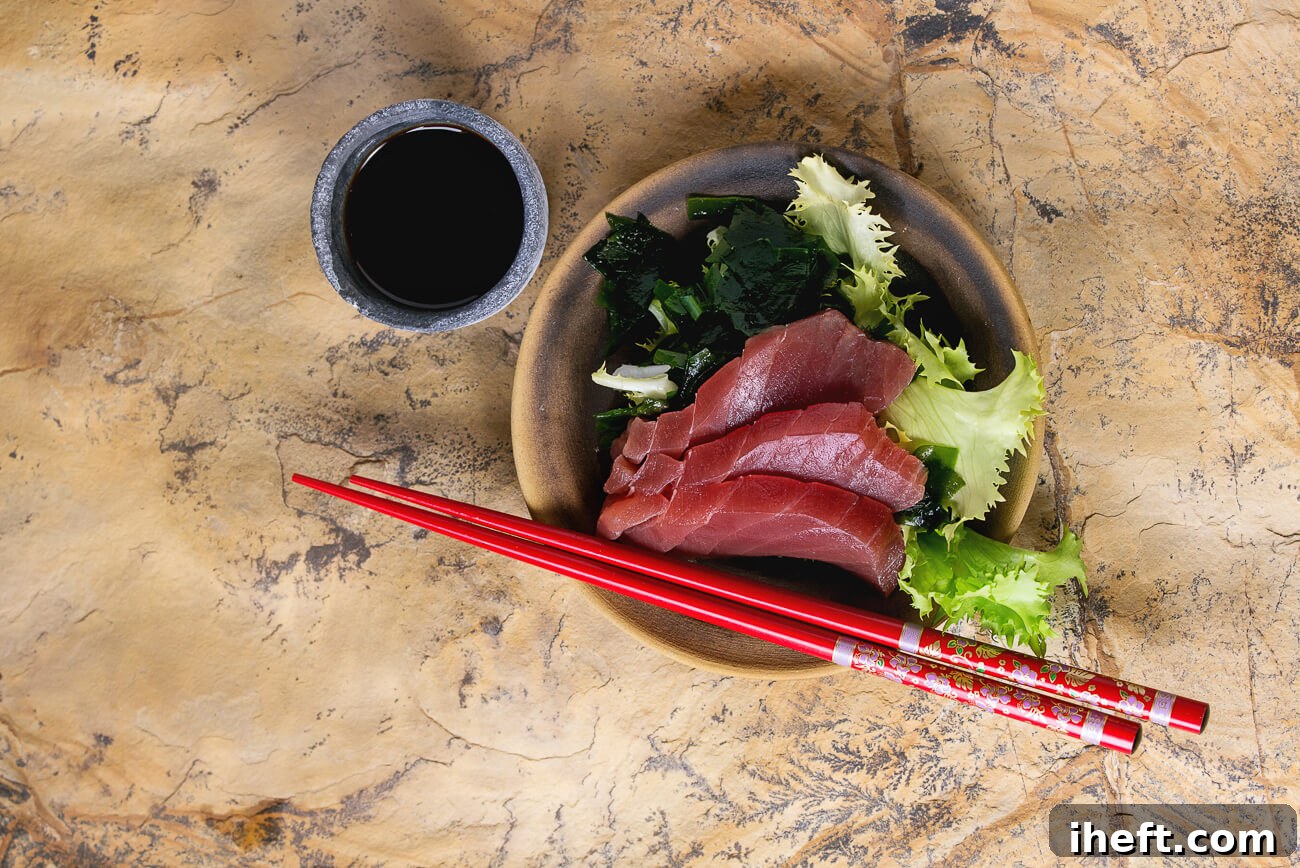
What Is Sashimi? A Pure Expression of Flavor and Skill
Contrary to popular belief, sashimi is not sushi. This is a crucial distinction: to be classified as sushi, a dish must incorporate seasoned sushi rice. Sashimi, by definition, consists solely of meticulously sliced, high-quality raw fish or meat, served without any rice whatsoever. It is often regarded as the purest expression of the chef’s knife skills and the ingredient’s inherent quality.
The Essence of Sashimi: Unadorned Perfection
Even though it falls outside the “sushi” category, sashimi is an ever-present and highly celebrated item on nearly all sushi restaurant menus. Its elegance lies in its simplicity, allowing the natural flavors and textures of the protein to take center stage. You will commonly find classic choices like rich salmon (sake), vibrant tuna (maguro), and delicate yellowtail (hamachi) sashimi, typically presented in beautiful, precise slices.
Beyond the Ocean: Diverse Sashimi Varieties
While fish is the most common ingredient for sashimi, the definition extends to other types of raw protein, showcasing the culinary versatility of the technique. In Japan, you might encounter chicken sashimi (torisashi), or even beef sashimi (gyusashi), though these are less common in Western establishments and require exceptionally high standards of freshness and preparation. Furthermore, a wide variety of seafood beyond fish can be prepared as sashimi, including sweet shrimp (amaebi), tender squid (ika), scallops (hotate), octopus (tako), and various shellfish, each offering a unique textural experience.
The Art of Sashimi Preparation
Preparing sashimi is a testament to the chef’s mastery. It demands extraordinary precision, an unwavering attention to detail, and years of dedicated skill to execute professionally. The cut of the fish is paramount; different types of fish require specific slicing techniques (e.g., *hira-zukuri* for block-shaped cuts, *usu-zukuri* for paper-thin slices) to enhance texture and mouthfeel. Only those with access to impeccably sourced, sashimi-grade fish and the requisite knife skills can attempt to prepare this delicate dish at home, making it a true culinary art form best left to trained experts.
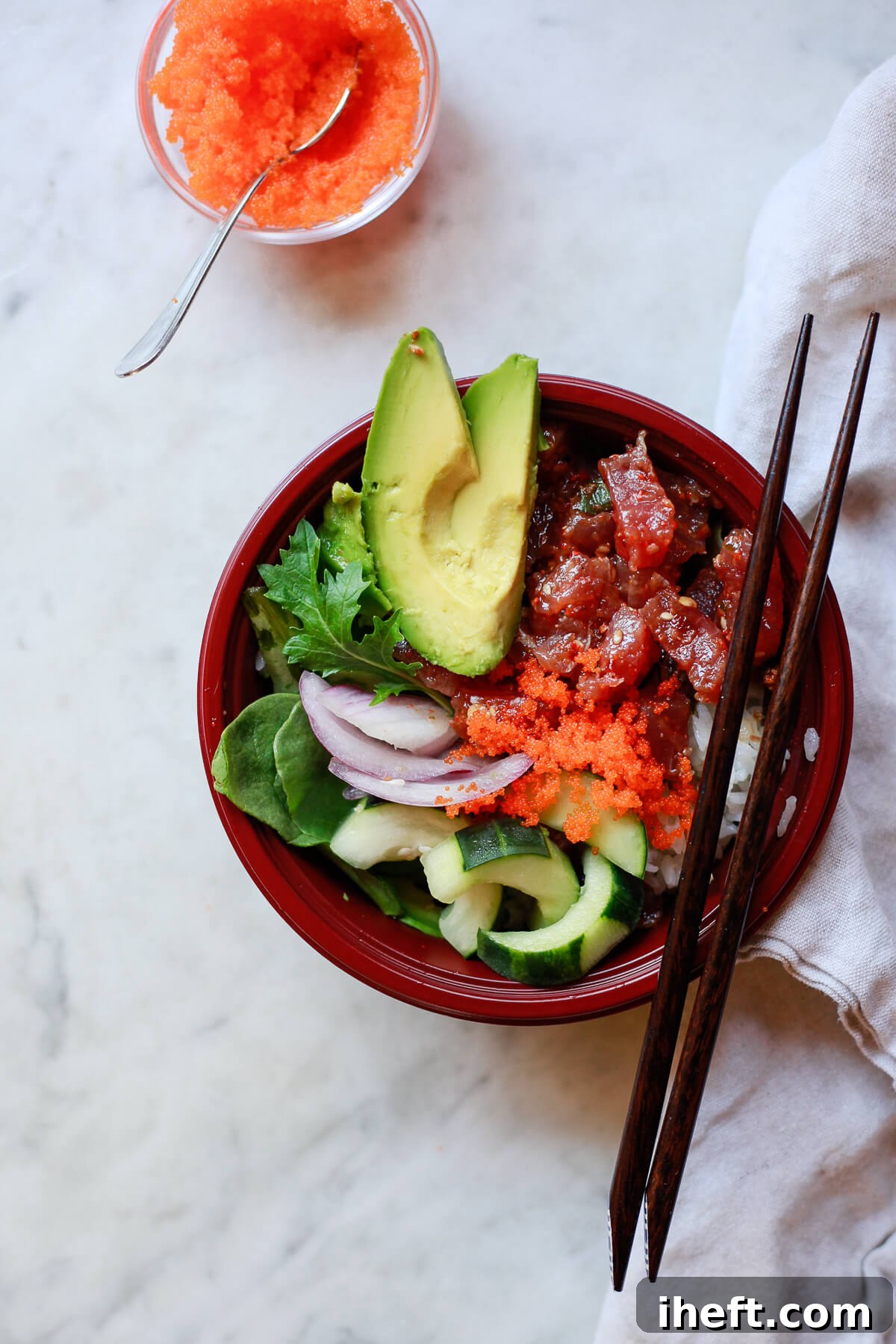
A flavorful poke bowl featuring succulent raw ahi tuna.
Beyond Fresh: The Ancient Art of Aging Fish in Japanese Cuisine
For newcomers to Japanese cuisine, the concept of consuming raw fish can sometimes evoke apprehension. Conversely, many fervent sushi aficionados proudly declare their preference for the “freshest fish” available. However, a fascinating aspect of traditional Japanese fish preparation often goes unnoticed: the ideal way to serve both nigiri and sashimi isn’t always “freshly caught” but rather meticulously prepared and sometimes aged using time-honhonored techniques.
Unveiling Kombujime: The Kelp-Curing Method
One of the most revered traditional methods for enhancing fish for sashimi and nigiri is called kombujime. This sophisticated technique originates from “Kombu,” a type of edible kelp widely harvested and consumed in East Asia, particularly in Japan.
The kombujime process is a delicate art that typically begins with a pristine, high-quality fresh fish. First, the fish fillet is gently rinsed or briefly soaked in a solution of salt water or sake, which helps to subtly cleanse and firm the flesh. Following this initial step, the skilled sushi chef carefully wraps the fish between two layers of dried kombu leaves. The wrapped fish is then pressed gently and allowed to rest, often for several days, depending on the type and thickness of the fish.
The Dual Benefits of Kombujime
This traditional curing method achieves two significant culinary objectives:
- Enhanced Texture and Moisture Control: The kombu acts as a natural desiccant, drawing out excess moisture from the fish. This process firms up the flesh, giving it a more resilient, pleasantly chewy, and highly desirable texture that “fresh” fish often lacks. It prevents the fish from becoming watery or mushy.
- Deepened Flavor and Umami Infusion: Perhaps even more remarkably, the kombu imparts its natural umami richness to the fish. Umami, often described as a savory “fifth taste,” is concentrated in kombu. As the fish rests, it slowly absorbs these complex flavors, resulting in a more profound, nuanced, and intensely satisfying taste profile. And truly, who could resist the allure of amplified umami?
While this traditional Japanese method creates a truly exceptional culinary experience, it’s worth noting that not every sushi establishment outside of Japan strictly adheres to kombujime. Many sushi restaurants, especially in Western countries, opt to serve fish that is simply “fresh,” offering a slightly different, though still enjoyable, taste and texture profile.
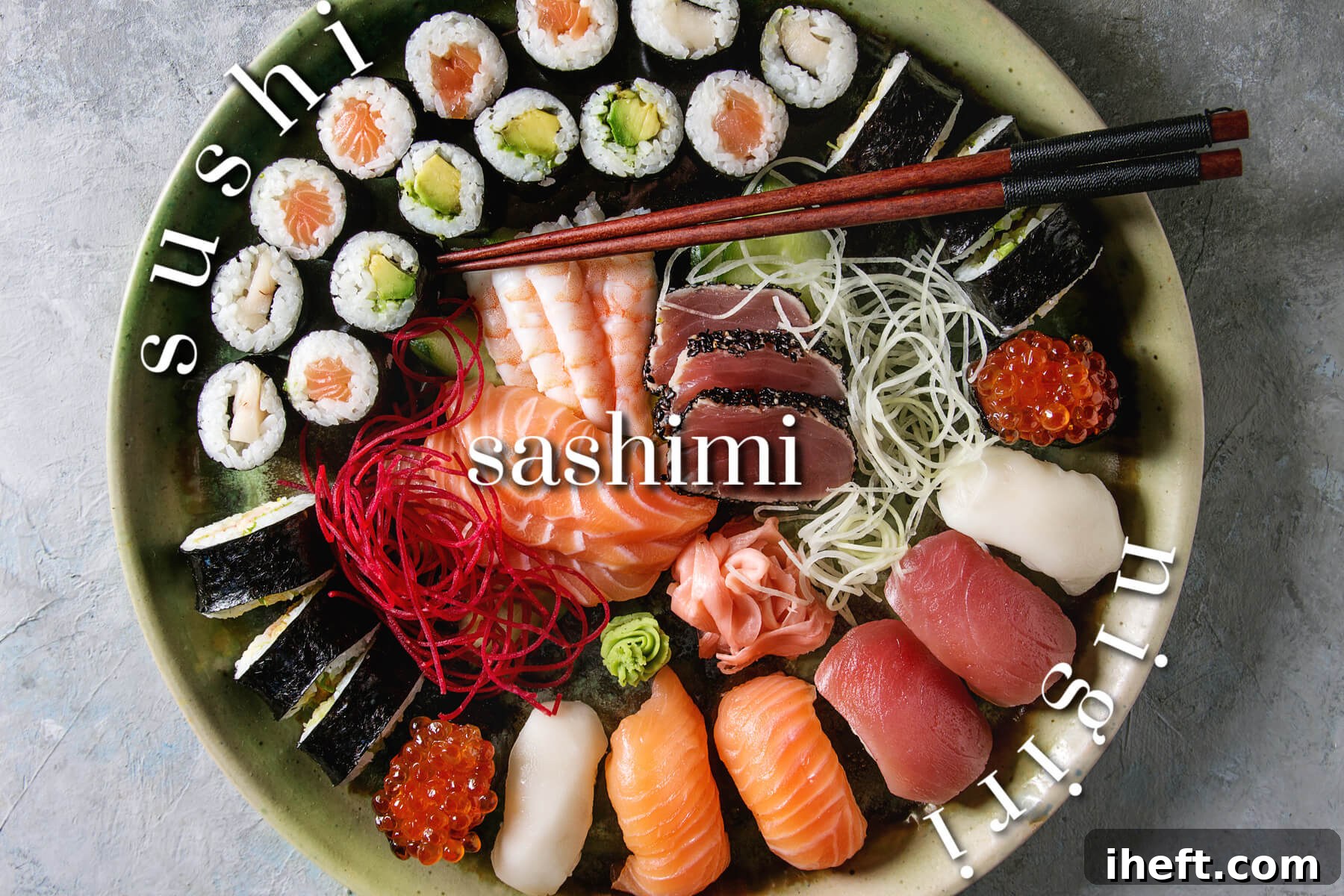
Nigiri vs. Sashimi: A Detailed Culinary Showdown
Having explored the individual characteristics of sashimi and nigiri, let’s now delve into a comprehensive comparison, highlighting the key distinctions that define these two magnificent Japanese delicacies.
1. The Fundamental Distinction: Presence of Rice
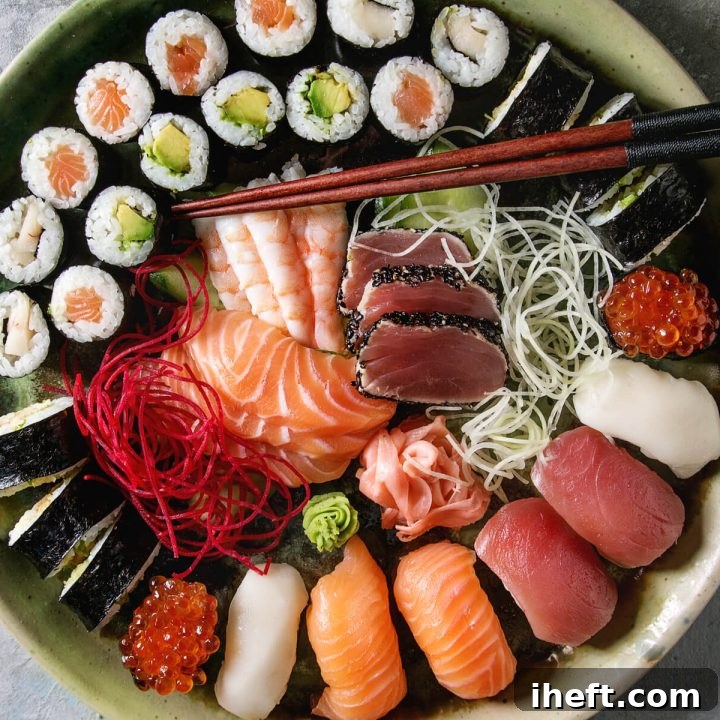
The most crucial and defining difference between the two is the presence of rice. Nigiri is unequivocally a type of sushi because it incorporates seasoned sushi rice as its base. Sashimi, on the other hand, is not sushi at all, as it consists solely of raw protein without any accompanying rice. This fundamental difference also influences their presentation; nigiri is typically arranged in neat, orderly rows, emphasizing its individual, bite-sized portions, while sashimi is often spread out flat or artfully layered on a serving dish, focusing on the beauty of each slice.
2. Eating Etiquette: Hands vs. Chopsticks
The method of consumption often differs due to their structural composition. Nigiri, with its compact mound of rice and topping, is designed to be easily picked up with your fingers. In fact, it is perfectly acceptable and traditionally encouraged to eat nigiri by hand, allowing for a more direct connection to the food. The rice provides a sturdy base, making it less delicate to handle. For those less comfortable with chopsticks, or for children, nigiri often proves to be a more approachable option. Sashimi, however, is characteristically more delicate and thinly sliced. Its refined nature calls for the use of chopsticks, enabling diners to precisely lift each slice and savor its pure flavor without disturbance.
3. Accompaniments and Condiments
While both dishes share some common condiments, their typical accompaniments often vary, contributing to a distinct dining experience. Nigiri, being a more “complete” traditional sushi item, is usually served with a small ramekin of soy sauce for dipping and a subtle dab of wasabi, often already placed between the fish and rice. The emphasis is on the harmonious balance between the fish and the seasoned rice.
Sashimi, conversely, often comes with a more varied array of garnishes designed to cleanse the palate and enhance the pure flavor of the raw protein. These frequently include finely shredded daikon radish, fresh shiso leaves, and thinly sliced pickled ginger (gari), which offers a refreshing counterpoint to the richness of the fish. These additions serve not only as decorative elements but also as functional palate cleansers.
4. Flavor Profile and Texture Experience
The presence or absence of rice profoundly impacts the flavor and texture. Nigiri offers a harmonious blend: the soft, vinegared rice providing a sweet and tangy counterpoint to the rich, firm, or tender texture of the topping. Each bite is a complete culinary package. Sashimi, by contrast, provides an unadulterated experience of the protein itself. Diners can fully appreciate the nuanced flavor, natural oils, and unique texture of the fish or meat, unmasked by other ingredients. This allows for a deeper appreciation of the ingredient’s quality and the chef’s precise cutting technique.
5. Nutritional Aspects and Health Benefits
Regardless of their differences, both sashimi and nigiri can be incredibly healthy choices. Many of the fatty fish varieties commonly used, such as salmon, tuna, and mackerel, are exceptional sources of omega-3 fatty acids. These essential fats are celebrated for their numerous health benefits, including supporting heart health, brain function, and reducing inflammation. Sashimi, being rice-free, is a particularly appealing option for those monitoring their carbohydrate intake, while nigiri offers a balanced meal with both protein and energy-providing carbohydrates from the rice.
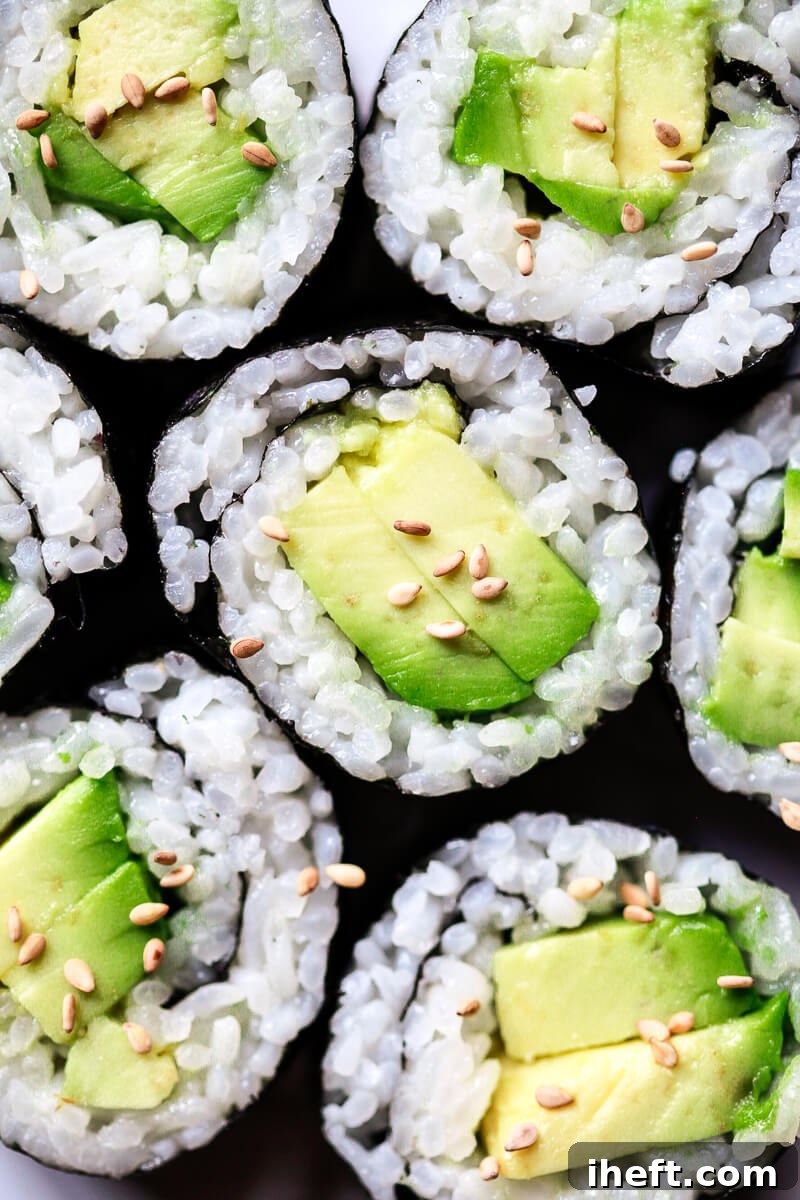
Homemade avocado sushi rolls offer an excellent and flavorful plant-based dining option.
Making Your Best Choice: Nigiri or Sashimi?
Ultimately, declaring one superior to the other is impossible, as the “better choice” invariably boils down to individual preference, occasion, and dietary goals. However, there are several considerations that might guide your decision when navigating a Japanese menu.
For the Sushi Novice and Families: Embrace Nigiri
For those new to the world of sushi, nigiri often presents a less intimidating entry point. The presence of rice provides a comforting buffer, making the concept of raw fish feel less daunting. A survey revealed that 43% of Americans who hadn’t tried sushi would be willing to if they could ease into it gradually. Nigiri, with its familiar rice component, perfectly fits this need. Furthermore, if you’re dining with children, as I often do, the finger-friendly nature of nigiri can make it a more appealing and manageable choice for little ones.
For the Health-Conscious and Pure Flavor Seekers: Opt for Sashimi
If your goal is to reduce calorie or carbohydrate intake, sashimi stands out as an excellent choice. The absence of rice significantly lowers the overall caloric and carb count compared to nigiri. While I personally adore perfectly cooked sushi rice, sashimi offers a protein-rich, low-carb alternative that doesn’t compromise on flavor or satisfaction. Moreover, for those who wish to experience the pure, unadulterated taste of high-quality fish or seafood, sashimi provides an unmatched opportunity to savor its inherent flavors and textures without any dilution from other ingredients.
For the Adventurous Palate: Expand with Sashimi
Sashimi also serves as an exciting pathway to broaden your culinary horizons within Japanese cuisine. Its menus frequently feature a wider array of unique seafood, such as various shellfish, and sometimes even non-fish meats. This diversity allows adventurous eaters to explore a broader spectrum of tastes and textures that might not be available in nigiri form, offering a truly immersive experience into the refined world of raw protein preparations.
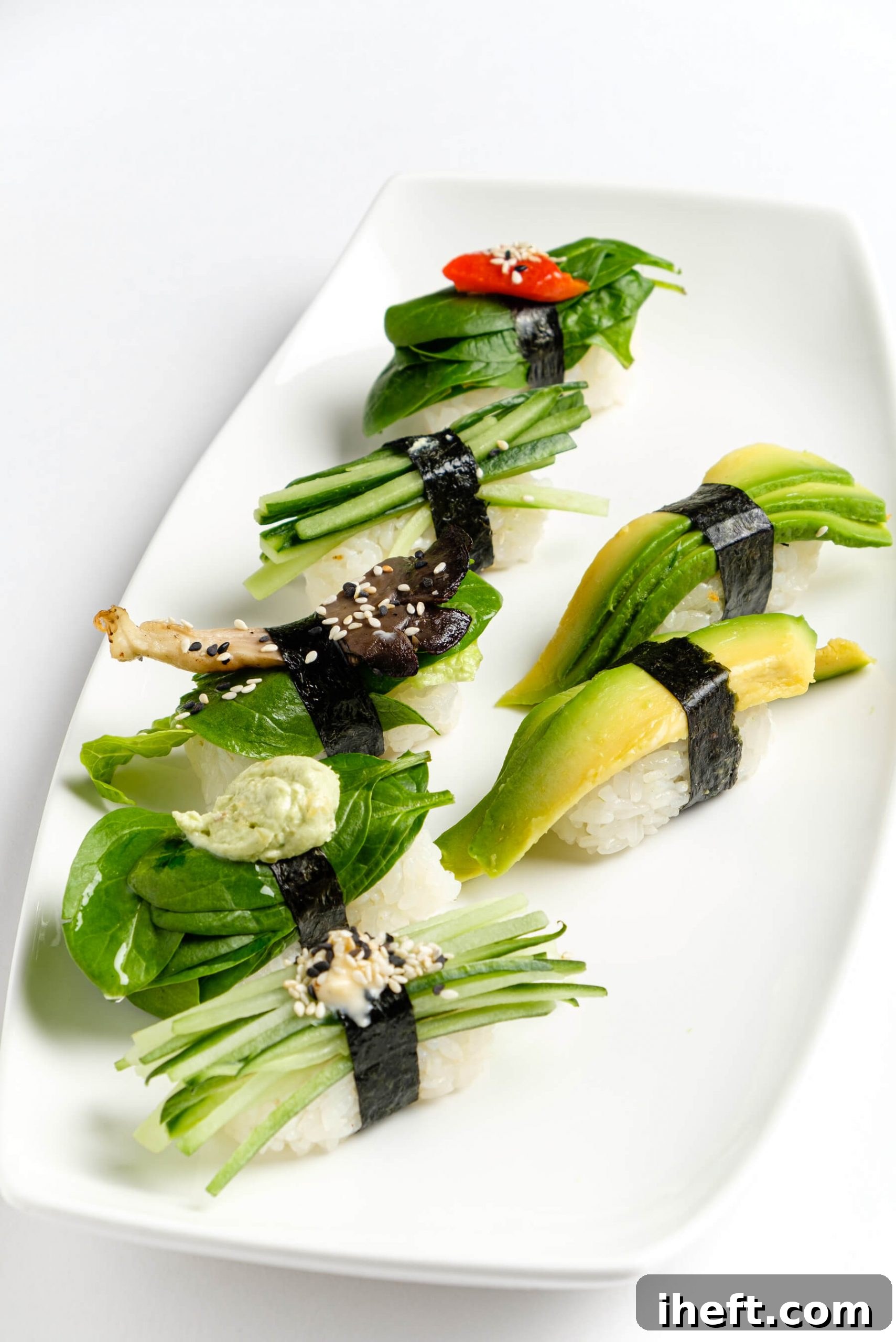
Beautifully presented Vegetable Nigiri. Image: Shutterstock
Ready to Savor?
With a clearer understanding of the nuanced differences between nigiri and sashimi, you’re now perfectly equipped to confidently explore the menu at your local Japanese restaurant or even embark on a culinary adventure in your own kitchen!
As someone who appreciates delightful meat-free options, I particularly enjoy crafting vegan sushi, vibrant Oshinko Rolls, or creamy Avocado Rolls at home. These plant-based creations are not only simple to prepare but are also a hit with my kids and promise an explosion of flavors that will truly impress your taste buds.
Should you be eager to discover more delicious ways to integrate plant-based meals into your diet, I invite you to explore my latest cookbook, available here. It’s brimming with an array of delectable, plant-forward, and mostly meatless recipes, including some of my personal favorite sushi creations!
Vegan Nigiri (Easy Plant-Based Recipe)
15 minutes
30 minutes
45 minutes
Curious about making nigiri at home? This easy plant-based nigiri recipe shows you how to create delicious sushi rice mounds topped with fresh vegetables – a perfect way to enjoy this Japanese delicacy without fish.
Ingredients
Vegan Nigiri
- Prepared Sushi Rice
- 1 avocado, cut into thin slices
- 1 Persian cucumber, cut into ribbons with a peeler
- Any other plant-based toppings (see notes below)
- Wasabi, for serving
- Soy sauce, for serving
Instructions
- Cook the sushi rice according to the linked recipe instructions. Once the rice is cool enough to handle comfortably, moisten your hands and form it into small 1×3 inch mounds, gently pressing them together to create a compact base.

- Carefully lay your chosen plant-based toppings over each mound of rice. For an extra touch of flavor, you can place a tiny (pea-sized) dot of wasabi between the rice and the topping before gently pressing the topping down.
- Serve your freshly made vegan nigiri immediately with a side of soy sauce for dipping.
Notes
Delicious Vegan Nigiri Topping Ideas:
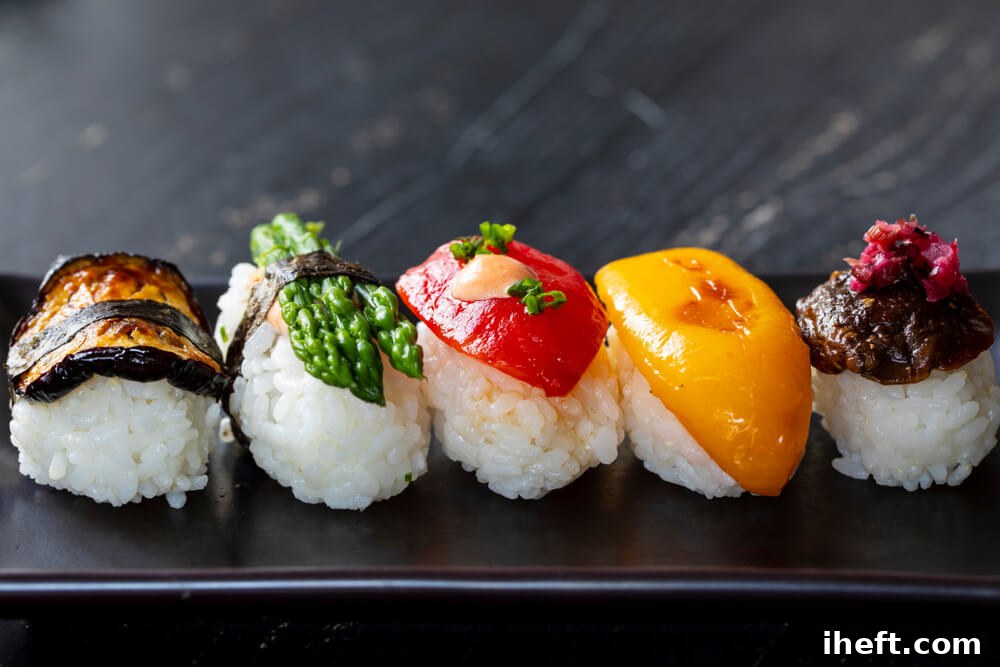
- Pan-fried or grilled eggplant slices
- Blanched asparagus spears
- Roasted bell pepper strips (red, yellow, or orange)
- Sautéed mushrooms (shiitake, oyster, or portobello)
- Thinly sliced fresh avocado
- Delicately shaved cucumber
- Lightly blanched spinach
- Marinated and thinly sliced tofu (pan-fried or baked)
- Sweet potato (roasted or steamed, thinly sliced)
Nutrition Information:
Serving Size: 4 pieces
Amount Per Serving:
Calories: 250 (approx.)