Mastering Oysters Your Guide to Taste and Enjoyment
Have you ever considered adding a touch of oceanic elegance to your dining experience? Or perhaps you’re curious about the delicate flavors and unique characteristics of this highly sought-after delicacy? This comprehensive guide reveals everything you need to know about enjoying oysters.
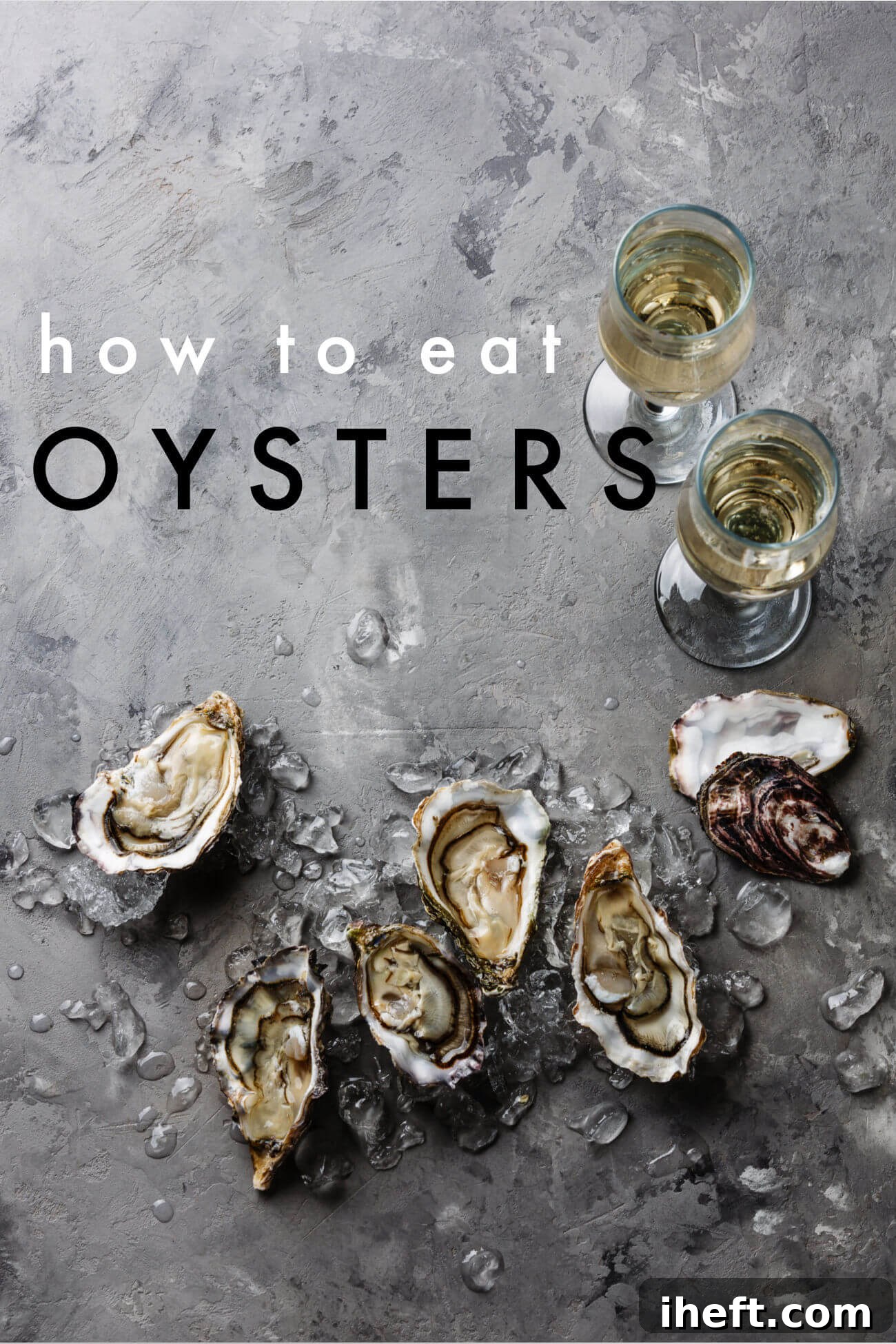
Oysters, often celebrated as a symbol of luxury and romance, are a fascinating type of shellfish with a rich history and a distinctive appeal. Approximately 95% of the oysters consumed globally are sustainably farm-raised, ensuring their availability and minimizing environmental impact. Despite their widespread demand, many culinary enthusiasts have yet to experience the unique pleasure of raw oysters served on the half shell. For those who haven’t, they’re missing out on one of the most exquisite and evocative dishes in the world, often appearing on lists of most expensive foods.
This article aims to demystify the oyster experience. We’ll explore fundamental questions such as: “What exactly are oysters?”, “What distinct flavors can you expect from them?”, “Are oysters a healthy choice?”, “How do oysters contribute to a sustainable diet?”, and most importantly, “How do you properly eat oysters on the half shell?”
Similar to our comprehensive guides on other intriguing ingredients like various Mushroom types, the enigmatic Truffle, the unique flavor of Uni (sea urchin), and the opulent Caviar, this deep dive into the world of oysters will equip you with all the knowledge needed to fully appreciate this remarkable mollusk during your next special meal or culinary adventure.
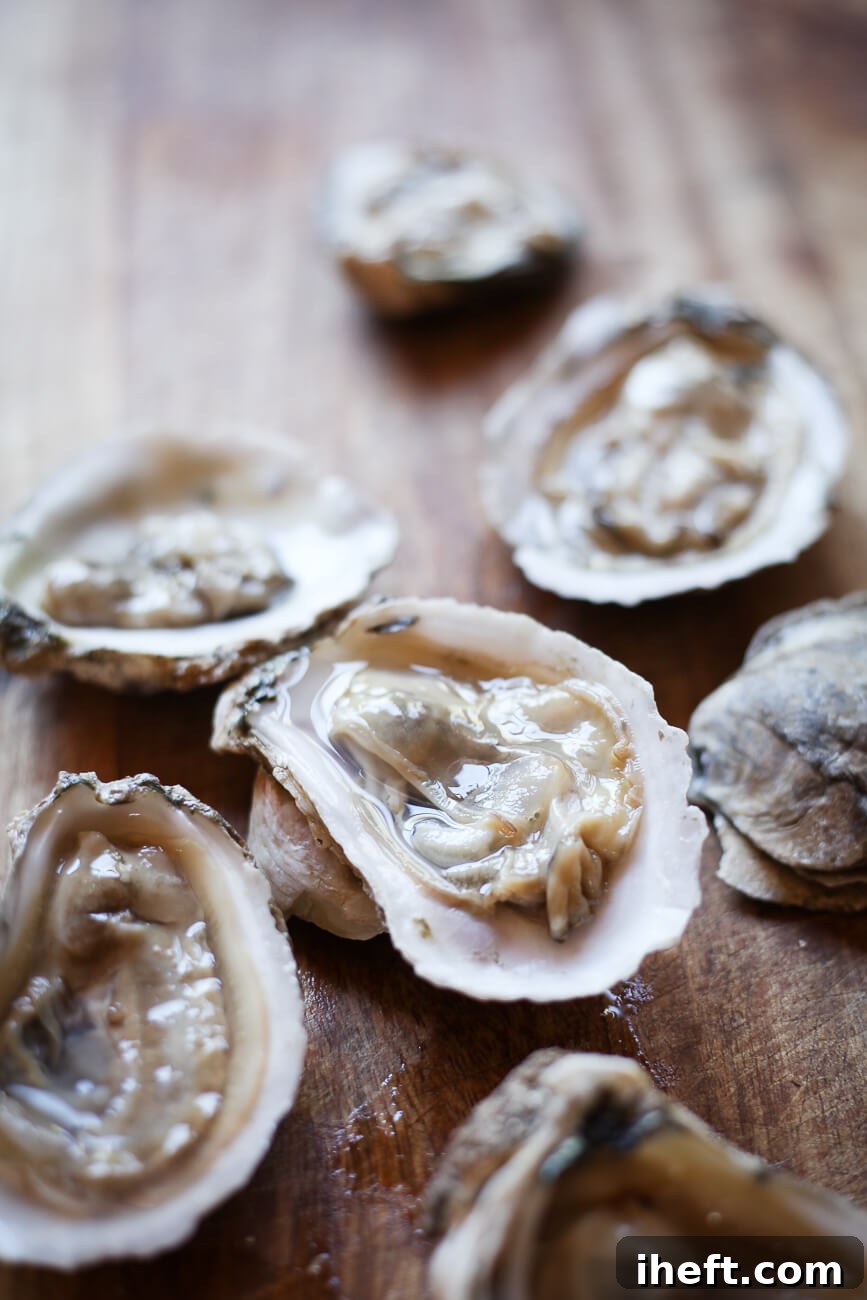
Understanding Oysters: A Bivalve Mollusk
At their core, oysters are a type of marine shellfish, specifically classified as bivalve mollusks. These fascinating creatures inhabit shallow coastal waters, typically congregating in brackish environments where fresh and saltwater mix. They thrive by attaching themselves to hard surfaces such as piers, large rocks, or existing oyster shells, forming dense clusters known as oyster reefs. As they grow, these individuals fuse together, creating intricate, living structures that resemble underwater coral reefs.
Beyond their role as a gourmet food, oysters play a crucial ecological part in their habitats. They are remarkable filter feeders, continuously drawing water through their gills and feeding on microscopic algae and plankton. This natural filtration process significantly improves water quality and clarity, benefiting other marine life. These intricate oyster reef structures also provide vital habitat and shelter for a diverse array of other aquatic animals and plants, contributing to a thriving underwater ecosystem.
Are Oysters Considered Vegan? The Ethical Debate
The question of whether oysters can be included in a vegan diet is a nuanced one, often sparking debate within the vegan community and depending largely on an individual’s specific definition of “veganism.” While some vegetarians and vegans strictly avoid all animal products, including any form of meat, fish, or dairy, others adopt a more flexible approach when it comes to certain mollusks like mussels and oysters.
The primary reason for this distinction lies in their biological makeup. Oysters, as bivalve mollusks, lack a central nervous system and a brain. This anatomical difference leads some to believe that they do not experience pain in the same way more complex animals do. Consequently, these individuals find themselves comfortable consuming oysters, considering them distinct from other animal sources of food.
It’s unequivocal that oysters are not plants, so they cannot be strictly categorized as plant-based. However, the absence of a brain and the likely inability to feel pain for mollusks opens up an ethical grey area. For this reason, some vegans choose to include oysters in their diet, especially given their notable nutritional benefits, which include being an excellent source of essential micronutrients like zinc and vitamin B12. This perspective often highlights the environmental advantages of oyster farming as well.
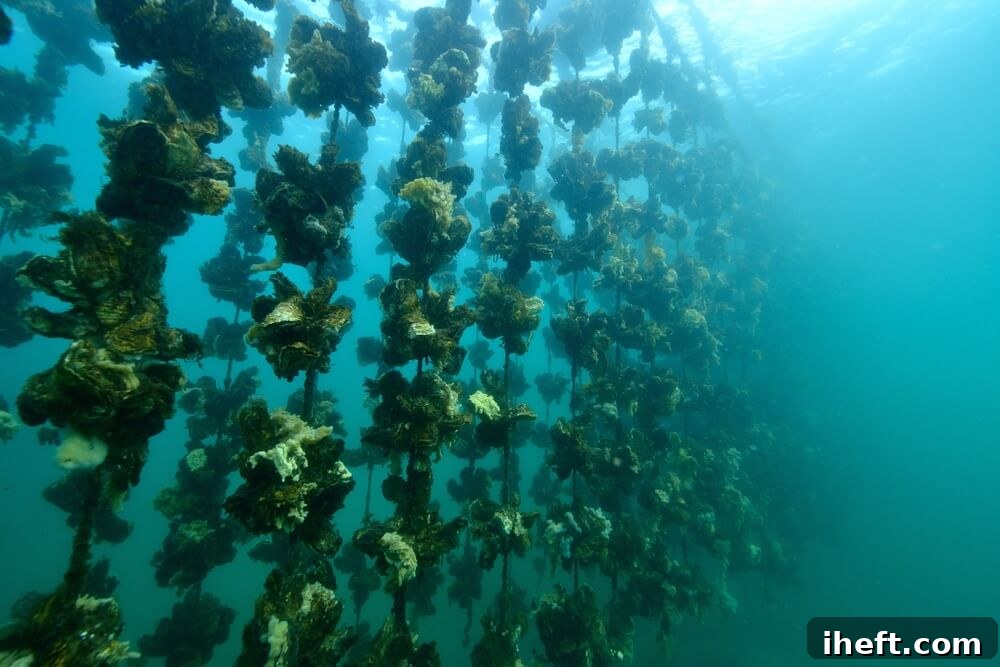
Image: Shutterstock
Oysters and Shellfish: Pioneers of Sustainable Aquaculture
In an era increasingly focused on sustainable food systems, oysters stand out as an exceptionally eco-friendly choice. According to renowned ocean farmer Bren Smith, featured in The Ocean Solution film, oysters and mussels are among the most sustainable foods available globally. To put this into perspective, the carbon footprint of beef production is roughly 28kg of CO2 per 1kg of beef, whereas mussel meat generates a mere 0.6kg of CO2 per kg. This figure is significantly lower than even many conventional vegan protein sources, positioning shellfish farming at the forefront of environmentally conscious food production.
The benefits of shellfish farming extend far beyond just a low carbon footprint. These bivalves are not only sustainable, but they actively contribute to the health and vitality of marine ecosystems. As filter feeders, oysters naturally purify the ocean by removing excess nutrients, sediment, and pollutants from the water. This process enhances water clarity and quality, which in turn fosters a thriving underwater environment for other sea life. Oyster reefs themselves serve as critical habitats, providing shelter and breeding grounds for various fish, crustaceans, and other invertebrates, thereby increasing biodiversity.
Embracing oysters as a dietary choice means opting for one of the “greenest” foods on the planet. They offer a nutrient-dense, protein-rich option that actively supports ocean health, making them a fantastic, environmentally responsible protein choice for the conscious consumer.
The Health Benefits of Oysters: Are They Good For You?
A frequently asked question among both seasoned oyster connoisseurs and curious newcomers is, “Are oysters good for you?” The excellent news is that regardless of your preferred variety or preparation method, oysters are packed with a remarkable array of health benefits that make them a valuable addition to a balanced diet.
Like many other types of shellfish, oysters are naturally low in calories, making them an ideal choice for those mindful of their caloric intake. While certain preparations, such as fried oysters, might be less heart-healthy due to added fats, they still represent a better low-calorie option compared to many other fried foods when consumed in moderation.
Beyond their low-calorie profile, oysters are exceptionally rich in essential nutrients. They are a powerhouse of vitamins and minerals, including significant amounts of vitamin D, crucial for bone health and immune function; copper, important for energy production and iron metabolism; iron, vital for oxygen transport; vitamin B12, essential for nerve function and red blood cell formation; and zinc, a potent immune booster and contributor to wound healing. These nutrients collectively support overall well-being and bodily functions.
It’s important to note a key health precaution: individuals who are pregnant, elderly, or have compromised immune systems should exercise caution and generally avoid consuming raw shellfish. This is due to the potential risk of bacterial or viral contamination. Cooked oysters, however, remain a safe and nutritious option for these groups.
Are Oysters Alive When You Eat Them? Dispelling the Myth
For many first-time oyster eaters, the revelation that raw oysters are often still alive when consumed can be quite surprising. Indeed, when you enjoy oysters on the half shell, especially in fine dining establishments, they are typically served alive or have only just been shucked. This practice is crucial for preserving their absolute freshness, ensuring optimal flavor, and guaranteeing food safety up until the very last moment of consumption.
The vitality of a raw oyster is a hallmark of its quality. A fresh, living oyster will remain tightly closed until shucked, indicating its health. Once opened, it should appear plump and glistening, bathed in its natural liquor, and react slightly to touch. If you are preparing oysters at home, it is paramount to ensure they are fresh, alive, and kept consistently cold (on ice) to maintain their quality and safety.
Of course, this applies primarily to raw preparations. If you’re cooking oysters – whether baking them in the oven, grilling them over an open flame, or incorporating them into a stew – they will not be alive when consumed. The cooking process effectively kills the oyster, making them safe to eat while transforming their texture and intensifying their flavor in different ways.
Oysters as an Aphrodisiac: Fact or Folklore?
The long-standing reputation of oysters as a romantic or stimulating food has led many to wonder, “Are oysters truly an aphrodisiac?” An aphrodisiac is traditionally defined as any food, drink, or substance believed to increase sexual desire, attraction, or pleasure. Given the sensual experience of eating oysters and their association with luxurious dining, this question is a common one.
While the act of sharing a plate of fresh oysters can certainly create a special atmosphere and boost one’s mood through enjoyment and anticipation, scientific research has yet to provide definitive evidence that oysters act as a direct aphrodisiac, meaning they don’t inherently trigger a physiological sexual response.
However, that’s not to say they have no role in promoting a healthy libido. Oysters are exceptionally rich in certain nutrients, vitamins, and minerals that are known to support overall health and vitality, which can, in turn, contribute to a healthy sex drive. They contain high levels of mood-boosting compounds, including essential fatty acids like DHA and EPA, which are vital for brain function and hormonal balance. Moreover, their high zinc content is particularly noteworthy, as zinc plays a crucial role in testosterone production and reproductive health. So, while they might not offer an instant “love potion” effect, their comprehensive nutritional profile certainly supports a healthy body and mind, indirectly enhancing well-being and potentially desire.
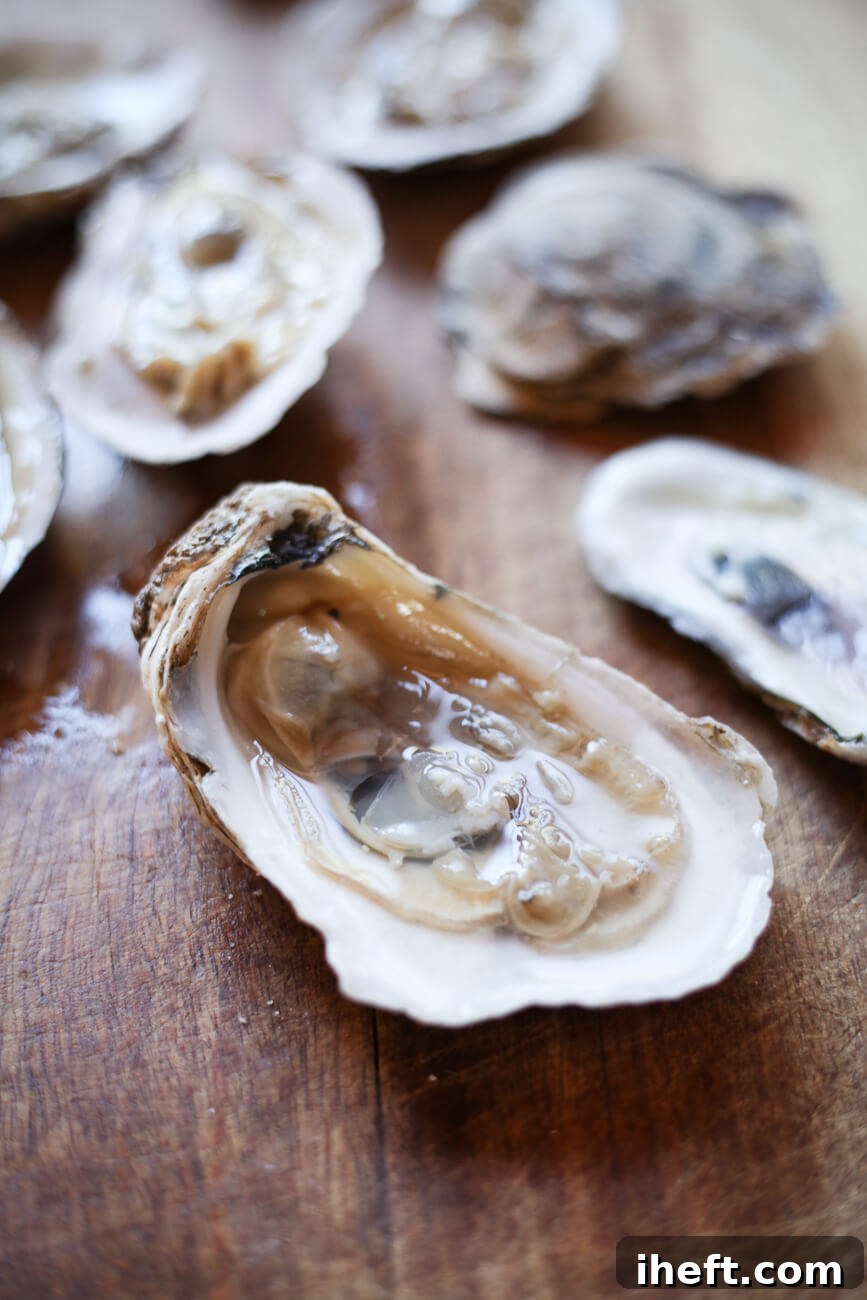
Unveiling the Flavor: What Do Oysters Taste Like?
For those new to the world of oysters, a fundamental question often arises: “What exactly do oysters taste like?” While most people recognize them as a seafood, their flavor profile is remarkably distinct from other fish or crustaceans. The taste of an oyster is a complex symphony influenced by a multitude of factors, including its specific variety, geographical origin, and the unique characteristics of the waters it inhabits. Much like fine wine or artisan cheese, oysters possess a distinct “terroir” – a sense of place – where their flavor is intrinsically shaped by the salinity, mineral content, and aquatic ecosystem of their environment.
A high-quality oyster should never taste overtly “fishy.” Instead, it offers a subtle, delicate fish flavor, immediately evoking the refreshing essence of the ocean. This briny essence is often complemented by nuanced mineral notes that vary significantly between different types. You might detect hints of cucumber, melon, or even a slight metallic finish, depending on the oyster’s provenance.
Raw oysters, by nature, possess a more delicate and nuanced flavor. They are often served with simple accompaniments like a squeeze of fresh lemon or a delicate mignonette sauce to enhance and highlight their natural taste without overpowering it. The flavor of oysters tends to intensify and transform as they are cooked. Baking, grilling, or frying them brings out richer, more concentrated flavors and alters their texture significantly.
It’s a common misconception that all oysters taste the same. Many individuals might have only tried one or two varieties throughout their lives and formed a fixed idea of their taste. However, traveling to different regions or exploring diverse oyster bars can reveal a surprising spectrum of flavors and textures, proving that the world of oysters is far more diverse and exciting than initially perceived.
The Briny Kiss of Salt
One of the most immediate and defining characteristics of raw oysters on the half shell is their distinct salty taste. This initial burst of salinity is often the first flavor sensation that greets the palate. The intensity of this saltiness is a direct reflection of the oyster’s environment; oysters from highly saline waters will naturally be brinier than those from estuaries with more freshwater influence. This “ocean liquor” is highly prized by connoisseurs.
If you find a particular oyster’s brininess a bit too assertive for your preference, a simple solution is to add a generous squeeze of fresh lemon juice. The acidity of the lemon effectively cuts through some of the saltiness, balancing the flavor and adding a bright, zesty kick that beautifully complements the oyster’s natural notes.
The Unique Textural Experience
Beyond taste, texture is another crucial component in fully appreciating what oysters have to offer. The mouthfeel of an oyster is intricately linked to its freshness and the temperature of the water from which it originated. A truly fresh, high-quality raw oyster will offer a texture that is true to its nature – plump, firm, and wonderfully slick.
Oysters harvested from colder waters typically exhibit a firmer, more resilient texture, often described as crisp or even slightly crunchy. In contrast, those from warmer waters tend to be softer and more delicate. Unless an oyster is past its prime or of inferior quality, the choice between firm or soft textures is largely a matter of personal preference, offering another layer of discovery within the oyster experience.
Lingering Sweetness and Mineral Notes
After the initial salty embrace and the exploration of its unique texture, the final flourish of an oyster is its lingering sweetness and complex finish. Each oyster variety possesses its own subtle level of sweetness that gracefully persists on the palate after swallowing, providing a satisfying aftertaste.
Some enthusiasts describe this sweetness as reminiscent of fresh cucumbers or even delicate melons, a surprising comparison for a marine mollusk. Other varieties unveil more complex undertones, revealing mineral notes such as copper, hints of fresh seaweed, or deep, earthy flavors. These diverse finishing notes are profoundly influenced by the oyster’s specific origin, its diet of plankton, and whether it’s enjoyed raw or transformed through cooking, which can unlock entirely new dimensions of flavor.
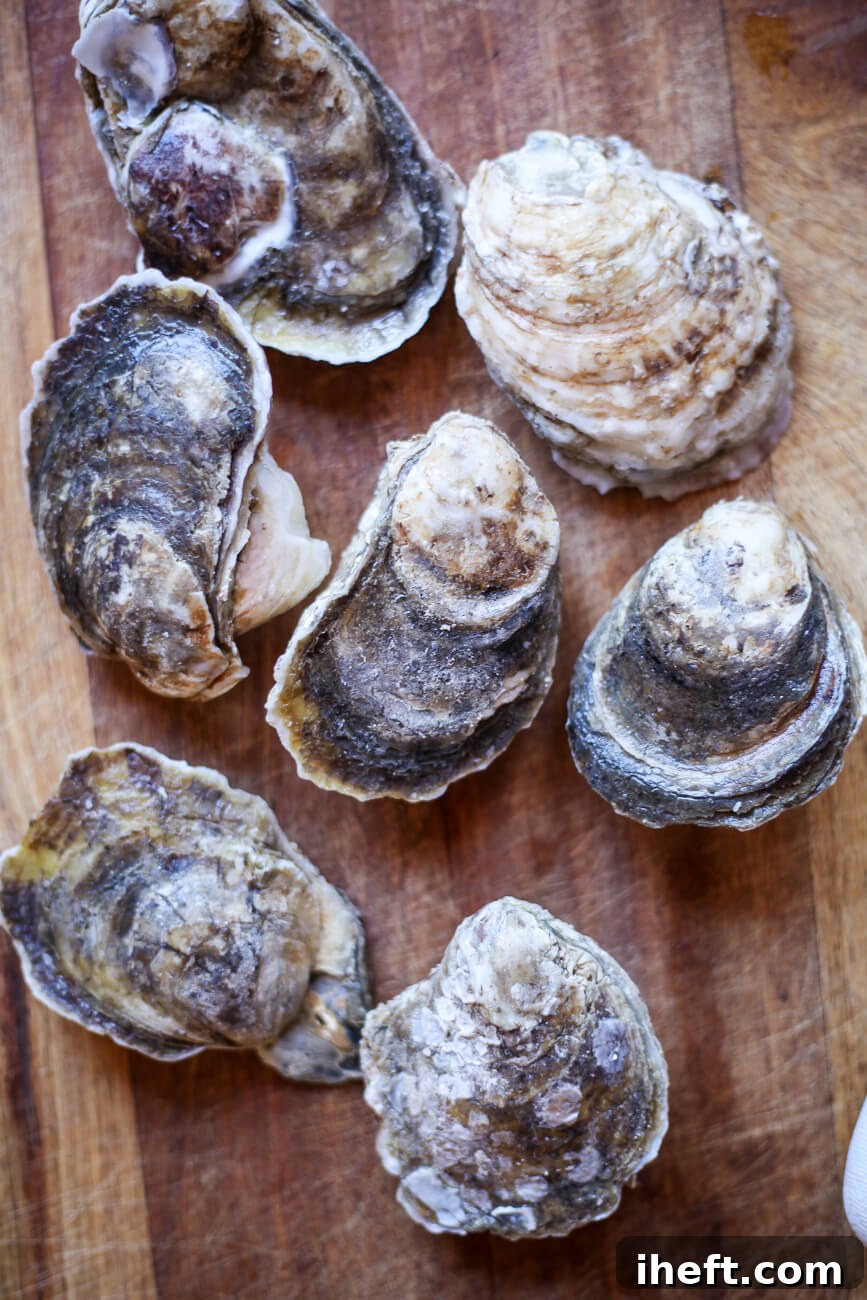
Blue Point Oysters from the East Coast
Exploring Diverse Oyster Varieties
The world of oysters is incredibly diverse, with numerous varieties available in restaurants and fish markets, each boasting its own unique set of characteristics. The most significant differentiator among these varieties is their geographical location, as the “terroir” – the specific environmental conditions of their habitat – profoundly impacts their flavor profile, texture, size, and even shell shape. While there are over 200 species of oysters globally, only a handful, typically five main species, are widely cultivated and sold commercially in the United States.
Atlantic Oysters (Crassostrea virginica)
Atlantic oysters, also known as Eastern oysters, are arguably the most ubiquitous species found in markets and restaurants across the world. Their popularity stems partly from their relatively fast growth cycle, often reaching market size of 3 to 7 inches in length within 18 months. They are predominantly harvested along the cooler waters of the Eastern United States and Canada, from Maine down to the Gulf of Mexico.
Due to the colder waters they inhabit, raw Atlantic oysters are celebrated for their crisp, clean, and intensely oceanic flavors. They typically feature a pronounced brininess, often accompanied by a rich, creamy texture and subtle earthy or mineral notes on the finish. Blue Point oysters, originating from Long Island Sound, are among the most famous and highly regarded Atlantic varieties, known for their balanced flavor. Atlantic oysters are versatile, excellent served live on the half shell with a simple squeeze of lemon, or grilled with a touch of garlic butter to enhance their robust flavor.
European Flats (Ostrea edulis)
European Flats, often referred to as Belon oysters (named after a river in Brittany, France), are native to the western European coast. After early attempts to introduce this species to the Eastern Coast of the United States initially failed, wild European Flats have more recently begun to thrive along the New England coast, particularly in areas with similar cool, deep-water conditions. These oysters have a distinctly different profile from their Atlantic counterparts.
Unlike the high brininess of many Atlantic varieties, European Flats are notably less salty, offering a slightly sweeter initial taste. They are distinguished by their remarkably firm, almost meaty texture, and a unique, pronounced metallic or mineral finish that some describe as having hints of hazelnut. This firm texture makes them particularly well-suited for cooked oyster dishes, as they hold up beautifully to heat, though many purists prefer them raw to appreciate their distinct flavor.
Kumamoto Oysters (Crassostrea sikamea)
Kumamoto oysters, originally from Japan, are now widely cultivated along the Pacific Coast of North America, particularly in California and Washington. They are incredibly popular among both novice oyster consumers and seasoned chefs due to their delicate taste and characteristically small, deep cup shell.
When asked, “what do oysters taste like,” Kumamotos are often recommended as an ideal starting point. They are renowned for being one of the sweetest varieties, boasting a rich, creamy texture and a distinct fruity finish, often described with notes of honeydew melon or cucumber. Crucially, they possess almost no “fishy” flavor, making them exceptionally appealing and approachable for first-timers who might be wary of stronger oceanic tastes.
Olympia Oysters (Ostrea lurida)
Olympia oysters are the only oyster species native to the Pacific Northwest of the United States, primarily found in the cool, nutrient-rich waters of Washington state’s Puget Sound and surrounding areas. Their small, distinctive oval or teardrop shape sets them apart visually from other more common species.
While they may be lighter on the meat compared to larger varieties, Olympia oysters pack a remarkably intense and complex flavor. They are characterized by a strong, clean brininess followed by a creamy texture and a pronounced metallic or coppery finish, often accompanied by subtle notes of celery or even a hint of mushroom. Their unique flavor profile makes them a cherished delicacy for those who appreciate their concentrated taste.
Pacific Oysters (Crassostrea gigas)
Pacific oysters, despite their name, are native to Japan and were introduced to the United States Pacific Northwest (Washington, Oregon, and California) for aquaculture purposes. They are now the most cultivated oyster worldwide. This popular type of oyster is often recommended for beginners due to its approachable flavor profile and versatile nature, sharing some similarities with Kumamoto oysters but typically being larger.
Pacific oysters generally offer a sweet, clean flavor profile with a smooth, plump texture. Many varieties boast a pleasant creaminess that lingers on the palate. If you are not a fan of the heavy saltiness typical of some Atlantic varieties, Pacific oysters are an excellent choice, as their brininess is usually milder and more balanced, allowing their inherent sweetness to shine through.
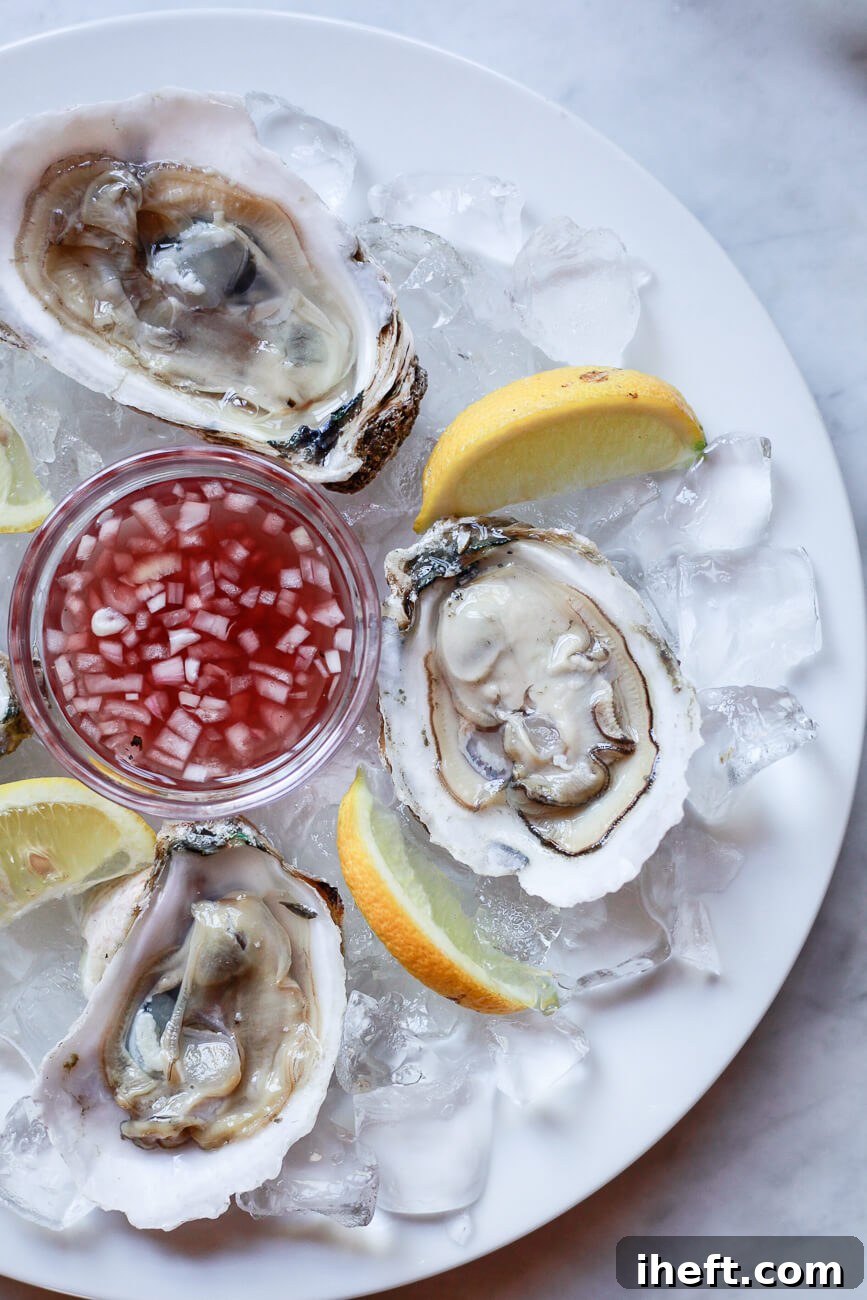
Mastering the Art of Eating Oysters on the Half Shell
The experience of eating oysters on the half shell is a culinary delight that, for some, comes with a few initial questions, particularly, “Are oysters alive when you eat them?” As discussed, raw oysters are indeed often served alive or immediately after shucking to ensure peak freshness and flavor. While many chefs and gourmands advocate for enjoying raw oysters to experience their purest taste, the choice ultimately comes down to personal comfort. If the idea of raw shellfish is daunting, you might prefer to start with cooked preparations such as the classic Oysters Rockefeller, where they are baked with a rich topping.
However, for those ready to embrace the full raw oyster experience, understanding the proper etiquette and technique will significantly enhance your enjoyment. Here’s a step-by-step guide to savoring oysters on the half shell:
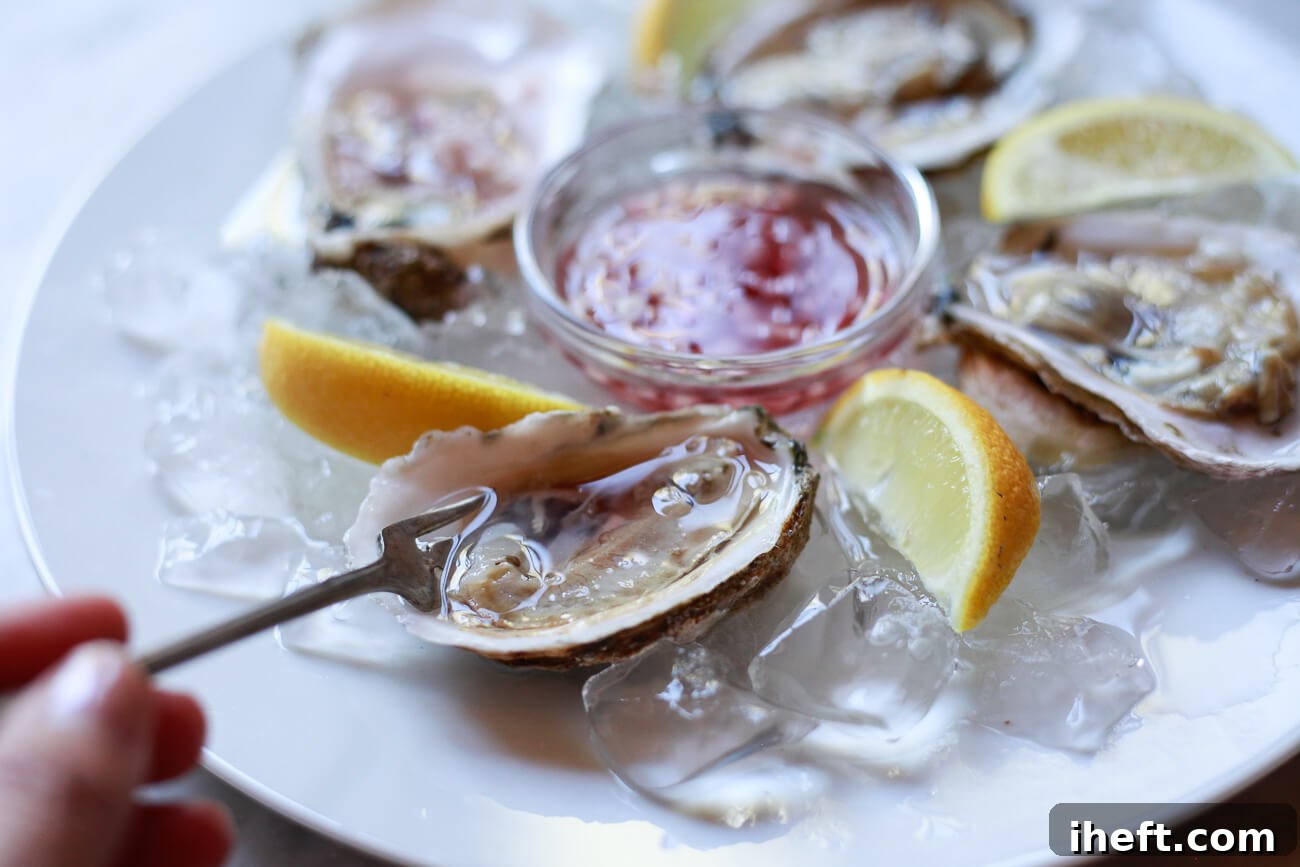
Step 1: Preparing Your Oysters for Serving
- **Crush Ice:** Begin by placing a few cups of ice into a gallon-sized bag and gently hitting it with a rolling pin to crush it into smaller pieces.
- **Prepare Serving Plate:** Top a large serving plate (a dinner plate works perfectly) with the crushed ice. This not only keeps the oysters optimally cold but also helps to stabilize the shells, preventing spills.
- **Keep Chilled:** Keep your oysters refrigerated until the very moment they are ready to be served. Freshness and temperature are paramount.
- **Shuck with Care:** If you are shucking the oysters yourself, you will need a specialized oyster shucking knife. Insert the knife into the hinge (the joint where the two shells meet) and carefully pry open the oyster. It’s crucial that some of the natural ocean water, or “liquor,” remains within the shell after shucking. This liquor is part of the oyster’s flavor and keeps it from drying out.
- **Arrange:** Neatly arrange the freshly shucked oysters on their half shells atop the bed of crushed ice.
Step 2: Releasing the Oyster from its Shell
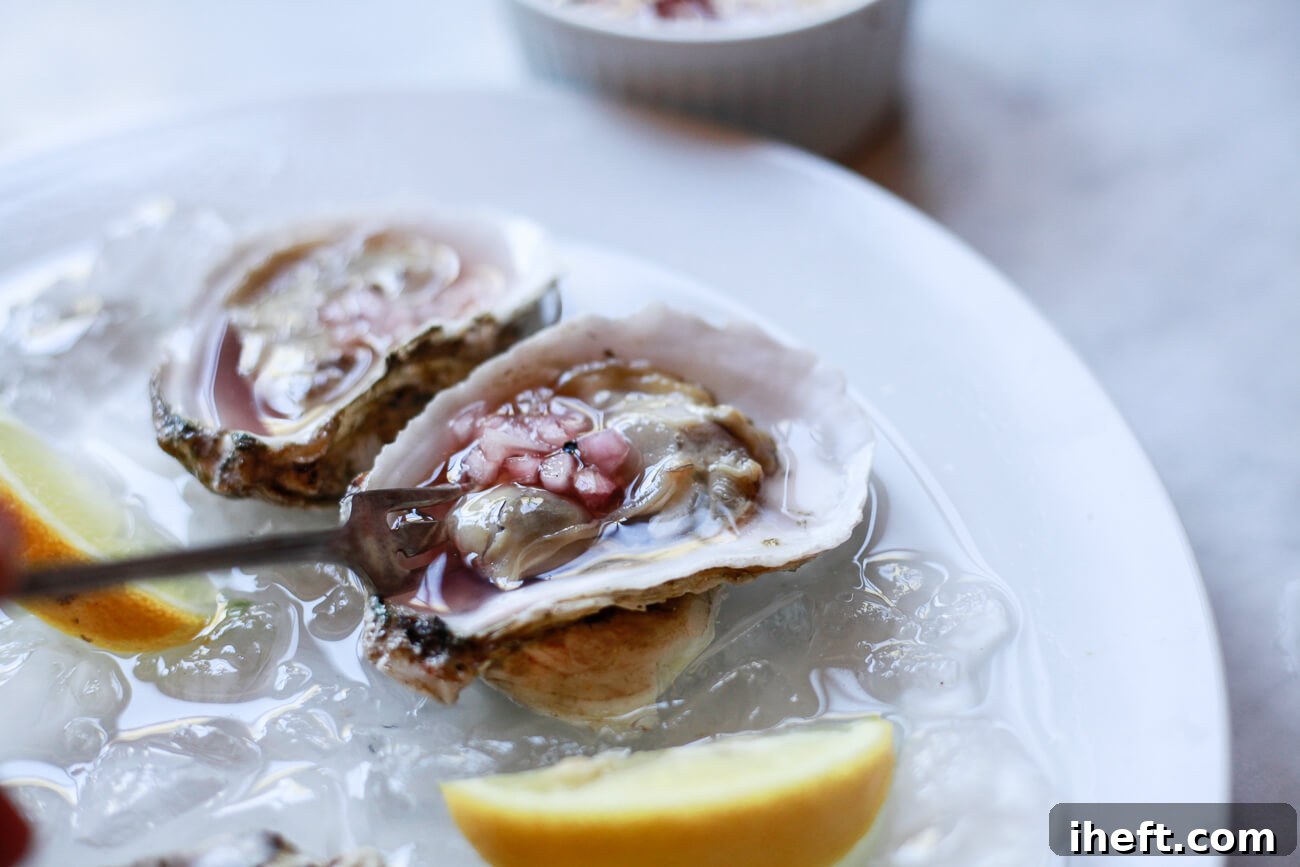
We highly recommend using a small oyster fork to help you navigate the experience. The first and most important reason is to ensure the oyster is completely detached from its shell. Sometimes, the adductor muscle that holds the oyster to its shell might still be partially connected, making it difficult to eat cleanly. A quick, gentle nudge with the fork will ensure it’s free.
Furthermore, while the “slurping” method seen in movies might seem glamorous, it often prevents you from fully experiencing the oyster’s delicate flavors and can result in a mouthful of overly salty seawater, which might be less than ideal depending on the oyster’s origin.
Step 3: Elevate with the Right Accompaniments
The perfect sauce can significantly elevate your oyster-eating experience. While we suggest trying your first raw oyster with just a tiny squeeze of fresh lemon juice to truly understand its inherent taste, a world of flavorful accompaniments awaits. Experimenting with different sauces allows you to customize and enhance the oyster’s natural profile.
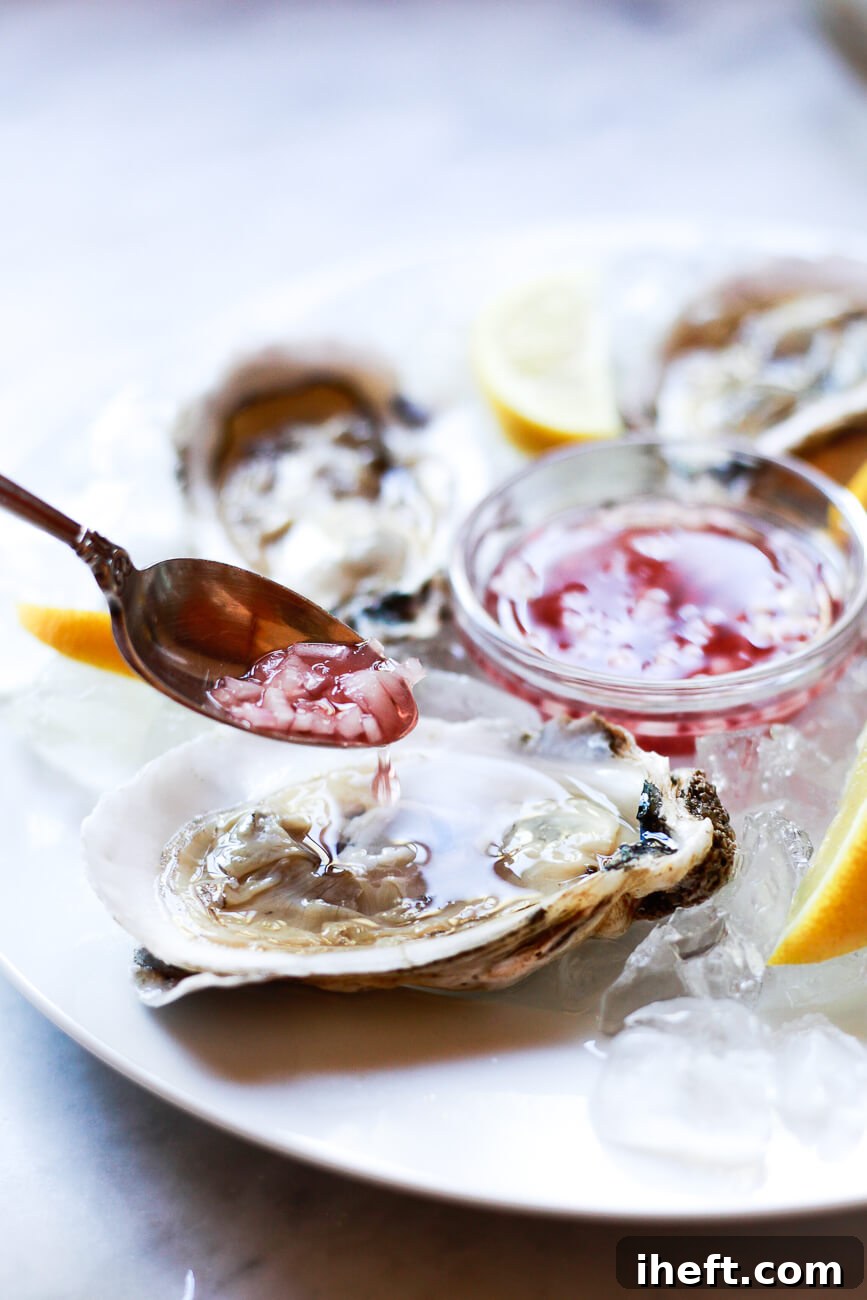
One of the most classic and revered pairings for oysters is a mignonette sauce. This elegant condiment is typically made with finely minced shallots, vinegar (often red wine or champagne vinegar), and freshly cracked black pepper. Its bright acidity and subtle oniony notes beautifully cut through the oyster’s brininess and bring out its sweetness. Other popular and excellent options include a fiery cocktail sauce, sharp horseradish (freshly grated is best), or even a dash of your favorite hot sauce. Simply top your oyster with your chosen accouterment just before eating.
Step 4: Chew to Appreciate the Full Flavor
Contrary to the common portrayal in films, where oysters are often swallowed whole like a shot, we strongly advocate against mere slurping. Instead, take a moment to gently chew your oyster. While the unique texture of oysters can sometimes be off-putting for some, chewing is the absolute best way to unlock and appreciate the full spectrum of flavors. You’ll get to experience the oyster’s unique texture—whether it’s plump and firm or soft and creamy—while simultaneously releasing its complex flavors. For many varieties, this gentle chewing motion is what truly brings out its inherent sweetness and nuanced mineral notes, offering a complete sensory journey.
Step 5: Select the Perfect Drink Pairing
Just like the sauce, the drink you pair with your oysters can significantly impact and enhance their flavor. Certain beverages are chosen specifically because their acidity or effervescence complements the oyster’s brininess and cuts through its richness, cleansing the palate for the next bite. We highly recommend crisp, dry white wines such as a Sauvignon Blanc, Muscadet, or a bright Grüner Veltliner. For an even more celebratory touch, a sparkling wine like Champagne or a dry Prosecco makes an exquisite pairing. The bubbles and acidity of these drinks create a refreshing contrast, making each oyster taste even better.
Your Journey into the World of Oysters Begins
Whether you’re a newcomer eager to explore the sophisticated world of raw oysters on the half shell or a seasoned enthusiast who savors them regularly, there’s no denying that oysters represent a delectable, sustainable, and remarkably healthy choice for your next special occasion or culinary adventure. They offer a unique blend of delicate flavors, rich nutrients, and an impressive environmental footprint.
Fortunately, oysters are widely available year-round in most well-stocked grocery stores and reputable fish markets. Expect to find them priced around $2.00 to $4.00 each, depending on the variety, size, and region. For those living in coastal areas, you might even discover exquisite local varieties at your community farmers market, offering an even fresher and more authentic experience.
Of course, if you plan to serve them yourself and wish to present them on the half shell, you’ll first need to master the technique of shucking oysters. This skill takes a bit of practice and the right tools. For beginners, my strong recommendation is to first try them in a reputable restaurant. This allows you to experience perfectly shucked and prepared oysters in an ideal setting, setting a high standard for your future home culinary endeavors.
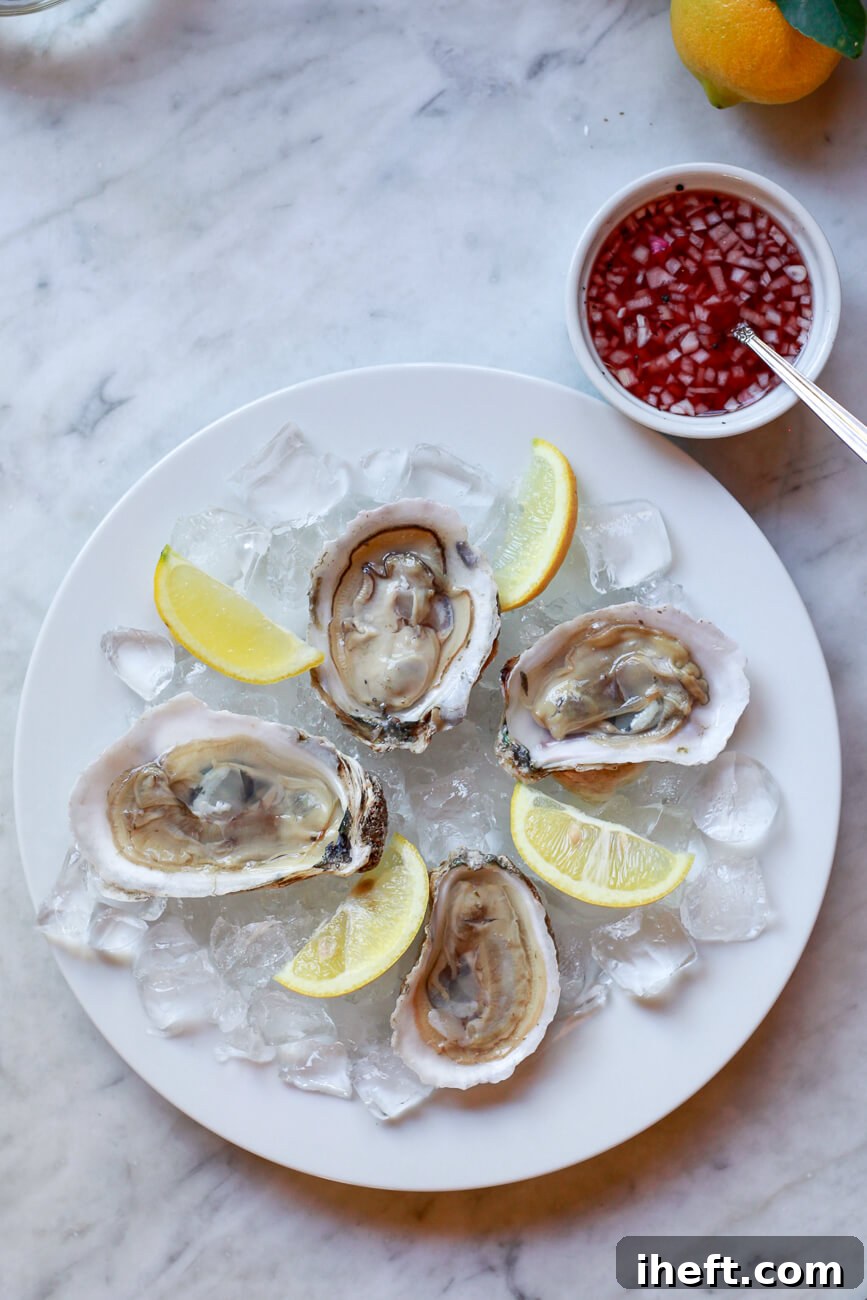
Raw Oysters on the Half Shell: Quick Guide
5 minutes
5 minutes
A quick reference for serving and enjoying raw oysters. Perfect for home entertaining.
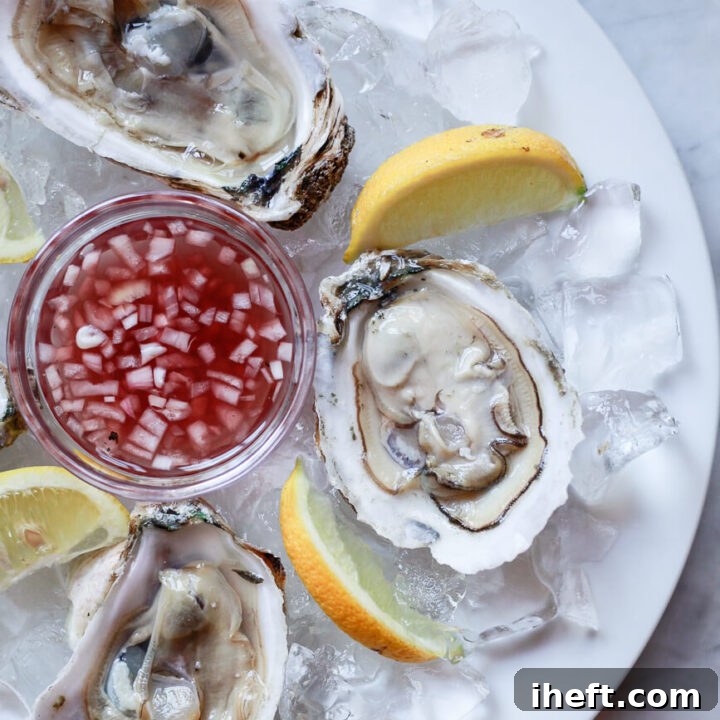
Ingredients
- Ice (crushed)
- 6 live oysters, shucked
- Mignonette sauce (optional)
- Lemon wedges (optional)
- Hot sauce or horseradish (optional)
Serving Instructions
- **Prepare the Ice Bed:** Place several cups of crushed ice onto a large serving plate. This keeps the oysters cold and stable.
- **Shuck & Preserve Liquor:** Keep oysters refrigerated until ready to serve. If shucking yourself, carefully open each oyster with a shucking knife, ensuring the natural ocean liquor remains in the shell to prevent drying.
- **Arrange & Chill:** Arrange the shucked oysters on the half shell on the prepared ice bed.
- **Garnish (Optional):** Just before eating, top your oysters with your choice of accompaniments: a spoonful of mignonette sauce, a dash of hot sauce, a dollop of horseradish, or a simple squeeze of fresh lemon.

- **Use a Fork:** Use a small oyster fork to gently separate the oyster from its shell.
- **Savor, Don’t Slurp:** Instead of slurping, gently chew the oyster to fully appreciate its distinct flavors and unique texture.
Notes on Oyster Flavor
Like fine wine, oysters boast a unique “terroir” influenced by their environment. They should taste fresh, like the ocean, with subtle mineral notes, never overtly fishy. Flavors can range from briny and sweet to creamy, with hints of cucumber, melon, or metallic undertones. Accompaniments like lemon or mignonette enhance their delicate taste. Each variety offers a distinct culinary experience.
Nutrition Information:
Yield: 6
Serving Size: 1 oyster
Amount Per Serving:
Calories: 41Total Fat: 1gSaturated Fat: 0gTrans Fat: 0gUnsaturated Fat: 1gCholesterol: 25mgSodium: 53mgCarbohydrates: 2gFiber: 0gSugar: 0gProtein: 5g
Nutrition information is automatically calculated by Nutritionix. I am not a nutritionist and cannot guarantee accuracy. If your health depends on nutrition information, please calculate again with your favorite calculator.