Crimson Citrus Nectar
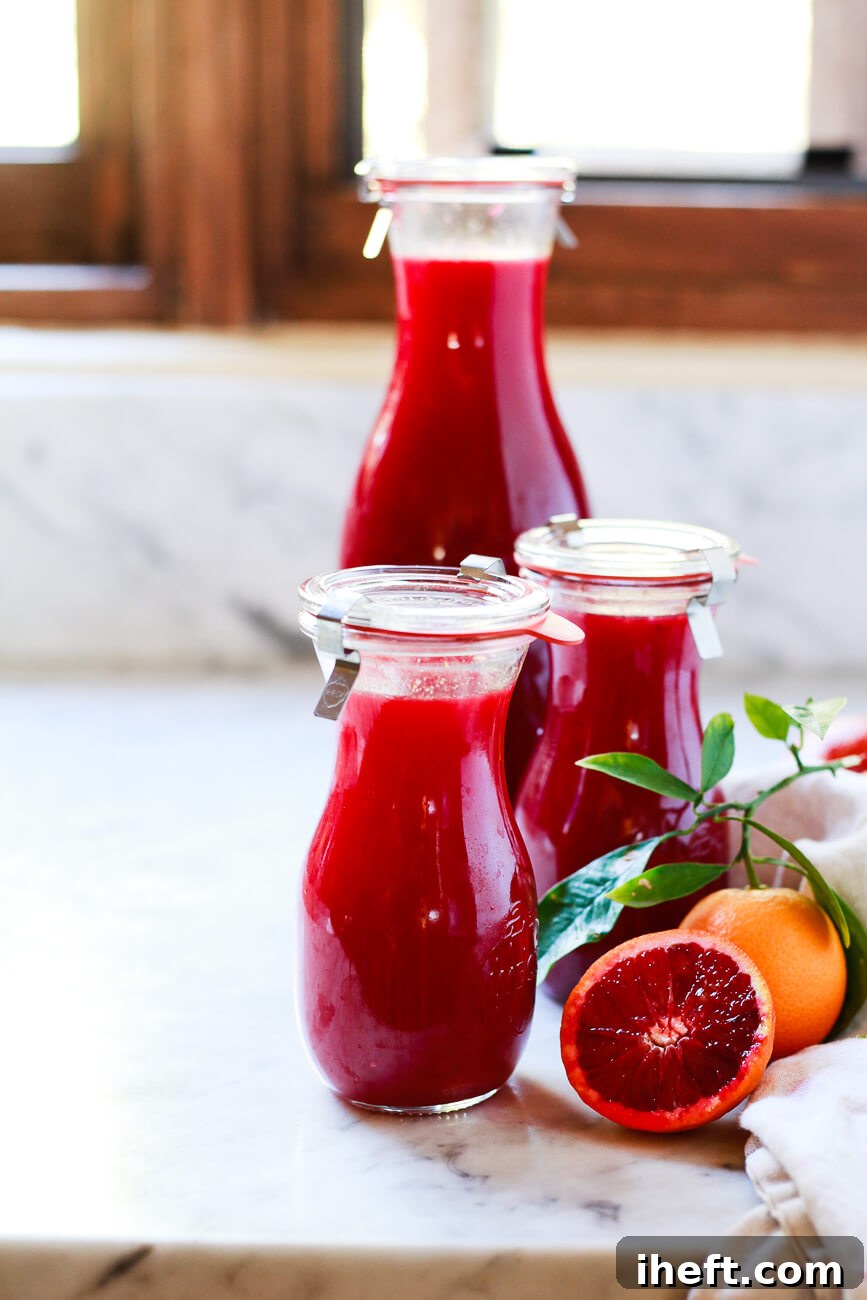
Blood oranges are a culinary marvel, captivating senses with their vibrant hues and unique flavor profiles. Often hailed as the “raspberry orange” in places like the U.K., Australia, and Canada, this strikingly beautiful citrus fruit is more than just a pretty face; it’s a nutritional powerhouse and a versatile ingredient in both sweet and savory applications. If you’ve ever wondered about the best time to enjoy these ruby-red gems, what culinary magic you can create with them, or how to master the art of making the perfect blood orange juice, you’ve come to the right place. This comprehensive guide will explore everything you need to know about blood oranges, from their distinct taste and seasonal availability to their impressive health benefits and a step-by-step method for extracting the most delicious juice. This post may contain affiliate links, which means we may earn a small commission when you shop through them at no extra cost to you.
For many, the sight of blood oranges marks the arrival of late winter and early spring. These reddish-orange fruits are not just a treat for the eyes but also a flavorful and nutritious addition to a wide array of dishes, from refreshing salads to delicate baked goods. Their distinctive taste and color elevate any recipe they grace.
In this guide, we’ll delve into all the fascinating aspects of blood oranges, also known as raspberry oranges. We’ll cover their origins, the best time to find them, and most importantly, how to transform a surplus into the most exquisite blood orange juice you’ve ever tasted. Get ready to embrace the vibrant world of this extraordinary citrus!
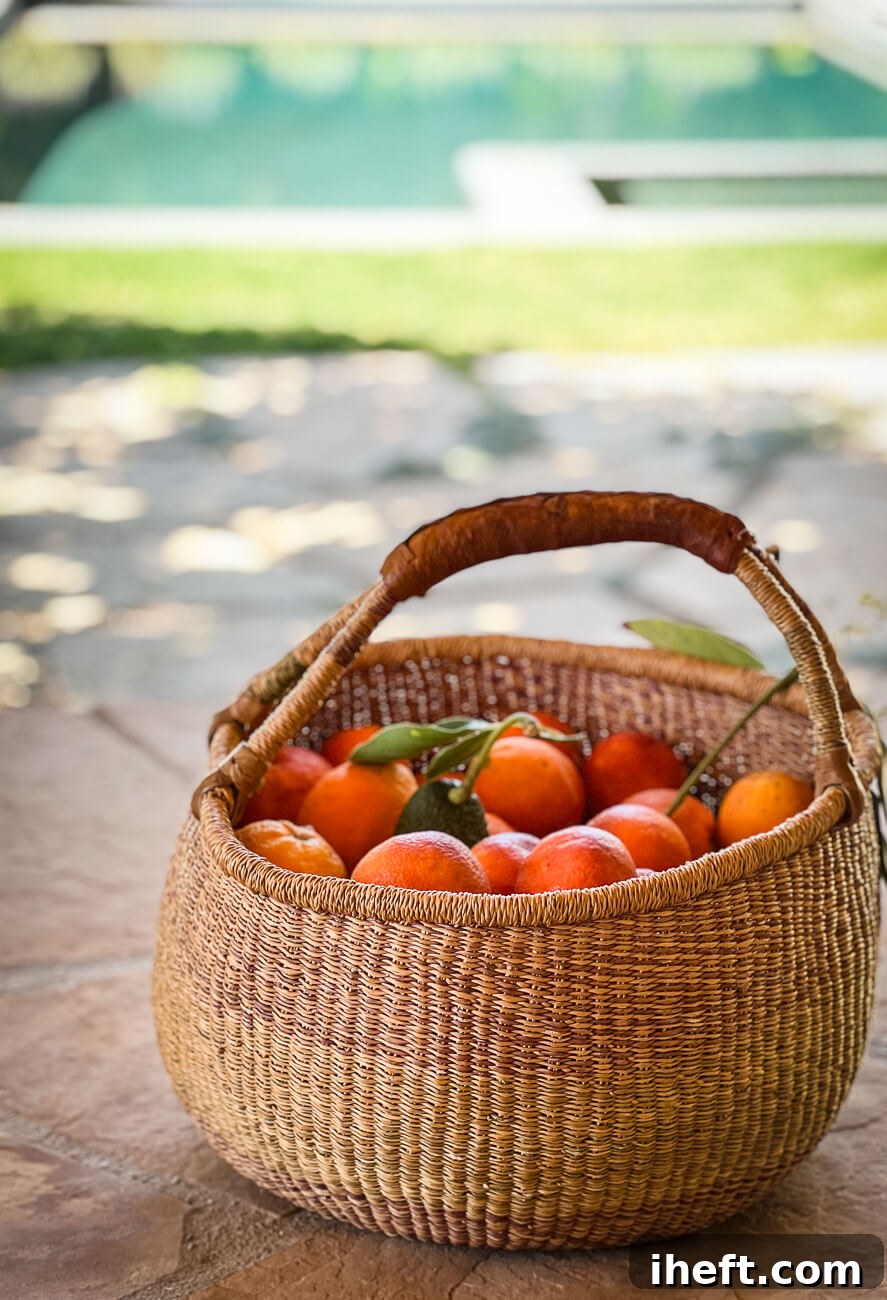
What is a Blood Orange? Unveiling the Ruby Citrus
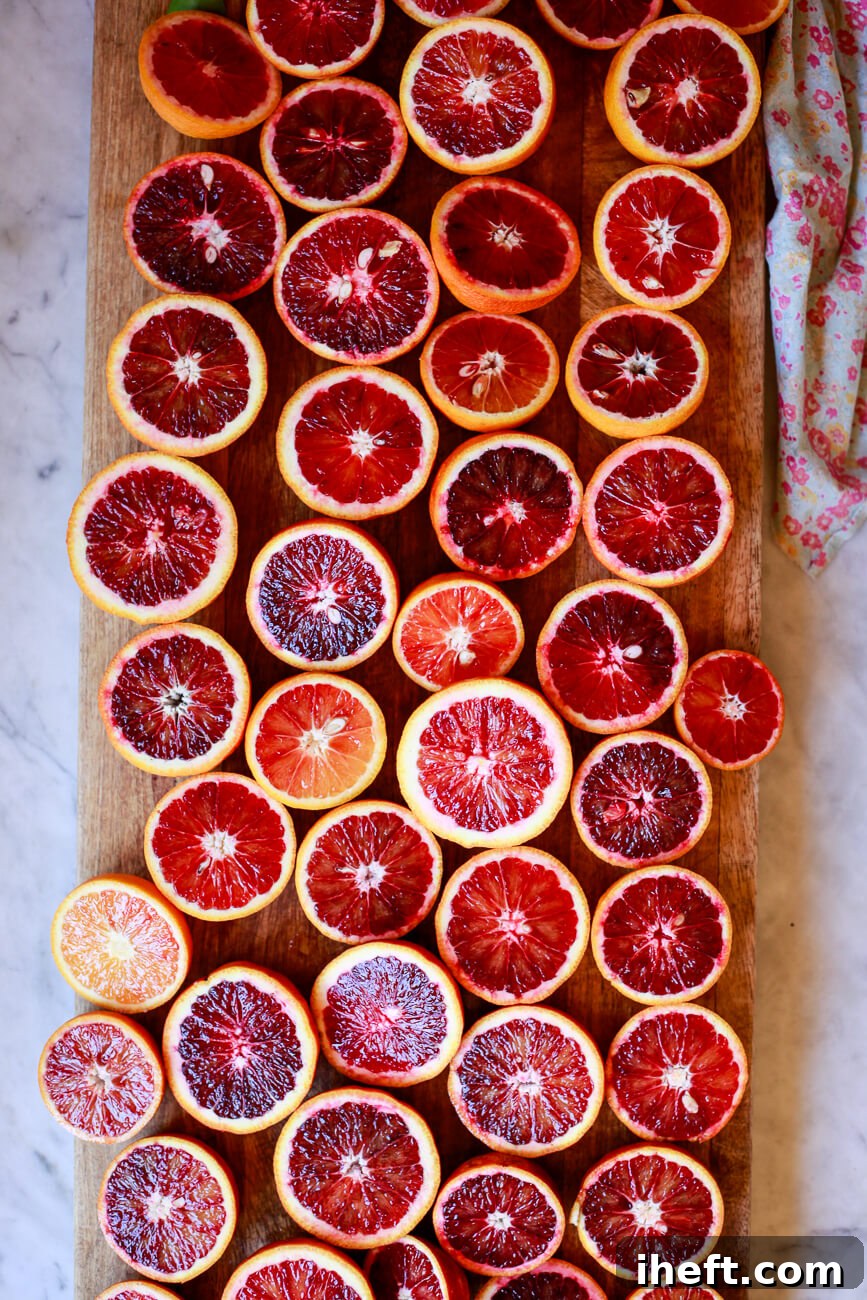
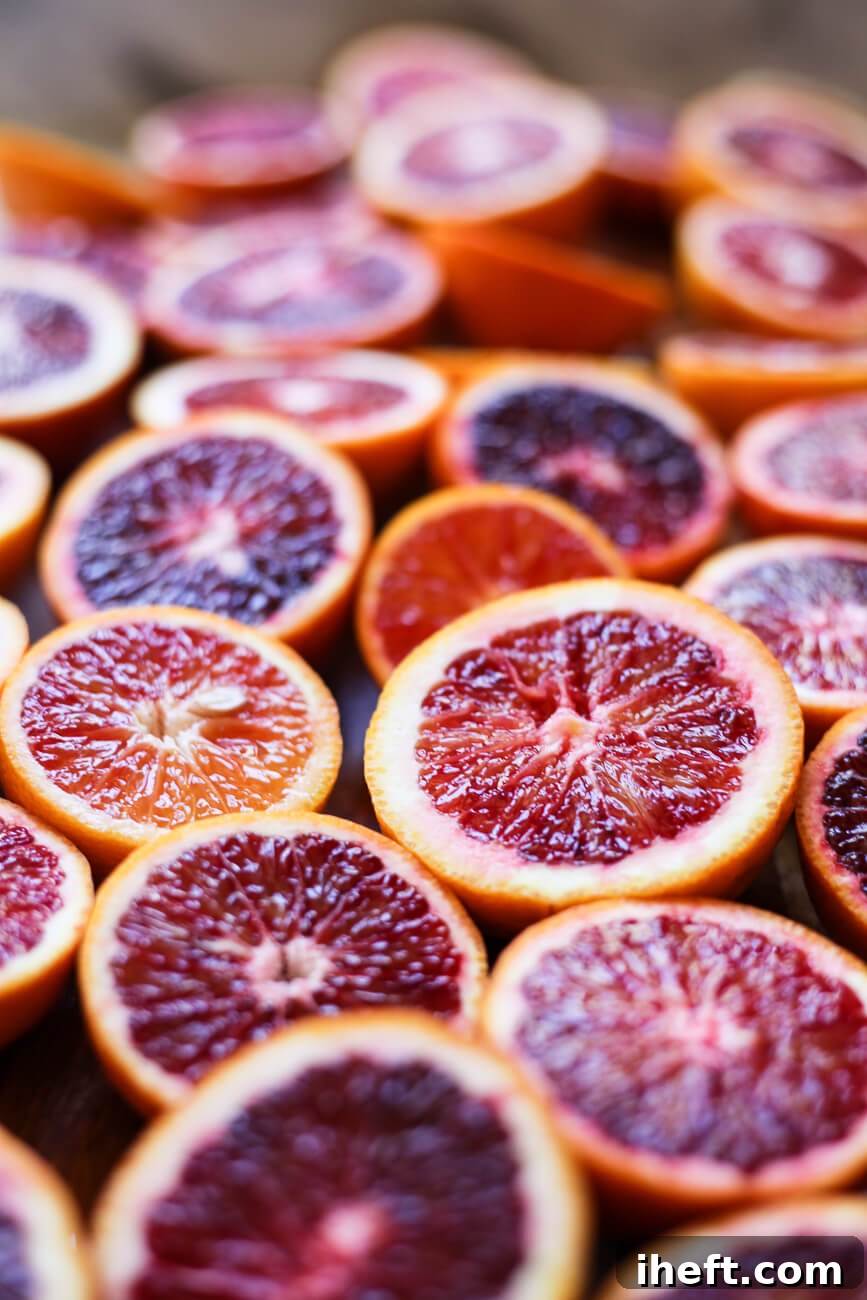
At first glance, a blood orange might seem like any other orange, perhaps a bit smaller. However, cut it open, and you’re met with a striking surprise: flesh ranging from streaks of deep crimson to a uniform, almost blood-red hue. This dramatic coloring is the defining characteristic of this unique citrus fruit and the source of its intriguing name.
The red pigment found in blood oranges comes from anthocyanins, a powerful group of antioxidants commonly found in berries, red wine, and purple vegetables like eggplants or red cabbage. What makes their presence in blood oranges so special is that anthocyanins are quite rare in citrus fruits. This unique chemical compound not only gives blood oranges their signature color but also contributes to their remarkable health benefits, which we’ll explore further.
Blood oranges are generally slightly smaller than their more common relatives, such as Cara Cara or Navel oranges. There are several primary varieties of blood orange, each with subtle differences in flavor, color intensity, and seasonality. The most prevalent varieties you’ll encounter include:
- Moro: This is arguably the most common variety found in U.S. markets. Moro blood oranges are known for their intense, deep red flesh, often appearing almost blackish-purple. They have a distinct, slightly bitter flavor, sometimes described as having notes of raspberry or blackberry. They are typically smaller than other blood orange varieties.
- Tarocco: Hailing from Italy, the Tarocco is often considered one of the sweetest and most flavorful blood oranges. Its color can vary from light orange with ruby streaks to a deeper red, and it’s particularly high in Vitamin C. Taroccos are known for being easy to peel and having fewer seeds.
- Sanguinello: Another Italian variety, Sanguinello blood oranges offer a sweet and slightly tart flavor with an appealing aroma. Their flesh is typically red-orange with distinctive red streaks. They tend to ripen later in the season.
While blood oranges are now cultivated in various parts of the world, their origins trace back to Sicily and other Mediterranean regions. The unique combination of warm days and cool nights in these climates is essential for the development of their signature anthocyanin pigments. Today, they are cherished globally for their striking appearance and exceptional taste, making them a sought-after ingredient for both home cooks and professional chefs.
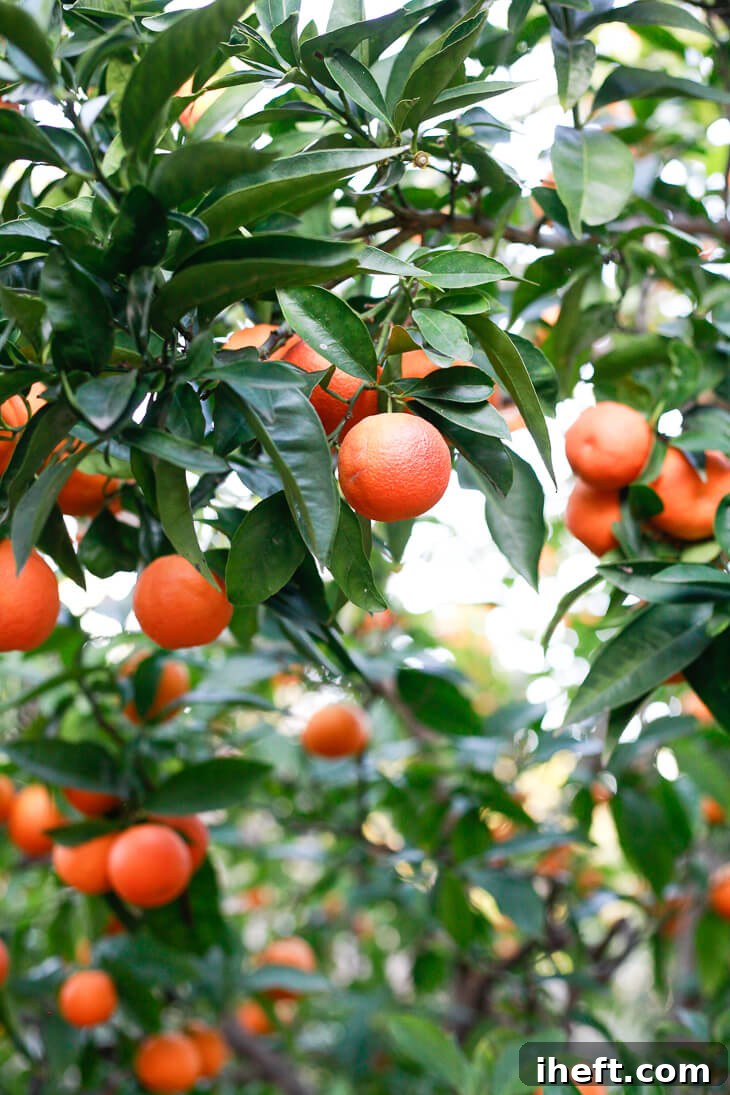
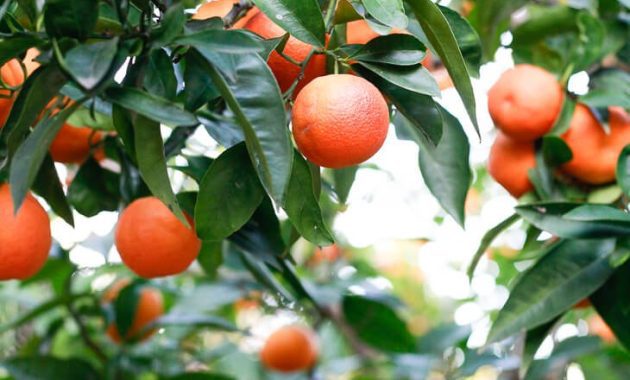
Nearly-ripe blood oranges on our tree in Santa Barbara, CA.
When are Blood Oranges in Season? Timing Your Citrus Harvest
Understanding the seasonality of blood oranges is key to enjoying them at their peak flavor and vibrant color. These unique citrus fruits thrive in climates that offer distinct temperature fluctuations—warm, sunny days followed by cool, even cold, nights. This specific environmental condition is crucial for the development of anthocyanins, the pigments responsible for their stunning red flesh.
You’ll primarily find blood oranges growing in Mediterranean climates around the globe. This includes their ancestral home in Italy (especially Sicily), Spain, and more recently, the sun-drenched groves of Southern California. For example, our blood orange trees in Santa Barbara, California, typically begin to produce fruit that’s ready for harvest in late winter and continue through the spring, generally from December through June.
While the season spans several months, the fruit is often considered to be at its peak in March and April. During these months, the oranges have had ample time to mature, develop their deepest colors, and achieve their sweetest, most complex flavors. When selecting blood oranges, look for those where the orange skin begins to show a blush of red, indicating the internal pigmentation is developing. A general rule of thumb is that the darker the external blush, the deeper red the flesh will likely be inside.
It’s worth noting that you can use blood oranges before their internal color fully develops. However, these earlier-picked fruits will tend to be quite tart, making them excellent for culinary applications where a bright, acidic burst is desired, such as in dressings or marinades, but perhaps less ideal for eating out of hand or juicing on their own without added sweetness.
To maximize your enjoyment of blood oranges, aim to purchase or harvest them during their peak season. This ensures you’re getting the most flavorful, colorful, and nutritionally rich fruit available.
What Do Blood Oranges Taste Like? A Symphony of Sweet and Tart
The flavor of a blood orange is a delightful experience, often surprising those who are only familiar with traditional oranges. While they certainly share the characteristic sweetness and tang of other orange varieties, blood oranges offer a more complex and nuanced profile that sets them apart.
At their core, blood oranges are sweet with a pleasant tartness, a balance that makes them incredibly refreshing. However, what truly distinguishes them are the unique underlying notes. Many describe the flavor as having distinct hints of red berries, particularly raspberry or even cranberry. This subtle berry-like undertone contributes to their “raspberry orange” nickname and makes them particularly appealing. Some varieties, especially the Moro, might also carry a very slight bitterness, which adds another layer of sophistication to their overall taste.
The intensity of flavor and sweetness can vary depending on the specific variety, ripeness, and growing conditions. A perfectly ripe blood orange will offer a juicy, vibrant taste that is both sweet and tangy, with that unmistakable berry twist. This makes them incredibly versatile in the kitchen.
While blood oranges are most famously used for juice, especially in Southern Italy where they are a staple, their unique flavor profile lends itself beautifully to both sweet and savory dishes. In sweet preparations, they can provide a lovely counterpoint to richness or a bright, fruity highlight. In savory contexts, their acidity and subtle bitterness can cut through fats, tenderize meats, and add an unexpected zest to salads and sauces.
Whether you’re sipping their juice, incorporating them into a dessert, or using them to brighten a savory meal, the distinct taste of blood oranges is sure to leave a memorable impression.
The Health Benefits of Blood Oranges: More Than Just a Pretty Fruit
Beyond their captivating appearance and delicious taste, blood oranges are packed with an impressive array of nutrients that contribute to overall health and well-being. Their unique composition makes them a fantastic addition to any balanced diet.
- Rich in Vitamin C: Like all citrus fruits, blood oranges are an excellent source of Vitamin C. This powerful antioxidant is crucial for a healthy immune system, helping to ward off infections and reduce the duration of common colds. Vitamin C also plays a vital role in collagen production, which is essential for healthy skin, bones, and connective tissues.
- Abundant in Anthocyanins: The striking red pigment in blood oranges comes from anthocyanins. These are potent antioxidants that have been extensively studied for their health-promoting properties. Anthocyanins are known to combat oxidative stress, reduce inflammation, and may offer protection against chronic diseases such as heart disease, certain cancers, and age-related cognitive decline. Their presence is what truly sets blood oranges apart nutritionally from other orange varieties.
- Good Source of Fiber: The pulp of blood oranges provides dietary fiber, which is essential for digestive health. Fiber helps regulate bowel movements, promotes satiety (making you feel full longer), and can help manage blood sugar levels and cholesterol.
- Contains Other Antioxidants and Phytochemicals: In addition to anthocyanins and Vitamin C, blood oranges contain other beneficial antioxidants and phytochemicals, including flavonoids and carotenoids. These compounds work synergistically to provide comprehensive cellular protection against free radical damage.
- Supports Eye Health: The presence of Vitamin C and other antioxidants can contribute to maintaining good eye health and may help protect against age-related macular degeneration.
- Hydration: Being juicy fruits, blood oranges contribute to your daily fluid intake, helping to keep you hydrated.
Incorporating blood oranges into your diet, whether whole, juiced, or as part of a meal, is an enjoyable way to boost your intake of essential vitamins, minerals, and powerful antioxidants. Their vibrant color is a visual cue of their internal goodness.
How to Make Blood Orange Juice: A Simple & Refreshing Recipe
When you find yourself with a bountiful harvest of blood oranges, or simply can’t resist buying a large bag from the market, making fresh blood orange juice is undoubtedly one of the best ways to enjoy their unique flavor. The process is incredibly simple and doesn’t necessarily require specialized equipment, making it accessible for any home kitchen. Unlike some advanced juicing recipes, blood oranges are quite forgiving.
Ingredients:
- 7-10 Blood Oranges (yields about 2 1/2 cups of juice, depending on size and juiciness)
Equipment:
- Citrus press (manual or electric)
- Cutting board and knife
- Strainer (optional, for pulp-free juice)
- Glass jars or a pitcher for storage
Instructions:
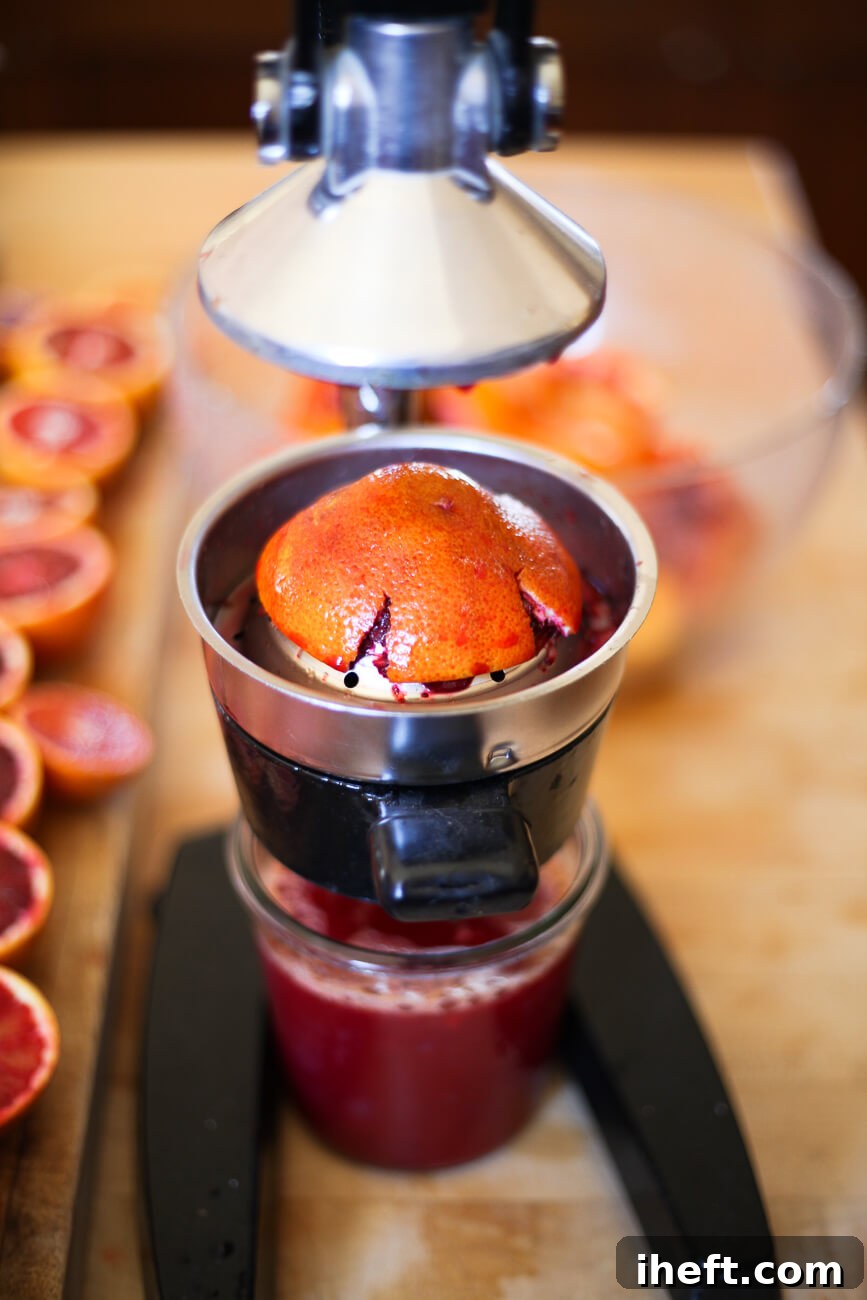
- Prepare the Oranges: Begin by thoroughly washing your blood oranges under cool running water. Gently scrub the skins to remove any dirt or residue. Once clean, place them on a cutting board and carefully cut each orange in half across its equator.

- Extract the Juice:
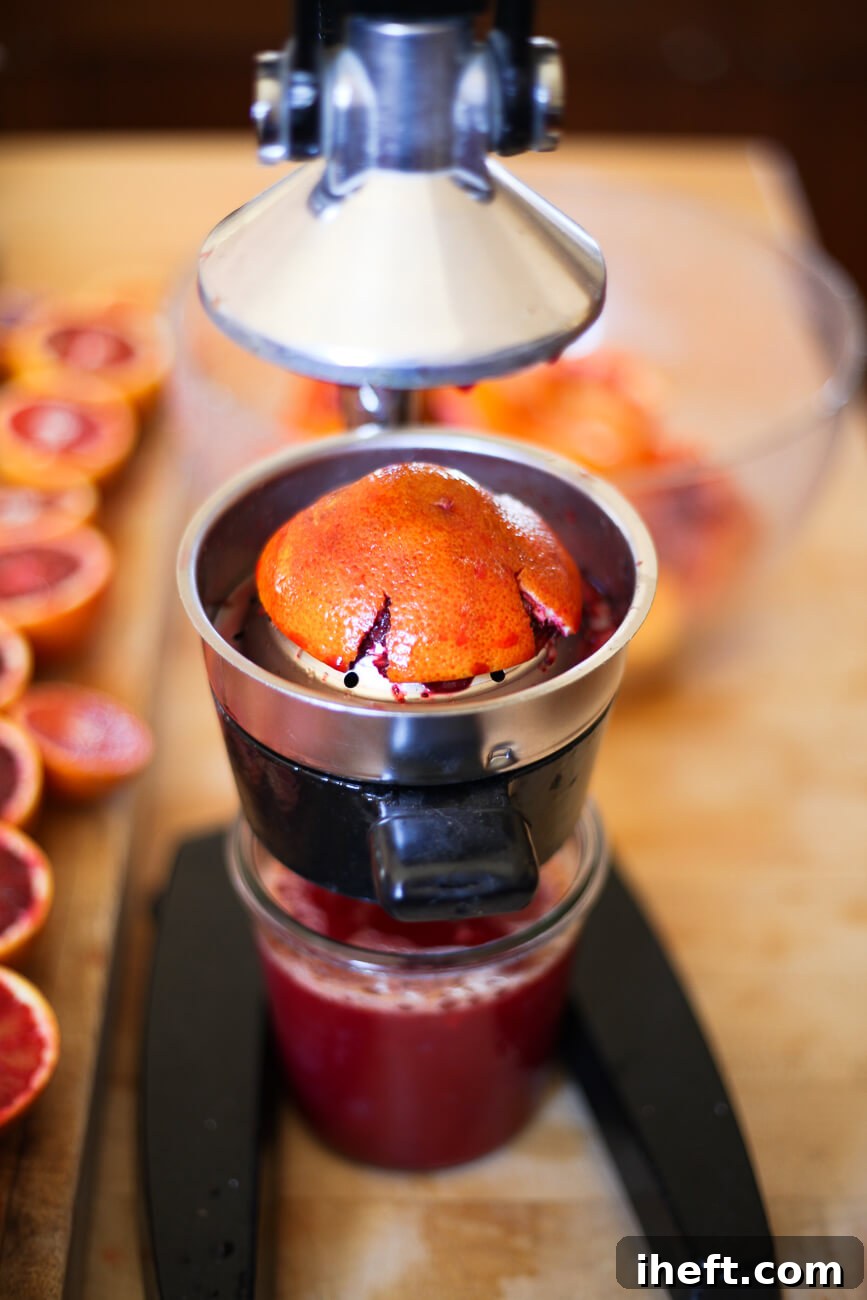
- Using a Manual Citrus Press: Place an orange half, cut side down, onto the reamer of your manual juicer. Apply firm pressure and twist until all the juice has been extracted. Repeat with the remaining orange halves.
- Using an Electric Citrus Juicer: Position an orange half, cut side down, onto the spinning reamer of your electric juicer. The machine will do most of the work for you. Continue until all oranges are juiced.
- Using a Blender (if no juicer): For a thicker juice, you can peel the blood oranges, remove as much white pith as possible, and blend the segments with a splash of water until smooth. Strain through a fine-mesh sieve or cheesecloth for a smoother consistency if desired.
- Using a Vegetable Juicer: If you’re using a masticating or centrifugal juicer designed for vegetables, it’s best to peel the skin and pith from the blood oranges before juicing to avoid bitterness and maximize juice yield.
- Strain (Optional): If you prefer a completely pulp-free juice, pour the freshly squeezed blood orange juice through a fine-mesh strainer or sieve into a clean pitcher or jar.
- Taste and Adjust: Taste your fresh blood orange juice. Depending on the sweetness of your oranges, you might find it perfectly balanced. If you prefer a sweeter juice, you can add a touch of honey, maple syrup, or a natural sweetener of your choice. A squeeze of lime juice can also brighten the flavor if it’s too sweet.
- Serve and Store: Serve the blood orange juice immediately over ice for the freshest taste. Store any leftover juice in an airtight glass container in the refrigerator.
Pro Tip: Don’t hesitate to experiment with combinations! To stretch your blood oranges further or to create a unique flavor profile, feel free to juice a mix of blood oranges with regular oranges, tangerines, or even grapefruits. This can result in a delicious and brightly colored citrus blend that’s both tasty and visually appealing.
Recommended Tools for Juicing
While you can certainly make blood orange juice with minimal equipment, a few specific tools can make the process more efficient and enjoyable:
- Citrus Press (Manual or Electric): A good quality citrus juicer, whether a simple manual reamer or an electric model, is invaluable for efficiently extracting juice from oranges.
- Weck Juice Jars or Airtight Glass Containers: Perfect for storing your freshly made juice, these jars help maintain freshness and keep your refrigerator organized.

Creative Ideas for Using Blood Oranges and Their Juice
The versatility of blood oranges extends far beyond just drinking their juice. Their distinct flavor and stunning color make them a prized ingredient in both sweet and savory culinary creations. Think of anywhere you might use a regular orange, and then imagine elevating it with the unique twist of a blood orange!
Beverages:
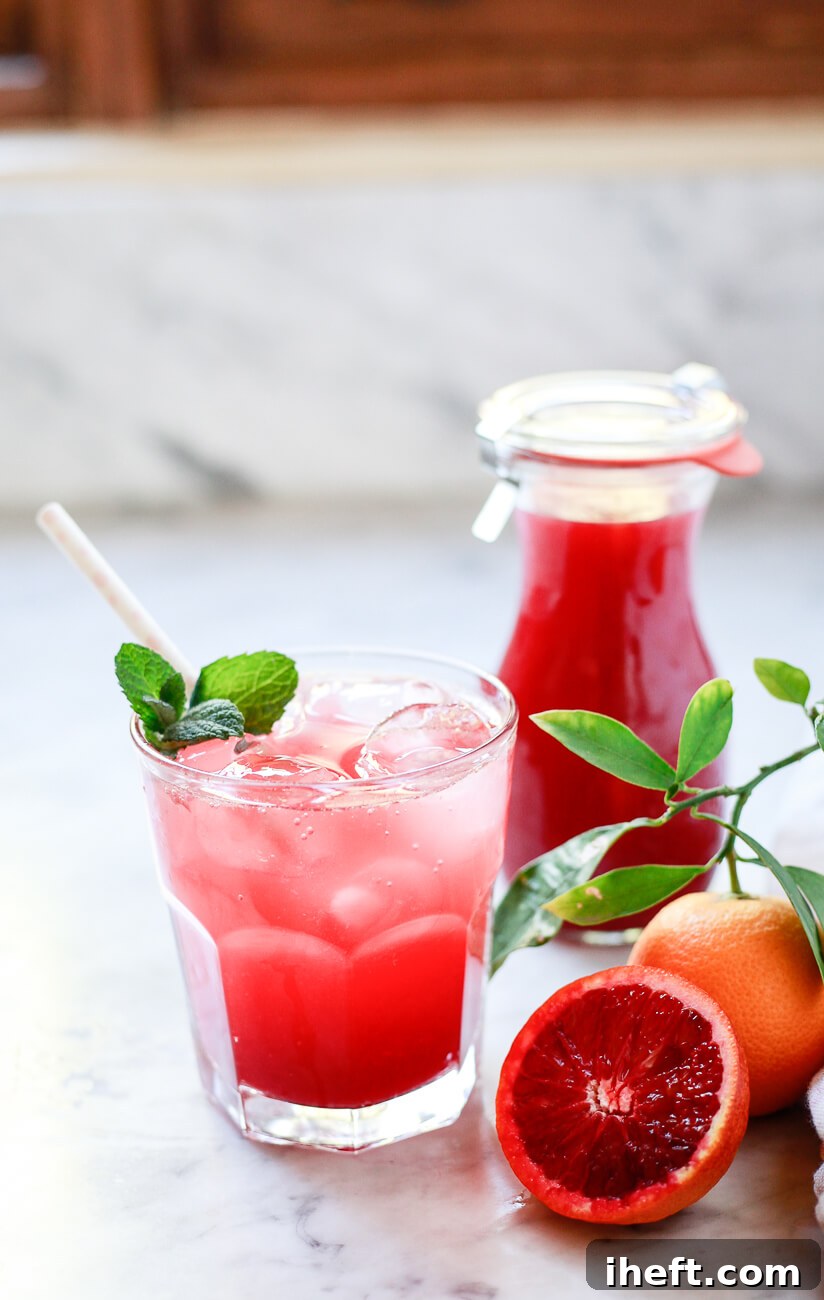
- Refreshing Juices & Spritzers: Enjoy the juice on its own, mixed with sparkling water for a vibrant spritzer, or blended with other citrus fruits for a unique medley.
- Blood Orange Lemonade: A delightful twist on a classic, offering a beautiful color and a more complex flavor profile.
- Blood Orange Margaritas: The perfect upgrade for cocktail hour, adding a sophisticated hue and tangy-sweet notes.
- Other Cocktails & Mocktails: Use blood orange juice, slices, or zest in nearly any cocktail recipe, from a Blood Orange Old Fashioned to a Blood Orange Gin Fizz. For mocktails, it makes a fantastic base for non-alcoholic concoctions.
- Blood Orange Aperol Spritz: Enhance this popular Italian aperitif with a splash of fresh blood orange juice and a garnish.
- Healthier Italian Soda: Mix blood orange juice with sparkling water and a dash of simple syrup for a natural, less sugary Italian soda.
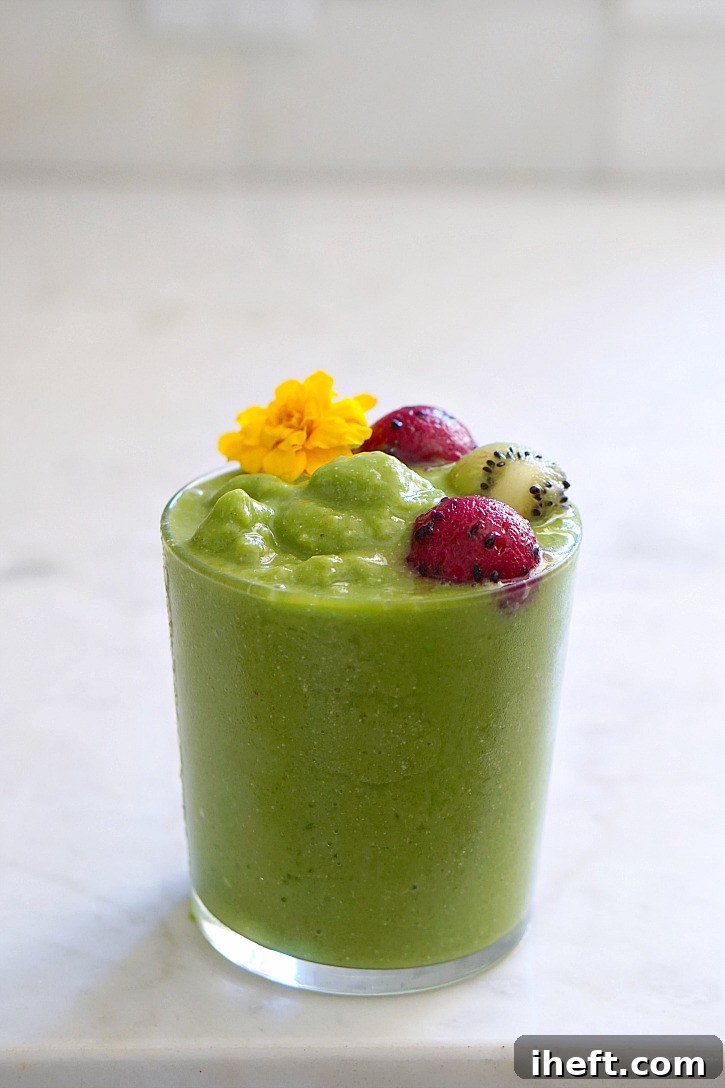
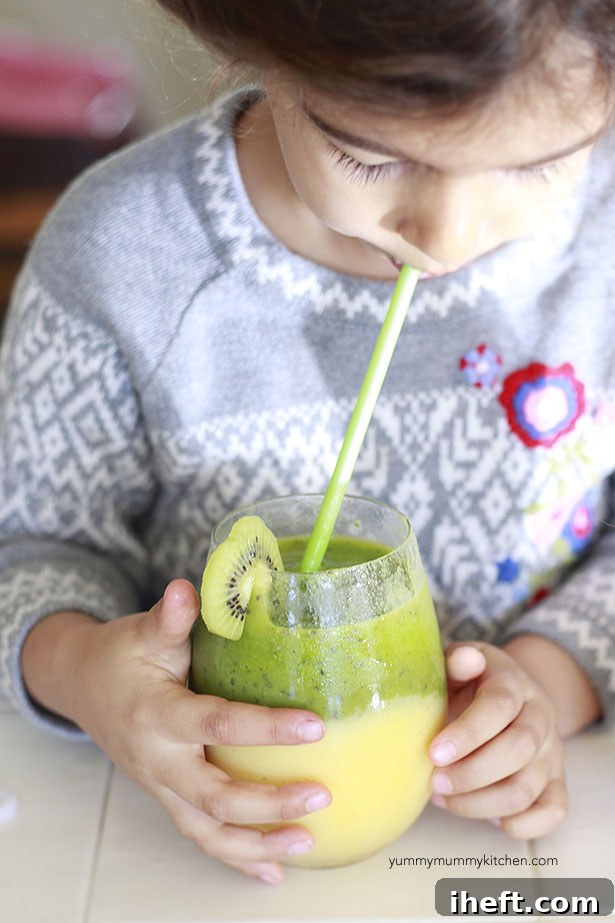
- Smoothies: Add fresh blood orange segments or juice to your favorite smoothie recipes for a boost of Vitamin C and vibrant color.
- Apple Cider Vinegar Drinks: The tartness of blood orange juice can beautifully balance the sharpness of an apple cider vinegar tonic.
Desserts & Sweet Treats:
- Pink Glaze for Cakes & Pastries: Mix blood orange juice with powdered sugar for a stunning, naturally pink glaze that adds a zesty finish to cakes, muffins, or scones.
- Blood Orange Sorbet: A refreshing and intensely flavored frozen dessert that highlights the fruit’s natural sweetness and tang.
- Panna Cotta or Mousse: Infuse cream-based desserts with blood orange zest or layer them with a blood orange curd or gelée.
- Fruit Salads: Segments of blood orange add a pop of color and flavor to any fruit salad.
- Syrups & Candied Peel: Make a simple syrup with blood orange juice and zest for cocktails or drizzle over pancakes. Candied blood orange peel makes an elegant garnish or snack.
- Vegan Gummy Bears: Use blood orange juice as the base for homemade, naturally colored gummy bears.
Savory Dishes:
- Citrus Salad Dressing: Whisk blood orange juice with olive oil, a touch of vinegar, and herbs for a bright and flavorful vinaigrette.
- Marinades for Meats & Fish: The acidity of blood orange juice makes an excellent marinade for chicken, pork, or white fish, tenderizing the protein and imparting a delicate citrus flavor.
- Salsas & Chutneys: Finely diced blood orange segments can be added to fresh salsas, especially those accompanying grilled fish or tacos.
- Roasted Vegetables: Toss roasted carrots, fennel, or Brussels sprouts with blood orange segments and a drizzle of the juice for a vibrant side dish.
- Garnishes: Thin slices of blood orange make a beautiful and edible garnish for platters, drinks, and main courses.
With such a broad range of applications, blood oranges are truly a gem for creative cooking and entertaining. Don’t be afraid to experiment and discover your own favorite ways to enjoy this spectacular fruit!
Storing Blood Oranges and Juice: Keeping the Freshness Alive
To fully enjoy the vibrant flavor and beautiful color of blood oranges, proper storage is essential for both the whole fruit and its freshly squeezed juice. Following these simple tips will help extend their shelf life and ensure they remain at their best.
Storing Whole Blood Oranges:
- Countertop Storage: If you plan to use your blood oranges within a few days, you can store them at room temperature on your kitchen counter. Keep them in a cool, dry place away from direct sunlight. They will typically last for about 3-5 days this way.
- Refrigerator Storage (Recommended): For longer storage, the refrigerator is your best friend. Place whole blood oranges in a mesh bag or the crisper drawer of your refrigerator. Stored correctly, they can remain fresh for up to 1 to 2 weeks, sometimes even longer depending on their initial freshness and variety. The cooler temperatures slow down the ripening process, preserving their quality.
Storing Blood Orange Juice:
- Refrigerator Storage: Freshly squeezed blood orange juice is best enjoyed immediately. However, if you have leftovers, transfer the juice to an airtight glass container (like a Weck juice jar) and store it in the refrigerator. It will typically maintain its best flavor and nutritional value for 2-3 days. While it might still be safe to drink beyond this, the flavor and Vitamin C content will begin to degrade.
- Freezer Storage: If you’ve made a large batch of blood orange juice and want to preserve it for an extended period, freezing is an excellent option. Pour the juice into ice cube trays, freezer-safe bags, or airtight containers, leaving a little headspace if using rigid containers (as liquids expand when frozen). Once frozen, you can transfer the cubes to a freezer bag for easier storage. Frozen blood orange juice can be stored for up to 4-6 months, allowing you to enjoy the taste of spring well into the off-season. Thaw it in the refrigerator overnight or use the frozen cubes directly in smoothies or drinks.
By following these storage guidelines, you can ensure that every drop of blood orange goodness, whether whole or juiced, is enjoyed at its peak.
Blood Orange Juice Recipe
10 minutes
10 minutes
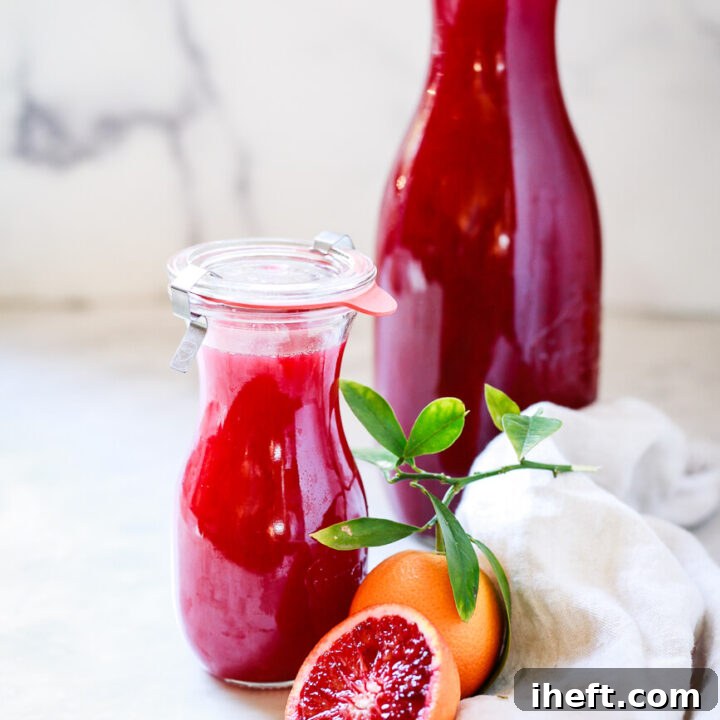
There are countless ways to enjoy the beautiful red oranges, but when you find yourself with an abundance of them, making fresh blood orange juice is your absolute best bet. This simple recipe will guide you on how to make, use, and properly store your delicious blood orange juice.
Ingredients
- 7-10 Blood Oranges (yields about 2 1/2 cups)
Instructions
- Wash and Halve: Wash your blood oranges thoroughly under cool water. Place them on a cutting board and carefully cut each orange in half across its equator.
- Juice the Oranges: Place an orange half, cut side down, into your preferred citrus juicer (manual or electric) and squeeze out the juice according to the manufacturer’s instructions. If using a vegetable juicer, ensure you peel the skin and pith before juicing to avoid bitterness. Repeat with all orange halves.
- Store and Enjoy: Store the fresh blood orange juice in an airtight glass container in the refrigerator for up to 2-3 days. For longer storage, you can freeze citrus juice for up to 6 months. Enjoy your vibrant blood orange juice as-is, or incorporate it into delicious cocktails, refreshing mocktails, and a variety of culinary creations.
Notes
Feel free to experiment by combining blood oranges with other citrus fruits like navel oranges, tangerines, or grapefruits. This can alter the flavor profile and color, and also help to stretch your blood orange supply if you only have a few on hand.
Recommended Products
As an Amazon Associate and member of other affiliate programs, I earn from qualifying purchases.
- BLACK+DECKER 32oz Citrus Juicer, White, CJ625
- Zulay Commercial Citrus Press
- Weck 763 Juice Jar – .25 Liter, Set of 6
Nutrition Information:
Yield: Approximately 2.5 cups
Serving Size: 1/2 cup
Amount Per Serving:
Calories: 56
Nutrition information is automatically calculated and is an estimate. I am not a nutritionist and cannot guarantee accuracy. If your health depends on precise nutrition information, please calculate again with your favorite calculator.