Embarking on the rewarding journey of raising backyard chickens can bring immense joy, fresh eggs, and delightful companionship. Whether you’re a seasoned homesteader or a curious beginner, questions about chicken care and egg production are common. You might be pondering, “When does a chicken start laying eggs?” or “How many eggs can one chicken lay in a day?” This comprehensive guide aims to address all your queries, offering practical advice and insights to help you successfully raise a happy and healthy flock.
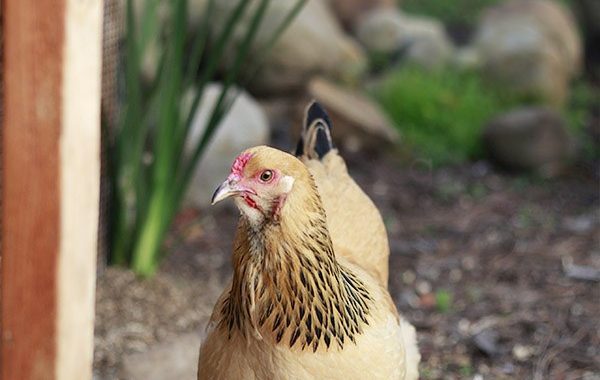
Our beloved fluffy-footed hen, Sprinkles, thriving in her backyard environment.
As passionate advocates for backyard chicken keeping, we frequently receive questions from individuals eager to learn more about this fulfilling endeavor. Our own experiences have shown us that chickens are not just egg-laying machines; they are intelligent, curious, and incredibly sweet companions. Caring for adult hens is surprisingly straightforward, requiring only the essentials: nutritious food, clean water, and secure shelter. Beyond the practical benefits of farm-fresh eggs, raising chickens offers a deeply rewarding experience, fostering a connection to nature and providing a transparent, ethical source of food that far surpasses the often-questionable practices of conventional egg farms. It’s a delightful hobby that enriches your life and your garden.
How to Care for Baby Chicks: A Step-by-Step Guide
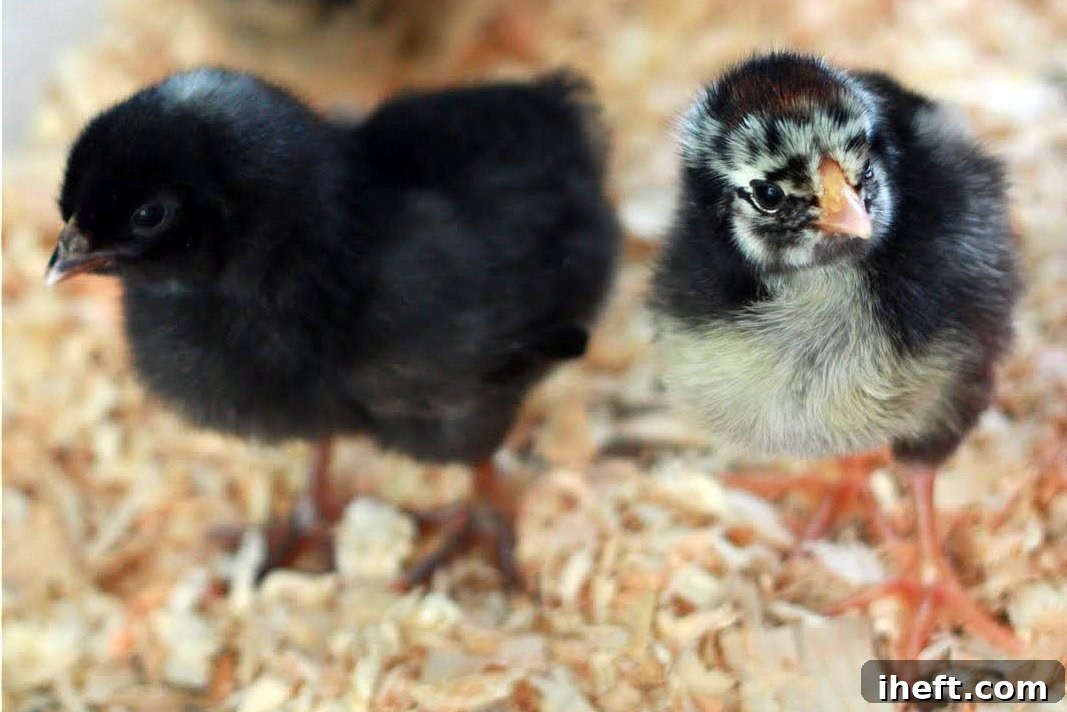
Bringing baby chicks home is an exciting first step for many backyard chicken enthusiasts. Most often, chicks are acquired from local feed stores or through mail-order hatcheries. Before your tiny new flock arrives, it is absolutely crucial to have their living space, known as a brooder, fully prepared and operational. This includes ensuring proper temperature, food, and water are ready.
The arrival day of your chicks requires your full attention. Chicks typically endure a challenging journey, often shipped just after hatching, spending a day or two in a box without food or water. This makes them extremely vulnerable upon arrival. Many do not survive the stress of transport. Your immediate priority will be to help them rehydrate. Gently dip the tip of each chick’s beak into their waterer to encourage them to drink. This simple act can significantly improve their chances of survival.
Another critical aspect of chick care is temperature regulation. Unlike adult chickens, baby chicks cannot maintain their body temperature effectively, relying on artificial heat sources just as they would a mother hen. For their first week, maintain a consistent air temperature of 95 degrees Fahrenheit within the brooder. In subsequent weeks, gradually reduce the temperature by 5 degrees Fahrenheit each week (90 degrees for week two, 85 for week three, and so on) by carefully raising the heat lamp further from the chicks. Monitoring the chicks’ behavior is key: if they huddle together directly under the lamp, they’re too cold; if they scatter to the edges of the brooder, they’re too hot. A comfortable chick will move freely throughout the brooder.
Essential Supplies You’ll Need for Your Baby Chicks
Setting up a proper brooder ensures your baby chicks have the best start possible. You should be able to find all these necessary supplies at your local feed store or through reputable online retailers. Having everything ready before your chicks arrive will minimize stress for both you and your new feathered friends.
- Chick Waterer: A specially designed waterer that prevents chicks from falling in and drowning, while also keeping their water clean. Ensure it’s always filled with fresh, clean water.
- Chick Feeder: Similar to the waterer, a chick feeder is designed to prevent waste and keep their starter feed hygienic.
- Chick Starter Feed: A high-protein, finely ground feed specifically formulated to meet the nutritional needs of growing chicks. This should be offered free-choice.
- Brooder: This is the secure enclosure for your chicks. It can be a large plastic storage tub, a kiddie pool, or a specially designed brooder box. Start with a size appropriate for the initial number of chicks, but be prepared to expand or upgrade as they grow rapidly. Adequate space prevents overcrowding and reduces stress.
- Proper Absorbent Bedding: Pine shavings (non-aromatic) are highly recommended. Lay a 1-inch thick layer to absorb moisture and provide cushioning. Avoid cedar shavings, as their oils can be toxic to chicks, and newspaper can be too slippery, leading to splayed legs.
- Heat Lamp with a Red Bulb: Essential for providing the necessary warmth. Red bulbs are often preferred as they can reduce pecking order issues and stress among chicks. Always secure the lamp properly to prevent fire hazards.
- Reliable Thermometer: A thermometer that can withstand the heat lamp’s temperatures (and won’t melt!) is crucial for accurately monitoring the brooder temperature, ensuring it meets the chicks’ specific needs each week.
- Chicken Coop for Future Use: While not immediately needed, plan for your permanent chicken coop in advance. Chicks grow quickly, and they’ll need a secure, spacious outdoor home when they outgrow the brooder and are fully feathered, typically around 6-8 weeks of age, depending on the weather.
Considering Adult Hens? An Alternative to Raising Chicks
If the thought of managing fragile baby chicks and the gradual temperature reduction feels daunting, or if you simply wish to accelerate your journey to fresh eggs, consider acquiring older chickens. Some chicken farmers or specialized breeders sell “pullets” (young hens typically 16-20 weeks old, just before they start laying) or even adult hens that can transition directly into your established coop.
We’ve personally opted for this approach when expanding our flock, preferring to bypass the intense care period of chicks. It saves time, effort, and the temporary transformation of a spare room into a chick brooder. If you’re located in the central/southern California region, we highly recommend exploring Dare 2 Dream Farm – they offer a variety of healthy, older birds and even provide convenient delivery services. This option allows you to enjoy the benefits of backyard chickens without the initial brooder phase, making it an excellent choice for those seeking a quicker, less intensive start.
When Do Chickens Start Laying Eggs? Understanding the Laying Cycle
Most hens typically begin their egg-laying journey around 6 months of age, though this can vary slightly by breed and individual development. The period leading up to their first egg, often called “point of lay,” is an exciting time for chicken keepers. However, our feathered friends don’t always instinctively know that their cozy nesting boxes are the designated spots for their precious cargo. Our very first egg was a delightful surprise, discovered hidden in the front yard beneath a sprawling bush!
To encourage proper nesting behavior, a clever trick is to place a fake egg (ceramic, wooden, or golf ball) in the nesting boxes. This visual cue helps hens understand where they should deposit their eggs. It’s crucial not to use a real egg for this purpose, as chickens might peck at it, discover the tasty contents, and then develop the undesirable habit of eating their own fresh eggs, which can be a difficult behavior to correct. Consistency and clear guidance will help your hens become proficient layers in their designated nests.
How Often Do Chickens Lay Eggs? Factors Influencing Production
On average, healthy laying hens produce approximately one egg per day, or about 5-6 eggs per week. However, this is a generalization, and the actual frequency of egg laying can vary significantly based on several key factors. The chicken’s breed plays a major role; some breeds are renowned for their prolific laying, while others are more ornamental or meat-focused. Age is another critical determinant; hens are most productive during their first year of laying, with egg numbers gradually declining in subsequent years. Environmental conditions also exert a strong influence, including the amount of daylight a hen receives, ambient temperature, and even seasonal changes. Stress, poor nutrition, parasites, or illness can temporarily or permanently reduce egg production. Providing a consistent 14-16 hours of light (natural or supplemental), a balanced diet, and a low-stress environment will help optimize your flock’s egg output.
Do You Need a Rooster for Hens to Lay Eggs? Debunking a Common Myth
No, a rooster is absolutely not necessary for hens to lay eggs. This is a common misconception! Just like female mammals (including humans) produce unfertilized eggs without male involvement, female chickens, known as hens, produce eggs regardless of whether a male chicken (rooster) is present. These eggs are perfectly edible and nutritious.
The presence of a rooster only affects whether the eggs are fertilized. If a rooster mates with a hen, the eggs she lays will be fertilized and capable of developing into chicks, provided they are incubated properly. Without a rooster, the eggs are infertile and will never hatch. Mature hens typically lay about one egg per day, or close to it, whether or not a rooster is part of the flock.
In fact, many urban and suburban areas have strict ordinances prohibiting roosters due to their noisy nature. They don’t just “cock-a-doodle-doo” at sunrise; roosters are known to crow throughout the entire day, from dawn till dusk, which can be a significant disturbance to neighbors. So, unless your primary goal is to hatch baby chicks, you can confidently raise an egg-laying flock without the need for a noisy, territorial rooster.
Do Fresh Eggs Need to Be Refrigerated? The Cuticle Connection
Surprisingly, no! Unlike the standard practice in the United States, fresh, unwashed eggs do not strictly need to be refrigerated immediately. We routinely keep our freshly laid eggs in a charming basket on the kitchen counter for a week or even longer, and they remain perfectly fresh and delicious. This practice is common in many other countries, particularly across Europe, such as France.
The key difference lies in how eggs are processed. In countries like France, eggs are typically not washed before being sold. This is because an egg possesses a natural protective layer called the “bloom” or “cuticle.” This invisible, antibacterial coating acts as a natural barrier, sealing the porous shell and preventing bacteria from entering the egg. Washing removes this crucial cuticle, making the egg more susceptible to bacterial contamination and shortening its shelf life.
Therefore, unprocessed French eggs retain their natural protective coating, allowing them to stay fresh longer at room temperature. Additionally, supply chains in these regions often involve less storage time, ensuring eggs reach consumers relatively quickly after being laid. In the U.S., commercial eggs are typically washed, which mandates refrigeration to prevent bacterial growth after the cuticle has been removed. If you collect eggs from your backyard flock, leaving them unwashed preserves their natural defenses, allowing for safe counter storage for at least a week, and often up to two. Wash them only right before use.
Should Chickens Be Kept in a Pen All Day or Free Range? Weighing the Options
Observing backyard chickens as they enthusiastically run, play, and scratch for seeds, insects, and worms immediately highlights one thing: these intelligent birds are truly not meant for cramped, confined cages. They absolutely thrive and express their natural behaviors when given ample space outside their coop. Free-ranging allows them to forage, dust bathe, and socialize, which contributes significantly to their overall health, happiness, and even the nutritional quality of their eggs.
When we first started our flock, we embraced the free-range approach, allowing our chickens to roam our property throughout the day. As dusk approached, they would either instinctively return to their secure coop on their own or follow us diligently when we called them in for the night. This system worked beautifully for a time, offering them maximum freedom.
However, the unfortunate reality of keeping chickens, especially in diverse environments, is the constant threat of predators. After experiencing heartbreaking losses to various wildlife, we made the difficult but necessary decision to limit their outdoor time to periods of direct supervision. While this makes us sad to restrict their freedom, the paramount concern is keeping our beloved hens safe and protected from the numerous dangers that lurk, even in seemingly suburban backyards. Striking a balance between enrichment and safety is key for any backyard chicken keeper.
What About Predators? Protecting Your Flock
Chickens, by nature, are incredibly defenseless creatures, making them easy targets for a wide array of predators. Without adequate protection, they will inevitably fall victim to hungry wildlife. Common land-based predators include opportunistic raccoons, cunning coyotes, swift foxes, and powerful bobcats, all of whom pose a significant threat to an unprotected flock. Even in suburban settings, these animals are increasingly common as they adapt to human environments. We’ve personally had a bobcat bold enough to visit our back patio – a stark reminder that predators are not confined to rural areas. Once these animals discover you have chickens, they often return daily, persistently seeking an easy meal.
Aerial predators like hawks and owls are also a concern, especially for smaller or younger chickens. To effectively protect your flock, a secure coop is paramount. This means using hardware cloth (not chicken wire, which predators can chew through) to enclose all openings, ensuring latches are predator-proof, and regularly inspecting for weak spots. For supervised free-ranging, consider having a guardian animal (like a dog trained to protect livestock) or simply remaining present while your chickens are out. Investing in robust predator prevention is one of the most important aspects of backyard chicken keeping to ensure the long-term safety and well-being of your beloved hens.
Where Do I Get a Chicken Coop? Designing for Comfort and Safety
When it comes to housing your flock, the chicken coop is their sanctuary – a place for sleeping, laying eggs, and finding refuge from the elements and predators. While many pre-built coops are available online or at farm supply stores, careful consideration is vital. Many commercially available coops are often too small and lack sufficient ventilation and natural light, which are crucial for chicken health and happiness. In my opinion, chickens absolutely need ample sunlight and sufficient room to move around, perch, and engage in natural behaviors.
My husband, a skilled builder, constructed our coop using a plan he found online, customizing it to meet our specific needs and ensure maximum comfort for our hens. If I were to purchase a pre-made coop today, I would prioritize models known for their robust construction, spacious design, and integrated runs, such as this extended chicken coop with a run from Williams-Sonoma. Look for features like easily accessible nesting boxes, good ventilation without drafts, sturdy roosting bars, and strong predator-proof latches. Investing in a well-designed coop will provide a secure, comfortable home for your flock for years to come.
What Determines Egg Yolk Color? A Matter of Diet
Have you ever noticed the vibrant difference in egg yolk colors, from pale yellow to deep, rich orange? The intensity of an egg yolk’s color is almost entirely dependent on a chicken’s diet. Yolks primarily get their color from xanthophylls, yellow-orange pigments found in plants.
When our chickens are allowed to free-range, they forage on a diverse array of natural foods – fresh greens, various weeds, clover, insects, and other wild plants. This varied and natural diet, rich in these pigments, directly translates into significantly darker, often deep orange egg yolks. In contrast, chickens fed a standard commercial feed without much access to pasture or diverse greens will typically produce paler yellow yolks. While the color doesn’t necessarily indicate a major difference in nutritional value (a pale yolk can be just as healthy), a darker yolk often signifies a chicken enjoying a varied, natural diet and a healthy, active lifestyle.
What Determines Egg Shell Color? It’s All in the Genetics
The color of an eggshell is a fascinating genetic trait, determined solely by the breed of the hen, and not by her diet, environment, or the flavor of the egg inside. For instance, our elegant White Leghorn hens consistently lay pristine white eggs, a characteristic of their breed. Conversely, our fluffy Buff Cochin hens produce lovely brown eggs. If you’re enchanted by the prospect of collecting beautiful blue eggs, you’ll want to seek out breeds like the Araucana or Easter Egger chickens, both known for their unique blue-green shelled offerings! Other breeds, like Olive Eggers, lay stunning shades of olive green. Each breed carries specific genes that dictate the pigment deposited onto the eggshell as it forms in the hen’s oviduct. So, if you’re aiming for a colorful egg basket, selecting a diverse array of breeds is your best strategy!
How Long Do Chickens Lay Eggs? Understanding Their Productive Lifespan
Chickens typically reach sexual maturity and begin laying eggs around 5-6 months of age. Once they start, hens will generally continue to lay eggs consistently for about 2 to 3 years. The peak of their egg production usually occurs during their first year of laying, when they are at their most prolific. After this initial period, egg production tends to decline gradually. Hens may lay fewer eggs, less frequently, or eventually stop laying altogether as they age.
However, the exact duration of a chicken’s productive laying life can vary significantly due to several factors. Breed genetics play a role, with some breeds being more predisposed to longer laying careers than others. Overall health, a balanced diet, access to clean water, and a low-stress, comfortable living environment also heavily influence how long a hen remains a good layer. Some exceptionally healthy chickens from long-lived breeds might continue to lay sporadically for several more years, while others may cease production earlier due to health issues or stress. Understanding these variables helps manage expectations for your flock’s egg output over time.
How Long Do Backyard Chickens Live? Factors Influencing Longevity
Backyard chickens, when provided with proper care, can live anywhere from 5 to 10 years, and some even longer, making them a significant commitment. The lifespan of a chicken is influenced by a combination of factors, including their breed, genetic predispositions, diet, level of exercise, and overall living conditions. Certain breeds are naturally known for their robust health and longevity, while others might be more susceptible to specific health problems that could shorten their lives.
To maximize your flock’s lifespan and quality of life, it’s essential to provide them with a healthy, balanced diet of high-quality feed, constant access to fresh, clean water, and a comfortable, secure living environment that protects them from extreme weather and predators. Regular health checks, prompt attention to any signs of illness, and, when necessary, veterinary care, can also contribute significantly to a chicken living a longer, healthier, and happier life. A well-cared-for chicken becomes a cherished part of the family for many years.
How to Easily Boil and Peel an Egg: A Foolproof Method
Achieving perfectly boiled and easy-to-peel eggs can sometimes feel like a culinary mystery, but with these simple steps, you’ll master it every time. If your eggs are refrigerated, it’s best to bring them to room temperature before boiling. This helps prevent the shells from cracking when they hit the hot water. You can expedite this process by placing them in a bowl of warm (not hot) tap water for a few minutes.
Next, grab a large pot and fill it with enough water to fully cover your eggs. Bring this water to a rolling boil. Here’s a little secret: add 1 teaspoon of baking soda to the boiling water. While the exact science is debated, many believe baking soda helps raise the pH of the water, making the egg whites less likely to stick to the shell, thus aiding in easier peeling. Gently lower your room-temperature eggs into the boiling water using a slotted spoon to avoid cracking. Boil them for exactly 8 minutes for a firm, hard-boiled egg. Once the time is up, immediately remove the eggs from the boiling water and transfer them into a bowl filled with ice water. This ice bath is crucial; it rapidly stops the cooking process and helps the egg contents shrink away from the shell, making peeling a breeze. Allow them to cool sufficiently in the ice water until they are comfortable to handle. Finally, peel the eggs under cool running water; the water helps to flush away small shell fragments and makes the process even smoother. Enjoy your perfectly peeled hard-boiled eggs!
What Kind of Chickens Do You Recommend? Our Favorite Breeds
Choosing the right chicken breed for your backyard flock depends on your priorities, whether that’s egg color, temperament, or hardiness. We wholeheartedly adore our Cochin chickens. They are truly gentle giants, known for their calm and docile temperament, making them wonderful pets, especially for families with children. Their distinctive “furry feet” (feathered shanks and toes) add to their charm and make them stand out in any flock. They’re also excellent setters, often going broody and raising chicks if you allow them.
Another breed we are particularly fond of are Ameraucana chickens, often referred to as “Easter Eggers” (a term often used for mixed-breed hens that lay colored eggs). These birds are prized for their unique ability to lay stunning blue-green eggs, adding a delightful pop of color to your egg basket. They are generally friendly, active, and cold-hardy, making them a great choice for various climates. When selecting breeds, research their specific traits regarding egg production, size, temperament, and adaptability to ensure they align with your backyard setup and personal preferences.