
Beat Sugar Withdrawal Your Detox Roadmap

From the relentless grip of sugar addiction to experiencing complete freedom from cravings, this is a journey I intimately understand. If you’re ready to break free from the cycle of sweet indulgence and embark on a transformative sugar detox, you’ve come to the right place. We’ll explore the science-backed dangers of excessive sugar consumption, prepare you for common sugar detox withdrawal symptoms, and provide a clear, step-by-step guide on how to successfully navigate this vital health journey and how long it typically takes. By the end, I’ll share a practical sugar detox diet plan, inspired by the very strategies that helped me reclaim my health. This post contains affiliate links, which means I may earn a small commission when you shop through them – thank you for your support.

For many years, sugar addiction was a silent battle I fought daily. It manifested as a pervasive feeling of being out of control around sweets, swinging between strict deprivation and inevitable binges, leaving me feeling guilty and exhausted. The path from this chaotic relationship with food to truly intuitive eating was nothing short of life-changing. Today, I’m honored to share the insights and practical tips that allowed me to overcome sugar addiction, empowering you to embark on your own sugar detox. We’ll delve into what symptoms to anticipate during a sugar detox and, crucially, how to navigate them with grace and determination.
Like many, I initially dismissed my intense desire for sweets as simply “having a sweet tooth.” Yet, with the clarity of hindsight, I now recognize it for what it truly was: a profound addiction. As someone who personally experienced a severe sugar addiction and has since enjoyed years without a single sugar craving, I aspire to illuminate the path to freedom from sugar. My hope is that my journey and the strategies I share will empower you to break free from the cycle of cravings and reclaim control over your health and well-being.
The Hidden Dangers of Sugar: More Than Just Empty Calories
When we discuss “sugar” in this guide, our focus is primarily on added and refined sugars – the kind commonly found lurking in processed foods, sugary drinks, and decadent desserts. It’s crucial to distinguish these from natural sugars present in whole fruits, which, for most individuals, are part of a healthy and balanced diet due to their accompanying fiber, vitamins, and minerals. There’s no need to avoid the natural sweetness of an apple or a berry; our concern lies with the insidious presence of added sugars.
While the link between sugar, empty calories, weight gain, and cavities is widely known, the detrimental effects of excessive sugar consumption extend far beyond these common understandings. Many alarming health risks remain largely unrecognized by the general public. Statistics from reputable sources like The Diabetes Council indicate that a staggering 90% of Americans consume more than the daily recommended amount of sugar, highlighting a widespread public health challenge.
Let’s explore some of the lesser-known, yet profound, dangers associated with a high intake of added sugars:
- Increased Risk of Heart Disease: Beyond its role in weight gain, high sugar intake can lead to elevated triglycerides, increased LDL (bad) cholesterol levels, and chronic inflammation, all significant contributors to heart disease. Research published in JAMA Internal Medicine strongly links higher added sugar intake to an increased risk of cardiovascular issues.
- Immune System Suppression: Sugar acts as a significant immune system suppressant. Studies, including insights shared by the Daily Mail, indicate that as little as 100 grams of sugar can impair the functioning of white blood cells by as much as 40% for at least five hours. This leaves your body more vulnerable to infections and illnesses.
- Elevated Stress Hormones: Consuming sugar, particularly glucose, can significantly spike cortisol levels – our body’s primary “fight or flight” stress hormone. Research in Hormones and Behavior suggests that glucose can increase cortisol by nearly four times, contributing to chronic stress, anxiety, and sleep disturbances.
- Increased Cancer Risk: A growing body of evidence points to a link between high fructose intake and a significantly increased risk of certain types of cancer. The Journal of the National Cancer Institute has published findings that support this concerning association, likely due to sugar’s role in inflammation, insulin resistance, and cellular proliferation.
- Non-Alcoholic Fatty Liver Disease (NAFLD): Fructose is primarily metabolized by the liver. When consumed in excess, especially from added sugars, it can overload the liver, leading to the accumulation of fat and potentially developing into NAFLD, a serious condition that can progress to liver damage.
- Insulin Resistance and Type 2 Diabetes: Consistent high sugar intake forces the pancreas to constantly produce insulin. Over time, cells can become resistant to insulin’s effects, leading to elevated blood sugar levels and eventually Type 2 Diabetes.
- Impact on Gut Microbiome: Added sugars can disrupt the delicate balance of the gut microbiome, favoring harmful bacteria over beneficial ones. A compromised gut can affect digestion, immunity, and even mood.
- Energy Crashes and Mood Swings: The rapid spikes and drops in blood sugar after consuming sugary foods can lead to energy slumps, irritability, difficulty concentrating, and overall mood instability.
- Skin Problems: High sugar intake can contribute to premature aging of the skin and exacerbate conditions like acne by promoting inflammation and affecting collagen and elastin production.
Understanding these profound health implications underscores the critical importance of reducing added sugar in our diets. A sugar detox is not merely about weight loss; it’s a powerful step towards holistic health and disease prevention.
How Long Should You Detox From Sugar? Setting Realistic Expectations
The ideal duration for a sugar detox largely depends on your individual goals and your current relationship with sugar. Whether you’re seeking a quick reset or aiming for a complete lifestyle overhaul, understanding the different timeframes can help you prepare effectively.
- The 5-Day Reset: If your goal is simply to hit the reset button after a period of indulgence, or you generally consume moderate amounts of sugar, a 5-day sugar detox can be highly effective. This shorter period is excellent for reducing immediate cravings, improving energy levels, and kickstarting healthier eating habits. It’s a great way to cleanse your palate and remind your body how good it feels without constant sugar input.
- The 30-Day Habit Breaker: For those whose relationship with sugar has evolved into a persistent habit or a physical addiction, a 30-day sugar detox is often recommended. Research on habit formation suggests that it can take anywhere from 18 to 254 days for a new habit to stick, with an average around 66 days. However, many people find that about a month is a crucial period for significantly disrupting old patterns and establishing new ones. The initial weeks are often the most challenging, as your body and mind adjust to the absence of sugar. This longer duration provides ample time to:
- Experience and move past acute withdrawal symptoms.
- Retrain your taste buds to appreciate natural flavors.
- Identify and replace sugary behaviors with healthier alternatives.
- Develop new coping mechanisms for stress or emotions that previously led to sugar consumption.
To truly break a habit, it’s not enough to simply remove the old behavior; you must consciously replace it with a more beneficial one. This 30-day period offers the space to experiment with new foods, recipes, and routines that support your sugar-free lifestyle.
- The Lifestyle Transformation (Beyond 30 Days): For lasting freedom from sugar, viewing your detox as the beginning of a long-term lifestyle change is key. While 30 days can dramatically reduce cravings and improve your health, maintaining these changes requires ongoing commitment and mindfulness. The ultimate goal isn’t just to “detox” but to cultivate a sustainable way of eating that naturally minimizes added sugars and prioritizes whole, nourishing foods. This journey is about redefining your relationship with food, moving towards intuitive eating where you listen to your body’s true needs, not its addictive cravings.
Regardless of your chosen duration, consistency is paramount. Each day without added sugar reinforces your commitment and moves you closer to a healthier, more vibrant you.
Understanding Sugar Detox Withdrawal Symptoms: What to Expect and How to Cope
When you initially cut out added sugar after a period of regular, high consumption, it’s common to experience a range of withdrawal symptoms. Numerous studies highlight that added sugars can trigger neurochemical and behavioral changes strikingly similar to those produced by other addictive substances. This is why sugar detox can feel challenging, but understanding these symptoms can help you prepare and persevere.
Most sugar detox symptoms are temporary and should resolve within a few days to a week as your body adjusts. However, they can be intense initially. Here’s a breakdown of what you might experience:
- Headaches: One of the most common early symptoms. These can range from mild dull aches to more throbbing sensations. They are often a sign of your brain adjusting to the absence of its usual quick energy source.
- Intense Cravings: This is arguably the most challenging symptom. Both physical and psychological cravings can manifest strongly, making you desire sugary foods more than ever. It’s important to distinguish between true hunger and a craving, and to have healthy alternatives ready.
- Fatigue and Low Energy: Your body is accustomed to sugar for quick energy. As it switches to burning fat for fuel, you might feel unusually tired or sluggish. This ‘energy dip’ is normal and will improve as your metabolism adapts.
- Anxiety and Irritability: Mood fluctuations are common. You might feel more anxious, restless, or easily irritated than usual. This is due to the impact of sugar withdrawal on neurotransmitters like dopamine and serotonin, which play a key role in mood regulation.
- Depression or Low Mood: Some individuals may experience feelings of sadness or a general low mood as their brain chemistry rebalances. Remember that these feelings are typically transient and a part of the detox process.
- Nausea or Digestive Upset: While less common, some people report mild nausea, stomach cramps, or other digestive discomfort as their gut microbiome adjusts to the dietary changes.
- Brain Fog and Difficulty Concentrating: You might find it harder to focus or feel a general mental fogginess. This is another cognitive symptom as your brain recalibrates its energy sources and neurotransmitter balance.
- Muscle Aches: Some individuals report generalized body aches or muscle soreness, similar to mild flu symptoms.
Coping Strategies:
* Hydration: Drink plenty of water. Dehydration can exacerbate headaches and fatigue.
* Rest: Allow your body extra rest and prioritize sleep.
* Gentle Movement: Light exercise like walking can help improve mood and energy.
* Nutrient-Dense Foods: Ensure you’re eating plenty of protein, healthy fats, and fiber to stabilize blood sugar and provide sustained energy.
* Mindfulness: Practice mindfulness techniques to observe cravings without acting on them.
* Support System: Lean on friends, family, or online communities for encouragement.
Remember, these withdrawal symptoms are a sign that your body is healing and adapting. They are temporary roadblocks on your journey to a healthier, sugar-free life. Stay committed, and you will emerge feeling better than ever.
How to Detox From Sugar: A Holistic, Step-by-Step Guide to Freedom
Overcoming sugar addiction is a multifaceted process that engages both your physical body and your psychological landscape. While the physical adjustments are significant, I’d argue that the psychological element often presents the most formidable challenge. To truly break free, you must cultivate a new subconscious relationship with food. This holistic approach empowers you to nurture both your body and mind throughout your sugar detox journey. Let’s explore the actionable steps you can take to achieve lasting freedom from sugar cravings.
Step 1: Detox Your Pantry and Identify Hidden Sugars
The first crucial step is to eliminate temptation and become an astute label reader. Added sugars are masters of disguise, often lurking in unexpected places in your pantry, sabotaging your efforts before you even begin. Your mission is to identify where these sugars are coming from and replace them with genuinely healthier alternatives.
- Scrutinize Labels: Beyond obvious culprits, check peanut butter, yogurt, crackers, bread, sauces (ketchup, BBQ sauce, salad dressings), cereals, granola bars, canned soups, and seemingly “healthy” refined products. Look for ingredients like high-fructose corn syrup, dextrose, maltose, sucrose, glucose, corn syrup solids, fruit juice concentrate, molasses, cane sugar, agave nectar, and anything ending in “-ose.”
- Remove Temptations: Go through your kitchen and remove all processed foods and sugary snacks. If it’s not in the house, you can’t eat it out of impulse. This creates a supportive environment for your detox.
- Stock Up on Healthy Swaps: Replace sugary items with nutrient-dense alternatives. For instance, instead of sugary breakfast cereals, opt for high-fiber, Protein Oatmeal (sweetened naturally with fruit or a touch of stevia). Choose plain, unsweetened yogurt and add fresh berries yourself. Swap sugary drinks for water or herbal teas. Keep plenty of fresh fruits, vegetables, nuts, seeds, and lean proteins readily available for healthy snacking.
- Meal Prep for Success: Plan your meals and snacks in advance. When you have wholesome, sugar-free options prepared, you’re less likely to reach for convenient, sugary processed foods when hunger strikes.

Step 2: Hydrate Strategically with Sugar-Free Beverages
Staying well-hydrated is crucial during a sugar detox, not only for overall health but also to combat potential headaches and curb cravings that can often be mistaken for thirst. Many people consume a significant amount of hidden sugar through beverages, so making smart swaps here can have a huge impact.
- Flavorful Detox Drinks: My stevia-sweetened Lemon Apple Cider Vinegar Drink is an excellent choice. It offers a satisfying sweetness without added sugar, helps regulate blood sugar, and supports digestion.
- Infused Waters for All-Day Sipping: Prepare a large pitcher of Fruit Infused Detox Water (with slices of lemon, cucumber, berries, or mint) to sip throughout the day. This adds a subtle, natural flavor that can make plain water more appealing. Our refreshing Cranberry Detox Drink is another delicious option.
- Calming Evening Rituals: End your day with a comforting hot cup of herbal tea. Lavender Tea is wonderful for promoting relaxation and better sleep, both vital during detox. You might also try our Dandelion Root Tea, known for its supportive role in liver detoxification.
- Smart Beverage Swaps: If you’re accustomed to sugary sodas or juices, transition to flavored sparkling water (ensure it’s unsweetened) or water with a squeeze of fresh lemon or lime. For coffee lovers, replace sugary creamers with a splash of unsweetened oat milk or almond milk and a few drops of stevia or monk fruit extract for sweetness.
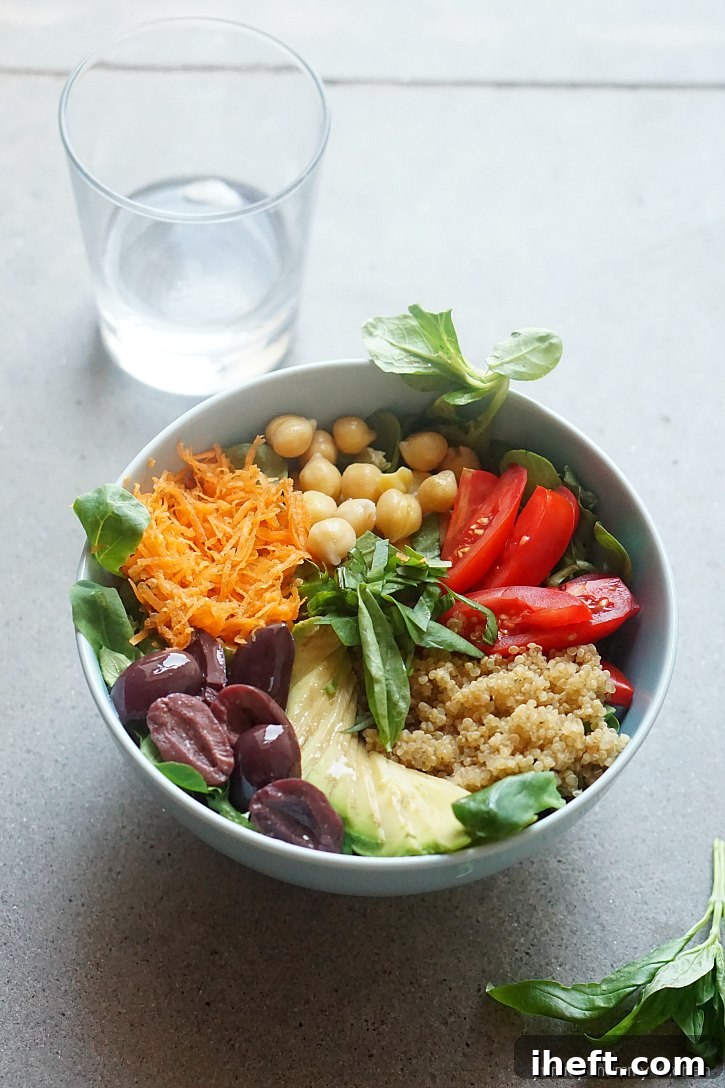
Step 3: Nourish Your Body with Nutrient-Dense Foods
True success in a sugar detox comes from deeply nourishing your body, not from deprivation. Focus on foods that provide sustained energy, stabilize blood sugar, and naturally reduce cravings by keeping you full and satisfied. This approach helps shift your body away from relying on quick sugar fixes.
- Embrace Whole, Colorful Foods: Prioritize a vibrant array of fresh vegetables, lean proteins, high-fiber whole grains, and healthy fats. These foods are packed with vitamins, minerals, antioxidants, and fiber – all essential for optimal body function and curbing cravings. Foods like Buddha Bowls and hearty Soups are fantastic for this, making you feel good from the inside out. Healthy fats, such as those found in avocados, nuts, and seeds, play a crucial role in satiety and hormone balance.
- Snack on Fresh Fruit (Mindfully): Naturally sweet, whole fruits are your ally in satisfying sugar cravings. Their fiber content helps slow down sugar absorption, preventing the spikes and crashes associated with refined sugars. Enjoy an apple, a handful of berries, or a banana when you feel the urge for something sweet.
- Smart Treats for Cravings: You don’t need to feel deprived. A couple of squares of high-quality dark chocolate (70% cocoa or higher) can provide a rich, satisfying taste with minimal sugar. Alternatively, a homemade, date-sweetened Bliss Ball can be a perfect guilt-free treat to curb cravings. For a delicious and hormone-supporting option, try this Chocolate Maca Smoothie that tastes like a decadent chocolate shake.
- Consider Structured Fasting: For a deeper system reset, intermittent fasting or even longer structured fasts can be incredibly beneficial. Fasting can help stabilize blood sugar, improve insulin sensitivity, and dramatically reduce cravings by shifting your body into fat-burning mode. I’ve personally found Prolon – a fast-mimicking diet that involves specific plant-based foods – to be effective. It has helped several friends and myself overcome stubborn cravings and promote cellular rejuvenation. Click my affiliate link below for 10% off if you’re interested in exploring this structured approach. (Always consult with a healthcare professional before starting any fasting regimen, especially if you have underlying health conditions.)
Step 4: Incorporate Mindful Movement
Exercise, or simply mindful movement, is a powerful ally in your sugar detox journey. It’s not about punishing your body, especially if you’re feeling sluggish during the initial withdrawal phase. Instead, view movement as a tool for improving your mood, managing stress, and supporting your body’s natural healing processes.
- Boost Endorphins: Even a gentle walk can significantly improve your mood by releasing endorphins, your body’s natural feel-good chemicals. This can be especially helpful in combating the irritability and low mood sometimes associated with sugar withdrawal.
- Stress Reduction: Physical activity is an excellent stress reliever. Since stress can often trigger sugar cravings, engaging in movement helps break this cycle by offering a healthier coping mechanism.
- Improved Sleep: Regular physical activity, particularly earlier in the day, can contribute to better sleep quality. Good sleep is vital for hormone regulation and overall well-being, both of which are crucial during detox.
- Enhanced Metabolism and Insulin Sensitivity: Consistent movement helps improve your body’s metabolism and increases insulin sensitivity, making your cells more responsive to glucose and reducing the likelihood of future sugar cravings.
- Listen to Your Body: Don’t feel pressured to engage in intense workouts. If you’re feeling fatigued, opt for restorative activities like yoga, stretching, light gardening, or simply a leisurely stroll in nature. The key is consistency and finding movement that you enjoy and that makes you feel good.
Step 5: Embrace a Gratitude Mindset and Retrain Your Palate

The psychological aspect of a sugar detox is arguably the most impactful and enduring. It’s profoundly difficult to replace an unhealthy habit with a healthier lifestyle choice if you don’t genuinely enjoy the new way of living. The good news is that you can retrain your palate to appreciate and even crave healthier foods that you might have previously disliked. This step is about shifting your perspective and cultivating a deep sense of gratitude for your body and your choices.
- Retrain Your Taste Buds: Be patient with your taste buds. After years of overstimulation from refined sugars, they need time to recalibrate. As you reduce sugar intake, you’ll find that the natural sweetness of fruits and vegetables becomes more pronounced and satisfying. Foods that once tasted bland will begin to reveal complex and delicious flavors.
- Cultivate Excitement, Not Deprivation: Instead of focusing on what you’re “giving up,” get genuinely excited about what you’re gaining: increased energy, clearer skin, better mood, improved digestion, and the profound satisfaction of taking excellent care of yourself. Frame this journey as an empowering act of self-love and self-respect.
- Harness the Power of Meditation: I’ve found meditation to be an incredibly useful tool for transforming subconscious thought patterns and breaking unwanted habits. Regular meditation can help you become more aware of your cravings without being controlled by them, allowing you to respond thoughtfully rather than react impulsively. It fosters a sense of calm and helps you connect with your deeper intentions for health.
- Shift Your Food Perspective: At the peak of my unhealthy relationship with food, my thoughts were overwhelmingly negative. I was so fixated on restriction that I wouldn’t even eat a banana, convinced it had “too many carbs and too much sugar.” My breakthrough came when I shifted my perspective to understand that food is fundamentally good, beautiful, nourishing, and strengthening. This fundamental shift changed everything. While I no longer crave or truly enjoy overly sugary foods, I feel absolutely no guilt enjoying a small slice of cake on a birthday (that’s genuinely all I want now) or savoring a double scoop of gelato on vacation. I firmly believe in avoiding the “forbidden fruit” syndrome; making foods completely off-limits often intensifies their appeal.
- Adopt an “Athlete’s Mindset”: Instead of viewing my efforts as “dieting and exercising,” I began to think in terms of “training and eating.” Can you feel the profound difference? The former implies restriction and a temporary fix, while the latter embodies empowerment, purpose, and sustainable performance for life.
- Embrace Affirmations: Reinforce your new mindset with powerful affirmations. Think, know, and deeply feel statements like: “I feel my best when I nourish my body and mind with whole, vibrant foods. Sugar and processed foods make me feel unwell, and I am choosing to break free from feeling sick.”
If you currently feel out of control around sweets or find yourself craving them daily, please know that I understand exactly how you feel. Breaking a sugar addiction can be challenging at first, but by diligently following these sugar detox tips and nurturing a positive mindset, you will undoubtedly embark on a journey towards true freedom from sugar’s grip. Embrace this process, celebrate your progress, and rediscover the joy of vibrant health.
Sugar Detox Sample Meal Plan
10 minutes
25 minutes
35 minutes
This sample sugar detox diet plan offers inspiration and delicious, sugar-free options to help you reduce or eliminate cravings. Based on principles that helped me quit sugar for good many years ago, this plan empowers you to embrace your freedom from sugar!

Ingredients (Inspiration for Meals)
Beverages
- Apple Cider Vinegar Drink
- Detox Water
- Cucumber Water
- Grapefruit Soda (ensure sugar-free)
Breakfast
- Protein Oatmeal (sweetened with fruit/stevia)
- Chia Pudding (sweetened with fruit/stevia)
- Veggie Scramble (with plenty of fresh vegetables)
- Avocado Toast (on whole-grain bread)
Lunch
- Buddha Bowl (packed with grains, veggies, protein)
- Easy Falafel (in a whole-grain wrap or salad)
Dinner
- Chickpea Vegetable Soup (hearty and nutrient-rich)
- Lentil Soup (high in fiber and protein)
- Hearty Vegan Chili
- Italian Vegetable Soup
Dessert (Mindful Choices)
- Bliss Balls (date-sweetened)
- Lavender Tea (calming and sugar-free)
- Fresh Fruit (berries, apples, pears)
Snacks
- Popcorn (air-popped, unsalted)
- Smoothie (made with fruit, greens, protein powder, unsweetened liquid)
- Hummus and Veggies
- Protein Balls (sugar-free recipes)
Instructions for a Successful Sugar Detox
- Plan Your Meals: Choose a few of the delicious and healthy recipes above to help you get through your sugar detox. Having a plan reduces impulse decisions and ensures you have nourishing options readily available.
- Eliminate Refined Sugars: Strictly avoid all refined and added sugars. Remember that whole fruit is healthy and encouraged due to its fiber and nutrient content. All beverages listed above are free of refined sugars and will be greatly beneficial if you’re used to sugary drinks.
- Focus on Whole Foods: Prioritize nutrient-dense foods that nourish and rejuvenate your body. This includes plenty of fresh vegetables, lean proteins, healthy fats, and whole grains. Think vibrant Buddha bowls, hearty soups, and generous salads.
- Manage Cravings Mindfully: There’s no need to feel deprived. If you find you’re really craving a sweet treat at the end of the day, choose a healthy, naturally sweetened option. Try one of our date-sweetened bliss balls or a small square of dark chocolate (70% cocoa or higher) paired with a calming cup of herbal tea.