What ‘Al Fresco’ Really Means Beyond the English Patio

Al Fresco is a common dining term in English but doesn’t mean the same thing in Italian. Learn the differences before heading to an Italian restaurant.
Understanding “Al Fresco”: The Culinary Misconception Between English and Italian
There’s an undeniable charm to dining outdoors. The gentle breeze, the warmth of the sun or the soft glow of twilight, and the vibrant atmosphere all contribute to an experience that transcends a simple meal. In English-speaking cultures, this delightful practice has a widely recognized, albeit borrowed, name: “al fresco.” From bustling city patios to serene garden bistros, the term instantly evokes images of leisurely meals enjoyed in the open air.
However, what many don’t realize is that while “al fresco” is perfectly understood in English, its meaning in its native Italian is entirely different, even potentially misleading. This linguistic quirk can lead to amusing misunderstandings or, worse, a less-than-ideal dining experience if you attempt to use the phrase in Italy. This comprehensive guide will unravel the true meanings of “al fresco” in both languages, explore its fascinating connection to art, and equip you with the correct Italian phrases to ensure your culinary adventures are always perfectly understood.
The Delight of Dining “Al Fresco” in English-Speaking Countries
In the United States and other English-speaking nations, “al fresco” has become synonymous with outdoor dining. It conjures up a sense of relaxation, informality, and an appreciation for nature’s ambiance. Whether it’s a casual brunch on a sun-drenched terrace, a romantic dinner under the stars on a patio, or a lively barbecue in a backyard, the “al fresco” experience is cherished for its ability to elevate a simple meal into a memorable occasion.
Restaurants, cafes, and eateries frequently use “al fresco dining” as a marketing tool, especially during warmer months. It highlights the availability of outdoor seating, signaling to potential customers that they can enjoy their food and drinks amidst pleasant surroundings, free from the confines of indoor walls. This widespread understanding makes the term incredibly convenient and instantly recognizable in everyday English conversation.
The phrase’s adoption into English likely stemmed from its perceived connection to “fresh air,” even though its direct translation from Italian doesn’t quite align with this romanticized notion. It’s a prime example of how language evolves, borrowing words and adapting their meanings to suit new cultural contexts, often without a full grasp of their original nuances.
Decoding “Al Fresco” in Italian: A Surprising Turn

When you journey to Italy, the land from which “al fresco” originates, its meaning takes a dramatic and often humorous detour from its English counterpart. The word “fresco” itself means “fresh,” “cool,” or “chilly.” When combined with “al” (meaning “in the” or “at the”), the phrase “al fresco” literally translates to “in the fresh” or “in the cool.”
Meaning 1: In the Cool or Cold
The most common and literal interpretation of “al fresco” in Italian refers to being in a cool or chilly place. This is often used in the context of storage. For example, wine might be stored “al fresco” in a cellar to keep it cool, as in the phrase “il vino si conserva fresco, in cantina” (the wine is kept cool, in the cellar). You might also hear it in reference to food that needs to be refrigerated or kept cool.
Therefore, if you were to ask an Italian waiter to dine “al fresco,” you would essentially be asking to dine “in the cold” or “in a chilly place.” While an outdoor setting could be chilly, especially during certain times of the year, it’s certainly not the primary intention when one seeks outdoor dining. This misapplication can often lead to bemused smiles or polite confusion from native Italians.
Meaning 2: In Prison
Perhaps the most unexpected and amusing meaning of “al fresco” in Italian is its use as a colloquialism for “in prison” or “in jail.” Saying that someone “è al fresco” (they are in the cool) is a rather dry, tongue-in-cheek way of indicating they are incarcerated. The humor derives from the idea of a prison cell being “cool” or “fresh” compared to the heat of the outside world or the “hot water” the person got into.
Imagine the surprise and potential laughter if you were to inquire about dining “al fresco” and an Italian understood you to be asking if you could eat your meal in jail! This stark difference highlights the critical importance of understanding linguistic and cultural nuances, especially when traveling.
The Artistic Connection: Fresco Paintings
Beyond dining and colloquialisms, the word “fresco” also has a profound connection to the world of art, particularly in Italy. Italian paintings are called frescoes because they are painted directly onto freshly applied wet plaster. This technique is known as “buon fresco” (true fresco), where the pigments, mixed with water, sink into the wet plaster, becoming an integral part of the wall itself as it dries. The word “fresco” here directly refers to the “fresh” plaster.
This ancient technique, dating back to classical antiquity, experienced a glorious revival during the Italian Renaissance. Masters like Michelangelo, Raphael, and Giotto used frescoes to adorn the walls and ceilings of countless churches, chapels, and public buildings. The method allowed for the creation of incredibly durable and long-lasting works of art, with vibrant colors that would endure for centuries. The permanence and monumental scale achievable with fresco painting made it ideal for grand religious and historical narratives, many of which can still be admired today across Italy, from the Sistine Chapel to the Scrovegni Chapel.
This artistic context provides yet another layer to the meaning of “fresco,” always circling back to its core sense of “freshness” or “newness,” far removed from the concept of outdoor dining.
Navigating Italian Restaurants: How to Correctly Ask to Be Seated Outside
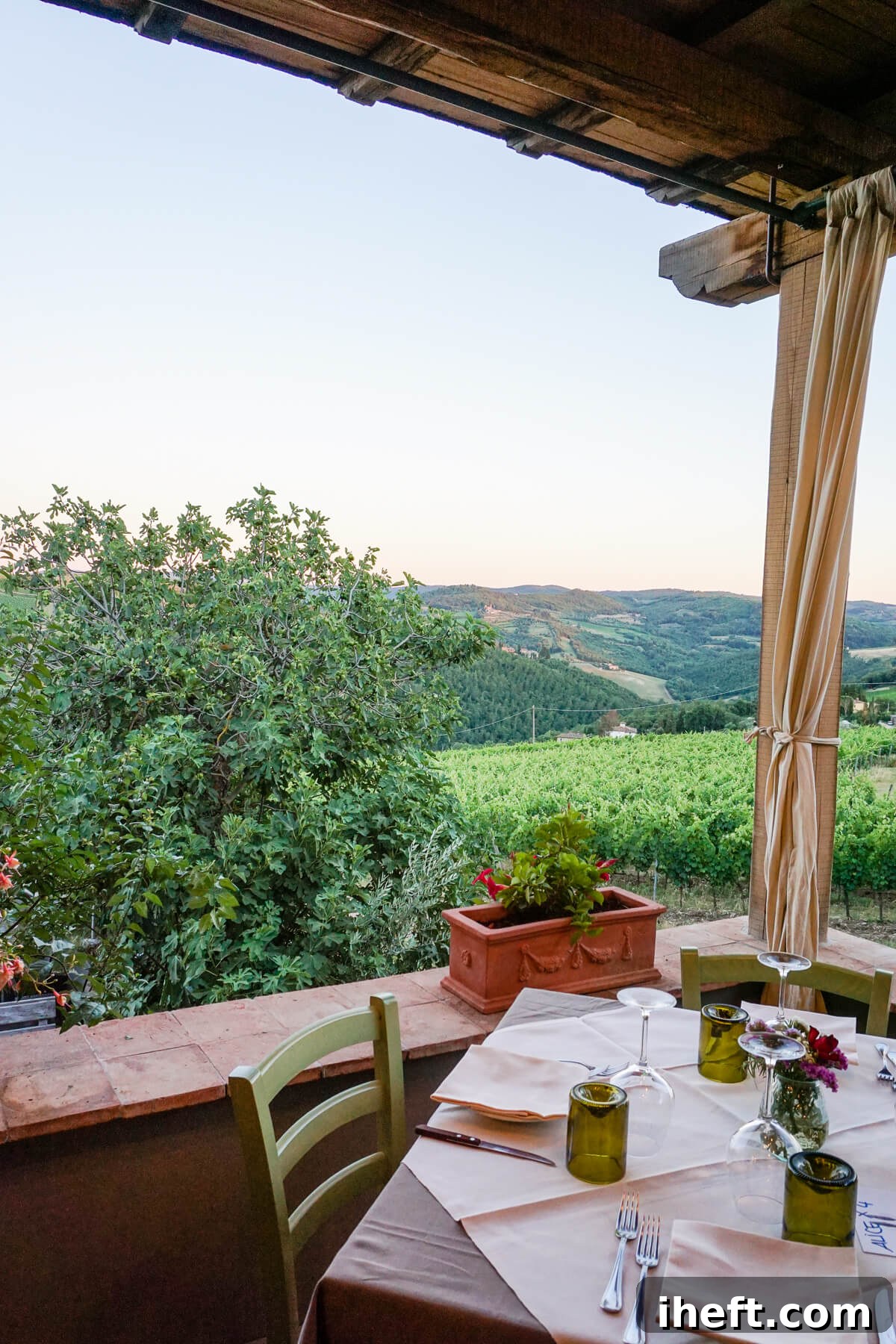
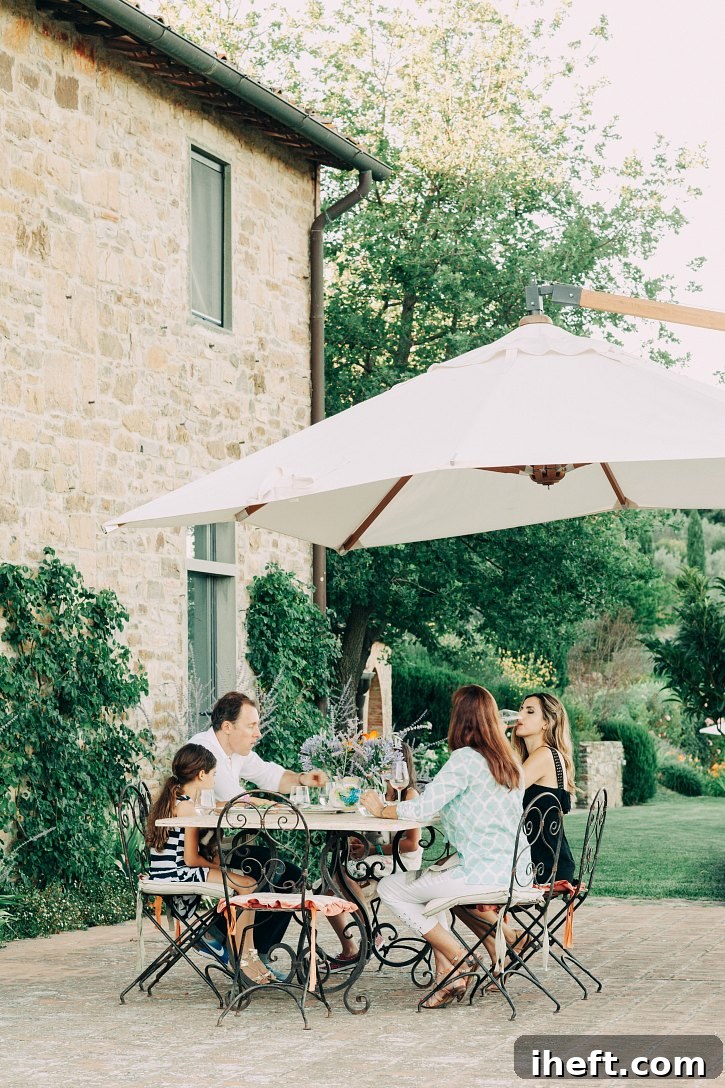
La Cantinetta di Rignana, Tuscany
Now that you understand the true Italian meanings of “al fresco,” you’ll know to avoid using it when requesting outdoor seating. The correct and widely understood term for “outside” in Italian, especially in the context of dining, is “all’aperto.” This phrase literally means “in the open.” Its counterpart, “all’interno,” means “indoors” or “inside.”
When you’re at an Italian restaurant and wish to enjoy your meal under the sky, here are a few polite and effective phrases you can use:
- “Vorrei mangiare all’aperto, per favore.” (I would like to eat outside, please.)
- “Avete un tavolo all’aperto?” (Do you have an outdoor table?)
- “È possibile sedersi all’aperto?” (Is it possible to sit outside?)
- “Un tavolo per [number] persone all’aperto.” (A table for [number] people outside.)
Dine “all’aperto” to truly soak in the vibrant atmosphere of Italian street life, people-watch, and enjoy the beautiful weather. Whether you’re in a bustling city piazza or a tranquil Tuscan countryside restaurant like La Cantinetta di Rignana (as pictured above), the experience of eating outside is an integral part of Italian culture, and knowing the right words will enhance your trip immensely. Enjoy your meal in the open air, not in the cold, and certainly not in jail!
Creating Your Own “Al Fresco” Experience at Home
While you might need to adjust your vocabulary when traveling to Italy, there’s no need to abandon the joy of “al fresco” dining (in the English sense) in your own backyard! Transforming your outdoor space into a welcoming dining area can be a simple yet incredibly rewarding endeavor. Here are some tips to create the perfect setting for your next outdoor meal:
- Comfortable Seating: Invest in ergonomic chairs or add plush cushions to existing seating. Outdoor rugs can define the dining area and add warmth.
- Ambiance Lighting: String lights, lanterns, and candles can create a magical atmosphere as evening descends. Solar-powered options are eco-friendly and convenient.
- Table Setting: Use sturdy, attractive dinnerware and glassware that can withstand outdoor conditions. Add a centerpiece with fresh flowers or herbs for a touch of elegance.
- Shade and Shelter: A large umbrella, pergola, or gazebo can provide much-needed shade on sunny days and light protection from unexpected drizzles.
- Pest Control: Citronella candles, natural bug repellents, or even a small fan can help keep unwelcome insects at bay, ensuring a more pleasant experience.
- Music: Soft background music can enhance the mood without being intrusive.
- The Menu: Opt for dishes that are easy to transport, serve, and enjoy outdoors. Think salads, grilled items, sandwiches, and desserts that hold up well in varying temperatures.
Whether it’s a casual weeknight dinner with family or a lively weekend gathering with friends, creating a dedicated outdoor dining space allows you to regularly enjoy the fresh air and natural surroundings that make “al fresco” dining so appealing.
Recipes to Savor Your Outdoor Dining Moments
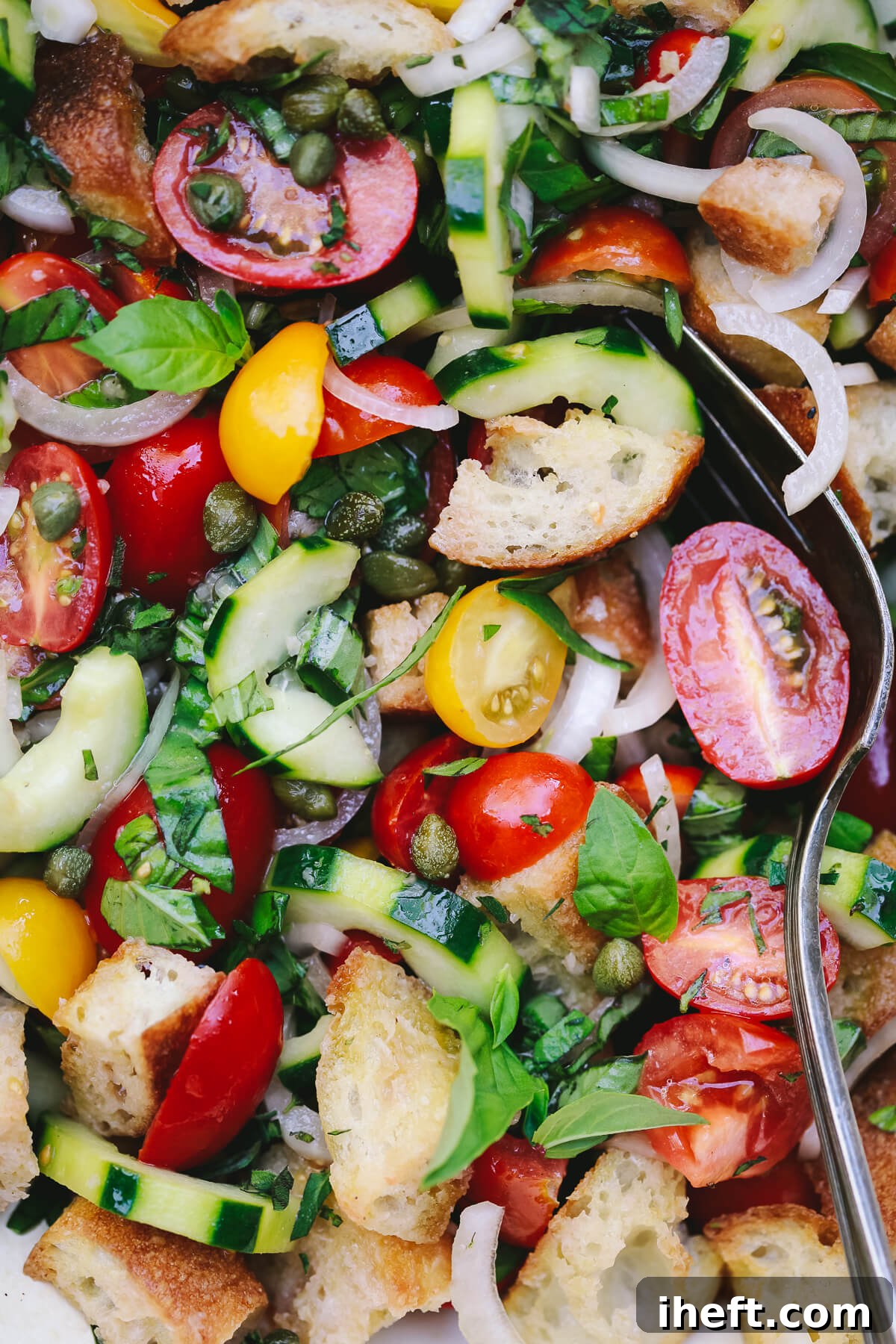
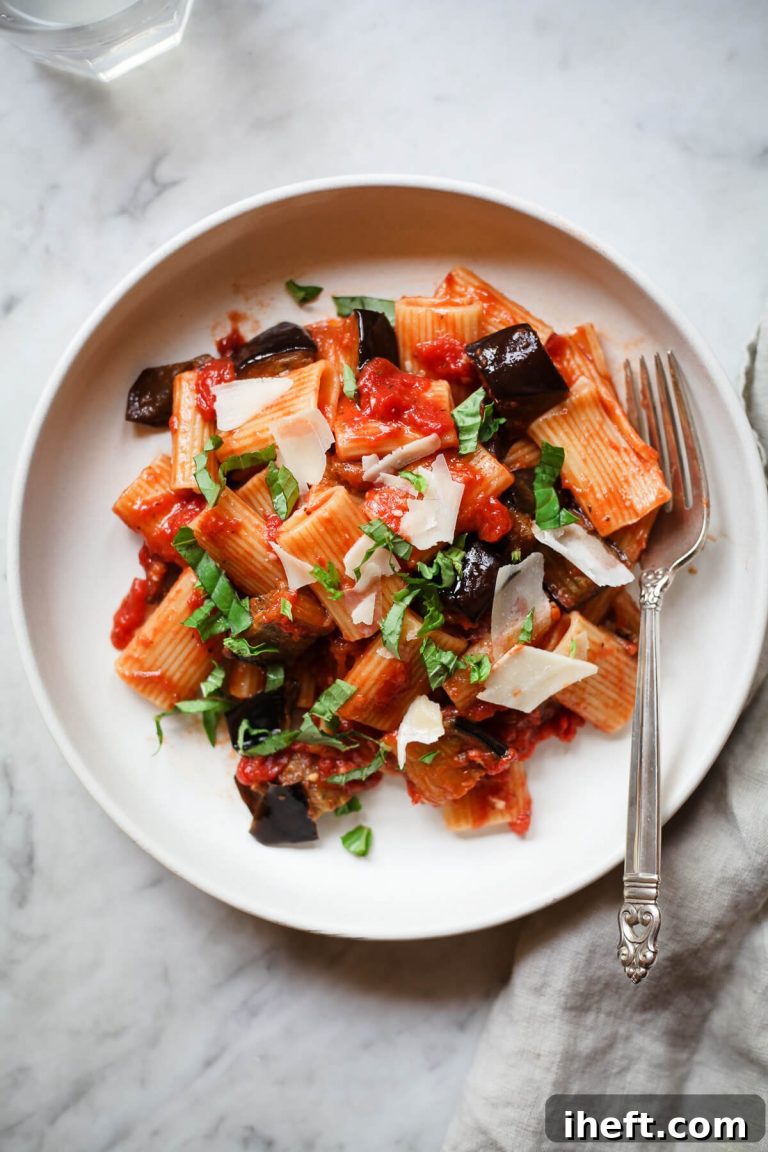
For your next outdoor feast, consider dishes that are robust, flavorful, and easy to enjoy without too much fuss. Here are some ideal choices, including those from the original list, perfect for sharing under the open sky:
- Panzanella: This rustic Italian bread and tomato salad is a quintessential summer dish. Made with ripe tomatoes, crusty bread, basil, and a vibrant vinaigrette, it’s refreshing, satisfying, and only gets better as it sits.
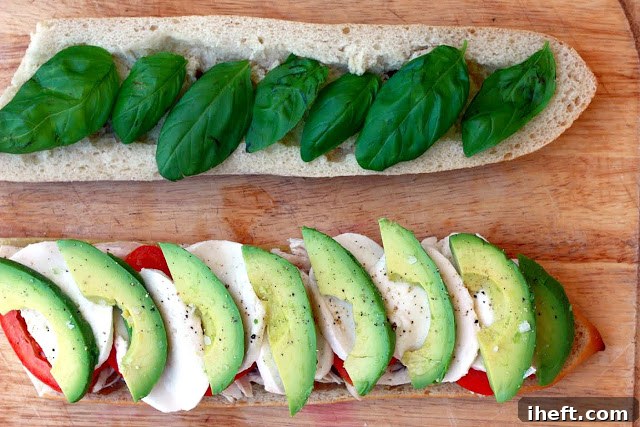
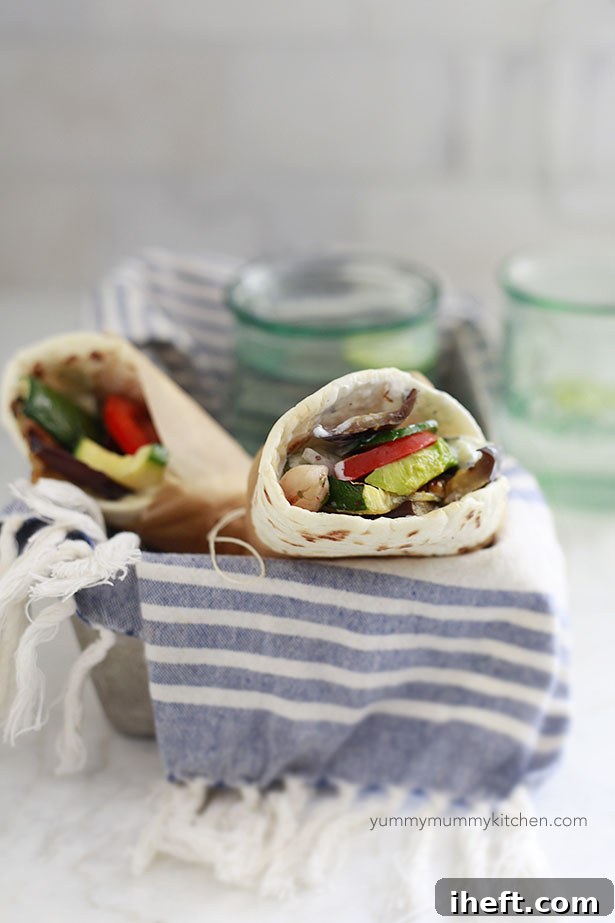
- Vegetable Sandwich (or Muffuletta): Perfect for picnics or casual outdoor meals, a hearty sandwich filled with layers of roasted vegetables, cheeses, and a flavorful spread is easy to prepare ahead and serve. A large muffuletta can be pressed and sliced for a crowd.
- Cowboy Cookies: For dessert, these robust cookies packed with oats, chocolate chips, and often other delicious mix-ins are a crowd-pleaser. They travel well and are a delightful sweet treat after an outdoor meal.
- Grilled Skewers (Kebabs): Whether with chicken, shrimp, vegetables, or halloumi cheese, skewers are fantastic for grilling outdoors. They offer easy portion control and a fun, interactive dining experience.
- Caprese Skewers: A simple yet elegant appetizer, cherry tomatoes, fresh mozzarella balls, and basil leaves threaded onto small skewers make for a quick, colorful, and mess-free starter. Drizzle with balsamic glaze.
- Orzo Pasta Salad: A light and customizable pasta salad with orzo, feta cheese, olives, cucumbers, and a lemon-herb dressing is perfect as a side or a light main dish for an outdoor gathering.
These recipes are designed to be enjoyed in a relaxed setting, allowing you more time to socialize and soak in the outdoor atmosphere rather than being confined to the kitchen.
Recap: Bridging the Linguistic Gap
The term “al fresco” serves as a fascinating example of how language can evolve and diverge. While it has firmly established itself in the English lexicon as a beloved descriptor for outdoor dining, its original Italian meanings are quite different. In Italy, “al fresco” translates to “in the cool/cold” and can colloquially mean “in prison.” Its root “fresco” also gives us the artistic term for paintings on fresh plaster.
Armed with this knowledge, you can confidently enjoy the delightful experience of dining outdoors, whether you’re creating a charming “al fresco” setting in your garden or correctly requesting “all’aperto” at an authentic Italian trattoria. Understanding these nuances not only prevents misunderstandings but also deepens your appreciation for both language and culture. So, go forth and savor your next meal, knowing you’re speaking the right language for the occasion!